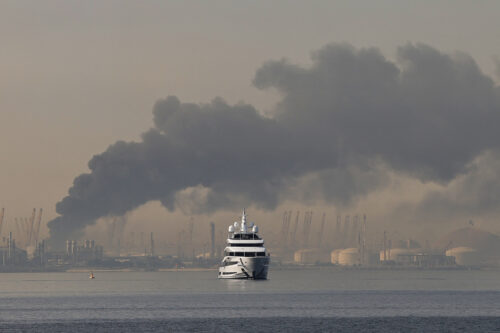
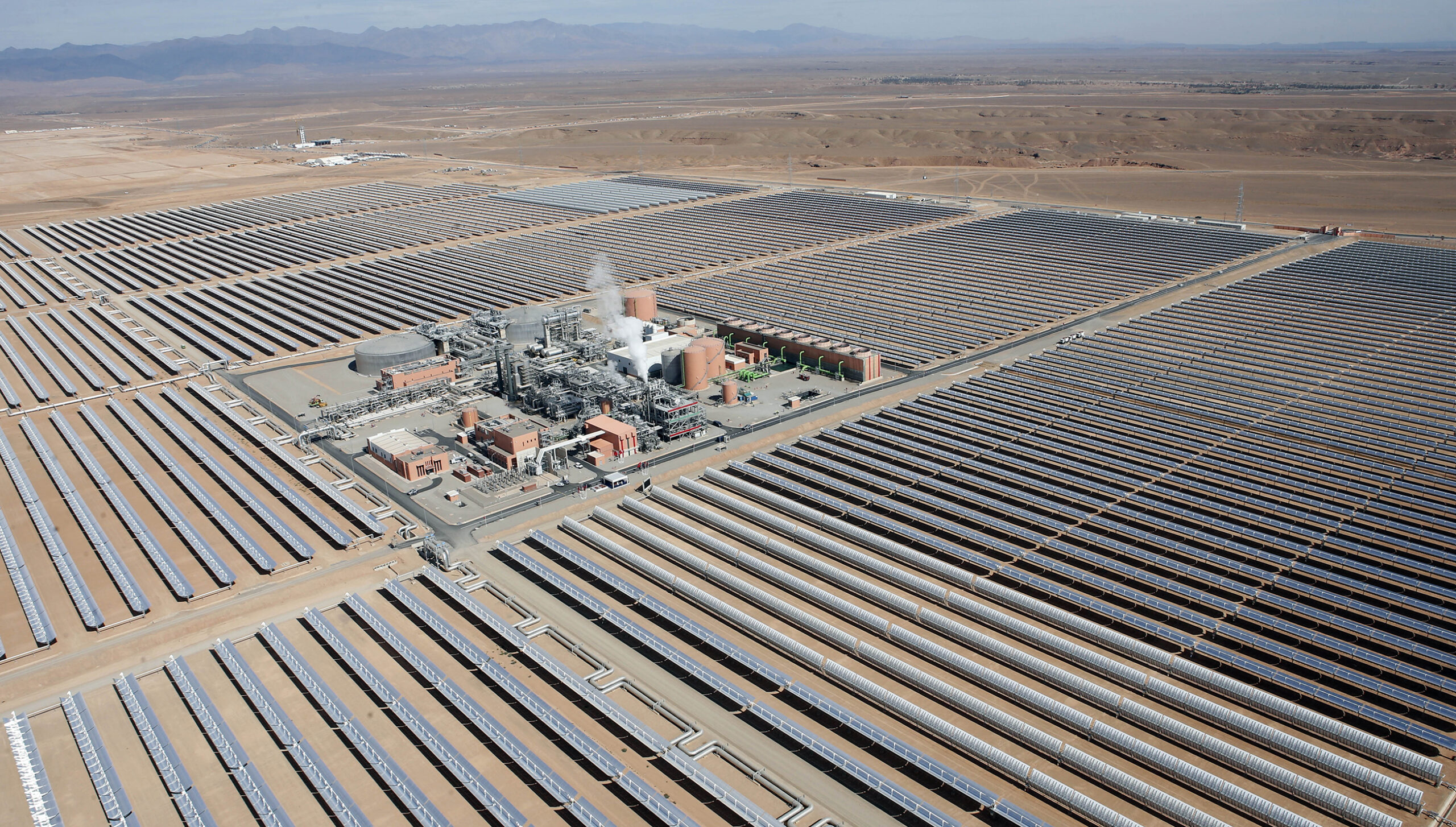
Geopolitical influence over trade increasingly rests on controlling the systems that make them work. The Middle East illustrates the stakes. US ports, cable corridors, cloud facilities, artificial intelligence (AI) investments, and maritime routes connect regional economies to global commerce while exposing them to external decisions and disruptions. For the United States, the challenge is to translate technological advantage into resilient networks rather than rely on centrality that can itself become a source of vulnerability and coercion.
Bonus Episode: Previewing Israel’s First Post-October 7 Election
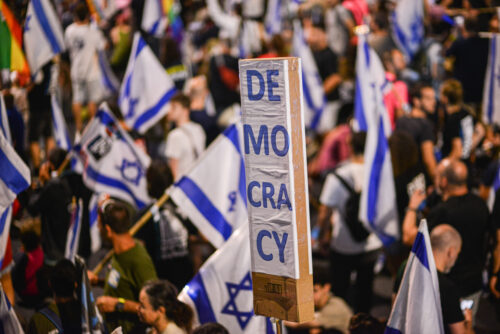
Israel is preparing to hold what may be its most consequential election in decades. On October 27, Prime Minister Benjamin Netanyahu will face his first electoral test since October 7, 2023. In this bonus episode of Middle East Focus, we present the audio from a recent MEI webinar, hosted in Israel on the eve of the vote. Senior Fellow Natan Sachs is joined by Dr. Shira Efron, Distinguished Chair for Israel Policy and senior fellow at the RAND Corporation, and Neri Zilber, veteran journalist and Financial Times correspondent. They explore what’s at stake in this historic election and how different outcomes could reshape Israel’s domestic politics and the wider region.
Israel Was Built on Hope. This Election May Be Our Last Chance to Save It
Israel’s national anthem, Hatikva, means “the hope.” Israel is not just another country, but the culmination of a 2,000-year-old dream of national redemption. The rebirth of the Jewish people’s ancestral homeland, just three years after the Holocaust, was a miraculous triumph of hope over all odds.
Today, that hope has been shattered and the elections on October 27 have become the most consequential in Israel’s history.
Since 1967, Israeli settlements in the West Bank have been a contested feature of the Israeli-Palestinian conflict. The ultimate disposition of the settlements and ongoing activity related to their growth have repeatedly defied agreement in negotiations over a resolution to the conflict.
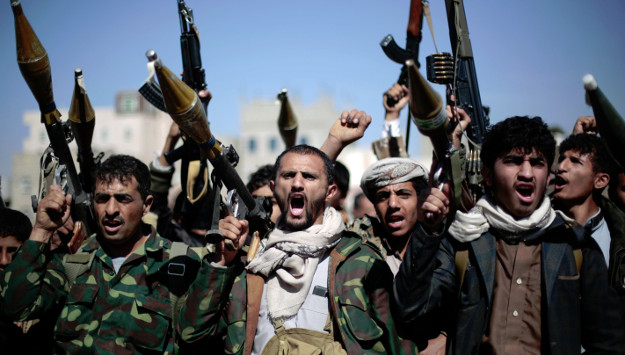
The Houthis are a political-military faction and Zaydi religious movement founded in northwestern Yemen in the 1980s. A key member of Iran’s Axis of Resistance with links to other militant organizations in the Arabian Peninsula and the Horn of Africa, the group has continued to pose a threat to Western interests on a global scale.
The India-Middle East-Europe Economic Corridor (IMEC) is a proposed multinational infrastructure initiative aimed at upgrading connectivity between the three regions through integrated trade, energy, and digital networks. Announced at the G20 summit in New Delhi in September 2023, IMEC is envisioned partially as a counterweight to China’s international infrastructure project, the Belt and Road Initiative.
After a decade of post-Arab Spring isolation, Turkey’s leaders have recognized that their ambition to position the country as an agenda-setter on the world stage requires active engagement in all directions. President Recep Tayyip Erdoğan’s consolidation of executive authority has centralized foreign policy decision-making and tied it to his domestic political priorities, transforming the country’s revisionist approach to one shaped primarily by personal and pragmatic interests.
MEI Senior Fellow Brian Katulis engages friends, colleagues, and policy experts in casual conversations on the most important happenings in the Middle East.
Rouhani Trying to Woo Voters with Empty Human Rights Slogans
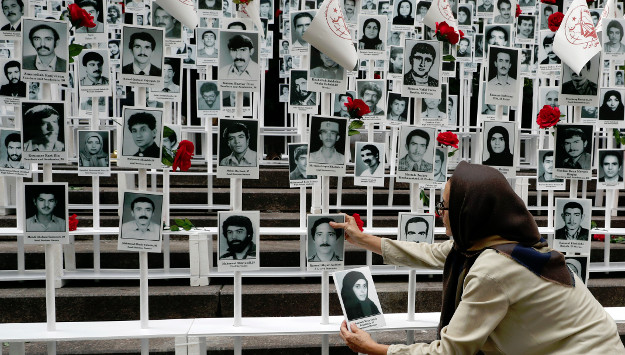
On December 19, Iranian President Hassan Rouhani unveiled a “Citizens’ Rights Charter” that he promised would guarantee Iranians’ individual rights and civil liberties.
In a speech published in the Iranian media, Rouhani called on relevant authorities to ensure that all Iranian citizens enjoy personal security and freedom, have access to fair trial and justice, are not subjected to forced confessions, are immune from illegal intrusions into their privacy, and are not persecuted for religious beliefs.
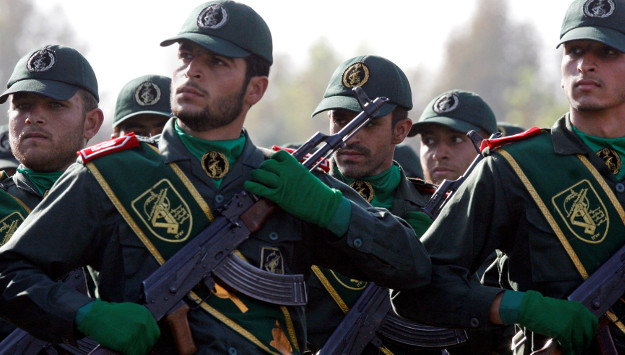
The Islamic Revolutionary Guards Corps (IRGC) has claimed that its engineers are tasked to repair the Mosul Dam, Iraq’s largest dam that generates hydroelectricity and provides water for agricultural irrigation in Nineveh Governorate.
Hailing the IRGC’s scientific capabilities and non-military expertise, General Salar Abnoush, the deputy head of IRGC’s construction conglomerate Khatam al-Anbiya Construction Base, said that the company was busy “repairing cracks in Mosul Dam to prevent the complete inundation of the Iraqi cities of Samarra, Mosul and Kadhimiya.”
Iran-led Militia Forces Planning to Seize Iraq’s Tal Afar
On December 20, a senior commander of an Iran-run Popular Mobilization Forces (PMF) unit in Iraq said the militia forces were stationed within three kilometers of Tal Afar city and were awaiting for an order from Baghdad to enter the city center.
From Conflict-insensitive to Conflict-driven Aid: Responding to the Syrian Refugee Crisis in Lebanon
In part due to a broader move from an emergency to development-based approach and due to pressure from central Lebanese government authorities, the humanitarian effort has now been coupled, since mid-2014, with one that takes into greater account the needs of local host communities alongside those of refugees. This traces the way in which tensions between hosts and refugees have become increasingly central to the development and execution of aid projects aimed at community-level support. The author argues that this has important consequences that may actually incentivize the tensions it aims to alleviate.
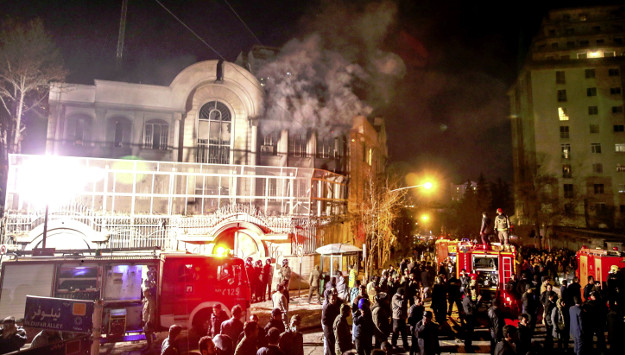
Iranian Responsible for Saudi Embassy Attack Claims Iran Government Gave “Green Light”
Iranian extremist cleric Hassan Kurdmihan, the confessed mastermind of the January 2016 attack on the Saudi Embassy in Tehran, is heard in a leaked tape recording telling his followers that the attack was “carried out upon a green light from the government and the regime,” according to a December 18 report in al-Arabiya. Kurdmihan can also be heard in the leaked calls directing members of the Iranian Basij and the Islamic Revolution Guards Corps (IRGC) to burn and destroy the Embassy and seize documents inside. The leaked recordings have been attributed to the Iranian opposition Green Mov
Iran Rules out Cooperation with West, Continues Meddling in Region
Despite growing concerns in the United States and the Arab world about Iran’s destabilizing role in the region, Iranian leaders continue to defend the country’s subversive policies in the Yemeni conflict.
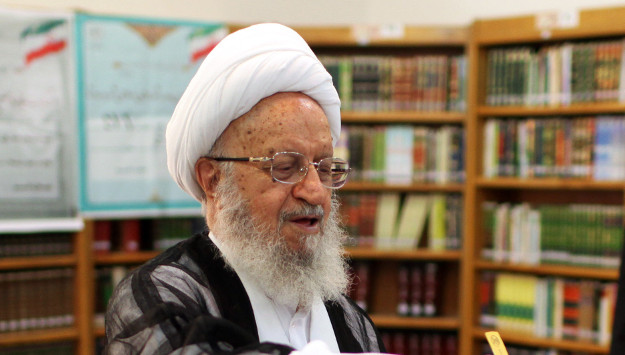
Ayatollah Naser Makarem Shirazi, who is not only a grand ayatollah but also a strong defender of all of Tehran’s policies, said on December 19 that “British statements of support for the Arab countries” are only aime
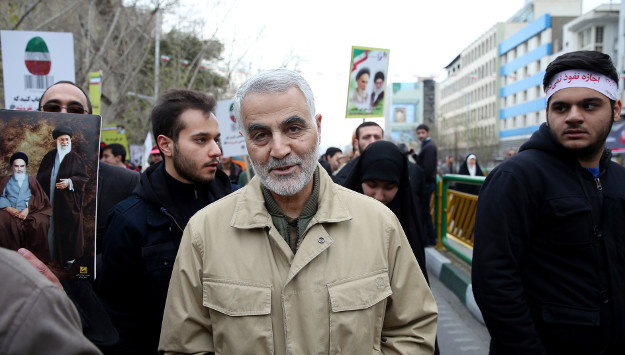
Top Iran General Says after Aleppo, It Will Be Mosul
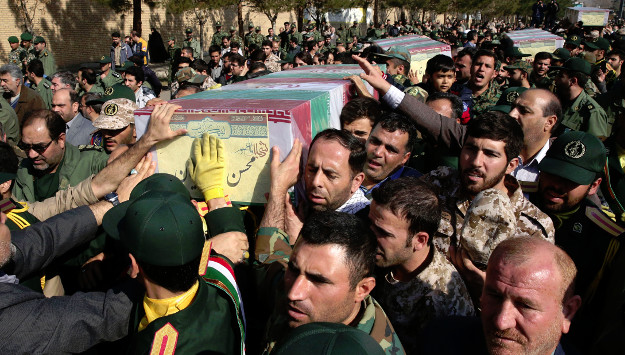
General Rahim Safavi, a top military advisor to Supreme Leader Ayatollah Ali Khamenei, called the “freedom of Aleppo” a product of the alliance between Iran, Russia, Syria and Hezbollah.” Safavi said that today “the United States has found out very well that the Islamic Republic of Iran is the first power in the region and has more influence than the other countries in the area.” He continued that “the alliance between Iran, Russia, Syria and Hizballah led to the liberation of Aleppo, and we will also liberate Mosul soon.”
Mohammad Reza Sheibani, Iran’s last ambassador to Damascus who has recently returned to Tehran, vowed that Iranian support for Syrian President Bashar al-Assad will remain until the very end.
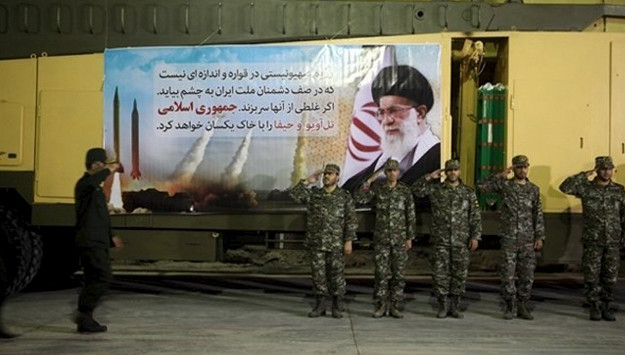
Senior Iranian Cleric Calls for “Nullifying” America and Expanding Iran’s Influence across Region
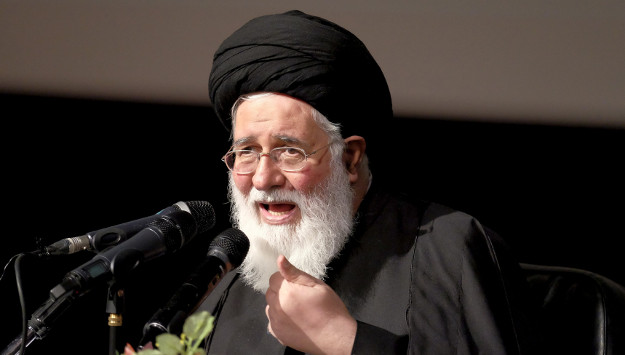
On December 18, a senior Iranian cleric claimed that Iran’s influence was expanding across the Middle East and called on the country’s armed forces to “nullify” America’s role and power in the region.
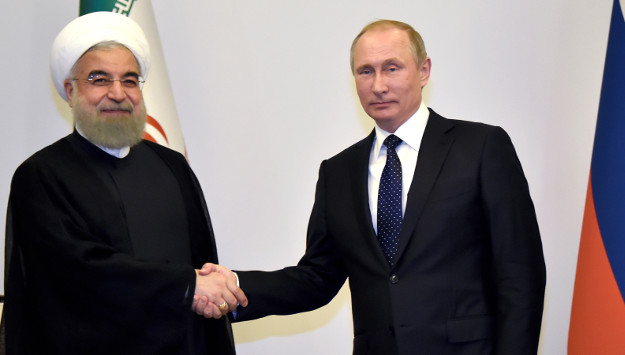
On December 19, Iran’s President Hassan Rouhani and his Russian counterpart Vladimir Putin discussed the Syrian conflict in a phone call. According to the Iranian media, the two leaders discussed ways to coordinate war efforts in Syria.
Training Women as Religious Professionals: Iran’s Shiite Seminaries
The state-run system of women’s religious seminaries in Iran is today probably the most successful in the entire Muslim world. No other country boasts so many women in its institutions of religious learning, and they enjoy popularity not only among Iranian women but Muslim women from all over the world. However, the scope of the religious education on offer for women is nonetheless limited. In this essay, Mirjam Künkler suggests why.
The oldest peer-reviewed publication dedicated to the study of the modern Middle East, MEI’s flagship journal covers politics, society, and culture in the region.