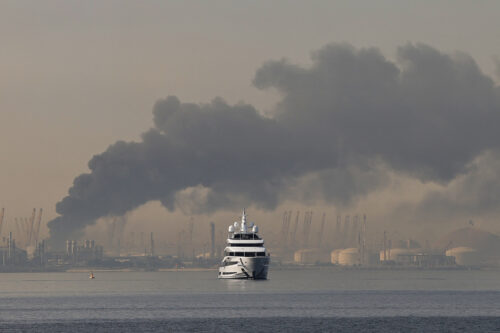
Geopolitical influence over trade increasingly rests on controlling the systems that make them work. The Middle East illustrates the stakes. US ports, cable corridors, cloud facilities, artificial intelligence (AI) investments, and maritime routes connect regional economies to global commerce while exposing them to external decisions and disruptions. For the United States, the challenge is to translate technological advantage into resilient networks rather than rely on centrality that can itself become a source of vulnerability and coercion.
Bonus Episode: Previewing Israel’s First Post-October 7 Election
Israel is preparing to hold what may be its most consequential election in decades. On October 27, Prime Minister Benjamin Netanyahu will face his first electoral test since October 7, 2023. In this bonus episode of Middle East Focus, we present the audio from a recent MEI webinar, hosted in Israel on the eve of the vote. Senior Fellow Natan Sachs is joined by Dr. Shira Efron, Distinguished Chair for Israel Policy and senior fellow at the RAND Corporation, and Neri Zilber, veteran journalist and Financial Times correspondent. They explore what’s at stake in this historic election and how different outcomes could reshape Israel’s domestic politics and the wider region.
Israel Was Built on Hope. This Election May Be Our Last Chance to Save It
Israel’s national anthem, Hatikva, means “the hope.” Israel is not just another country, but the culmination of a 2,000-year-old dream of national redemption. The rebirth of the Jewish people’s ancestral homeland, just three years after the Holocaust, was a miraculous triumph of hope over all odds.
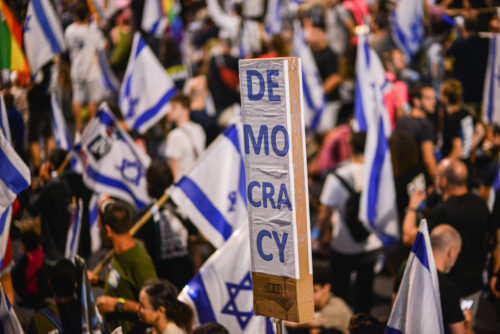
Today, that hope has been shattered and the elections on October 27 have become the most consequential in Israel’s history.
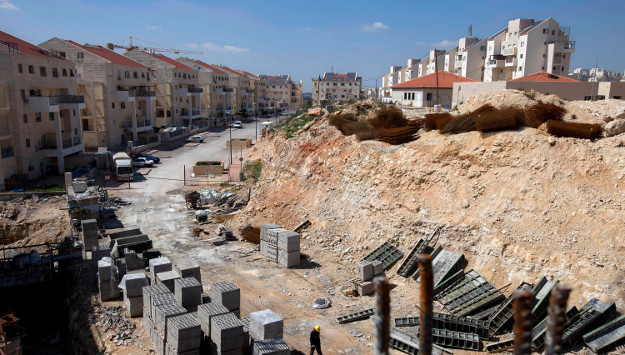
Since 1967, Israeli settlements in the West Bank have been a contested feature of the Israeli-Palestinian conflict. The ultimate disposition of the settlements and ongoing activity related to their growth have repeatedly defied agreement in negotiations over a resolution to the conflict.
The Houthis are a political-military faction and Zaydi religious movement founded in northwestern Yemen in the 1980s. A key member of Iran’s Axis of Resistance with links to other militant organizations in the Arabian Peninsula and the Horn of Africa, the group has continued to pose a threat to Western interests on a global scale.
The India-Middle East-Europe Economic Corridor (IMEC) is a proposed multinational infrastructure initiative aimed at upgrading connectivity between the three regions through integrated trade, energy, and digital networks. Announced at the G20 summit in New Delhi in September 2023, IMEC is envisioned partially as a counterweight to China’s international infrastructure project, the Belt and Road Initiative.
After a decade of post-Arab Spring isolation, Turkey’s leaders have recognized that their ambition to position the country as an agenda-setter on the world stage requires active engagement in all directions. President Recep Tayyip Erdoğan’s consolidation of executive authority has centralized foreign policy decision-making and tied it to his domestic political priorities, transforming the country’s revisionist approach to one shaped primarily by personal and pragmatic interests.
MEI Senior Fellow Brian Katulis engages friends, colleagues, and policy experts in casual conversations on the most important happenings in the Middle East.
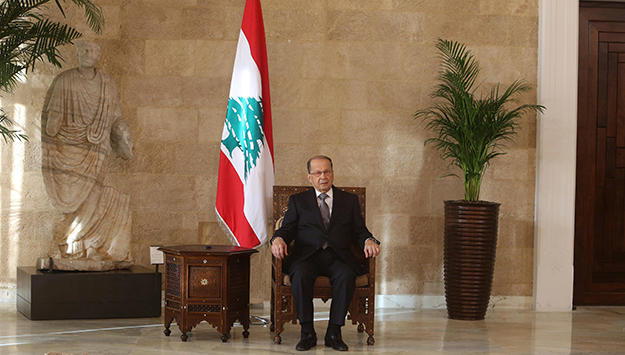
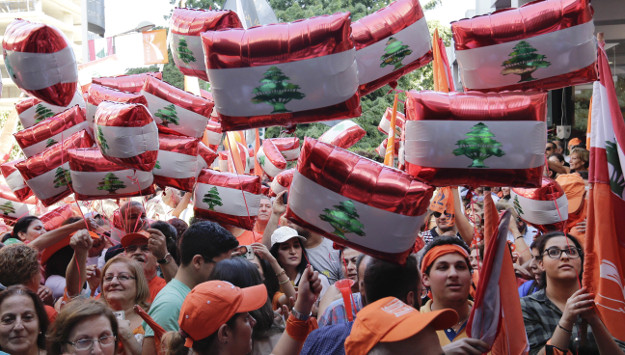
After a hiatus of two and a half years, Lebanon has a new president. The Lebanese parliament has elected Michel Aoun, a former army chief, as the country’s 17th president. Michel Aoun owes the presidency to three men: Samir Geagea, the leader of the Christian Lebanese forces, Saad Hariri, the former Sunni prime minister, and Hassan Nasrallah, the leader of the Shiite Hezbollah.
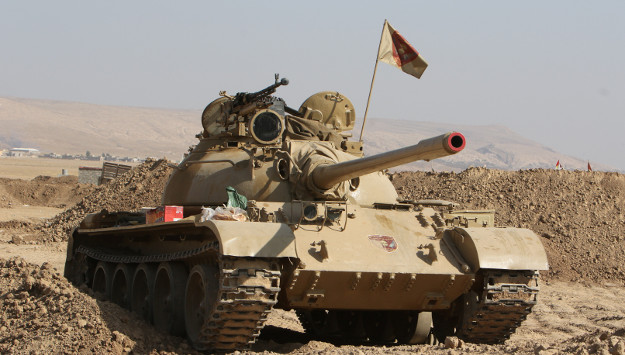
Monday Briefing: Shiite Militias to Join Mosul Battle
In this week’s Monday Briefing, MEI experts Randa Slim, Robert S. Ford, and David Mack provide analysis on recent and upcoming events including updates on the battles for Mosul and Aleppo, and the potential meeting of Libyan factions currently locked in a stalemate.
Note: This article was published by Foreign Affairs on October 29; On Monday, October 31, Michel Aoun was elected president. Read the full article on here.
October 28, 2016 – Vice President for Policy and Research Paul Salem discusses key points from his policy essay, “Navigating a Turbulent Middle East: Priorities for the Next President,” which was just published in the Fall 2016 issue of The Middle East Journal.
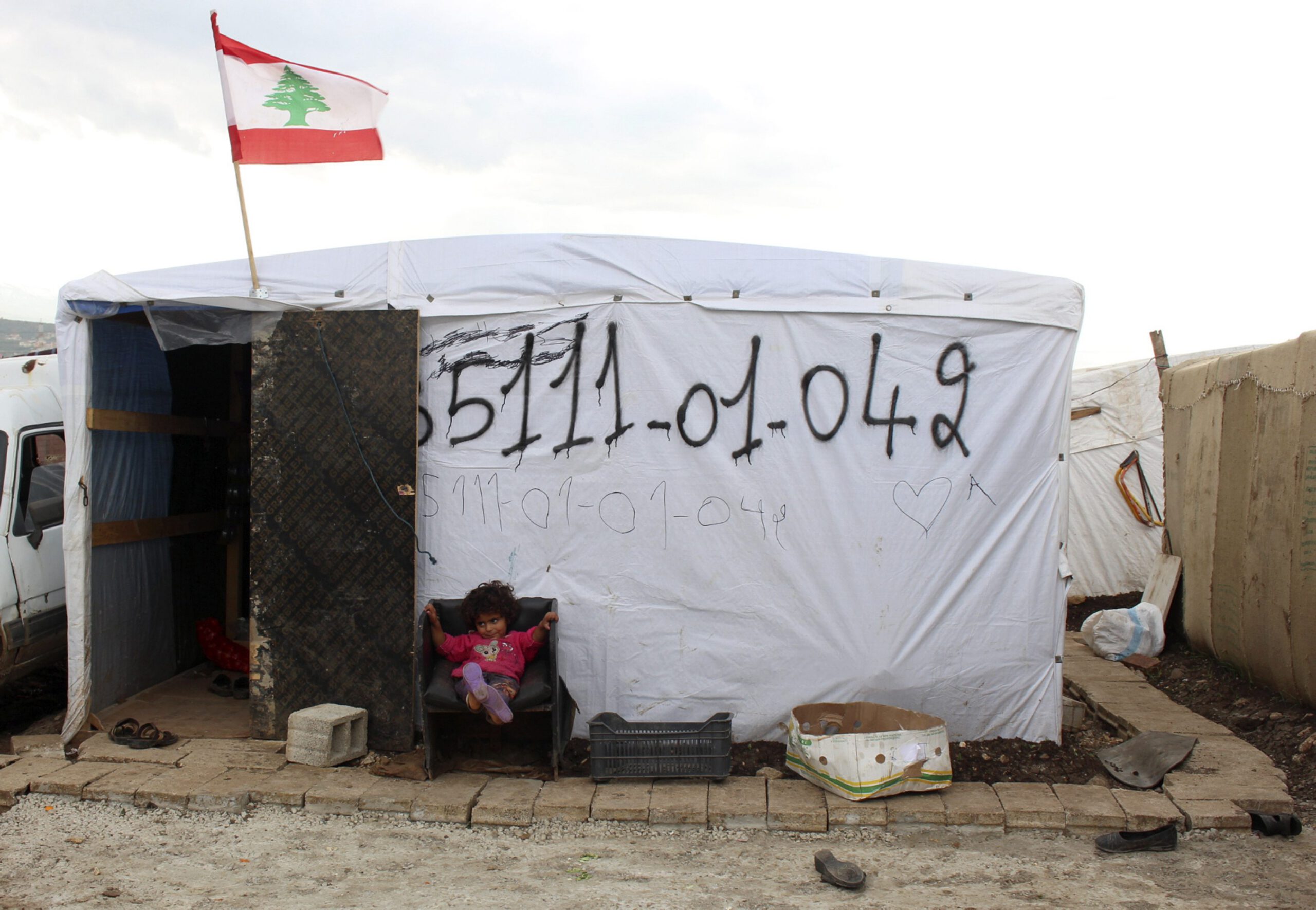
Against Ontologies of Hospitality: About Syrian Refugeehood in Northern Lebanon
This essay explores the relationship between Syrian refugees and local Lebanese. In particular, it discusses the dominance of the discourse of ‘hospitality’ in the international media depiction of this relationship and in the humanitarian response informed by it. As this essay will show, these tendencies have resulted in the ‘hospitality’ discourse informing and reinforcing the international response to the Syrian refugee influx into and presence in Lebanon.
The most senior Shiite clerics in Iran met on October 27 with the leadership of the Supreme National Security Council (SNSC). The meeting included Ali Shamkhani, who is the Secretary General at the SNSC. According to reports, the top clerics are urging the SNSC officials to prevent deep political splits from emerging in the Iranian society.
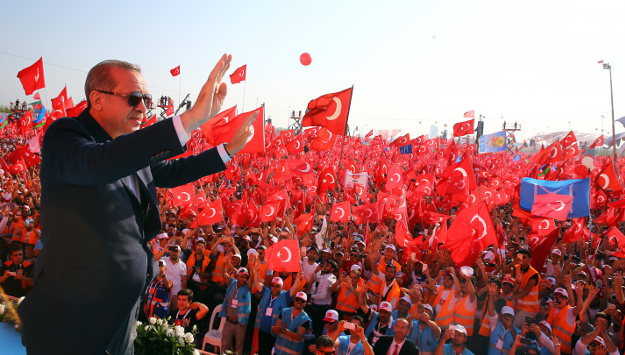
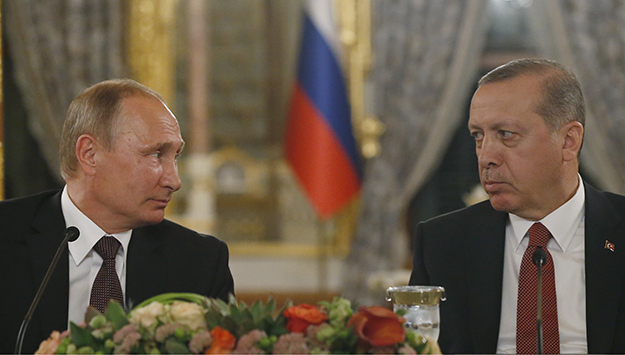
How Far Can the Turkey-Russia Rapprochement in Syria Go?
Tensions between Turkey and Russia are thawing, as both countries appear to be advancing reconciliation efforts. Beginning with Turkish President Recep Tayyip Erdogan’s apology to Russian President Vladimir Putin for downing a Russian jet last year, the nations have shown a political will to cultivate closer cooperation in Syria. But the question remains—how far can the rapprochement in Syria go?
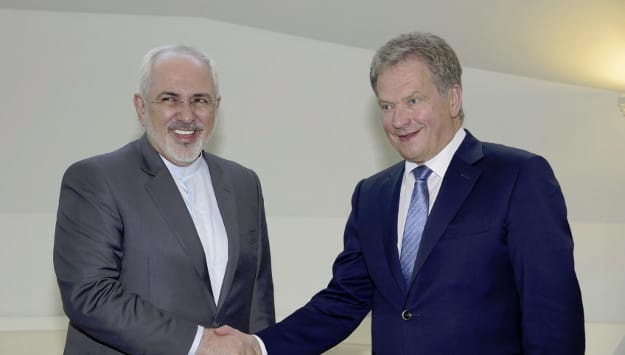
Pursuant to talks between Iran and the European Union to normalize relations, the president of Finland, Sauli Niinisto, was in Tehran on October 26. There, he was greeted by a number of Iranian officials who harshly attacked the policies of Western states in the Middle East.
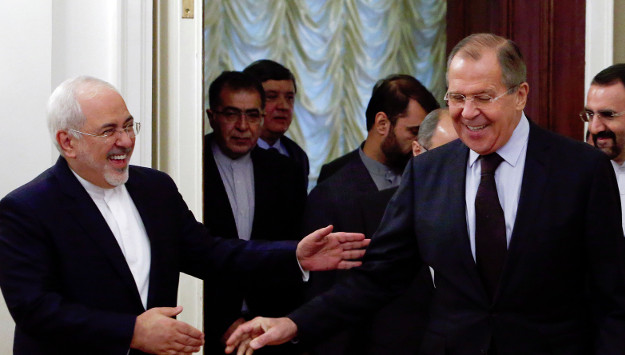
Iranian Foreign Minister Javad Zarif is due to be in Moscow on October 28. There, he will meet with his Russian and Syrian counterparts to assess the military campaign against the Syrian opposition.
The Next President: Security and Terrorism Challenges
October 24, 2016 – In this interview MEI Board Chairman Richard A. Clarke discusses the national security challenges that will face the next U.S. president, ranging from cybersecurity to countering violent extremism, with host Paul Salem.
Senior Iranian Official Says Regime’s Opposition to US and Israel to Continue
The secretary general of Iran’s Supreme National Security Council (SNSC), Ali Shamkhani, says latest political and economic deals signed with various countries will not impact Tehran’s fundamental foreign policy priorities.
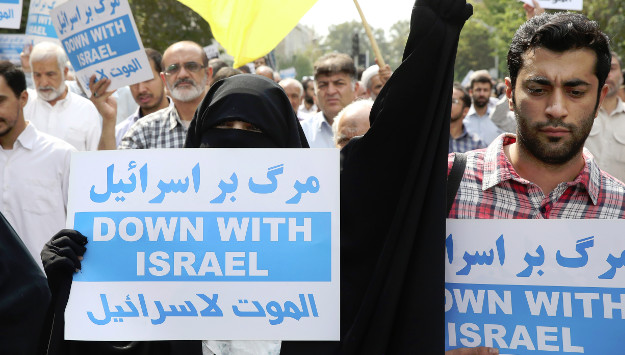
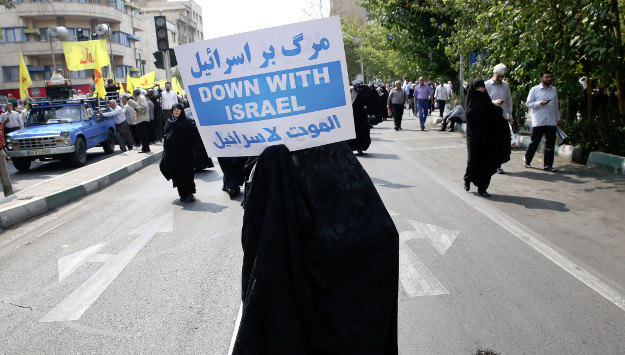
Iran's Hardliners Defy EU's Call to Soften Anti-Israel Stance
On October 25, as the parliament of the European Union condemned Iran’s hostile posture toward Israel, a number of Iranian hardline sites published articles aimed at tormenting the Jewish state.
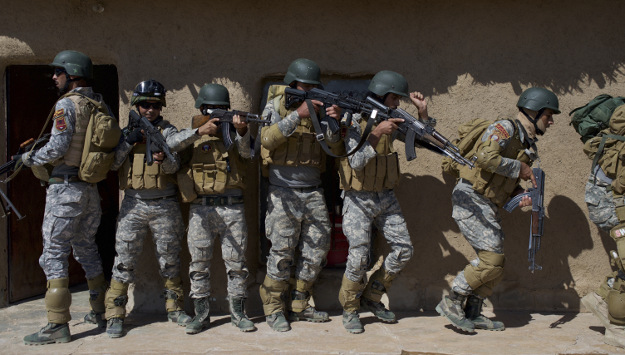
In an ideal world, the ousting of a militant group that has openly committed genocide and engaged in ethnic and religious cleansing ought to be followed by an affirmation of national unity. This sadly is not the case in Iraq’s war-torn Nineveh province.
The oldest peer-reviewed publication dedicated to the study of the modern Middle East, MEI’s flagship journal covers politics, society, and culture in the region.