Geopolitical influence over trade increasingly rests on controlling the systems that make them work. The Middle East illustrates the stakes. US ports, cable corridors, cloud facilities, artificial intelligence (AI) investments, and maritime routes connect regional economies to global commerce while exposing them to external decisions and disruptions. For the United States, the challenge is to translate technological advantage into resilient networks rather than rely on centrality that can itself become a source of vulnerability and coercion.
Bonus Episode: Previewing Israel’s First Post-October 7 Election
Israel is preparing to hold what may be its most consequential election in decades. On October 27, Prime Minister Benjamin Netanyahu will face his first electoral test since October 7, 2023. In this bonus episode of Middle East Focus, we present the audio from a recent MEI webinar, hosted in Israel on the eve of the vote. Senior Fellow Natan Sachs is joined by Dr. Shira Efron, Distinguished Chair for Israel Policy and senior fellow at the RAND Corporation, and Neri Zilber, veteran journalist and Financial Times correspondent. They explore what’s at stake in this historic election and how different outcomes could reshape Israel’s domestic politics and the wider region.
Israel Was Built on Hope. This Election May Be Our Last Chance to Save It
Israel’s national anthem, Hatikva, means “the hope.” Israel is not just another country, but the culmination of a 2,000-year-old dream of national redemption. The rebirth of the Jewish people’s ancestral homeland, just three years after the Holocaust, was a miraculous triumph of hope over all odds.
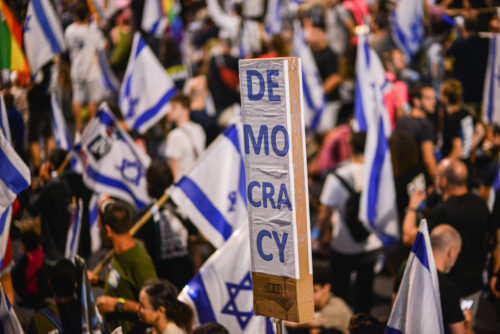
Today, that hope has been shattered and the elections on October 27 have become the most consequential in Israel’s history.
Since 1967, Israeli settlements in the West Bank have been a contested feature of the Israeli-Palestinian conflict. The ultimate disposition of the settlements and ongoing activity related to their growth have repeatedly defied agreement in negotiations over a resolution to the conflict.
The Houthis are a political-military faction and Zaydi religious movement founded in northwestern Yemen in the 1980s. A key member of Iran’s Axis of Resistance with links to other militant organizations in the Arabian Peninsula and the Horn of Africa, the group has continued to pose a threat to Western interests on a global scale.
The India-Middle East-Europe Economic Corridor (IMEC) is a proposed multinational infrastructure initiative aimed at upgrading connectivity between the three regions through integrated trade, energy, and digital networks. Announced at the G20 summit in New Delhi in September 2023, IMEC is envisioned partially as a counterweight to China’s international infrastructure project, the Belt and Road Initiative.
After a decade of post-Arab Spring isolation, Turkey’s leaders have recognized that their ambition to position the country as an agenda-setter on the world stage requires active engagement in all directions. President Recep Tayyip Erdoğan’s consolidation of executive authority has centralized foreign policy decision-making and tied it to his domestic political priorities, transforming the country’s revisionist approach to one shaped primarily by personal and pragmatic interests.
MEI Senior Fellow Brian Katulis engages friends, colleagues, and policy experts in casual conversations on the most important happenings in the Middle East.
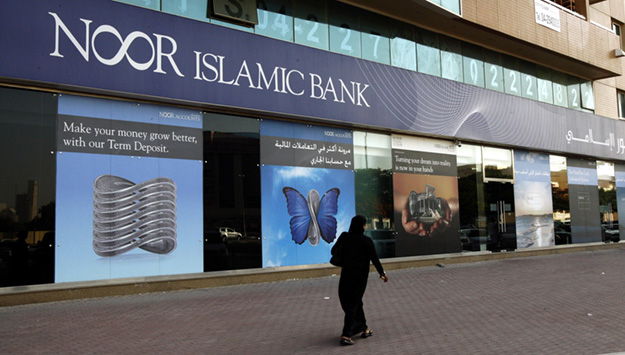
When “Islamic finance” is mentioned, ideas of the latest Gulf mega-projects spring to mind. However, for millions of Muslims throughout the Middle East, Islamic finance is analogous to a credit union in the United States. In places like Jordan and Turkey, the system is witnessing considerable growth, but for quite different reasons. While Jordanians look to Islamic finance as a route to development, the Turks use it to fight inflation.
Iraqis Defy Sectarianism through Urban Planning, Art
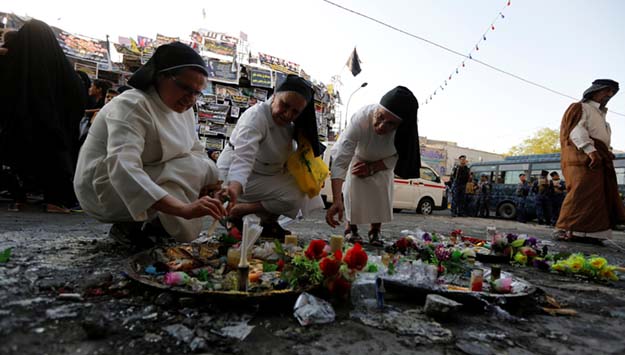
While the post-invasion map of Iraq is often conceived as a neatly trisected nation with a Kurdish top end, Sunni middle, and Shiite south, the reality is one of mixed marriages and common humanity.
Although the changes once-mixed and cosmopolitan Iraqi cities have experienced since 2003 are telling (see maps of changes to Baghdad neighborhood demographics since 2003), there are many people and projects that cross the post-invasion sectarian divide.
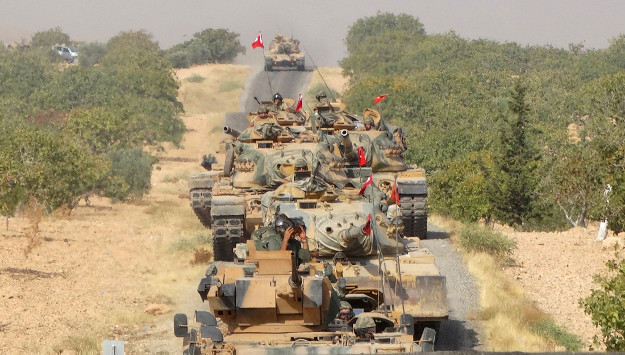
Monday Briefing: Turkish Incursion into Syria, OPEC Meeting
In this week’s Monday Briefing, MEI experts Gonul Tol, Daniel Serwer, and Jean-François Seznec provide analysis on recent and upcoming events including the Turkish intervention in Syria, and next month’s OPEC meeting in Algeria.
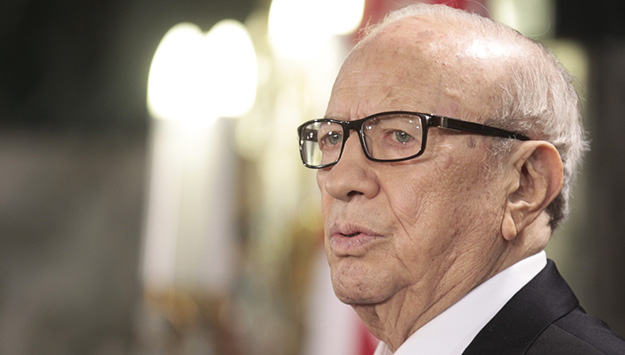
Essebsi’s Power Grab Imperils Tunisia’s Nascent Democracy
The Tunisian parliament on August 27 endorsed the new government led by Youssef Chahed, a month after the assembly dismissed the previous Essid government.
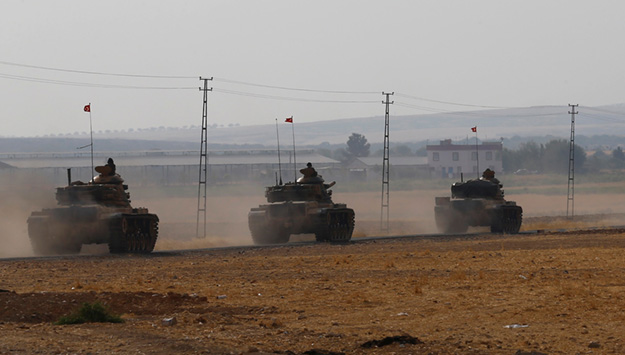
One might wonder how a country that recently survived a bloody coup attempt and multiple terrorist attacks could embark on a military incursion into a neighboring country. Yet this is exactly what Turkey has done.
Beyond Performativity: Islamic State (ISIL) and Indonesia’s Counter-radicalization Challenge
This essay explores the counter-radicalization landscape in Indonesia with reference to the current challenge posed by Islamic State (ISIL). The author argues that rather than adopting “ISIL-specific” strategies, the Indonesian state should engage more comprehensively with the problematic of counter/de-radicalization policy and, more controversially, the nascent mainstreaming of extremism.
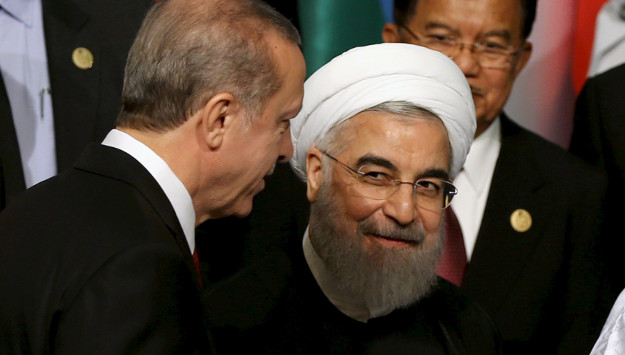
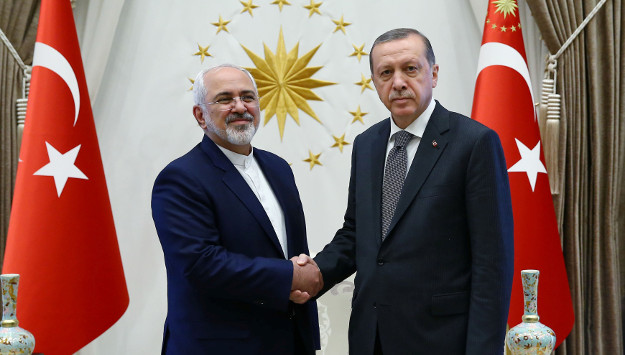
Turkish President Erdogan is about to make a high-profile visit to Tehran. The trip is not just about a potential warming of relations between Ankara and Tehran but some think it might become a turning point and herald a new regional alignment on how to end the Syrian civil war.
G.C.C., Iran Look to Sea Trade to Reduce Dependence on Oil
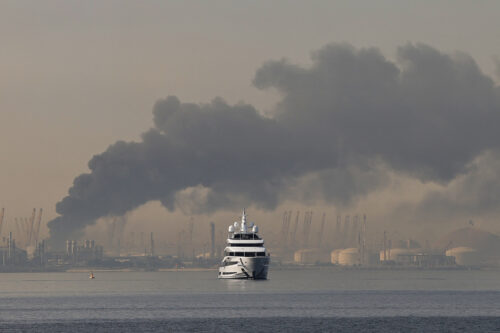
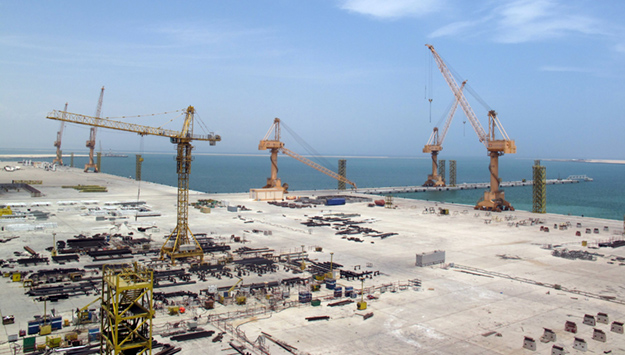
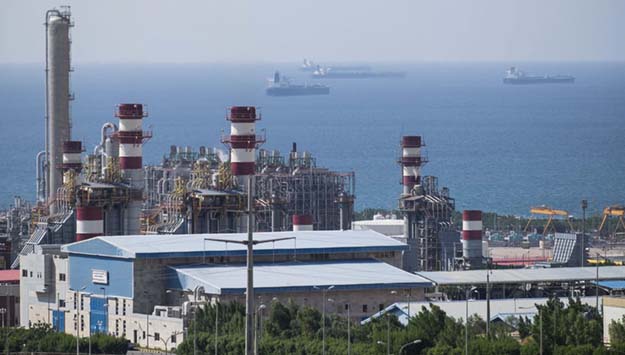
Continuing low oil prices have prompted Persian Gulf states to diversify their heavily petro-dependent economies. This issue is forcing the oil-rich states to invest and expand their potential as international trade hubs as a pathway away from the time bomb of single commodity exports. As many Gulf states have outlined in economic plans, as well as developed on the ground, maritime trade is an increasingly essential link connecting the Middle East to the global economy.
Clash—Hit Movie about Post-2011 Egypt Fails to Provoke
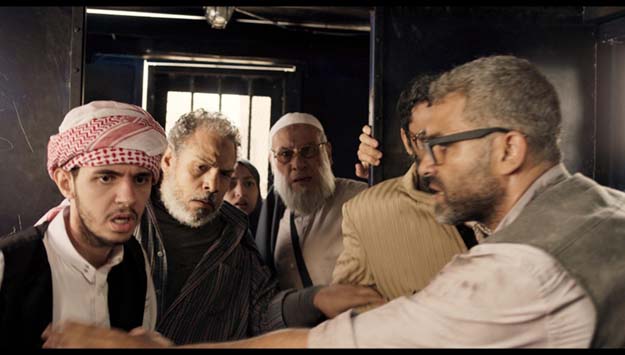
How do you comprehensively depict an impossibly complex event like the Egyptian January 25 Revolution and its aftermath on screen? This is the question Egyptian filmmakers have ventured to tackle since the outbreak of the country’s transformative uprising in 2011. The first batch of movies—omnibus fiction 18 Days, the documentary The Good, the Bad and the Politician, Ahmed Rashawan’s Born on January 25 —were reactionary pieces, imbued with the jubilant sensation of Mubarak’s ouster.
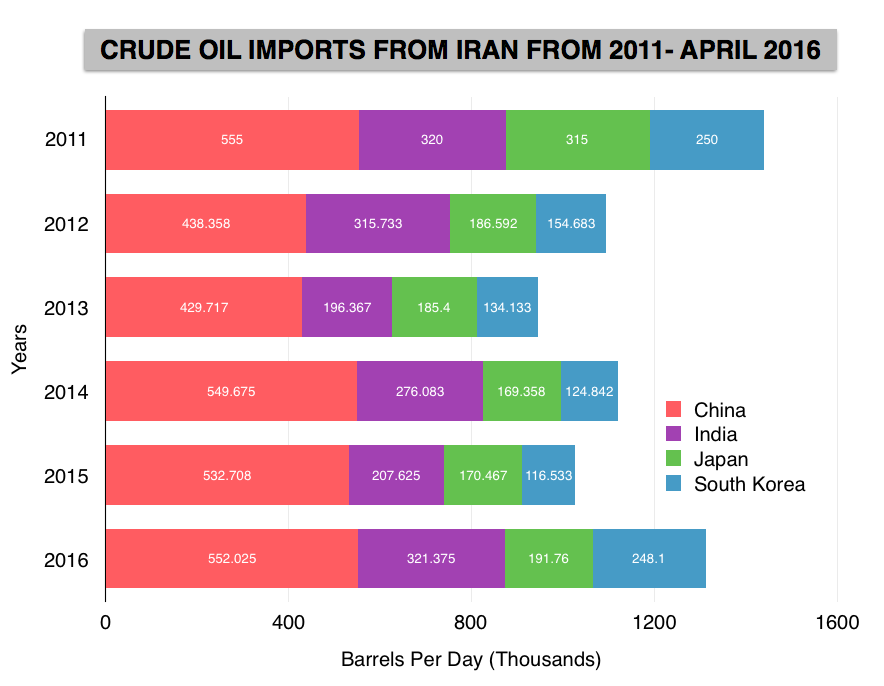
Iranian oil sales have nearly doubled since sanctions were lifted on its oil exports in January 2016. In fact, Iran is recovering market share faster than many experts had expected.
Several factors have contributed to this development, including that Iran has—
Monday Briefing: Turkey's Iran Outreach and Regional Diplomatic Strategy
In this week’s Monday Briefing, MEI experts Gonul Tol, Alex Vatanka, Charles Schmitz, and Robert S. Ford provide analysis on current issues including Turkey’s regional diplomacy as President Erdogan is set to visit Tehran, the Iranian perspective on Turkey’s role in the region, Secretary Kerry’s visit to Saudi Arabia amid renewed fighting in Yemen, and ongoing attempts to broker a cease-fire deal in Syria.
The oldest peer-reviewed publication dedicated to the study of the modern Middle East, MEI’s flagship journal covers politics, society, and culture in the region.