MINURSO’s Future: What the Security Council’s Choice May Reveal
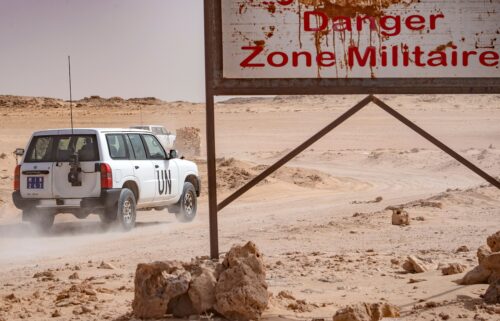
As the United Nations Security Council (UNSC) approaches the October 31 renewal deadline of the UN Monitoring Mission in Western Sahara (MINURSO), the mission’s longer-term future remains uncertain. Another largely unchanged renewal remains a likely immediate outcome. But beyond that holding pattern, three possible scenarios are also on the table.
How Lebanon can be Trump’s first success in a troubled region
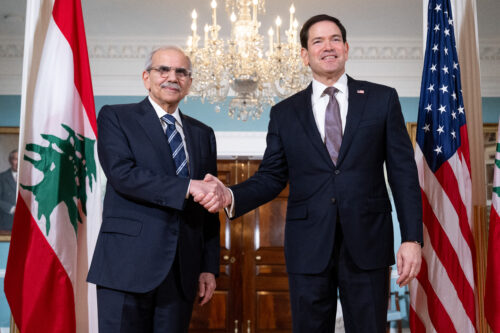
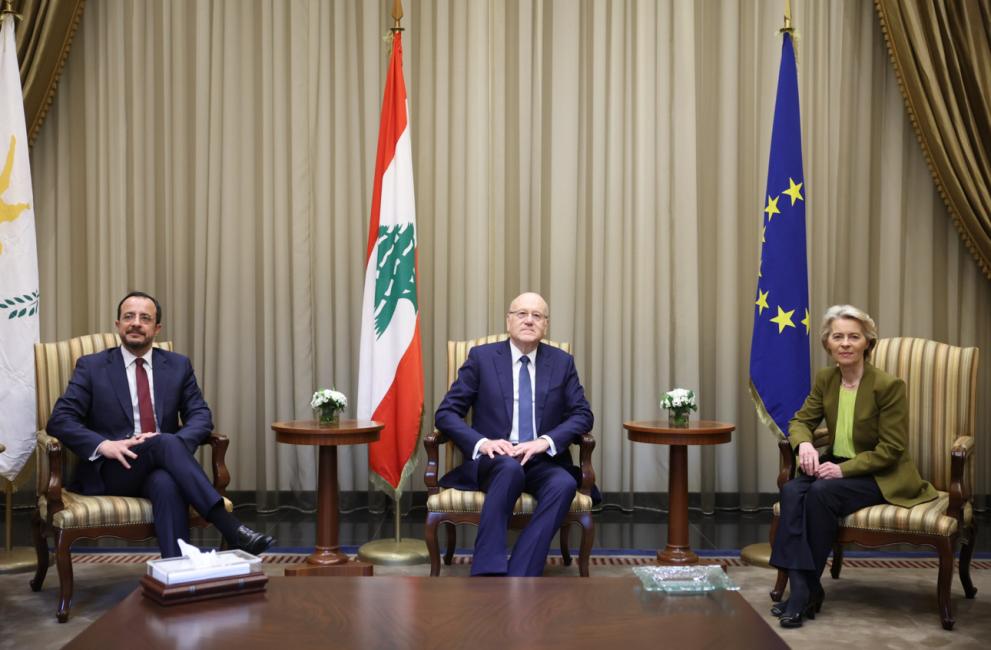
The Trump administration has done more than any of its predecessors to restore sovereignty for a much traumatized nation, Lebanon. The Israel Defense Forces’ operations in 2024 against Hezbollah decimated that organization, long the “A Team” in global terror.
Kim Ghattas on a Murder That Explains the Middle East
Brian sits down with author and Emmy Award-winning journalist Kim Ghattas to talk about her new book, The Best Kind of American, which tells the story of the 1984 assassination of Malcolm Kerr, then president of the American University of Beirut. They discuss her inspiration for the project, what Kerr’s murder revealed about the Middle East at the time, and why his story still resonates four decades later.
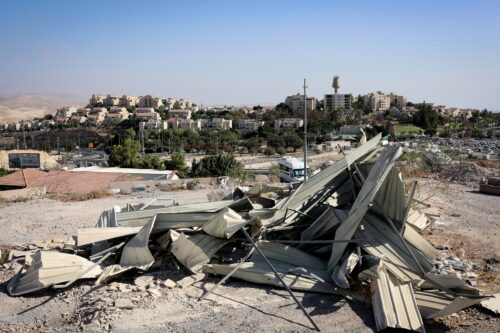
Since 1967, Israeli settlements in the West Bank have been a contested feature of the Israeli-Palestinian conflict. The ultimate disposition of the settlements and ongoing activity related to their growth have repeatedly defied agreement in negotiations over a resolution to the conflict.
The Houthis are a political-military faction and Zaydi religious movement founded in northwestern Yemen in the 1980s. A key member of Iran’s Axis of Resistance with links to other militant organizations in the Arabian Peninsula and the Horn of Africa, the group has continued to pose a threat to Western interests on a global scale.
The India-Middle East-Europe Economic Corridor (IMEC) is a proposed multinational infrastructure initiative aimed at upgrading connectivity between the three regions through integrated trade, energy, and digital networks. Announced at the G20 summit in New Delhi in September 2023, IMEC is envisioned partially as a counterweight to China’s international infrastructure project, the Belt and Road Initiative.
After a decade of post-Arab Spring isolation, Turkey’s leaders have recognized that their ambition to position the country as an agenda-setter on the world stage requires active engagement in all directions. President Recep Tayyip Erdoğan’s consolidation of executive authority has centralized foreign policy decision-making and tied it to his domestic political priorities, transforming the country’s revisionist approach to one shaped primarily by personal and pragmatic interests.
MEI Senior Fellow Brian Katulis engages friends, colleagues, and policy experts in casual conversations on the most important happenings in the Middle East.
Defense Rapid Reaction: Israel expands its war aims to neutralize Hezbollah
In the latest installment of the Defense Rapid Reaction series, experts from MEI’s Defense & Security Program provide their views on the likely evolution of the Israeli-Hezbollah war, the potential for the conflict to draw in outside actors, as well as the impact of the war on global terrorist recruitment and appeal for extremist activities.
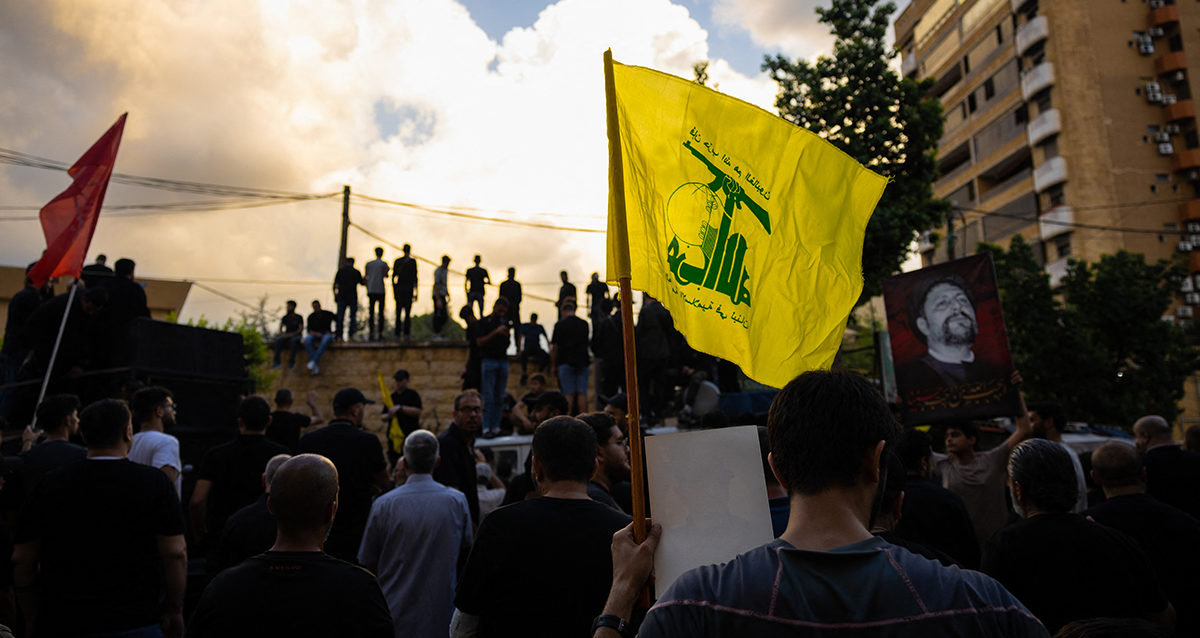
Hezbollah and Iran’s calculus as the conflict with Israel heats up
The deadly, back-to-back pager/two-way radio attacks against Hezbollah, which killed dozens and wounded thousands of its operatives, undoubtedly signaled a new phase in the intense cross-border exchanges between the group and Israel.
In a high-risk move, Israel ramps up escalation against Hezbollah
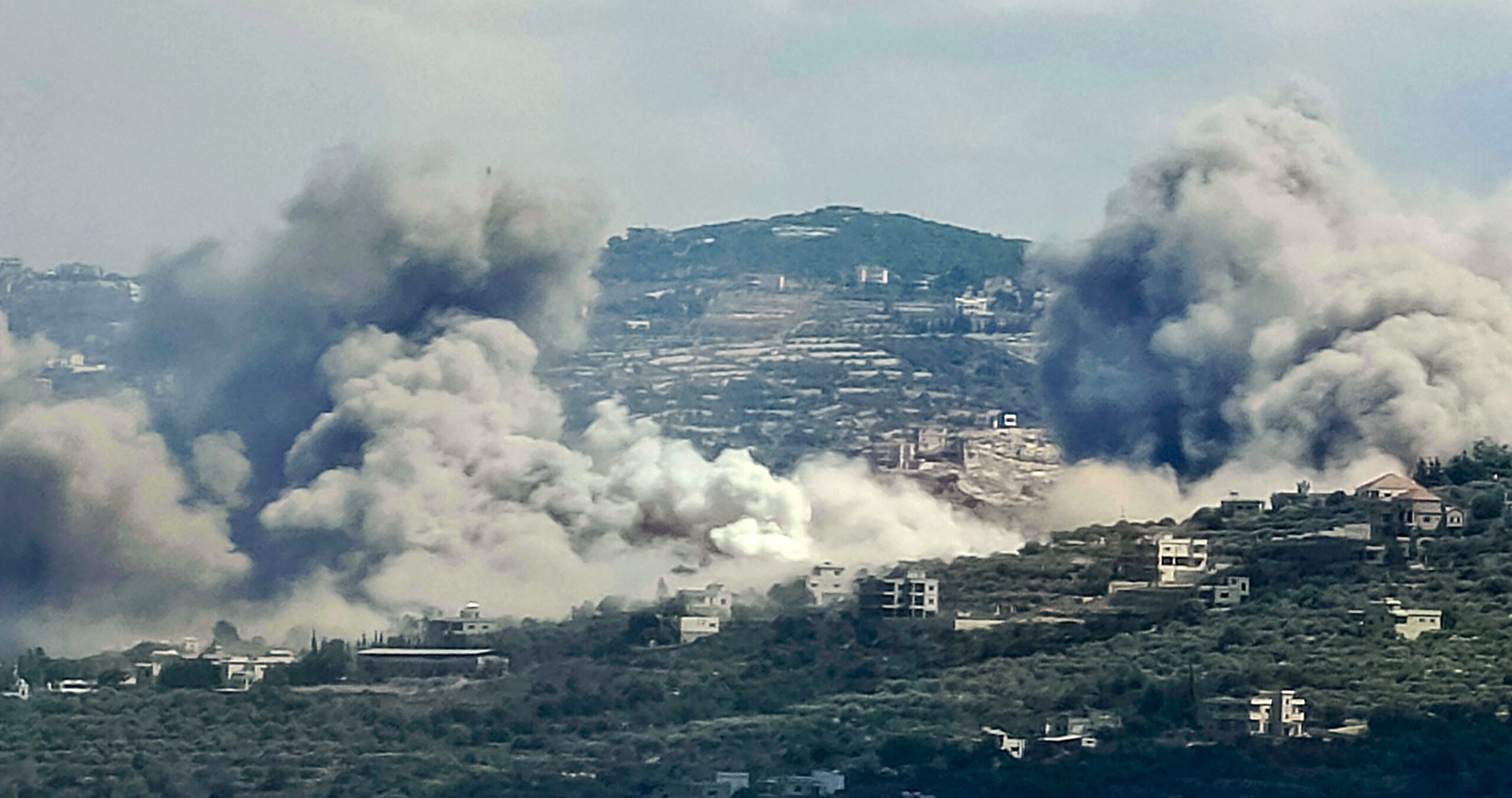
Over the past few days, the conflict between Israel and Hezbollah has entered a precarious new phase, with Israel carrying out both unconventional attacks and heavy airstrikes against the Iran-backed Lebanese militant group, while Hezbollah has responded with an increase in retaliatory fire.
Navigating the shadows: Afghanistan’s terrorism landscape three years after the US withdrawal and its international implications
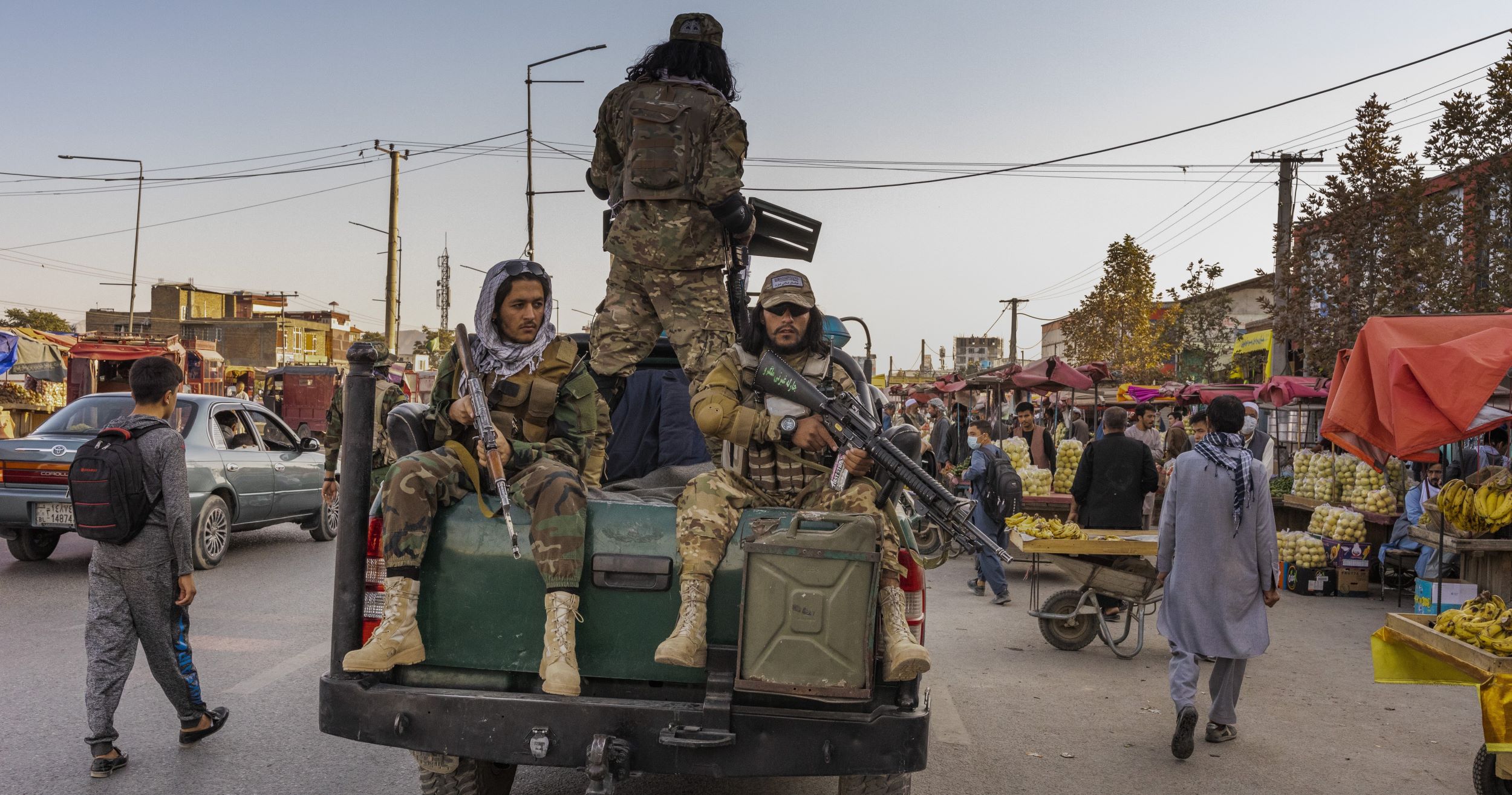
Three years since the US and allied withdrawal from Afghanistan, the facts on the ground challenge some more optimistic depictions of the Taliban’s counterterrorism cooperation with the US, al-Qaeda’s reemergence, or the capacity of ISKP to direct external attacks that could threaten American interests.
Excluded candidates, marginalized dissent before Tunisia’s presidential elections
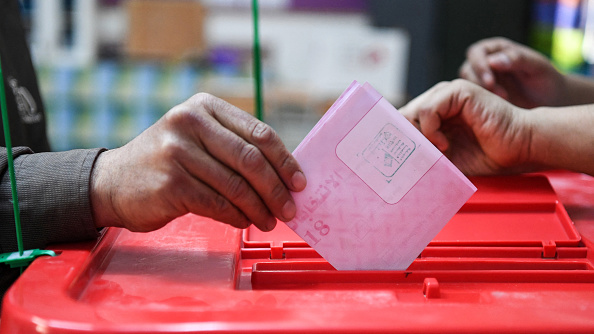
Before Tunisian voters have their say in the presidential election on Oct. 6, state institutions have already had their say. The security services, judicial authorities, and the High Independent Electoral Authority (ISIE) have either obstructed or officially barred over a dozen potential candidates from running. Of the three eligible candidates officially approved by the ISIE, only President Kais Saied and former Saied supporter Zouhair Maghzaoui remain outside of prison. Candidate Ayachi Zammel was arrested on Sept. 6. Many other potential candidates attempted to run from prison or were jailed for alleged technical violations of election laws. By restricting the list of potential candidates effectively to two, state institutions have embraced their historically paternalistic, modernizing role toward a distrusted citizenry.
As the U.S. leaves Iraq, it can’t leave the door open for ISIS
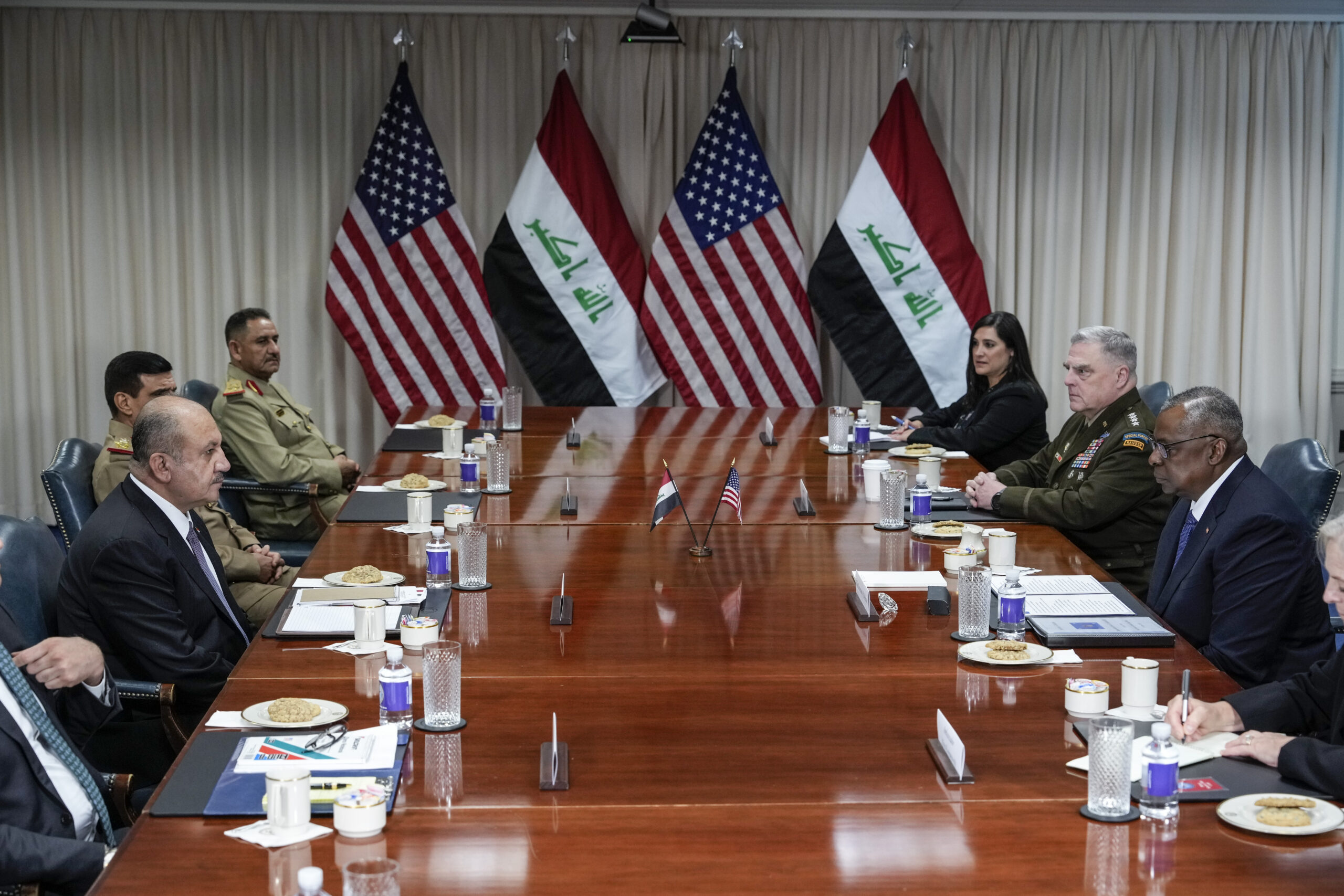
After more than six months of talks, the United States and Iraq look set to announce a significant agreement stipulating that the U.S.-led anti-Islamic State coalition will withdraw entirely from the country over the next two years.
Shiraz Maher – Co-Director of the International Centre for the Study of Radicalisation (ICSR) – and Charles Lister – Director of MEI’s Syria and Countering Terrorism and Extremism Programs – speak to MEI Editor in Chief Alistair Taylor about ISIS and the detainee dilemma. What is the international community to do with the tens of thousands of foreign ISIS detainees and their families, including children, held in makeshift facilities in northeastern Syria under the control of the Syrian Democratic Forces?
Change and continuity in EU’s foreign policy in the MENA region: What to expect from the new political cycle in Brussels
In the corridors of power in Brussels, it is common to hear that the position of the EU High Representative for Foreign Affairs and Security Policy is an impossible job. It may actually become even more difficult for the outgoing Estonian Prime Minister Kaja Kallas, who is set to succeed the Spanish Josep Borrell as the European Union’s foreign policy chief in the coming weeks.
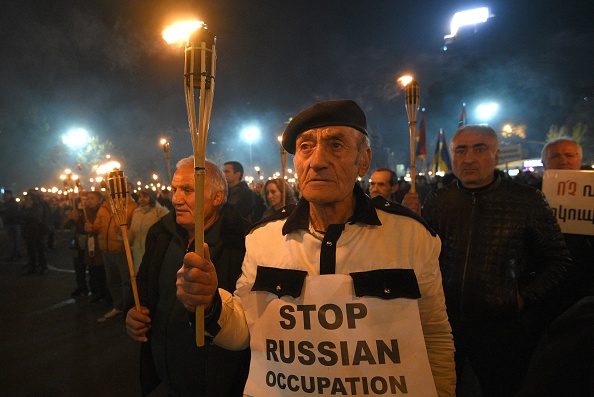
De-Russification: Understanding the trajectory and reversibility of Armenia’s Western pivot
The question of whether Armenia’s recent shift away from reliance on Russia is reversible is central to understanding its democratization trajectory. In recent years, Armenia’s dependency on Russia for security and economic stability has been severely tested, particularly during the 2020 Second Karabakh War and subsequent Azerbaijani incursions on sovereign Armenian territory, where Russia’s lack of support led to widespread disillusionment. This discontent has spurred Armenia to diversify its security, economic, and diplomatic ties, with a notable strengthening of relations with the United States. However, the sustainability of this shift remains uncertain, as it hinges on various societal factors and internal dynamics.
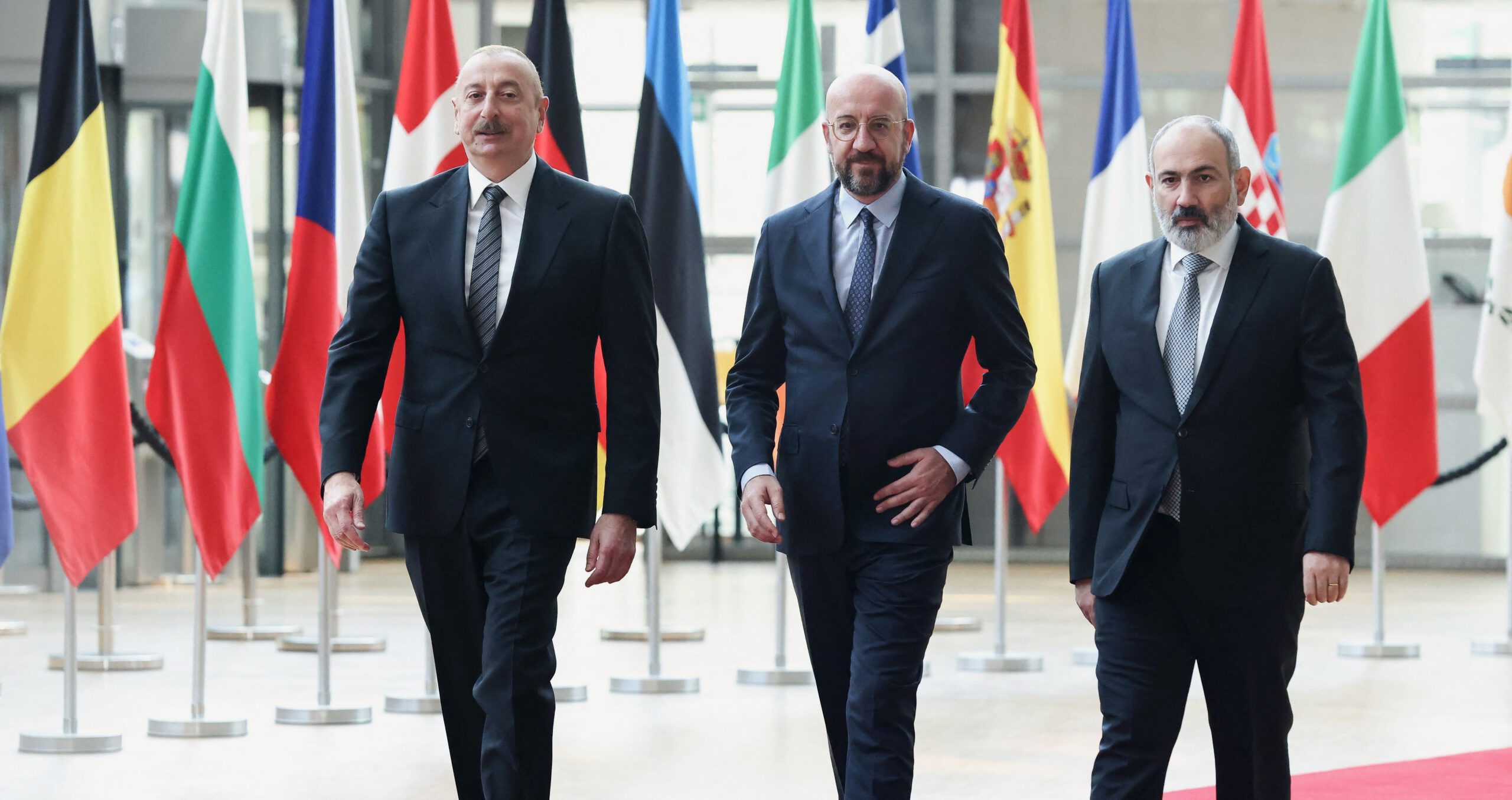
Azerbaijan-Armenia peace talks: The status quo and an emerging diplomatic breakthrough
Azerbaijan’s takeover of Karabakh in September 2023, while a disruptive event, has opened the window for renewed dialogue to peacefully resolve the longstanding tensions between Azerbaijan and Armenia. While the ongoing negotiations are unlikely to lead to a comprehensive peace deal in the near term, they could alter the strategic calculus of key actors in the region. The most likely and consequential outcome of the talks will be a peace framework agreement that could rebalance the regional status quo, potentially leading to a peace deal between Armenia and Azerbaijan.
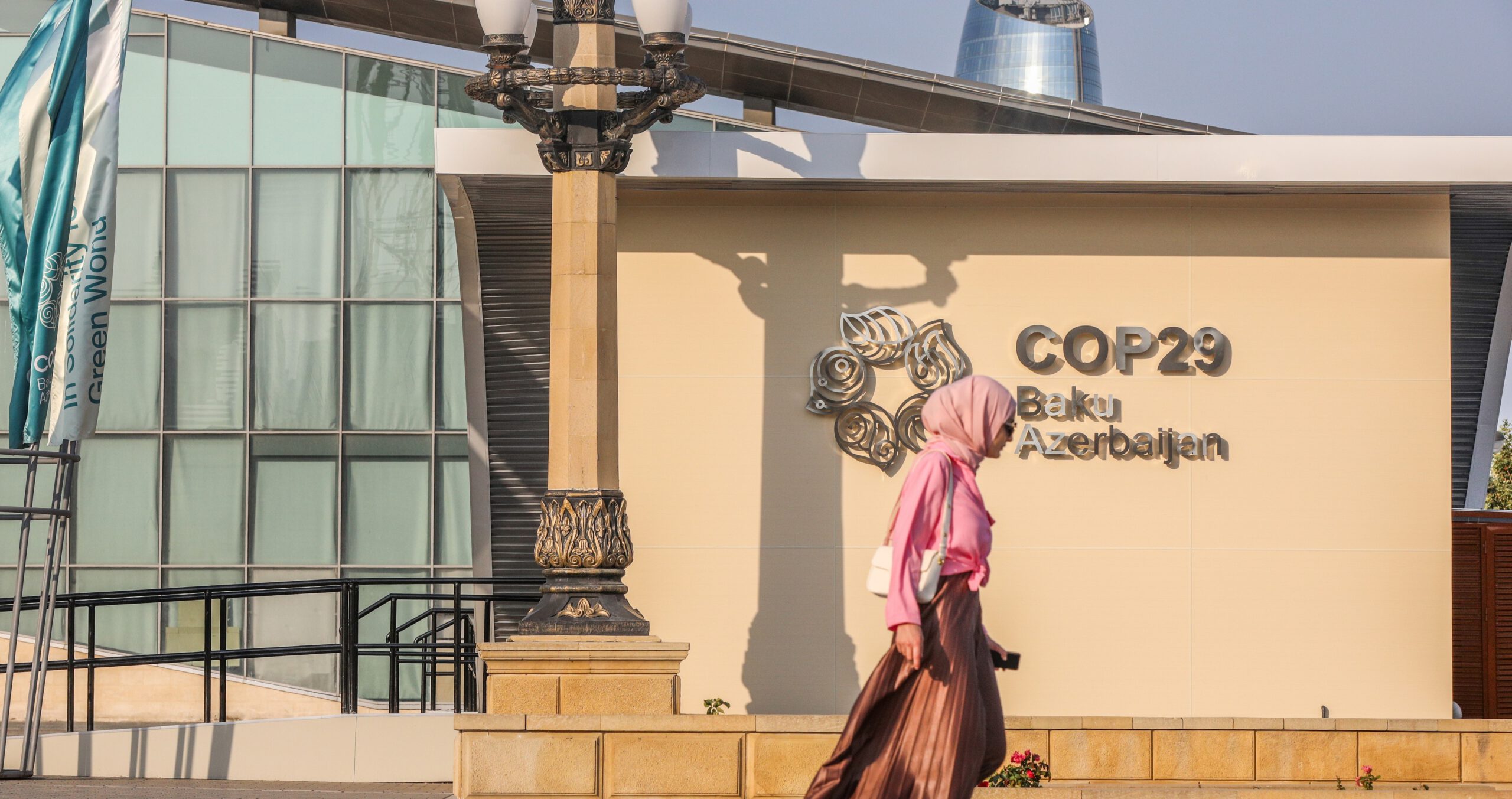
Azerbaijan’s green shift: Energy transition, COP29 commitments, and US collaboration
Azerbaijan seeks to establish itself as a major actor in the global energy transition space as it prepares to host the 2024 UN Climate Change Conference (COP29) in Baku, on November 11-22. COP29 offers many opportunities to improve US-Azerbaijani energy cooperation, including by coordinating the United States’ clean energy technology goals with Azerbaijan’s renewable energy revolution.
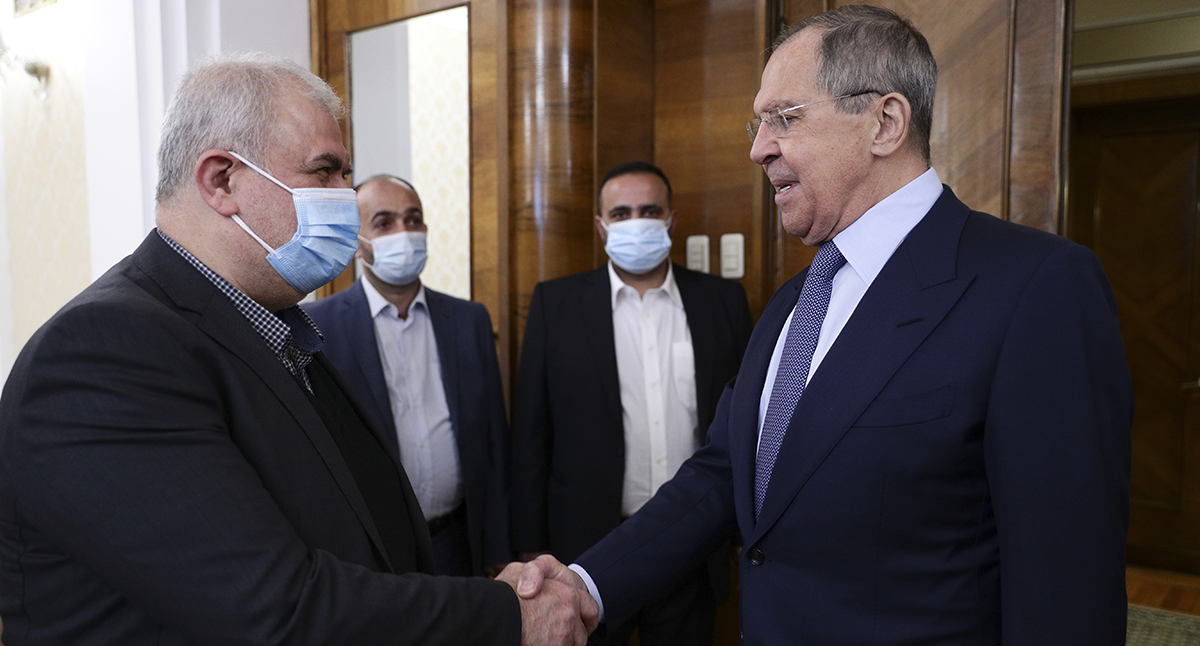
Russia’s relations with Hezbollah amid escalation on Lebanon-Israel border
Russia’s concern about an escalation of hostilities in Lebanon reflects its long-standing partnership with Hezbollah. Due to this multidimensional relationship, Russia has urged Iran to exercise restraint against Israel to prevent the outbreak of a destructive hot war in Lebanon.
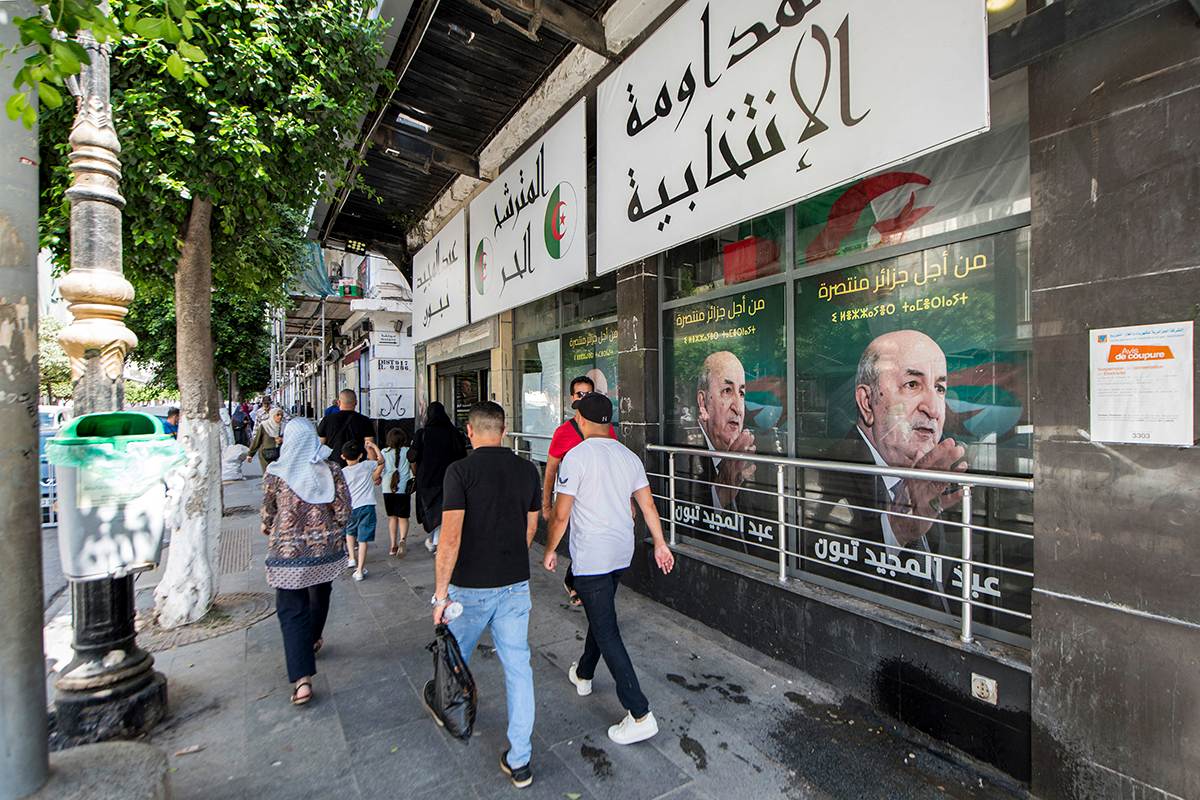
Algeria’s 2024 presidential elections: Keeping up with populist authoritarianism
Algeria is poised for a presidential election on Sept. 7 that, while seemingly predetermined, reveals the complexities of a political landscape profoundly shaped by popular disillusionment following the failure of the 2019 Hirak protest movement. Five years on, incumbent Abdelmadjid Tebboune is promising a second term based on the “continuation of the social state,” but his attempt to renew a social contract based on populist promises of a neoliberal economic renewal is colliding with the lack of institutional reforms necessary to achieve them.
The oldest peer-reviewed publication dedicated to the study of the modern Middle East, MEI’s flagship journal covers politics, society, and culture in the region.