Skip to Content

Research & Commentary

Read in-depth research, analysis, and commentary from MEI’s fellows and experts on the Middle East. 

Trump’s South Caucasus Peacemaking Is His Most Successful, but It Remains Unfinished
  • Commentary
  • Trump’s South Caucasus Peacemaking Is His Most Successful, but It Remains Unfinished

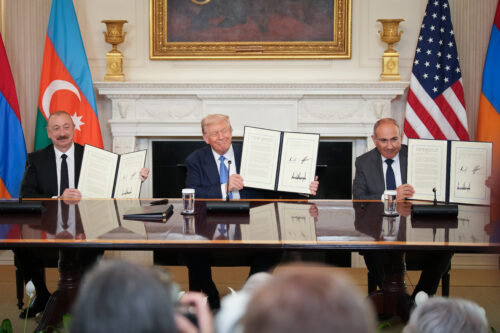
    Of all the fronts in President Trump’s peacemaking agenda, the South Caucasus has delivered the most concrete results. The August 2025 Washington Declaration, signed between Armenia and Azerbaijan and witnessed by Trump, marked an important step toward peace in the region. The two sides initialed a peace agreement and advanced plans to unblock regional connectivity, including through the establishment of the Trump Route for International Peace and Prosperity (TRIPP), which would connect Azerbaijan to its Nakhijevan exclave through southern Armenia. Implementation of TRIPP has since made notable progress, but construction has yet to start. A breakthrough on those two tracks would, in turn, unlock Armenia–Türkiye normalization, transforming a long-fractured region into an area of trade and interdependence.
    The Iran War Was Always About Regime Change
  • Commentary
  • The Iran War Was Always About Regime Change

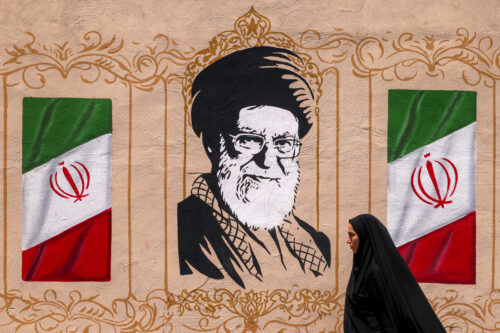
    Wars don’t just end. They get interpreted, reinterpreted, and turned into strategic doctrine. That is what happened after the Iran-Iraq War of the 1980s, a conflict that saw the United States back Tehran’s Iraqi adversaries. The war taught Tehran three lessons it never unlearned: that Washington wants the Islamic Republic gone, that Iran stands essentially alone in the world, and that it cannot survive a direct, overt fight with the U.S. and Israel.

    Iran’s New War Cabinet Is Really an Old One
  • Analysis
  • Iran’s New War Cabinet Is Really an Old One

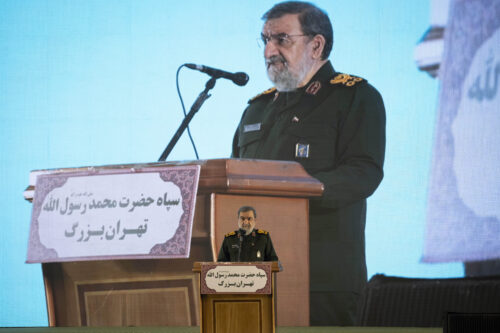
    Within 48 hours this week, Iran filled six of the most important posts in its battered military and security establishment. Read together with the biographies and mandates behind them, the appointments show how Tehran is drawing lessons from successive wars and preparing for a prolonged period of insecurity, without proving it has abandoned negotiation.

    Additional Research & Commentary

    Backgrounders

    Israeli Settlements in the West Bank
  • Backgrounder
  • Israeli Settlements in the West Bank

    Since 1967, Israeli settlements in the West Bank have been a contested feature of the Israeli-Palestinian conflict. The ultimate disposition of the settlements and ongoing activity related to their growth have repeatedly defied agreement in negotiations over a resolution to the conflict.

    June 9, 2026

    The Houthis
  • Backgrounder
  • The Houthis

    The Houthis are a political-military faction and Zaydi religious movement founded in northwestern Yemen in the 1980s. A key member of Iran’s Axis of Resistance with links to other militant organizations in the Arabian Peninsula and the Horn of Africa, the group has continued to pose a threat to Western interests on a global scale.

    May 15, 2026

    The India-Middle East-Europe Economic Corridor
  • Backgrounder
  • The India-Middle East-Europe Economic Corridor

    The India-Middle East-Europe Economic Corridor (IMEC) is a proposed multinational infrastructure initiative aimed at upgrading connectivity between the three regions through integrated trade, energy, and digital networks. Announced at the G20 summit in New Delhi in September 2023, IMEC is envisioned partially as a counterweight to China’s international infrastructure project, the Belt and Road Initiative.

    June 3, 2026

    Turkish Foreign Policy
  • Backgrounder
  • Turkish Foreign Policy

    After a decade of post-Arab Spring isolation, Turkey’s leaders have recognized that their ambition to position the country as an agenda-setter on the world stage requires active engagement in all directions. President Recep Tayyip Erdoğan’s consolidation of executive authority has centralized foreign policy decision-making and tied it to his domestic political priorities, transforming the country’s revisionist approach to one shaped primarily by personal and pragmatic interests.

    April 23, 2026

    Podcasts

    Middle East Focus

    MEI’s flagship weekly podcast on US foreign policy and contemporary political and social issues in the Middle East.

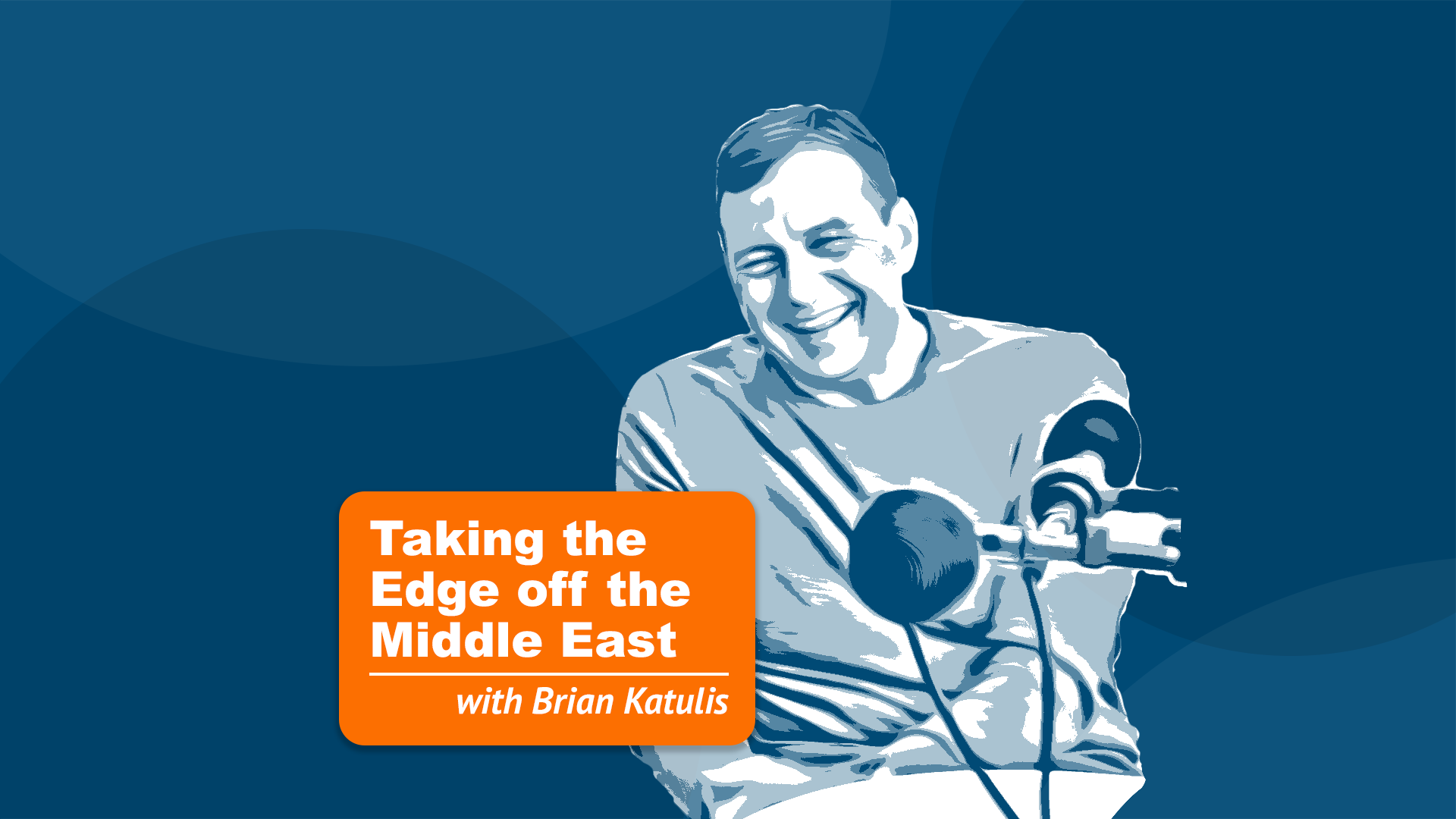
    Taking the Edge Off the Middle East

    MEI Senior Fellow Brian Katulis engages friends, colleagues, and policy experts in casual conversations on the most important happenings in the Middle East. 

    Rethinking Democracy

    MEI Senior Fellow Gonul Tol hosts leading scholars and thought leaders on global democracy trends and the state of the liberal international order. 

    Filter by
    8783 Results
    Egypt After the Elections
    Middle East Institute
  • Podcast
  • Egypt After the Elections

    podcast for Egypt After the Elections, recorded on the 28th of June, 2012

    June 28, 2012

    Egypt After the Elections
    Middle East Institute
  • Podcast
  • Egypt After the Elections

    podcast for Egypt After the Elections, recorded on the 28th of June, 2012

    June 28, 2012

    Egypt After the Elections
    Middle East Institute
  • Podcast
  • Egypt After the Elections

    podcast for Egypt After the Elections, recorded on the 28th of June, 2012

    June 28, 2012

    Egypt After the Elections
    Middle East Institute
  • Podcast
  • Egypt After the Elections

    podcast for Egypt After the Elections, recorded on the 28th of June, 2012

    June 28, 2012

    Egypt After the Elections
    Middle East Institute
  • Podcast
  • Egypt After the Elections

    podcast for Egypt After the Elections, recorded on the 28th of June, 2012

    June 28, 2012

    A Lot Depends on Your Priorities
    Middle East Institute
  • Analysis
  • A Lot Depends on Your Priorities

    Senator John McCain was uncharacteristically subdued in a key note address yesterday to the Middle East Institute/Institute of Turkish Studies conference on Turkey.  He prodded President Obama to be more outspoken in denouncing the Assad regime and advocated a “safe zone” inside Syria along the Turkish border, but only in response to a question. He discounted the likelihood of NATO action, which the Europeans oppose, and suggested that the U.S. and Turkey should form the core of a coalition of the willing to support the Syrian opposition with arms and training.

    June 28, 2012

    A rebuttal to "Trafficking in Antiquities in a Time of War," and a reply by the author.
  • Analysis
  • A rebuttal to "Trafficking in Antiquities in a Time of War," and a reply by the author.

    Rebuttal to “Trafficking in Antiquities during a Time of War

    Bruce Richardson raises an important issue regarding the protection, trafficking, and exploitation of cultural patrimony. Aspects of this issue range across research, polemics, and litigation in attempts to document loss, return treasures, or on the other hand prevent restitution or repatriation. Richardson properly decries cultural looting, but we must distinguish among causes to reach agreement on protective steps.

    June 27, 2012

    The Afghanistan Stabilisation Program (ASP): A National Program to Improve Security and Governance
  • Analysis
  • The Afghanistan Stabilisation Program (ASP): A National Program to Improve Security and Governance

    Since the coup in April of 1978 by the People’s Democratic Party of Afghanistan (PDPA), the social, cultural, political, economic, governance, and security fabric of Afghanistan’s institutions have been destroyed by the subsequent Mujahedin and Taleban regimes. It is impossible to have enduring peace, stability, and development in a country without a strong institutional foundation. After 33 years of war and instability, for the most part, the linkages between central, provincial, district, and village governance structures in Afghanistan are either very weak or non-existent.

    June 20, 2012

    Gulf Union Might Do More Harm Than Good
    Middle East Institute
  • Analysis
  • Gulf Union Might Do More Harm Than Good

    This Opinion first appeared on CNN.com’s “Global Public Square” blog on June 20, 2012

    Ever since Saudi Arabia’s King Abdullah proposed forming a political federation among the six members of the Gulf Cooperation Council, the pros and cons have been fiercely debated across the Middle East.

    June 20, 2012

    The Dearth of Qatari Men in Higher Education: Reasons and Implications
    Middle East Institute
  • Analysis
  • The Dearth of Qatari Men in Higher Education: Reasons and Implications

    Originally posted October 2010

    That education is a major force for socialization is indisputable. Education has the power to shape views of the world, to challenge long-held beliefs, and, therefore, to impact the social order. Its influences on the course of a society’s development are far-reaching, from the public realm of employment patterns and economic development to the private sphere of marriage and childbearing.

    June 20, 2012

    Saudi Arabia Moves Closer to A New Generation of Leaders
    Middle East Institute
  • Analysis
  • Saudi Arabia Moves Closer to A New Generation of Leaders

    This Opinion first appeared in Al-Monitor on June 16, 2012

    The death Saturday (June 16) of Saudi Crown Prince Nayef bin Abdul Aziz is likely to have little short-term impact on the economic or political life of the kingdom or on its international relations. But it does accelerate the inevitable transition to a new generation of rulers who may have very different ideas about how the al-Saud should rule their people, deal with their neighbors and manage the critical relationship with the United States.

    June 18, 2012

    Pakistan's Military Holds the Keys to a Thaw with the U.S.
    Middle East Institute
  • Analysis
  • Pakistan's Military Holds the Keys to a Thaw with the U.S.

    This Opinion first appeared in the the National on June 15, 2012

    Just when U.S.-Pakistan relations appear to have reached a new low, yet another event drives them lower still, further complicating chances of stabilising bilateral ties.

    Over the last 18 months, the deterioration of relations has been punctuated by a series of incidents, most dramatically the May 2011 raid that killed Osama bin Laden and the U.S. air strike last November at Salala, in which 24 Pakistani solders died.

    America's Catch-22: The Iran Question in Afghanistan
    Middle East Institute
  • Analysis
  • America's Catch-22: The Iran Question in Afghanistan

    This Opinion first appeared in Frontline.com’s Tehran Bureau on June 13, 2012 and was co-authored by Christina Lin

    As U.S. and other NATO troops prepare to leave Afghanistan in 2014, a geopolitical realignment will be under way in Southwest Asia. One possible scenario would outright undermine a principle U.S. policy objective in the region: the containment of Iran.

    Read the Middle East Journal

    The oldest peer-reviewed publication dedicated to the study of the modern Middle East, MEI’s flagship journal covers politics, society, and culture in the region.