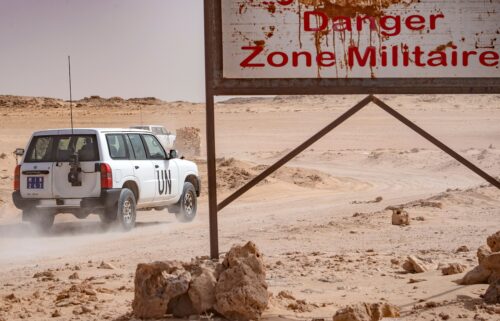
MINURSO’s Future: What the Security Council’s Choice May Reveal
As the United Nations Security Council (UNSC) approaches the October 31 renewal deadline of the UN Monitoring Mission in Western Sahara (MINURSO), the mission’s longer-term future remains uncertain. Another largely unchanged renewal remains a likely immediate outcome. But beyond that holding pattern, three possible scenarios are also on the table.
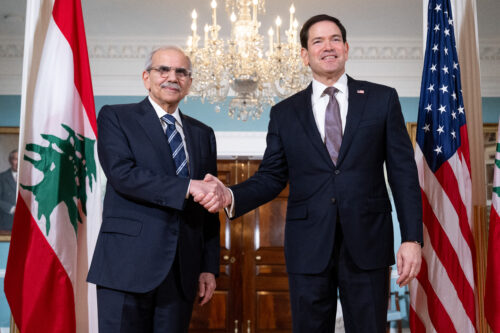
How Lebanon can be Trump’s first success in a troubled region
The Trump administration has done more than any of its predecessors to restore sovereignty for a much traumatized nation, Lebanon. The Israel Defense Forces’ operations in 2024 against Hezbollah decimated that organization, long the “A Team” in global terror.
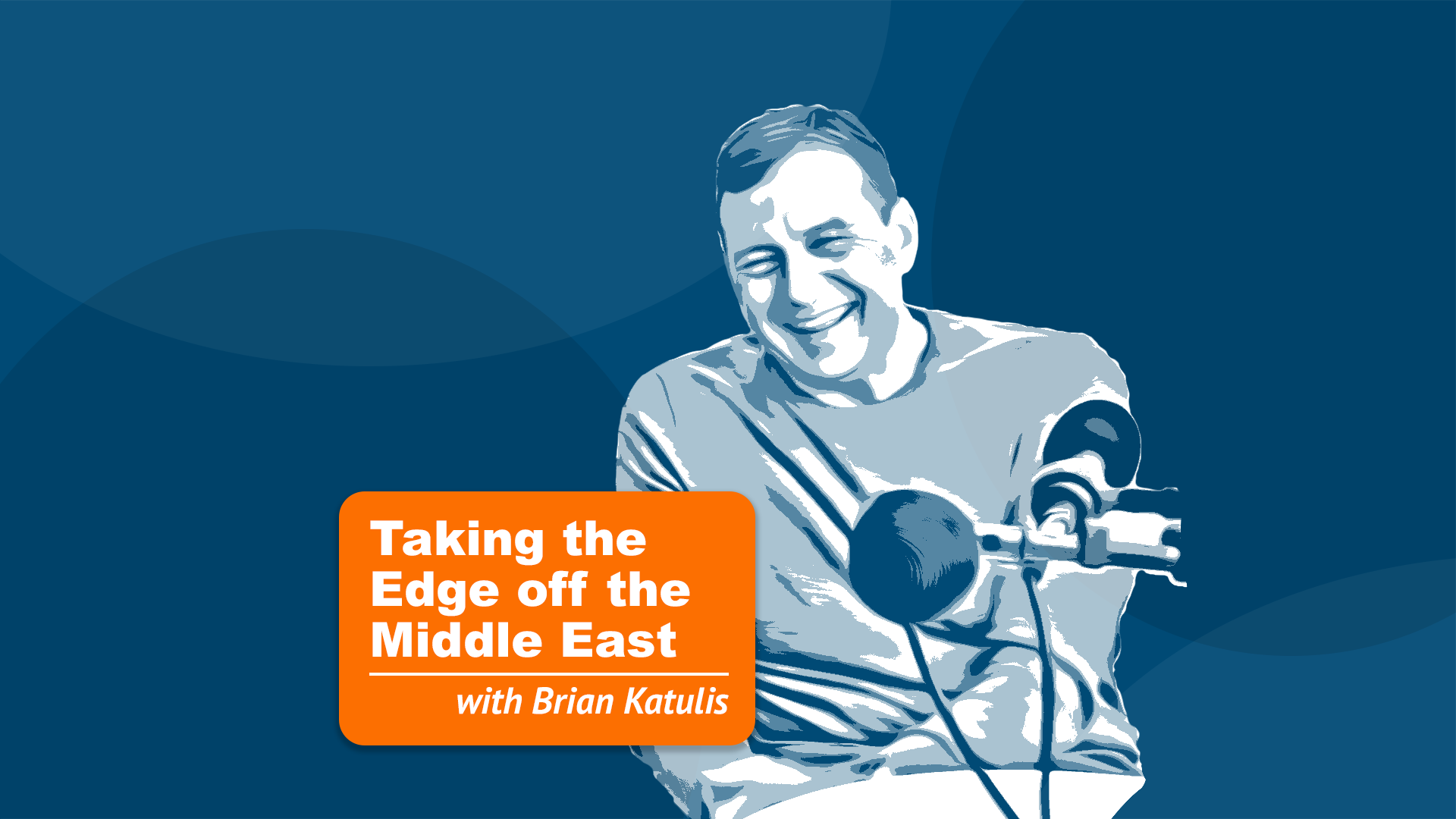
Kim Ghattas on a Murder That Explains the Middle East
Brian sits down with author and Emmy Award-winning journalist Kim Ghattas to talk about her new book, The Best Kind of American, which tells the story of the 1984 assassination of Malcolm Kerr, then president of the American University of Beirut. They discuss her inspiration for the project, what Kerr’s murder revealed about the Middle East at the time, and why his story still resonates four decades later.
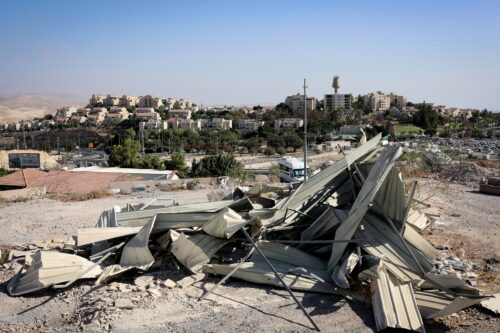
Since 1967, Israeli settlements in the West Bank have been a contested feature of the Israeli-Palestinian conflict. The ultimate disposition of the settlements and ongoing activity related to their growth have repeatedly defied agreement in negotiations over a resolution to the conflict.
The Houthis are a political-military faction and Zaydi religious movement founded in northwestern Yemen in the 1980s. A key member of Iran’s Axis of Resistance with links to other militant organizations in the Arabian Peninsula and the Horn of Africa, the group has continued to pose a threat to Western interests on a global scale.
The India-Middle East-Europe Economic Corridor (IMEC) is a proposed multinational infrastructure initiative aimed at upgrading connectivity between the three regions through integrated trade, energy, and digital networks. Announced at the G20 summit in New Delhi in September 2023, IMEC is envisioned partially as a counterweight to China’s international infrastructure project, the Belt and Road Initiative.
After a decade of post-Arab Spring isolation, Turkey’s leaders have recognized that their ambition to position the country as an agenda-setter on the world stage requires active engagement in all directions. President Recep Tayyip Erdoğan’s consolidation of executive authority has centralized foreign policy decision-making and tied it to his domestic political priorities, transforming the country’s revisionist approach to one shaped primarily by personal and pragmatic interests.
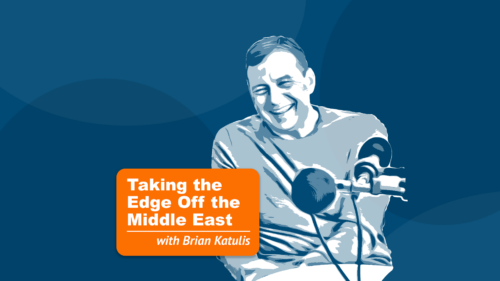
MEI Senior Fellow Brian Katulis engages friends, colleagues, and policy experts in casual conversations on the most important happenings in the Middle East.
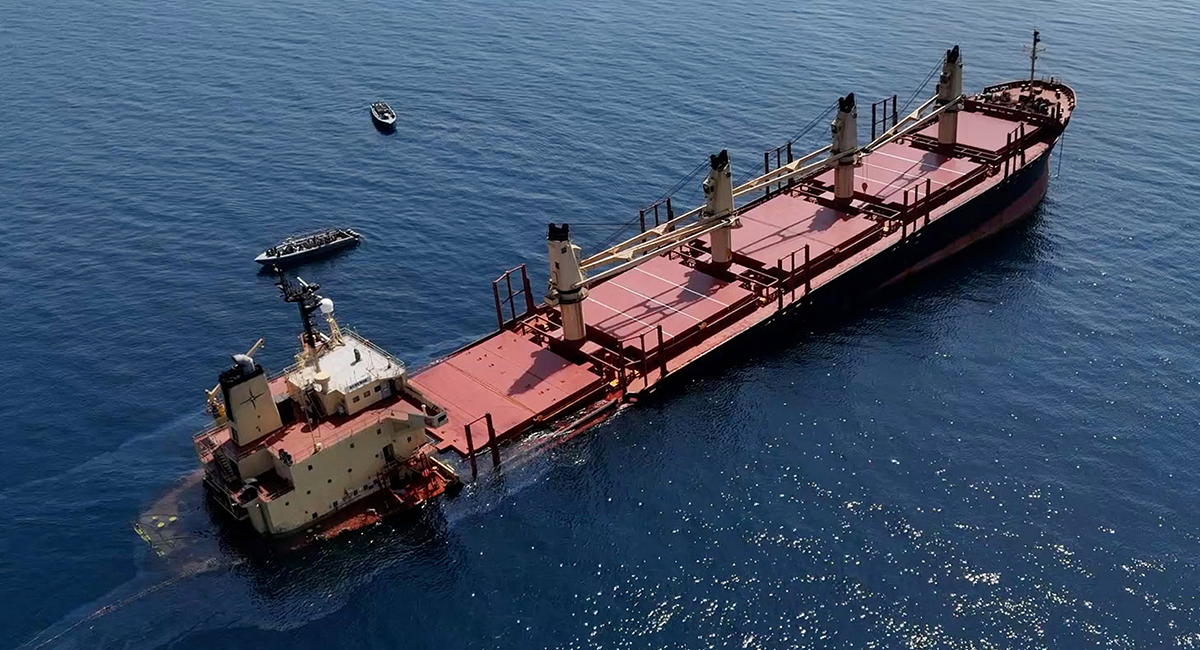
The situation in the Red Sea is not getting better
The current situation is not only intolerable – it is unsustainable. It is time to recognize that the Houthis, with strong and persistent support from Iran, are in a position to hold not only the US but virtually the entire global system hostage.
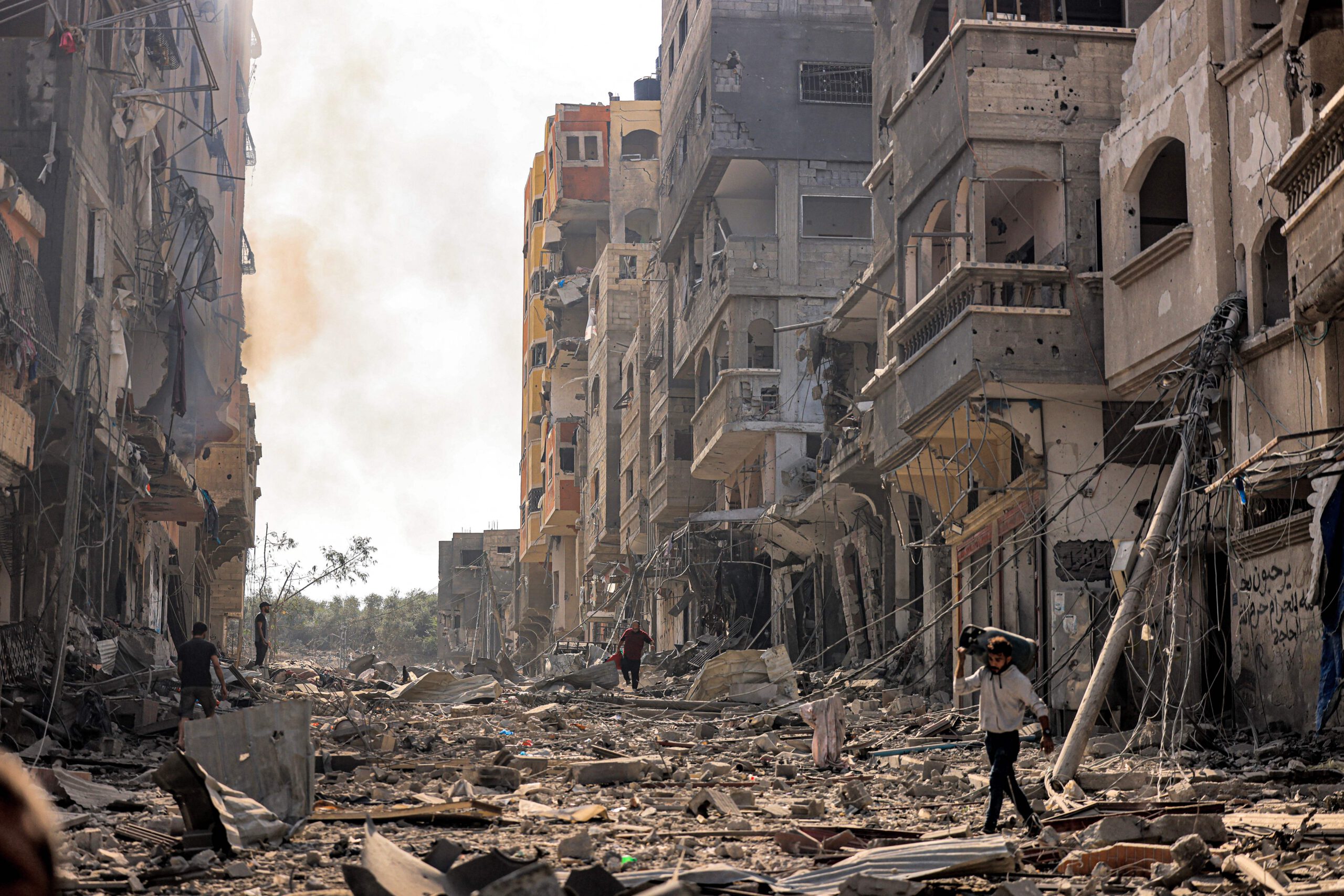
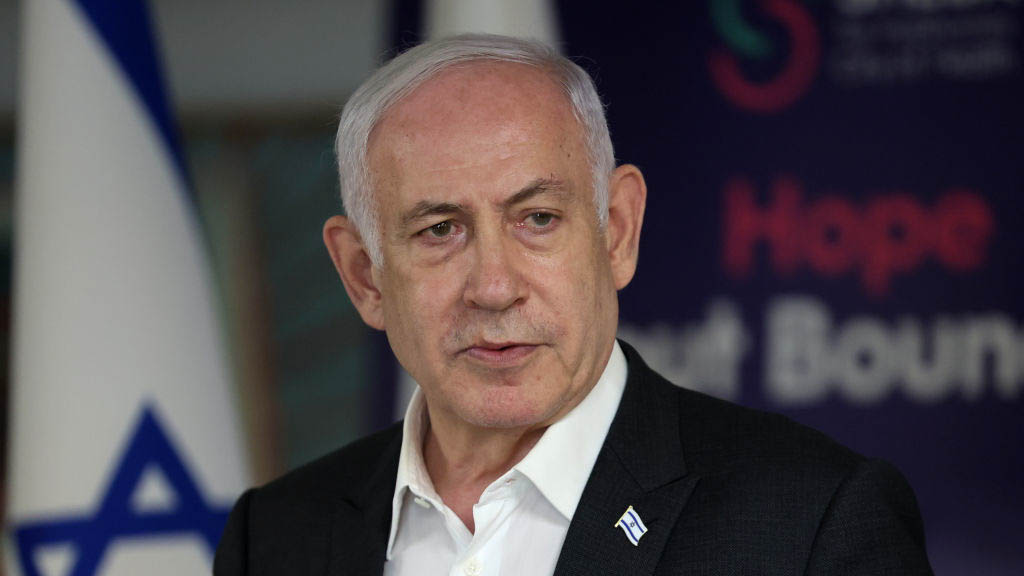
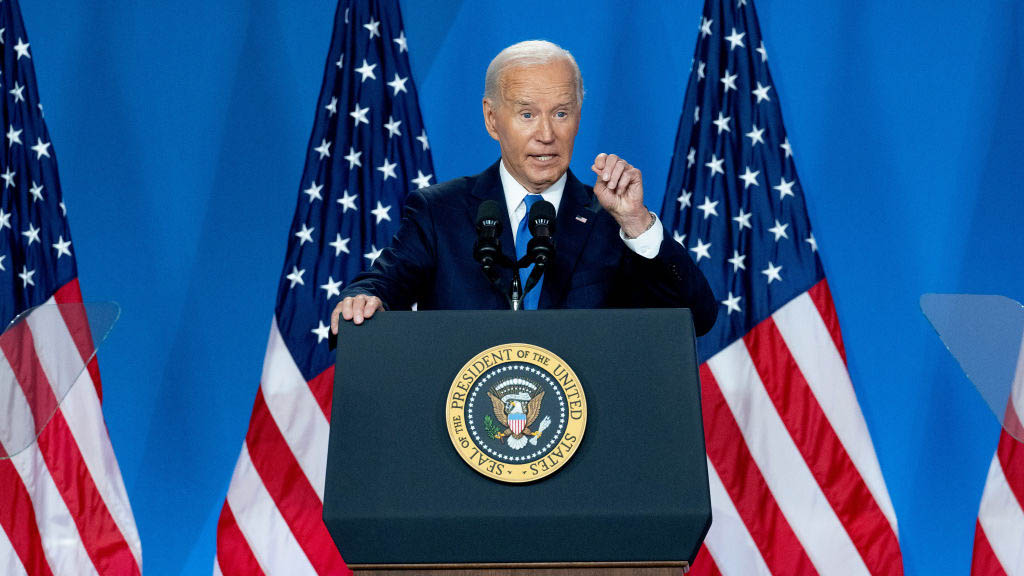
US President Joe Biden will meet with Israeli Prime Minister Benjamin Netanyahu during his visit to Washington this week. The meeting provides an opportunity to double down on considerations of what a “day after” might look like and how best to promote moderate Palestinian voices in the effort to rebuild Gaza.
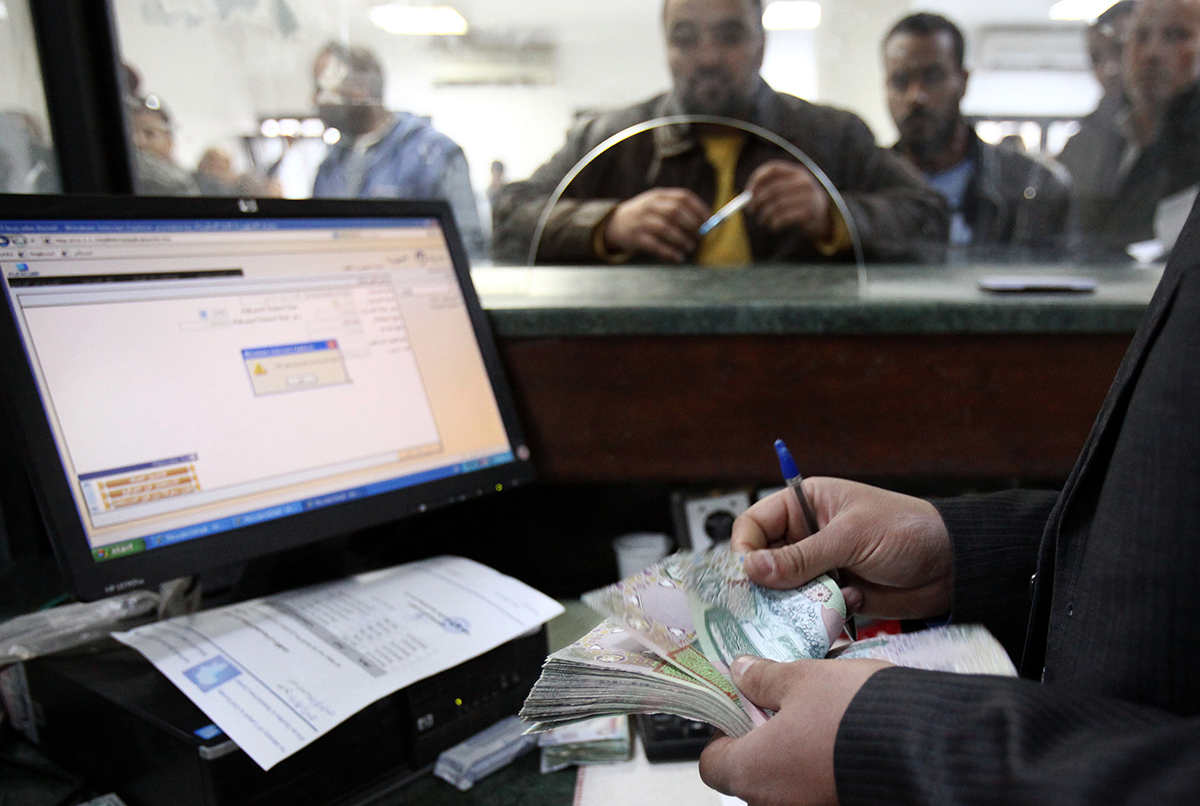
The common understanding of the state of economic integration in the Maghreb is that it is victim to geopolitical rivalries and poor economic management, both of which prevent the region from flourishing to the same extent as other regional blocs. The forgone conclusion is that greater economic integration would generate trade, boost levels of growth and increase the region’s bargaining position.
Iraq’s competition to control local administrations goes national
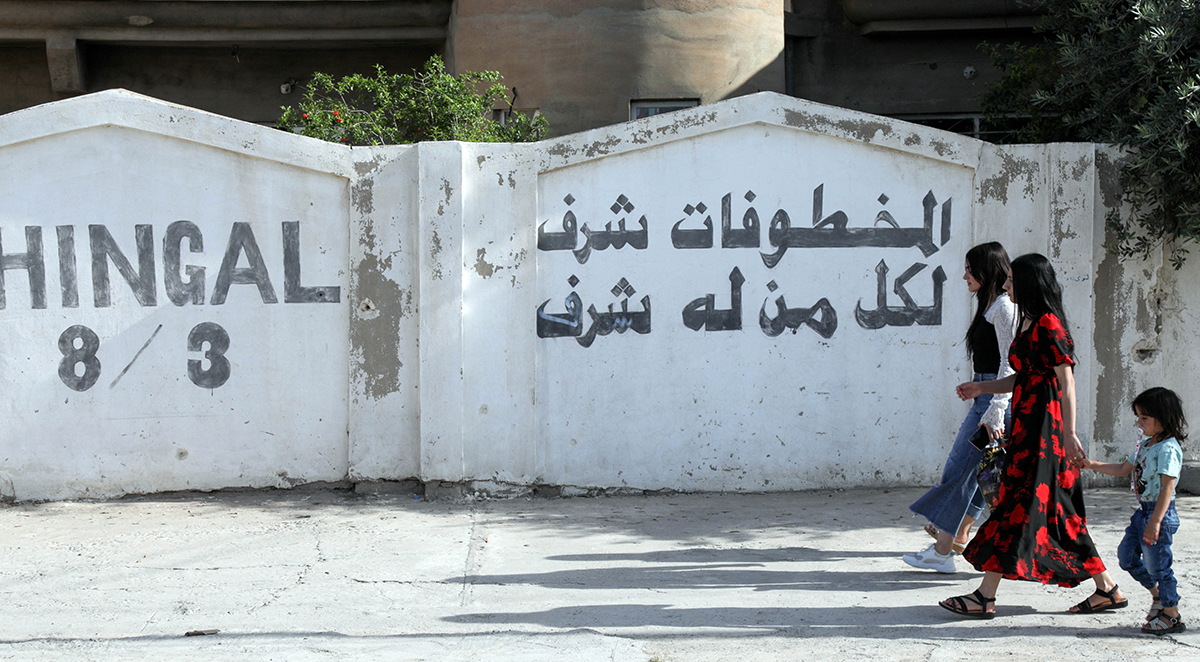
In the aftermath of the December 2023 Provincial Council (PC) elections, political parties across Iraq have been seeking to shore up their gains or minimize their losses in the formation of the provincial executive governments, with some provinces, like Kirkuk and Diyala, remaining in deadlock at time of writing. However, in other provinces, such as Ninewa, those now in power are looking to ensure that they are maximizing their new gains by dominating key administrative positions at the district and subdistrict levels.
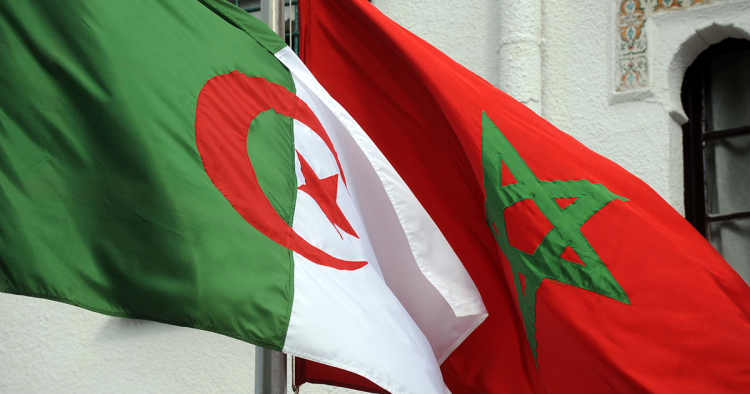
Morocco, Algeria and the Western Mediterranean tension game
As the aftermath of the earthquake that struck Morocco in early September unfolded, one notable aspect of the response to the devastation was the geopolitical element of aid and disaster relief. Specifically, what drew attention was Algeria’s offer of assistance and whether it might signal an implicit desire to reduce tensions between the hostile neighbours. Yet, mistrust between the two continues to run high, and a single gesture of offering support is unlikely to undo decades of animosity.
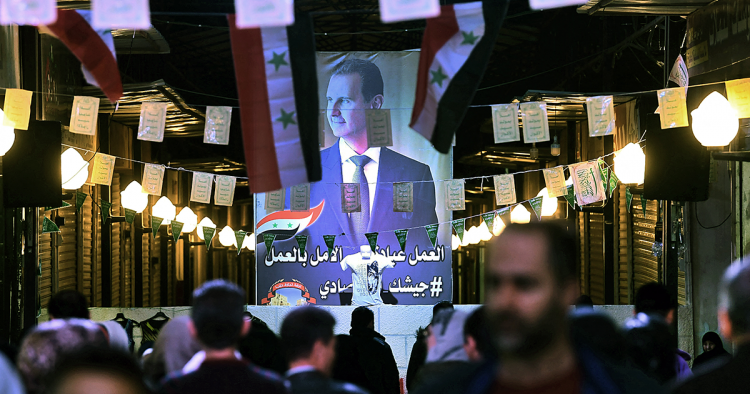
Six years ago, the Syrian regime conquered the southern province of Daraa, popularly known by millions of Syrians as the “cradle of the revolution.” That military victory represented a pivotal moment for Syrian President Bashar al-Assad. After all, it was the last time the regime captured a sizable swath of opposition territory, and in doing so in July 2018, its impunity was laid bare for all the world to see. On paper, Daraa had been designated a “de-escalation zone” after months of intensive international diplomacy in which the United States had played a central role.
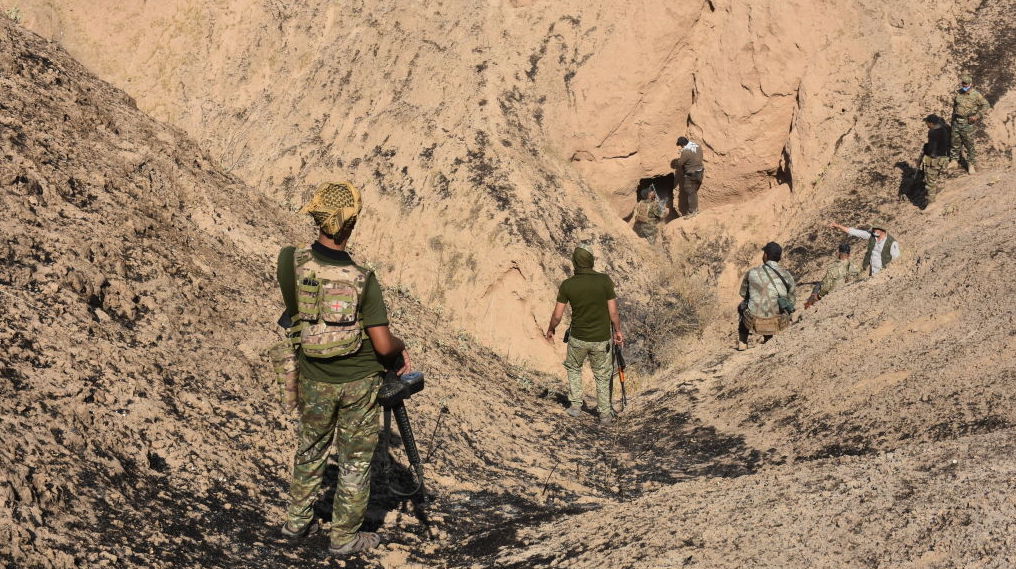
CENTCOM says ISIS is reconstituting in Syria and Iraq, but the reality is even worse
On July 16, CENTCOM announced that after six months of 2024, “ISIS is on pace to more than double” the number of attacks in Syria and Iraq it claimed in 2023. But the reality is far worse than this statement suggested because the data represents only a fraction of ISIS’s actual attacks in Syria and Iraq.
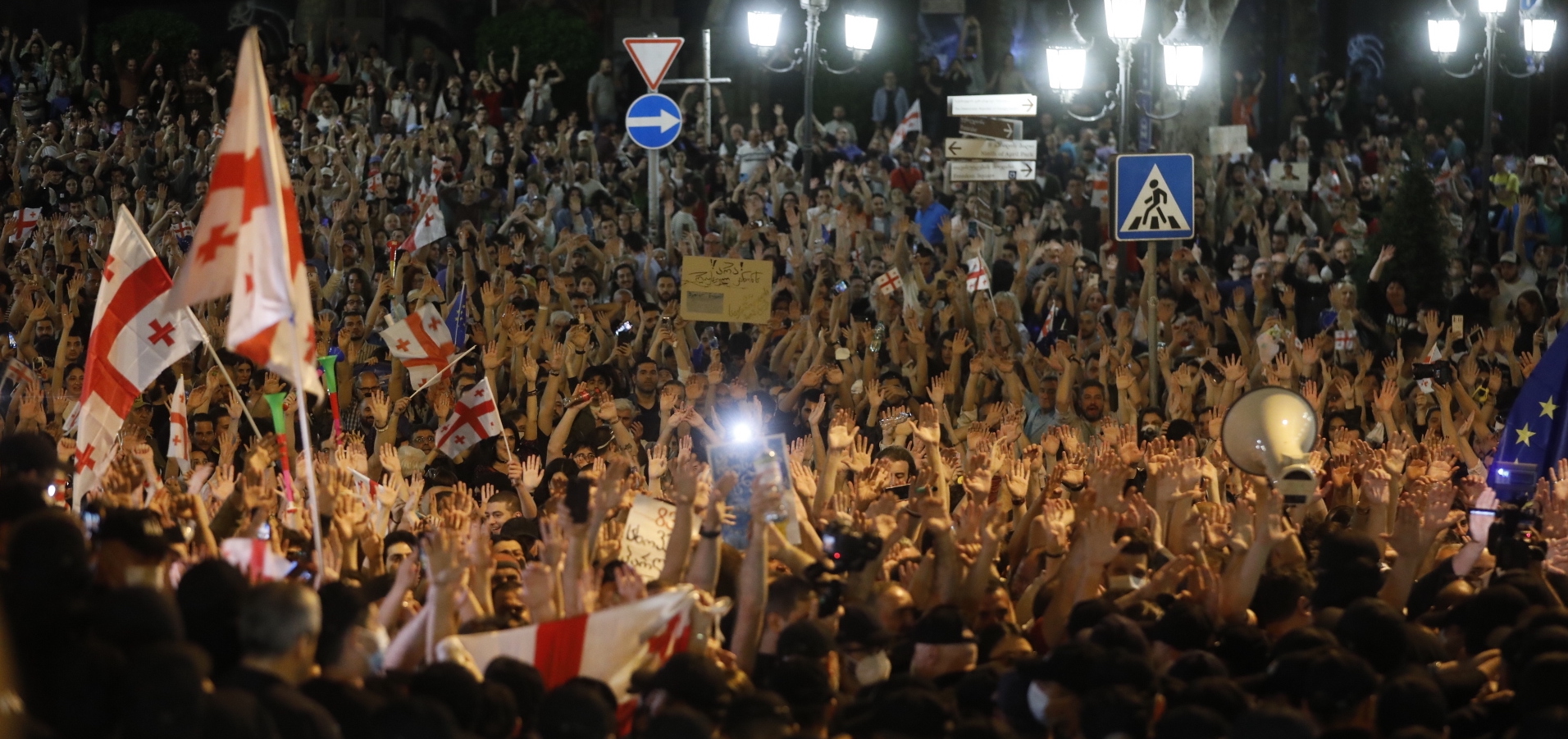
The geopolitical causes of Georgia’s political crisis
Strengthening authoritarian rule in Georgia is not just a reflection of Georgia’s internal politics but also a symptom of the West’s broader disengagement from the wider Black Sea region. This disengagement has facilitated Russian state capture in Georgia, undermining the rule of law and democracy.
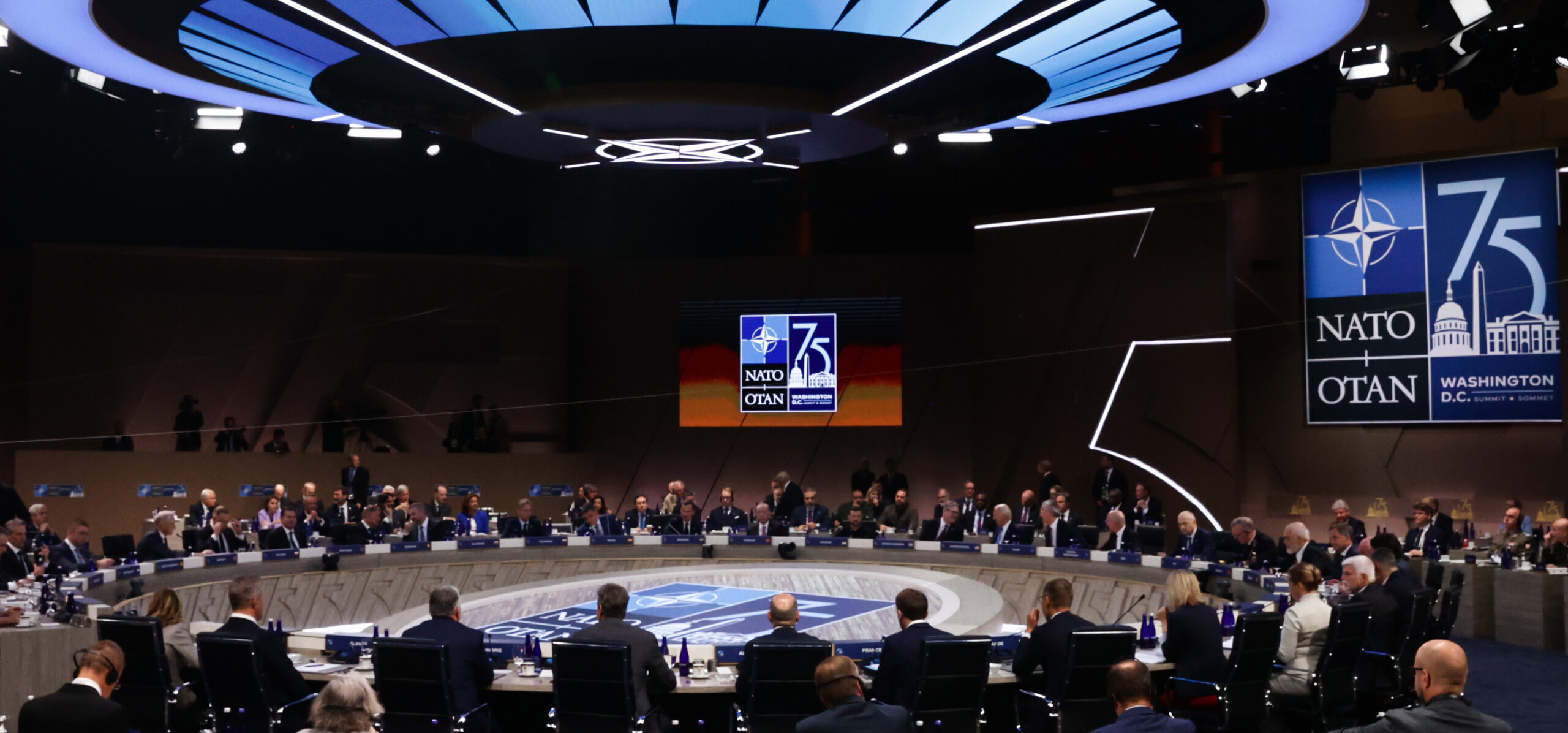
Key takeaways for NATO and the Middle East from the Washington Summit Declaration
At the Washington Summit, NATO member states mostly focused on efforts to counter Russia and to support Ukraine. However, the 2024 summit communiqué also addresses non-Euro-Atlantic risks and opportunities, based on the idea that “conflict, fragility and instability” elsewhere directly affects NATO security.
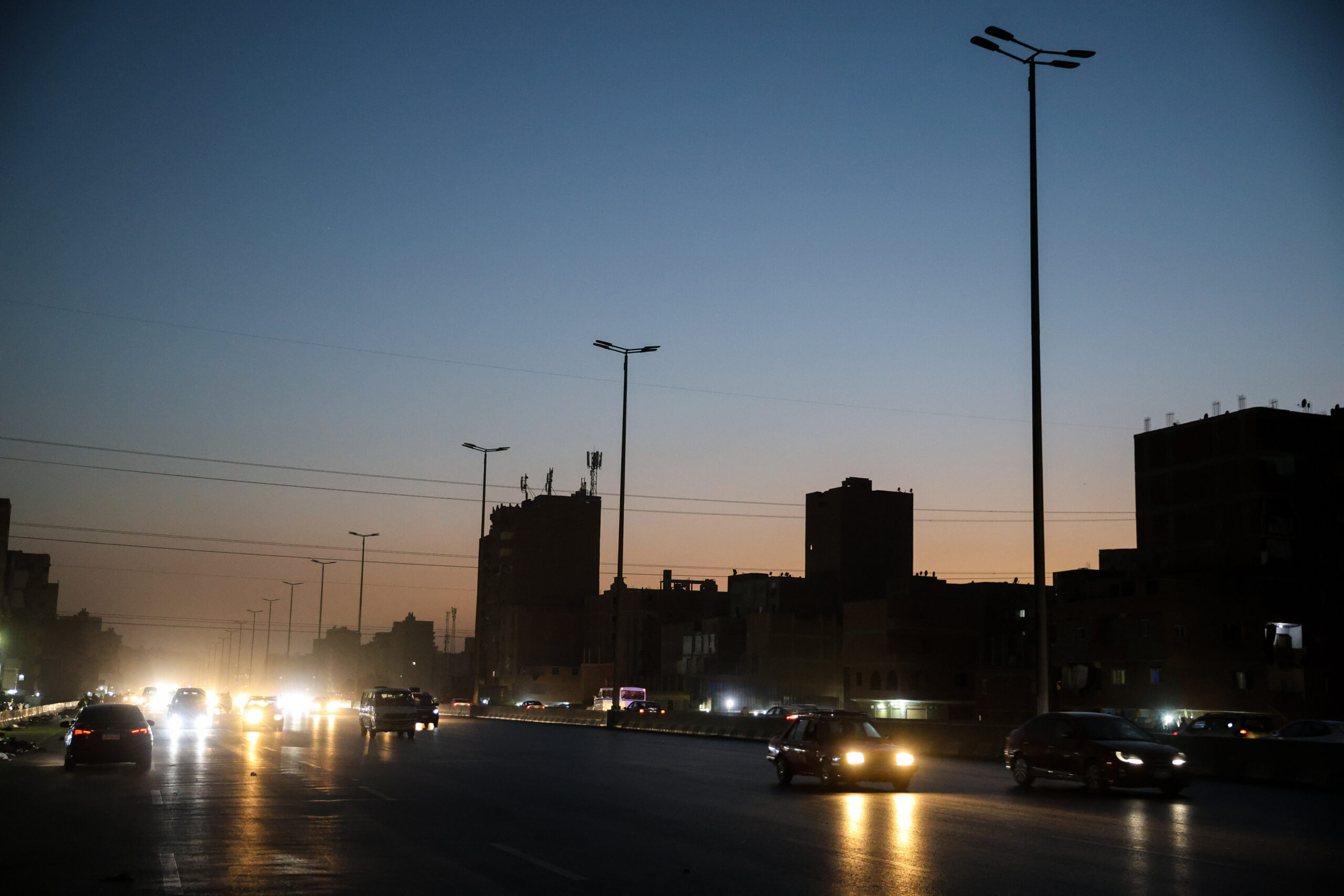
Wide gap between the Egyptian government’s rosy figures and the economic hardship suffered by millions
For Egyptian officials, June should have been a month to celebrate. And yet none of the seeming macroeconomic successes that the government recorded brought much reassurance to the average Egyptian, who has continued to experience currency shortages, an unreliable energy grid, and fears of a resurgent spike in inflation.
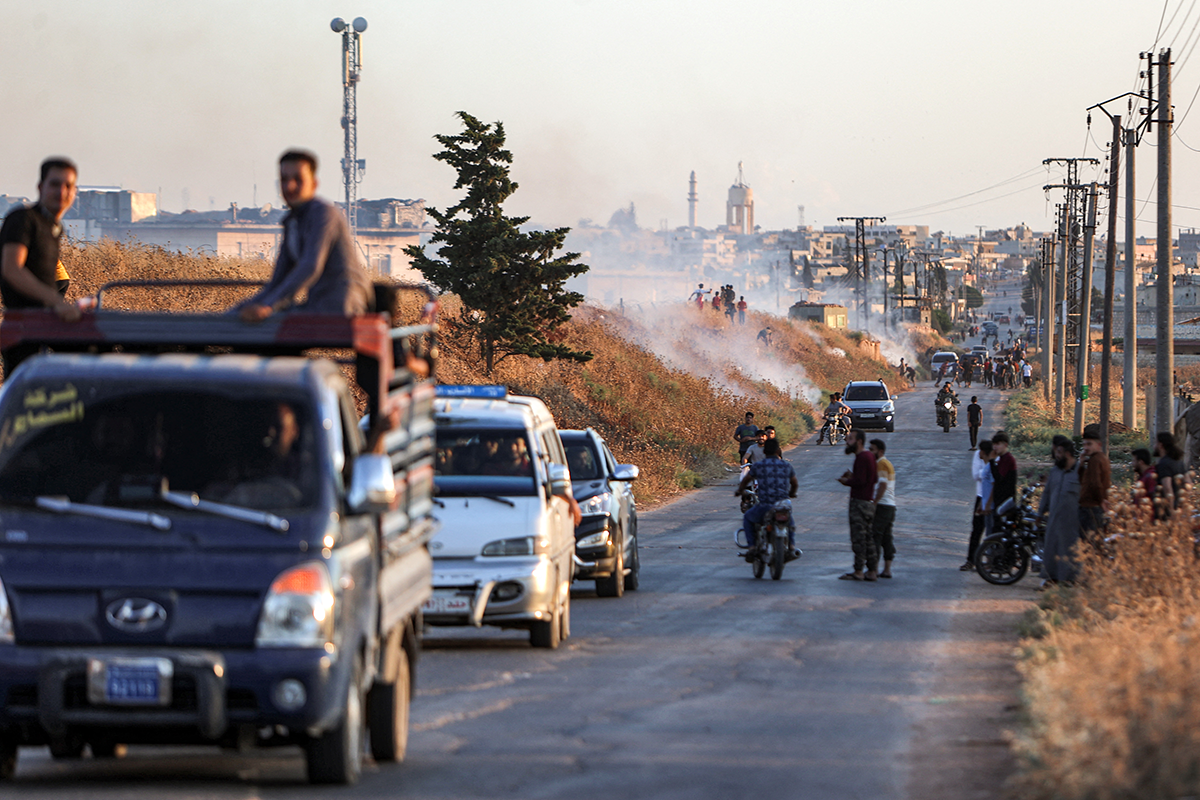
Syrian armed groups divided over Turkey-Syria normalization push
Despite their popular nature, the protests in northwestern Syria, sparked by racist attacks on Syrians over the border in Turkey, have exposed the rifts and divisions between various opposition factions. Bilal Samir explores the positions of the major military groups in Turkish-controlled areas and assesses how closely they align with Turkey’s policy.
Rethinking Democracy Ep. 3: Economic Conditions and Support for Democracy with Daron Acemoglu and Tamara Cofman Wittes
Authoritarian populism is on the rise around the world. Political scientists and policymakers are debating what’s driving this trend. Is it economic inequality, or a cultural backlash against social change that erodes trust in democratic institutions? Dr. Daron Acemoglu and Dr. Tamara Cofman Wittes join Gonul Tol to discuss the relationship between changing economic conditions and support for democracy.
The oldest peer-reviewed publication dedicated to the study of the modern Middle East, MEI’s flagship journal covers politics, society, and culture in the region.