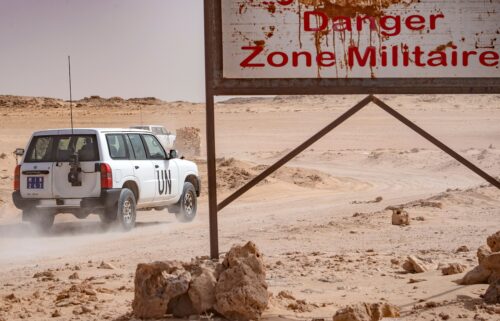
MINURSO’s Future: What the Security Council’s Choice May Reveal
As the United Nations Security Council (UNSC) approaches the October 31 renewal deadline of the UN Monitoring Mission in Western Sahara (MINURSO), the mission’s longer-term future remains uncertain. Another largely unchanged renewal remains a likely immediate outcome. But beyond that holding pattern, three possible scenarios are also on the table.
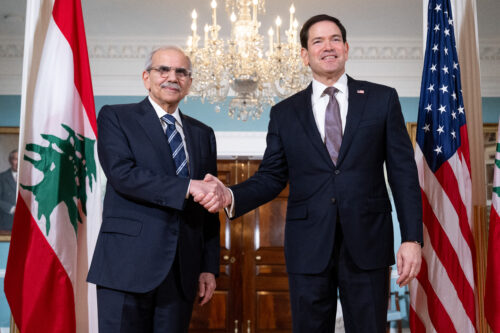
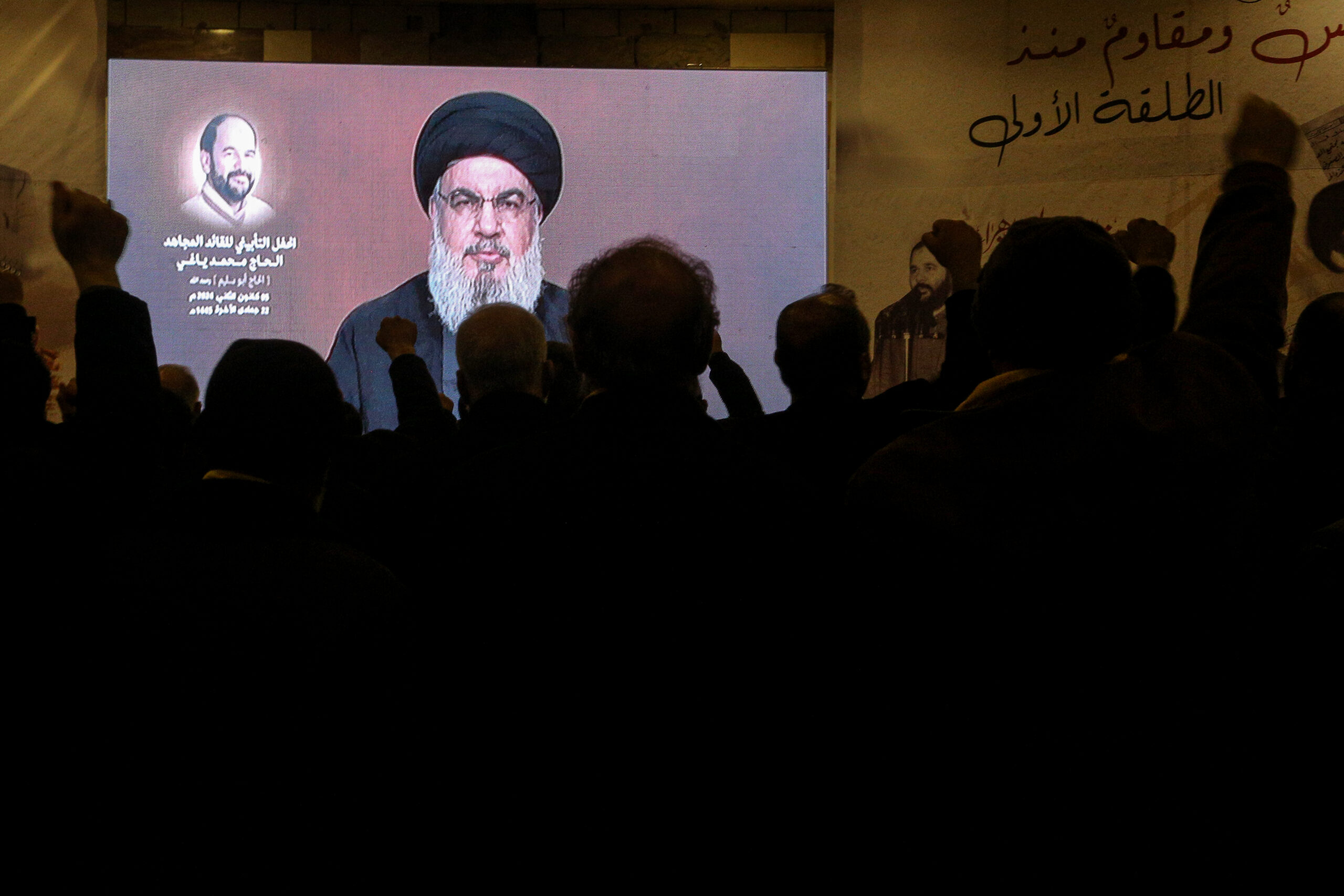
How Lebanon can be Trump’s first success in a troubled region
The Trump administration has done more than any of its predecessors to restore sovereignty for a much traumatized nation, Lebanon. The Israel Defense Forces’ operations in 2024 against Hezbollah decimated that organization, long the “A Team” in global terror.
Kim Ghattas on a Murder That Explains the Middle East
Brian sits down with author and Emmy Award-winning journalist Kim Ghattas to talk about her new book, The Best Kind of American, which tells the story of the 1984 assassination of Malcolm Kerr, then president of the American University of Beirut. They discuss her inspiration for the project, what Kerr’s murder revealed about the Middle East at the time, and why his story still resonates four decades later.
Since 1967, Israeli settlements in the West Bank have been a contested feature of the Israeli-Palestinian conflict. The ultimate disposition of the settlements and ongoing activity related to their growth have repeatedly defied agreement in negotiations over a resolution to the conflict.
The Houthis are a political-military faction and Zaydi religious movement founded in northwestern Yemen in the 1980s. A key member of Iran’s Axis of Resistance with links to other militant organizations in the Arabian Peninsula and the Horn of Africa, the group has continued to pose a threat to Western interests on a global scale.
The India-Middle East-Europe Economic Corridor (IMEC) is a proposed multinational infrastructure initiative aimed at upgrading connectivity between the three regions through integrated trade, energy, and digital networks. Announced at the G20 summit in New Delhi in September 2023, IMEC is envisioned partially as a counterweight to China’s international infrastructure project, the Belt and Road Initiative.
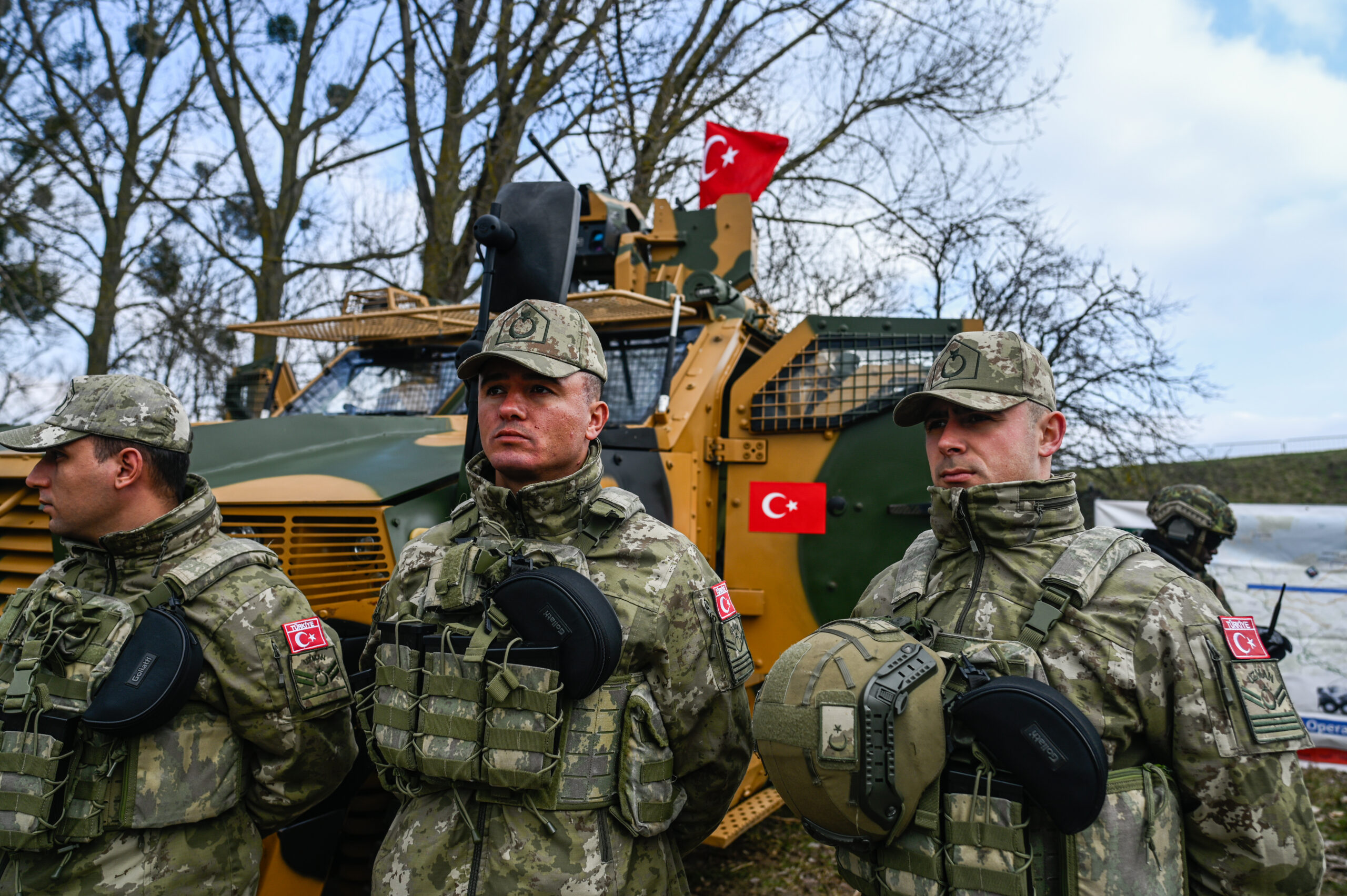
After a decade of post-Arab Spring isolation, Turkey’s leaders have recognized that their ambition to position the country as an agenda-setter on the world stage requires active engagement in all directions. President Recep Tayyip Erdoğan’s consolidation of executive authority has centralized foreign policy decision-making and tied it to his domestic political priorities, transforming the country’s revisionist approach to one shaped primarily by personal and pragmatic interests.
MEI Senior Fellow Brian Katulis engages friends, colleagues, and policy experts in casual conversations on the most important happenings in the Middle East.
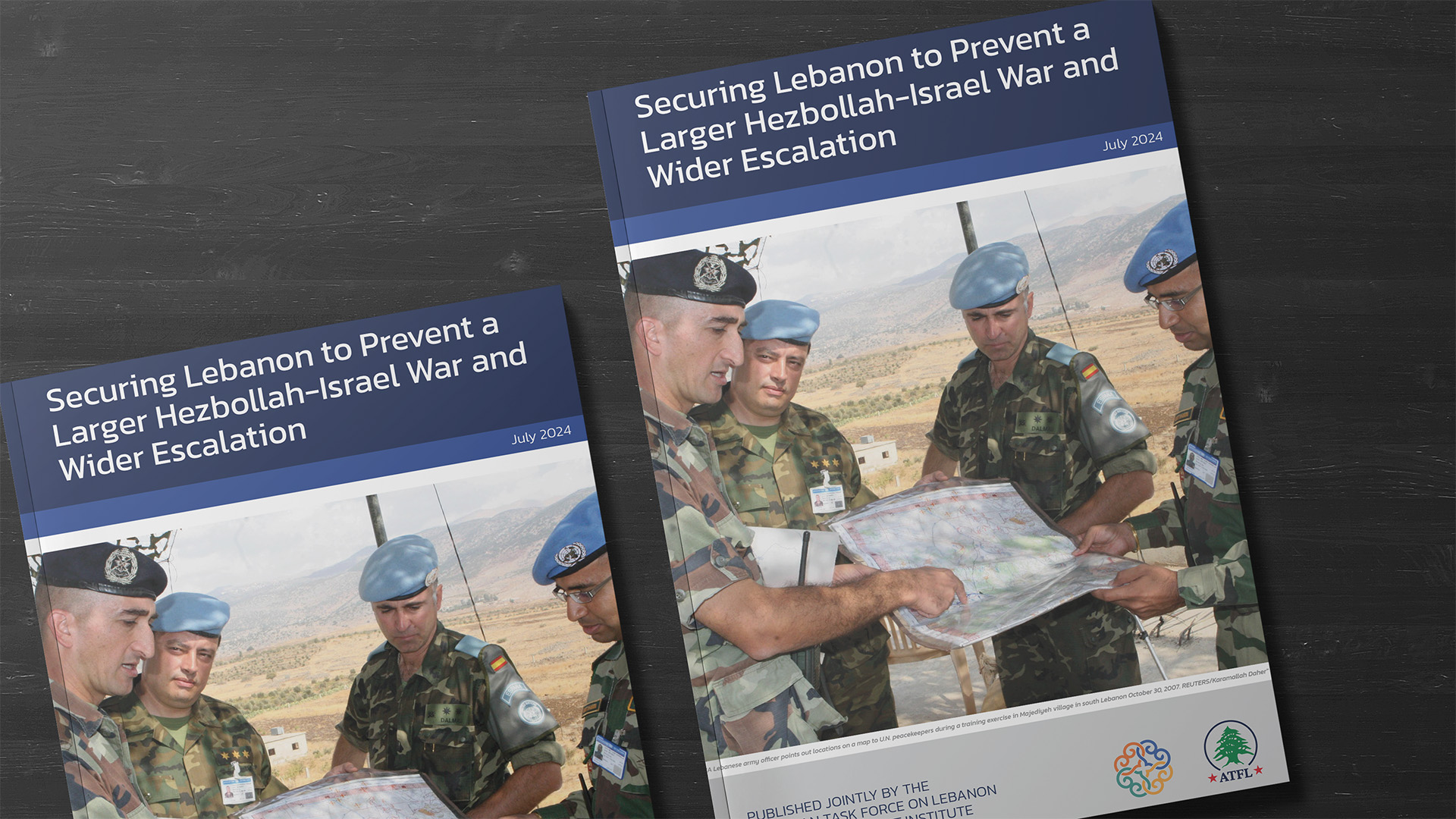
Securing Lebanon to Prevent a Larger Hezbollah-Israel War and Wider Escalation
The Middle East Institute (MEI) and the American Task Force on Lebanon (ATFL) convened a group of experts on Lebanon who co-authored this policy brief.
Executive Summary
As tensions between Israel and Hezbollah escalate, the specter of a full-scale war, with the potential to draw in the United States and Iran, demands the US’s immediate attention. The Biden-Harris Administration has tasked, in response, White House Senior Advisor Amos Hochstein with mediating efforts to de-escalate the conflict and bring stability to the Lebanon-Israel border.
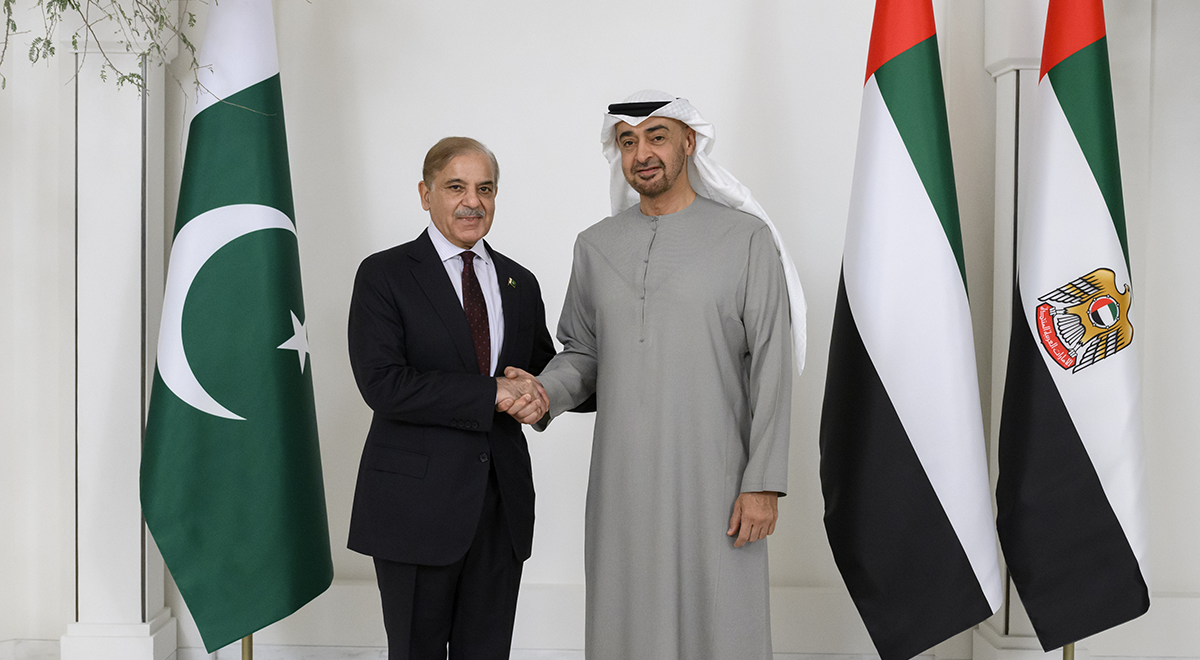
Why Pakistan is looking to Saudi Arabia and the UAE to ramp up investment
Pakistan’s government is pursuing a two-track approach to stabilize the country’s long-troubled economy. It is engaged in lengthy negotiations with the IMF to secure at least $6 billion in loans to shore up its ability to service its external debt. At the same time, Islamabad is also trying to woo its Gulf allies, most notably Saudi Arabia and the UAE, in a bid to diversify its sources of external financing, address the lingering threat of insolvency, and put its economy on an upward trajectory of sustainable growth.
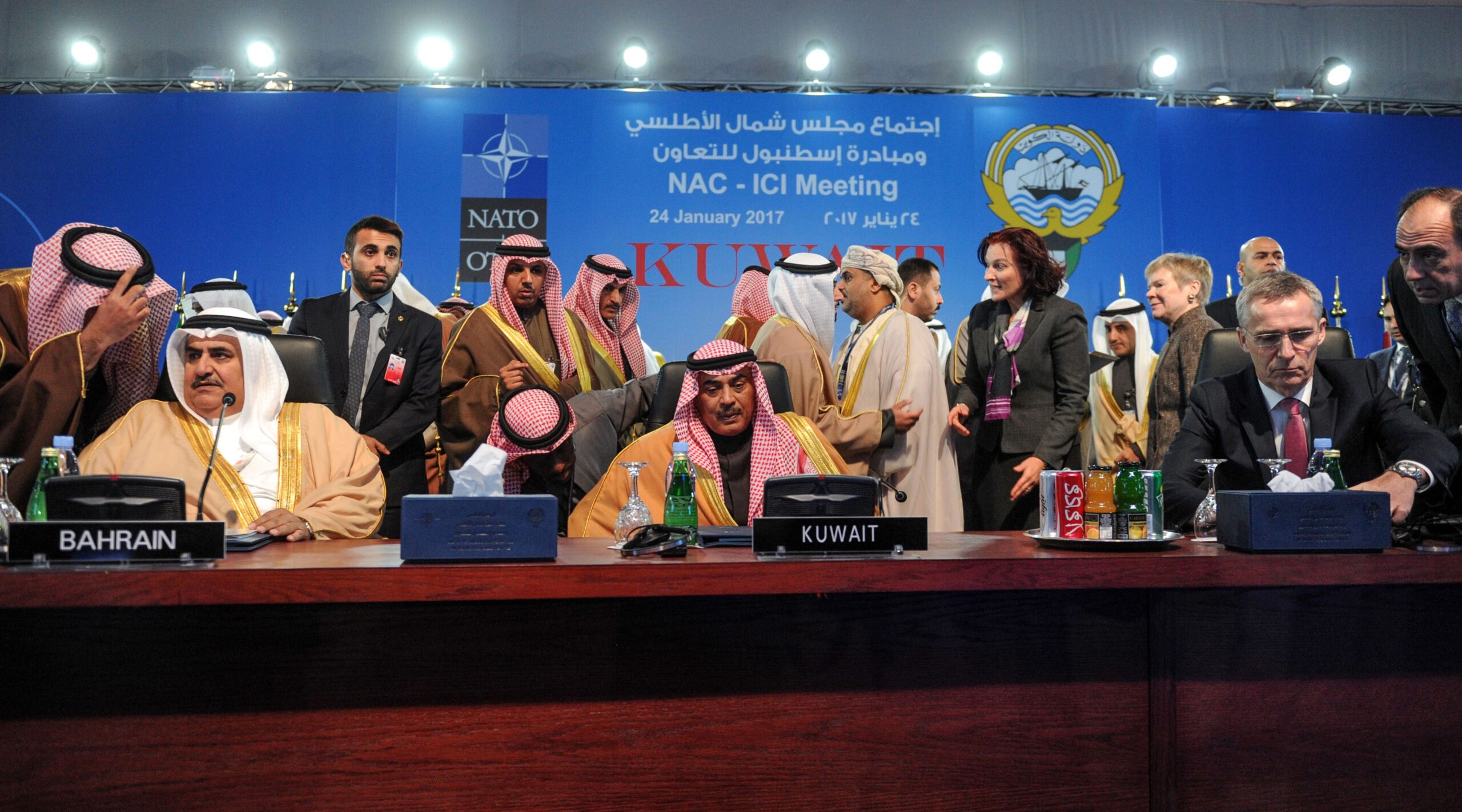
NATO’s narrow window of opportunity for an effective Southern Strategy
While the Washington Summit is unlikely to deliver any ground-breaking outcome, it certainly offers the opportunity to articulate the nexus between security in Europe and the Mediterranean-African region. NATO also has the opportunity to renew and streamline its partnerships with Middle Eastern and North African countries while strengthening its outreach to Africa.
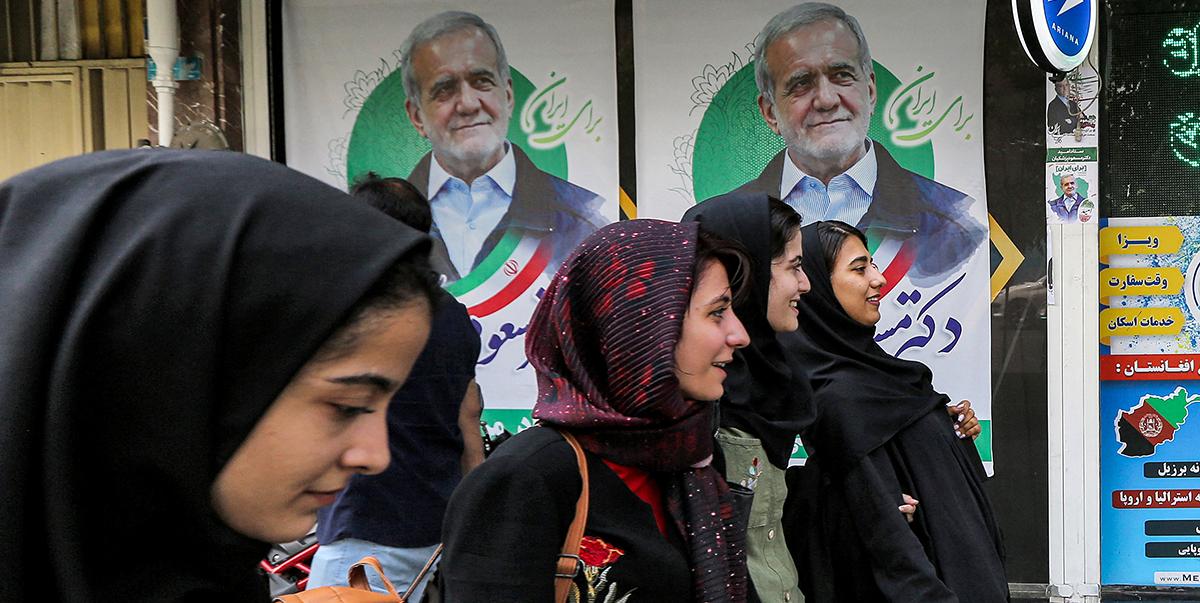
Polling on Iran highlights key social and political issues ahead of presidential vote
The latest survey from Stasis Consulting estimates that voter turnout in the June 28 Iranian presidential election is likely to exceed 50%. Despite the sudden death of President Ebrahim Raisi, Iranians do not believe his passing will cause any significant challenges for the country. Iranians view addressing youth concerns as a top priority for the next president, alongside dealing with the country’s long-standing economic challenges. In addition, there is widespread opposition to the way in which the government is dealing with the mandatory hijab and a majority of Iranians dislike the Guidance Patrol and support making the wearing of the veil optional.
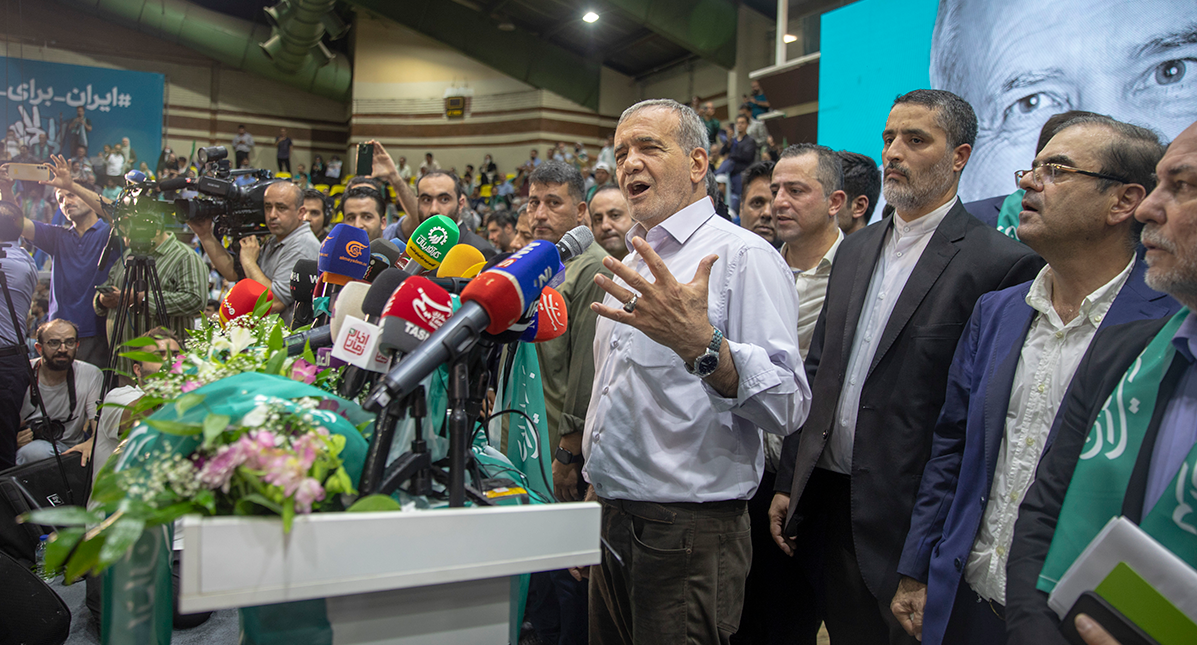
Change isn’t on the ballot as Iranians head to the polls
With just a few days left before Iranians head to the polls, it is clear that the June 28 presidential election is not exciting the country’s voters. After several televised debates, some of which have been mildly contentious, the six men in the race have failed to energize the public. In fact, a major “no vote” campaign has been under way on social media and elsewhere, aimed at convincing Iranians to stay home.
“Vision of darkness balanced by light”: Lebanese-American Artist Nabil Kanso’s Works Express the Current Moment, Decades After Their Creation
Nearly six decades after Kanso moved to America and began his career as a visual artist, his work remains enormously important, channeling the zeitgeist of our uncertain and violent era. Yet as dark as Kanso’s vision is, he also reminds us that even the most hellacious of contexts can contain light and the possibility of rebirth and renewal.
Alex Vatanka (Director, MEI’s Iran Program) and Ali Afshari (Iranian political analyst and pro-democracy activist) discuss Iran’s snap presidential elections, set to be held on June 28th, following the sudden death of President Ebrahim Raisi in a helicopter crash last month. The 63-year-old regime loyalist was widely viewed as a leading potential successor to the Islamic Republic’s 85-year-old supreme leader, Ayatollah Ali Khamenei. The elections come as Iran faces a number of challenges both at home and abroad, ranging from long-running domestic economic troubles and preparations for an eventual leadership transition to the regional reverberations of the ongoing war in Gaza and the tit-for-tat exchange of missile and drone strikes with Israel in April.
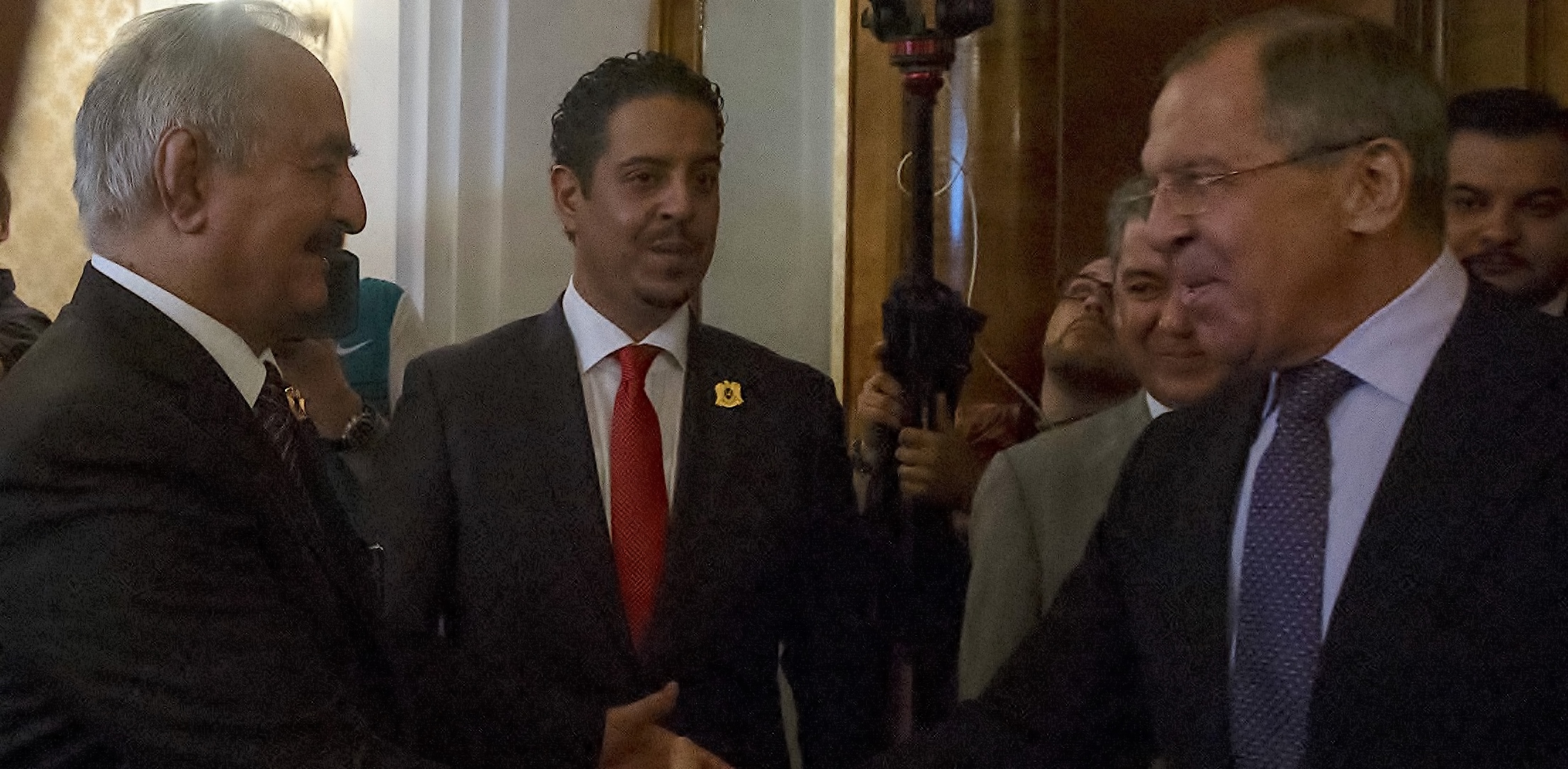
Libya remains the key for NATO to counter Russian malign activities in Africa
Eight years ago, few would have predicted that Russia could move in as quickly and comprehensively throughout Africa as it has done. Now there is widespread recognition of the threat posed by the destabilizing Russian expansion in Africa, to NATO, its members, and the African region.
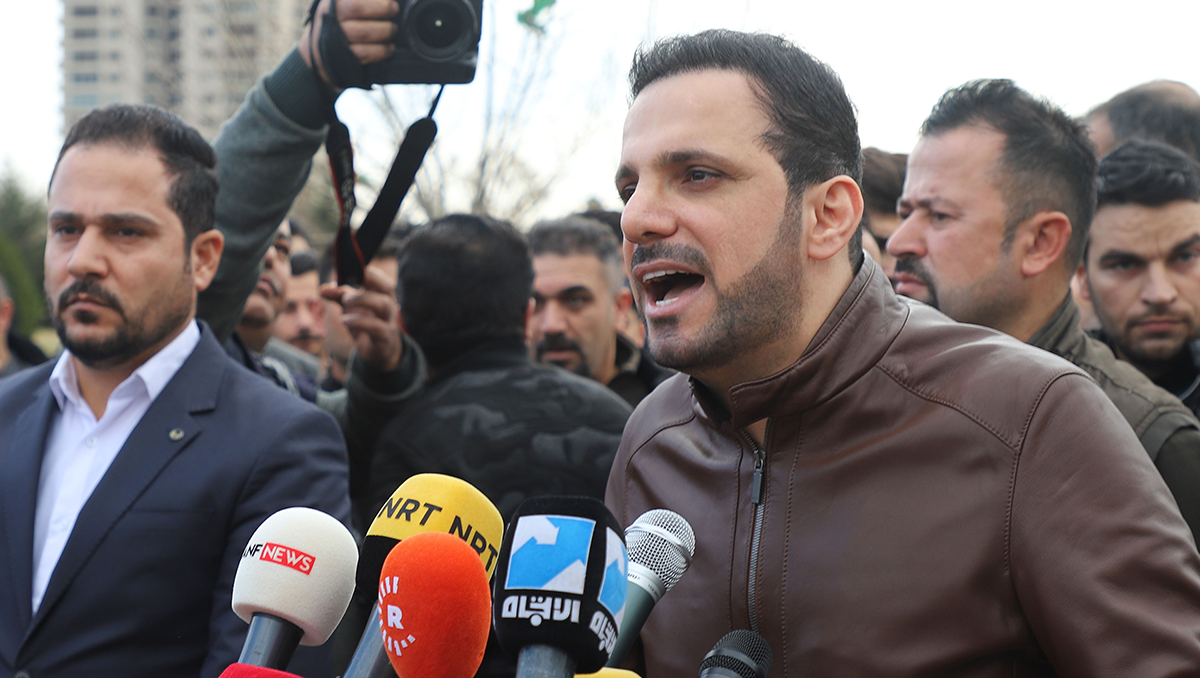
No real alternative: The failure of opposition parties in Iraq’s Kurdistan Region
Politics in Iraq’s Kurdistan Region is centered on the ruling duopoly of the Kurdistan Democratic Party (KDP) and the Patriotic Union of Kurdistan (PUK). Other political parties — broadly referred to as the opposition — offer themselves as alternatives to the KDP and the PUK, but are disorganized, divided, and largely unable to capitalize on public grievances about governance. At present, they do not constitute a viable alternative to the ruling parties.
New US pier off Gaza holds opportunities beyond humanitarian aid
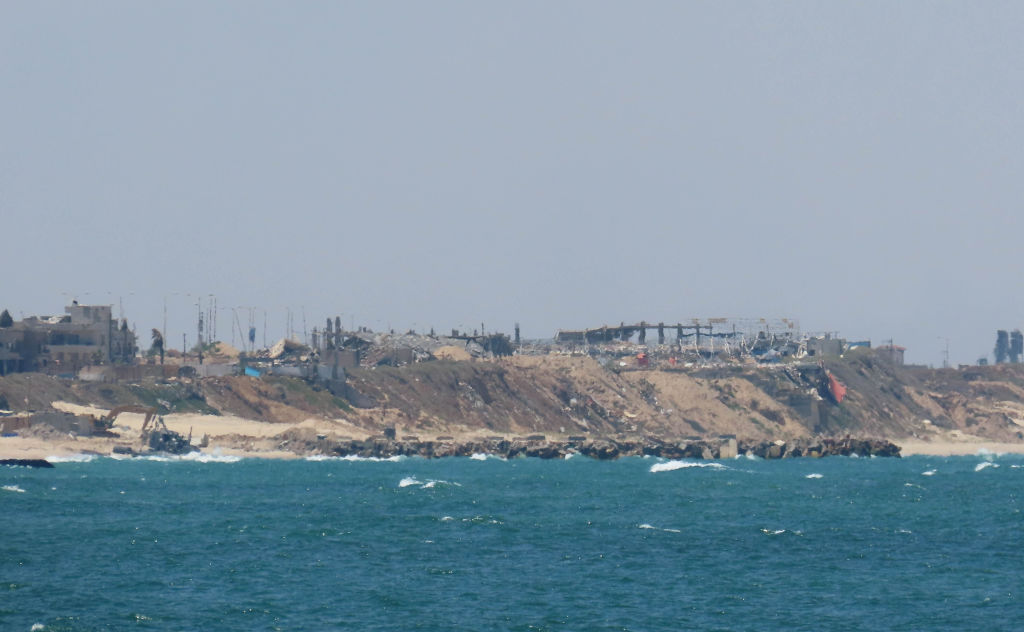
The new U.S. pier off Gaza is back in operational mode, after breaking apart and undergoing a week of repairs. Despite the rocky start, this American initiative could serve as a steppingstone towards a new, more peaceful, post-war Israeli-Palestinian reality. But for this to happen, the U.S. will need to leverage opportunities, address regional skepticism and bring the Palestinians on board.
Migration in North Africa: EU Engagement & Policies
MEI’s North Africa & the Sahel Program Director Intissar Fakir and Guillaume Soto-Mayor discuss Soto-Mayor’s paper “Libya, Tunisia, and Niger as Case Studies for Counter-Productive Anti-Migration Policies” – including how EU policies reinforce criminal patterns and empower illicit networks in these areas.
A Turkish foreign minister in China: Subtitles of a silent visit
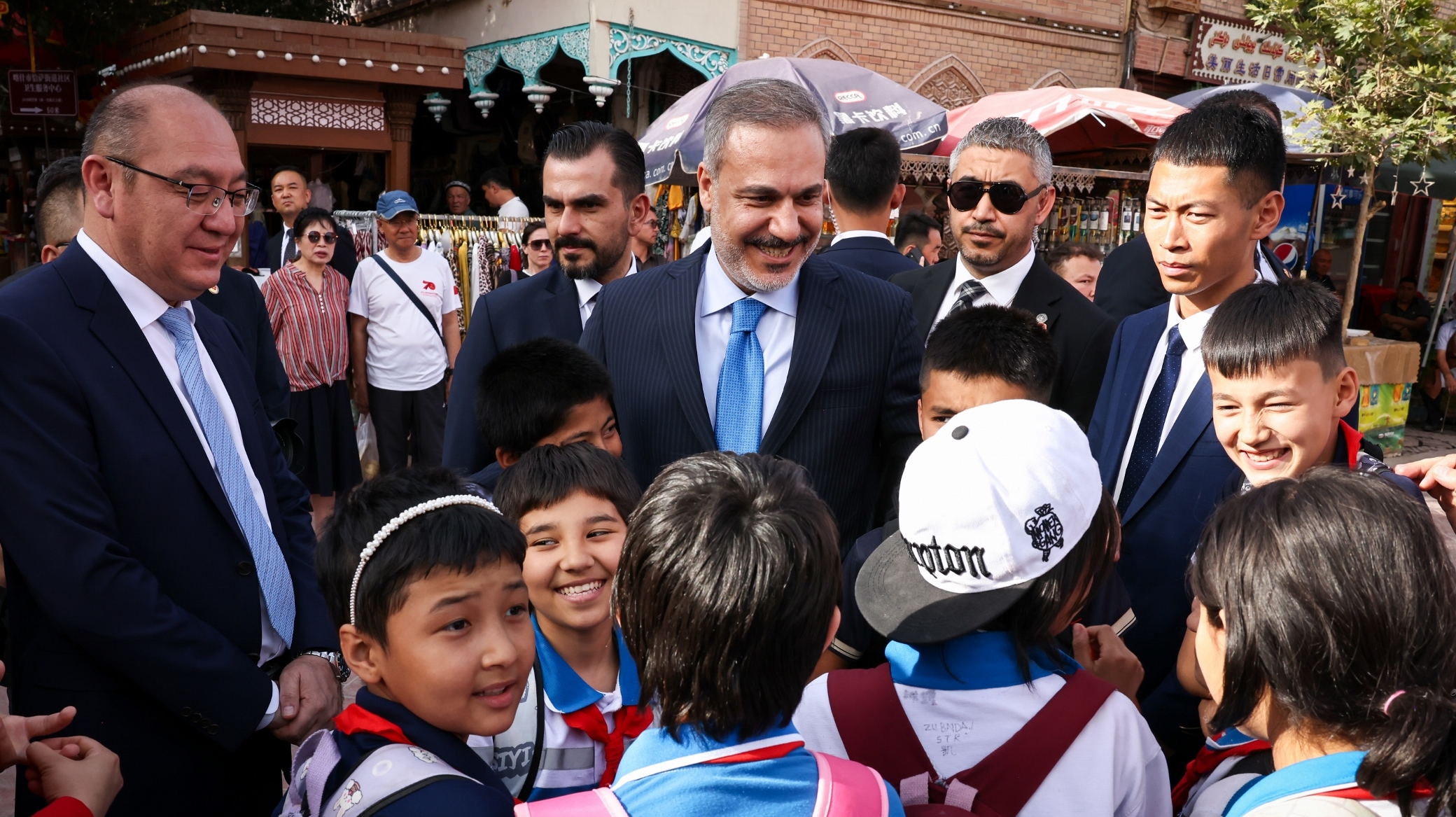
The most defining aspect of the Sino-Turkish relationship is the need for Turkey to find economic or geopolitical leverage to attain some semblance of equality with China. During Turkish Foreign Minister Hakan Fidan’s recent visit to Beijing, his subtle references to the Turkic and Islamic credentials of Xinjiang may have gotten lost in translation for the Chinese.
The oldest peer-reviewed publication dedicated to the study of the modern Middle East, MEI’s flagship journal covers politics, society, and culture in the region.