Skip to Content

Research & Commentary

Read in-depth research, analysis, and commentary from MEI’s fellows and experts on the Middle East. 

Trump’s Family Business Deals Risk Further Undermining the Credibility of US Middle East Policy
  • Analysis
  • Trump’s Family Business Deals Risk Further Undermining the Credibility of US Middle East Policy

    President Trump’s family businesses are once again in the spotlight as a new financial disclosure showed they earned $2 billion in income in 2025 — a dramatic increase on the year before, with much of it coming from Gulf entities, raising emoluments concerns. Mounting perceptions of corruption, combined with unresolved crises in Iran and Israel-Palestine, are eroding trust among key partners in the Middle East. With the 2026 midterms approaching, these entanglements could represent a major political vulnerability and further undermine America’s already-strained standing in the region.

    Do the Gulf States Need a New Playbook?
  • Podcast
  • Do the Gulf States Need a New Playbook?

    After the US-Israel-Iran war — and the strikes that followed the cease-fire — the Gulf states find themselves dangerously exposed. Host Alistair Taylor is joined by MEI Associate Fellow Gregory Gause to discuss the war’s impact on the Gulf, their partnership with the United States, and whether the turmoil of recent months will push Gulf leaders to reassess their alliances and international engagement.

    July 2, 2026

    Additional Research & Commentary

    Backgrounders

    The Houthis
  • Backgrounder
  • The Houthis

    The Houthis are a political-military faction and Zaydi religious movement founded in northwestern Yemen in the 1980s. A key member of Iran’s Axis of Resistance with links to other militant organizations in the Arabian Peninsula and the Horn of Africa, the group has continued to pose a threat to Western interests on a global scale.

    May 15, 2026

    The Abraham Accords
    Photo by Alex Wong/Getty Images
  • Backgrounder
  • The Abraham Accords

    This backgrounder provides an overview of how the Abraham Accords came about, the US interests involved, their economic and strategic consequences, and the prospects for further enlargement going forward.

    November 17, 2025

    Turkish Foreign Policy
  • Backgrounder
  • Turkish Foreign Policy

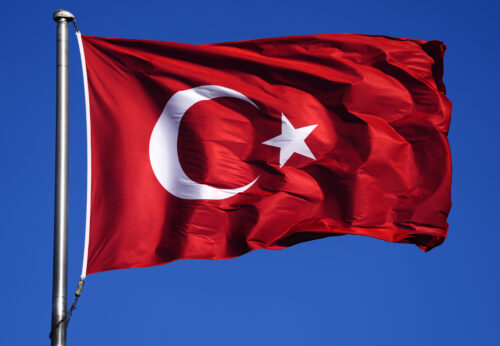
    After a decade of post-Arab Spring isolation, Turkey’s leaders have recognized that their ambition to position the country as an agenda-setter on the world stage requires active engagement in all directions. President Recep Tayyip Erdoğan’s consolidation of executive authority has centralized foreign policy decision-making and tied it to his domestic political priorities, transforming the country’s revisionist approach to one shaped primarily by personal and pragmatic interests.

    April 23, 2026

    Western Sahara: Why the conflict still matters
  • Video
  • Western Sahara: Why the conflict still matters

    As the Western Sahara conflict reaches its fifth decade, the territorial dispute remains unresolved and largely unknown. MEI’s Intissar Fakir unpacks the Western Sahara’s complex history and the rival claims by Morocco and the Sahrawi Arab Democratic Republic. She examines recent developments, such as President Trump’s recognition of Moroccan sovereignty over the territory and the collapse of a 30-year cease-fire, as well as the core questions that remain unanswered after half a century.

    August 7, 2025

    Podcasts

    Middle East Focus

    MEI’s flagship weekly podcast on US foreign policy and contemporary political and social issues in the Middle East.

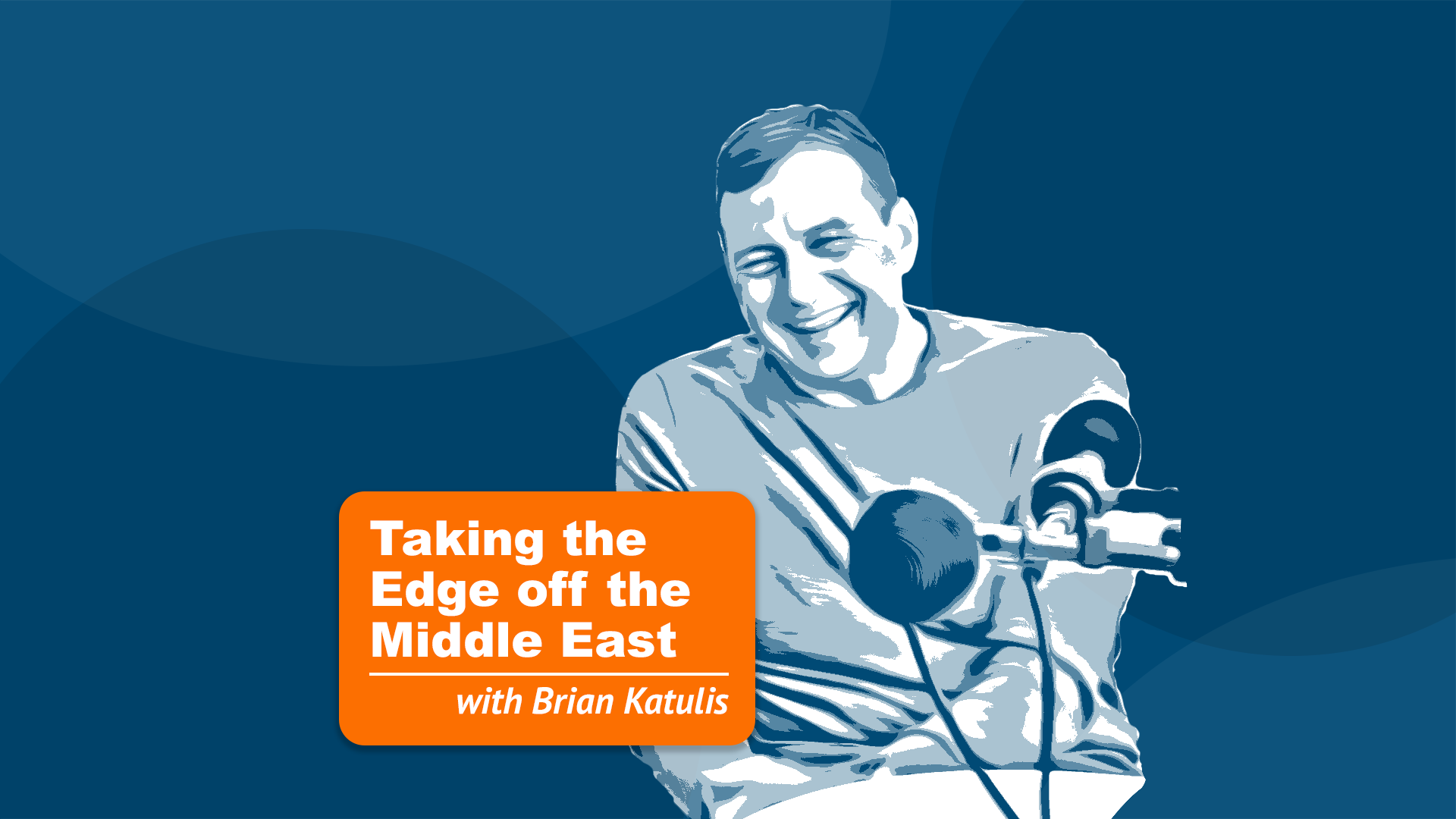
    Taking the Edge Off the Middle East

    MEI Senior Fellow Brian Katulis engages friends, colleagues, and policy experts in casual conversations on the most important happenings in the Middle East. 

    Rethinking Democracy

    MEI Senior Fellow Gonul Tol hosts leading scholars and thought leaders on global democracy trends and the state of the liberal international order. 

    Filter by
    8748 Results
    Turkish Policy towards Iran: What is at Stake?
    Middle East Institute
  • Analysis
  • Turkish Policy towards Iran: What is at Stake?

    In the wake of the recent Nuclear Security Summit in Washington DC, Turkish-Iranian relations once again came under scrutiny. As the US and the EU have intensified their efforts to impose sanctions on Iran through the UN Security Council, Turkey’s role in this issue has come into question. Notwithstanding Turkish temporary membership in the Security Council, the Turkish position will be critical for any effective implementation of sanctions.

    May 29, 2011

    Uprising in Syria: Implications for US and Regional Policy
    Middle East Institute
  • Podcast
  • Uprising in Syria: Implications for US and Regional Policy

    The Middle East Institute is proud to host Syria experts Ammar Abdulhamid, Helena Cobban, and Steven Heydemann for a discussion about the ongoing protests in Syria and the international and regional reactions to the shifting Syrian landscape. As the uprising continues into its third month, how sustainable is the protest movement? Are the Syrian government's tactics in crushing dissent succeeding? What impact has the violence had on the Assad regime's relationship with its neighbors like Turkey and close allies like Iran, Hezbollah and Hamas?

    May 24, 2011

    Turkey and the Arab Spring
    Middle East Institute
  • Analysis
  • Turkey and the Arab Spring

    *This article originally appeared in the Project Syndicate online on May 23, 2011.


    As the Arab Spring enters its fourth month, it faces challenges but also presents opportunities. Despite setbacks in Libya, Yemen, and Syria, the democratic wave has already begun to change the Middle East’s political landscape.


    May 24, 2011

    Uprising in Syria: Implications for US and Regional Policy
    Middle East Institute
  • Video
  • Uprising in Syria: Implications for US and Regional Policy

    The Middle East Institute is proud to host Syria experts Ammar Abdulhamid, Helena Cobban, and Steven Heydemann for a discussion about the ongoing protests in Syria and the international and regional reactions to the shifting Syrian landscape. As the uprising continues into its third month, how sustainable is the protest movement? Are the Syrian government's tactics in crushing dissent succeeding? What impact has the violence had on the Assad regime's relationship with its neighbors like Turkey and close allies like Iran, Hezbollah and Hamas?

    May 24, 2011

    What's Next for Libya?
    Middle East Institute
  • Podcast
  • What's Next for Libya?

    The Middle East Institute is proud to host Ambassador Ali Suleiman Aujali, Paul Pillar, and Jeffrey White for a discussion about the current situation in Libya and ways to address the stalemate between Libya's rebels and the forces of Colonel Qaddhafi. As the conflict drags into its third month, Aujali, Pillar and White will examine the humanitarian situation on the ground, NATO's recent operational innovations, and the role of the US and Europe in aiding Libya's rebels.

    Speakers: Amb. Ali Suleiman Aujali, Paul Pillar, Jeffrey White

    May 19, 2011

    What's Next for Libya?
    Middle East Institute
  • Video
  • What's Next for Libya?

    The Middle East Institute is proud to host Ambassador Ali Suleiman, Paul Pillar, and Jeffrey White for a discussion about the current situation in Libya and ways to address the stalemate between Libya's rebels and the forces of Colonel Qaddhafi. As the conflict drags into its third month, Aujali, Pillar and White will examine the humanitarian situation on the ground, NATO's recent operational innovations, and the role of the US and Europe in aiding Libya's rebels.

    May 19, 2011

    Time to Talk to Egypt's Islamists
    Middle East Institute
  • Analysis
  • Time to Talk to Egypt's Islamists

    This Opinion first appeared in the Huffington Post on May 17, 2001

    As the Arab world is getting ready to listen once again to a major speech by the U.S. President Barack Obama, many Egyptians wonder about how the outcomes of the political change will be received outside of the country, and especially from the U.S.

    May 17, 2011

    The Upcoming Turkish Elections: Implications for Domestic and Foreign Policy
    Middle East Institute
  • Podcast
  • The Upcoming Turkish Elections: Implications for Domestic and Foreign Policy

    The Middle East Institute's Center for Turkish Studies is proud to host Mr. Taha Özhan, Director General of the Foundation for Political, Economic and Social Research (SETA Ankara), for a discussion on Turkey's upcoming elections on June 12.

    May 12, 2011

    The Upcoming Turkish Elections: Implications for Domestic and Foreign Policy
    Middle East Institute
  • Video
  • The Upcoming Turkish Elections: Implications for Domestic and Foreign Policy

    The Middle East Institute's Center for Turkish Studies is proud to host Mr.Taha Ozhan, Director General of the Foundation for Political, Economic and Social Research (SETA Ankara), for a discussion on Turkey's upcoming elections on June 12.

    May 12, 2011

    Egypt's Need for a "Bill of Rights"
    Middle East Institute
  • Analysis
  • Egypt's Need for a "Bill of Rights"

    This Opinion first appeared in the Huffington Post on May 6, 2011

    As the shadow of the Egyptian revolution that succeeded in the overthrow of Hosni Mubarak's 30 years reign has generated an explosion of new political parties and activists movements representing all colors of the political spectrum, debates within Egyptian political landscape are not anything but chaotic and inflammatory.

    May 6, 2011

    Palestinian Peace Strategy in a Changing Middle East
    Middle East Institute
  • Podcast
  • Palestinian Peace Strategy in a Changing Middle East

    The Middle East Institute and The Foundation for Middle East Peace are proud to host Ziad Abu Zayyad a veteran journalist and the co-founder and editor of the Palestine/Israel Journal. In his talk, Mr. Abu Zayyad will address whether a rapprochement between Fatah and Hamas is possible, and will also discuss the main challenges facing the US-Palestinian bilateral relationship.

    Speaker: Ziad Abu Zayyad

    May 5, 2011

    Palestinian Peace Strategy in a Changing Middle East: Prospects for Fatah-Hamas Reconciliation, and US-Palestinian Relations
    Middle East Institute
  • Video
  • Palestinian Peace Strategy in a Changing Middle East: Prospects for Fatah-Hamas Reconciliation, and US-Palestinian Relations

    The Middle East Institute and the Foundation for Middle East Peace are proud to host Ziad Abu Zayyad a veteran journalist and the co-founder and editor of the Palestine/Israel Journal. In his talk, Mr.Abu Zayyad will address whether a rapprochement between Fatah and Hamas is possible, and will also discuss the main challenges facing the US-Palestinian bilateral relationship.

    May 5, 2011

    High-Value Target: Countering al Qaeda in Yemen
    Middle East Institute
  • Podcast
  • High-Value Target: Countering al Qaeda in Yemen

    The Middle East Institute is proud to host Amb. Edmund J. Hull (retired) for for a discussion about his recent book “High-Value Target: Countering Al Qaeda in Yemen”. Hull's book tells the inside story of how al Qaeda's Yemeni safe haven was disrupted during Hull's tenure. A top counter terrorism official in both the Clinton and Bush administrations, Hull provides a detailed account of a team effort to build a strategic basis for US-Yemeni counter terrorism and to execute a broad strategy aimed at improving not only the security of Yemen but also its economic development.

    May 4, 2011

    High Value Target: Countering Al Qaeda in Yemen
    Middle East Institute
  • Video
  • High Value Target: Countering Al Qaeda in Yemen

    The Middle East Insitute is proud to host Amb. Edmund J. Hull (retired) for for a discussion about his recent book High-Value Target: Countering Al Qaeda in Yemen. Hull's book tells the inside story of how al Qaeda's Yemeni safe haven was disrupted during Hull's tenure.

    May 4, 2011

    Read the Middle East Journal

    The oldest peer-reviewed publication dedicated to the study of the modern Middle East, MEI’s flagship journal covers politics, society, and culture in the region.