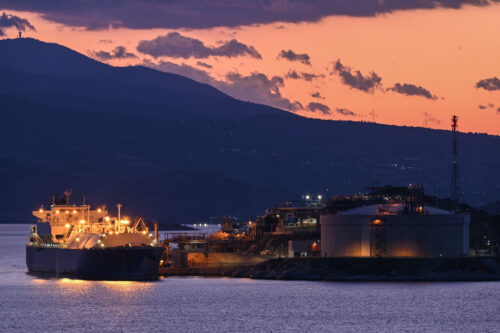
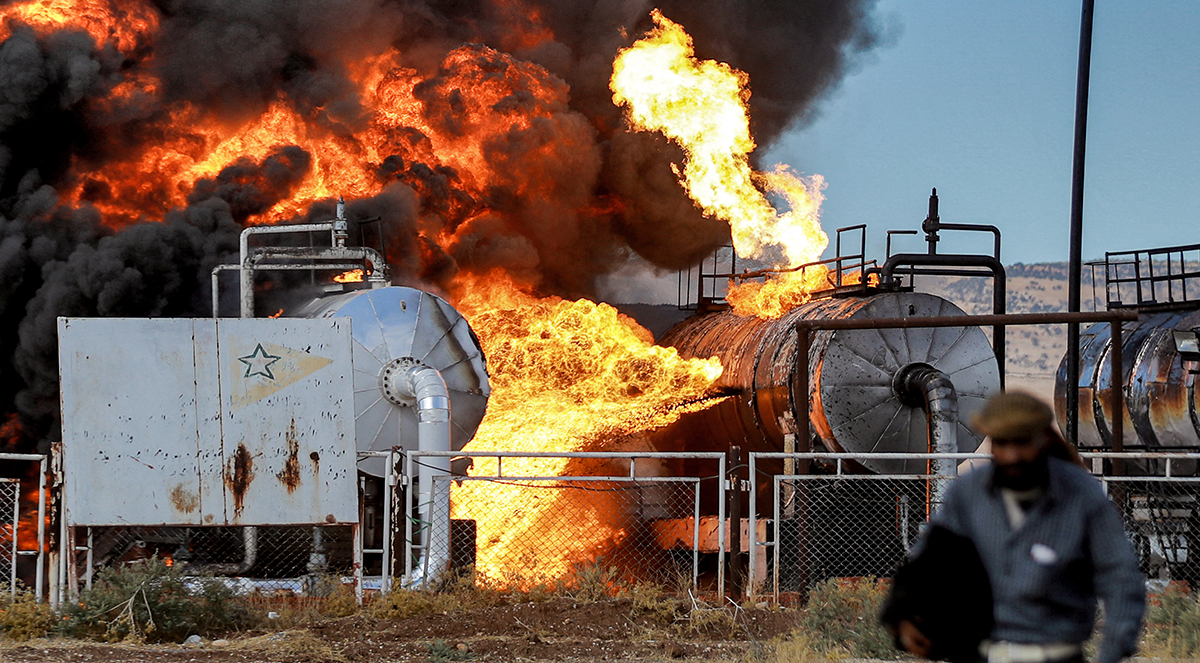
In less than two decades, a string of offshore discoveries has turned the Eastern Mediterranean into a significant gas-producing region, making Israel an exporter, twice lifting Egypt into the ranks of liquefied natural gas (LNG) exporters, and giving Cyprus finds it has yet to bring to market. This backgrounder explores the potential and challenges of exploiting and managing LNG resources in the region.
Deadlock in Gaza and the West Bank at a Breaking Point
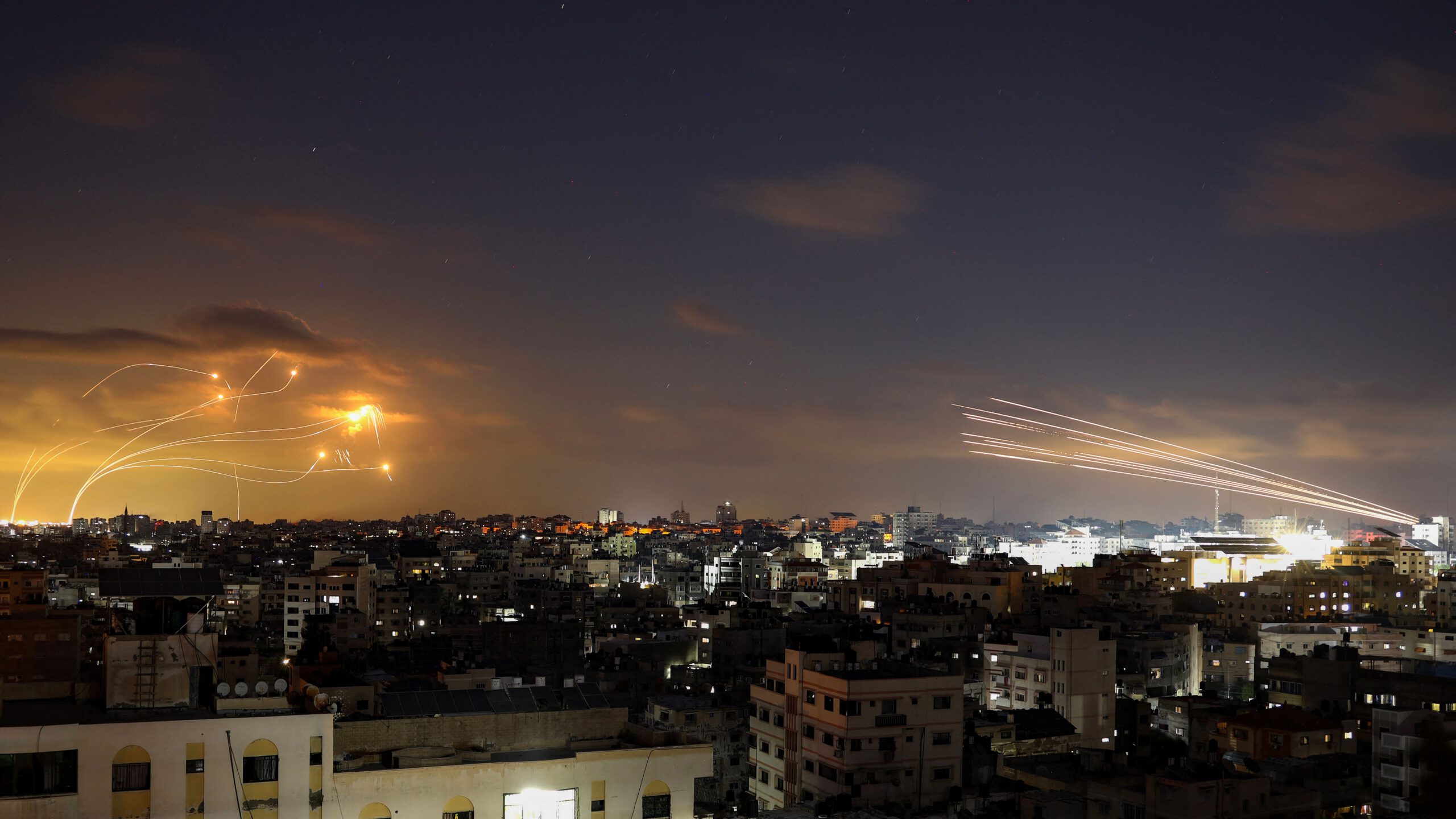
A year after world leaders gathered in Sharm el-Sheikh to mark the end of the war in Gaza, Israel controls about 70% of the Strip, Hamas retains its arms, and reconstruction has yet to begin. Meanwhile, in the West Bank, record settler violence and settlement expansion are colliding with a Palestinian Authority on the brink of fiscal collapse. Hosts Alistair Taylor and Matthew Czekaj are joined by MEI Associate Fellow Tahani Mustafa to discuss why the Gaza peace plan is deadlocked, an increasingly emboldened Israel in the West Bank, Mahmoud Abbas’s postponement of Palestinian elections, the Palestinian Authority’s deepening economic crisis, and what role the US could play.
MINURSO’s Future: What the Security Council’s Choice May Reveal
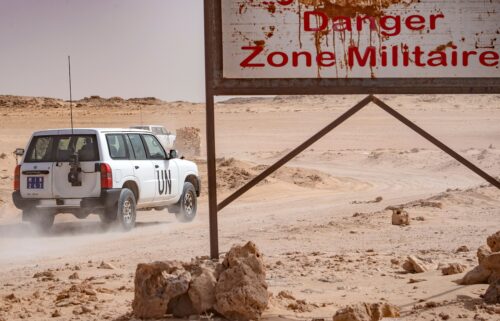
As the United Nations Security Council (UNSC) approaches the October 31 renewal deadline of the UN Monitoring Mission in Western Sahara (MINURSO), the mission’s longer-term future remains uncertain. Another largely unchanged renewal remains a likely immediate outcome. But beyond that holding pattern, three possible scenarios are also on the table.
Since 1967, Israeli settlements in the West Bank have been a contested feature of the Israeli-Palestinian conflict. The ultimate disposition of the settlements and ongoing activity related to their growth have repeatedly defied agreement in negotiations over a resolution to the conflict.
The Houthis are a political-military faction and Zaydi religious movement founded in northwestern Yemen in the 1980s. A key member of Iran’s Axis of Resistance with links to other militant organizations in the Arabian Peninsula and the Horn of Africa, the group has continued to pose a threat to Western interests on a global scale.
The India-Middle East-Europe Economic Corridor (IMEC) is a proposed multinational infrastructure initiative aimed at upgrading connectivity between the three regions through integrated trade, energy, and digital networks. Announced at the G20 summit in New Delhi in September 2023, IMEC is envisioned partially as a counterweight to China’s international infrastructure project, the Belt and Road Initiative.
After a decade of post-Arab Spring isolation, Turkey’s leaders have recognized that their ambition to position the country as an agenda-setter on the world stage requires active engagement in all directions. President Recep Tayyip Erdoğan’s consolidation of executive authority has centralized foreign policy decision-making and tied it to his domestic political priorities, transforming the country’s revisionist approach to one shaped primarily by personal and pragmatic interests.
MEI Senior Fellow Brian Katulis engages friends, colleagues, and policy experts in casual conversations on the most important happenings in the Middle East.
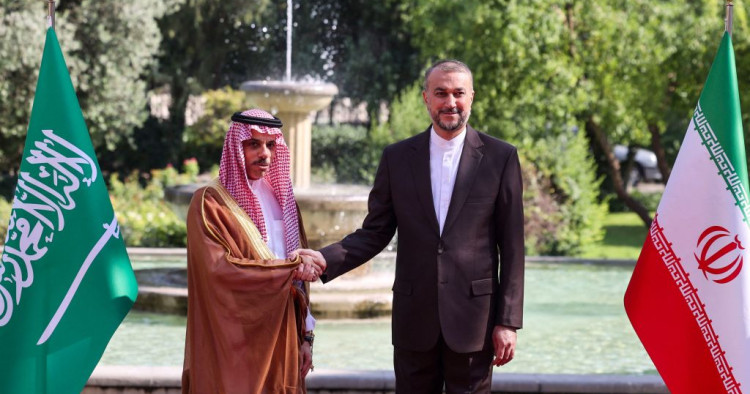
Gulf States should push Iran to get serious about lowering tensions
Two days after the Hamas attack on Israel last weekend, a top Iranian official said that “Arab states willing to normalize relations with Israel [should] give up the process and learn a lesson from the latest developments in Palestine.” The comment makes one thing clear: Like Hamas, Tehran wants to stop Arab diplomatic normalization with Israel.
Hamas Has Already Lost. Now, Who Will Win the Peace?
The events that began in Israel on Oct. 7 are a historical hinge. Like 9/11, as has been said, 10/7 will be remembered by most observers as a bright dividing line between “before” and “after.” What’s at stake for Israel—a fight for its survival—has echoes in other battles taking place around the world like Russia’s war against Ukraine and the Iranian regime’s continued repression of its own people. The world keeps moving toward the future, but the past and those retrograde elements that want to move the world backward still want to have a say.
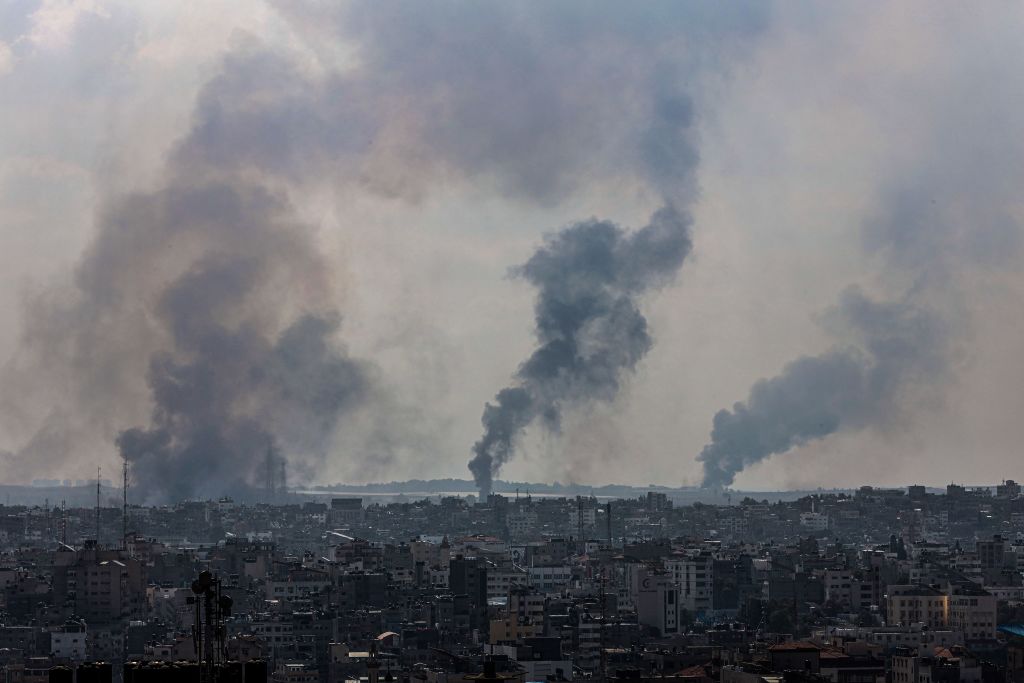
The new war between Israel and Hamas has amply illustrated that what Middle Eastern and American officials were claiming was the most peaceful in decades was anything but.
It was an easy mistake to make: across the region, negotiations were breaking out among hardened foes, countries were scaling back or ending interventions, and everyone seemed to be breathing a collective sigh of relief.
As is usual in the Middle East, the outbreak of peace is often just a harbinger of war.
In the eye of the storm: The battle over fossil fuels at COP28
As the existential threat of climate change continues to intensify, the future of fossil fuels has been thrust into the international spotlight. Reducing hydrocarbon production and consumption has gained traction in international climate talks amid warnings that the window to avoid catastrophic warming is closing quickly.
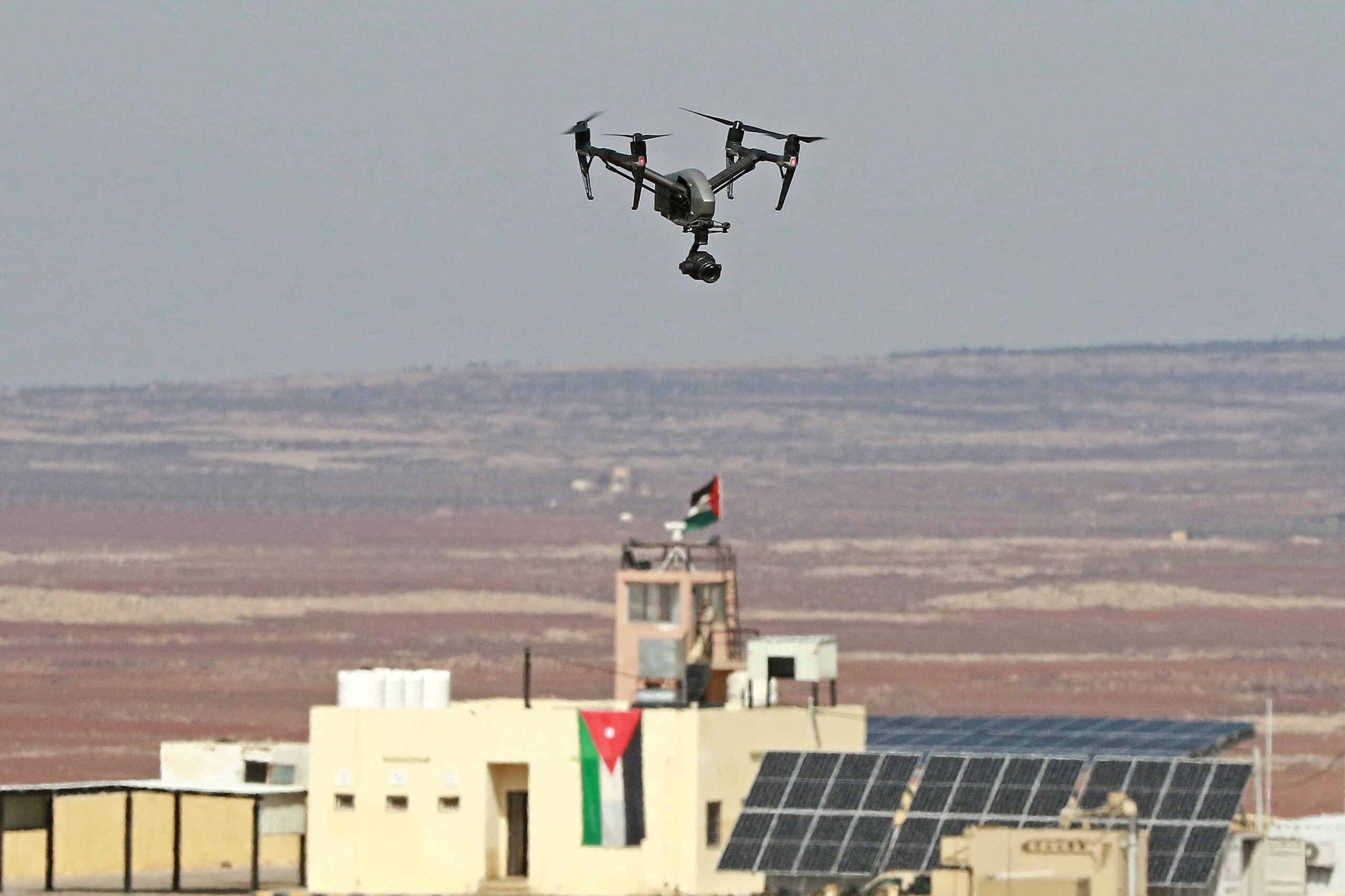
On Sept. 26, Jordan dealt a double blow to drug traffickers by intercepting two drones packed with crystal meth from Syria. But this is just the tip of a rapidly growing iceberg. In the past two months alone, Amman has thwarted four more drones, each laden with a deadly cocktail of drugs, arms, and explosives. This surge illuminates a disturbing evolution in the tactics of smuggling networks operating in southern Syria.
Turkish escalation in northeastern Syria amid changes in military strategy
After several quiet months on the Turkish-Syrian border, tensions have escalated in recent days. Turkish forces have intensified their attacks against the SDF in northeastern Syria and targeted PKK hideouts along the Turkish-Iraqi border. This escalation is unfolding against the backdrop of the suicide blast in Turkey’s capital, Ankara, on Oct. 1 that targeted the Interior Ministry.
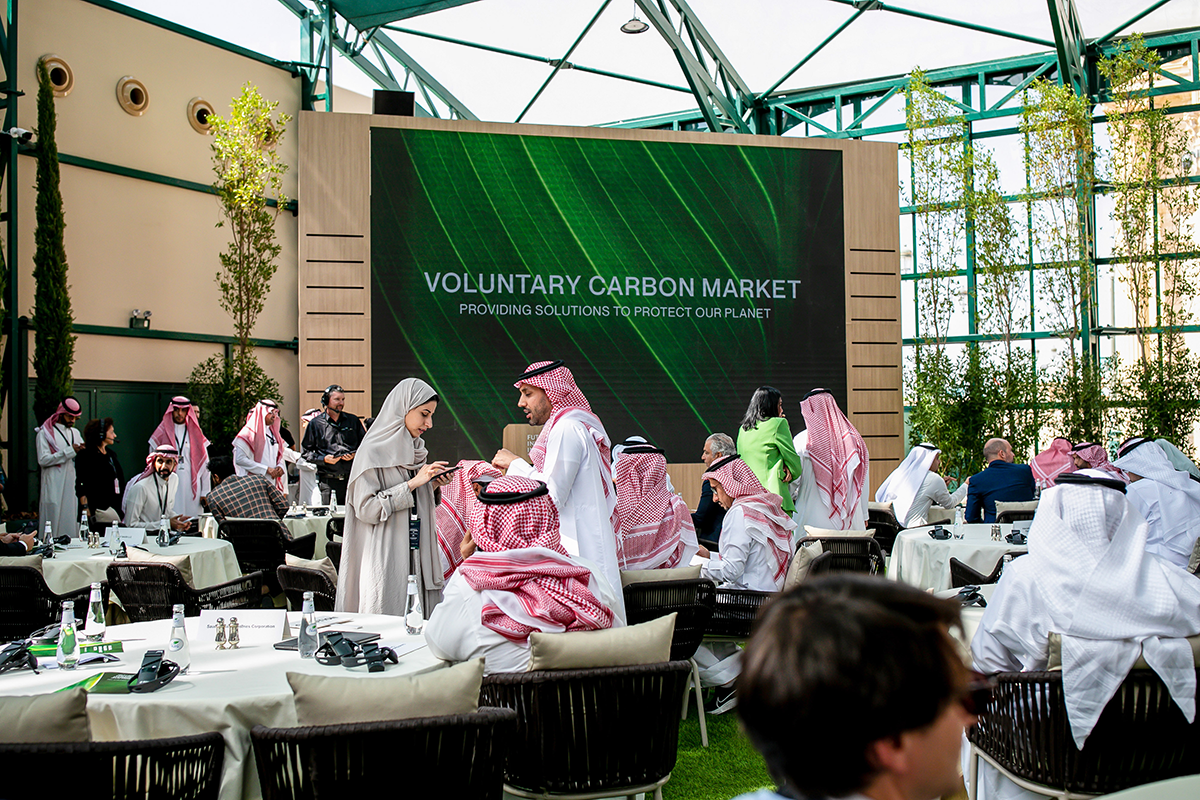
Carbon trading in the MENA region: Opportunities and challenges
One of the key outcomes of the COP26 meeting in Glasgow in 2021 was the establishment of Article 6, which regulates carbon markets under the U.N. Framework Convention on Climate Change. It is argued that carbon markets could lead to more rigorous climate action by enabling governments and entities to trade carbon credits generated by the reduction or removal of greenhouse gases from the atmosphere, such as by phasing out fossil fuels and switching to renewable energy or conserving carbon stocks in ecosystems like forests.
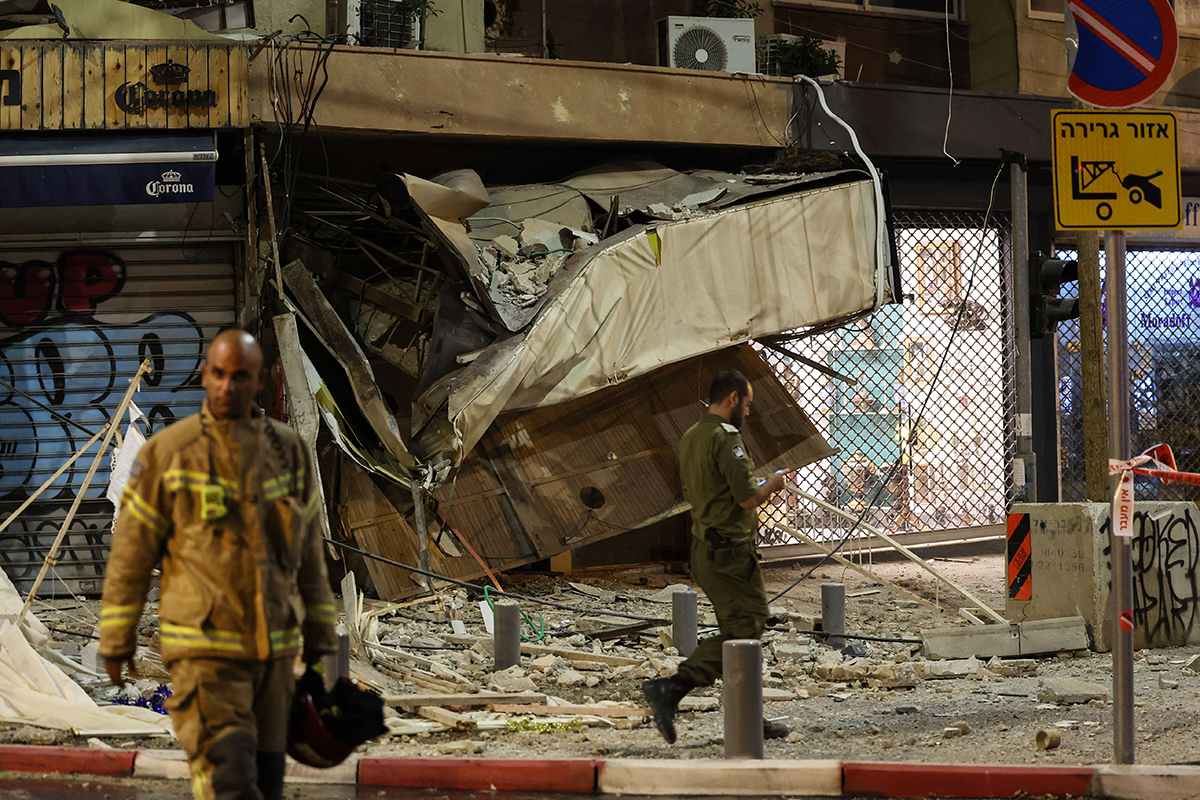
In the latest installment of the Defense Rapid Reaction series, experts from MEI’s Defense & Security Program provide their views on the Oct. 7 Hamas surprise attack on Israel and what it might mean for Israelis and Palestinians, the wider region, and U.S. policy.
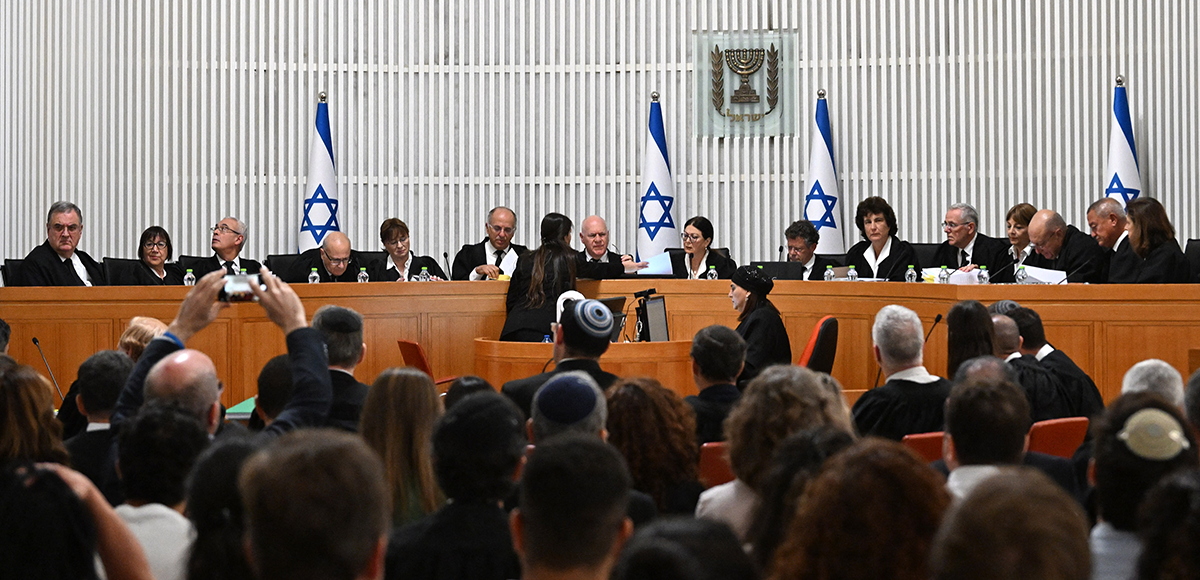
Understanding the legal drama in Israel: Will the Supreme Court prevent a constitutional crisis?
After a year of unprecedented events, Israel’s political and constitutional turmoil came to a head on Sept. 12, when the Supreme Court heard oral arguments in a critical case that will determine the future of the Netanyahu government’s judicial overhaul. The arguments concern the so-called Reasonableness Amendment, passed by Israel’s parliament in late July; this amendment to the country’s Basic Laws would partially strip the Supreme Court of its authority to review governmental acts.
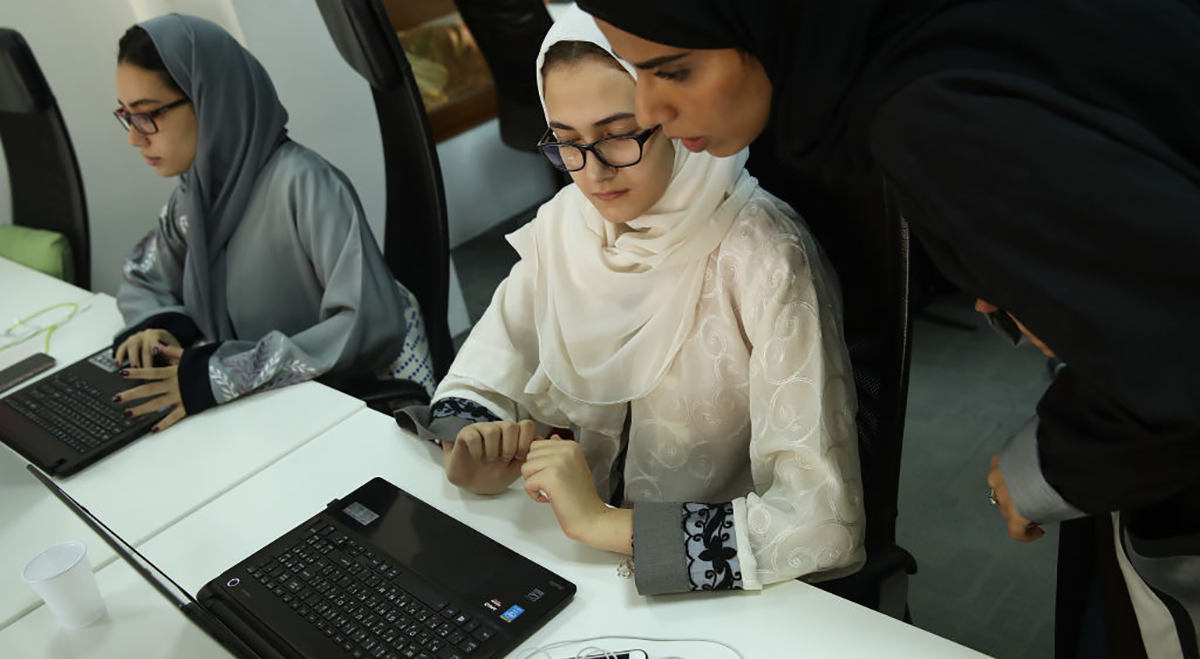
The US Cyber Workforce and Education Strategy: A blueprint for building cyber talent in the Gulf
In July 2023, the White House released the National Cyber Workforce and Education Strategy. The strategy is designed to address the cybersecurity workforce shortage by emphasizing skills-based hiring and lifelong learning. It also provides guidance for other nations, particularly in the Gulf region, as they undergo their own digital transformation and work toward gender equality in their workforces.
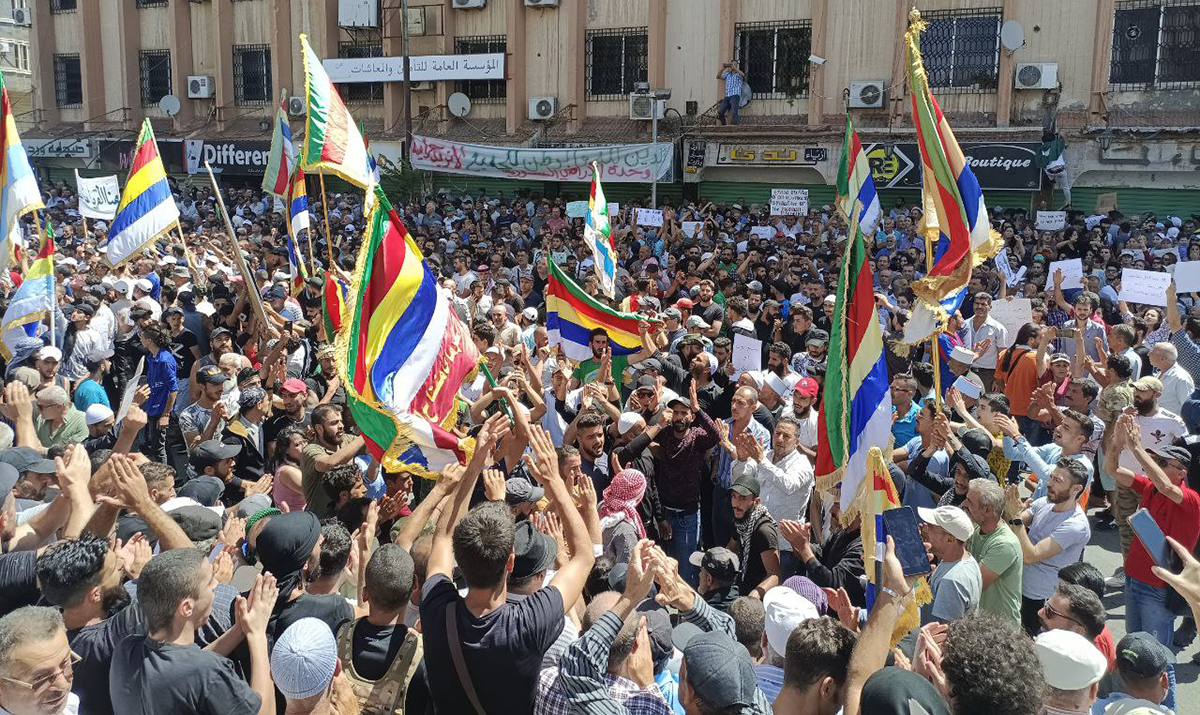
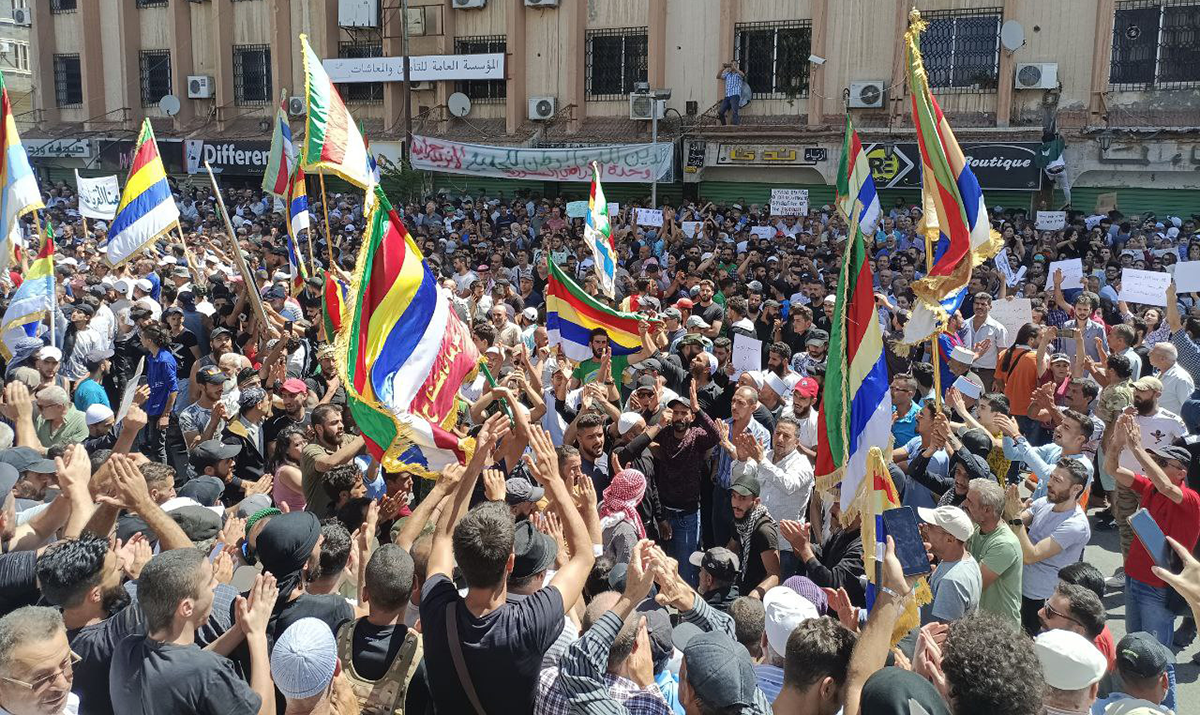
Syria’s Suwayda protests underscore pressing need for a political solution
Despite the great magnitude of the disaster that has befallen Syria over the past 12 years, Syrians have not wavered in their perseverance and belief in their right to a free and dignified life. In the city of Suwayda in the south, for the seventh consecutive week now, peaceful popular demonstrations continue with diverse participation from all segments of the Syrian people.
مظاهرات السويداء في سوريا تؤكد الضرورة الملحّة الى الحل السياسي
فمن مدينة السويداء في الجنوب ، وللأسبوع السابع على التوالي، تستمر مظاهراتها الشعبية السلمية وبمشاركة متنوعة لكل أطياف الشعب السوري ممن تمكن من الوصول لساحاتها، وتتجاوب معها بعض من المدن السورية، معيدة احياء مسيرة الثورة السورية التي انطلقت في أذار 2011.
Nagorno Karabakh offers the US a chance to make new friends and weaken old enemies
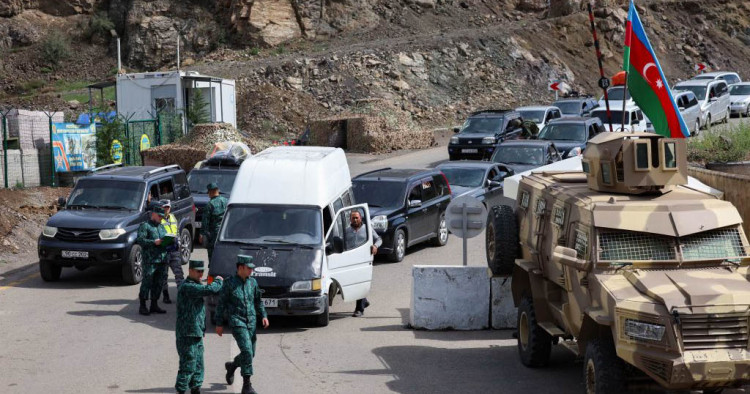
The latest war over Nagorno Karabakh lasted a single day, ending on Sept. 20. It is the third war over the region disputed between Azerbaijan and Armenia in the last three and a half decades.
But this time, it seems there was really only one party to the conflict. Armenia stayed out, leaving it to the Armenians of Nagorno Karabakh to surrender.
A hundred thousand people have fled to Armenia, roughly 80 percent of the Karabakh population. What’s more, Armenia’s most powerful allies, Iran and Russia, appear to be distracted and marginally engaged.
Fires of Damascus: Protecting Syria’s homes and heritage from the failed and rapacious state
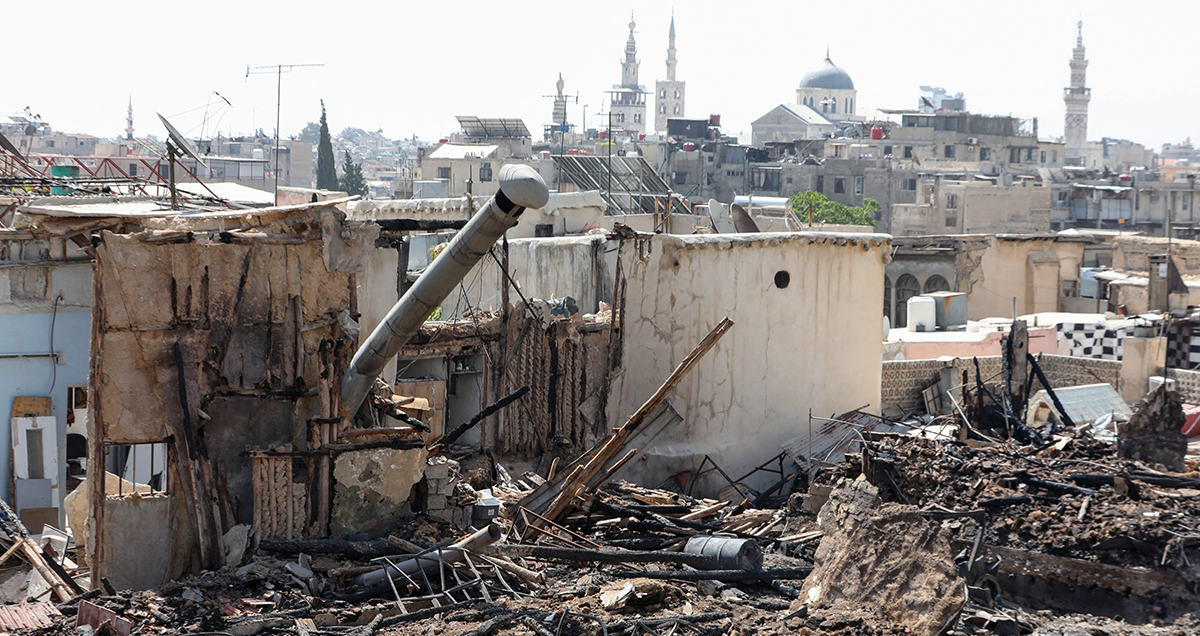
July 16, 2023, was a dark day for the ancient city of Damascus. A fire raged through the historic Sarouja neighborhood, reducing a number of heritage homes to ashes. Two months later, in September 2023, a residential building in the Syrian capital’s Malki neighborhood partially collapsed as a result of unauthorized excavation for a basement. While these events might not seem connected, they underscore an overarching issue: the vulnerability of Damascus properties in the face of natural and man-made crises, exacerbated by corruption, greed, and failed and vicious state policies.
The oldest peer-reviewed publication dedicated to the study of the modern Middle East, MEI’s flagship journal covers politics, society, and culture in the region.