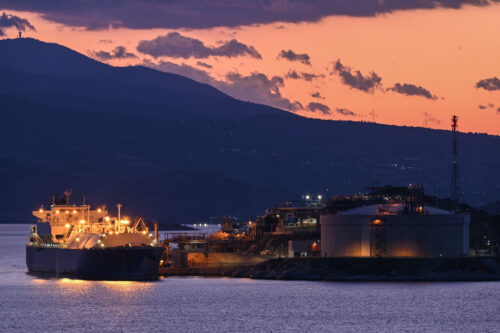
In less than two decades, a string of offshore discoveries has turned the Eastern Mediterranean into a significant gas-producing region, making Israel an exporter, twice lifting Egypt into the ranks of liquefied natural gas (LNG) exporters, and giving Cyprus finds it has yet to bring to market. This backgrounder explores the potential and challenges of exploiting and managing LNG resources in the region.
Deadlock in Gaza and the West Bank at a Breaking Point
A year after world leaders gathered in Sharm el-Sheikh to mark the end of the war in Gaza, Israel controls about 70% of the Strip, Hamas retains its arms, and reconstruction has yet to begin. Meanwhile, in the West Bank, record settler violence and settlement expansion are colliding with a Palestinian Authority on the brink of fiscal collapse. Hosts Alistair Taylor and Matthew Czekaj are joined by MEI Associate Fellow Tahani Mustafa to discuss why the Gaza peace plan is deadlocked, an increasingly emboldened Israel in the West Bank, Mahmoud Abbas’s postponement of Palestinian elections, the Palestinian Authority’s deepening economic crisis, and what role the US could play.
MINURSO’s Future: What the Security Council’s Choice May Reveal
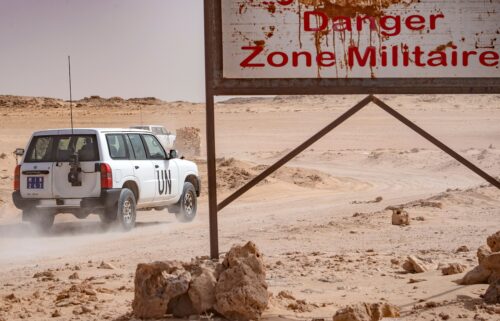
As the United Nations Security Council (UNSC) approaches the October 31 renewal deadline of the UN Monitoring Mission in Western Sahara (MINURSO), the mission’s longer-term future remains uncertain. Another largely unchanged renewal remains a likely immediate outcome. But beyond that holding pattern, three possible scenarios are also on the table.
Since 1967, Israeli settlements in the West Bank have been a contested feature of the Israeli-Palestinian conflict. The ultimate disposition of the settlements and ongoing activity related to their growth have repeatedly defied agreement in negotiations over a resolution to the conflict.
The Houthis are a political-military faction and Zaydi religious movement founded in northwestern Yemen in the 1980s. A key member of Iran’s Axis of Resistance with links to other militant organizations in the Arabian Peninsula and the Horn of Africa, the group has continued to pose a threat to Western interests on a global scale.
The India-Middle East-Europe Economic Corridor (IMEC) is a proposed multinational infrastructure initiative aimed at upgrading connectivity between the three regions through integrated trade, energy, and digital networks. Announced at the G20 summit in New Delhi in September 2023, IMEC is envisioned partially as a counterweight to China’s international infrastructure project, the Belt and Road Initiative.
After a decade of post-Arab Spring isolation, Turkey’s leaders have recognized that their ambition to position the country as an agenda-setter on the world stage requires active engagement in all directions. President Recep Tayyip Erdoğan’s consolidation of executive authority has centralized foreign policy decision-making and tied it to his domestic political priorities, transforming the country’s revisionist approach to one shaped primarily by personal and pragmatic interests.
MEI Senior Fellow Brian Katulis engages friends, colleagues, and policy experts in casual conversations on the most important happenings in the Middle East.
The Libyan Banking Sector: A Microcosm of Global Enduring Disorder
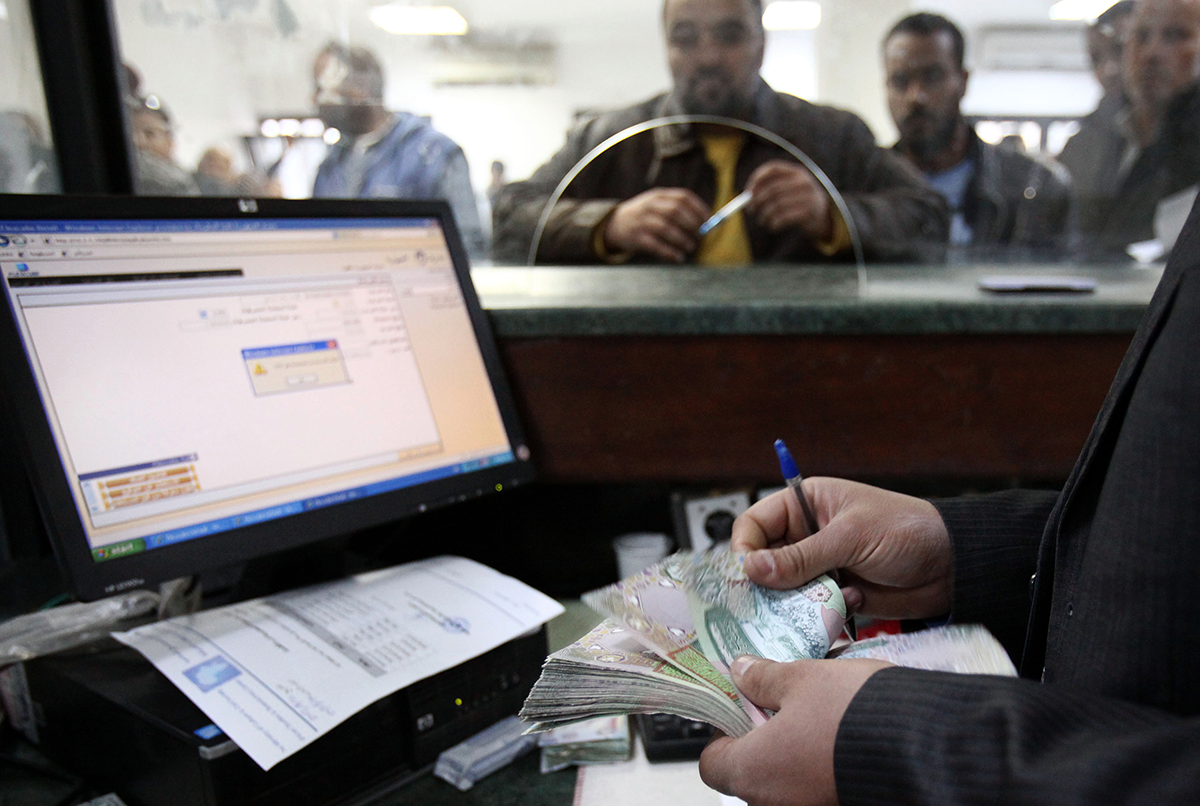
This paper investigates the ongoing Libya conflict through the Enduring Disorder paradigm, focusing on the financial and banking sectors, honing in on stakeholder perceptions of the Central Bank of Libya (CBL), its transparency/opacity, and the “narrative wars” over who is to blame for, and who benefits from, Libya’s economic dysfunction, the lack of an annual budget, and the current lack of a quorum on the CBL board.
Bafel in Baghdad: Finding the contours of the PUK’s strategy in federal Iraq
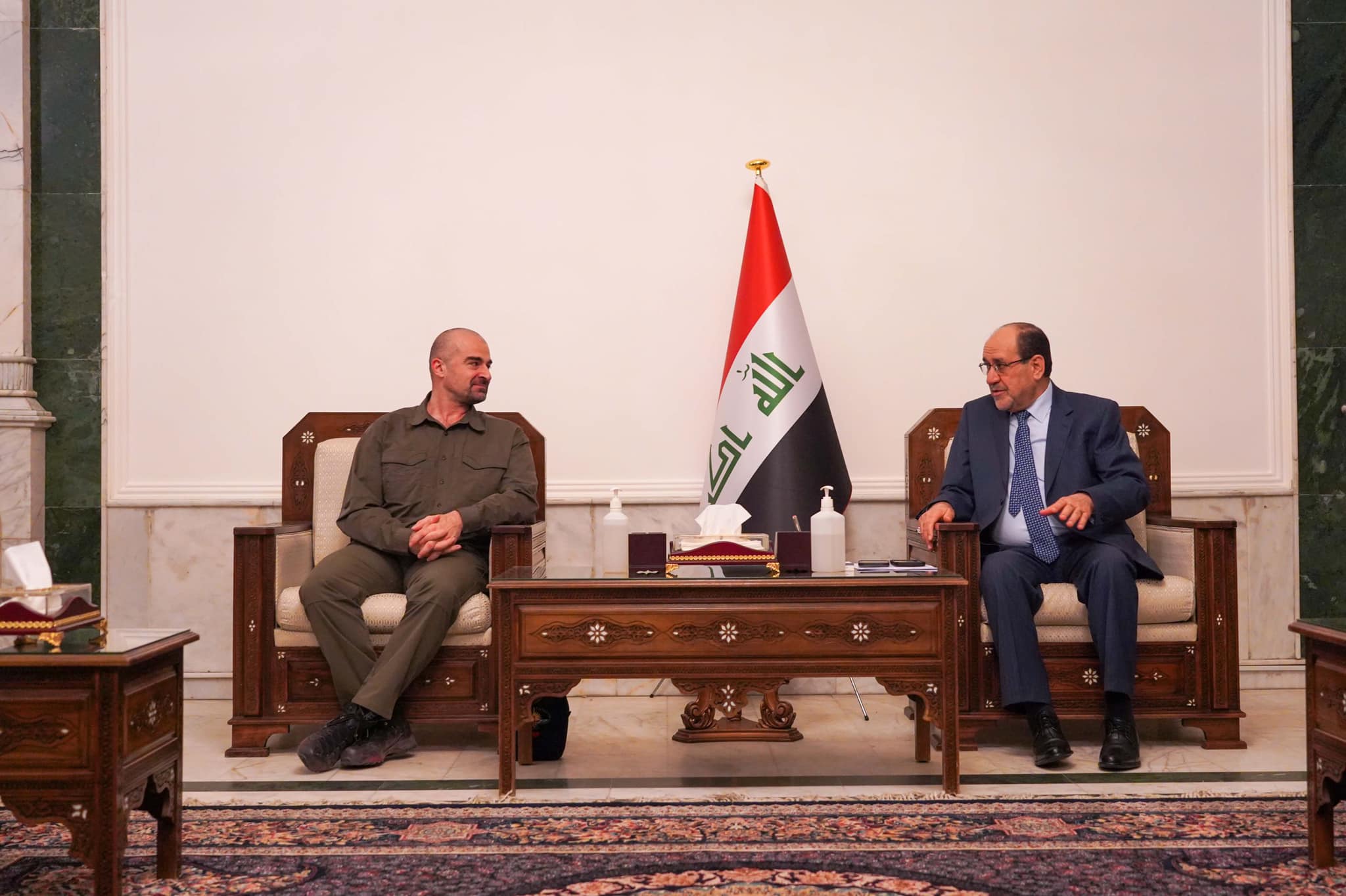
Patriotic Union of Kurdistan leader Bafel Talabani is a frequent visitor to Baghdad, traveling to Iraq’s capital an estimated 35 times since the beginning of 2022 or more than once every two weeks on average. It is indicative of a deliberate strategy by the PUK to increase its activity within Iraq’s federal system, making it a priority, rather than merely an afterthought, to political affairs in the Kurdistan Region.
The Food-Energy Nexus and Italy–Morocco Cooperation
The unwinding of global food production chains due to the combined shocks of Covid-19 and the war on Ukraine, made worse by the impact of climate change on the food-water-energy nexus, will require the six nations of the western Mediterranean – Morocco, Algeria, Tunisia, Spain, France and Italy – to develop new forms of economic cooperation. An Italy–Morocco partnership on green energy food production can be a model for resilient food production chains.
MEI’s US-Lebanon Fellow Fadi Nicholas Nassar speaks to Beirut-based international finance professional Mike Azar (@AzarsTweets) on Lebanon’s financial crisis. What is the state of Lebanon’s banking system, and how did it become so dysfunctional? What does Azar recommend to get Lebanon’s economy back on track, and can the Lira be saved?
The next few decades will be crucial for Iraq and the KRG as global changes reshape the energy sector. The push for sustainable development, the Paris Agreement climate goals, and associated efforts in areas like renewable energy, climate change, and environmental protection will bring about a transition across the sector, affecting everything from employment and working patterns to governance.
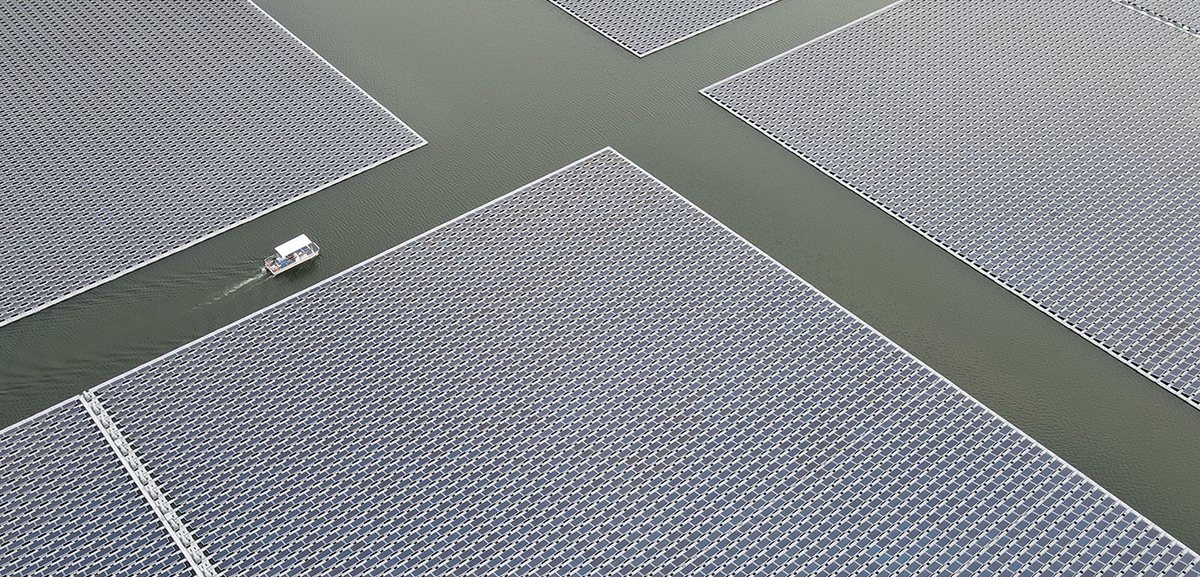
How floating solar farms can help the Middle East deal with water and power challenges
There is an emerging solar technology that is more efficient than the current photovoltaic solar farms and which also helps to save water by reducing evaporation. Floating solar farms can play a significant role in addressing the Middle East’s clean energy needs as well as mitigating its water shortages.
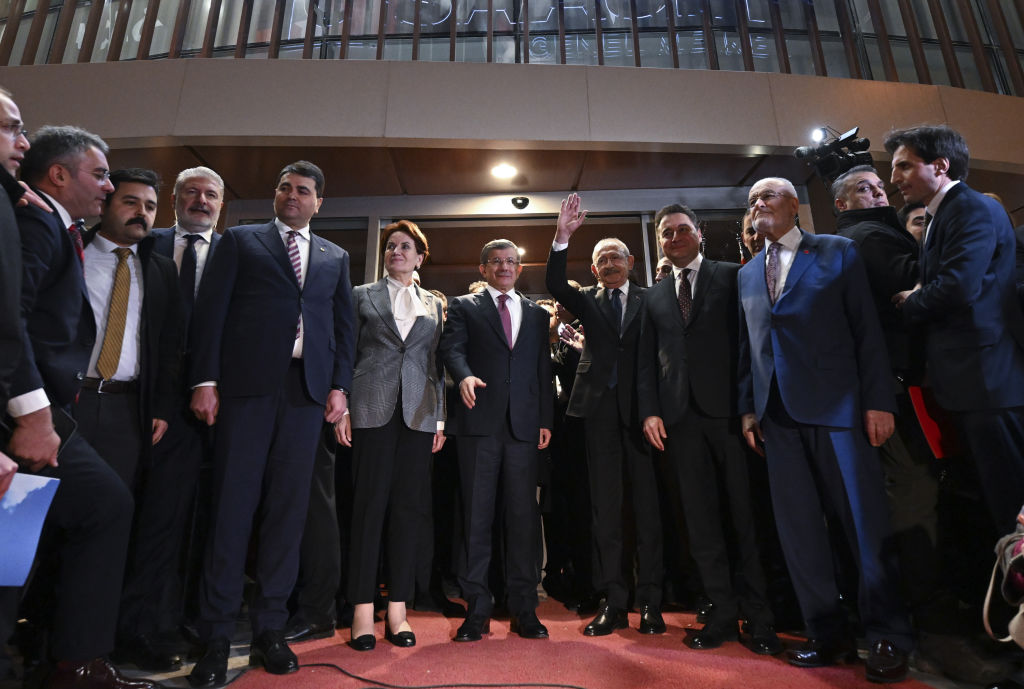
Turkey’s "Gandhi" sets his sights on strongman Erdoğan
The earthquake seems to have damaged the charismatic populist’s image. And voters may finally be ready for an uncharismatic man who promises to put things in order.
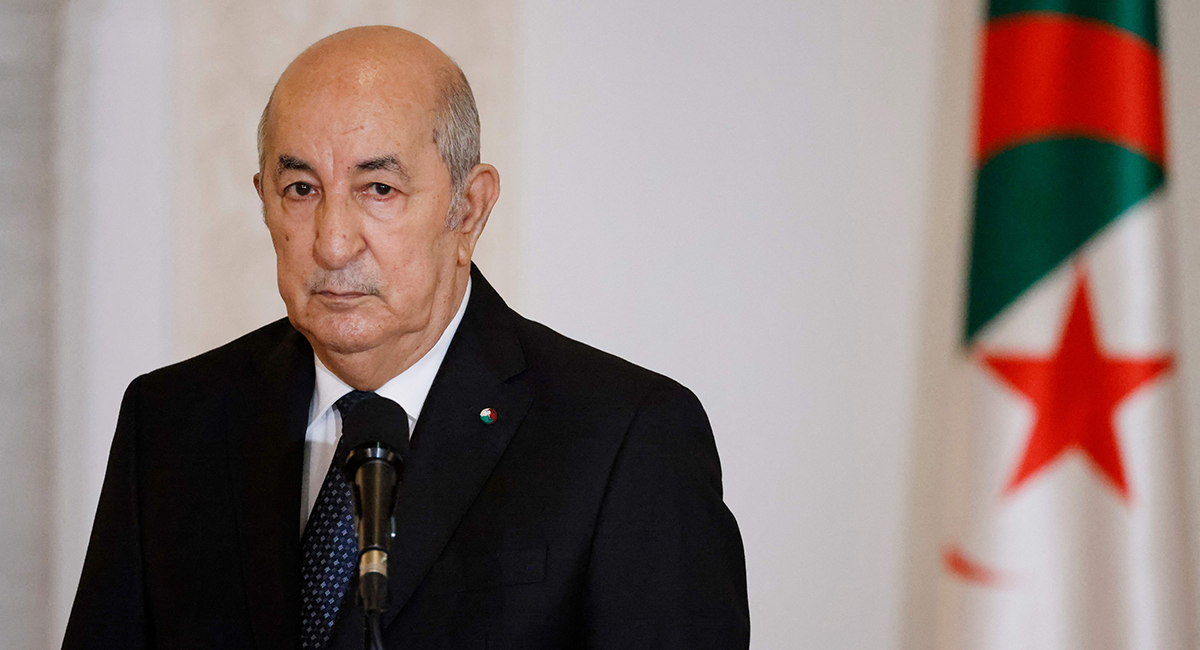
Algeria’s 2023 budget: President Tebboune’s make-or-break first-term project
On Dec. 25, 2022, Algerian President Abdelmadjid Tebboune signed the 2023 budget bill into law. The new finance law lays out unprecedented government spending of $98 billion, the largest state budget in Algeria’s history and a 25% increase from 2022 levels. It also provides clear insight into the authorities’ vision for the future and potential scenarios for Algeria’s direction on the economy and international relations.
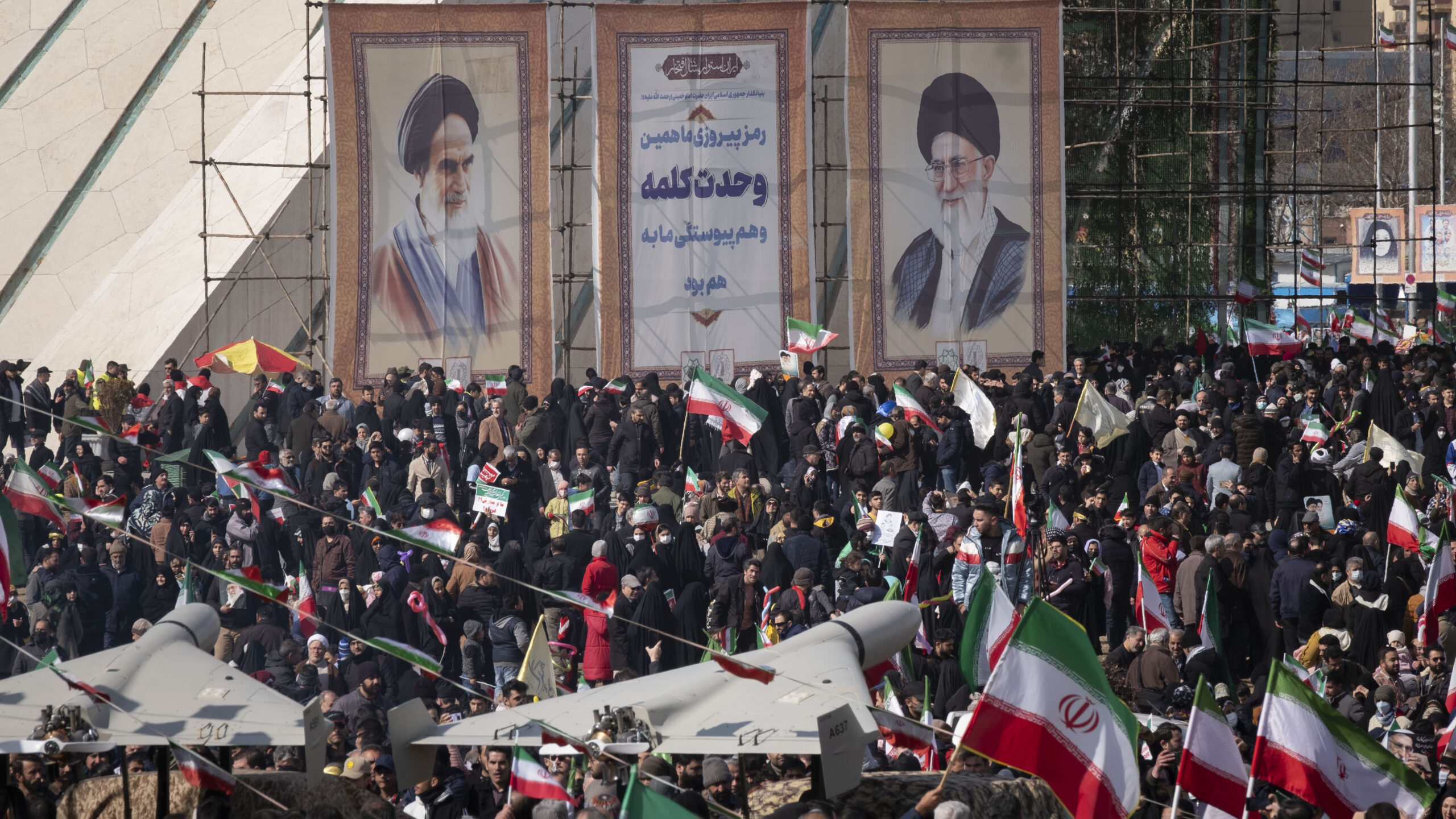
Iran’s Islamic Revolutionary Guard Corps Navy is converting two merchant container ships into vessels capable of carrying and launching combat drones against maritime or coastal targets. For now, Iran’s drone carriers are unlikely to pose a clear and present danger to the U.S., but they possess symbolic significance as a potential tool to defy American initiatives in the Middle East and respond to Israel’s attacks against Iran.
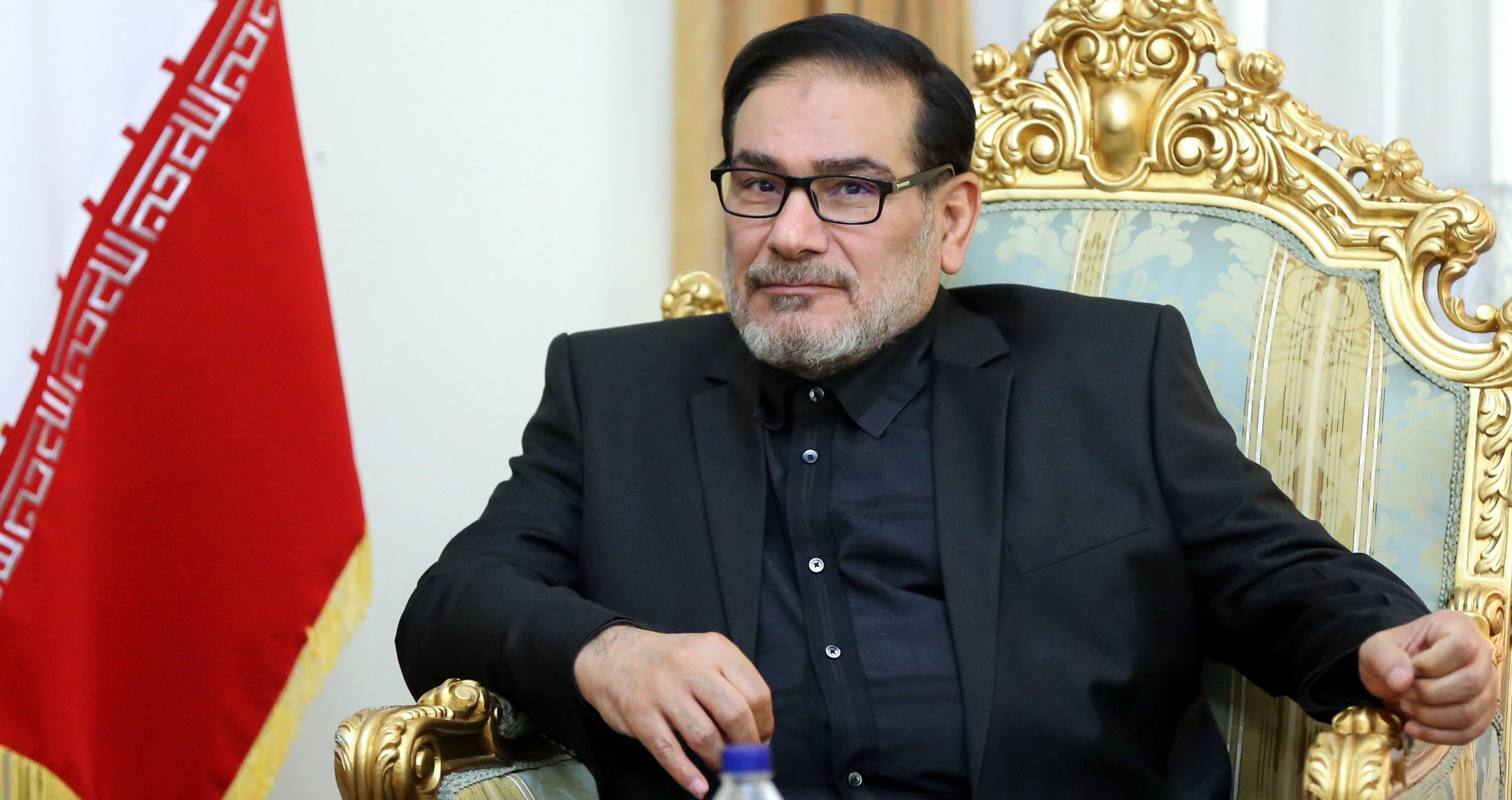
The race to replace Ali Shamkhani, Iran’s most palatable interlocutor with the West
Rear Admiral Ali Shamkhani has served for 10 years as secretary of the Supreme National Security Council, Iran’s top policymaking body in both domestic and foreign policy matters. A number of recent developments have aroused speculation that he could soon vacate his seat. Such a change would be an important signpost of how the Iranian establishment is posturing itself against the backdrop of continued revolutionary sentiment among significant segments of the population.
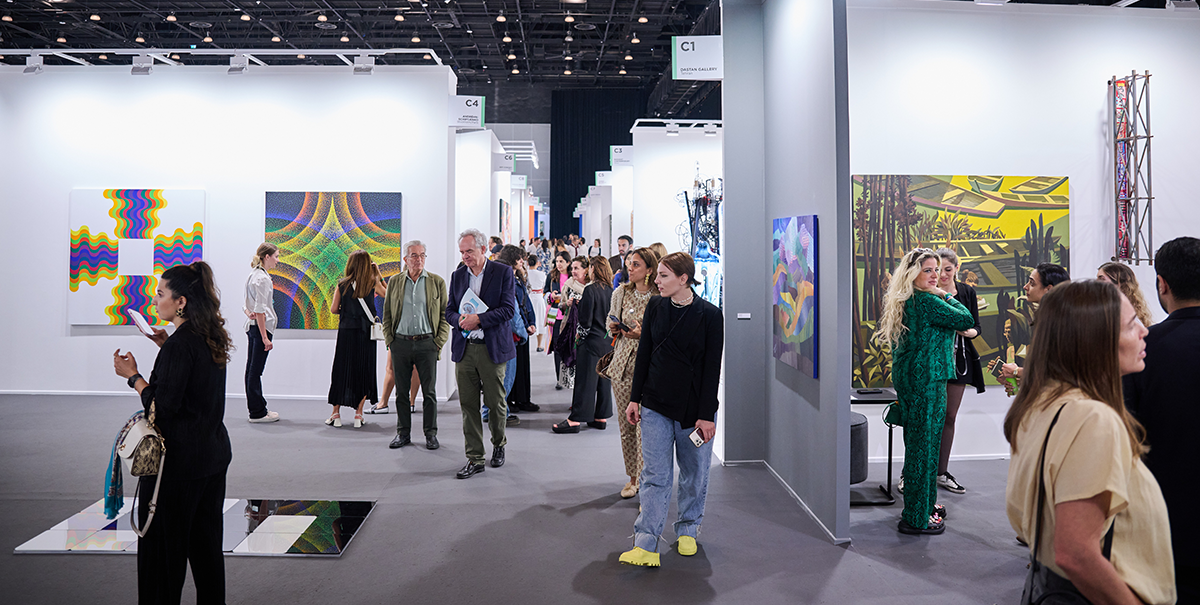
Art Dubai’s most ambitious iteration blends commerce and aesthetics
Art Dubai is so much more than an art fair. In this, its most ambitious iteration and 16th year, it promises to be both a cultural emporium and a litmus test for the global economy.
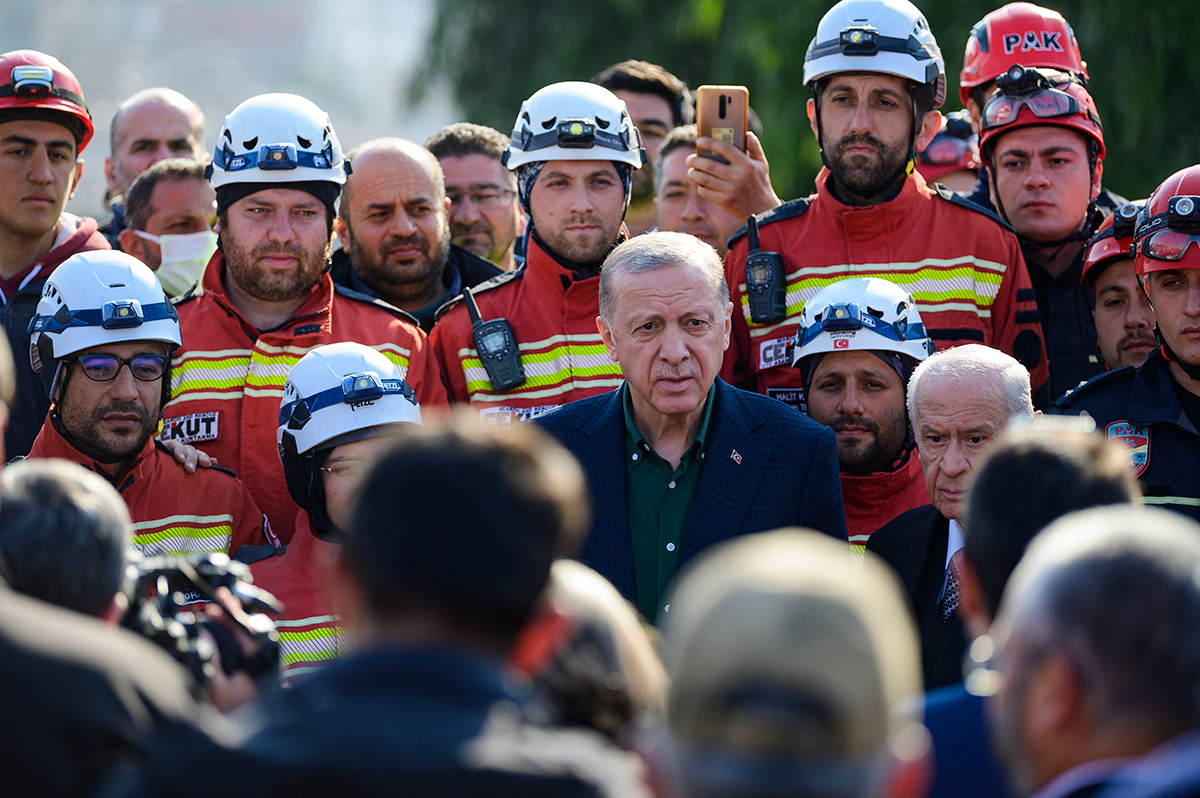
Turkey’s crisis management playbook: Donations, reconstruction, and inflation with an eye on elections
Turkey has suffered severely from the two major earthquakes on Feb. 6, 2023. The death toll is a record high, exceeding 45,000. Physical damage from the earthquakes will cost at least $20 billion. GDP growth will be 2.0-2.5% less than forecast before the disaster, adding nearly $20 billion. The combined economic losses due to damaged assets and slower growth expectations may end up being much higher than $40 billion when the government releases a detailed and reliable disaster loss report covering human resources.
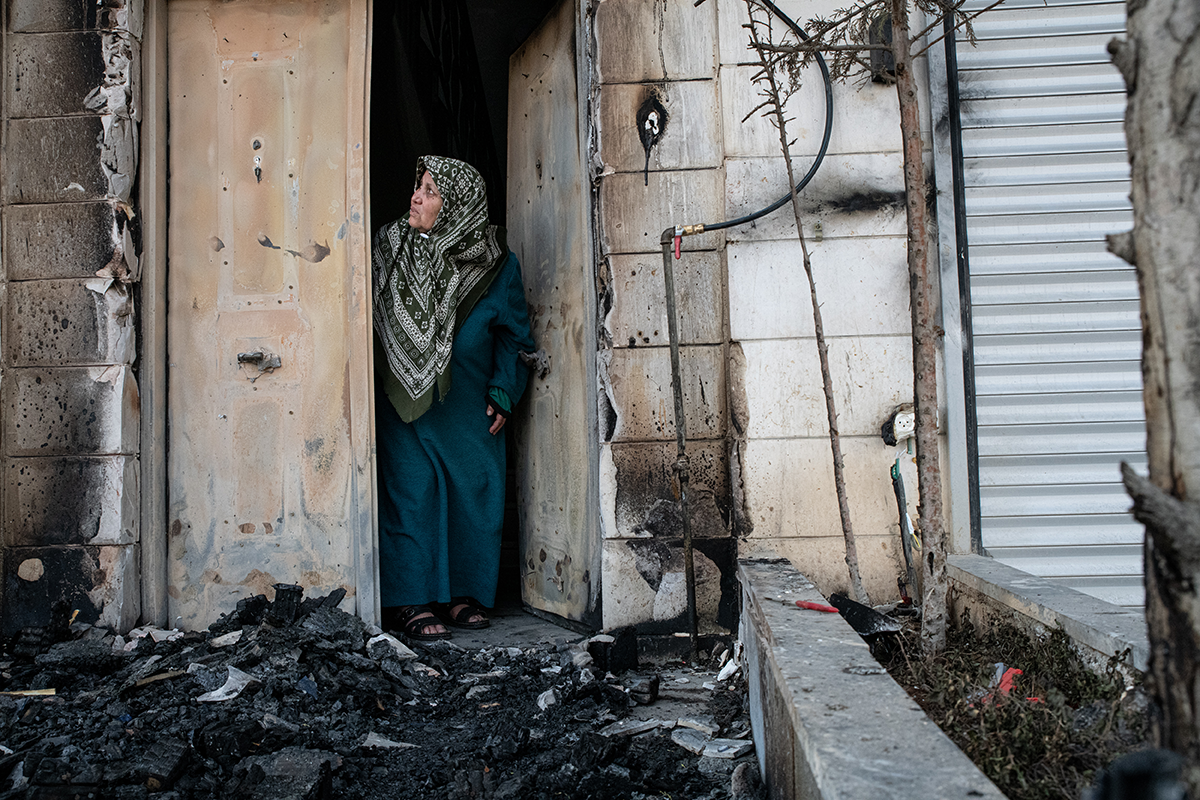
Aqaba agreement overshadowed by spiking violence in the West Bank
It was described as a “significant breakthrough” by a Jordanian official, while Jordan’s Foreign Minister Ayman Safadi said the agreement would ‘’de-escalate violence” if implemented, but just as the details of the one-day security meeting in Aqaba, on Feb. 26, were being announced, it became apparent once more that a rare attempt to bring Israeli and Palestinian officials together, in a bid to contain a spike in violence that was quickly getting out of control, was ill-fated.
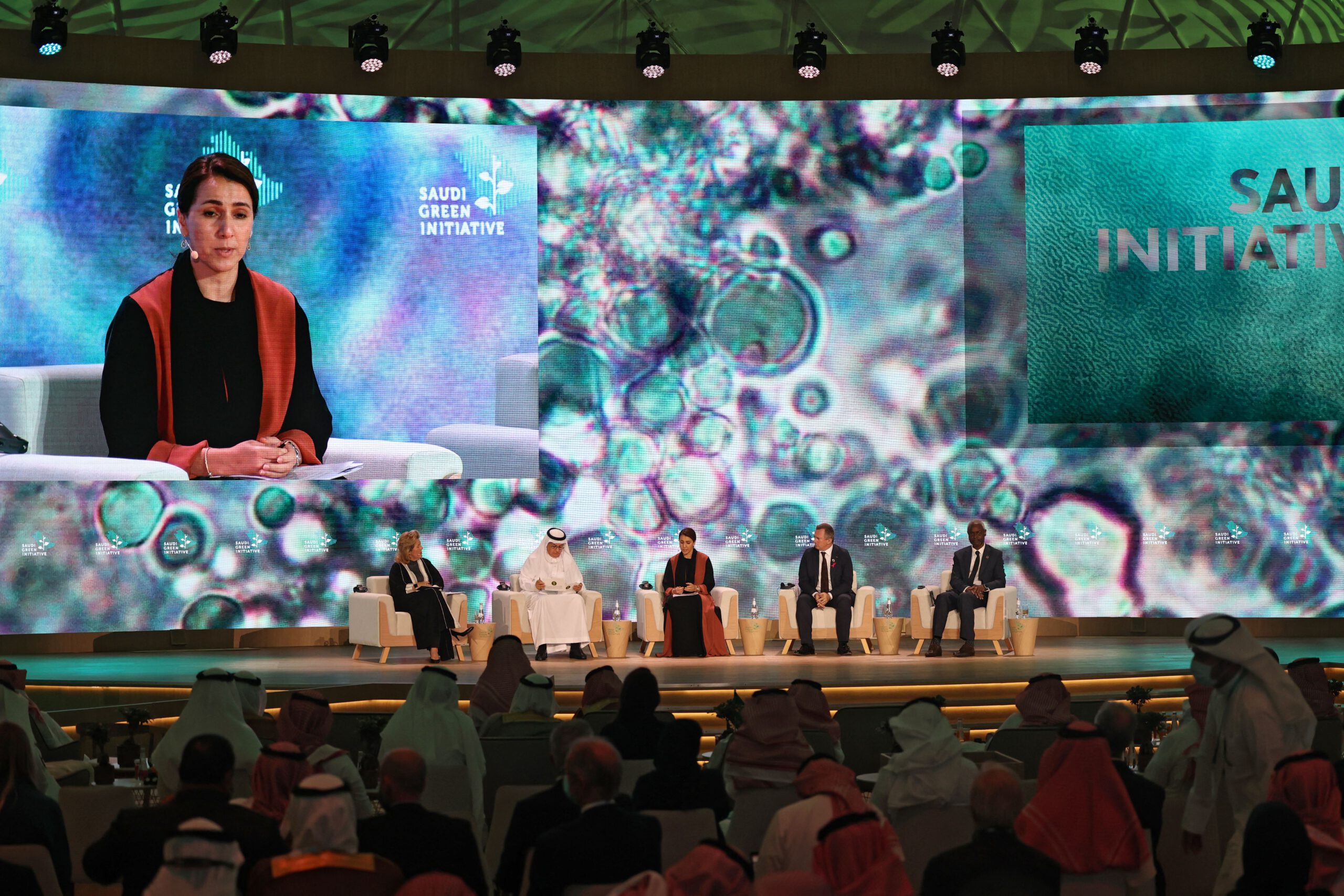
The Gulf Arab states, while major oil and gas producers, can play a significant role in supporting global efforts to achieve net-zero goals. They are not only endowed with great potential for renewable energy resources as well as some of the world’s lowest carbon content fuels, but also with, to varying extents, sizable financial resources. Yet, to unlock such huge potential, the Gulf Arab states will need to systematically identify and address the various challenges in their path to net zero.
The oldest peer-reviewed publication dedicated to the study of the modern Middle East, MEI’s flagship journal covers politics, society, and culture in the region.