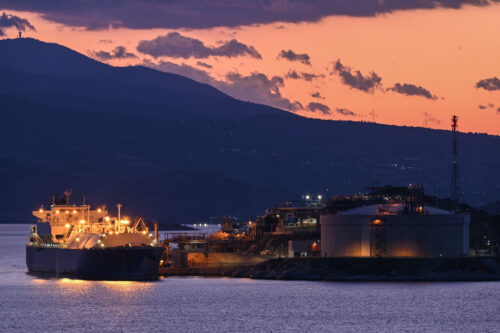
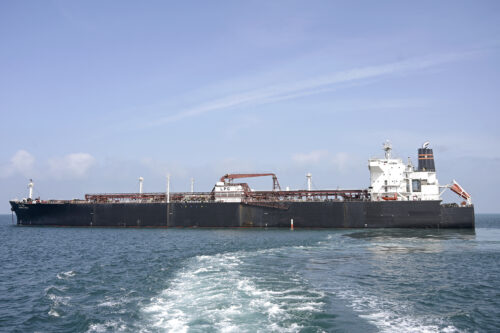
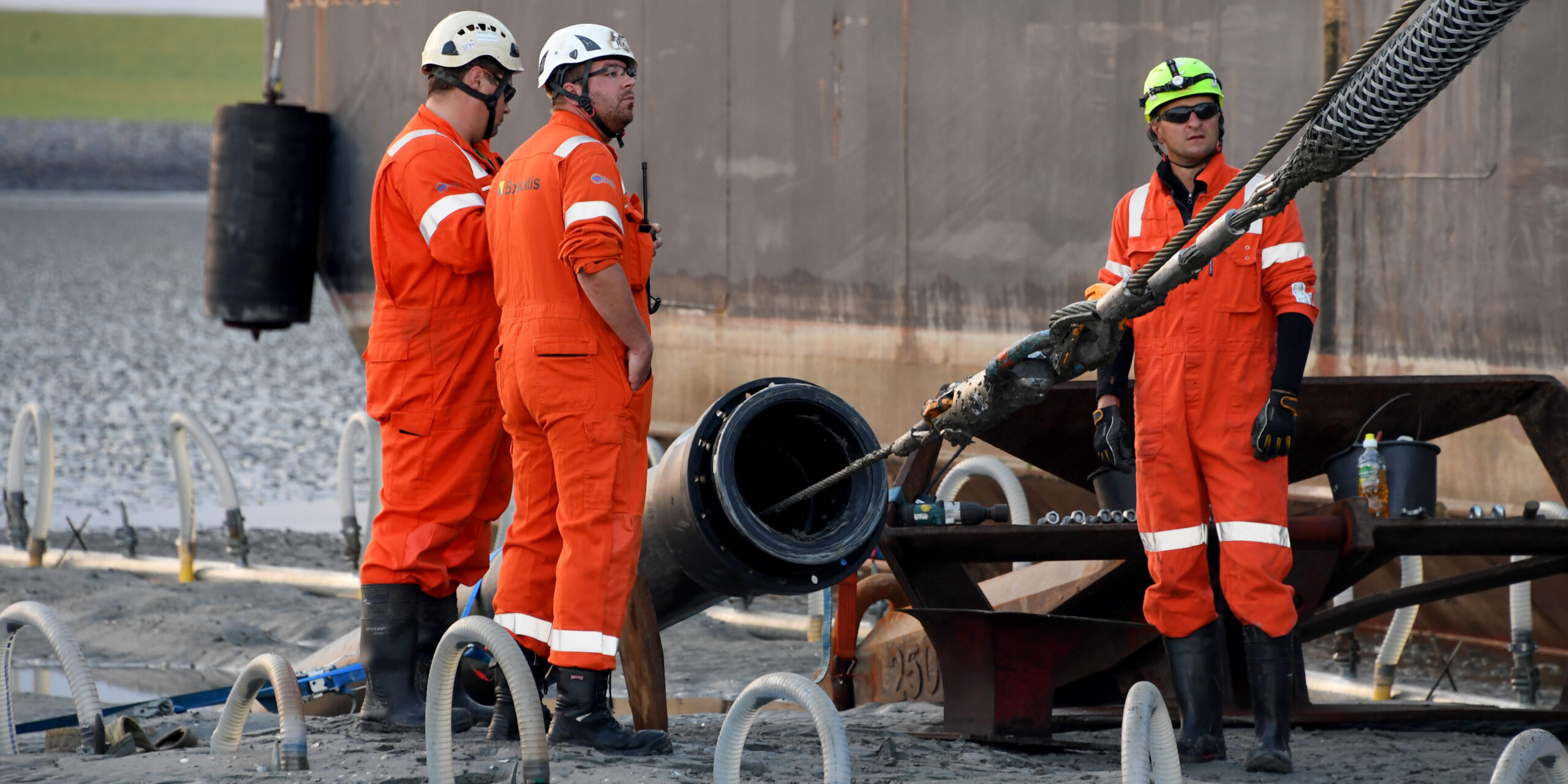
In less than two decades, a string of offshore discoveries has turned the Eastern Mediterranean into a significant gas-producing region, making Israel an exporter, twice lifting Egypt into the ranks of liquefied natural gas (LNG) exporters, and giving Cyprus finds it has yet to bring to market. This backgrounder explores the potential and challenges of exploiting and managing LNG resources in the region.
Deadlock in Gaza and the West Bank at a Breaking Point
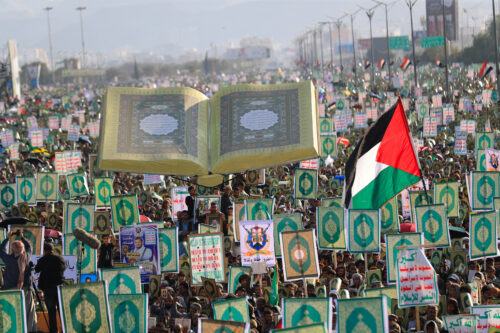
A year after world leaders gathered in Sharm el-Sheikh to mark the end of the war in Gaza, Israel controls about 70% of the Strip, Hamas retains its arms, and reconstruction has yet to begin. Meanwhile, in the West Bank, record settler violence and settlement expansion are colliding with a Palestinian Authority on the brink of fiscal collapse. Hosts Alistair Taylor and Matthew Czekaj are joined by MEI Associate Fellow Tahani Mustafa to discuss why the Gaza peace plan is deadlocked, an increasingly emboldened Israel in the West Bank, Mahmoud Abbas’s postponement of Palestinian elections, the Palestinian Authority’s deepening economic crisis, and what role the US could play.
MINURSO’s Future: What the Security Council’s Choice May Reveal
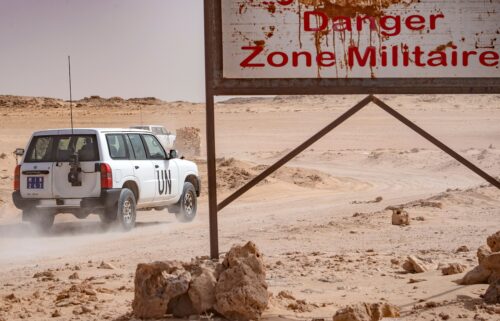
As the United Nations Security Council (UNSC) approaches the October 31 renewal deadline of the UN Monitoring Mission in Western Sahara (MINURSO), the mission’s longer-term future remains uncertain. Another largely unchanged renewal remains a likely immediate outcome. But beyond that holding pattern, three possible scenarios are also on the table.
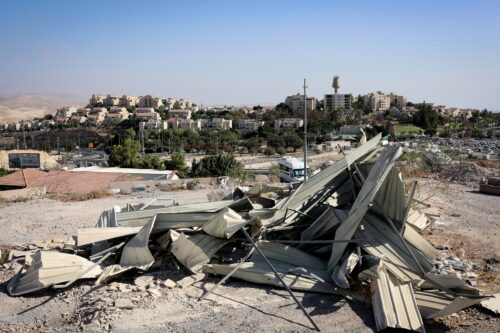
Since 1967, Israeli settlements in the West Bank have been a contested feature of the Israeli-Palestinian conflict. The ultimate disposition of the settlements and ongoing activity related to their growth have repeatedly defied agreement in negotiations over a resolution to the conflict.
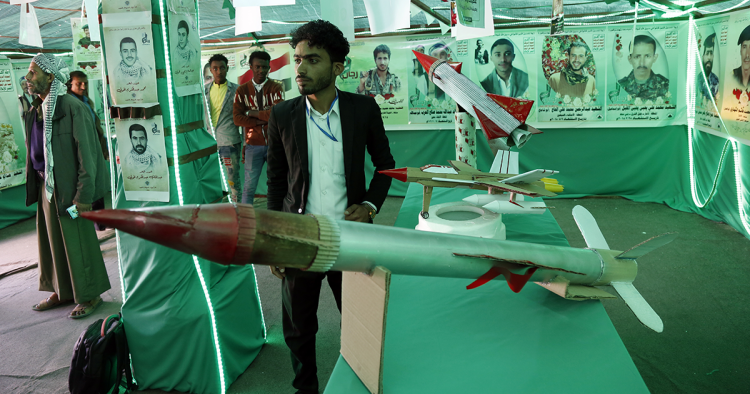
The Houthis are a political-military faction and Zaydi religious movement founded in northwestern Yemen in the 1980s. A key member of Iran’s Axis of Resistance with links to other militant organizations in the Arabian Peninsula and the Horn of Africa, the group has continued to pose a threat to Western interests on a global scale.
The India-Middle East-Europe Economic Corridor (IMEC) is a proposed multinational infrastructure initiative aimed at upgrading connectivity between the three regions through integrated trade, energy, and digital networks. Announced at the G20 summit in New Delhi in September 2023, IMEC is envisioned partially as a counterweight to China’s international infrastructure project, the Belt and Road Initiative.
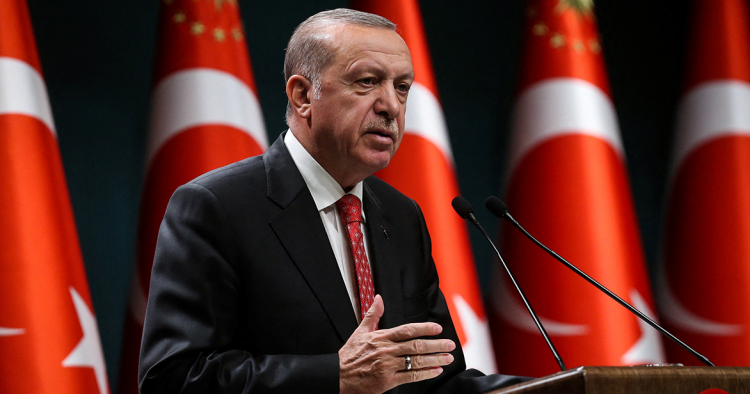
After a decade of post-Arab Spring isolation, Turkey’s leaders have recognized that their ambition to position the country as an agenda-setter on the world stage requires active engagement in all directions. President Recep Tayyip Erdoğan’s consolidation of executive authority has centralized foreign policy decision-making and tied it to his domestic political priorities, transforming the country’s revisionist approach to one shaped primarily by personal and pragmatic interests.
MEI Senior Fellow Brian Katulis engages friends, colleagues, and policy experts in casual conversations on the most important happenings in the Middle East.
Defending submarine cables in the Black Sea: A challenge for NATO and the region
As fighting rages on in Ukraine, crucial submarine communication cables in the Black Sea could be in danger of disruption. Not only have risks of accidents grown with the increase in regional naval activity, but deliberate attacks on these cables follow the Kremlin’s modus operandi of targeting critical infrastructure below the threshold of war. Black Sea states need to more resolutely protect submarine cables, either within the format of NATO or novel regional frameworks.
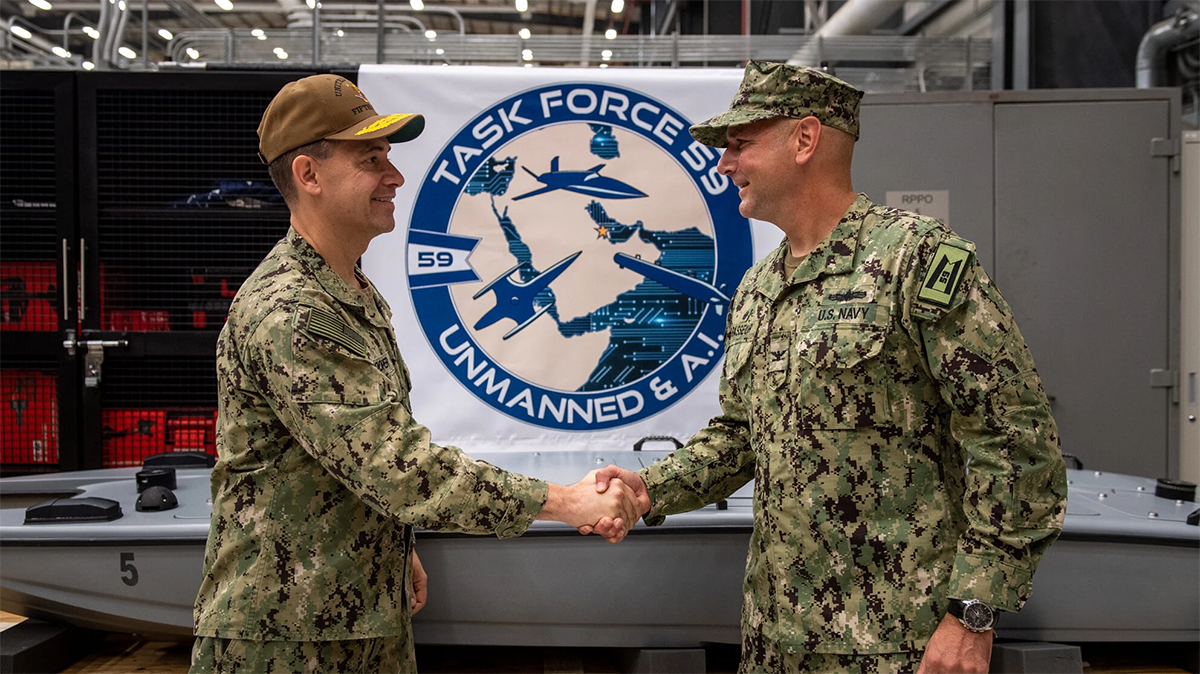
What NAVCENT’s Task Force 59 needs to be a true success
The Middle East is proving to be a test-bed for military innovation that could be incredibly helpful for other priority regions such as the Indo-Pacific, write Jasmin Alsaied and Bilal Saab of the Middle East Institute.
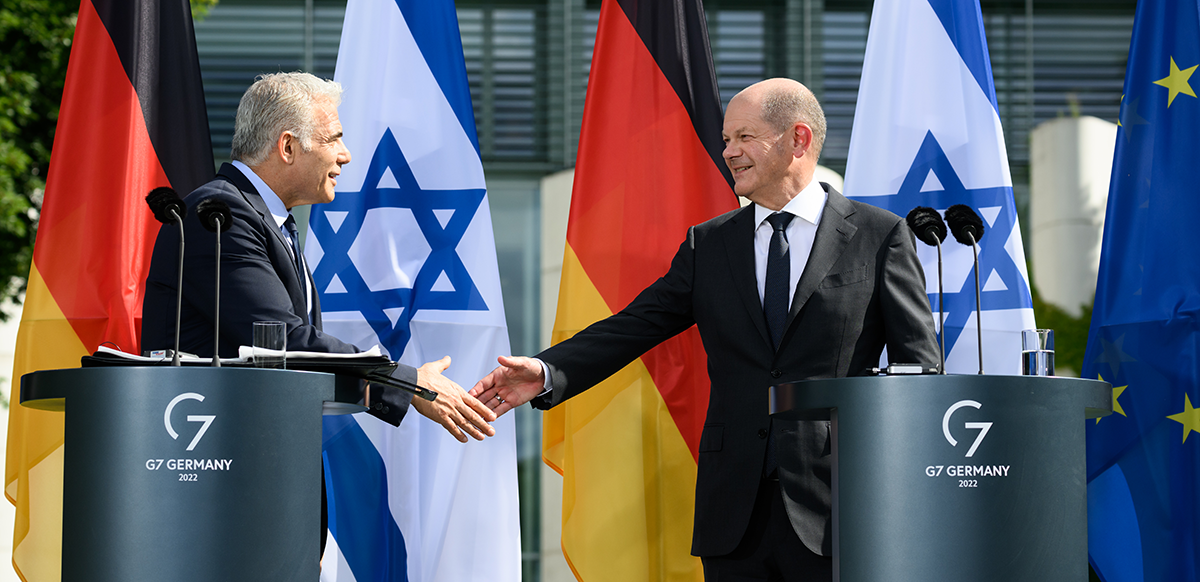
The German "Zeitenwende" still goes unnoticed in Israel
Although Germany and Israel maintain a close partnership, the German “Zeitenwende” has not yet been perceived there. Dr. Nimrod Goren outlines a German-Israeli partnership oriented towards democracy and peace.
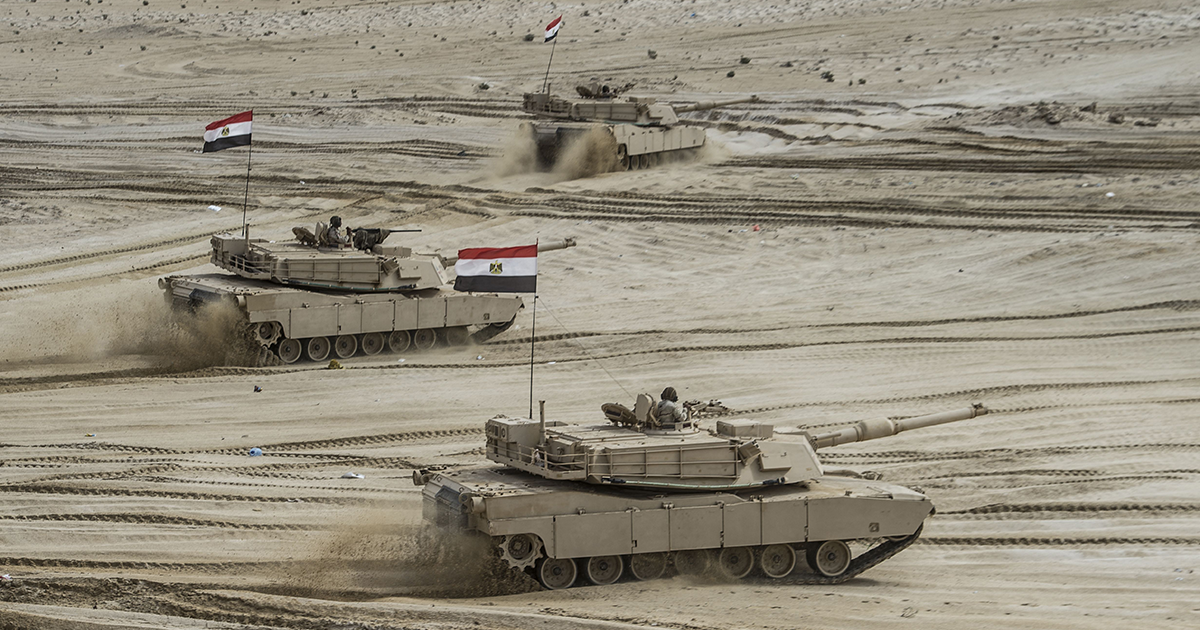
US Military Aid to Egypt Should Transcend Politics
It is advantageous for the United States to maintain its military aid to Egypt without implementing slight reductions that may not influence Egypt’s policies on homeland security or defense against foreign threats.
Defense Rapid Reaction: The Biden administration’s new Conventional Arms Transfer policy
Last week, the Biden administration released its new Conventional Arms Transfer (CAT) policy. The new CAT policy emphasizes human rights and strategic competition with China. In the latest installment of the Defense Rapid Reaction series, experts from MEI’s Defense & Security Program provide their views on what the new CAT policy means and how the historical tension between human rights and national security might play out in U.S. policy toward the Middle East.
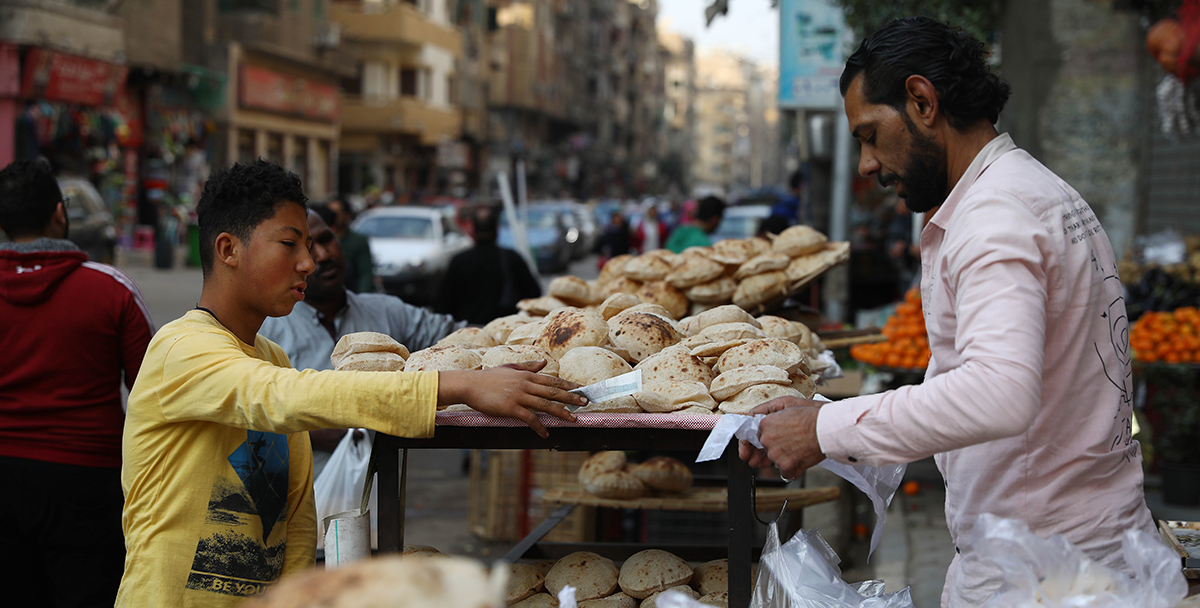
Challenges new and old: The myriad economic issues affecting MENA through the lens of public opinion
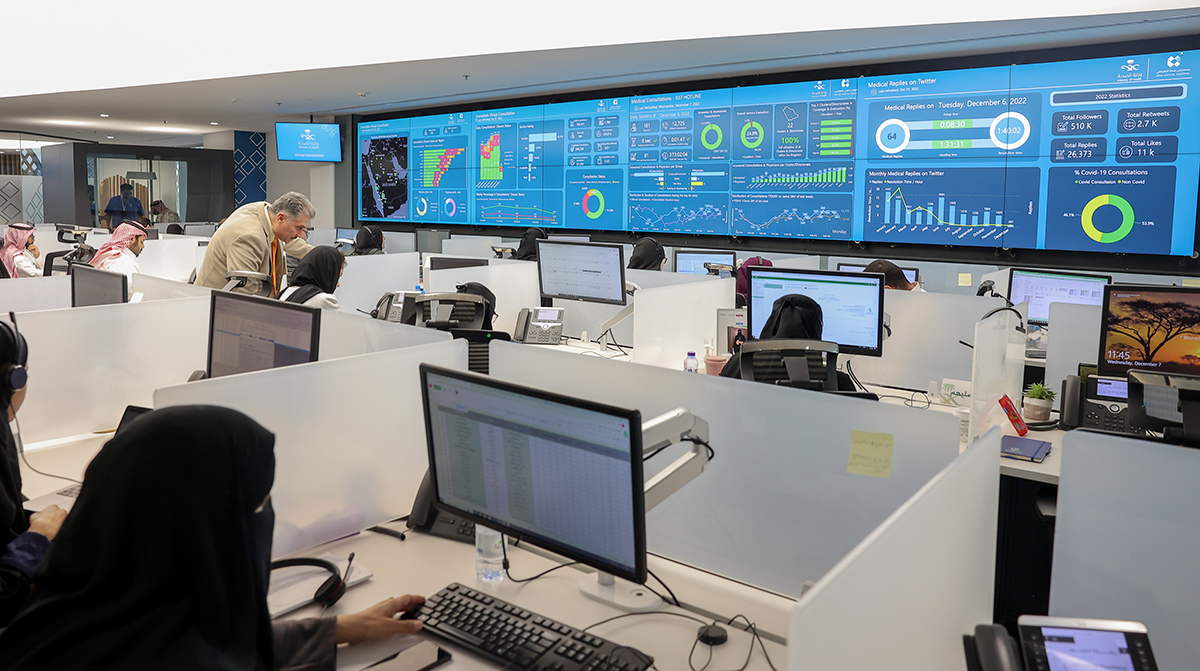
For more than a decade, policymakers in developing countries in MENA have been confronted with high inequality, low growth, rising poverty, and high youth and female unemployment. They now face new challenges as well. This note briefly identifies some of the most important issues affecting the region, relates them to the results of a recent survey of 12 Arab countries carried out by Arab Barometer, and suggests some pathways out of the current quagmire.
Atmospheric rivers play an important role in the movement of water through the atmosphere and can release that water at magnitudes capable of producing extreme weather and flooding. But what are atmospheric rivers exactly? And how do they behave in relation to current climate change in the MENA region? MEI’s Mohammed Mahmoud and Raha Hakimdavar are joined by Dr. Amin Dezfuli to discuss these questions and more.
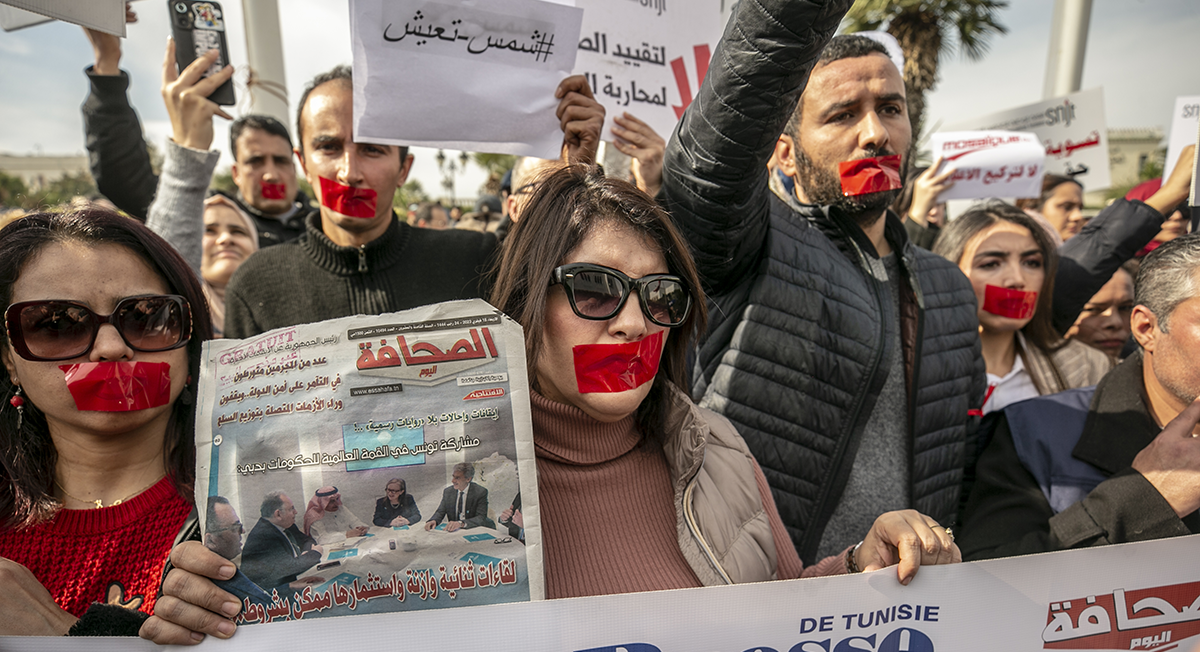
Tunisia’s current system of government is by all indicators continuing to move even farther away from a liberal democratic form envisioned in the 2014 constitution. This is particularly true in the post-July 25, 2021 period after President Kais Saied suspended parliament and assumed full executive and legislative powers. However, analyses that focus solely on Saied miss some of the broader social and political trends that were already rejecting the way Tunisia’s post-2011 “democratic transition” has unfolded. They also miss the nexus that has converged to maintain the current system, in particular between security forces, some sycophantic media, and key figures within the political, business, and civil service sectors.
The traditional 20th-century pillars of U.S.-Saudi bilateral relations are energy and security — a reflection of Cold War dynamics and the critical role that Saudi Arabia plays in the global economy as an energy superpower. Now, in 2023, Riyadh and Washington should think beyond energy to explore opportunities and address critical challenges in areas such as tech and cyber, which could ultimately cement their strategic relations for the 21st century.
Under pressure: Houthis target Yemeni government with economic warfare
Even as the Iran-backed Houthi rebels pursue back-channel talks with Saudi Arabia as Riyadh looks for a major de-escalation in the coming weeks, they have also been ratcheting up the pressure on the internationally recognized Republic of Yemen Government. The Houthis’ strikes on government-controlled critical infrastructure exhibit the same strategic use of Iranian-supported non-conventional warfare tactics seen in their previous cross-border attacks into Saudi Arabia and the United Arab Emirates.
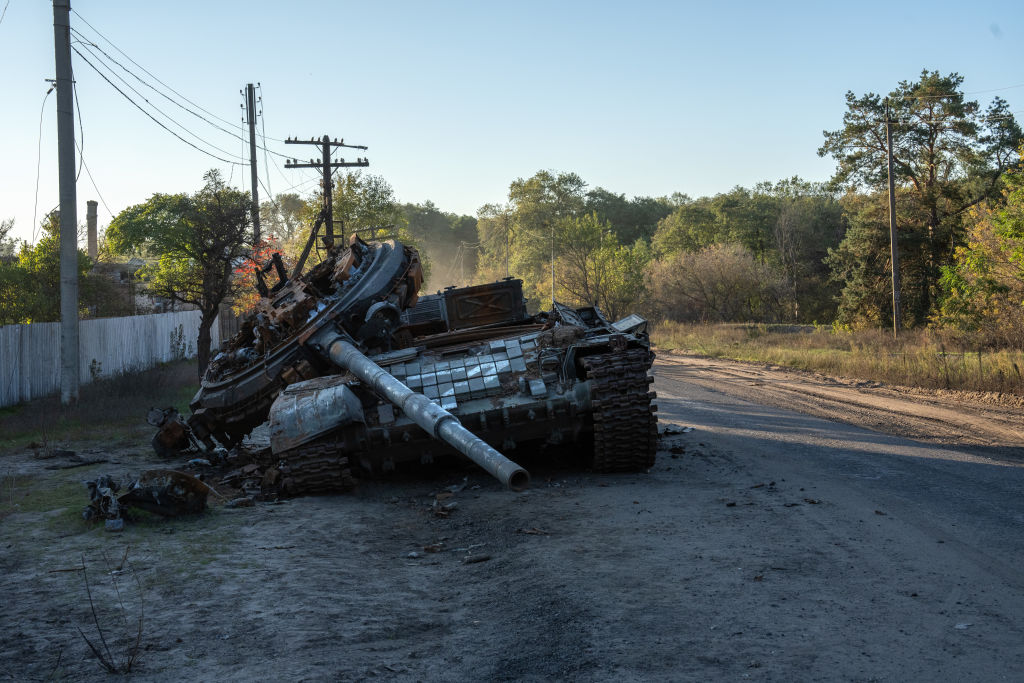
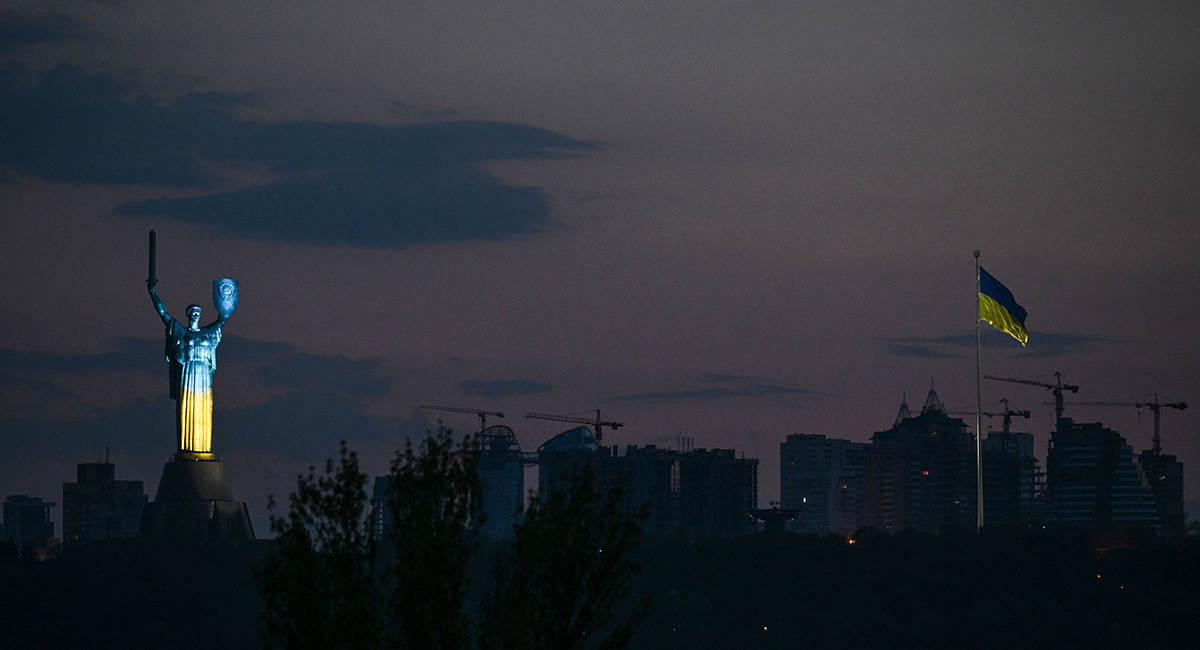
Today marks the one-year anniversary of the war in Ukraine — a war of choice by Russian President Vladimir Putin. Russia has failed on the strategic, operational, and tactical levels. The Ukrainians have defied the odds. No one will likely underestimate them again, including Russia.
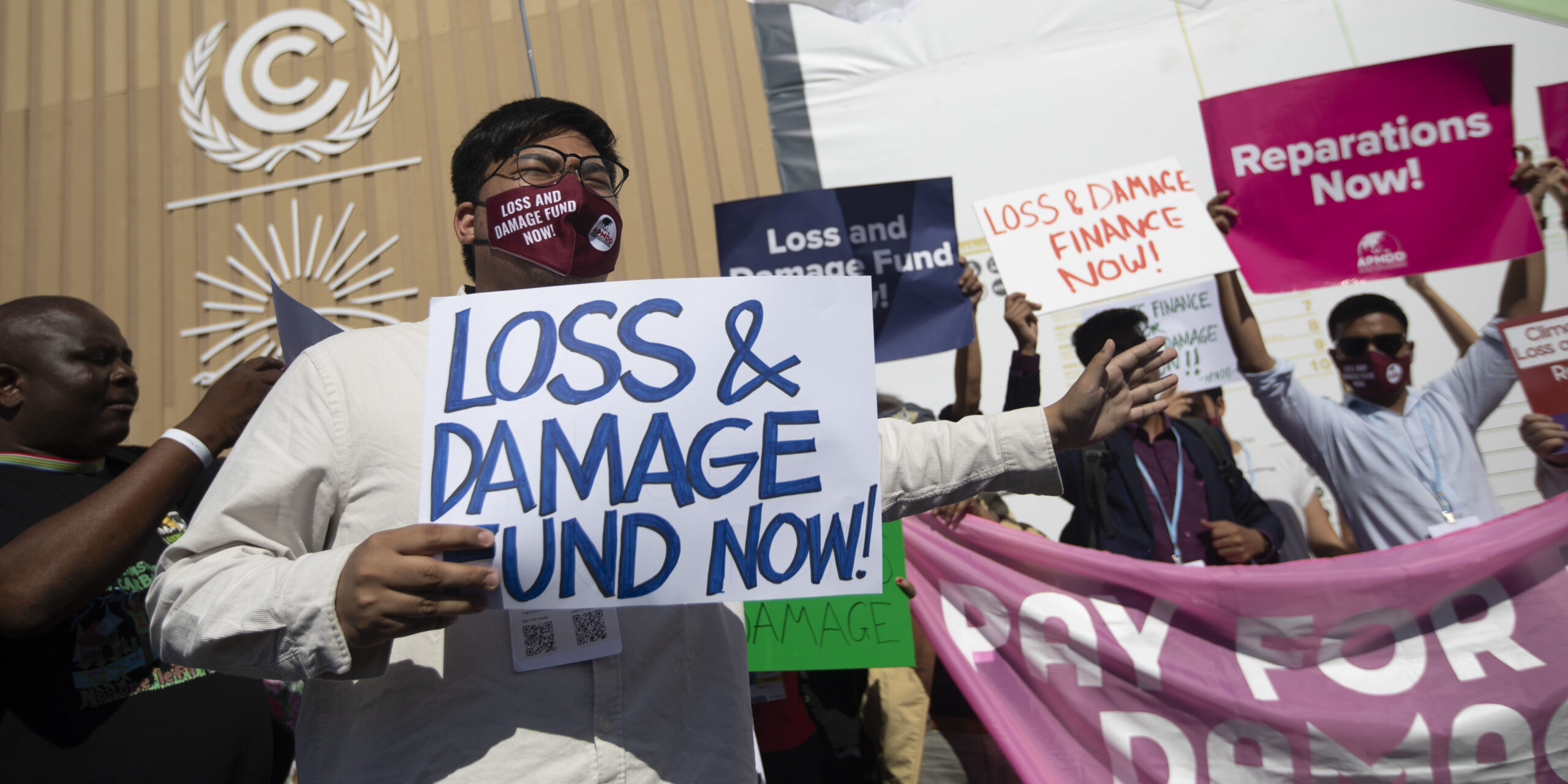
The intricacies of climate finance in the MENA region: Challenges and the way forward
Given the risks associated with climate change in the MENA region, there is a pressing need to provide sustainable financing resources for climate adaptation and mitigation
Russia's Influence in MENA After a Year of War in Ukraine
MEI Managing Editor Matthew Czekaj speaks with scholars Iulia-Sabina Joja, Alex Vatanka, Yörük Işık, Charles Lister, and Roger Kangas on Russia’s current standing in the Middle East a year since re-invading Ukraine.
How has Russian aggression in Ukraine redrawn Moscow’s relationships in the MENA region? And as the Middle East increasingly becomes a key area of global great power competition, is Russia still a meaningful player there, politically, economically, militarily, and diplomatically?
The oldest peer-reviewed publication dedicated to the study of the modern Middle East, MEI’s flagship journal covers politics, society, and culture in the region.