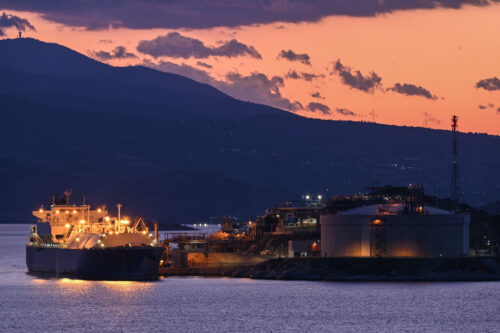
In less than two decades, a string of offshore discoveries has turned the Eastern Mediterranean into a significant gas-producing region, making Israel an exporter, twice lifting Egypt into the ranks of liquefied natural gas (LNG) exporters, and giving Cyprus finds it has yet to bring to market. This backgrounder explores the potential and challenges of exploiting and managing LNG resources in the region.
Deadlock in Gaza and the West Bank at a Breaking Point
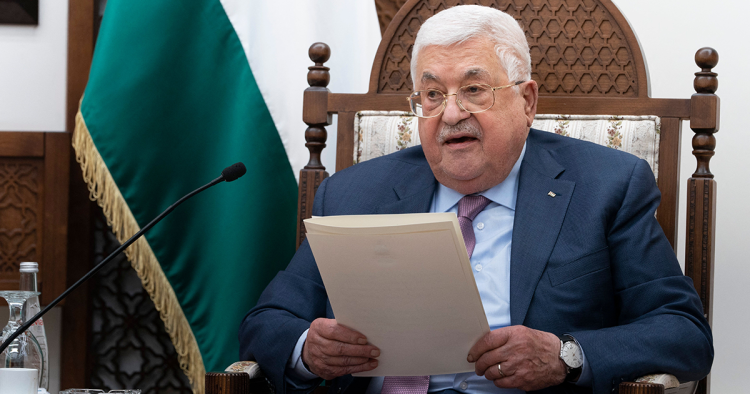
A year after world leaders gathered in Sharm el-Sheikh to mark the end of the war in Gaza, Israel controls about 70% of the Strip, Hamas retains its arms, and reconstruction has yet to begin. Meanwhile, in the West Bank, record settler violence and settlement expansion are colliding with a Palestinian Authority on the brink of fiscal collapse. Hosts Alistair Taylor and Matthew Czekaj are joined by MEI Associate Fellow Tahani Mustafa to discuss why the Gaza peace plan is deadlocked, an increasingly emboldened Israel in the West Bank, Mahmoud Abbas’s postponement of Palestinian elections, the Palestinian Authority’s deepening economic crisis, and what role the US could play.
MINURSO’s Future: What the Security Council’s Choice May Reveal
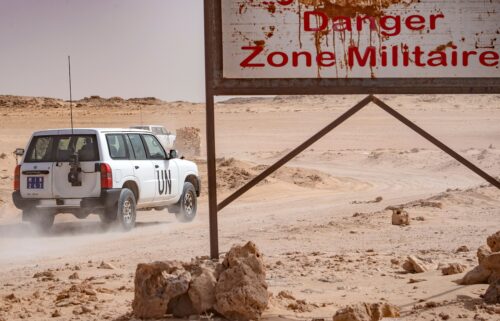
As the United Nations Security Council (UNSC) approaches the October 31 renewal deadline of the UN Monitoring Mission in Western Sahara (MINURSO), the mission’s longer-term future remains uncertain. Another largely unchanged renewal remains a likely immediate outcome. But beyond that holding pattern, three possible scenarios are also on the table.
Since 1967, Israeli settlements in the West Bank have been a contested feature of the Israeli-Palestinian conflict. The ultimate disposition of the settlements and ongoing activity related to their growth have repeatedly defied agreement in negotiations over a resolution to the conflict.
The Houthis are a political-military faction and Zaydi religious movement founded in northwestern Yemen in the 1980s. A key member of Iran’s Axis of Resistance with links to other militant organizations in the Arabian Peninsula and the Horn of Africa, the group has continued to pose a threat to Western interests on a global scale.
The India-Middle East-Europe Economic Corridor (IMEC) is a proposed multinational infrastructure initiative aimed at upgrading connectivity between the three regions through integrated trade, energy, and digital networks. Announced at the G20 summit in New Delhi in September 2023, IMEC is envisioned partially as a counterweight to China’s international infrastructure project, the Belt and Road Initiative.
After a decade of post-Arab Spring isolation, Turkey’s leaders have recognized that their ambition to position the country as an agenda-setter on the world stage requires active engagement in all directions. President Recep Tayyip Erdoğan’s consolidation of executive authority has centralized foreign policy decision-making and tied it to his domestic political priorities, transforming the country’s revisionist approach to one shaped primarily by personal and pragmatic interests.
MEI Senior Fellow Brian Katulis engages friends, colleagues, and policy experts in casual conversations on the most important happenings in the Middle East.
Is There a Way Forward for Political Resolution in Yemen?
Director of MEI’s Arabian Peninsula Program Gerald Feierstein speaks to MEI Non-Resident Scholars Fatima Abo Alasrar & Ibrahim Jalal on a host of current events in Yemen. What have been the takeaways from U.S. Special Envoy Timothy Lenderking’s recent visit to the country – and what are the current trends in the Saudi-Houthi dialogue?
Turkey’s government is prioritizing politics over policy in its earthquake response
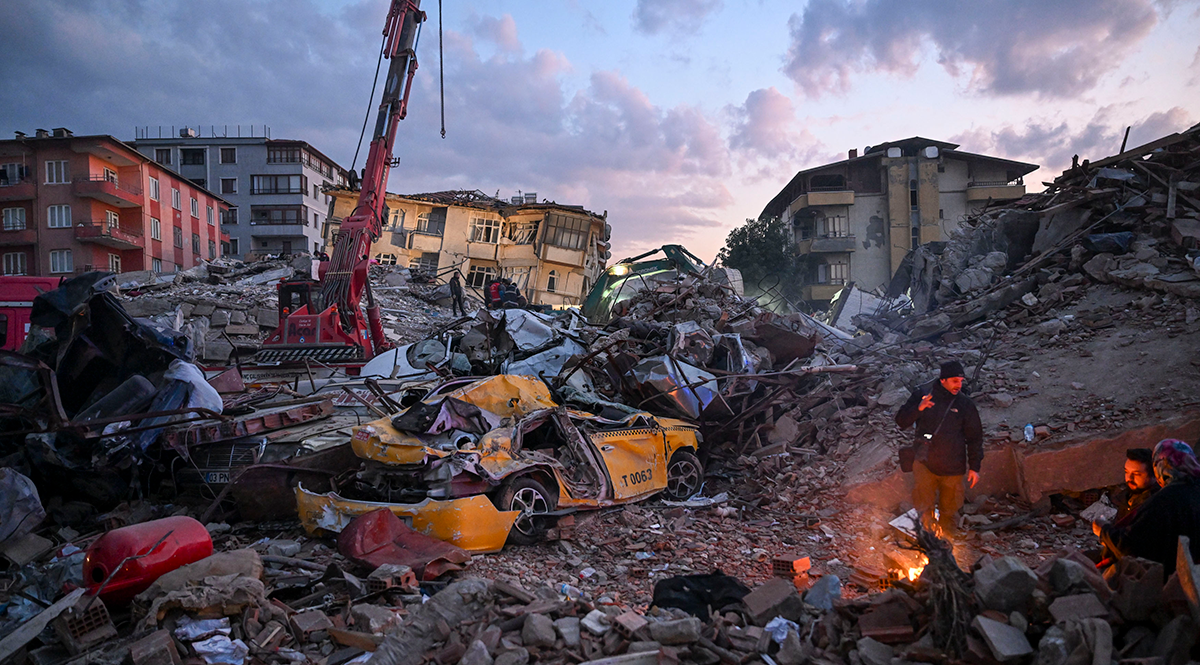
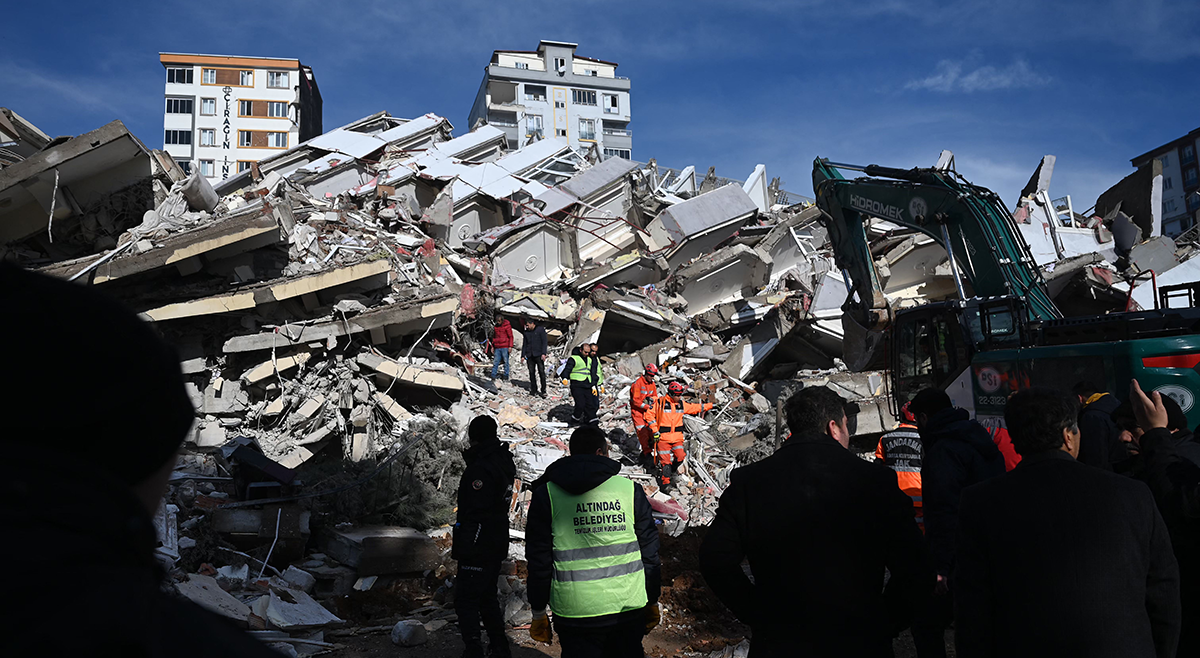
As researcher Dilek Türközü noted, “Geography is destiny, but negligence is a choice.” There was no avoiding tragedy; earthquakes are common in Turkey and the next “big one” is always somewhere on the horizon. The earthquake that shook Turkey and Syria this past week was shocking in its scale; but it was a danger that everyone knew was coming. Unfortunately, Ankara’s response continues to be undermined by its own focus on political loyalty and its lack of tolerance for criticism.
Already vulnerable, Turkey’s economy now faces massive earthquake recovery costs
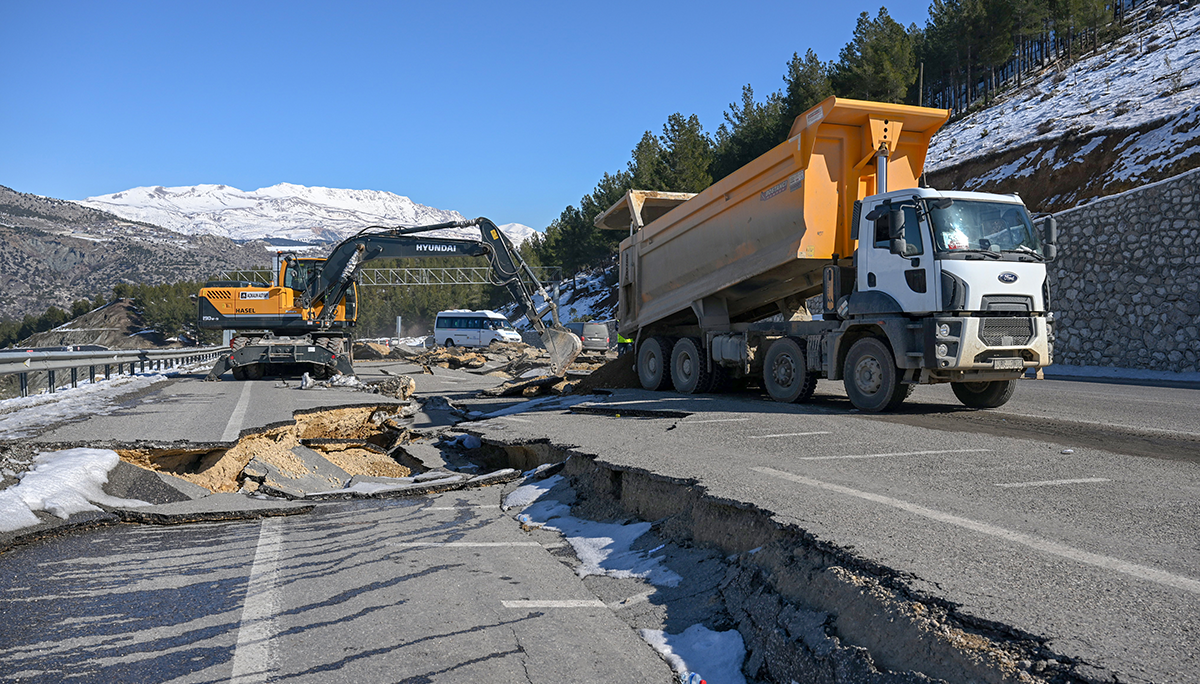
After a difficult year, things finally seemed to be looking up for Turkey’s beleaguered economy in early 2023. But then on Feb. 6 the worst happened: Turkey and Syria were hit by a pair of massive earthquakes, resulting in tens of thousands of deaths and untold damage. How did Turkey’s economy stabilize in second-half 2022, what do we know about the economic impact of the earthquakes, and where might things be headed going forward?
“Please send tents and blankets”: A desperate plea from Syria’s survivors
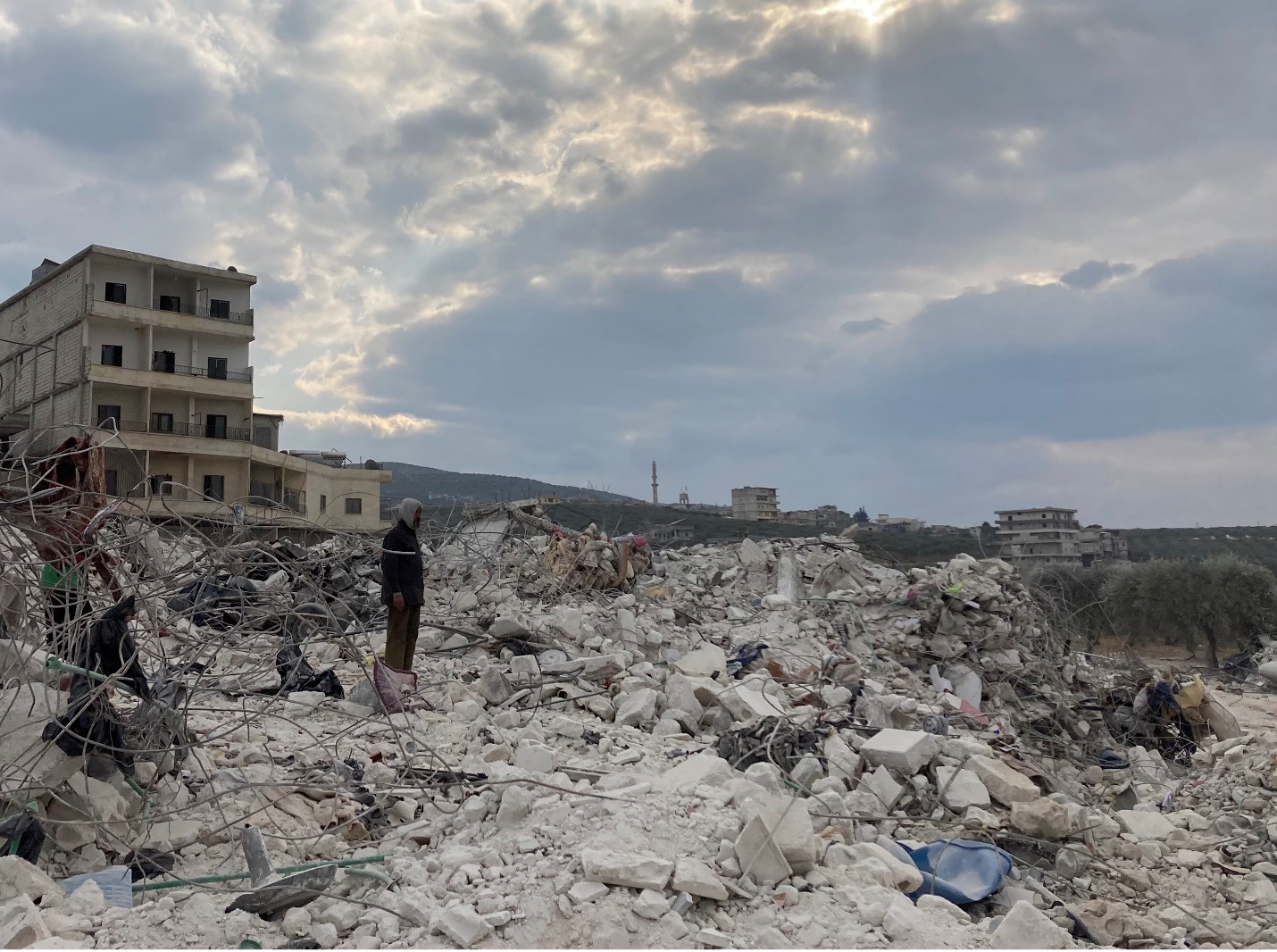
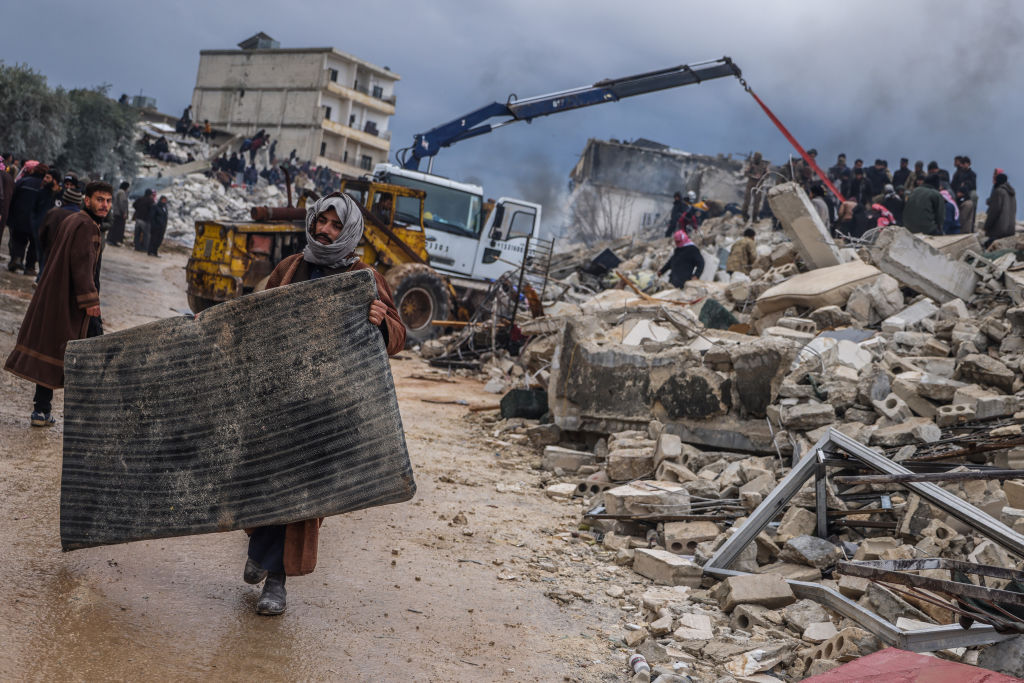
In the center of Harem, Idlib, hundreds of Syrian families huddle around stoves and in tents as they look on at the row of collapsed apartments they used to call home. “This disaster hasn’t happened to Syria in a thousand years,” says Abu Ahmed, the director of the new camp. “The international community must witness what is happening to us and help.”
How corruption and misrule made Turkey’s earthquake deadlier
Turkish President Recep Tayyip Erdoğan hollowed out state institutions, placed loyalists in key positions, and enriched his cronies — paving the way for this tragedy.
Egyptian government walks risky economic tightrope to fulfill its loan conditions to IMF
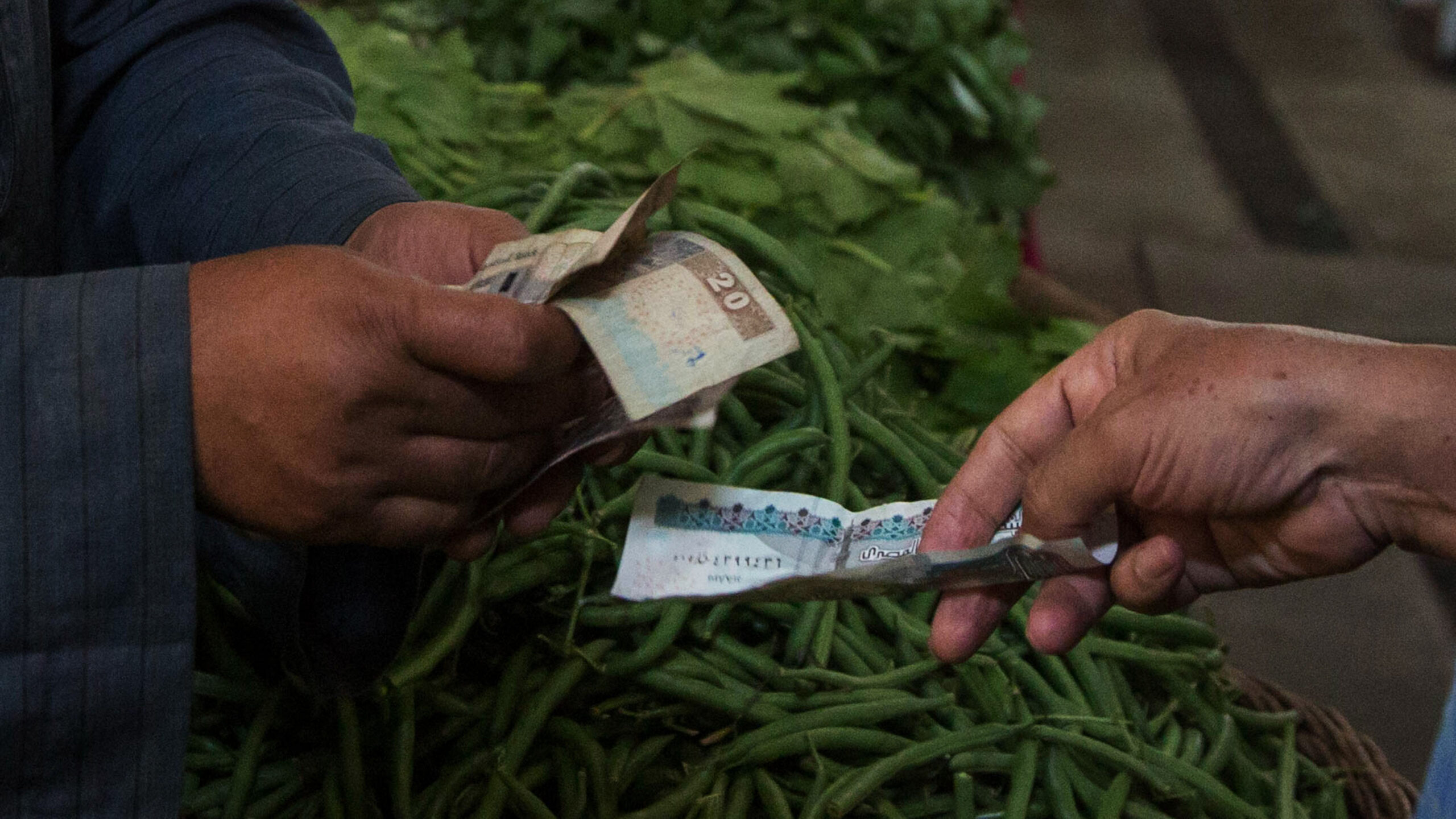
As a condition of its $3 billion loan from the IMF, the Egyptian Central Bank confirmed its pledge to maintain a durably flexible exchange rate. The Egyptian pound quickly and sharply dropped, but economists are cautiously optimistic that Egypt can sustain the current crisis and repay its debts. The government is walking a tight rope, attempting to raise revenues and attract investments without exacerbating the tough living conditions at home.
Turkey’s earthquakes: A monumental crisis and a political test for Erdoğan
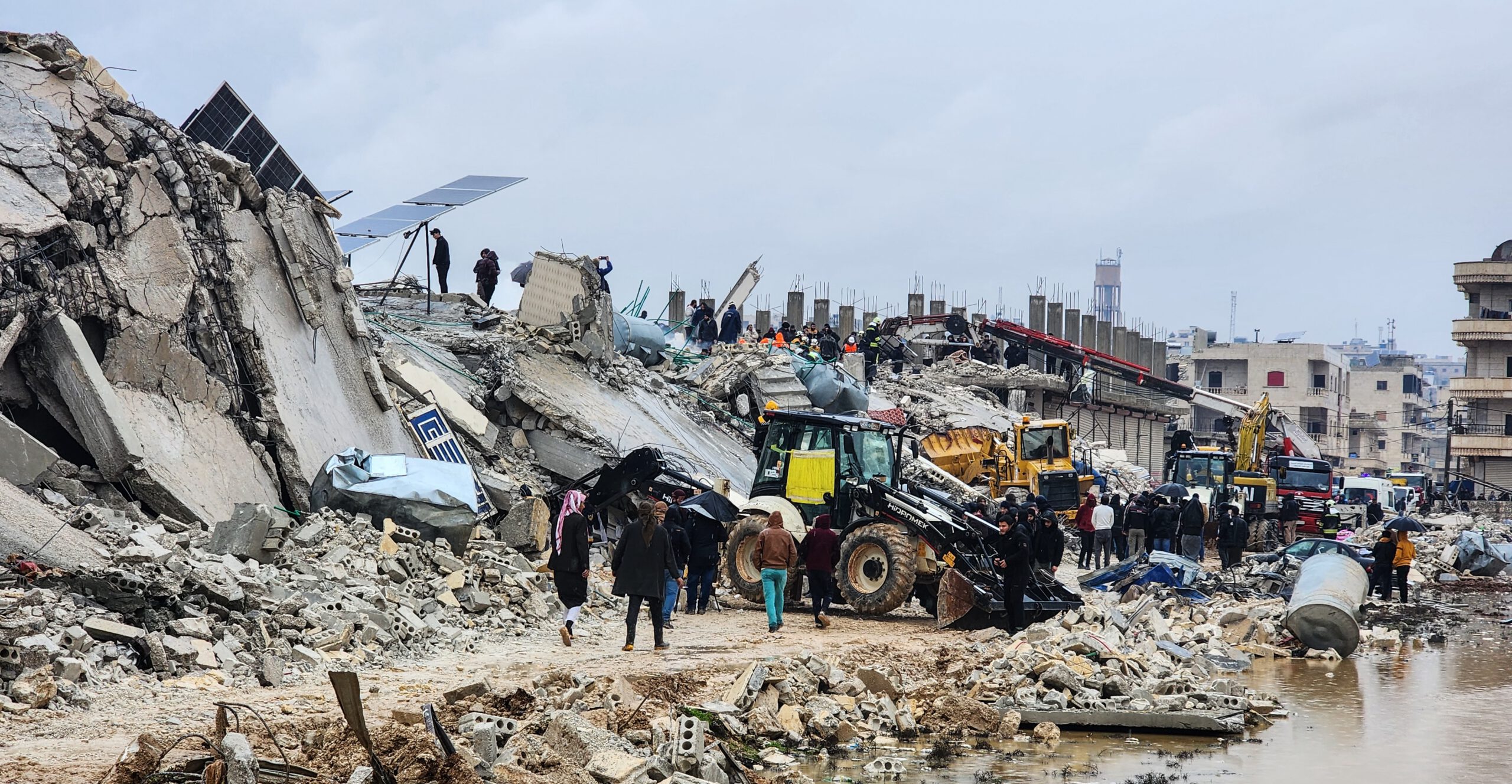
The earthquakes that shook Turkey and Syria in the early hours of Feb. 6 represent a shocking human tragedy, with casualties already in the thousands. Hundreds of thousands, if not millions, have been rendered homeless in the cold and wet of winter. There is no overstating the human suffering. This natural disaster is, at the same time, a clear political test for the current AKP-MHP government, one that will gauge its efficacy and legitimacy only months before critical elections, set to be held on May 14.
The Middle East in an era of great tech competition
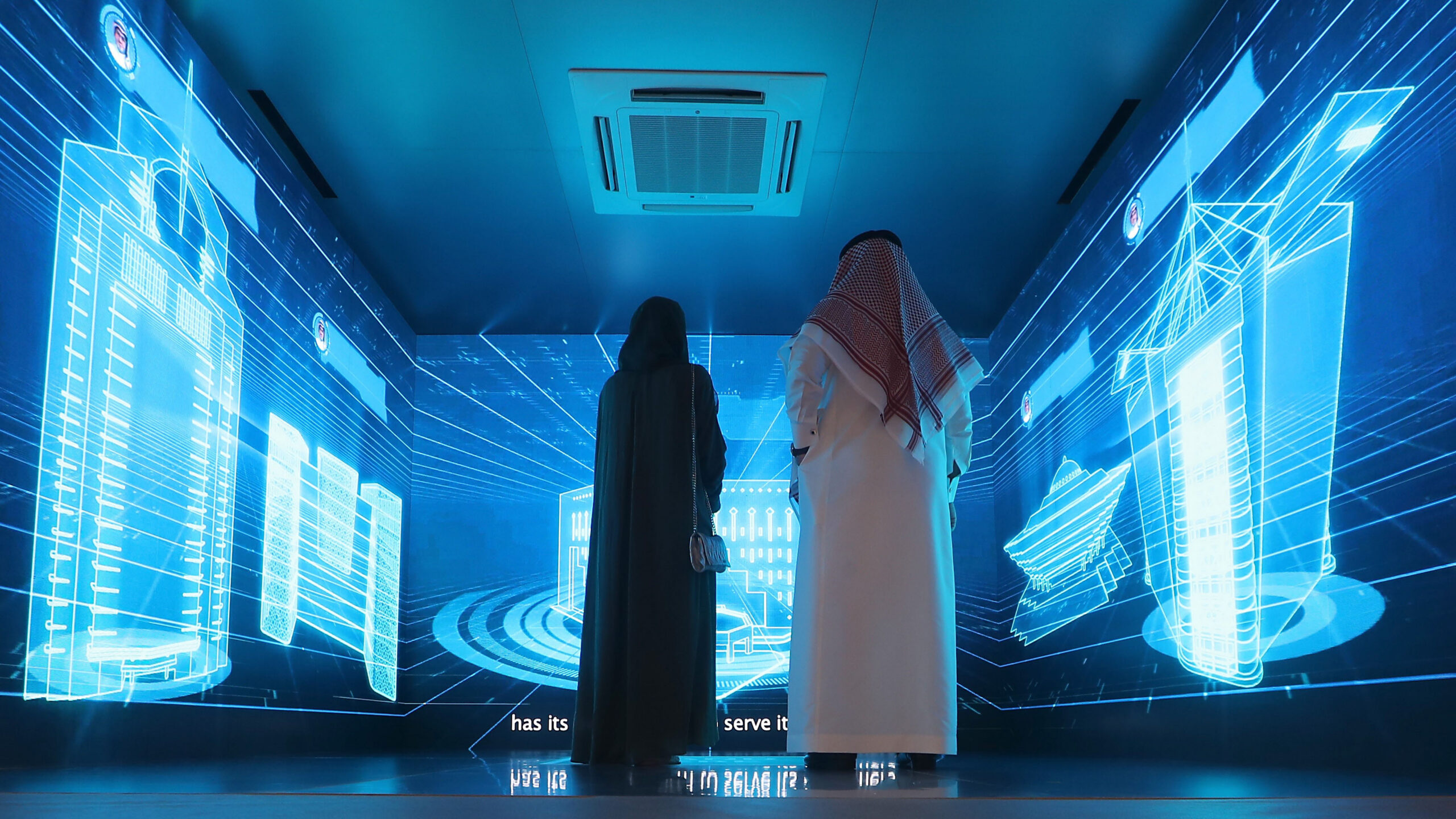
With the acute impacts of US-Chinese global tech decoupling becoming clearer, MENA is slowly emerging as an important region to watch. Economic and geopolitical ties with the West have long dictated the shape of the region’s digital environment, but more recent great power competition and Middle Eastern countries’ pursuit of economic and technological sovereignty have slowly deconstructed these dynamics.
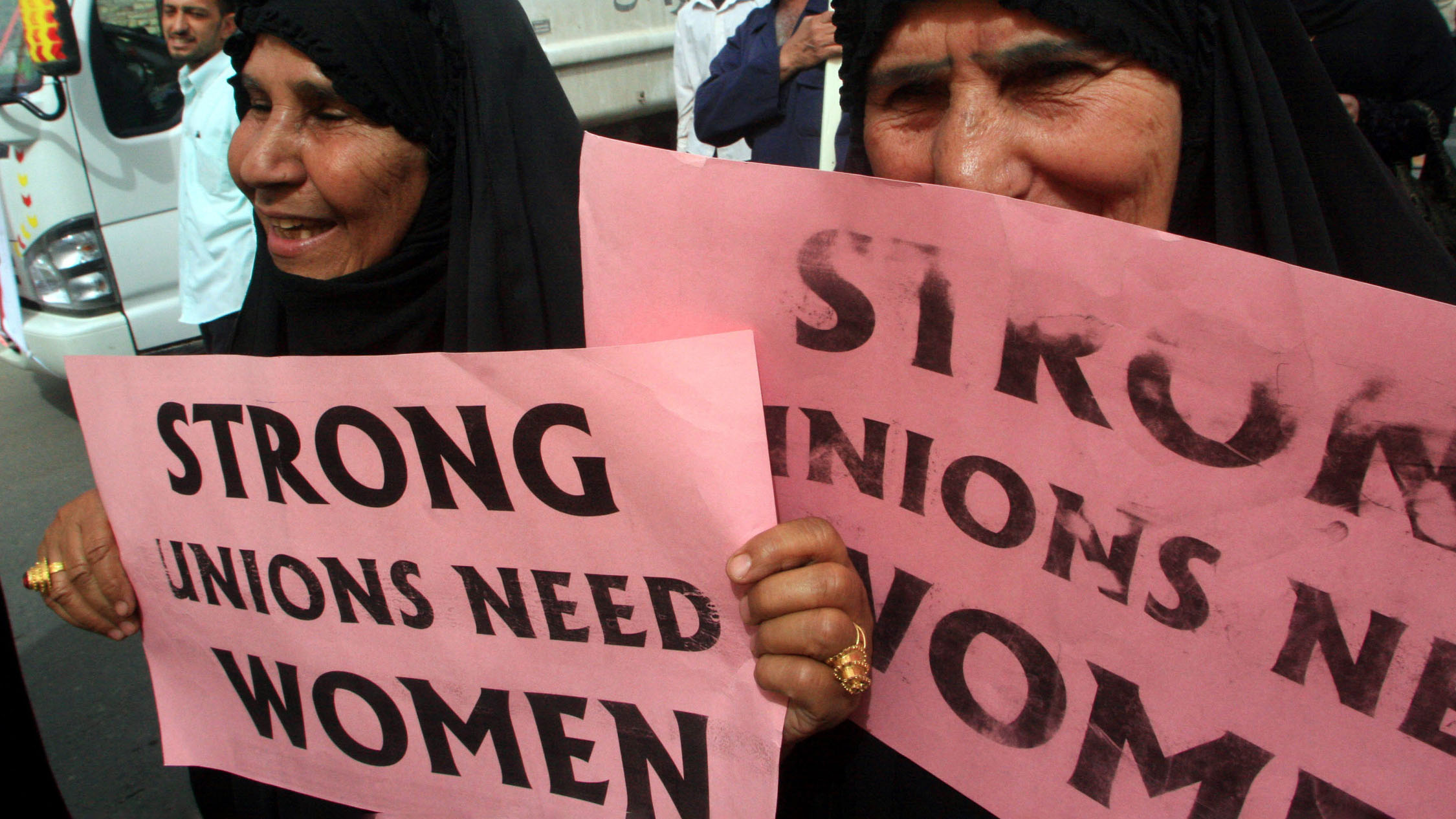
Gender gaps in MENA remain stubbornly entrenched, despite positive trends
Key findings from the latest Arab Barometer survey, its seventh wave, reveal that, despite some political gains in several Arab states, clear majorities in the 12 countries in which the survey was conducted still hold traditional views on gender norms.
Earthquake devastates southern Turkey, brings calamity to war-torn Syria
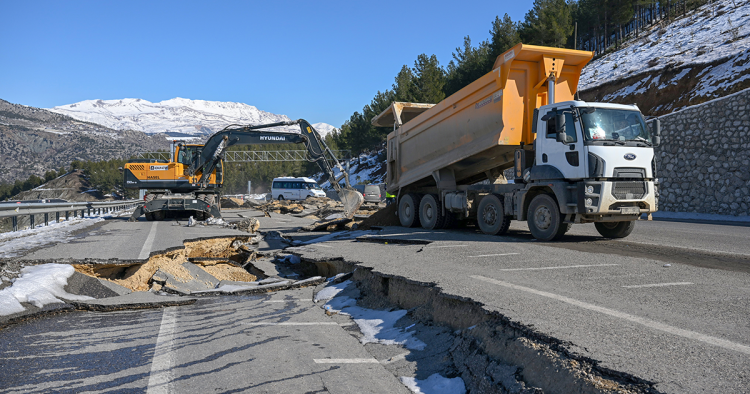
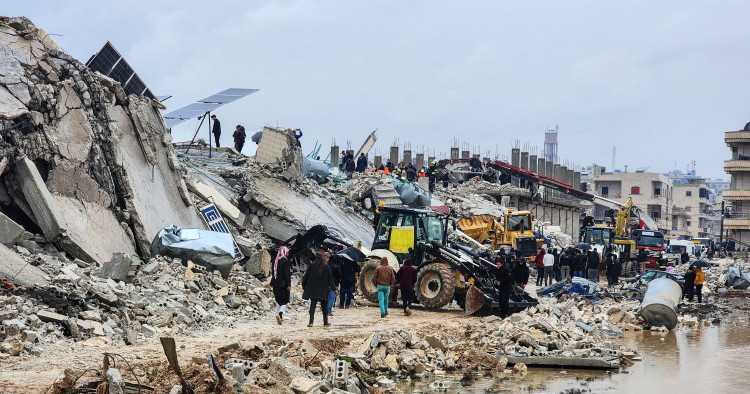
Southern Turkey and northern Syria were struck by a crippling 7.8 magnitude earthquake at 4:17 AM, on Feb. 6. Twelve hours later, at least 2,400 people are known to have perished, with death tolls rapidly rising. This natural disaster could not have come at a worse time or struck a more vulnerable region — with notoriously poor construction in southern Turkey and the effects of more than a decade of brutal conflict still afflicting northern Syria.
Politics and Civic Engagement in North Africa: Present Trends and Future Outlook
In the North Africa and Middle East region, there is a battle for citizenship currently lurking behind the façade of a reemerging authoritarianism. Indeed, in most cases, the revolutions and transitions that spread across North Africa and the Middle East since 2011 have crystalized into resurgent authoritarian regimes that target freedoms and liberties and reverse political openings, while still contending with the economic and governance crises. But this is only one layer.
The oldest peer-reviewed publication dedicated to the study of the modern Middle East, MEI’s flagship journal covers politics, society, and culture in the region.