Skip to Content

Energy

Special Episode: Saudi Oil After the East-West Pipeline Attack
  • Podcast
  • Special Episode: Saudi Oil After the East-West Pipeline Attack

    Saudi Arabia’s East-West pipeline is back in operation after a drone attack from Iraq, blamed on Iran-backed militias, shut it down for nearly two weeks. The pipeline is the kingdom’s main way to export oil while the Strait of Hormuz is closed, so the shutdown dealt another blow to global energy markets. How vulnerable is this route, and what does that mean for the kingdom and the world economy? This episode of Middle East Focus features a recent MEI Virtual Briefing in which Director of Communications Zeina Al-Shaib is joined by MEI Senior Fellow Colby Connelly and MEI Affiliate Yesar Al-Maleki. They examine the new geopolitical risks facing the oil market, what further losses of global supply could mean for Saudi Arabia and the world economy, and which buffers outside the Persian Gulf could ease the pressure.
    October 1, 2026

    Gulf Political Economy: The Cost of Accommodating Iran
  • Analysis
  • Gulf Political Economy: The Cost of Accommodating Iran

    There may be no near-term resolution to the conflict between the United States, Israel, and Iran. The cease-fire and memorandum of understanding (MoU) signed on June 18  have broken down, there is little diplomatic engagement, and new flare-ups in early September indicate a further round of escalation. Gulf states may have no choice but to protect their assets and populations while trying to deter Iran by finding mechanisms of both containment and accommodation.

    Gulf Energy Markets: The Region’s Edge Will Survive — At a Price
  • Analysis
  • Gulf Energy Markets: The Region’s Edge Will Survive — At a Price

    Across the Gulf, views differ widely on how the Iran war can and should end, and what the region will look like once it does. Yet on the crisis over the closure of the Strait of Hormuz, the view is near-unanimous that a repeat is not only possible but likely. That expectation, more than any single incident over the past year, is becoming a major driver of decision-making in industry and policy circles alike.

    Filter by
    401 Results
    A new momentum: Recalibrating Germany's foreign policy toward the Gulf monarchies
    Photo by Sean Gallup/Getty Images
  • Analysis
  • A new momentum: Recalibrating Germany's foreign policy toward the Gulf monarchies

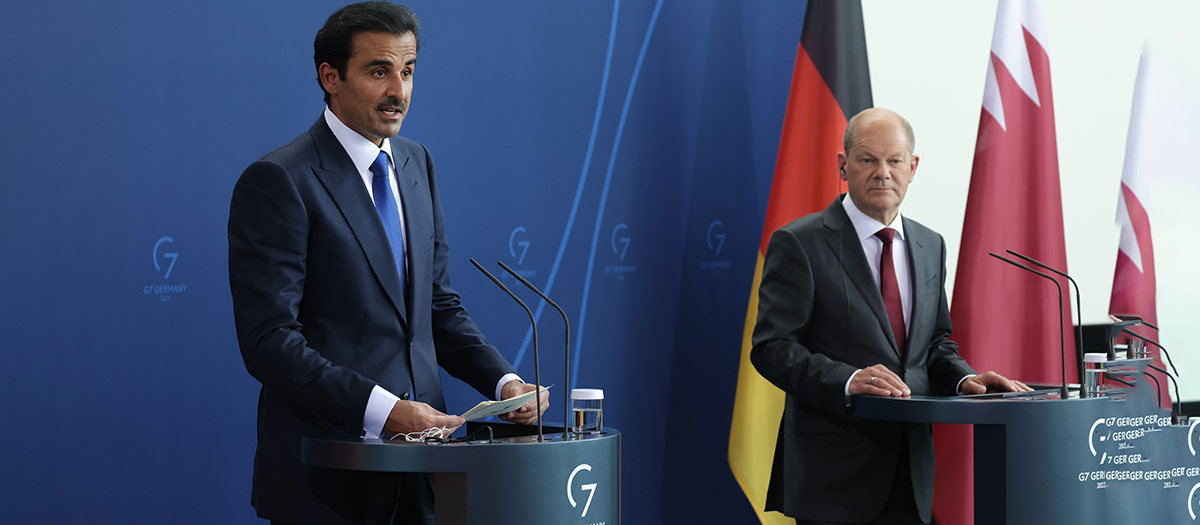
    Facing the profound challenge of trying to diversify its energy supply while a destabilizing war rages on in Ukraine, Germany has looked to several Gulf monarchies to forge new energy partnerships. Notwithstanding heated domestic debates over controversial topics such as their human rights record, Berlin should consider a more comprehensive strategic approach toward the Gulf monarchies that encompasses issues beyond energy supply, such as joint efforts in regional integration and development.

    January 20, 2023

    Eastern Mediterranean gas discoveries, progress, and what to watch in 2023
    Photo by Danil Shamkin/NurPhoto via Getty Images
  • Analysis
  • Eastern Mediterranean gas discoveries, progress, and what to watch in 2023

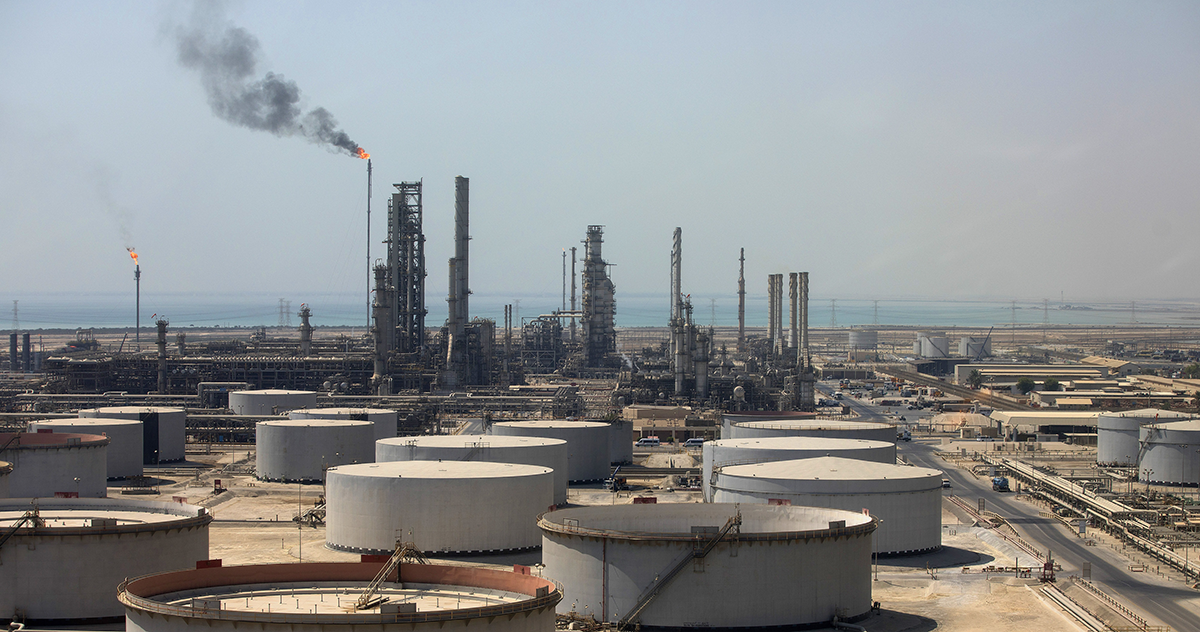
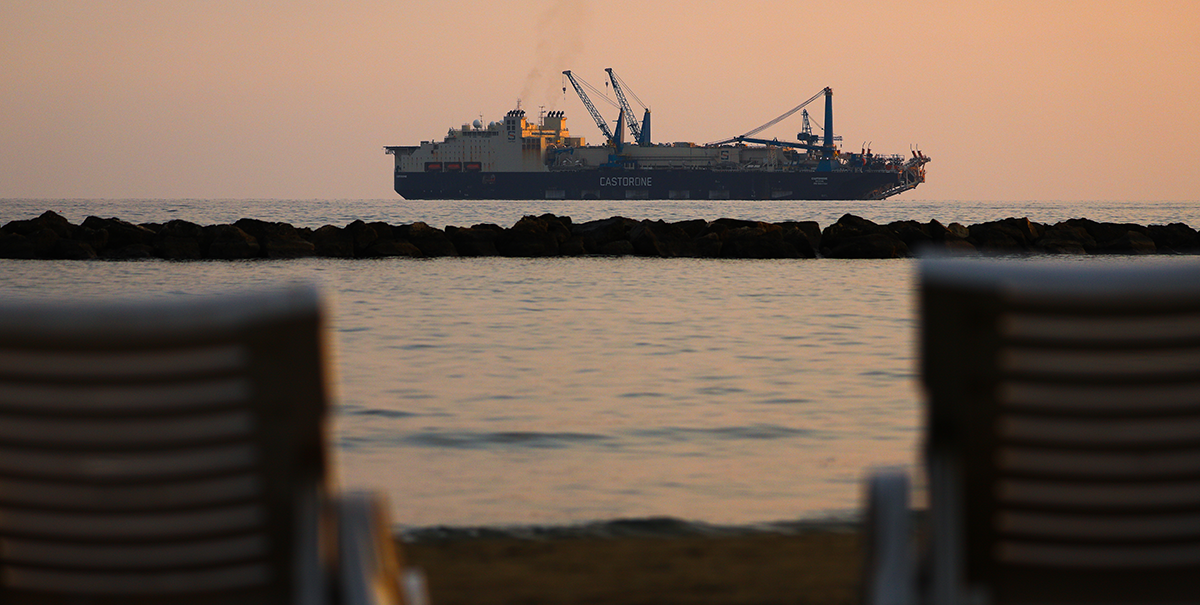
    The challenge of developing export strategies for the offshore natural gas resources concentrated in the Eastern Mediterranean predates the Russo-Ukrainian war. Yet over the course of 2022, Europe’s intensifying energy crisis created a new and more immediate incentive to solve those export challenges, despite a great deal of work still to be done.

    Rome’s Economic Rebalancing in the Maghreb
  • Commentary
  • Rome’s Economic Rebalancing in the Maghreb

    For the past ten years, Italy and Morocco have been two of the most economically dynamic countries in the Mediterranean basin. Morocco’s rise as a manufacturing and distribution hub for companies seeking to nearshore operations close to mature European end-markets, as well as emerging African end-markets, has created new potential synergies for a deeper Italy-Morocco commercial partnership.

    What the United Nations’ 6th Climate Assessment tells us about the Mediterranean’s climate future
    Fadel Senna /AFP/Getty Images
  • Analysis
  • What the United Nations’ 6th Climate Assessment tells us about the Mediterranean’s climate future

    The latest U.N. IPCC report details the alarming changes that Mediterranean countries will experience in the coming decades due to climate change, highlighting three critical areas — warming and droughts, declining ecosystems, as well as socioeconomic and public health risks.

    December 19, 2022

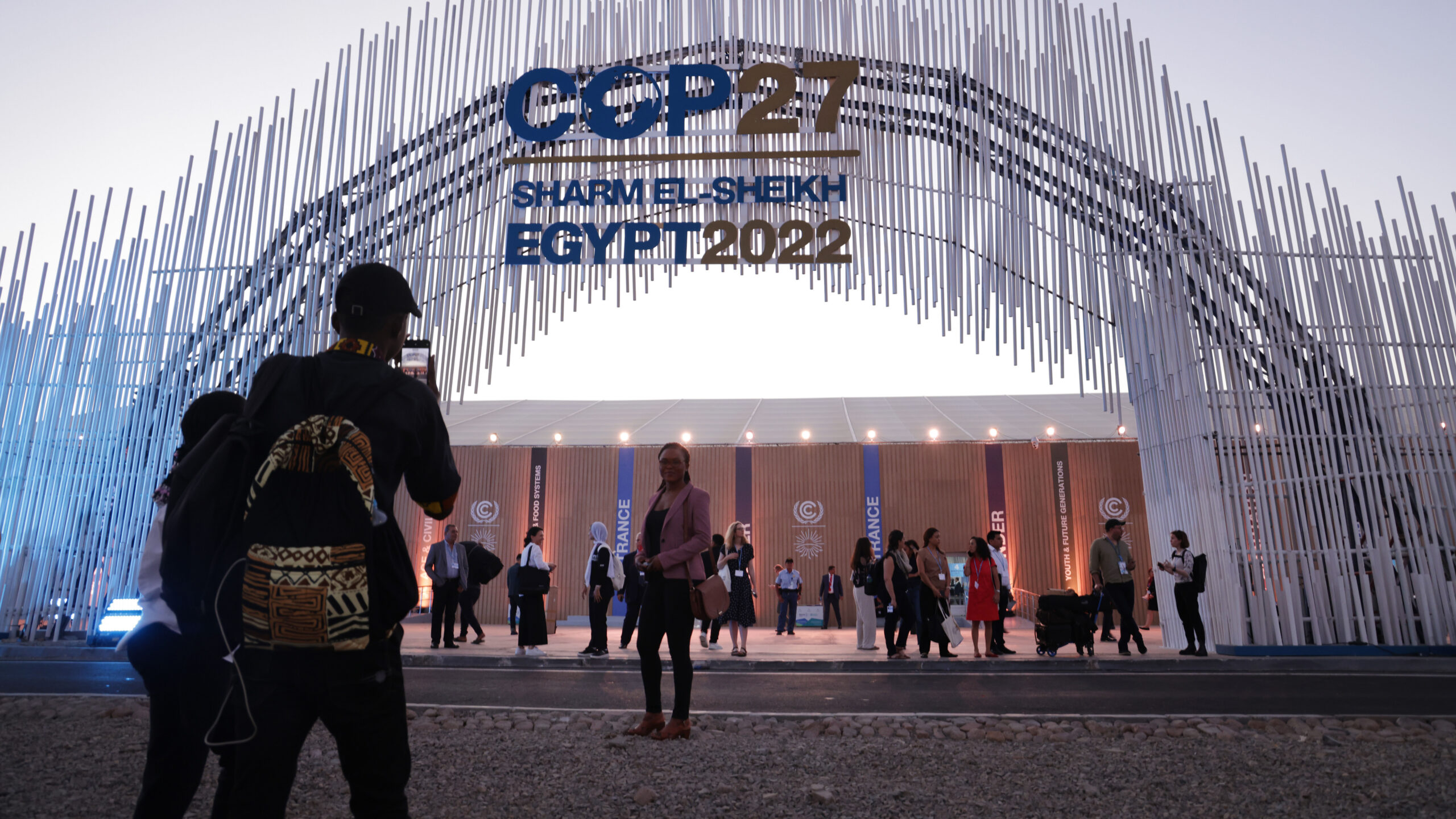
    Dispatches from Sharm el-Sheikh: Reviewing COP27 from the MENA perspective
    Photo by Sean Gallup/Getty Images
  • Commentary
  • Dispatches from Sharm el-Sheikh: Reviewing COP27 from the MENA perspective

    Participating in COP27 provided a unique opportunity to view the proceedings firsthand and evaluate the effectiveness of the meeting in advancing critical climate priorities that can alter the alarming trajectory of future climate change.

    November 29, 2022

    In Turkish-Russian relations, the Ukraine grain deal is not the point
    The image is courtesy of the author.
  • Analysis
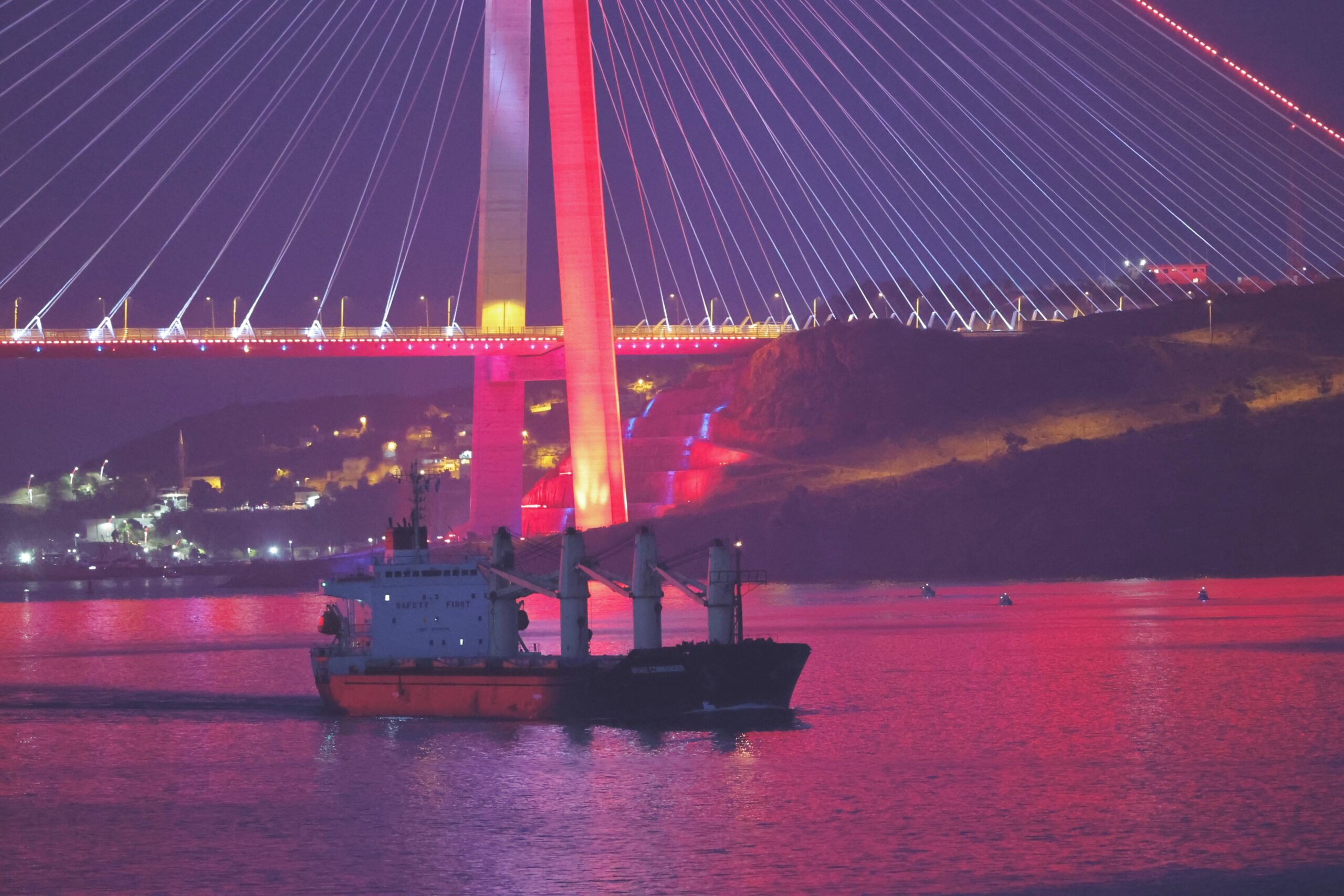
  • In Turkish-Russian relations, the Ukraine grain deal is not the point

    The Ukraine grain export deal, which Turkey helped mediate over the summer, was saved last week to much fanfare; but the central unaddressed issue remains lifting Russia’s illegal blockade of Ukrainian ports, so Ukraine can freely trade with the world.

    November 9, 2022

    The SCO Summit in Samarkand: Reviving Iran and Uzbekistan relations on an oil and transit axis
    Photo by Iranian Presidency/Handout/Anadolu Agency via Getty Images
  • Analysis
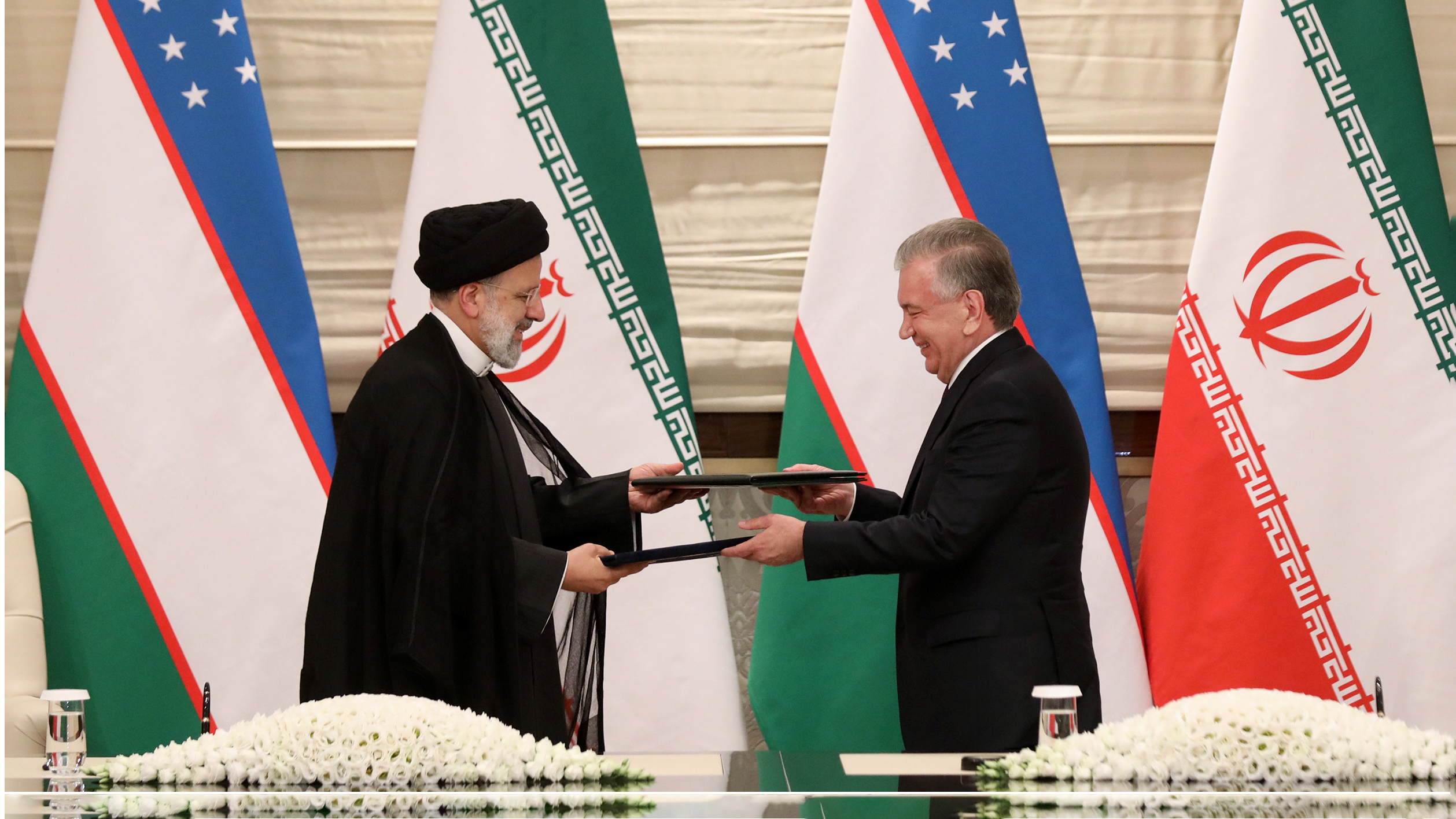
  • The SCO Summit in Samarkand: Reviving Iran and Uzbekistan relations on an oil and transit axis

    The 22nd Shanghai Cooperation Organization (SCO) summit in the Uzbekistani city of Samarkand this past September turned out to be a boon for Iran’s regional policy. Not only was the Islamic Republic extended a roadmap to join the grouping, but the meeting also offered a convenient opportunity to revive and strengthen ties with Uzbekistan.

    November 1, 2022

    The economic backdrop of Iran’s protests
    Photo by AFP via Getty Images
  • Analysis
  • The economic backdrop of Iran’s protests

    As protesters’ slogans and chants have made clear, the current protests are definitely not about the economy, but about opposition to the regime more broadly and its political and social oppression. Yet Iran’s economic problems have created an atmosphere that encouraged and fueled protesters’ anger and have done nothing to help the regime.

    Read the Middle East Journal

    The oldest peer-reviewed publication dedicated to the study of the modern Middle East, MEI’s flagship journal covers politics, society, and culture in the region.