MENA Energy Recap, Q2-2026: Mideast Energy Confronts its Hormuz Era
The MENA Energy Recap is a quarterly review of key energy developments that took place in the region from April through June of 2026 and what they signal in the months ahead. The Recap views these developments through the lens of policy and strategy, energy security, and markets.
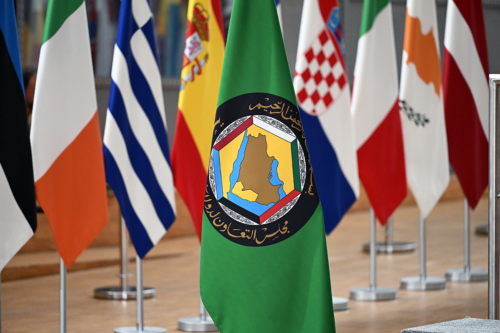
The Other MoU: Launching a Europe-Gulf Resilience Initiative After the US-Iran Deal
The Islamabad Memorandum of Understanding (MoU) between the United States and Iran may have ended one of the most consequential Middle Eastern crises in decades, but it has not resolved the strategic problem it exposed. Whether the 60-day talks it set in motion will produce a final agreement remains far from certain.Yet the central lessons are already clear: Iran has preserved significant leverage, Washington has had to scale back its ambitions, and Europe and the Gulf face the prospect of protracted regional tension. Europe and the Gulf should therefore use the aftermath of the US-Iran deal to articulate their own “other MoU”: a Europe-Gulf Resilience initiative.
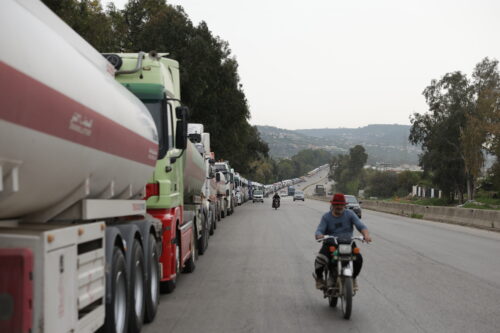
When Will Energy Markets Recover From the Iran War?
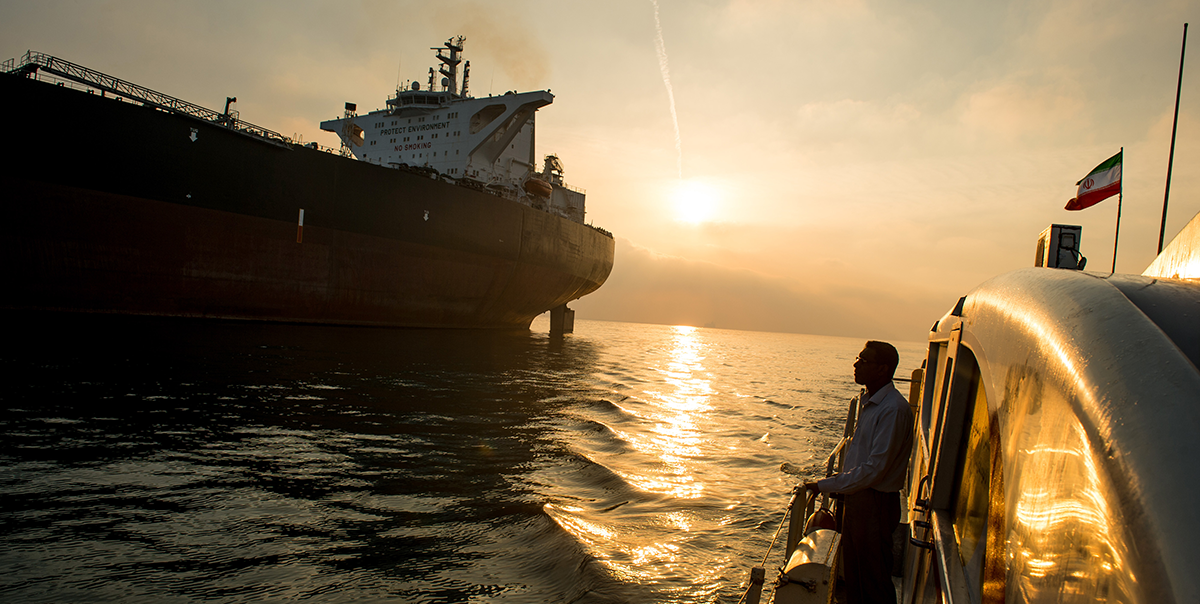
Two and a half months into the blockade of the Strait of Hormuz, what lessons can markets draw from the resulting global energy shock? Colby Connelly, MEI Senior Fellow, joins hosts Alistair Taylor and Matthew Czekaj to assess the crisis’s impact on the energy industry. Together, they examine how producers are responding to the conflict in both the short and long term, how this moment differs from past energy disruptions, and how regional reverberations may shape international energy policies going forward.
Wide gap between the Egyptian government’s rosy figures and the economic hardship suffered by millions
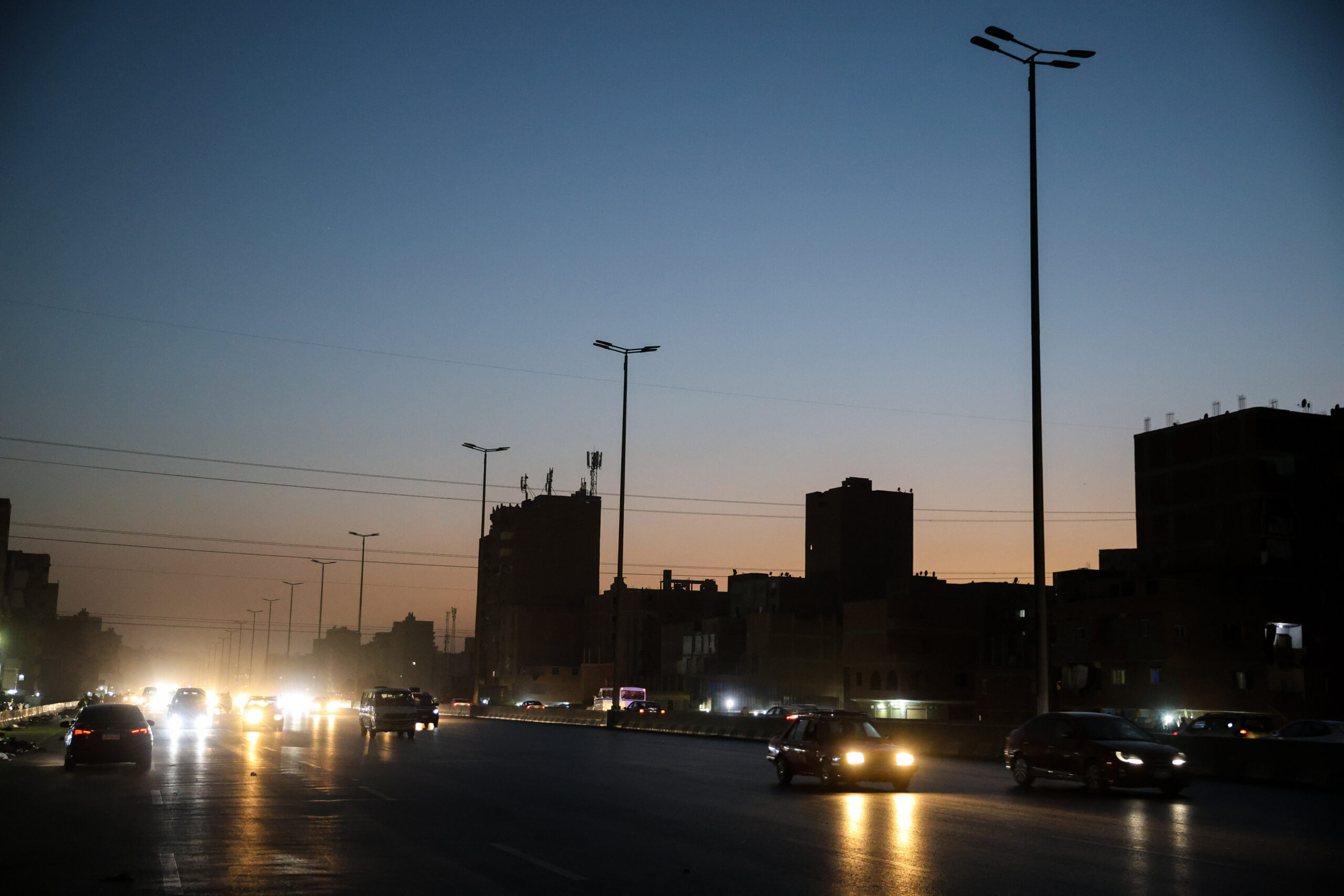
For Egyptian officials, June should have been a month to celebrate. And yet none of the seeming macroeconomic successes that the government recorded brought much reassurance to the average Egyptian, who has continued to experience currency shortages, an unreliable energy grid, and fears of a resurgent spike in inflation.
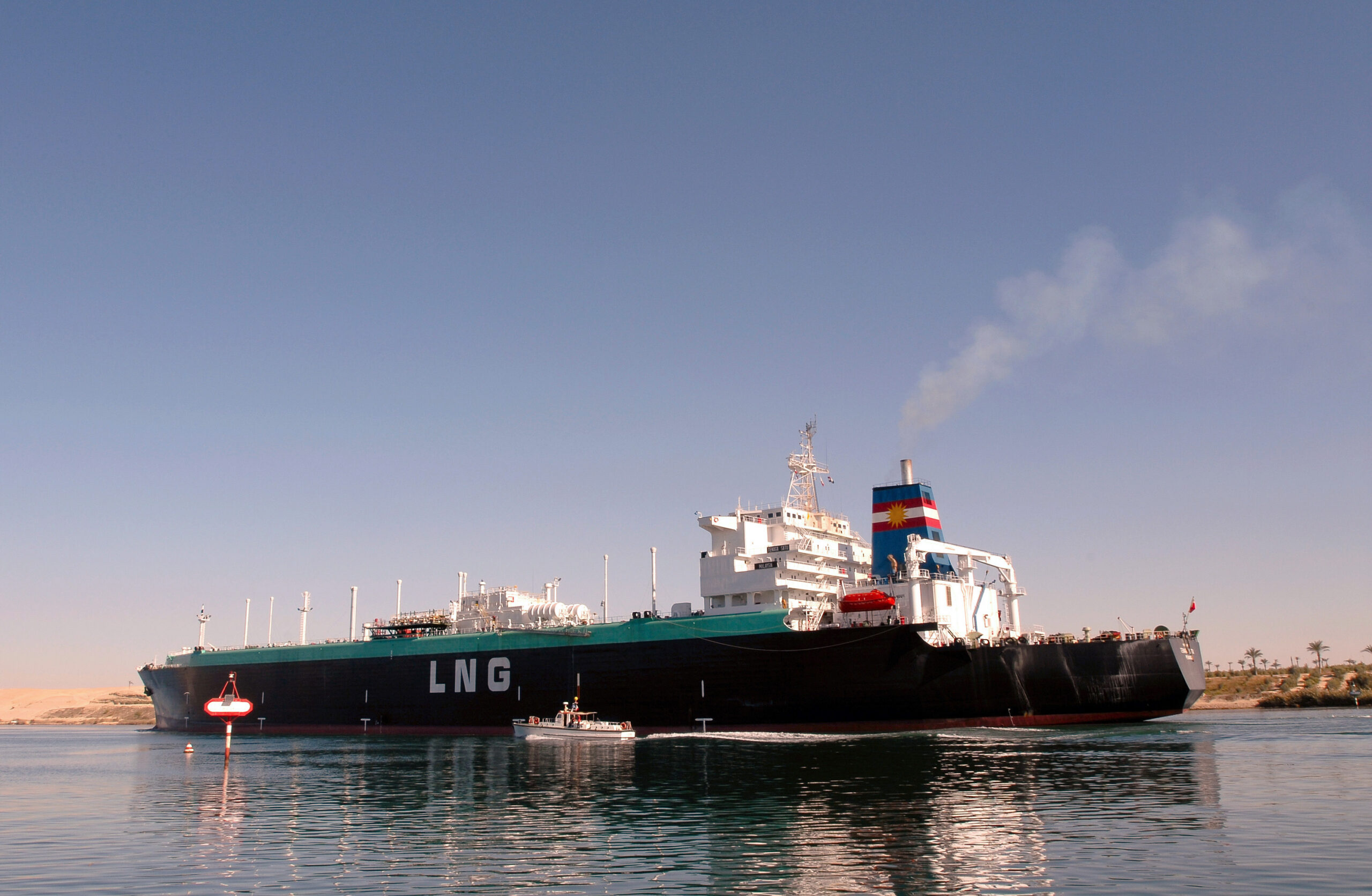
Qatar’s LNG expansion plans and the issue of market oversupply
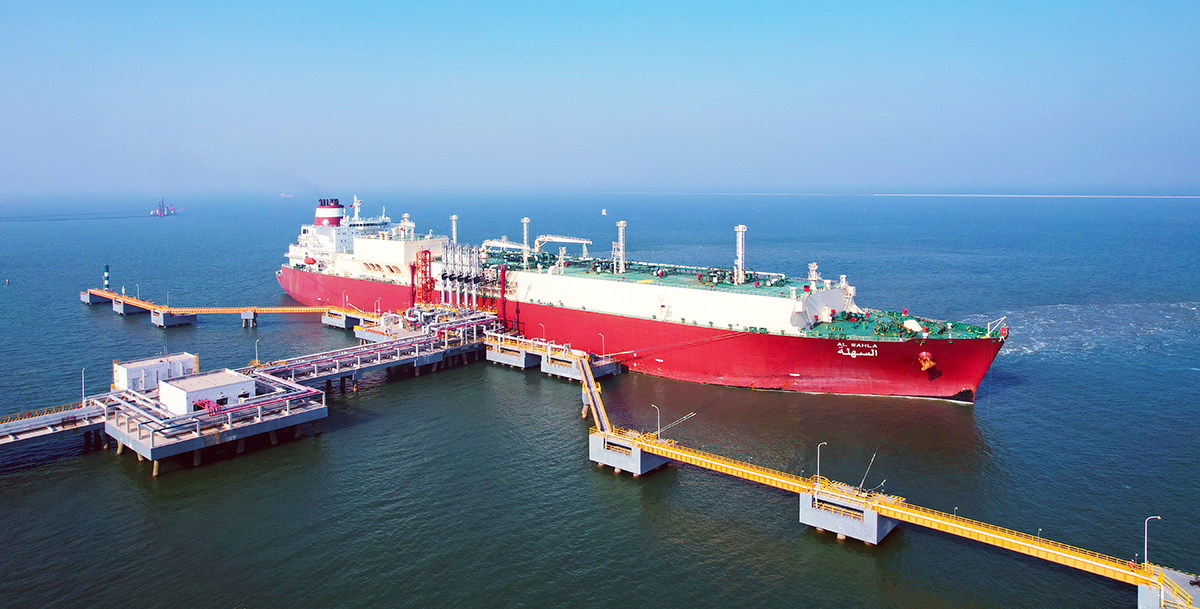
On Feb. 25, 2024, Qatar announced plans to increase its LNG production capacity by a further 16 million tons per annum (mtpa) in 2029-30, bringing the total to 142 mtpa. This would be the third such large-scale expansion of its LNG production within the next six years, but there’s one wrinkle: These new production volumes are set to come online at a time of significant oversupply in the LNG market. What accounts for Qatar’s decision?
Navigating the crossroads: Actionable cooperative measures to address global development challenges
As the world faces unprecedented challenges, from climate crises to migration pressures, the need for concerted action to address financing for development has never been more urgent. Against a backdrop of resource constraints, geopolitical shifts, and faltering progress on the UN Sustainable Development Goals, it is imperative to chart a course of action that is both pragmatic and visionary. This piece outlines 10 actionable measures to tackle these multifaceted challenges and pave the way for a more sustainable and equitable future.
Despite new sanctions measures, targeting Iranian oil sales is a lose-lose proposition for the US
On April 21, the US House of Representatives passed the long-awaited aid package for Israel, Ukraine, and Taiwan. The legislation contained another long-sought-after measure: authority for the US government to tighten restrictions on Iran’s oil exports. But in truth, aggressive US action remains unlikely and there are powerful operational, strategic, and political barriers preventing the US from shutting down Iran’s oil trade or hindering it in a material way.
Circus of Parties: The COP is broken but it is the only show in town
COP28 was billed as our last best chance to get the world’s act together and save our chances of limiting warming to 1.5 degrees Celsius. However, the final outcome fell far short of the commitments so desperately needed to keep the target alive. The future of COP lies in refocusing on its fundamental objective: ensuring that countries are held accountable to science-based targets that prioritize the needs of vulnerable communities most affected by climate change.
The great financing gap: The state of climate funding in MENA
The Middle East and North Africa region is one of the lowest recipients of climate finance compared to other areas of the globe, such as East Asia and the Pacific Islands, despite MENA’s exposure to extreme climate risks. The MENA region’s share of climate financing from the big three global climate funds — the Green Climate Fund (GCF), the Climate Investment Funds (CIF), and the Global Environment Facility (GEF) — and their sub-funds made up only 6.6% of their cumulative global financing through 2023.
Africa-to-Europe value chains: How nearshoring can mitigate Europe’s migration crisis and aid energy transition
Africa-to-Europe value chains in manufacturing and agri-food production can mitigate factors driving current migration patterns by employing Africans in local value-added production and boosting African GDP growth, reorienting Africa-Europe relations towards mutual economic benefit and dignity.
The implications of Red Sea instability on the global LNG market
Well over 30 attacks against commercial shipping in the Red Sea have been reported since mid-November 2023, although none have targeted crude oil or liquefied natural gas (LNG) carriers to date. But that is not to say that global energy flows through this critical maritime chokepoint are invulnerable; any harm that came to hydrocarbon carriers traveling into or out of the Red Sea via the Bab el-Mandeb would have far-reaching consequences for international markets.
Azerbaijan and COP29: An opportunity or a challenge?
Azerbaijan will host COP29 at the end of this year. Being selected to host the most important international climate event is a major achievement for the South Caucasus country, though the spotlight it brings will come with its own challenges due to Azerbaijan’s poor human rights record and worsening relations with the West.
Jordanian ambitions, Saudi funds: A look at Saudi investments in Jordan
In 2017, Saudi Arabia’s Public Investment Fund and a number of Jordanian banks established the Saudi-Jordanian Investment Fund to channel $3 billion into the Jordanian economy. Two SJIF projects provide relevant case studies of the challenges facing Jordan’s broader efforts to attract more FDI and drive economic development.
All you need to know about the India-Middle East-Europe Economic Corridor
At the September G20 meeting, host country India, along with the United States, the European Union, France, Germany, Italy, Saudi Arabia and the United Arab Emirates (UAE), signed a memorandum of understanding, a non-binding commitment to work towards building two separate “corridors”, essentially envisioning a political line that is connected by some new and some existing, or already under construction, physical infrastructure.
The oldest peer-reviewed publication dedicated to the study of the modern Middle East, MEI’s flagship journal covers politics, society, and culture in the region.