MENA Energy Recap, Q2-2026: Mideast Energy Confronts its Hormuz Era
The MENA Energy Recap is a quarterly review of key energy developments that took place in the region from April through June of 2026 and what they signal in the months ahead. The Recap views these developments through the lens of policy and strategy, energy security, and markets.
The Other MoU: Launching a Europe-Gulf Resilience Initiative After the US-Iran Deal
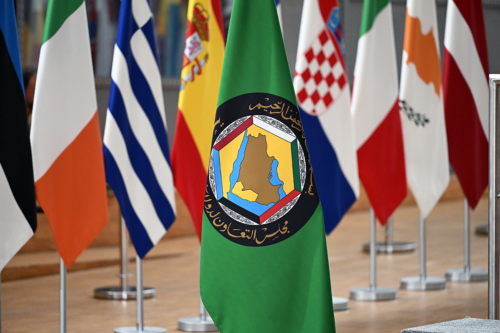
The Islamabad Memorandum of Understanding (MoU) between the United States and Iran may have ended one of the most consequential Middle Eastern crises in decades, but it has not resolved the strategic problem it exposed. Whether the 60-day talks it set in motion will produce a final agreement remains far from certain.Yet the central lessons are already clear: Iran has preserved significant leverage, Washington has had to scale back its ambitions, and Europe and the Gulf face the prospect of protracted regional tension. Europe and the Gulf should therefore use the aftermath of the US-Iran deal to articulate their own “other MoU”: a Europe-Gulf Resilience initiative.
When Will Energy Markets Recover From the Iran War?
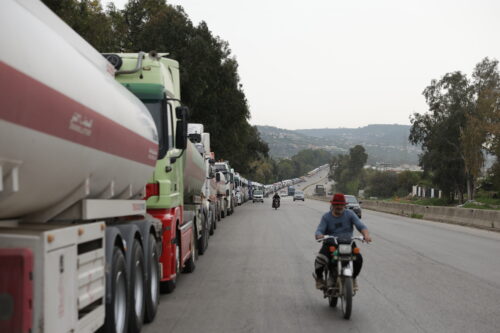
Two and a half months into the blockade of the Strait of Hormuz, what lessons can markets draw from the resulting global energy shock? Colby Connelly, MEI Senior Fellow, joins hosts Alistair Taylor and Matthew Czekaj to assess the crisis’s impact on the energy industry. Together, they examine how producers are responding to the conflict in both the short and long term, how this moment differs from past energy disruptions, and how regional reverberations may shape international energy policies going forward.
Japan looks to the Gulf as it bets big on hydrogen
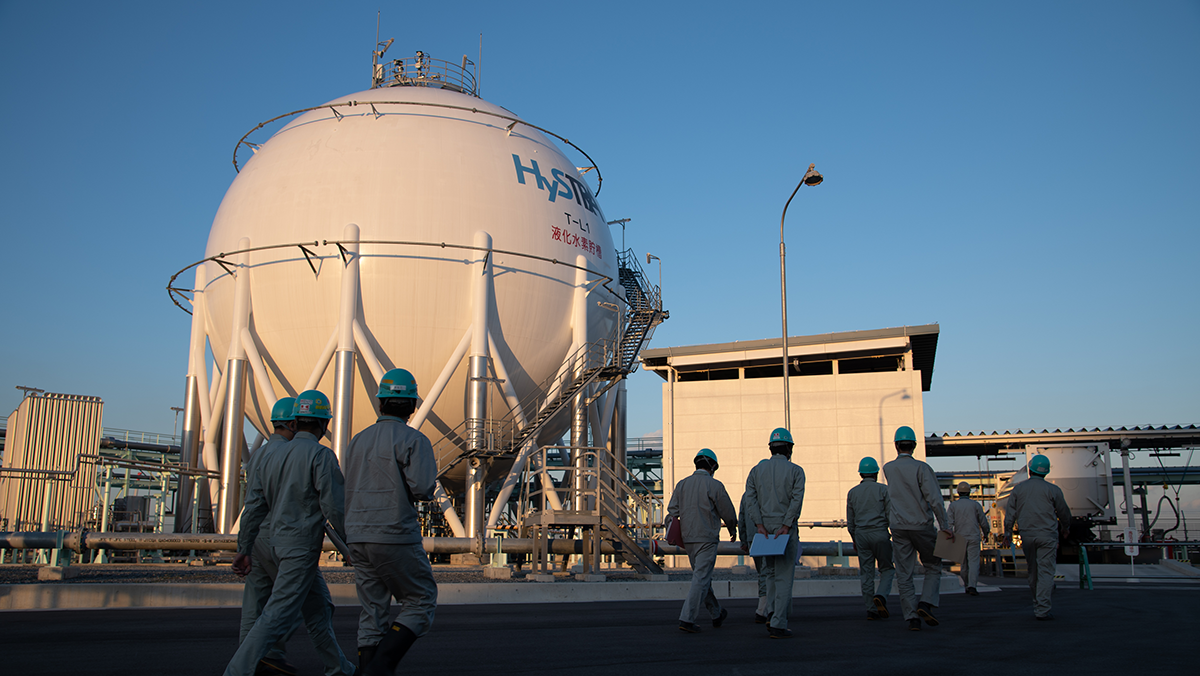
As a trailblazer in hydrogen diplomacy, Japan is seeking to develop a new pattern of energy interdependence with its longstanding partners, the Gulf Arab states — countries that are promising production bases for and exporters of green hydrogen and ammonia, and whose leaders have come to regard the development of clean hydrogen as an attractive way to diversify their economies.
The Russia-Ukraine war forces Egypt to face the need to feed itself: Infrastructure, international partnerships, and agritech can provide the solutions
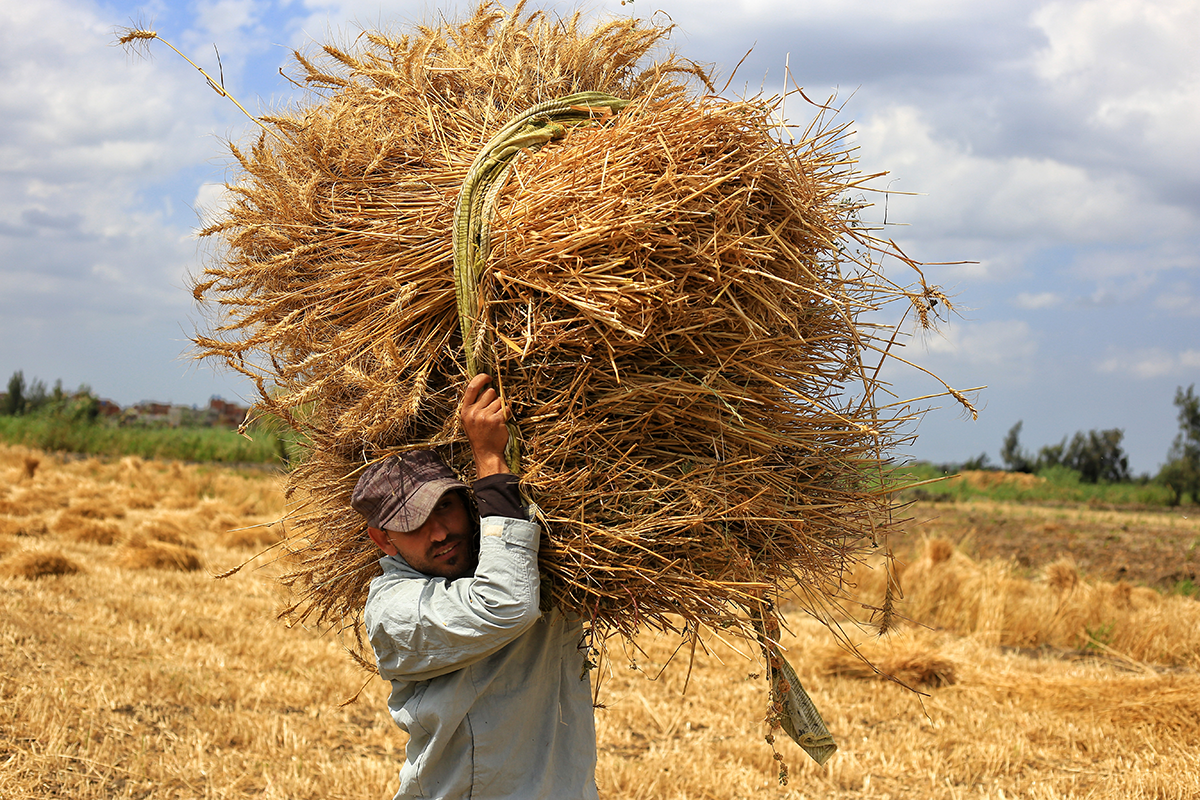
After 500 days of coping with the debilitating impact of Russia’s invasion of Ukraine, Egypt’s economy is faltering. At the core of the crisis is its fragile food security. Now, the Egyptian economy is fast approaching a tipping point and Cairo has no alternative but to boost its domestic agrifood production. In addition to building out its infrastructure, Egypt must also adopt cutting-edge agritech solutions to improve the water-use efficiency of the crops themselves.
Turkey's role after the Black Sea grain deal collapse has become even more critical
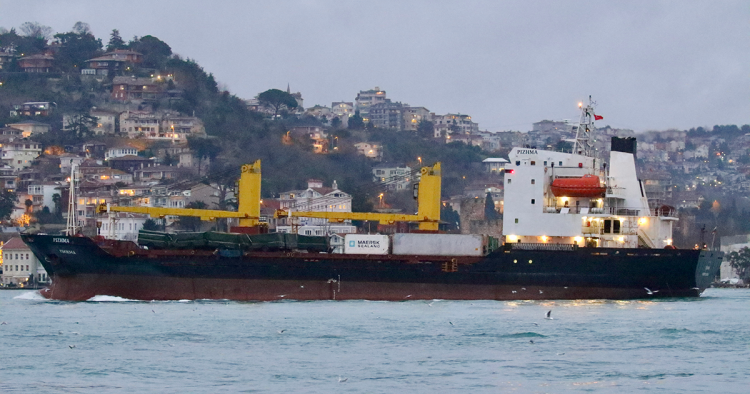
During the 500 days since Russia’s invasion of Ukraine, the Middle East avoided a catastrophic food crisis, thanks in part to the Black Sea grain initiative. Russia’s decision to cancel that agreement is raising fears that the return of supply shortages and skyrocketing wheat prices could quickly plunge the most vulnerable countries of the region into crisis.
Climate Change Threatens Turkey’s Role as a Food Supplier to Europe and the Middle East
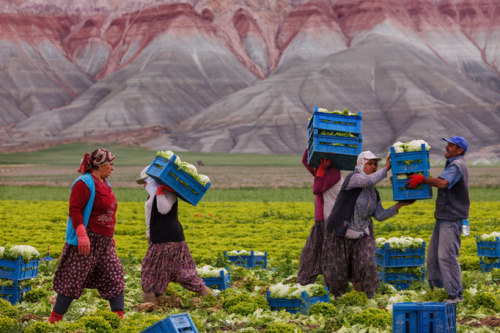
The persistence of high food inflation in Turkey belies a deeper problem. Turkish agrifood production cannot adequately cope with increasing water scarcity due to climate change. Challenging Turkey’s own food security, the growing crisis also threatens Turkey’s role as a food supplier to Europe and the Middle East. Regional food supply chain breakdowns due to a decline in Turkish production would create a debilitating economic impact on both regions.
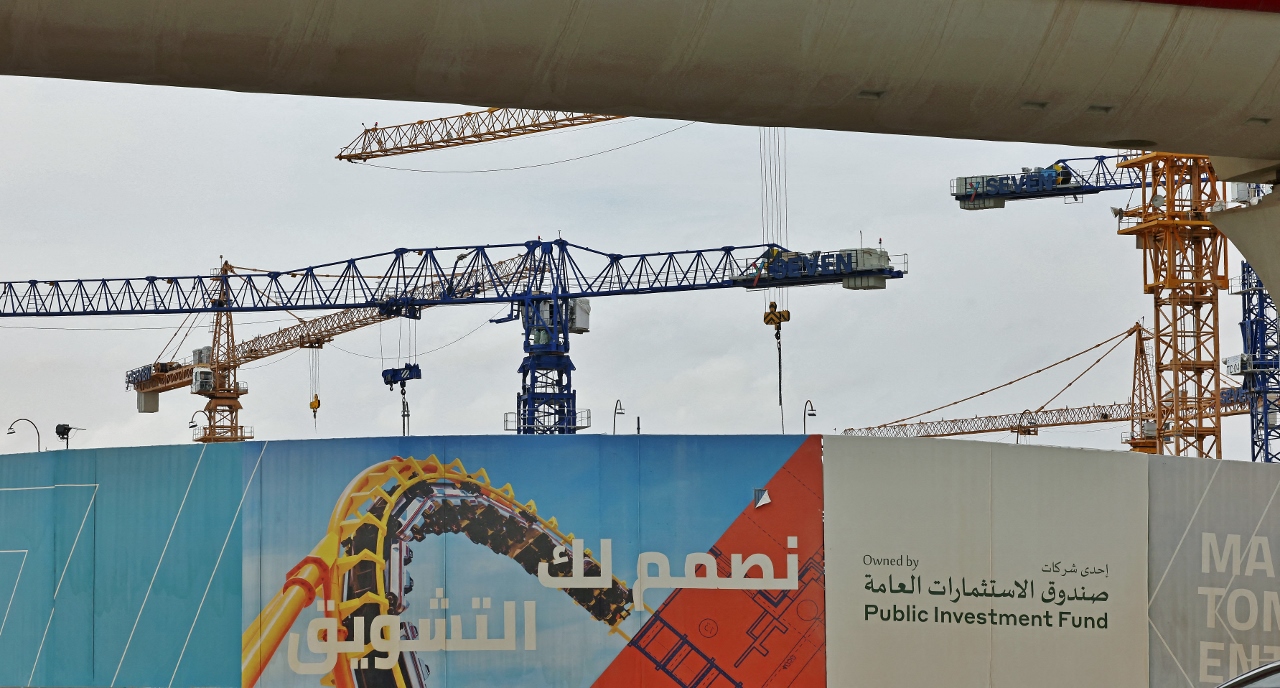
The new wave of dealmaking by Gulf sovereign wealth funds
For resource-rich countries such as Gulf oil and natural gas producers, sovereign wealth funds have emerged as promising tools to save for future generations, mitigate the effects of outsized economic shocks, and/or be deployed as reserve investment and strategic development funds to spend on human, natural, social, and physical capital.
Regional Environmental Cooperation Between Israel and Its Neighbors
As environmental challenges become a priority for countries across the Middle East and the Mediterranean, this creates new opportunities for regional environmental cooperation, including between Israel and its neighbors. Despite being limited in scope and facing several key obstacles, regional cooperative endeavors are taking place, including on both the bilateral and multilateral levels, and efforts to sustain and expand them are underway. This new report, written under the auspices of the Israel Climate Forum, addresses the importance of regional environmental cooperation in the Middle East and Mediterranean, examines the scope of such cooperation between Israel and its neighbors, and spells out opportunities, obstacles, and recommendations for increased coordination and joint action, including the role the U.S. and Europe can play.
In the last few years, the global energy outlook has been transformed. The rise of populist politics and a growing sense of urgency about climate change have roiled debates about energy policy in wealthy countries, generating a dizzying mix of new industrial policies. The COVID-19 pandemic made it far harder to predict fuel prices and consumption patterns and forced many countries to confront their connections to fragile multistate supply chains and legacy petrostates.
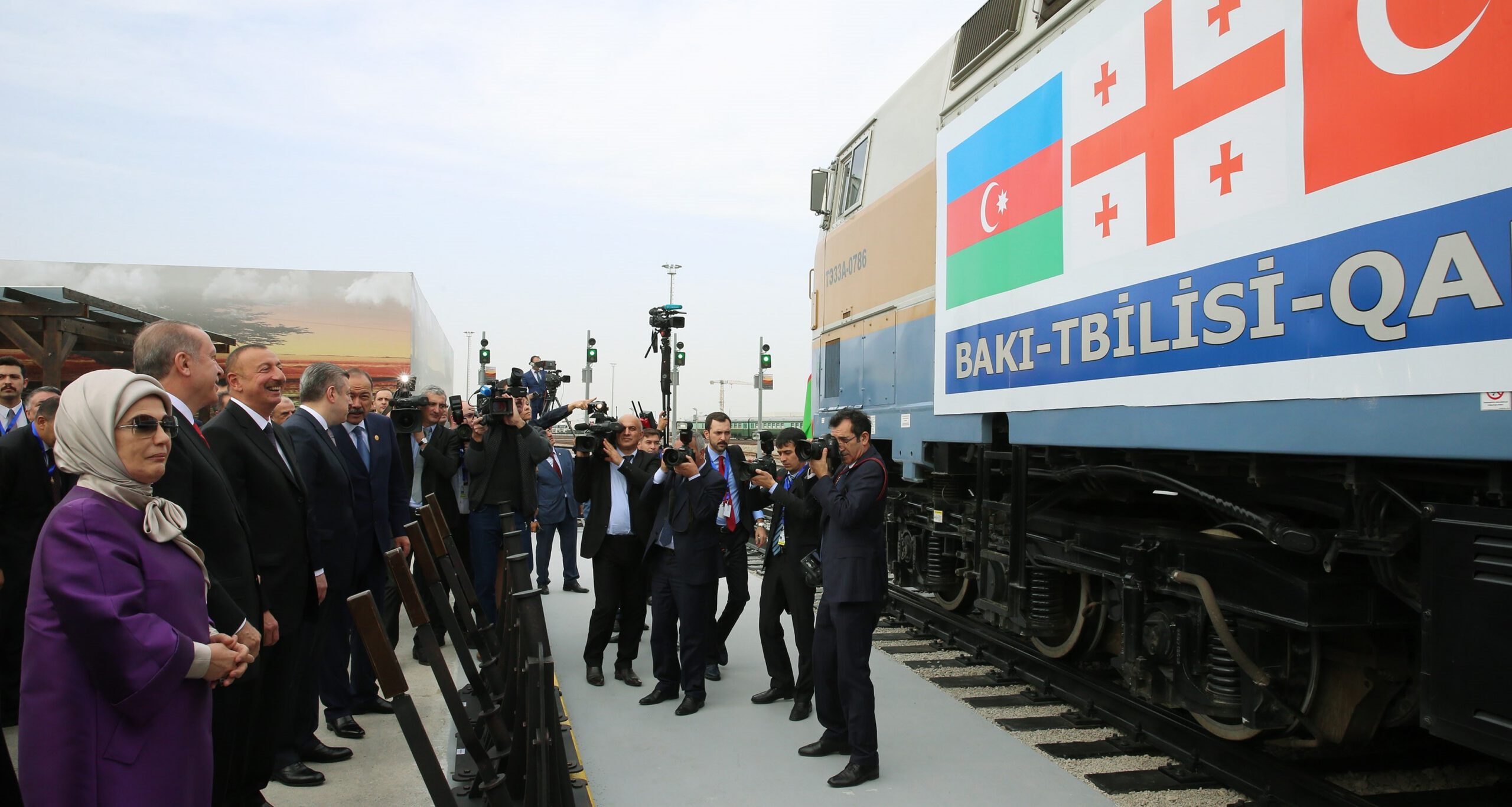
Georgia the interconnector — but where’s Washington?
For the sake of safeguarding transatlantic — and thus also American — security interests in the South Caucasus, it is becoming increasingly imperative that the United States better anchor itself economically, politically, and militarily in the eastern Black Sea region, especially strategically placed Georgia.
The Gulf’s twin failings: Innovation and private sector employment for nationals
The Gulf states emerged from the global pandemic with the wind in their economic sails. But high-profile events like Qatar’s hosting of the FIFA World Cup and the UAE’s World Expo continued to mask two subtle but major weaknesses that have plagued them for decades. Why do Gulf economies lack innovation? And why do they struggle to create private sector employment for nationals?
The current complex situation in the global oil market seriously tests the abilities of OPEC+ to play the role of a regulator, forcing Saudi Arabia to assume the main burden of responsibility for keeping oil prices from declining further and for shoring up the cartel ranks.
Saudi LNG exports: Overcoming challenges to commercial success
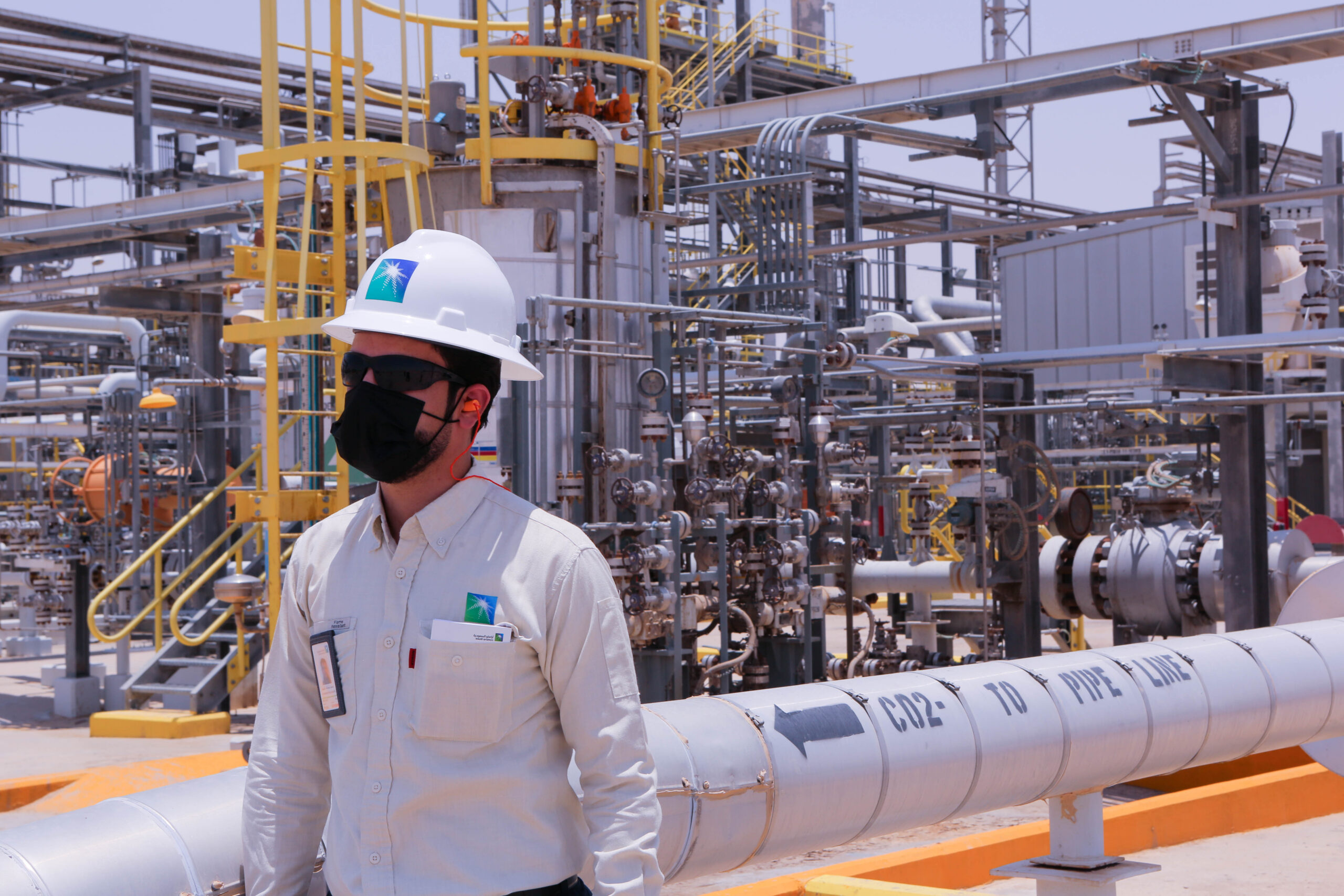
After issuing positive statements around greenfield blue hydrogen projects in late 2022, the company, Bloomberg now reports, may be migrating away from the hydrogen scheme and toward LNG exports. Both would require significant capital investment. Assuming the company decides to pursue an LNG export project, it will face many potentially value-erosive challenges and risks that must be overcome before achieving economic success.
The oldest peer-reviewed publication dedicated to the study of the modern Middle East, MEI’s flagship journal covers politics, society, and culture in the region.