Reflections on a Diplomatic Career in the Middle East: A Conversation With Ambassador Yael Lempert
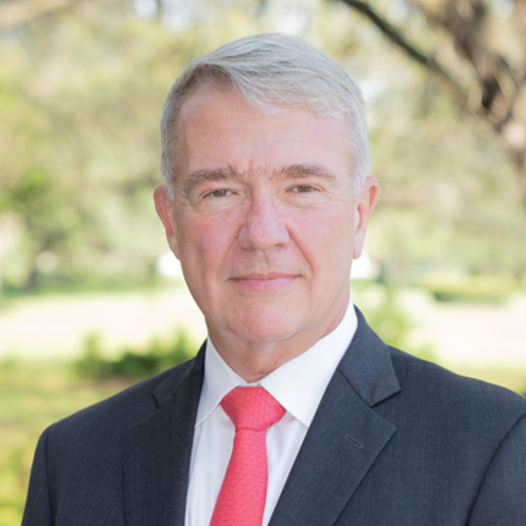
Brian is joined by Amb. (ret.) Yael Lempert, Vice President for Outreach at MEI, to discuss her career in diplomacy and the importance of US diplomatic efforts abroad. She shares stories from postings across the Middle East in Baghdad, Cairo, Tripoli, Jerusalem, and Amman and examines how her personal and professional experiences shaped her approach to the work. Together, Brian and Yael discuss the realities of life in the Foreign Service, the core tenets of American diplomacy, and why it matters in today’s Middle East.
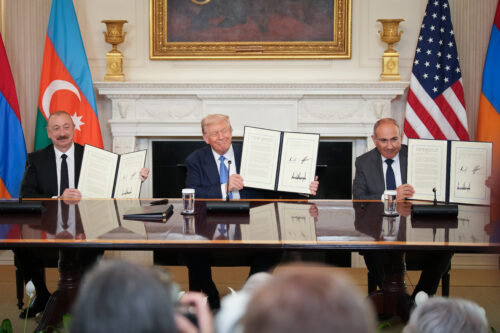
Trump’s South Caucasus Peacemaking Is His Most Successful, but It Remains Unfinished
Of all the fronts in President Trump’s peacemaking agenda, the South Caucasus has delivered the most concrete results. The August 2025 Washington Declaration, signed between Armenia and Azerbaijan and witnessed by Trump, marked an important step toward peace in the region. The two sides initialed a peace agreement and advanced plans to unblock regional connectivity, including through the establishment of the Trump Route for International Peace and Prosperity (TRIPP), which would connect Azerbaijan to its Nakhijevan exclave through southern Armenia. Implementation of TRIPP has since made notable progress, but construction has yet to start. A breakthrough on those two tracks would, in turn, unlock Armenia–Türkiye normalization, transforming a long-fractured region into an area of trade and interdependence.
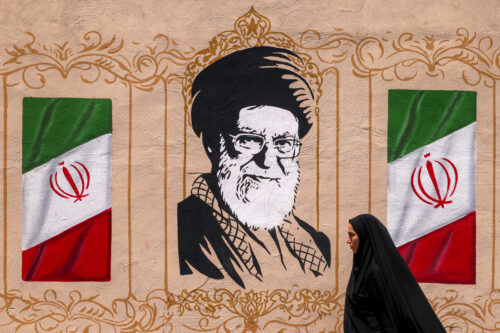
Wars don’t just end. They get interpreted, reinterpreted, and turned into strategic doctrine. That is what happened after the Iran-Iraq War of the 1980s, a conflict that saw the United States back Tehran’s Iraqi adversaries. The war taught Tehran three lessons it never unlearned: that Washington wants the Islamic Republic gone, that Iran stands essentially alone in the world, and that it cannot survive a direct, overt fight with the U.S. and Israel.
The Trump administration has released its new National Security Strategy—and analysts say it signals a decisive break from America’s role as the leader of the free world. Instead, the document advances an openly illiberal, strongman-centered vision of power. One former U.S. official goes further, arguing the strategy doesn’t merely abandon democracy promotion—it puts Washington in the business of promoting autocracy.
What does Trump’s new National Security Strategy mean for the Middle East?
In this episode, MEI Distinguished Diplomatic Fellow Ambassador David Hale joins host Alistair Taylor to unpack the Trump administration’s new National Security Strategy (NSS). Released on December 4, the document outlines the administration’s foreign policy vision, priorities, and approach to global challenges. Ambassador Hale analyzes the new NSS and how it compares to previous US strategy documents. The conversation focuses on what the NSS means for the future of US policy in the Middle East, and how it is likely to be received by regional actors.
How Palestinian Roots Shaped an American Ambassador
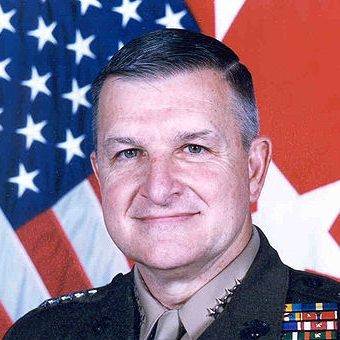
Brian welcomes Ambassador (ret.) Theodore “Ted” Kattouf, who previously served as US Ambassador to Syria and the United Arab Emirates, as well as President and CEO of the leading nonprofit organization Amideast. Kattouf reflects on how his Palestinian-American background shaped his diplomatic career and worldview. The two also take time to honor the life and legacy of Paul Kattouf, Ted’s son and Brian’s high school classmate, who was murdered in 2024.
American commitment to foundational values must withstand assault by an individual
Two members of the US diplomatic corps who served in Afghanistan and are involved in the Afghan resettlement program call on Americans to uphold principles of justice and fairness when judging the person accused of shooting National Guard members in Washington, DC.
Trump-MBS summit: Good feelings, real commitments, and unresolved questions
Mohammed bin Salman, the crown prince, prime minister, and main decision-maker in Saudi Arabia, left Washington and his summit with President Donald Trump with a number of promises made and commitments received. But several questions, including on shared diplomatic agenda items, the extent of civilian nuclear cooperation, and the nature of the American defense commitment to Saudi Arabia, remain unanswered.
Special Feature: A Front-Row Seat to Saudi Arabia’s Transformation
In this episode, Brian sits down with Faisal Abbas, editor-in-chief of Arab News. Abbas, who reported on Saudi Crown Prince Mohammed bin Salman’s November 18 visit to the White House, unpacks his impressions from the visit and the opportunities it presents for US-Saudi relations. The conversation also explores the Kingdom’s transformation over the past decade, its relationships with key partners including the United States, and Abbas’s recommendations for deepening the US-Saudi partnership going forward.
MENA Energy Recap, Q3-2025: Gulf Giants Abroad, Fragile Deals at Home
The MENA Energy Recap is a quarterly review of key energy developments that took place in the region from July through September of 2025 and what they signal in the months ahead. The Recap views these developments through the lens of policy and strategy, energy security, and markets.
The oldest peer-reviewed publication dedicated to the study of the modern Middle East, MEI’s flagship journal covers politics, society, and culture in the region.