The Latest from Priyanka Debnath
Rob Malley Argues Two States Is an Illusion
Brian sits down with Robert Malley, a former US official best known for his role as the lead negotiator of the 2015 Joint Comprehensive Plan of Action. Malley discusses the motivations behind his new book, Tomorrow Is Yesterday: Life, Death, and the Pursuit of Peace in Israel/Palestine, and offers his assessment of American perspectives on the war in Gaza. The conversation also explores his personal background as the son of an Egyptian Jewish father and an American Jewish mother—both outspoken on the political left—and how that upbringing shaped his worldview, alongside a career spanning the Clinton, Obama, and Biden administrations.
When the World’s Oldest Democracy Goes Illiberal
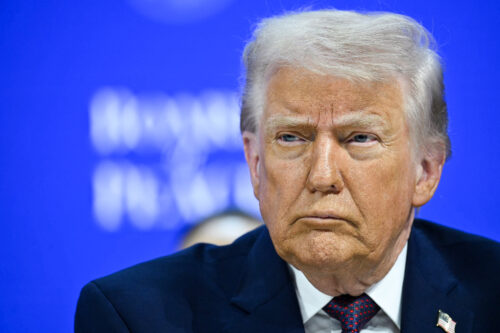
The Trump administration has released its new National Security Strategy—and analysts say it signals a decisive break from America’s role as the leader of the free world. Instead, the document advances an openly illiberal, strongman-centered vision of power. One former U.S. official goes further, arguing the strategy doesn’t merely abandon democracy promotion—it puts Washington in the business of promoting autocracy.
A year after Assad’s fall, Syria faces a pivotal moment. Washington must lead.
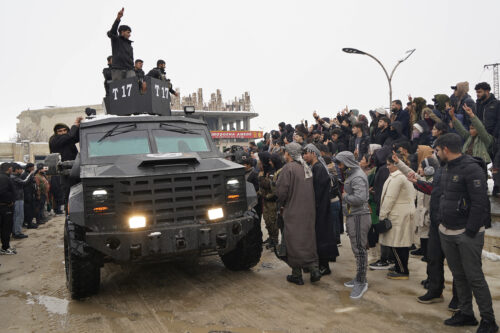
One year after the fall of the Assad regime, Syria is still in very fragile phase of its transition to a new political order. The country faces monumental reconstruction challenges, estimated in the hundreds of billions of dollars, well beyond the capabilities of the new Syrian government. Without sustained American leadership and investment, Syria’s transition will be slow, fragile, and dangerously reversible.
Israel’s Clan Strategy in Gaza: Using Disorder to Create Order?
What does Trump’s new National Security Strategy mean for the Middle East?
In this episode, MEI Distinguished Diplomatic Fellow Ambassador David Hale joins host Alistair Taylor to unpack the Trump administration’s new National Security Strategy (NSS). Released on December 4, the document outlines the administration’s foreign policy vision, priorities, and approach to global challenges. Ambassador Hale analyzes the new NSS and how it compares to previous US strategy documents. The conversation focuses on what the NSS means for the future of US policy in the Middle East, and how it is likely to be received by regional actors.
Admiral Brad Cooper, Commander of US Central Command, Addresses MEI
Admiral Brad Cooper, USN, Commander of US Central Command, gave opening remarks at MEI’s conference titled “Assessing US Policy on Post-Assad Syria & Its International Integration.”
“Today, one year since Syria’s transition began, we remain laser focused on the work ahead. We will continue to work with our Syrian partners to pursue ISIS and support SDF integration. A Syria at peace with itself and its neighbors can lead to a more peaceful and prosperous Middle East.”
Recorded on December 10, 2025.
2025 Syria Trip Debrief
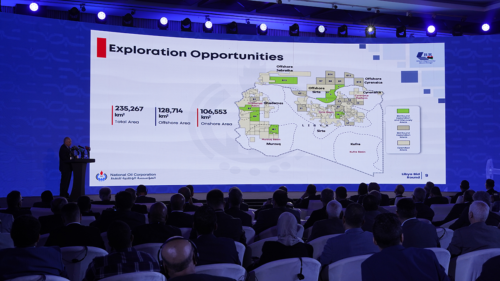
From Crude to Compute: Building the GCC AI Stack
Assessing US Policy on Post-Assad Syria & its International Integration
The Methods and Means of Greenfield Direct Investment Between China and the GCC States
This article examines the changing volume and allocations of investment flows between China and the Gulf Cooperation Council (GCC) states over the last two decades, roughly from 2003 to the present.
Soft Power in Hard Times: Pope Leo XIV’s Visit to Lebanon
MEI Senior Fellow Fadi Nicholas Nassar joins host Matthew Czekaj to share expert insights and personal reflections on Pope Leo XIV’s trip to Lebanon from November 30 to December 2. Nassar unpacks the significance of the visit, part of the pontiff’s first overseas tour since assuming office, and its potential impact on Lebanon’s untenable status quo. The conversation explores key questions, including the ability of spiritual and moral authority to compensate for the shortcomings of political leadership as well as whether Lebanon’s government will be able to capitalize on the momentum generated by this visit as the possible return of conflict looms on the horizon.
The Axis of Resistance
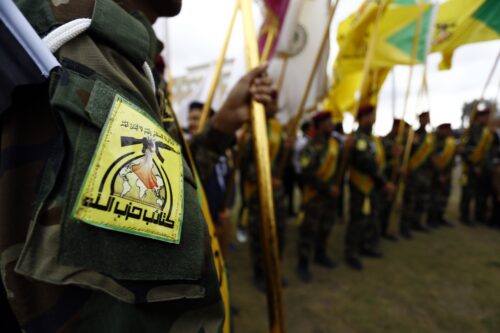
This backgrounder provides an overview of the Axis of Resistance, a loosely aligned network of armed groups and state actors led and supported by Iran to project its influence and military strength across the Middle East.
How Palestinian Roots Shaped an American Ambassador
Brian welcomes Ambassador (ret.) Theodore “Ted” Kattouf, who previously served as US Ambassador to Syria and the United Arab Emirates, as well as President and CEO of the leading nonprofit organization Amideast. Kattouf reflects on how his Palestinian-American background shaped his diplomatic career and worldview. The two also take time to honor the life and legacy of Paul Kattouf, Ted’s son and Brian’s high school classmate, who was murdered in 2024.
American commitment to foundational values must withstand assault by an individual
Two members of the US diplomatic corps who served in Afghanistan and are involved in the Afghan resettlement program call on Americans to uphold principles of justice and fairness when judging the person accused of shooting National Guard members in Washington, DC.