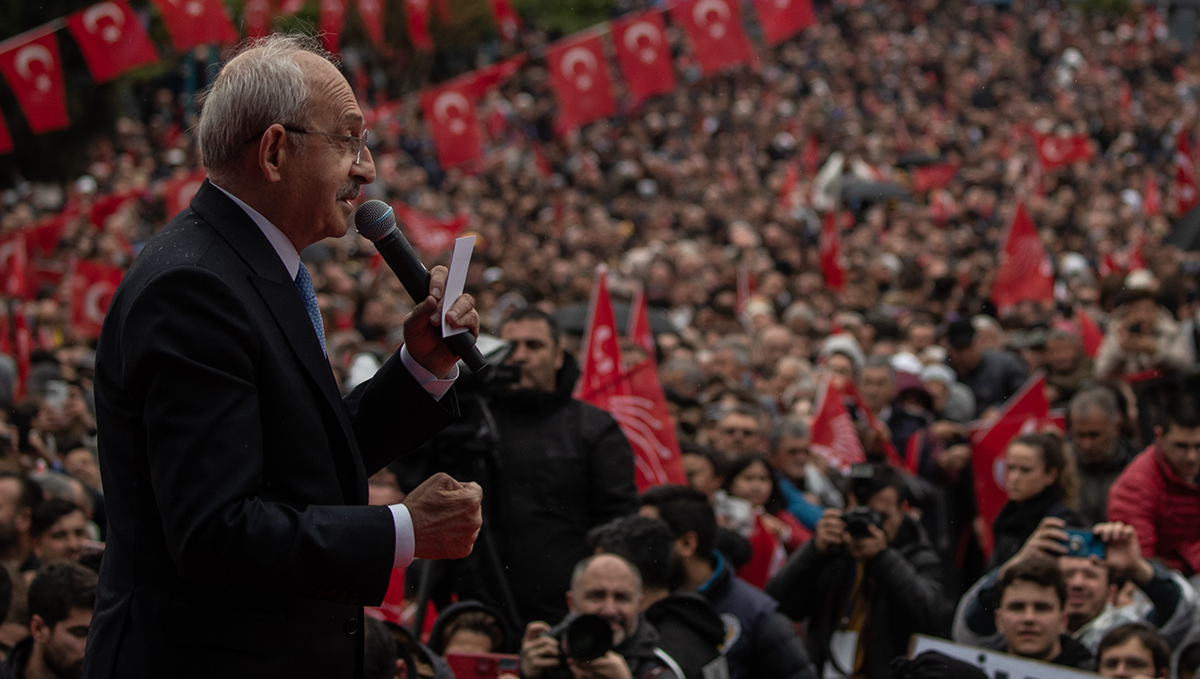
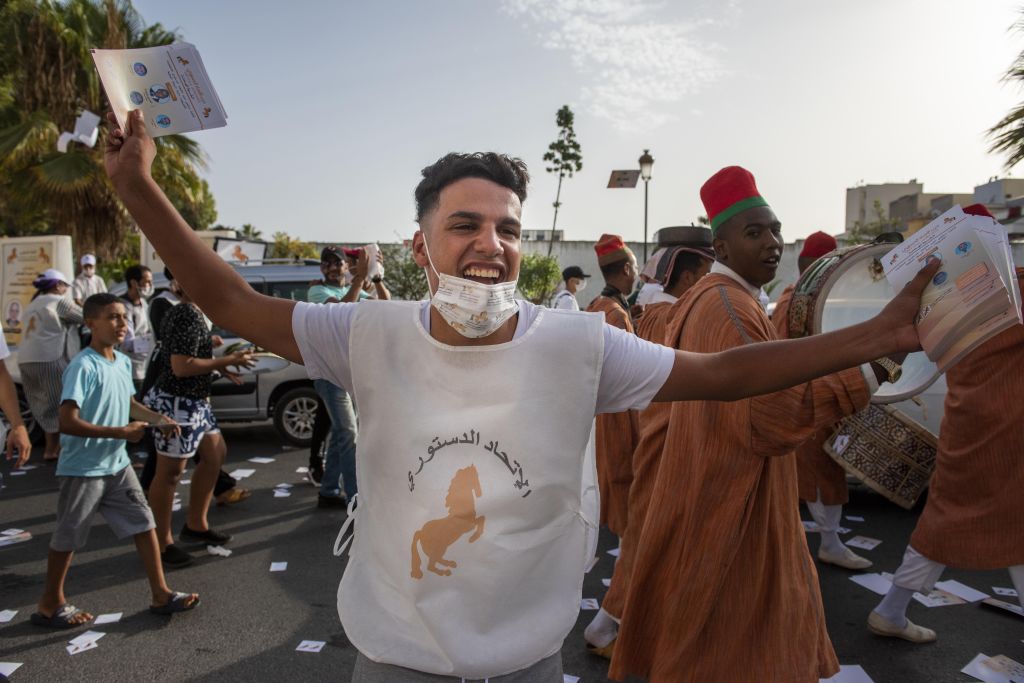
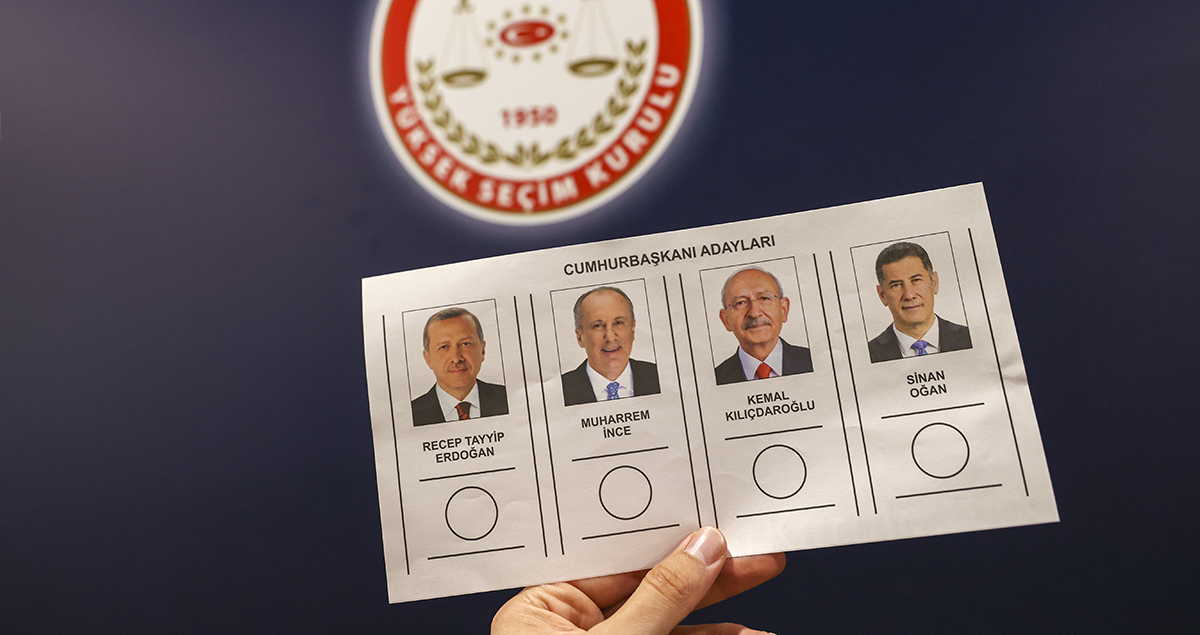
Catch up with the latest developments about Turkey’s May elections with weekly updates from MEI’s Turkey Program. In this week’s installment of Turkish Election Watch: Erdoğan falls ill, Kılıçdaroğlu rallies in an AKP stronghold, Erdoğan dials up the culture war, concerns grow over election security, and what the polls tell us.
Career advice for rising foreign policy professionals
If you’re a senior scholar, providing career advice to younger colleagues should occupy a privileged position in your portfolio. Otherwise, you’re doing it wrong, which is precisely what I was doing, until a few years ago.
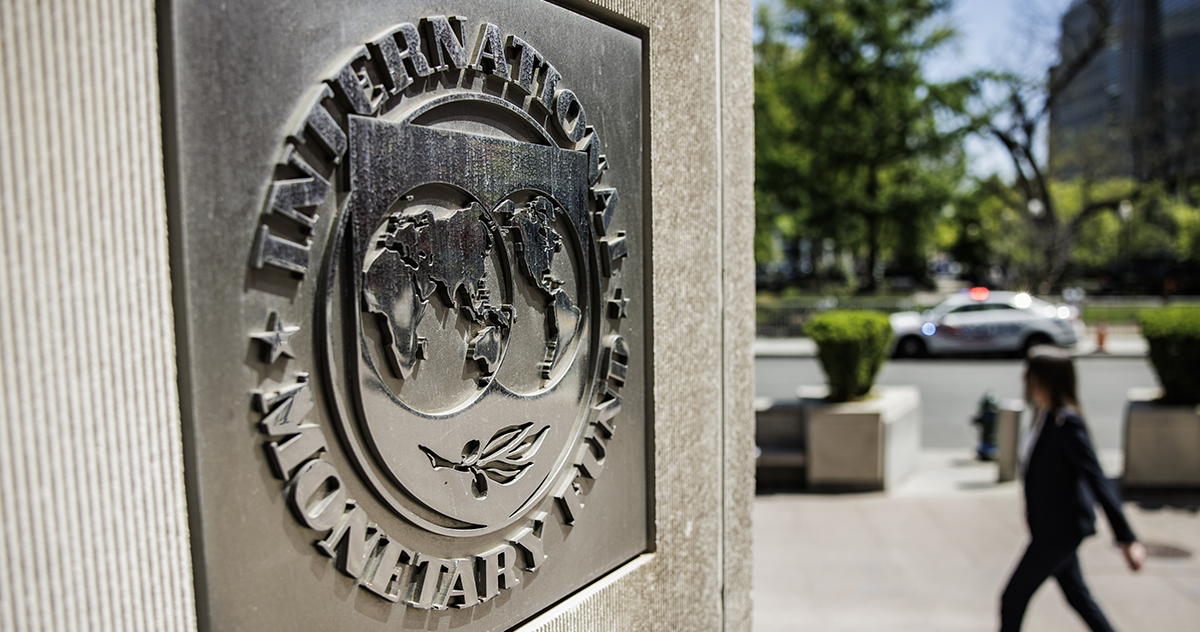
President Kais Saied’s statement during a speech on April 6 claiming to reject the conditions, or “diktats” as he called them, that come with a potential loan from the IMF has provoked debate. Reactions to the speech as well as actions taken by Tunisian officials before and after it seem to contradict its intention, causing confusion over whether the deal is still on. Meanwhile, others took the speech as a sign that Tunisia is seriously considering the possibility of alternatives to IMF financing or even a geopolitical reorientation.
A Reassessment of American Policy Toward Taliban Afghanistan
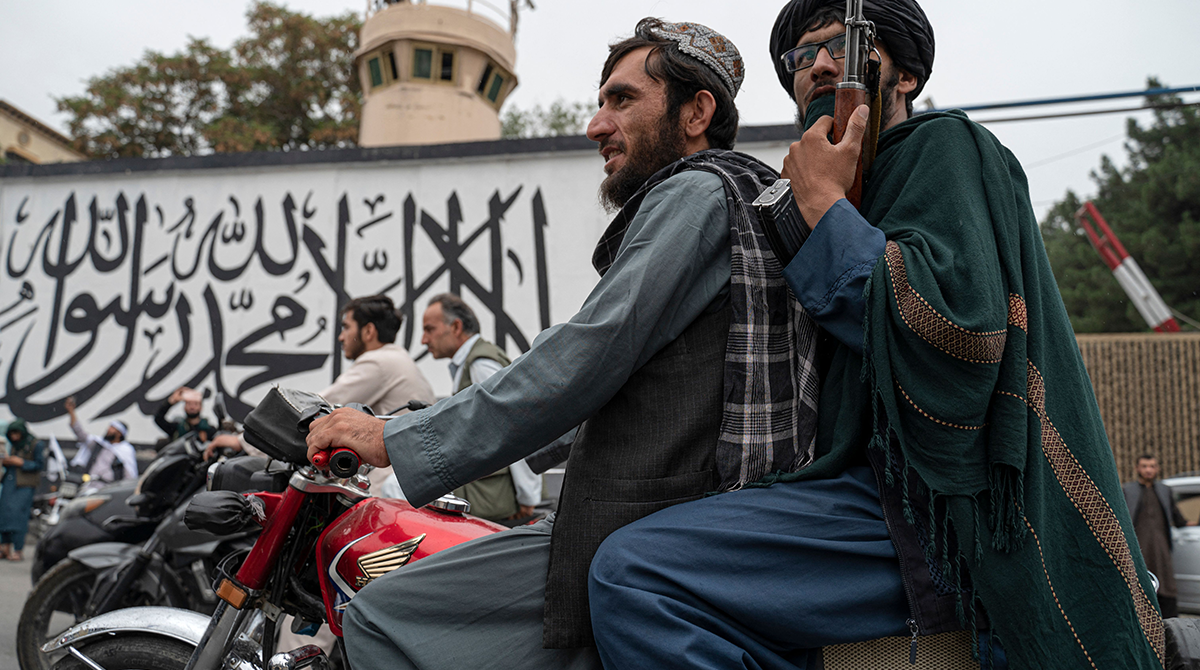
It has been long enough since the Taliban seized power in Afghanistan in August 2021 for us to reach some conclusions about how the regime intends to govern and the policy options this presents. For a variety of reasons the U.S. now finds itself drawn into several areas of policy in Afghanistan and trying to decide what form and degree of engagement with the Taliban government can best advance American interests.
Getting ahead of the Middle East’s climate refugee conundrum
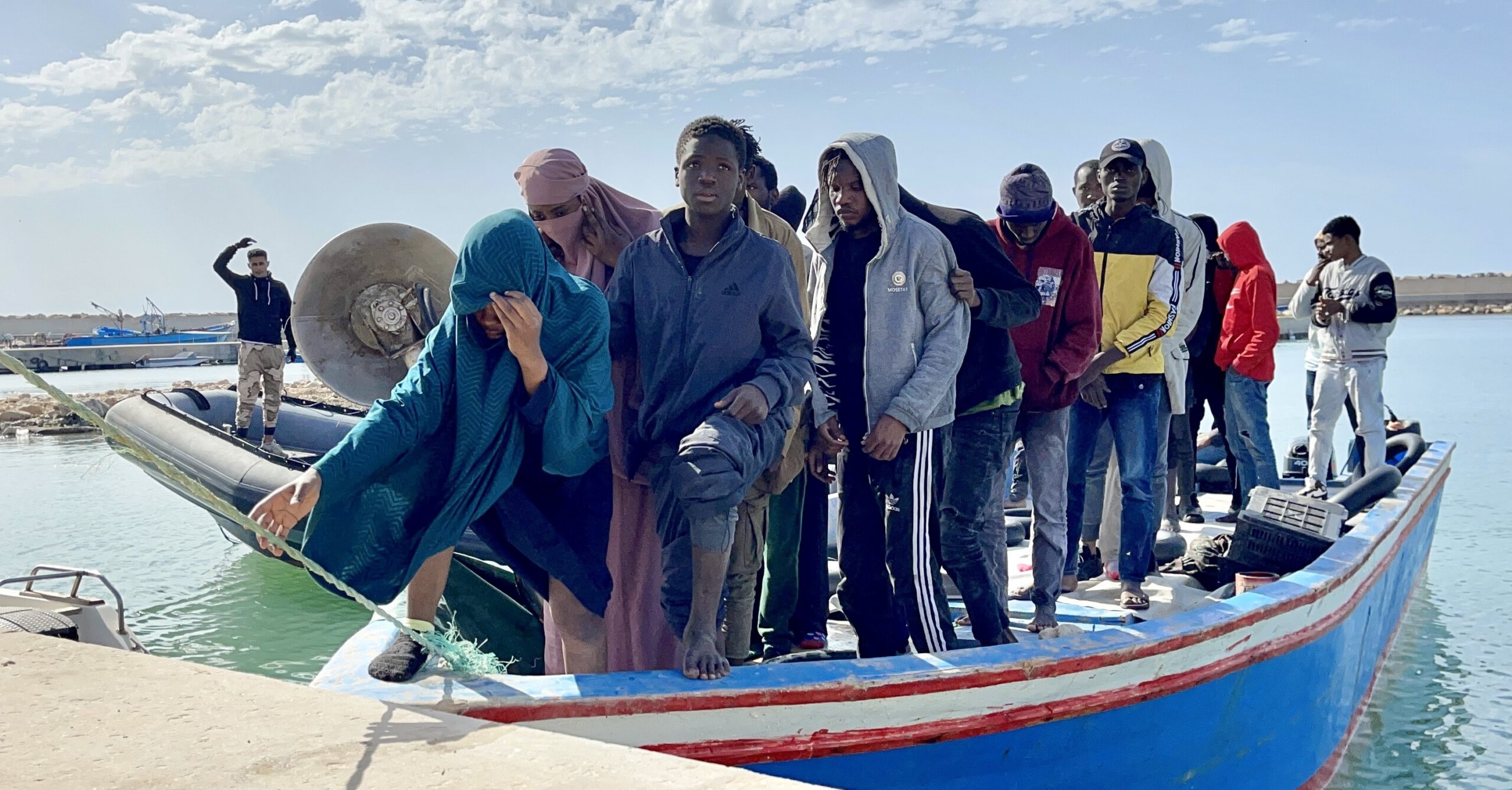
Over the coming decades, the worsening effects of climate change will increasingly displace many millions of vulnerable people in the Middle East and North Africa, and many of these refugees will attempt to relocate to the Global North. To avert such a monumental looming problem requires pragmatic solutions and their swift implementation.
What Does the US-China Tech Cold War Mean for the Middle East?
On this week’s episode Alistair Taylor, MEI’s editor-in-chief, is joined by Mohammed Soliman, director of MEI’s Strategic Technologies and Cyber Security Program, to discuss the US-China tech Cold War and what it means for the Middle East. At the nexus of great power competition and rapid technological advances in areas like semiconductors and AI, the rivalry between Washington and Beijing is fuelling a longer-term process of economic and technological decoupling. Navigating this growing divide will be a key challenge for regional actors across MENA.
Fish Farmers in the Nile River Delta: Empty Lakes and Dirty Waters
Egyptian fish farmers are facing mounting pressures: Year after year, their fish are getting smaller and less healthy, their production decreases, and they are forced to take out loans they are later unable to pay back. The Egyptian government’s recent efforts to invest heavily in aquaculture, though intended to address future food shortages, may only worsen the position of local fish farmers in the Nile Delta by exacerbating the effects of urbanization and climate change while undercutting prices.
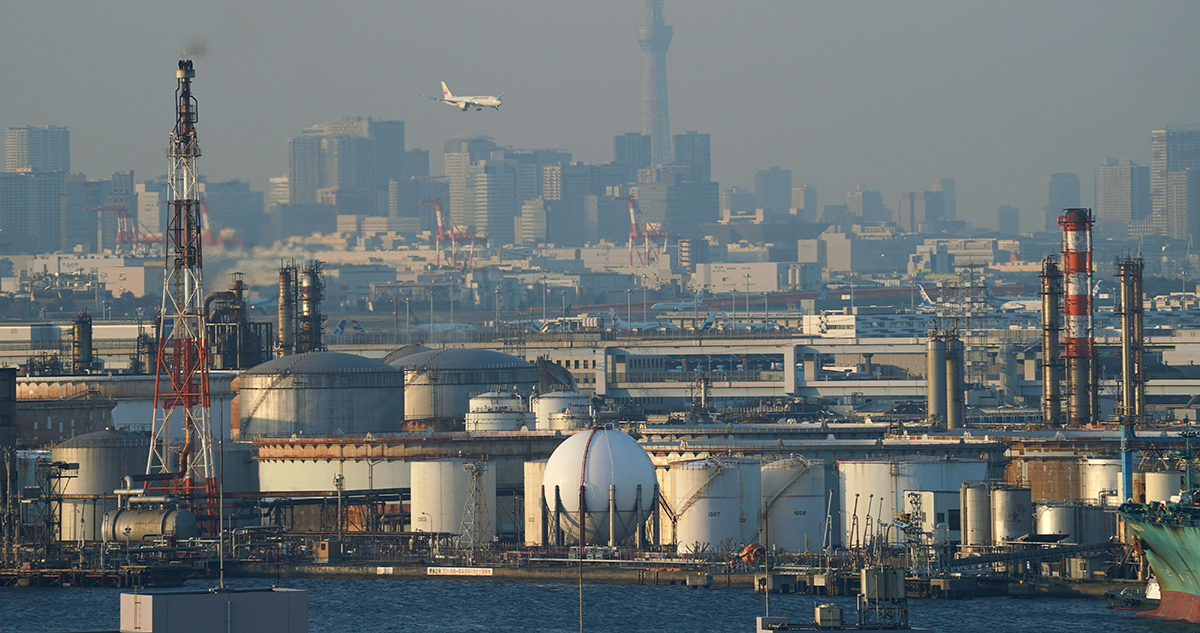
When Saudi Arabia suddenly announced in early April that it would reduce its oil production by 500,000 bpd, followed shortly thereafter by several other OPEC+ members, bringing the total cut to 1.1 million bpd, Japan was greatly concerned. In spite of Japan’s serious efforts to work toward a carbon-neutral society, the country is still heavily dependent on oil, the overwhelming majority of which comes from the Persian Gulf.
Catch up with the latest developments about Turkey’s May elections with weekly updates from MEI’s Turkey Program. In this week’s installment of Turkish Election Watch: The Kılıçdaroğlu campaign gets exciting, Erdoğan adds natural gas discount to pre-vote handouts and dials up the tension, and the top electoral body makes a surprising decision.
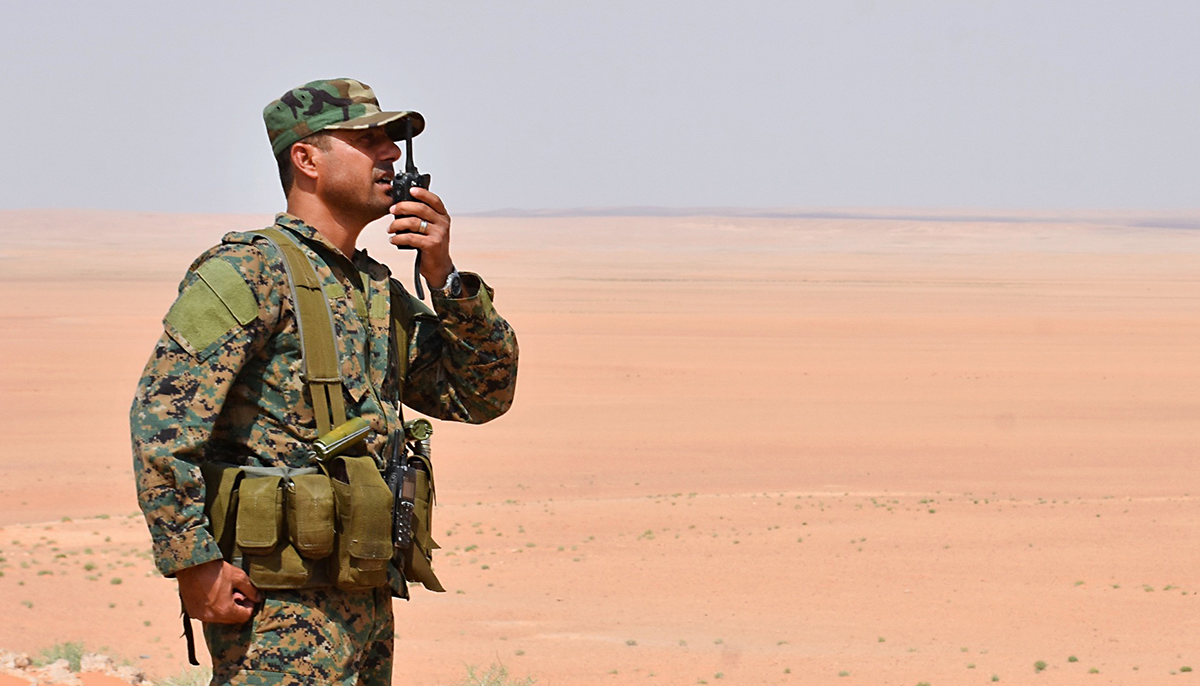
It has been an accepted fact that ISIS ceased being a territory-controlling entity in Syria after its March 2019 defeat in the town of Baghouz. Yet it is perhaps time to reevaluate this perspective on the group and its insurgent trajectory in the country. While recent massacres of civilians in central Syria have refocused some international attention on the desert region, known as the Badia, the renewed widespread battles between militants and regime security forces that have occurred in parallel to these attacks have gone unnoticed.