Perspectives from the Bonn Climate Change Conference Ahead of COP28
This year’s Bonn Climate Change Conference featured events and discussions focusing on climate issues such as adaptation, mitigation, the global stocktake, and climate loss and damage. Progress on these issues at the Bonn Conference is intended to translate into potential draft decisions to be adopted at the COP28 meeting taking place in the UAE later this year. Mohammed Mahmoud discusses the details of the Bonn Conference, how it may have shaped the MENA climate change agenda, and other major outcomes with Athra Khamis and Neeshad Shafi, two of MEI’s non-resident scholars in the Climate and Water Program that attended the Bonn Conference.
في السنوات القليلة الماضية، تغيرت التوقعات العالمية في مجال الطاقة. فقد أدى صعود السياسات الشعبوية وتزايد الشعور بضرورة اتخاذ إجراءات عاجلة بشأن تغير المناخ إلى إثارة جدل حول سياسات الطاقة في البلدان الغنية، مما أدى إلى ظهور مزيج مربك من السياسات الصناعية الجديدة. وجعلت جائحة كوفيد-19 من الصعب للغاية التنبؤ بأسعار الوقود وأنماط الاستهلاك، وأجبرت العديد من البلدان على مواجهة ارتباطاتها بسلاسل التوريد الهشة التي تشمل عدة دول وبالدول النفطية القديمة.
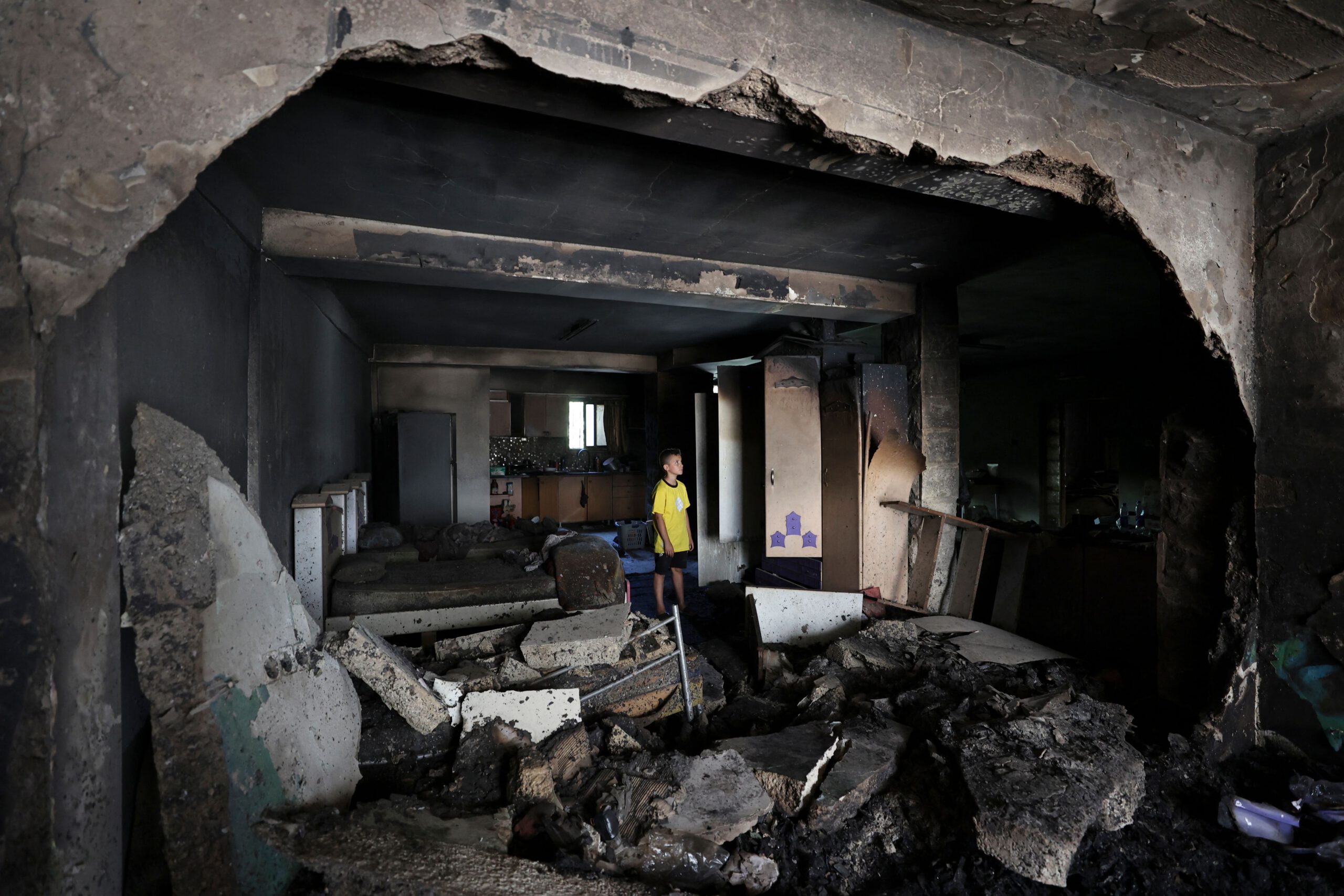
No real winners, only losers, following Israeli assault on Jenin
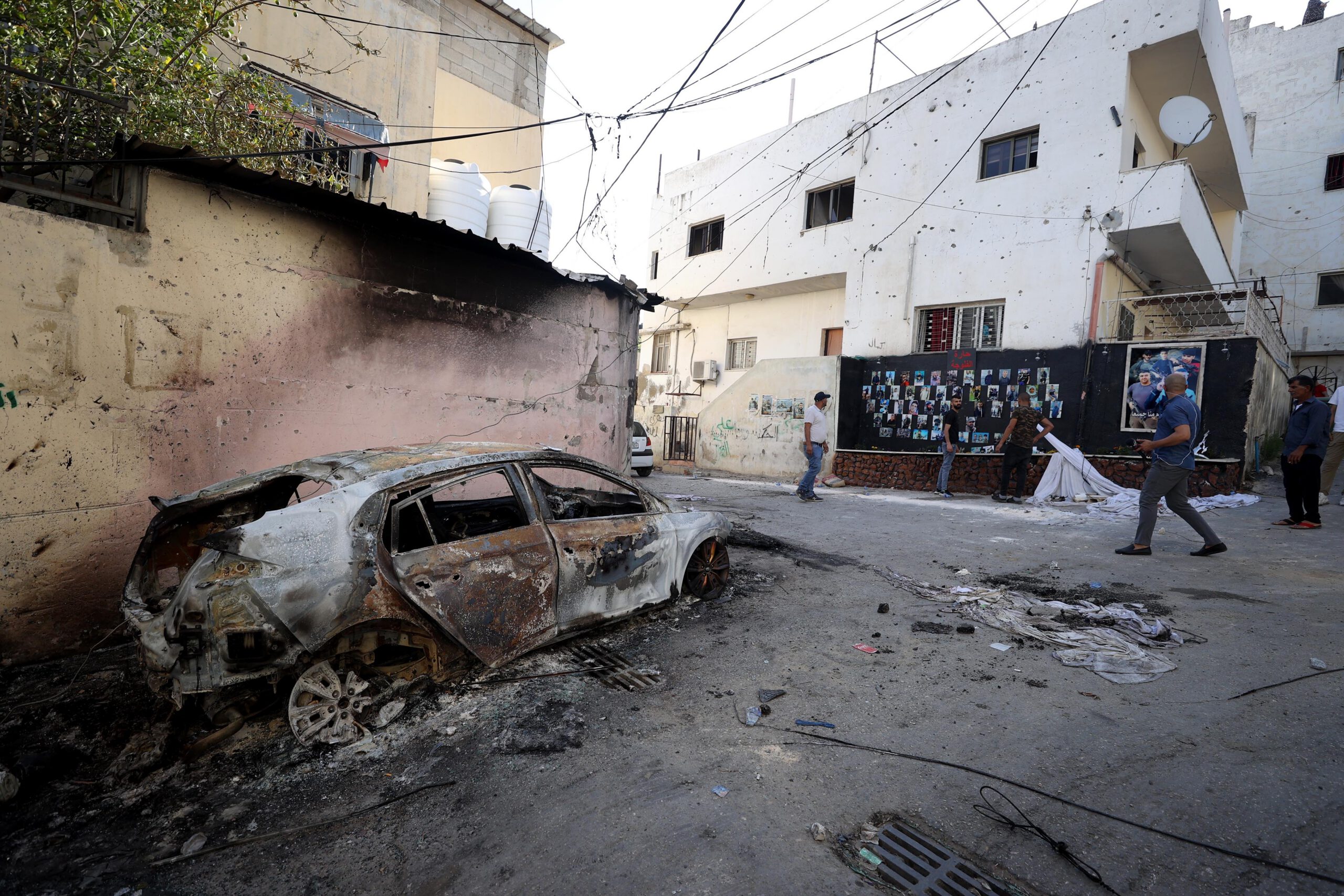
In the wake of Israel’s deadly assault on the Jenin refugee camp, the largest military operation in the West Bank in nearly two decades, Israeli military officials have been quick to declare victory. But contrary to such bluster, the attack produced no real winners and only losers.
July 4 from abroad: The many ages of America in the Arab world
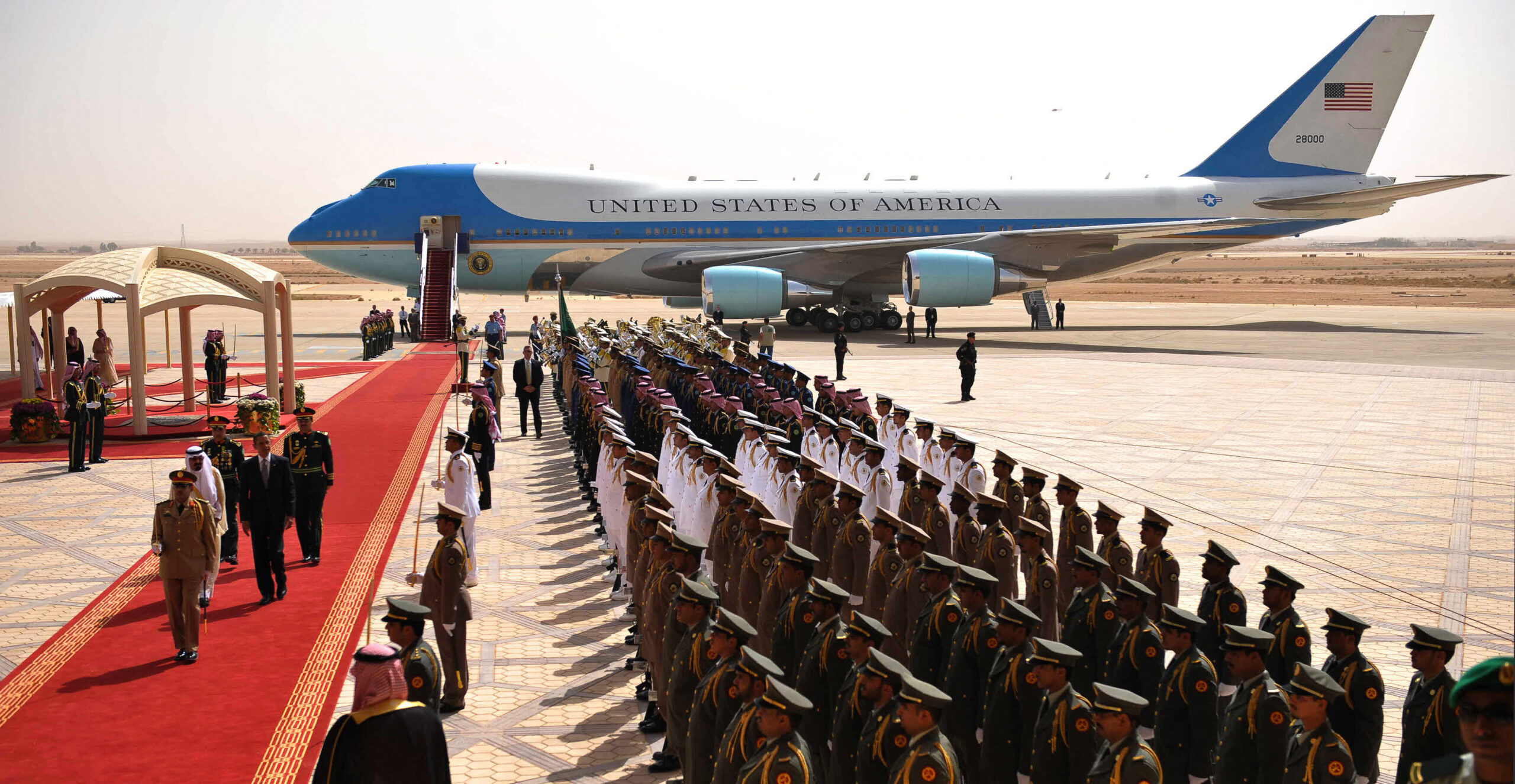
From the past century until today, the U.S. has cast a long shadow in the Middle East region and relations have gone through many highs and lows. It is important to be aware of this trajectory to better understand the relationship today; and perhaps there are lessons to inform the future of the relationship in the coming century.
Coercive deprivation: Unraveling the Assad regime’s policy on domestic reconstruction
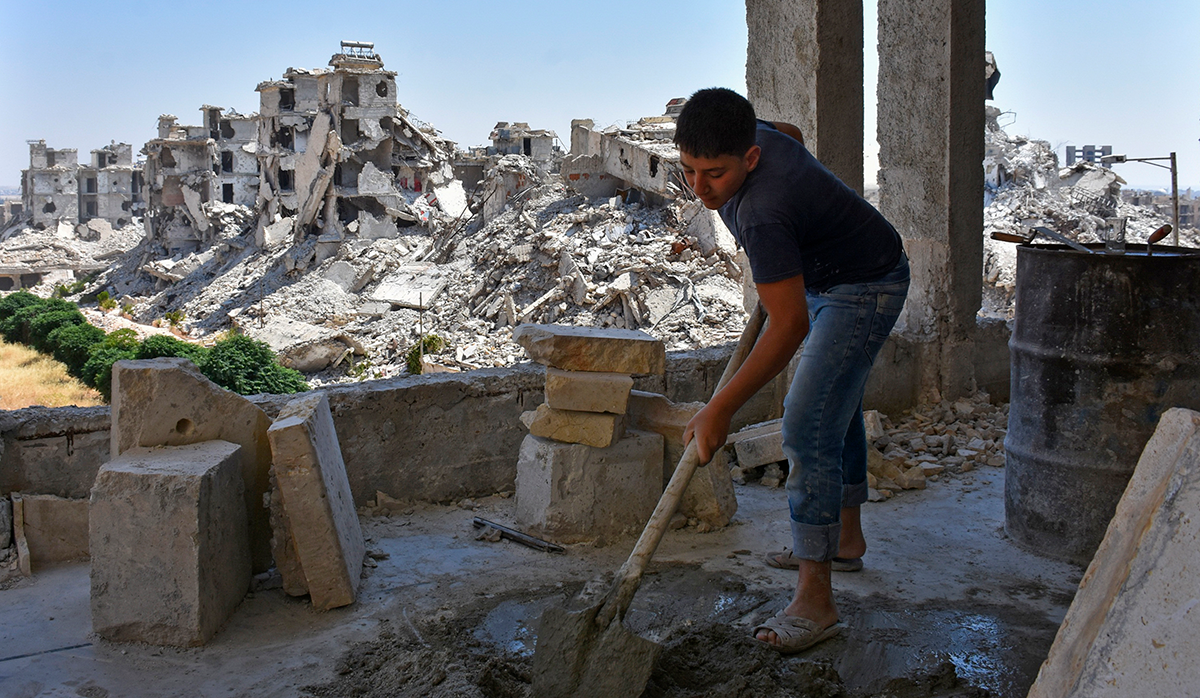
Since the early years of the Syrian conflict, the Assad regime has systematically diverted local resources dedicated for reconstruction purposes to rehabilitate facilities in areas and sectors that benefit it and its inner circle, as well as placed the burden of rehabilitating properties onto Syrians themselves. To finance this policy, the regime has exploited four key resources, including imposing multiple reconstruction taxes, diverting U.N. and INGO early recovery and rehabilitation projects, capitalizing on local-led crowdfunding campaigns, and forcing Syrians to bear the cost of repairing their own damaged properties.
The false promise of Washington’s foreign military sales reforms
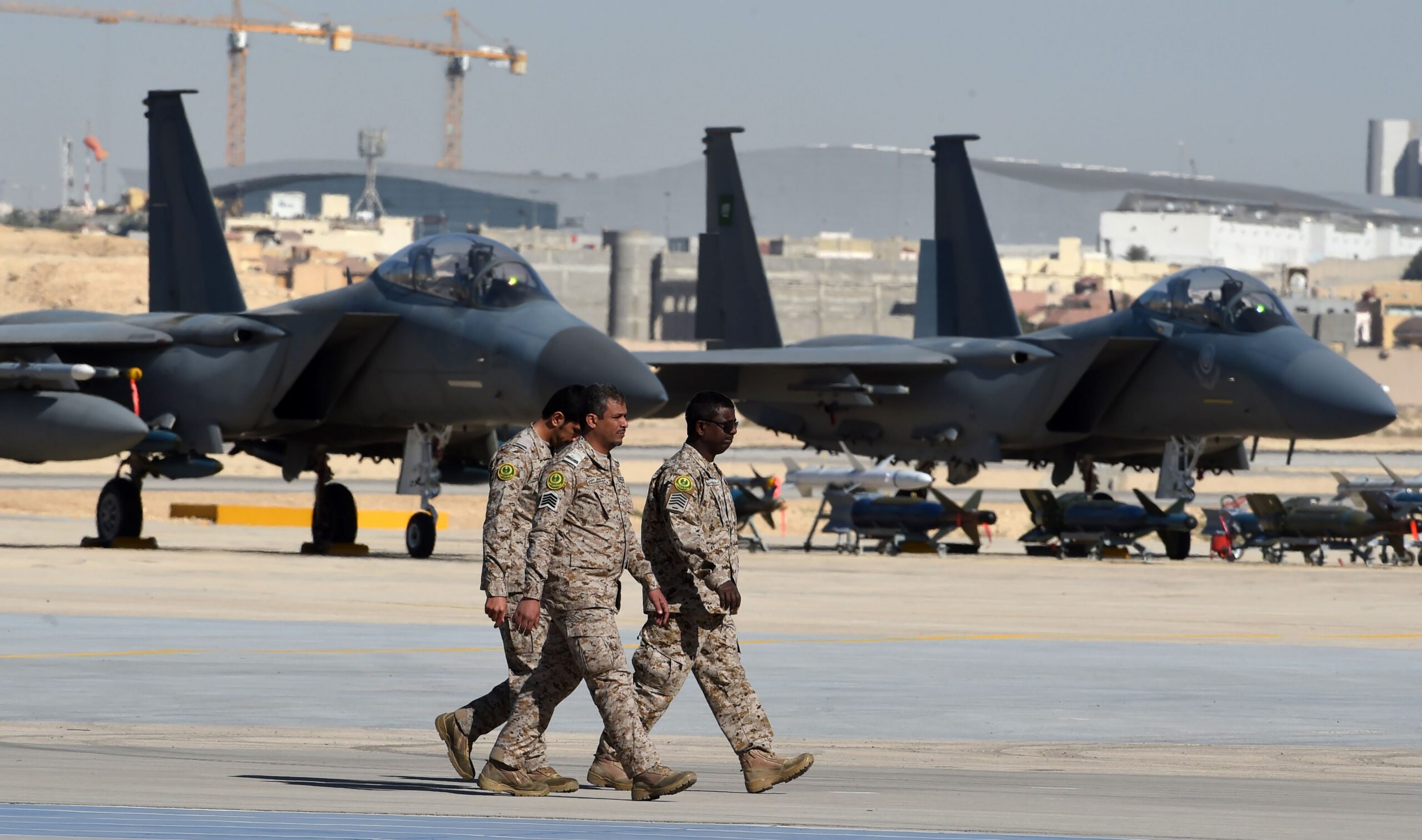
Over the past few weeks, the US State Department and the US Defense Department released separate but similar statements about the changes each organization has instituted to the Foreign Military Sales, or FMS, process. There are 80 recommendations coming out of the Pentagon, but in short, they all advocate for less bureaucracy and more speed.
Georgia the interconnector — but where’s Washington?
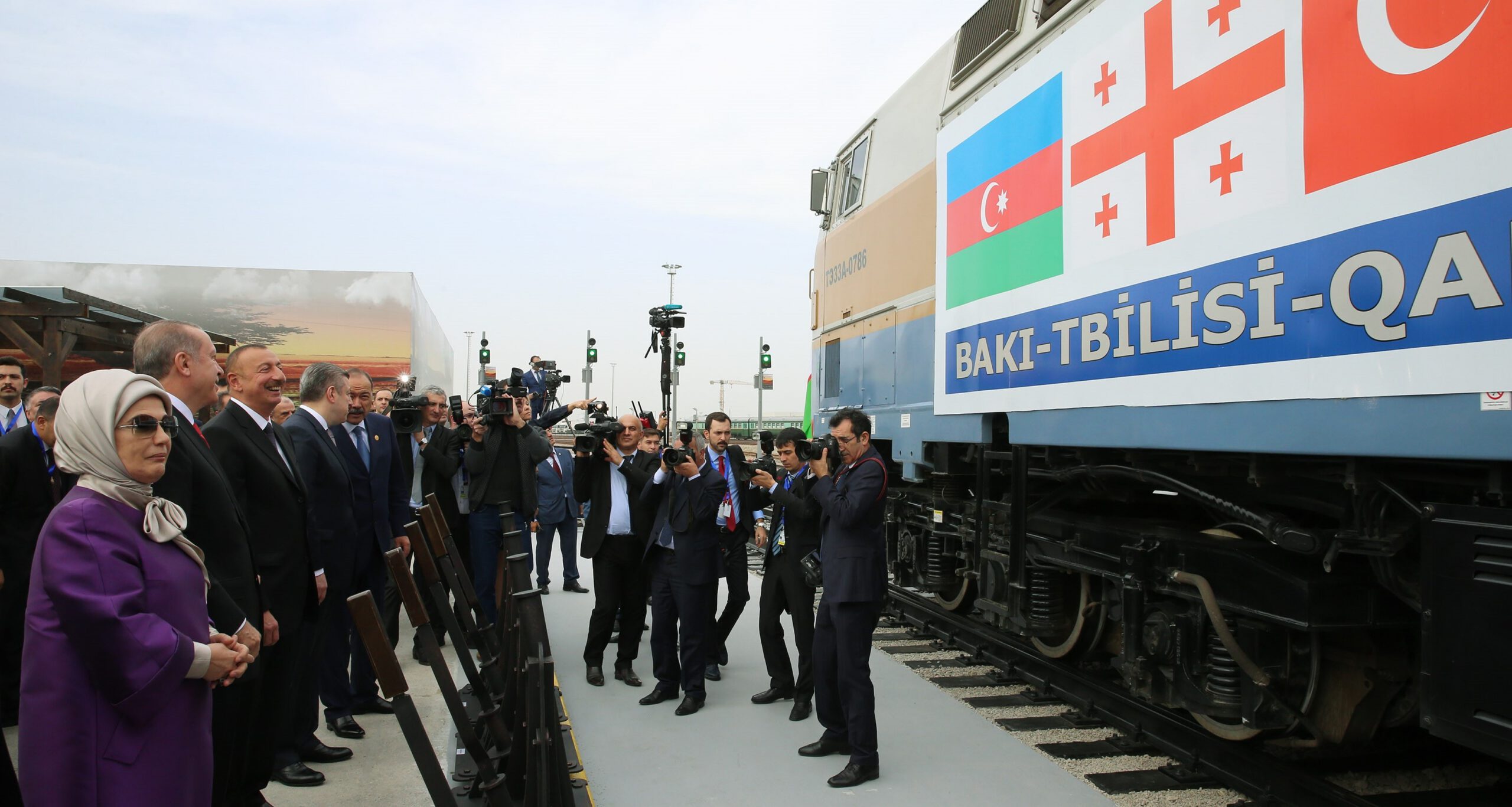
For the sake of safeguarding transatlantic — and thus also American — security interests in the South Caucasus, it is becoming increasingly imperative that the United States better anchor itself economically, politically, and militarily in the eastern Black Sea region, especially strategically placed Georgia.
Understanding the growing Indo-Israeli strategic cyber partnership
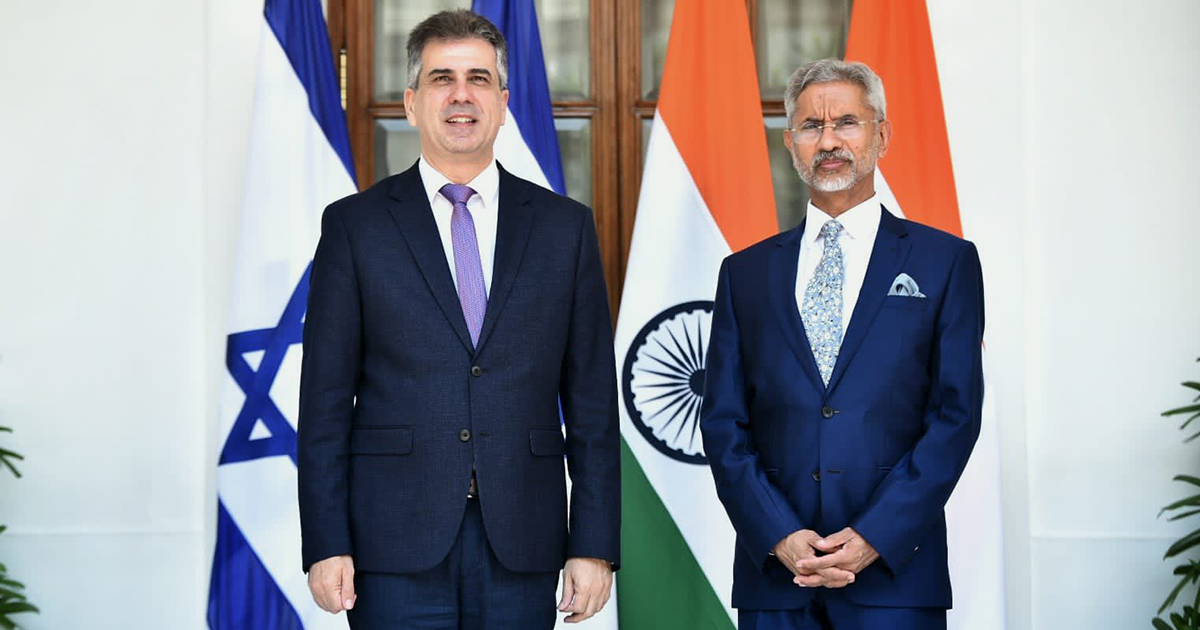
India and Israel have embarked on a mission to enhance their bilateral strategic cyber partnership. Private-sector collaboration and investment have laid the foundation for this partnership, which has now expanded to government-level agreements and frameworks.
إخفاقا الخليج المزدوجان: الابتكار وتوظيف المواطنين في القطاع الخاص
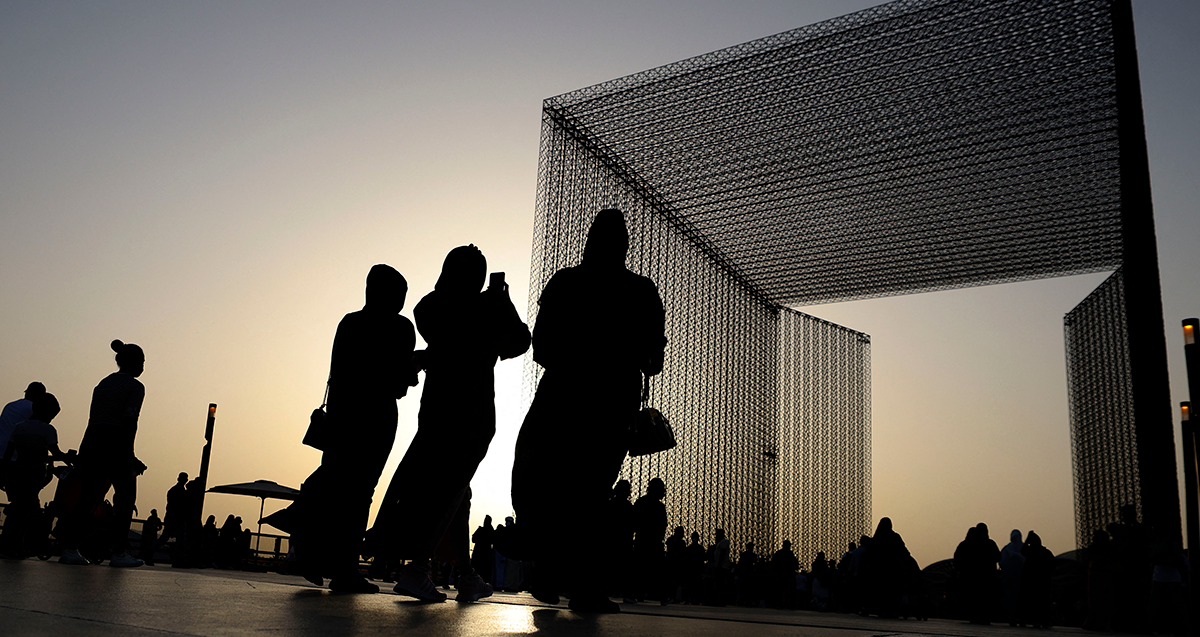
خرجت دول الخليج من الجائحة العالمية برياح اقتصادية مواتية. لكن الأحداث البارزة مثل استضافة قطر لكأس العالم لكرة القدم وإكسبو الدولي في الإمارات العربية المتحدة استمرت في إخفاء نقطتي ضعف خفيتين ولكنهما مهمتين عانت منها هذه الدول لعقود. لماذا تفتقر اقتصادات الخليج إلى الابتكار؟ ولماذا تكافح من أجل خلق فرص عمل في القطاع الخاص للمواطنين؟
Saudi Arabia can alleviate US concerns over its civilian nuclear energy program. Here’s how.
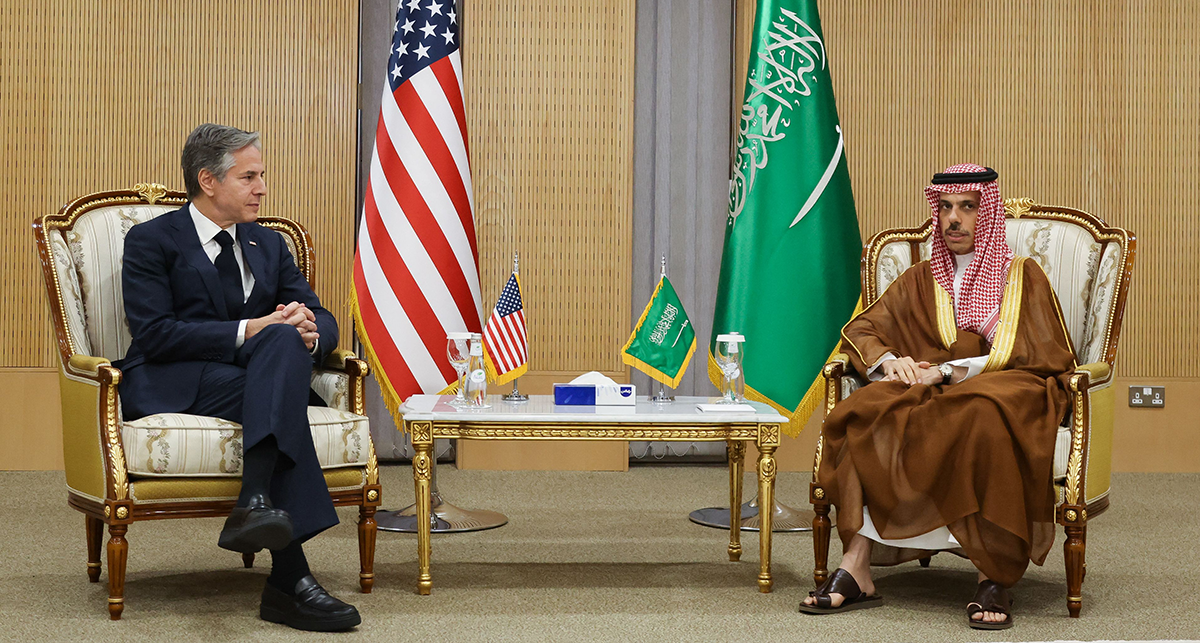
Saudi leaders have stepped up their plans for developing peaceful nuclear energy, inviting technical bids to the planned construction of two 1.4 gigawatt-electric nuclear reactors and restating the kingdom’s intention to use domestic uranium resources for producing low-enriched uranium as nuclear fuel.
Addressing challenges to tolerance and religious diversity in Iraq
Iraq has long had a troubled history with its ethno-religious minorities, one full of oppression and violence. This was true under the Ba’athist regime and continued after the 2003 U.S.-led invasion, reaching a nadir with the rise of the Islamic State terrorist group. Although Iraq is now enjoying its most stable period in the past two decades, it is also a case study of the pernicious effects of structural violence, especially toward the more marginalized and vulnerable segments of society.