Rethinking Democracy Ep. 5: Impact of Donald Trump’s Election on American Democracy and the World with Ruth Ben-Ghiat and Larry Diamond
Last month, the US electorate voted President-Elect Donald Trump back into the White House. His victory was seen by some experts as part of a global trend and a move towards anti-incumbency attitudes and populism. How will Trump’s rhetoric impact the United States domestically and internationally? Will he govern as a strongman during his second term? What can we expect to be different from his first term?
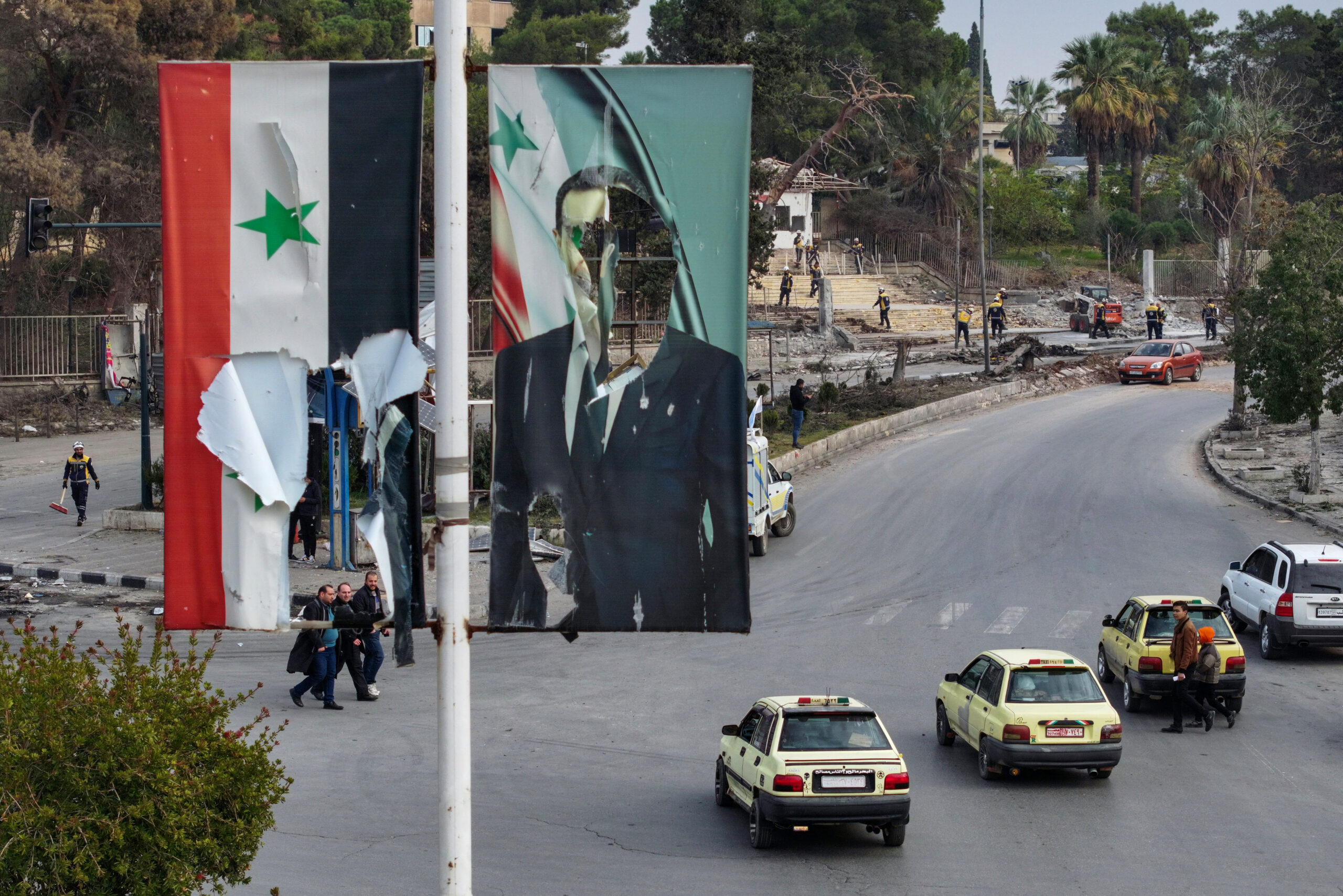
Over the past week, the future of Bashar al-Assad’s regime has been placed squarely into question.
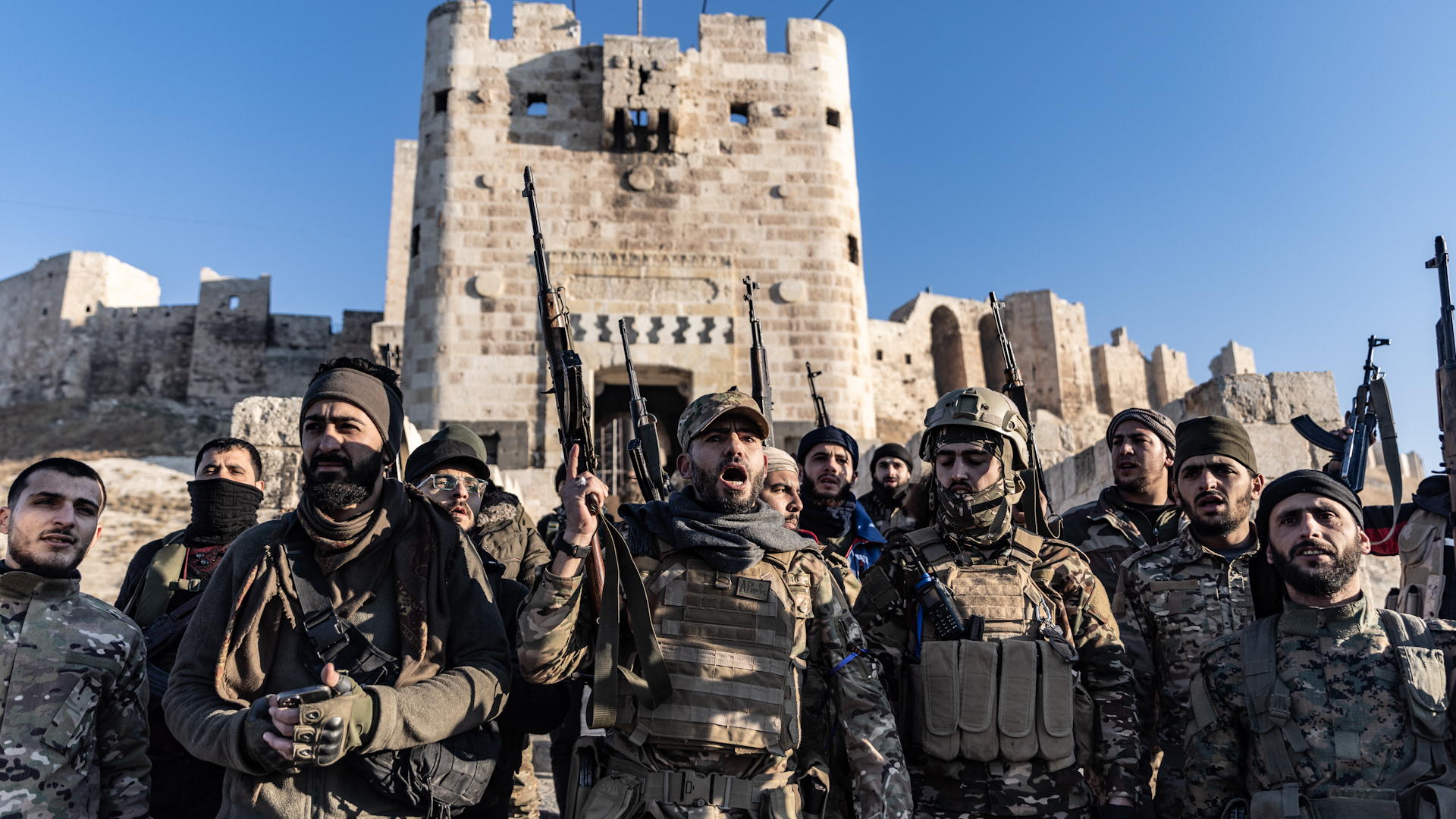
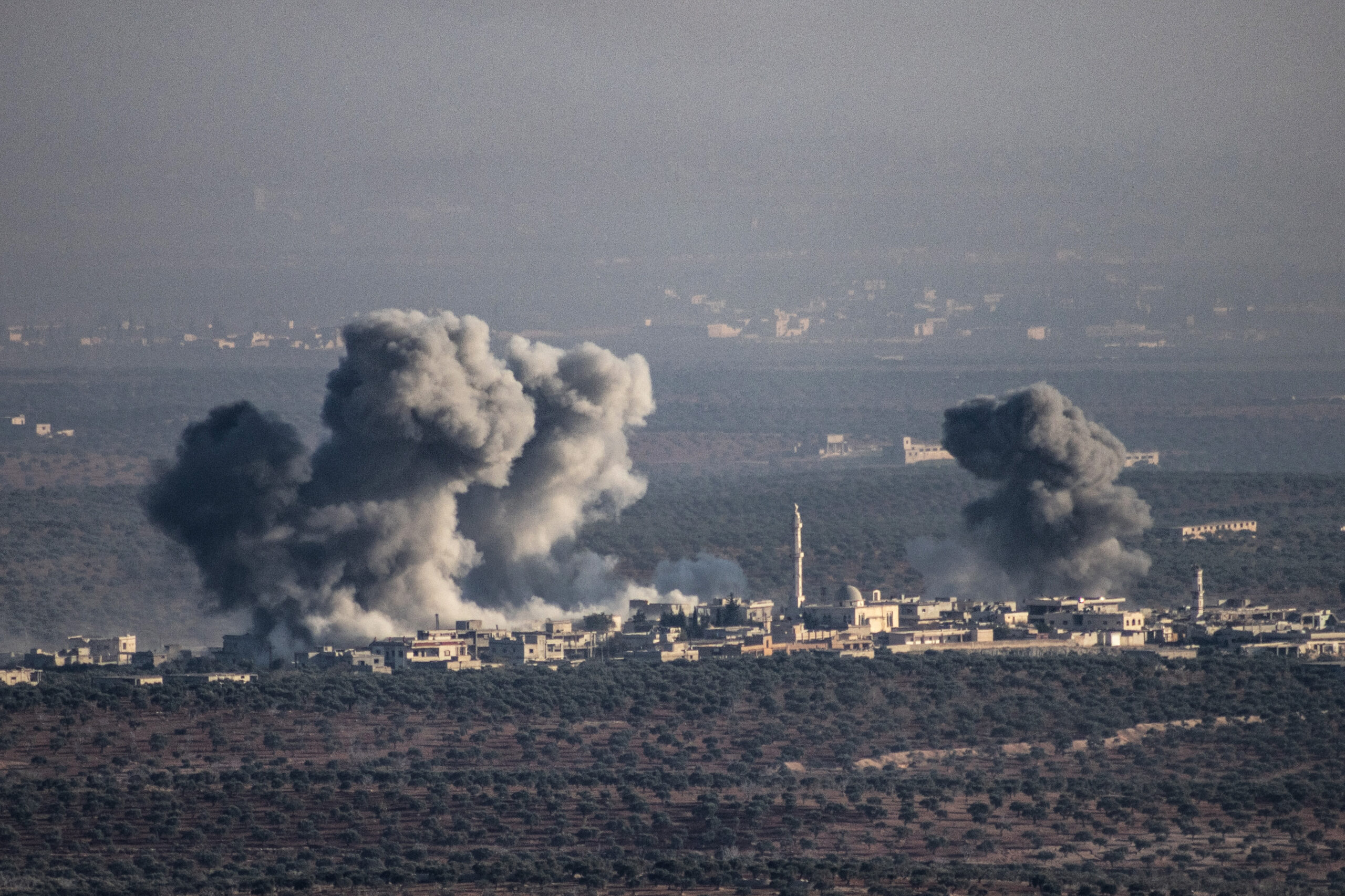
A coalition of armed opposition factions has gone on the offensive in northern Syria, capturing some 250 cities, towns, and villages and more than doubling the territory under its control. Syria’s second-largest city of Aleppo was captured in 24 hours, as Syrian regime front lines collapsed one after the other. After nearly five years of territorial lines of control being frozen across the country, these are dramatic, game-changing developments.
The Outlook for Energy Demand Growth in the Middle East and North Africa: Regional Supply as a Critical Driver of Demand
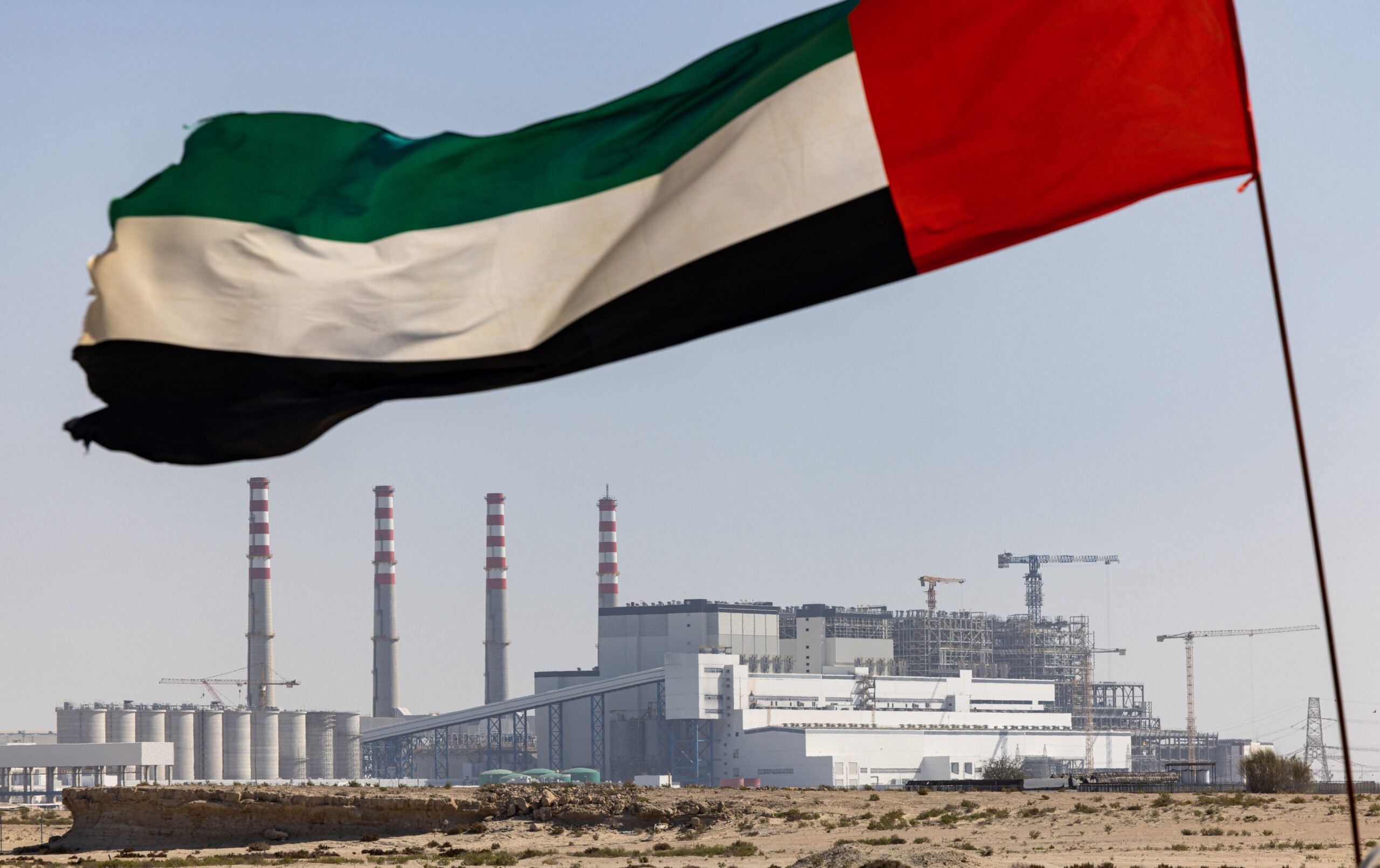
The Middle East and North Africa is typically viewed from afar as a region of major energy exporters rather than consumers. Consumption patterns vary significantly within the region itself, but a variety of factors warrant giving its energy demand much closer attention than it generally receives on an international level. The range of factors that will determine the changes in demand from every country in the region, each with their respective intricacies, are far too numerous to examine in the space of this study. However, many of the key drivers that are expected to have a broad impact on shaping the evolution of regional demand to the end of the current decade deserve critical review.
The Outlook for Energy Demand Growth in the MENA Region
The MENA region is set to experience substantial growth in demand for energy during the remaining years of the present decade. Factors driving this growth vary enormously by sub-region and individual country, but there are broad similarities in the forms of both primary and final energy demand growth that are expected to materialize by 2030.
In only six days, a broad coalition of advancing opposition forces coordinated by Hayat Tahrir al-Sham has captured all of Idlib province, almost all of Aleppo province, and a sizeable stretch of northern Hama — a humiliating defeat for Bashar al-Assad and illustrative of the fragility of regime rule in Syria.
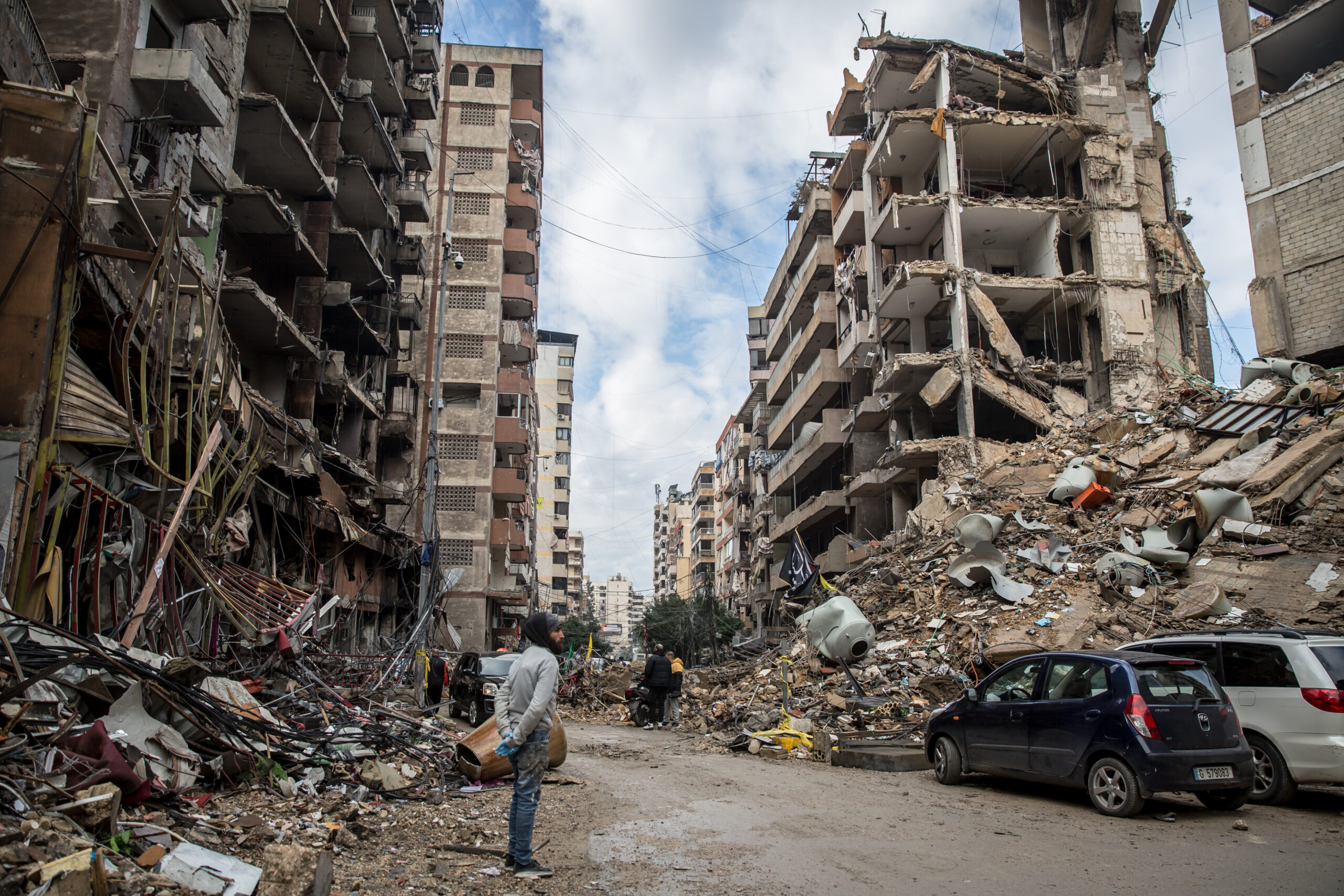
Putting Lebanon back on the path of statehood and economic recovery is not only an urgent necessity for the Lebanese but also a step toward building a more peaceful and prosperous Middle East
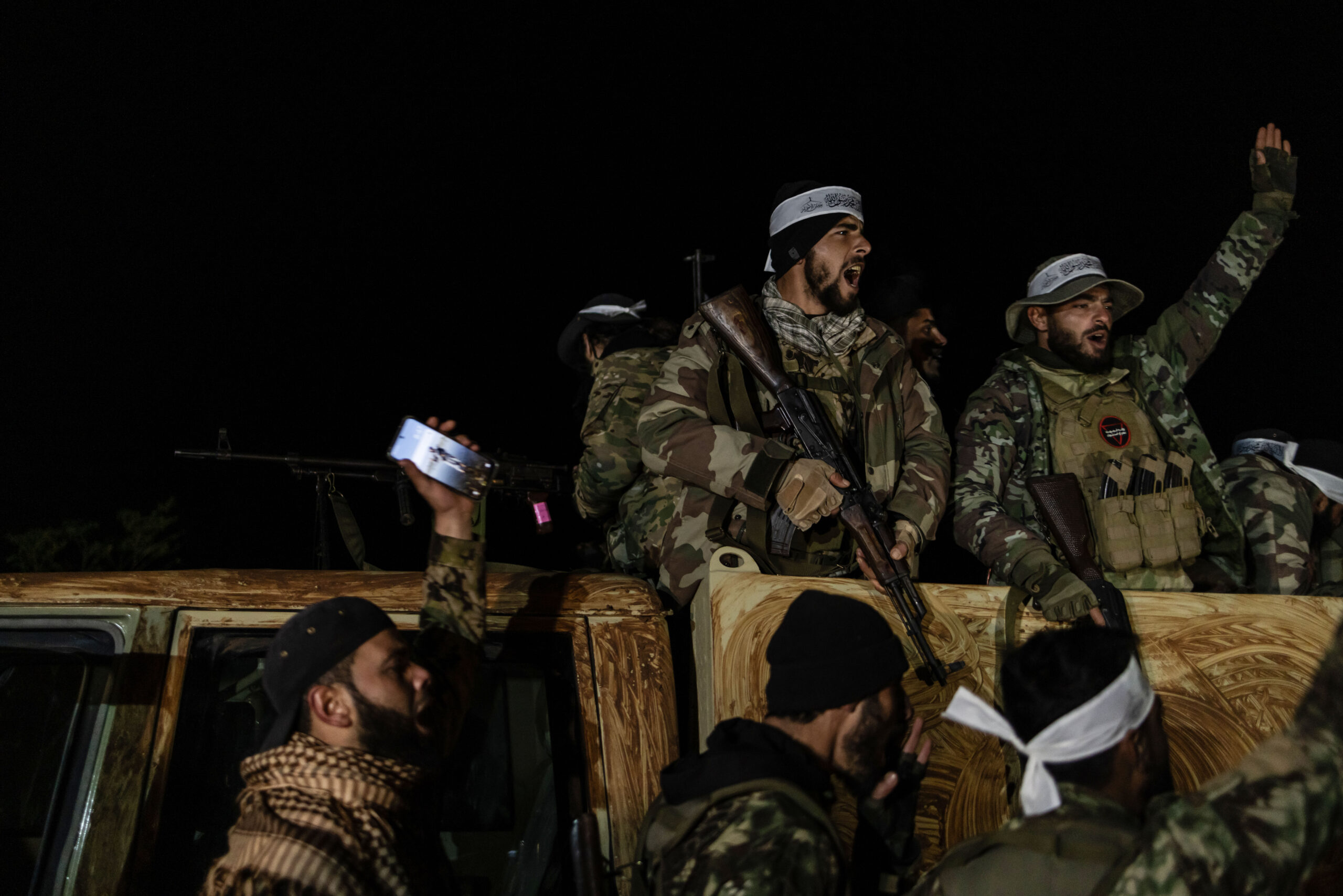
Since March 2020, Syria’s conflict lines have been frozen, as Russia, Turkey, Iran and the United States held together a series of ceasefires and security understandings. That all changed this week, when a broad coalition of armed opposition groups launched a surprise and daring offensive west of Aleppo city.
Dilemma for Joe Biden in dying days of his presidency
As they sweep across northern Syria, the advancing rebels are posing fundamental questions not just for the regime of Bashar al-Assad, but for watching neighbours and Western leaders.
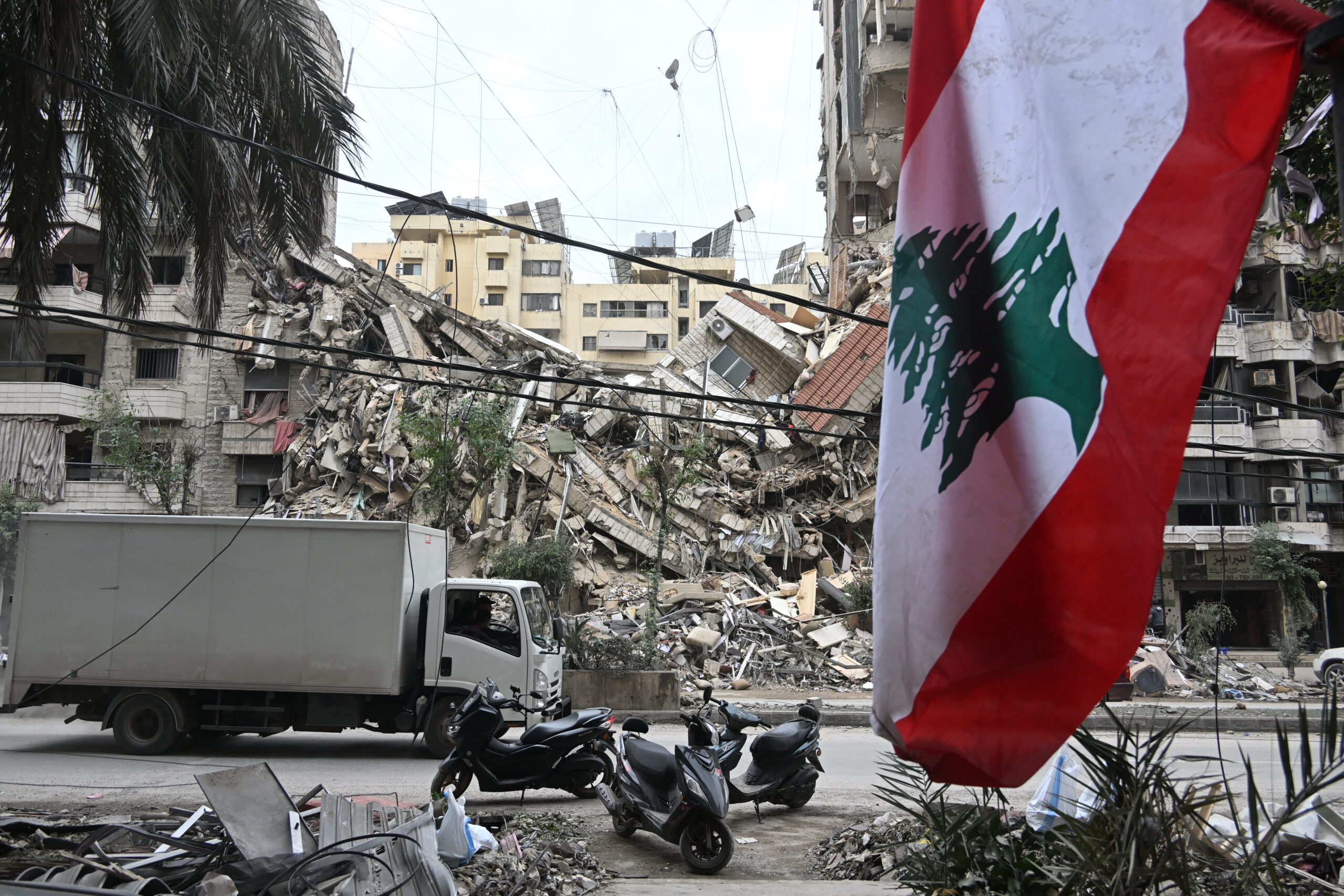
Last week, as I made my way to Beirut airport, I drove through bombed out streets in an empty city. The Lebanese national airline still bravely flew in and out, its planes weaving their way between Israeli airstrikes. I boarded my flight to attend a conference, hoping we would make it out safely. I left behind a population that had paid a very heavy price for 13 months of war between the Lebanese militant group Hezbollah and Israel: thousands of dead and injured, thousands of homes and businesses destroyed, and over 1.2 million displaced.
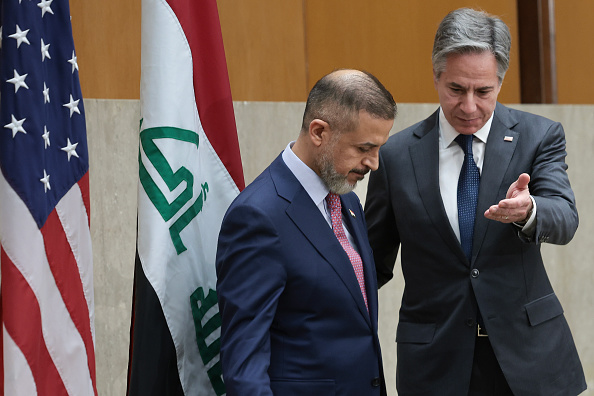
US success in Iraq means being a more reliable partner than Iran
There is no quick path to limiting or reducing Iranian influence in Iraq. Tehran will react fiercely to American efforts to destroy the militias and zero-out its influence, and it would have multiple avenues to escalate through the porous 900-mile-long border between the two countries. Moreover, domestic Iraqi reaction, especially among elements of the Shi’a population, would be reticent at best and hostile at worst to intensified American military actions. Nor should it be an American goal to stoke a civil war among Iraq’s Shi’a that would give Iran new access points.
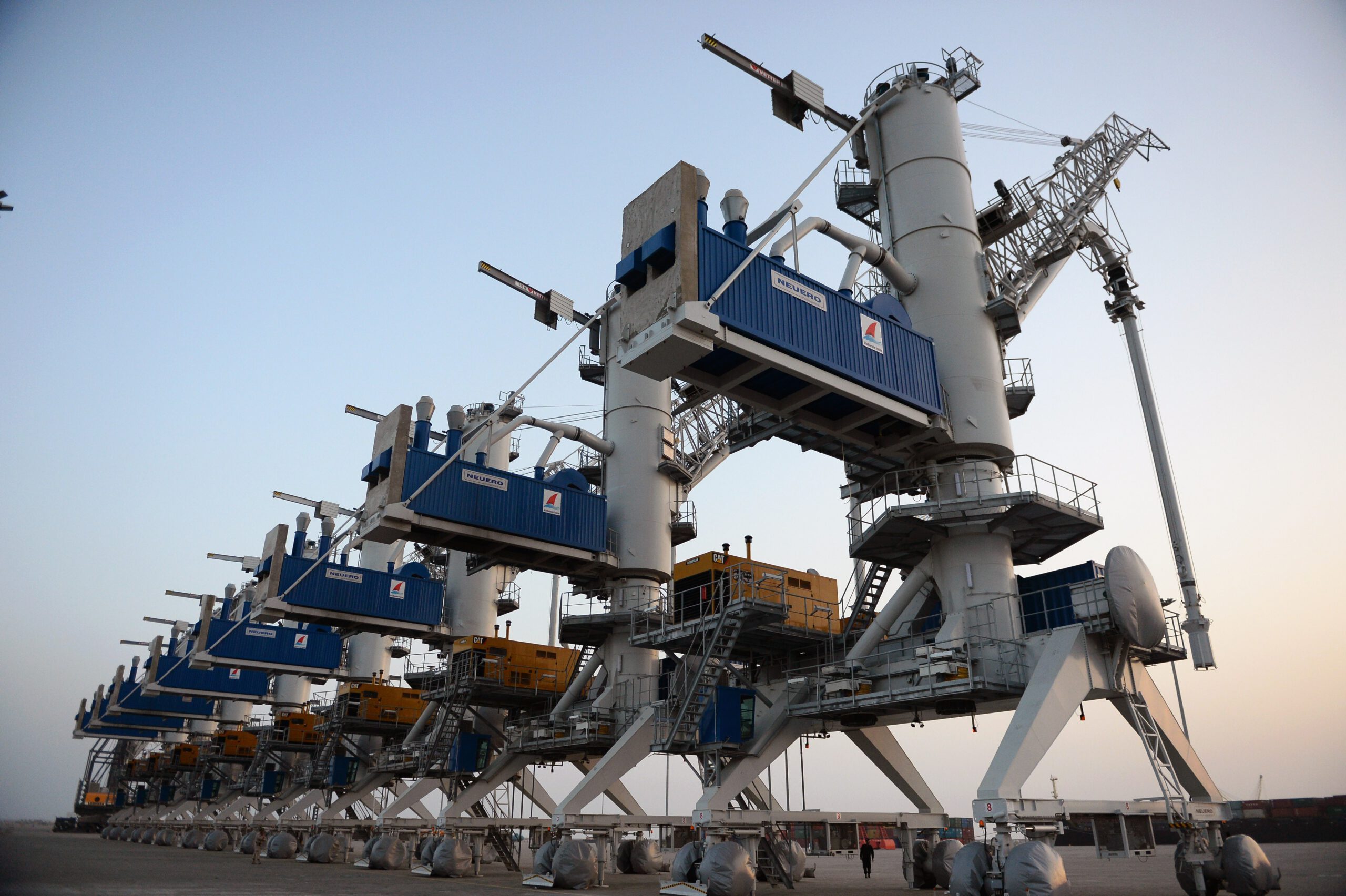
Persian Gulf-Black Sea corridor: A new era for Iran-Europe trade or just another risk?
The Persian Gulf-Black Sea International Transport and Transit Corridor, which Tehran proposed eight years ago, remains relevant today in the context of strategic competition, as it offers Iran and participating countries an alternative trade route that bypasses traditional Western-dominated shipping lanes, potentially reshaping regional economic dynamics and geopolitical influence.