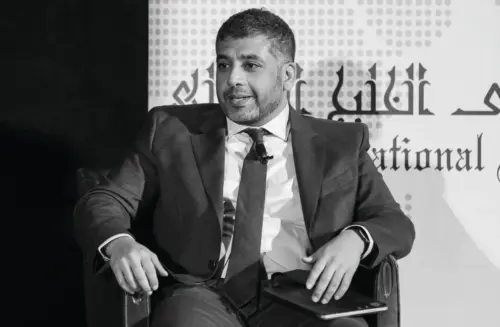
Dr. Marwan Muasher: Has the Middle East Really Changed?
Have October 7 and the Iran war remade the Middle East, or just made it more dangerous? In the first episode of Re-Orient, Gönül Tol puts that question to Dr. Marwan Muasher, Jordan’s former Deputy Prime Minister and Foreign Minister. Muasher draws on his extensive career to unpack the key issues driving today’s Middle East, from regional alignments to US influence, and offers insights on what has the potential to shape this volatile part of the world.
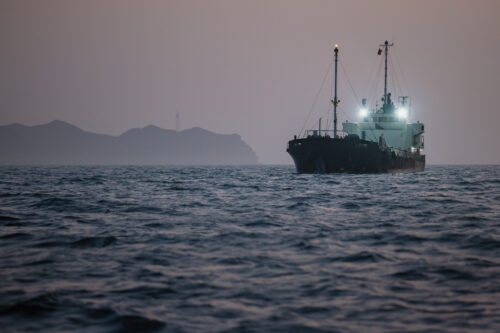
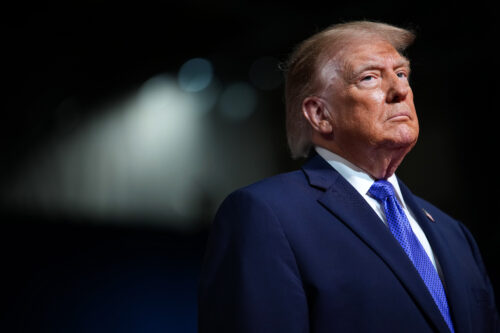
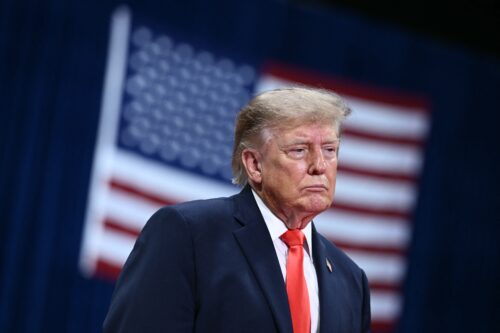
President Donald Trump’s next move on Iran should follow from what he actually wants, and with his legacy at stake, the choice matters. If the ultimate goal is regime change through internal collapse, the logic points to a long squeeze: tighter enforcement of the economic blockade and periodic military strikes to limit Iranian actions in the Strait of Hormuz, a campaign that might outlast his presidency. Whether by design or by drift, that is roughly the course Washington is on today.
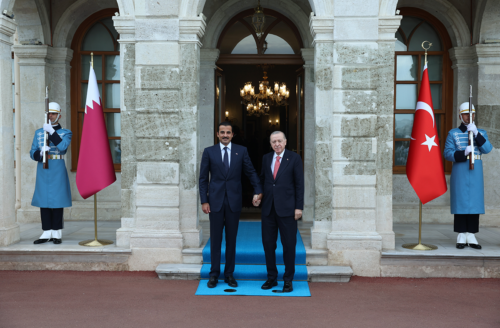
Qatar’s Turkish Security Hedge Exposes the Limits of America’s Guarantee
Qatar’s new mutual defense pact with Turkey reflects Doha’s effort to hedge against the limits of its US security guarantee, which failed to prevent Iran’s strike on Ras Laffan, but no partner can remove Qatar’s dependence on the Strait of Hormuz.
Recalibrating the Gulf Economic Model After Iran: Different Vulnerabilities in the Quest for Strategic Security
The war with Iran is forcing a fundamental shift in the Gulf economic model: from diversification built around growth and global integration toward diversification built around resilience and strategic security. The crisis has exposed sharply different vulnerabilities across the GCC, particularly in hydrocarbon exports, trade routes, and fiscal capacity. Rather than reversing economic transformation, it is likely to strengthen the role of the state in directing capital toward critical infrastructure, energy security, and risk reduction.
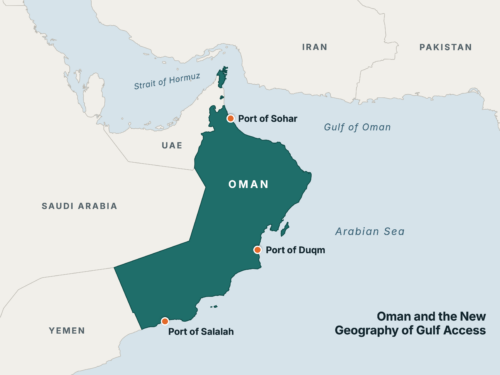
For decades, Oman’s location has been both an advantage and a liability. Its access to the Indian Ocean has given it a maritime reach beyond the Strait of Hormuz, while leaving it on the periphery of the Gulf’s economic boom, dominated by its larger neighbors.
Trump’s Midterm Loss Opens a Window for Iran Diplomacy
Eight months after launching the war alongside Israel, Trump has yet to explain what an American victory would look like or how much longer the United States must keep fighting to achieve it. While Americans opted to vote for the Democratic Party, which is preparing to challenge the logic of the war, Trump retains much executive power to stay in the war. Going forward, this means the political risks for him and his party will be high.
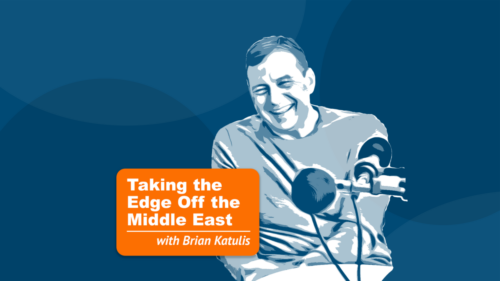
Brian is joined by His Excellency Talal Al Rahbi, the ambassador of the Sultanate of Oman to the United States of America, to discuss what it means to represent the “Switzerland of the Middle East” and the role of Oman’s quiet diplomacy. He also reflects on growing up during Oman’s transformation, his time spent in the United States, and why the two nations’ long-standing partnership matters today.
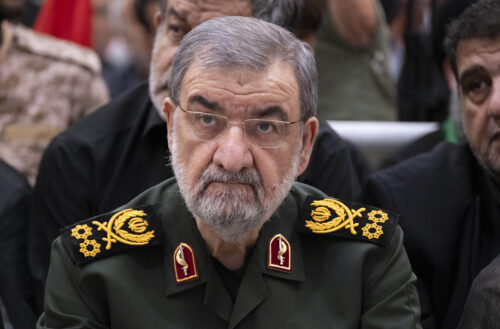
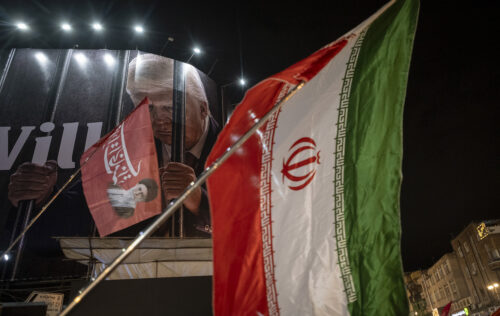
After decades of political setbacks, Iran’s former Revolutionary Guards commander has returned to the center of power. Is he an incidental beneficiary of war, or have observers underestimated him all along?
The Unavoidable Neighbor: Managing Iran Beyond the War
Gulf states and their partners are increasingly looking beyond their most immediate interests of containing the war with Iran. While recent talks between Saudi Arabia, Turkey, Pakistan, and Iran have kept de-escalation on the agenda, a broader regional security framework and non-aggression pact has also emerged, envisioning a longer-lasting solution to regional conflicts. The talks have yet to produce a settlement, but they reflect a growing recognition that Gulf security cannot depend entirely on Washington. Iran will still be there, and its neighbors will have to find ways of living with it.
US Bases in the Gulf Have Lost Their Sanctuary: What Comes Next?
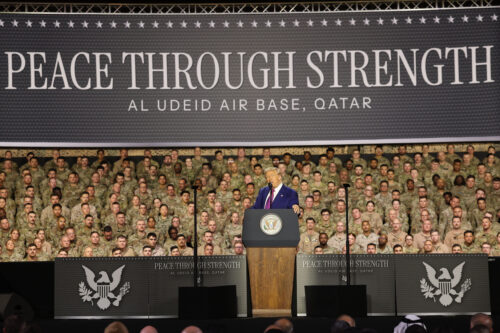
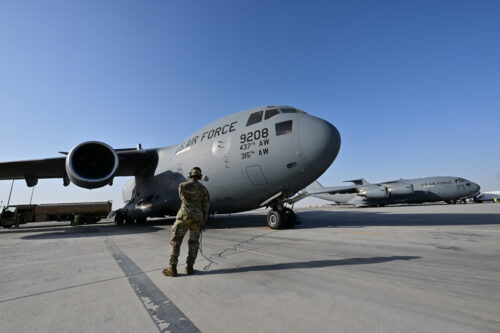
For four decades, US bases in the Gulf, including Al Udeid Air Base in Qatar and Naval Support Activity Bahrain, served as relatively safe operational hubs from which Washington could project power. The Iran war has shattered that assumption, as strikes damaged facilities, disrupted operations, and exposed the vulnerability of the infrastructure underpinning US power.
Recent Elections and What They May Mean for the Middle East
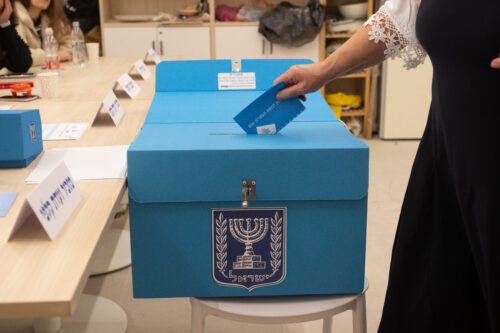
Recent elections for the Israeli Knesset and American Congress may make less of a difference in the Middle East than some people think. Elections are significant indicators of national political trends, but do not always translate into changes in national security strategies. That is likely the case now in both nations.
The oldest peer-reviewed publication dedicated to the study of the modern Middle East, MEI’s flagship journal covers politics, society, and culture in the region.