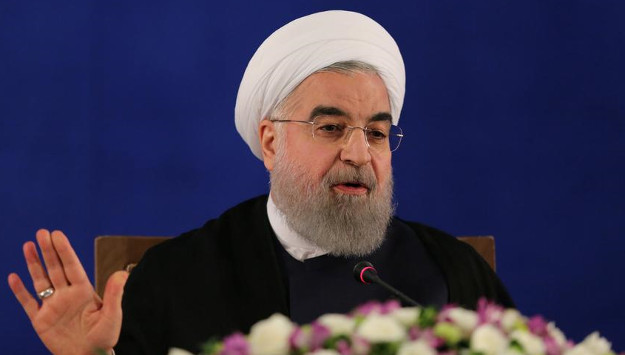
After decades of political setbacks, Iran’s former Revolutionary Guards commander has returned to the center of power. Is he an incidental beneficiary of war, or have observers underestimated him all along?
The Unavoidable Neighbor: Managing Iran Beyond the War
Gulf states and their partners are increasingly looking beyond their most immediate interests of containing the war with Iran. While recent talks between Saudi Arabia, Turkey, Pakistan, and Iran have kept de-escalation on the agenda, a broader regional security framework and non-aggression pact has also emerged, envisioning a longer-lasting solution to regional conflicts. The talks have yet to produce a settlement, but they reflect a growing recognition that Gulf security cannot depend entirely on Washington. Iran will still be there, and its neighbors will have to find ways of living with it.
Recent Elections and What They May Mean for the Middle East
Recent elections for the Israeli Knesset and American Congress may make less of a difference in the Middle East than some people think. Elections are significant indicators of national political trends, but do not always translate into changes in national security strategies. That is likely the case now in both nations.
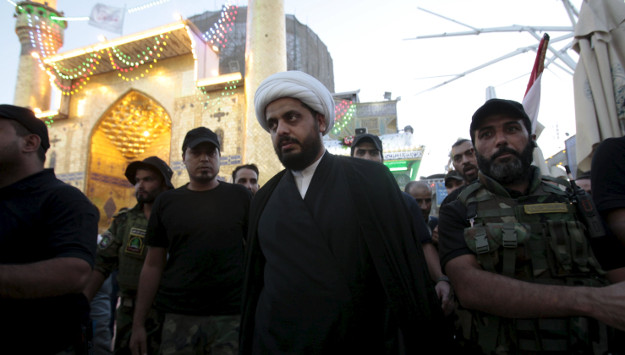
Iran-backed militia leader: “The Iraqis will be the first to enter Jerusalem”
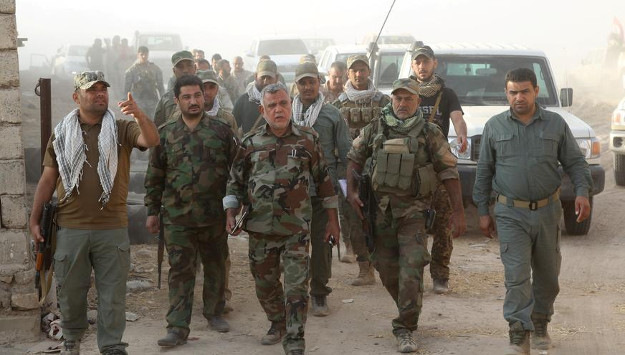
The secretary-general of Asa’ib Ahl al-Haq, an Iranian-supported Iraqi militia group, has threatened that its forces will fight Israel to seize Jerusalem, according to Shafaaq, an Arab outlet.
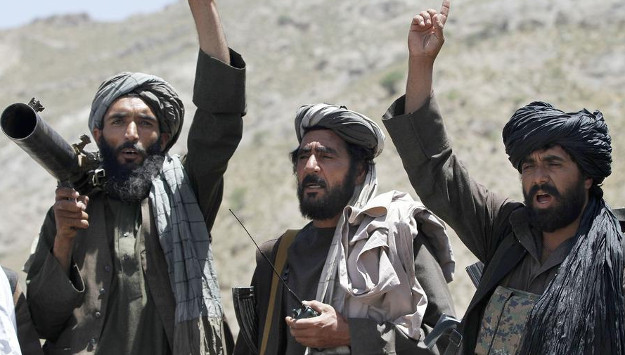
Afghans blame Iran and Pakistan for Taliban’s rapid gains in Farah Province
With Afghanistan’s western Farah Province on the verge of falling to the Taliban, Afghan officials and tribal leaders in the province accuse neighboring Iran and Pakistan of aiding the insurgents for political and economic ends.
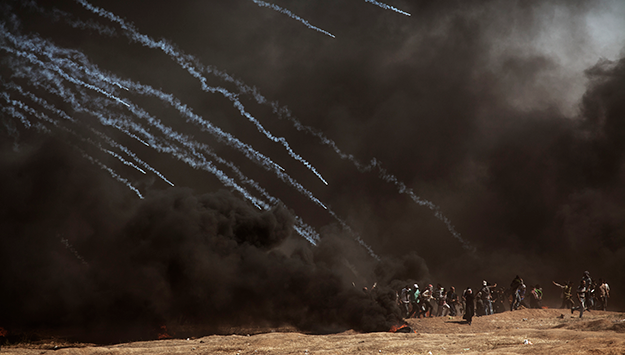
Trump’s Jerusalem decision destabilizing West Bank and Gaza | Monday Briefing
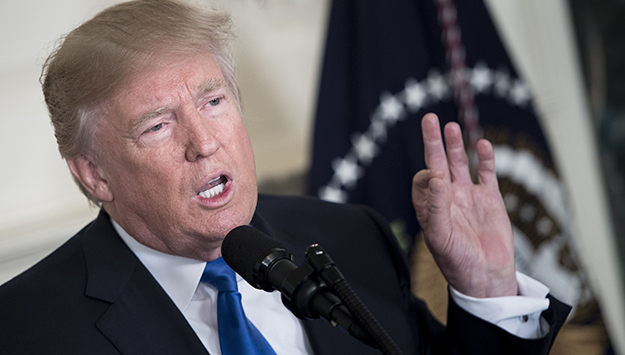
In this week’s Monday Briefing, MEI experts Nathan Stock, Alex Vatanka, Ruba Husari, and Gonul Tol provide analysis on recent and upcoming events including the fallout from President Trump’s decision to recognize Jerusalem as Israel’s capital, Iran’s diplomatic efforts with Europe to keep the nuclear deal alive, how Iran’s other trading partners are responding to U.S. warnings of sanctions, and Britain’s efforts to cultivate closer ties with Turkey.
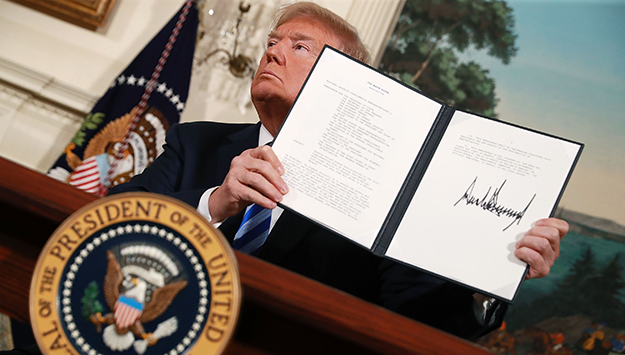
Alex Vatanka and Gerald Feierstein join host Paul Salem to discuss reactions in the region and around the world to Trump’s announcement that the United States will withdraw from the Iran nuclear deal and restore sanctions on Iran.
In a region beset with conflicts, Oman has served as a valued intermediary in foreign relations, including as a facilitator in U.S.-Iranian contacts that led to the Iran nuclear deal. How is it managing its delicate diplomatic balancing act as it works to mediate the Yemen civil war and the dispute between Qatar and other GCC states? Sayyid Badr bin Hamad al-Busaidi, secretary general of Oman’s ministry of foreign affairs, joins guest host Gerald Feierstein to discuss.
Iran’s militia allies in Iraq eye election victory to consolidate gains, expel US
As Iraqis are heading to the polls on Saturday to vote in the country’s parliamentary elections, the Fateh Alliance, a coalition dominated by Iranian-backed militia groups, is confident that it will win sufficient parliamentary seats to choose the country’s next prime minister. Abu Ala al-Wa’eli, the commander of Kata’ib Sayyid al-Shuhada, a militia unit within the Popular Mobilization Force (PMF) and part of the Fateh Alliance, said the alliance has not nominated anyone to become the next prime minister but will play the kingmaker in the post-election government formation process.
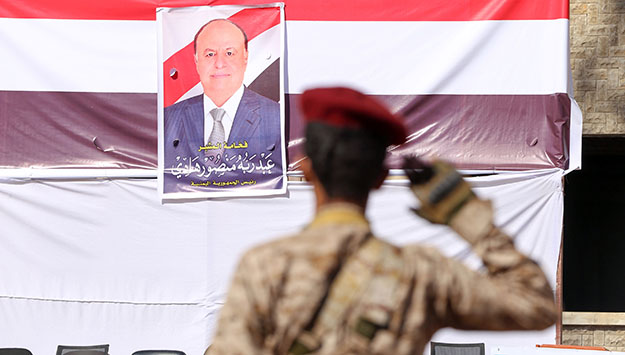
A ray of hope for Yemen finally appeared on Apr. 17 when Martin Griffiths, the new U.N. special envoy to Yemen, announced that he will put in place a framework for new talks within two months. However, a string of resignations and revelations in the Yemeni government raises questions about Hadi’s leadership of the anti-Houthi forces.
Special briefing: The far-reaching impacts of Trump's withdrawal from the Iran nuclear deal
In this special briefing, MEI experts Bilal Y. Saab, Alex Vatanka, Randa Slim, Ahmad Majidyar, Gerald Feierstein, Gonul Tol, and Marvin G. Weinbaum discuss President Trump’s announcement that the United States will withdraw from the Iran nuclear deal and its ramifications for the region.
Iran’s Sixth Five-Year Development Plan (2016-21) identifies the energy sector as a key source of revenue and driver of economic growth.[1] The plan envisages increasing oil output by 2 million barrels per day (bpd) to 4.8 million bpd.[2] Achieving this ambitious target will require substantial foreign investment, technology, and expertise.
Trump's goal in Iran is regime change | Monday Briefing
In this week’s Monday Briefing, MEI experts Alex Vatanka, Randa Slim, and Randa Slim provide analysis on recent and upcoming events including President Trump’s decision on whether to withdraw from the Iran nuclear deal, what this weekend’s election results in Lebanon indicate about Hezbollah’s standing in the country, and expectations for the outcome of Iraq’s elections on May 12.
Rouhani rejects JCPOA renegotiation, hints Tehran may remain in deal without US
In contrast to bellicose statements from Tehran in recent days, Iranian President Hassan Rouhani said today that Tehran would remain in the 2015 nuclear accord, even if the Trump administration abandoned it. But he said Tehran would stick to the deal only if other signatories of the deal assure Tehran that the Islamic Republic will continue to benefit from the Joint Comprehensive Plan of Action.
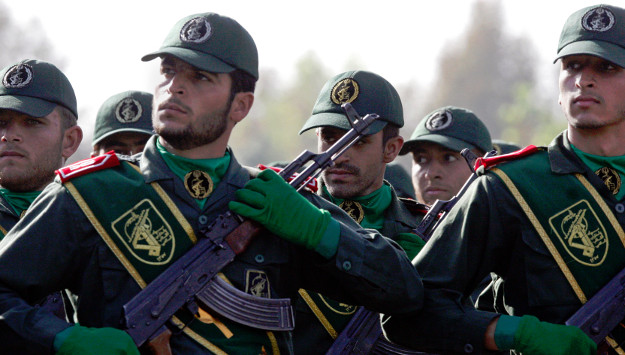
IRGC's role in Iran's economy growing with its engineering arm set to execute 40 mega-projects
The commander of Khatam al-Anbia Construction Base, the main engineering arm of the Islamic Revolution Guards Corps (IRGC), has said that the conglomerate will complete 40 mega-projects in the current Iranian year, which began on March 21.
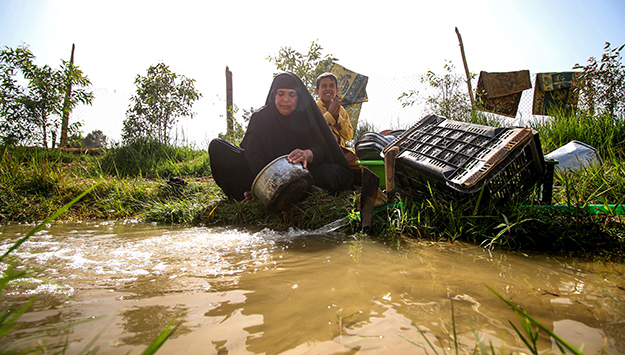
Iraq wilting: How creeping drought could cause the next crisis
Nabil Musa learned how to swim and fish in the Tanjero River in the city of Sulaymaniyah, Iraq. The Tanjero eventually joins the Tigris River, which, together with the Euphrates River, gave life to Mesopotamia.
Iranian leaders say “axis of resistance” will retaliate against Israel for Syria strikes
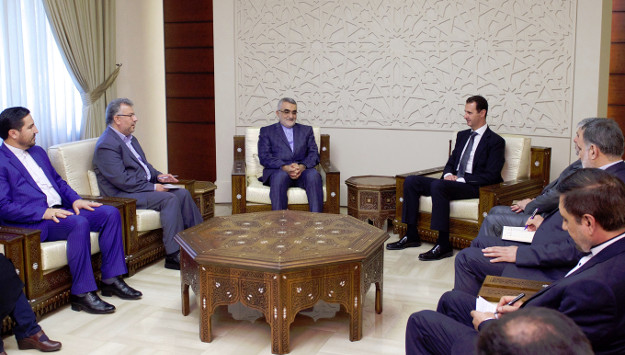
On an official visit to Damascus this week, the chairman of the Iranian Parliament’s National Security and Foreign Policy committee said that the Islamic Republic would retaliate against Israel for last month’s strikes on an air Syrian military base that killed several Iranian nationals. “We will respond to any aggression on Iran at the appropriate time and place,” Alaeddin Boroujerdi said at a news conference in the Syrian capital on Tuesday. The senior Iranian lawmaker made the remarks after meeting with President Bashar al-Assad and top Syrian officials and parliamentarians.
The oldest peer-reviewed publication dedicated to the study of the modern Middle East, MEI’s flagship journal covers politics, society, and culture in the region.