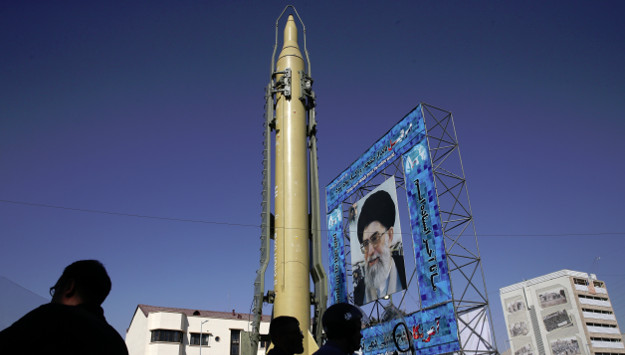
After decades of political setbacks, Iran’s former Revolutionary Guards commander has returned to the center of power. Is he an incidental beneficiary of war, or have observers underestimated him all along?
The Unavoidable Neighbor: Managing Iran Beyond the War
Gulf states and their partners are increasingly looking beyond their most immediate interests of containing the war with Iran. While recent talks between Saudi Arabia, Turkey, Pakistan, and Iran have kept de-escalation on the agenda, a broader regional security framework and non-aggression pact has also emerged, envisioning a longer-lasting solution to regional conflicts. The talks have yet to produce a settlement, but they reflect a growing recognition that Gulf security cannot depend entirely on Washington. Iran will still be there, and its neighbors will have to find ways of living with it.
Recent Elections and What They May Mean for the Middle East
Recent elections for the Israeli Knesset and American Congress may make less of a difference in the Middle East than some people think. Elections are significant indicators of national political trends, but do not always translate into changes in national security strategies. That is likely the case now in both nations.
Iranian-backed PMF leaders gearing up for elections while keeping military roles
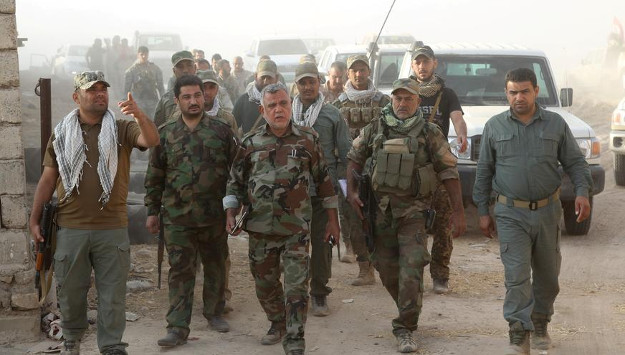
Hadi al-Amiri, the head of the Badr Organization, has said that an alliance of Shiite militia forces that fought against the Islamic State will now shift attention to politics and will participate in the upcoming parliamentary elections. In an interview with the Lebanese al-Mayadeen TV, Amiri said that the Fateh Alliance, a coalition of Iranian-supported Shiite units within the Iraqi Popular Mobilization Force (PMF), will take an active part in the elections and expressed the hope that it can play a major role in the next government.
Tehran’s envoy to Baghdad meets Iraqi leaders in run-up to parliamentary vote
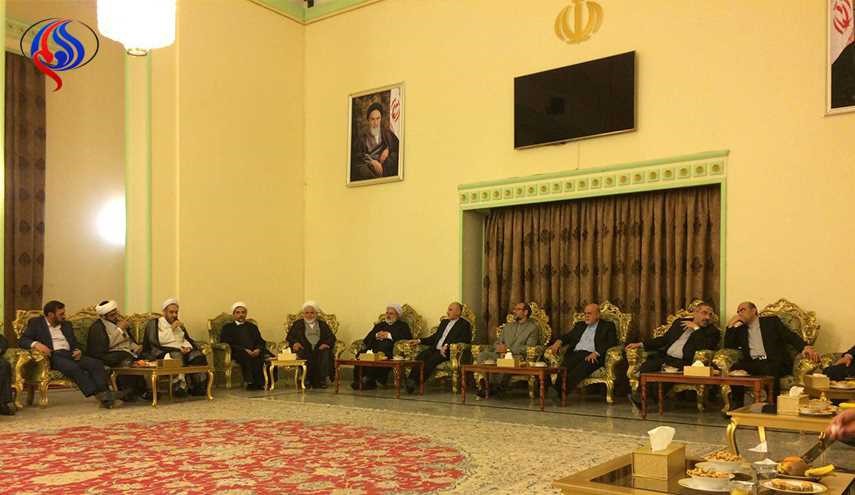
Iraj Masjedi, Tehran’s ambassador to Baghdad, held separate meetings with Iraqi President Fuad Masum and prominent Shiite leaders in the run-up to the Iraqi parliamentary elections slated for May 12, Iranian and Arab media outlets reported. In the meeting with the Iraqi president on Thu
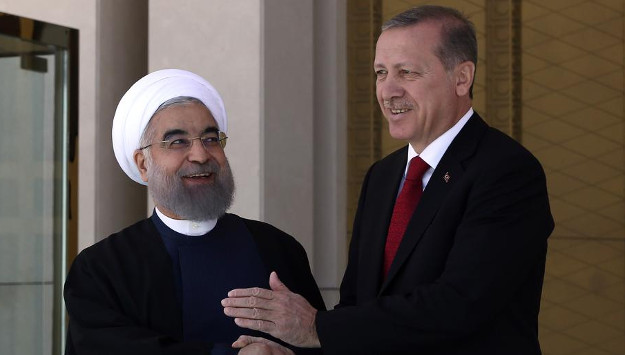
The leaders of Russia, Iran and Turkey held a high-profile summit in Ankara this week, their second such summit in six months. Are we seeing the formation of a new security axis in the region, and if so, where would that leave the United States? MEI’s Gonul Tol and Alex Vatanka join host Paul Salem to discuss.
Listen closely to the debate in Tehran about Syria and you will detect great unease. There is an underlying fear—inside both the moderate and the hard-line camps of the regime—that Iran won the war but is in danger of losing out in the post-war period that will follow. This apprehension has always been there. But it has become markedly more distinct as the principal foreign powers that intervened in Syria—Russia, Turkey and the U.S.—set their sights on the long-term endgame.
Houthis want Iran and Russia to deliver arms to Sana’a, bypassing coalition siege
A senior official of the Yemeni Houthi rebels has said that the insurgent group is willing to purchase weapons from Iran and Russia if they can deliver the arms to the Yemeni capital of Sana’a, which is currently held by the Houthis. Saleh al-Samad, the head of the Houthis’ political council, which administers Sana’a, made the remarks at a graduation ceremony of new Houthi military leaders.
Zarif shrugs off concerns about British-Iranian mother jailed in Iran
In an interview with the BBC Arabic, Iran’s Foreign Minister Javad Zarif said that the fate of British-Iranian mother Nazanin Zaghari-Ratcliffe is only in the hands of the Iranian Judiciary. He urged the British government to respect the “independence” of the judicial branch in the Islamic Republic.
Bahraini FM says Iran-linked bank sponsored terrorism in island kingdom
Bahrain’s Foreign Minister Khalid bin Ahmed al-Khalifa said that the country’s authorities have uncovered an Iranian bank that was financing acts of terrorism in the island kingdom.
This essay discusses Saudi Arabia’s Soft Power Strategy in Indonesia. The Saudi strategy of cultural investment in Indonesia — primarily engineered through building Islamic schools, supplying teachers and textbooks, and financing scholarship opportunities — has facilitated a channel of Saudi influence largely impermeable to Indonesia’s political changes over the last 40 years. Saudi-supported Islamic education not only survived but thrived under the oppression of Suharto’s New Order regime from 1966 to 1998. Today, under Indonesia’s often anti-liberal democratic rule, the country’s Saudi-educated Muslim elite have capitalized on opportunities to use increased political freedom to promote religious protectionism and hardline Islamic orthodoxy.
Vibrant art scene inspires cooperation, competition in Gulf
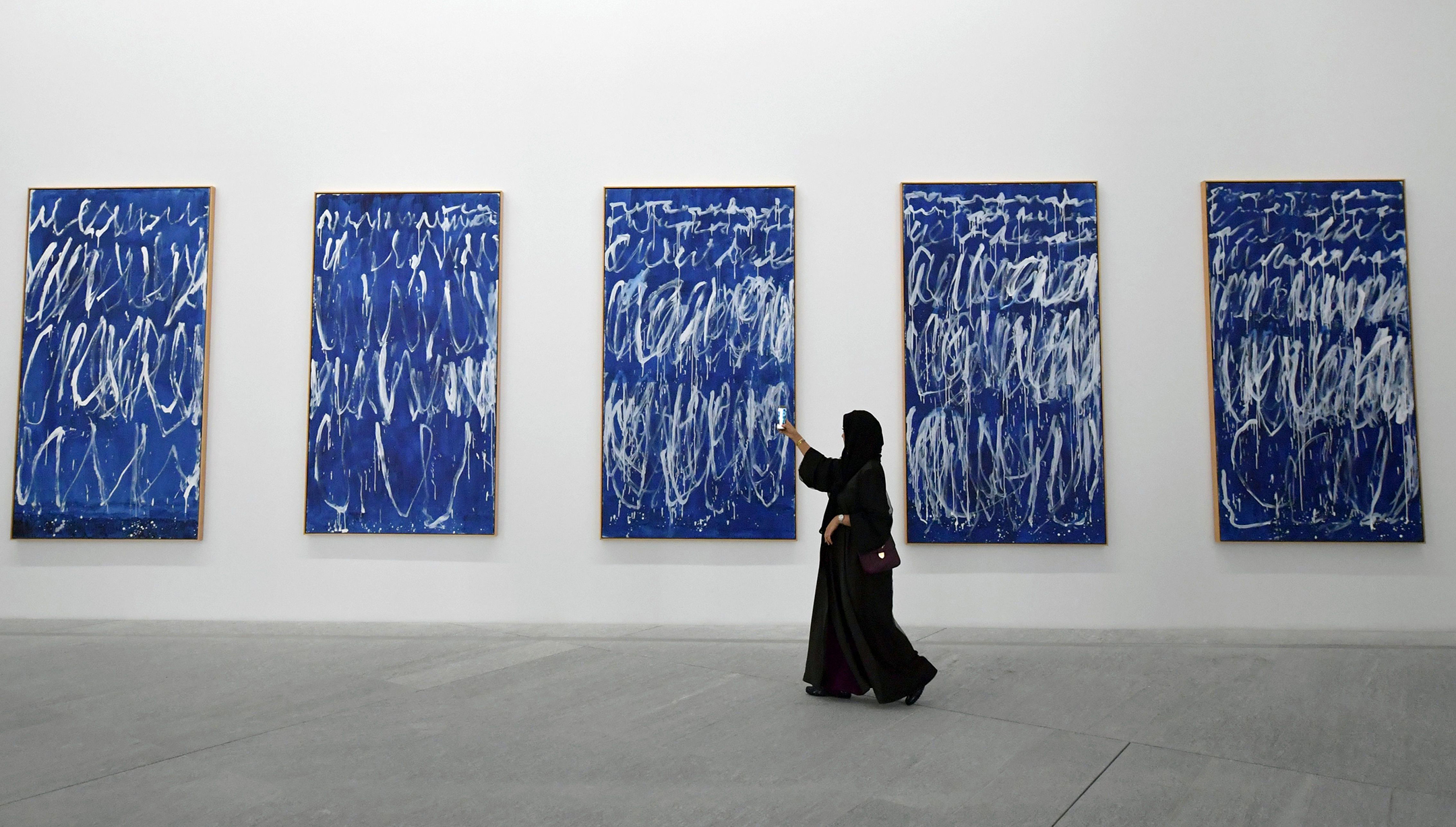
The countries of the Middle East are using art to remodel their national identities. Billions of dollars have been spent on colossal building efforts and massive acquisition programs in an effort to expand the cultural sector in the Middle East, especially in the Gulf. Art acquisition now appears to be part of a geopolitical strategy by Gulf countries to use their hydrocarbon money to purchase cultural clout and establish themselves as international cultural centers.
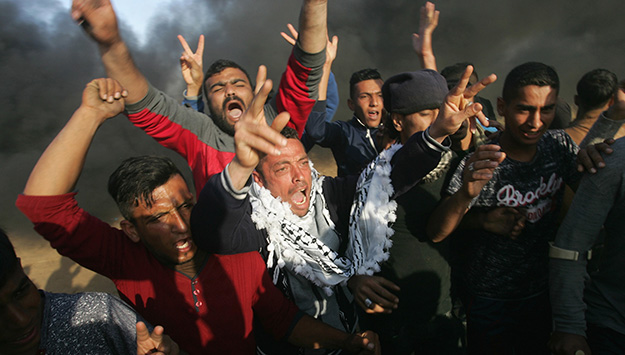
In this week’s Monday Briefing, MEI experts Paul Salem, Bilal Y. Saab, Marvin G. Weinbaum, and Charles Lister provide analysis on recent and upcoming events including the latest violence in Gaza, Gulf Shield-1 military drills, the Taliban’s resistance to peace, and the approaching Syria summit in Ankara.
Tehran views US withdrawal from Syria as victory for “axis of resistance”
President Donald Trump’s Thursday remarks about an imminent withdrawal of US troops has drawn a great deal of attention in the Iranian press. While some state-run outlets and those affiliated with the Revolutionary Guards welcome Trump’s announcement as a victory for Iran and its regional proxies, others remain skeptical about whether Washington will actually press ahead with such a plan.
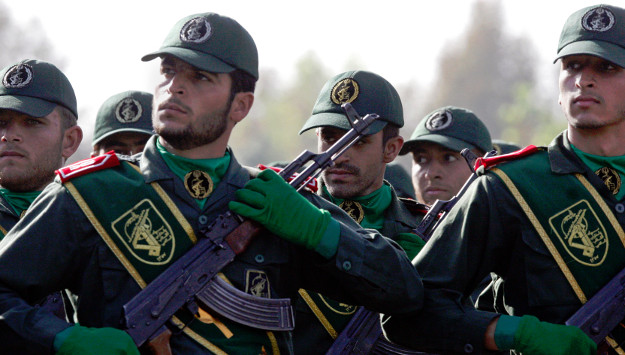
IRGC targets domestic rivals in anniversary message
Commemorating the 39th anniversary of the March 30, 1979 referendum, which established the Islamic Republic, the Islamic Revolution Guards Corps (IRGC) issued a statement warning against foreign threats against “the track record of the Islamic Republic.” The statement cautioned that “the front of Arroga
Iranian commander rules out missile negotiation in defiance of Western pressure
A senior Iranian military official said today that Tehran would not negotiate over its missile program with Western powers, Iran’s Mehr News Agency reported.
Iranian Arabs stage rallies in Khuzestan to protest state-sanctioned discrimination
Scores of Iranian Arabs staged anti-government protest rallies in western Khuzestan Province after the Islamic Republic of Iran Broadcasting (IRIB) excluded the Arab community’s cultural identity in a New Year TV show that was ironically supposed to showcase Iran’s diversity. The protesters called the program aired on the state-run TV “insulting” and demanded an apology from the IRIB.
The oldest peer-reviewed publication dedicated to the study of the modern Middle East, MEI’s flagship journal covers politics, society, and culture in the region.