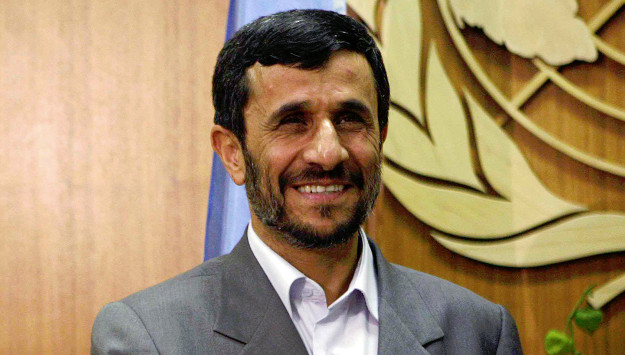
After decades of political setbacks, Iran’s former Revolutionary Guards commander has returned to the center of power. Is he an incidental beneficiary of war, or have observers underestimated him all along?
The Unavoidable Neighbor: Managing Iran Beyond the War
Gulf states and their partners are increasingly looking beyond their most immediate interests of containing the war with Iran. While recent talks between Saudi Arabia, Turkey, Pakistan, and Iran have kept de-escalation on the agenda, a broader regional security framework and non-aggression pact has also emerged, envisioning a longer-lasting solution to regional conflicts. The talks have yet to produce a settlement, but they reflect a growing recognition that Gulf security cannot depend entirely on Washington. Iran will still be there, and its neighbors will have to find ways of living with it.
Recent Elections and What They May Mean for the Middle East
Recent elections for the Israeli Knesset and American Congress may make less of a difference in the Middle East than some people think. Elections are significant indicators of national political trends, but do not always translate into changes in national security strategies. That is likely the case now in both nations.
Limit Iran's missiles? Sure, but first come up with a plan
Critics of the Iran nuclear deal have consistently argued that one of its major flaws is that it didn’t address Tehran’s ballistic missile program. Imposing limits on those weapons of terror, opponents of the deal say, is a primary U.S. objective and should have been part of our negotiating strategy with the Iranians from the beginning.
Arab leaders call on Iran to stop destabilizing role in region
The UN Security Council should hold Iran responsible for disrupting regional and international security and providing ballistic missiles to the Houthi militants in Yemen to attack Saudi Arabia and other Gulf nations, the speaker of the Arab Parliament has said.
Ahmadinejad’s aide targets Judiciary and Quds Force in new open letter
In a scathing open letter published online, a close aide to Mahmoud Ahmadinejad has continued the public feud between the former president’s team and the country’s judicial and military institutions. In the letter addressed to the Judiciary, Hamid Baqaei, a former vice president who was recently arrested on embezzlement charges, questioned the fairness and transparency of the country’s judicial system. He also crossed a regime red line by raising questions about the country’s secretive Quds Force and its chief commander, Major General Qassem Soleimani.
Saudi Arabia jails two on charges of working with Iran and Iraqi Hezbollah to attack Eastern Province
The Criminal Court of Riyadh today sentenced two Saudi citizens on charges of engaging in acts of terrorism and conspiring with Iran and its regional proxies to destabilize Saudi Arabia, the Arab press reported.
Iranian clerics in Qom feel insecure amid rising popular anger
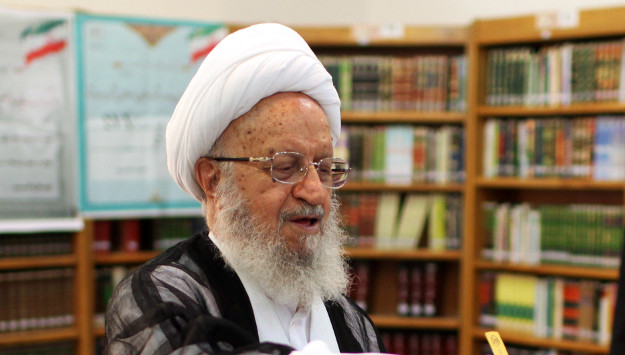
Ayatollah Naser Makarem Shirazi, a prominent Iranian Shiite religious leader, has called on authorities to prevent “infiltrators” from entering Iran’s holy city of Qom, Radio Fardo reported today. Shirazi, who is based in Qom and had requested a “special budget” for the city a few months ago, said on Monday that the govenrment needs to pay more attention to Qom than any other city in the country.
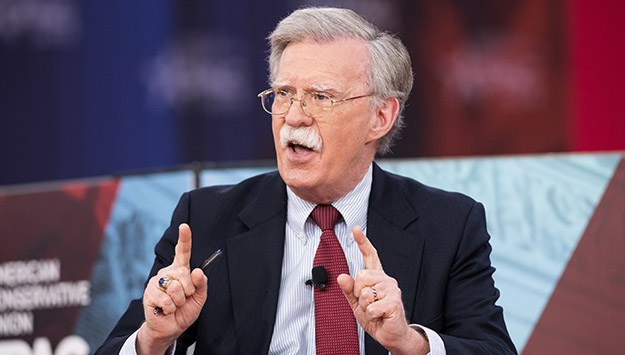
In this week’s Monday Briefing, MEI experts Paul Salem, Bilal Y. Saab, Gerald Feierstein, Gonul Tol, and Ibrahim al-Assil provide analysis on recent and upcoming events including the appointment of John Bolton to national security advisor, the Houthi missile attack on Riyadh, Egypt’s regressive referendum, the Yemeni war’s third anniversary, EU-Turkey diplomacy, and the worsening crisis in Ghouta.
Mashregh News, a conservative Iranian outlet, quotes Mozahem al-Havit, a spokesman of the Arab Bedouins in Nineveh Governorate in Iraq, as saying that the United States has established its “largest” military base in Iraq and plans to install four mo
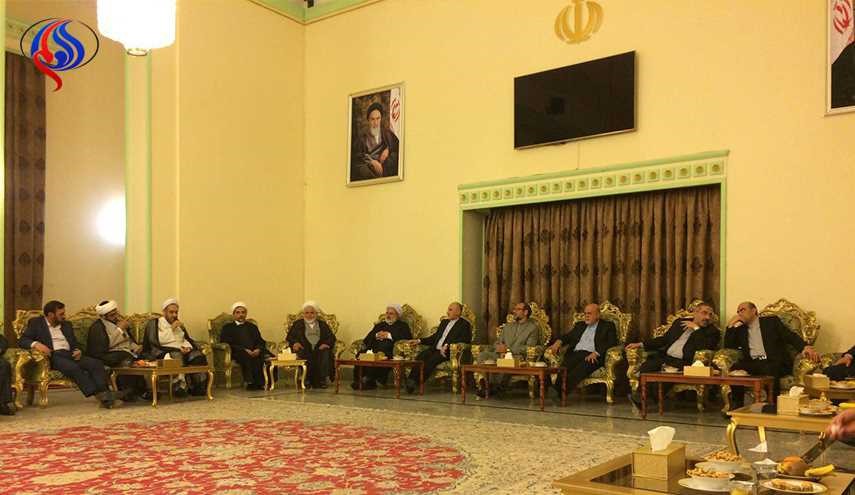
Tehran’s ambassador to Baghdad meets with militia leader to discuss Iraq and Syria
Tehran’s Ambassador to Baghdad Iraj Masjedi held a meeting with the leader of Harakat al-Nujaba, an Iraqi militia group fighting in Iraq and Syria, to discuss Iraqi and regional issues,
IRGC outlet backs latest Houth missile attacks against Saudi Arabia
emen’s Houthi rebels fired at least seven missiles into Saudi Arabia on Sunday, hitting different targets including the capital city of Riyadh, according to
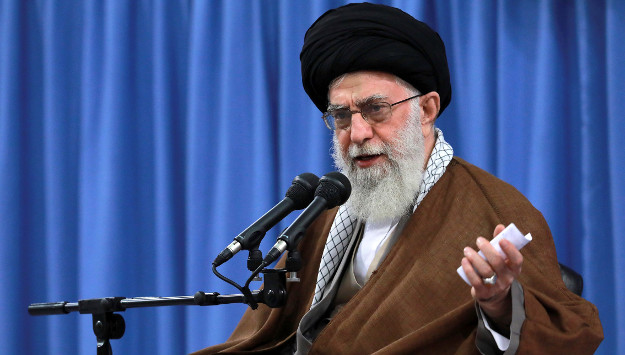
Khamenei defends Iran’s regional military interventions in New Year speech
Supreme Leader Ali Khamenei’s March 21st New Year address mostly dwelt on domestic political issues. But the Iranian leader also made a few references to the most pressing foreign and security issues, none of which bode well for Iran’s relations with the United States. Moreover, Khamenei tried to calm growing public anger amongst Iranians about the country’s costly military interventions in the Middle East.
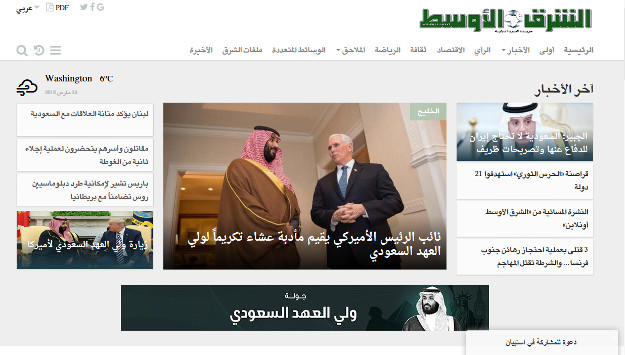
Iran-Backed Iraqi militia group calls for closure of Arab daily Asharq al-Awsat
A commander of the Iraqi paramilitary forces known as Hashd al-Shaabi has called for suspension of Asharq al-Awsat in Iraq, accusing the pan-Arab daily of propagating against the paramilitary forces. According Iran’s Fars News Agency, Karim al-Nouri, a commander of the Iranian-backed Badr Organization and a spokesman for Hashd al-Shaabi, was reacting to an article in the newspaper which warned about Hashd al-Shaabi turning into a Shiite-only organization in Iraq.
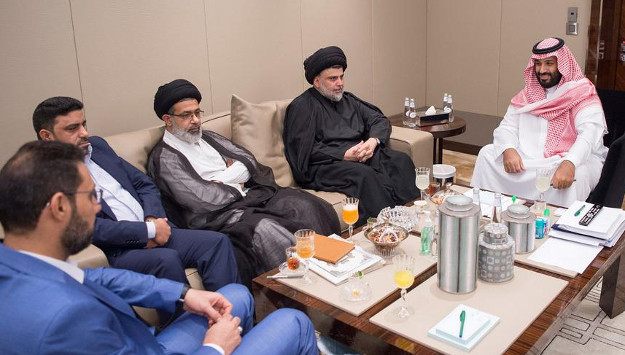
Saudi Crown Prince’s potential Iraq visit alarms Tehran and its allies
Recent media reports suggesting that Saudi Crown Prince Mohammad bin Salman plan to pay a historic visit to Iraq has alarmed Iran and its Iraqi allies. Baghdad and Riyadh have not confirmed the reports, but Iranian-backed politicians and militia commanders in Iraq have launched a campaign against the Crown Prince’s potential visit, rejecting latest steps by the Baghdad government to improve ties with Riyadh and questioning the timing of bin Salman’s trip ahead of the country’s parliamentary elections.
The oldest peer-reviewed publication dedicated to the study of the modern Middle East, MEI’s flagship journal covers politics, society, and culture in the region.