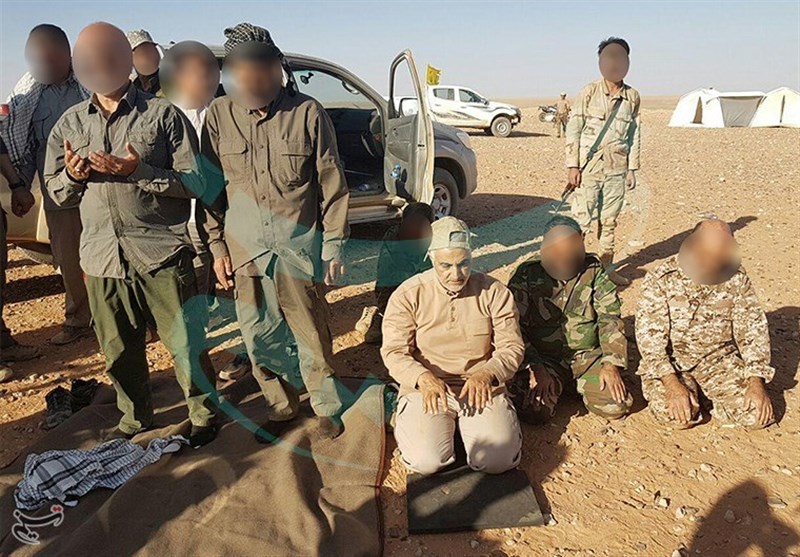
After decades of political setbacks, Iran’s former Revolutionary Guards commander has returned to the center of power. Is he an incidental beneficiary of war, or have observers underestimated him all along?
The Unavoidable Neighbor: Managing Iran Beyond the War
Gulf states and their partners are increasingly looking beyond their most immediate interests of containing the war with Iran. While recent talks between Saudi Arabia, Turkey, Pakistan, and Iran have kept de-escalation on the agenda, a broader regional security framework and non-aggression pact has also emerged, envisioning a longer-lasting solution to regional conflicts. The talks have yet to produce a settlement, but they reflect a growing recognition that Gulf security cannot depend entirely on Washington. Iran will still be there, and its neighbors will have to find ways of living with it.
Recent Elections and What They May Mean for the Middle East
Recent elections for the Israeli Knesset and American Congress may make less of a difference in the Middle East than some people think. Elections are significant indicators of national political trends, but do not always translate into changes in national security strategies. That is likely the case now in both nations.
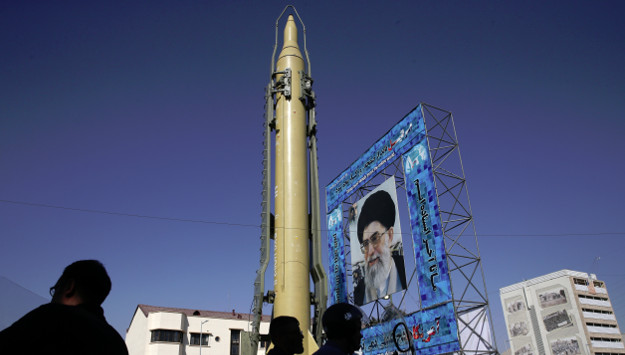
IRGC says Iran has tripled missile production in defiance of Western demands
A senior commander of the Islamic Revolution Guards Corps said today that Iran has increased its missile and defense-related production three-fold despite mounting pressure by the United States and its allies,
Oil in Iraq: pathways to enabling better governance
Despite setbacks from the war against ISIS, Iraq remains the world’s fourth largest producer of oil, second only to Saudi Arabia among OPEC states. However, the administration of this vital natural resource has been plagued by corruption and disputes over how revenues should be allocated to promote equitable economic growth. The issue has drawn Iraq’s ethnic, sectarian, and political divisions to the surface.
Iraqi Hezbollah calls on Baghdad government to set up US exit timeline
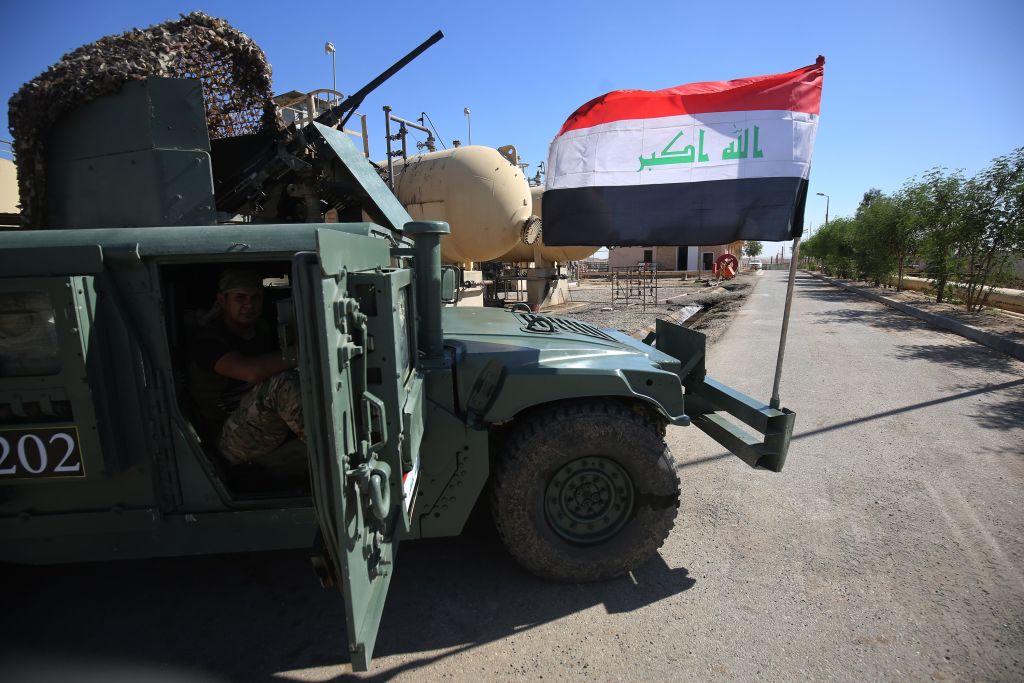
The Iraqi Hezbollah welcomed the latest decision by the country’s parliament to devise a timetable for the withdrawal of foreign troops and accused the American forces of promoting instability in the war-torn country. “America will create new terrorist groups to justify keeping its forces in Iraq,” the milita group said in a statement.
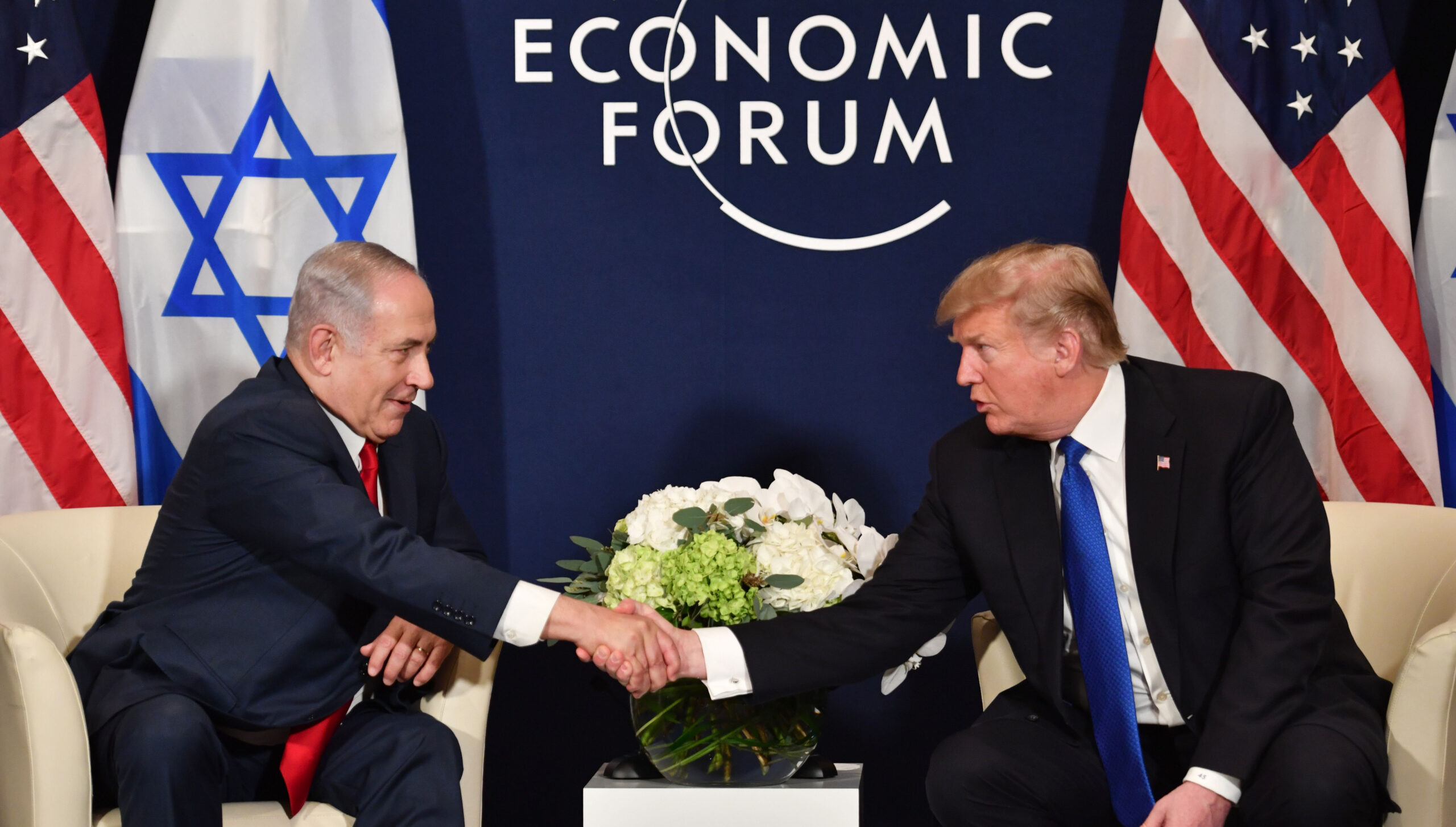
Monday Briefing: Trump and Netanyahu's ultimate deal
In this week’s Monday Briefing, MEI experts Eran Etzion, Gerald Feierstein, Marvin G. Weinbaum, and Gonul Tol provide analysis on recent and upcoming events including Netanyahu’s meeting with Trump, the Saudi Crown Prince’s first extended travel abroad, the Taliban’s call for peace negotiations with the U.S., and Turkey’s pivot to Africa.
Bahrain says arrested 116 members of IRGC-established “terror cell”
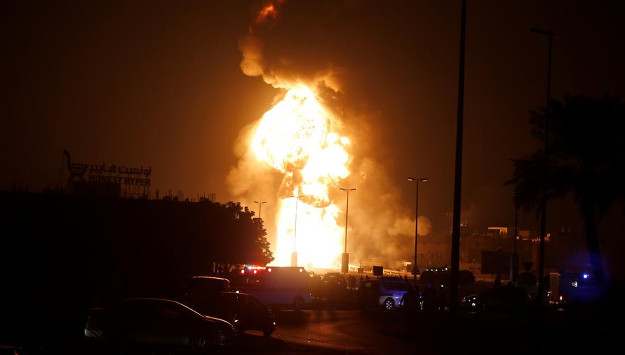
The Bahraini government said on Saturday that its security forces had foiled a number of terrorist plots and arrested 116 people who were allegedly members of an armed group run by Iran’s Islamic Revolution Guards Corps (IRGC). “The Revolutionary Guards formed several terrorist organizations and brought them together under one umbrella,” a statement released by the Bahraini Interior Ministry said.
Afghans fear IRGC may deploy Fatemiyoun fighters to Afghanistan
On March 2, Mohammad-Hashem Esmat-Allahi, who served as a senior adviser to former President of Afghanistan Hamid Karzai, praised Afghan Shiite militiamen fighting in Syria.
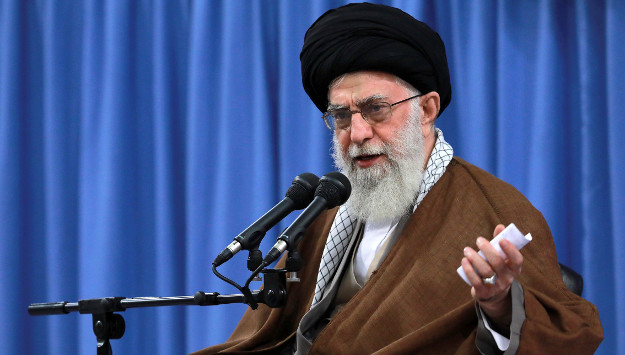
Khamenei praises Assad and vows “resistance front” will soon pray in Jerusalem
Iran’s Supreme Leader Ali Khamenei praised Syrian President Bahsar al-Assad as a “great fighter” and reiterated Tehran’s support for Syria as a “front line” state against the United States and Israel, the Iranian media reported. “Today, Syria is the front line. Therefore, it is our duty to support the Syrian resistance. Indeed, Mr. Bashar al-Assad emerged as a great fighter and stood up firmly and without hesitation.
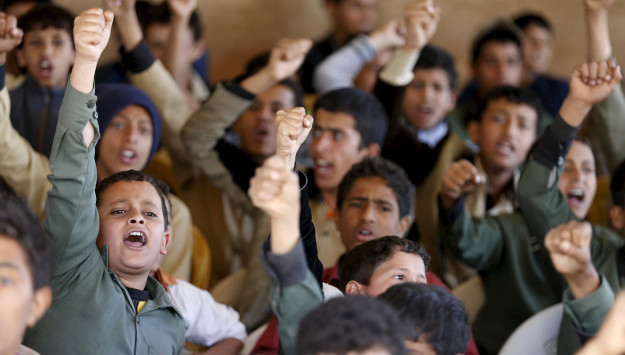
New Houthi-imposed university curriculum reportedly glorifies Iran, promotes sectarianism
A new academic curriculum introduced by the Houthi rebels in Yemen’s Sana’a University promotes sectarianism and glorifies the Houthis and their foreign allies in Iran, Lebanon and Syria, according to reports published in Al-Arabiya,
Revitalized coffee economy provides Yemen a boost amid conflict
Yemen’s national emblem depicts a relief of the Marib Dam, Yemen’s greatest manmade feature—and a coffee plant, Yemen’s most storied natural resource. This is no coincidence. Coffee drinking, as we know it today, originated in Yemen in the 15th century when Sufis discovered red coffee berries in the country’s mountain highlands.
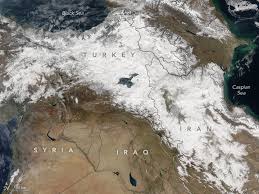
Water crisis fueling tension between Iran and its neighbors
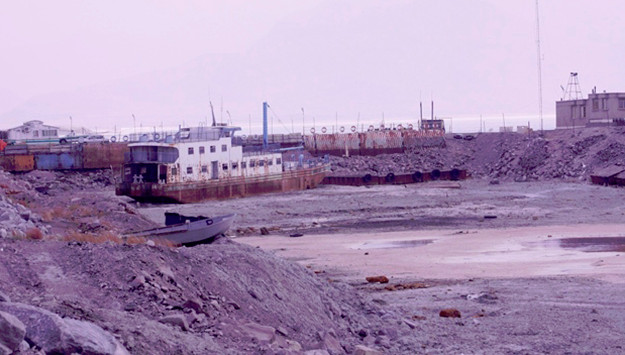
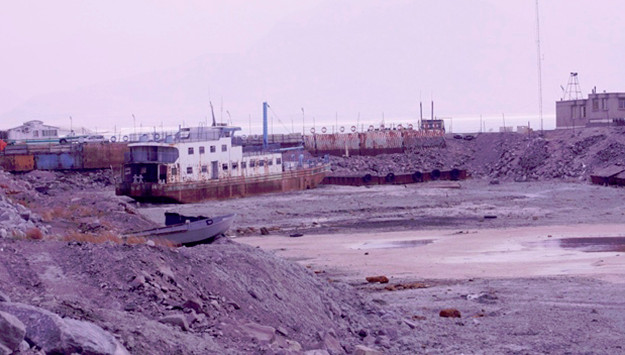
Iran’s growing water shortage and other environmental challenges have recently reached crisis point. Water scarcity and air pollution have not only triggered sociopolitical and security problems inside the country but have also caused tension between Iran and its neighbors. With the collapse of ISIS, Iran and Turkey are stepping up competition for the control of water in the region, while a potential effort by Tehran to severely restrict the flow of water into Iraq could create more problems for the war-torn country.
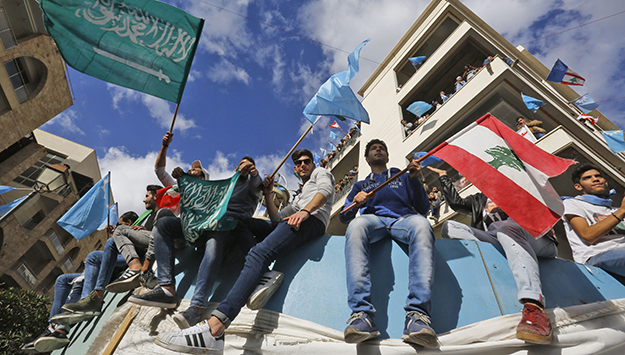
Reversing months of troubled relations, Saudi royal envoy Nizar al-Aloula arrived in Lebanon on Monday with messages of strong support for the country. He emphasized that Saudi Arabia sought strong and supportive relations with the Lebanese state and people, saying, “You will see a new approach from Saudi Arabia.” Aloula also extended an official invitation to Prime Minister Saad Hariri to visit Riyadh. Today Hariri is in Riyadh, where he met with King Salman and is due to meet with the crown prince.
“Iran has shared water [resources] with 12 neighboring countries. Drought can become a source of cooperation or friction,” Major General Yahya-Rahim Safavi, military adviser to Supreme Leader Ali Khamenei, said at the Water Diplomacy and Hydro-politics Conference on Tuesday.
The gravity of Safavi’s statement is best understood against the background of the water crisis in Iran and the country’s existing water disputes with neighboring countries.
The oldest peer-reviewed publication dedicated to the study of the modern Middle East, MEI’s flagship journal covers politics, society, and culture in the region.