After decades of political setbacks, Iran’s former Revolutionary Guards commander has returned to the center of power. Is he an incidental beneficiary of war, or have observers underestimated him all along?
The Unavoidable Neighbor: Managing Iran Beyond the War
Gulf states and their partners are increasingly looking beyond their most immediate interests of containing the war with Iran. While recent talks between Saudi Arabia, Turkey, Pakistan, and Iran have kept de-escalation on the agenda, a broader regional security framework and non-aggression pact has also emerged, envisioning a longer-lasting solution to regional conflicts. The talks have yet to produce a settlement, but they reflect a growing recognition that Gulf security cannot depend entirely on Washington. Iran will still be there, and its neighbors will have to find ways of living with it.
Recent Elections and What They May Mean for the Middle East
Recent elections for the Israeli Knesset and American Congress may make less of a difference in the Middle East than some people think. Elections are significant indicators of national political trends, but do not always translate into changes in national security strategies. That is likely the case now in both nations.
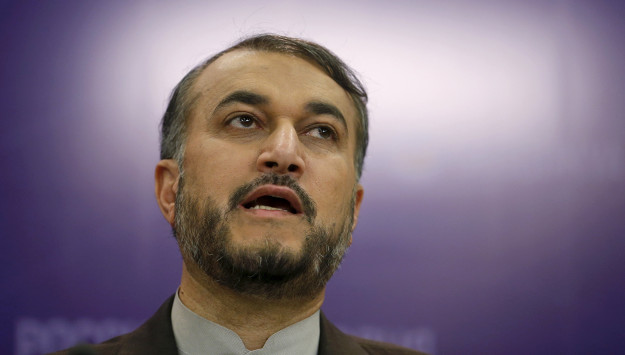
Hossein Amir-Abdollahian, a foreign policy advisor to Iran’s Parliamentary Speaker Ali Larijani, has cautioned against counting on European powers in Iran’s nuclear standoff with the United States. In an interview with Fars News Agency, an outlet affiliated with the Islamic Revolution Guards Corps (I.R.G.C.), he said there is some convergence of interests between European countries and the United States and they would be willing to counter Iran’s regional ambitions, particularly to protect Israel.
Top Iranian General Meets Assad in Damascus to Expand Ties
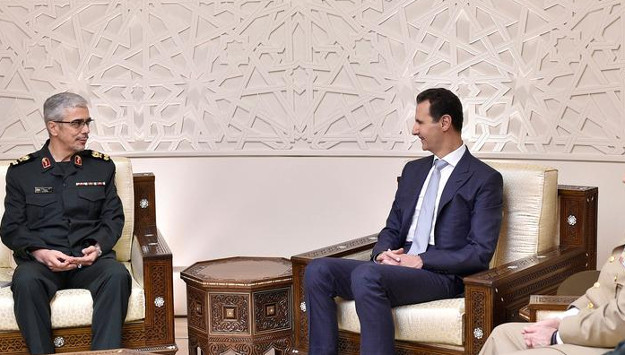
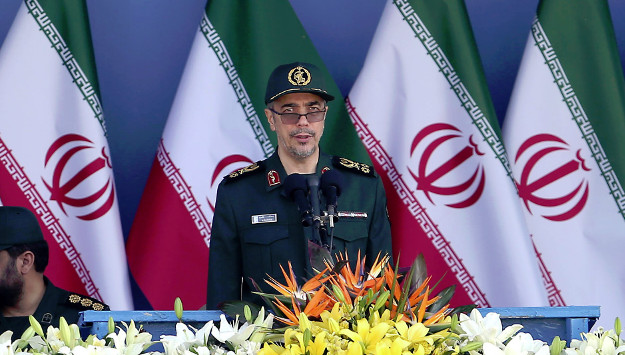
Major General Mohammad Bagheri, the chief of staff of the Iranian Armed Forces, today met with Syrian President Bashar al-Assad in Damascus to further enhance military cooperation and defense ties between the two countries, the Iranian media reported. Bagheri also presented Supreme Leader Ali Khamenei’s written message to Assad and pointed out that Iran’s leader always pray for the Syrian president’s safety and victory.
I.R.G.C. Leaders to Trump: We’ll Continue to Confront U.S. and Its Allies in Mideast
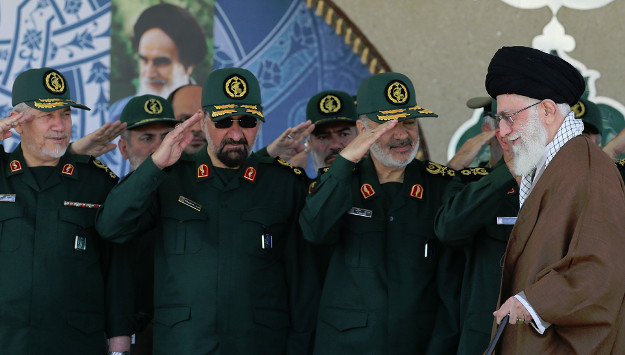
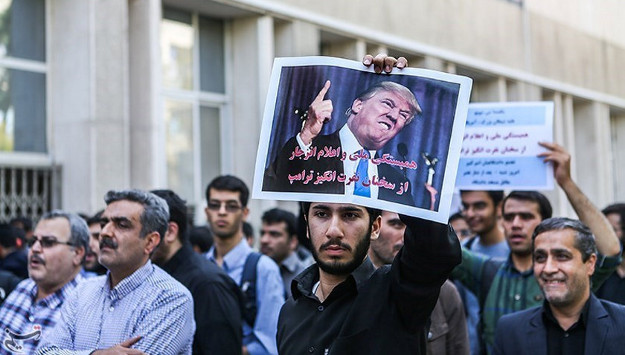
The Islamic Revolution Guards Corps (I.R.G.C.) will defy U.S. pressure, expand its regional influence, enhance its defense power, and confront the United States and Israel, several top Iranian military officials warned in reaction to President Donald Trump’s anti-Iran speech.
Khamenei: Iran Will "Shred" Nuclear Deal If “Other Side” Leaves It
Supreme Leader Ali Khamenei today ruled out any negotiations with Western powers over Iran’s missile program and regional activities, and warned that Iran would rip the 2015 nuclear agreement to pieces if the “other side” walks away from it.
The most surprising thing about the Kurdistan Region of Iraq’s (K.R.I.’s) independence referendum was that it took place at all. Leading up to the vote the international community stepped up its opposition. Baghdad also increased pressure on Erbil with a decision by the Iraqi Supreme Court declaring the referendum illegal, and issuing a series of delegitimizing statements from top Iraqi officials. But K.R.I.
The G.C.C. Countries and China’s Belt and Road Initiative (BRI): Curbing Their Enthusiasm?
Chinese leaders emphasize that the Belt and Road Initiative (BRI) is focused on developing connectivity through inclusive cooperation. Yet, certain BRI projects have potential strategic outcomes that can affect regional power dynamics. Thus, States that might otherwise be inclined to cooperate with China on the BRI could perceive elements of the initiative to run counter to their interests. This essay shows that, in considering the BRI, the leaders of the Gulf Arab countries have to balance their increasingly important relationship with China against the ways this initiative empowers rivals or threatens their relations with important external powers.
Iran-Backed Group Calls for Seizure of Erbil and other Kurdish Cities
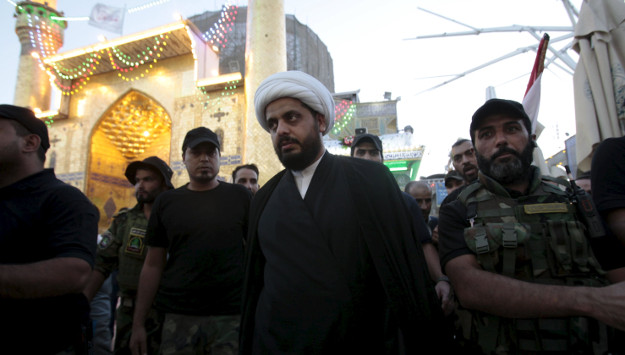
The political wing of Asai’b Ahl al-Haq (A.A.H.), an Iranian-sponsored Iraqi militia group, has called for military operations to seize the Kurdish cities of Dohuk, Erbil and Sulaymaniyah.
Senior Iranian Military Delegation Arrive in Damascus to Assess War, Enhance Ties
A senior Iranian military delegation arrived in Damascus today to assess the current state of the Syrian war and discuss ways to boost defense ties between the two countries, the Iranian media reported. Major General Mohammad Bagheri, the chief of staff for Iran’s Armed Forces, is leading the Iranian delegation.
Khamenei’s Aide Rejects France’s Proposal to “Supplement” Iran Deal
A top aide to Supreme Leader Ali Khamenei said today that Iran will not accept European powers’ proposal to supplement the 2015 nuclear deal with new provisions on the country’s missile program and regional ambitions.
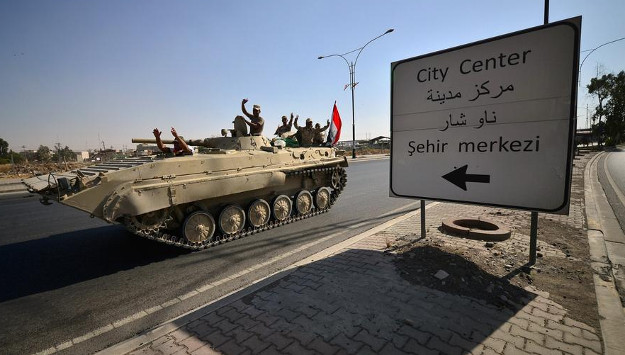
An Iranian official from the western province of Kermanshah said Monday that the Parviz Khan border crossing between Iran and Iraq was shut down yesterday because of “internal clashes between the Iraqi federal government and Kurdistan region.” Faramorz Akbari, the governor of Ghasreshirin in Kermanshah, added that all trade transactions and transportation through this border e
An article in reformist Shargh daily has urged the Rouhani government to abstain from impulsive measures to retaliate against the Trump administration latest anti-Iran sanctions and statements. The piece entitled “Neutralizing Trump’s Bombs” argues that the best course of action for Tehran would be to focus on consolidating its latest gains in Syria and Iraq and facilitating foreign investment in the country even by American companies.
The oldest peer-reviewed publication dedicated to the study of the modern Middle East, MEI’s flagship journal covers politics, society, and culture in the region.