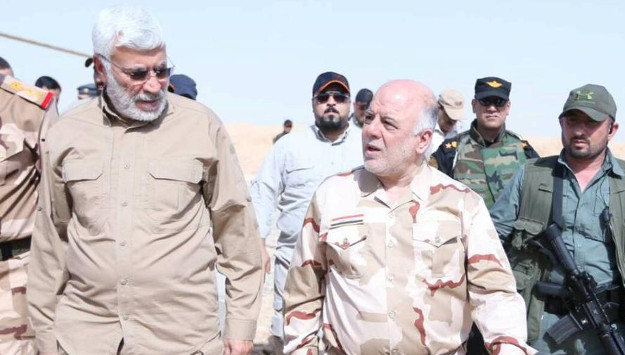
After decades of political setbacks, Iran’s former Revolutionary Guards commander has returned to the center of power. Is he an incidental beneficiary of war, or have observers underestimated him all along?
The Unavoidable Neighbor: Managing Iran Beyond the War
Gulf states and their partners are increasingly looking beyond their most immediate interests of containing the war with Iran. While recent talks between Saudi Arabia, Turkey, Pakistan, and Iran have kept de-escalation on the agenda, a broader regional security framework and non-aggression pact has also emerged, envisioning a longer-lasting solution to regional conflicts. The talks have yet to produce a settlement, but they reflect a growing recognition that Gulf security cannot depend entirely on Washington. Iran will still be there, and its neighbors will have to find ways of living with it.
Recent Elections and What They May Mean for the Middle East
Recent elections for the Israeli Knesset and American Congress may make less of a difference in the Middle East than some people think. Elections are significant indicators of national political trends, but do not always translate into changes in national security strategies. That is likely the case now in both nations.
Iran-Backed Militia Group Threatens to Attack U.S. Troops in Iraq
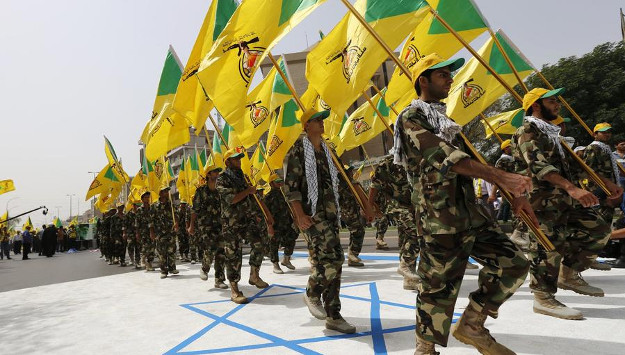
A commander of Iranian-backed Iraqi militia group has warned that his forces will target American troops in Iraq if they do not leave the country after the battle against the Islamic State is over, the Iranian media reported. Jafar al-Hussaini, the spokesman for Kata’ib Hezbollah (Hezbollah Brigades), also accused the United States and the leadership of the Iraqi Kurdistan of assisting Islamic State militants to safely withdraw from Tal Afar, an Iraqi city west of Mosul recently liberated from the Islamic State.
Top Afghan Military Official: We Have Evidence Iran Provides Weapons to Taliban
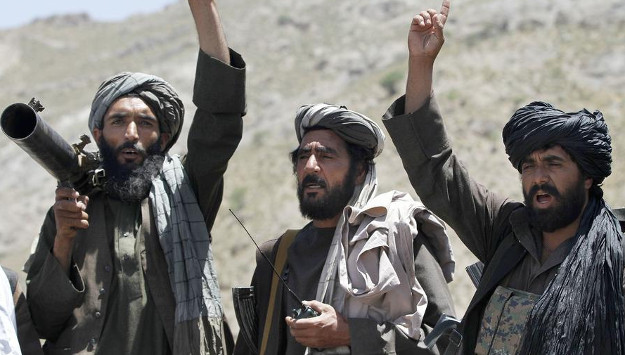
The Chief of General Staff for the Afghanistan National Defense and Security Forces has said that the Kabul government has evidence that Iran is providing weapons and other military assets to the Taliban in western Afghanistan. In an interview with the BBC Persian, Lieutenant General Mohammad Sharif Yaftali added that President Ashraf Ghani discussed the issue with his Iranian counterpart Hassan Rouhani last month in Tehran but did not disclose details of the meeting.
Fars News: U.N. Envoy’s Remarks Show “Regime Changers” Lost in Syria
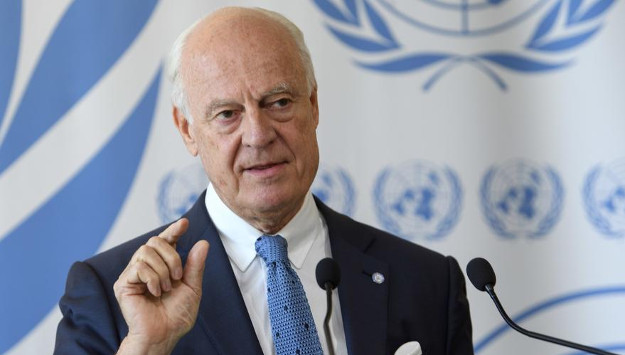
On Wednesday, U.N. Special Envoy Staffan de Mistura said the Syrian opposition must accept that it has not won the war against the regime of Bashar al-Assad. His comments, in the run-up to the next round of Syria talks in Kazakhstan, predictably drew positive reaction in Tehran and scorn by some rebel leaders. “The most significant part of the comments is not the proposal for peace talks, but the recognition that the ‘overthrow-Assad plan’ isn’t going to be won.
Reactions in Tehran to Nikki Haley’s Iran Nuclear Deal Remarks
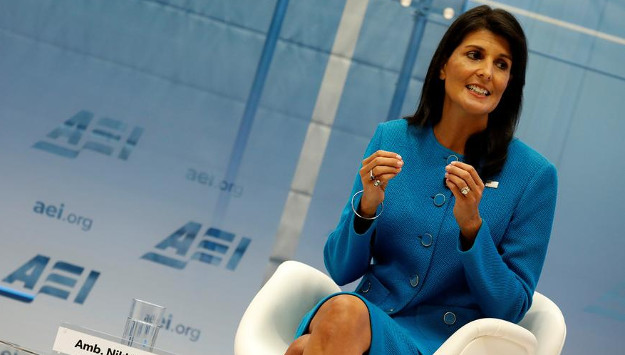
On Wednesday, the U.S. representative to the United Nations signaled that the Trump administration may de-certify Iran’s compliance with the 2015 nuclear agreement next month. Speaking at the American Enterprise Institute in Washington, D.C., Nikki Haley noted that such “de-certification” would not necessarily invalidate the nuclear deal, but suggested that it would be up to the Congress to decide whether the U.S. remains a party to the accord.
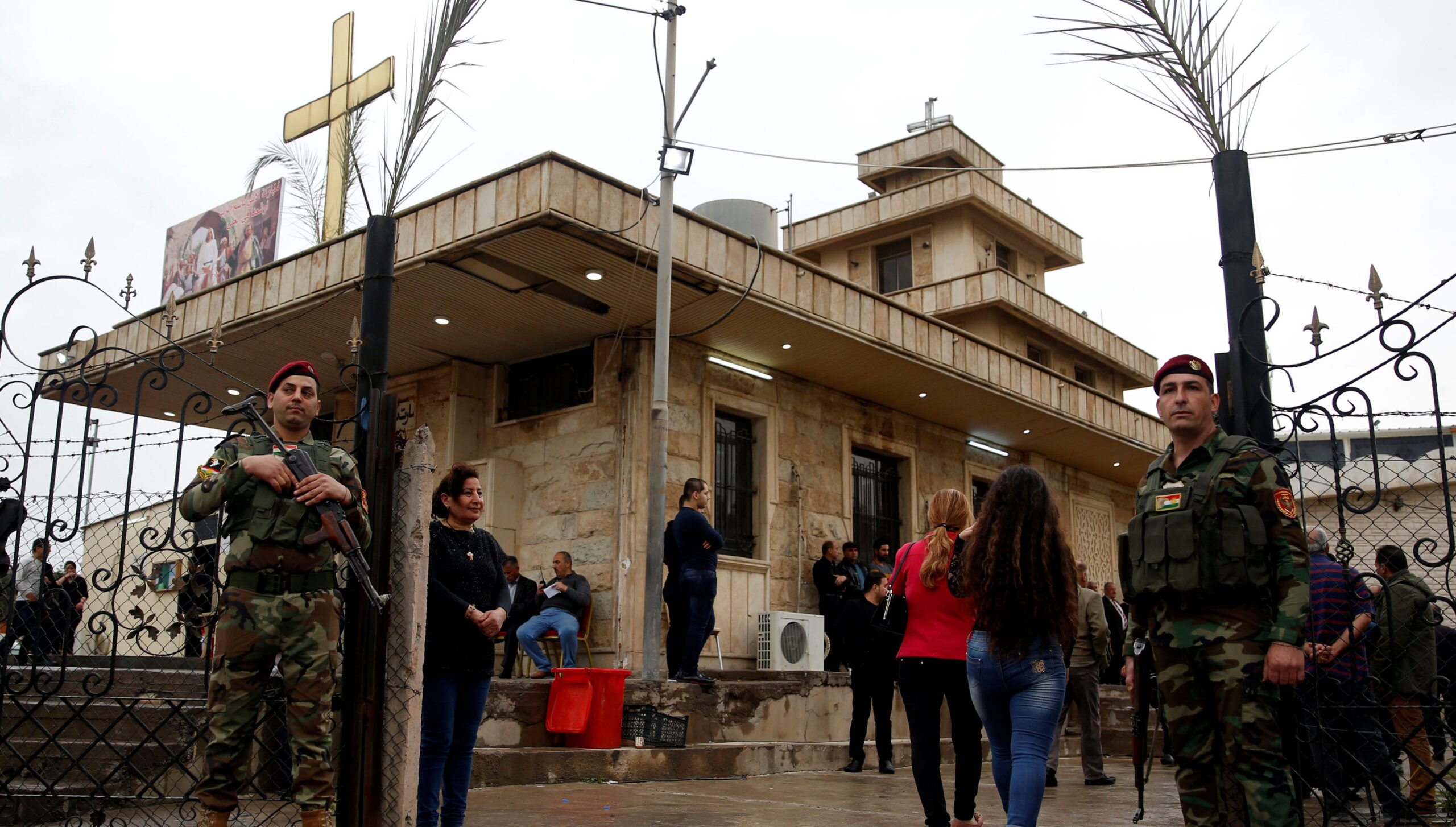
What will a Future Kurdish State Do with its Own Minorities?
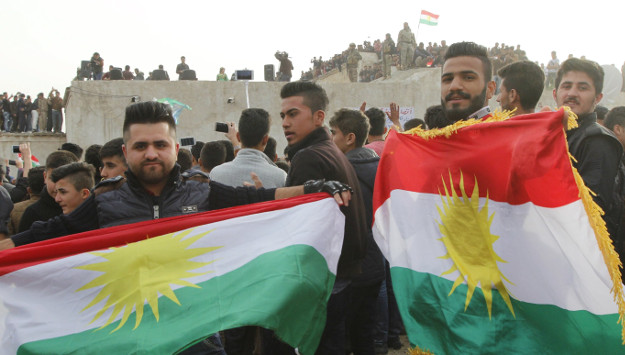
The Kurdistan Region of Iraq (K.R.I.) is expected to hold a referendum on independence from Iraq on September 25. While the disputes between Kurds and Iraq’s Sunni and Shiite Arab populations will be a key factor in any independence process, the realities of building a Kurdish state in northern Iraq will be made more complex by the enormous ethnic and religious diversity in the region.
Qatar to Top Agenda of Kuwaiti Emir’s Washington Visit | Weekly Briefing
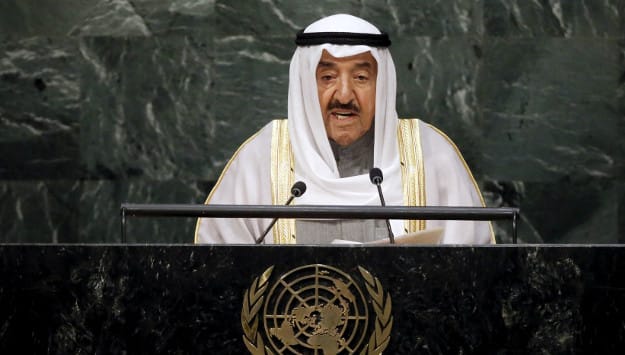
In this week’s briefing, MEI experts Gerald Feierstein, Charles Schmitz, Jonathan M. Winer, and Yousef Munayyer provide analysis on recent and upcoming events including Kuwaiti Emir Sheikh Sabah al-Sabah’s upcoming visit to Washington, recent clashes in Yemen, the French Foreign Minister’s trip to Libya, and the U.N. Human Rights Council’s discussion on Israel/Palestine.
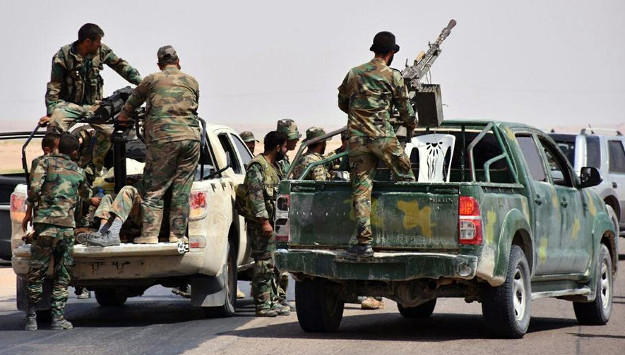
Iran Hails End of Siege on Syria’s Deir Ezzor as Victory for “Resistance”
Iranian leaders today congratulated the Syrian government on the lifting of a siege of the eastern city of Deir Ezzor by the Islamic State. Iran’s Foreign Minister Javad Zarif described the end of the three-year siege as a “significant victory” in the fight against terrorism.
Iran Seeks to Boost Ties with South Africa, Particularly in Banking Sector
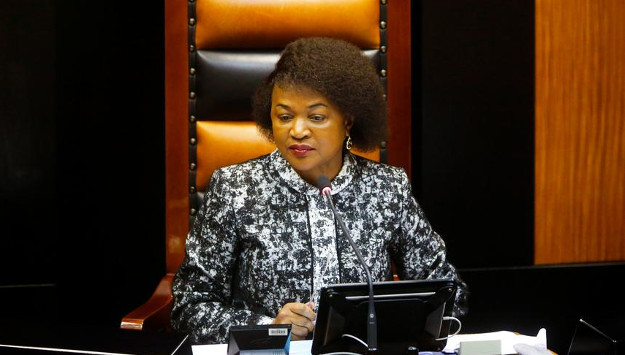
Top Iranian officials have called for cultivating comprehensive ties with South Africa, particularly in banking sector. In a meeting with visiting speaker of South Africa’s parliament Baleka Mbete this weekend, President Hassan Rouhani said Tehran is keen to boost its diplomatic and economic relations with the African nation.
Iran: Consequences of Referendum Will be Dire for Iraq and Region
Secretary of Iran’s Expediency Council Mohsen Rezaei has warned that the consequences of the Iraqi Kurdistan’s plan to hold an independence referendum will be dire for Iraq and the broader region. “Disintegration of Iraq would mark the beginning of widespread insecurity not only in Iraq, but in the entire region… We oppose such a referendum and call on the Kurdish leaders to halt that plan,” he said at a press conference in Baghdad on Monday.
Iran and Russia Discuss Next Diplomatic and Military Steps about Syria
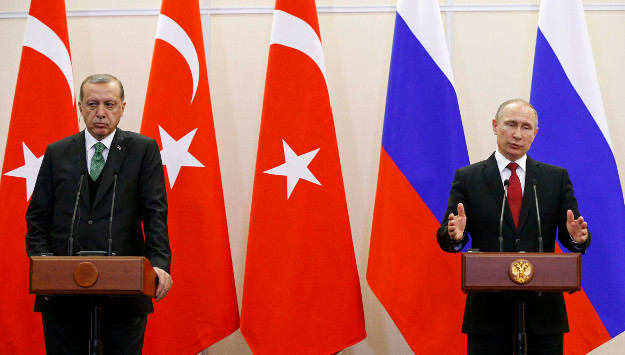
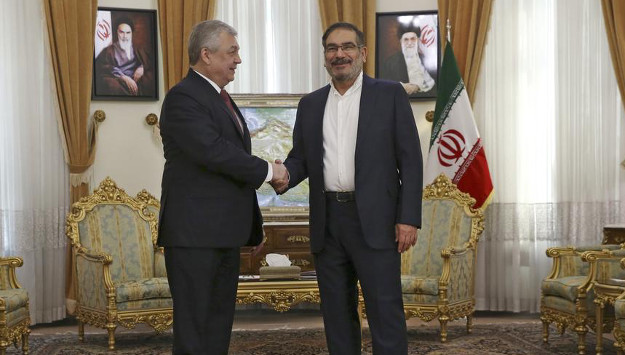
Russian President Vladimir Putin’s special envoy on Syria today met with Iranian officials in Tehran to assess the latest developments and coordinate the two countries’ military and diplomatic efforts regarding the Syrian war. According to Iranian media, Alexander Lavrentiev briefed Iranian officials on Moscow’s recent talks with other foreign powers regarding Syria ahead of the next Astana meeting.
Hezbollah-Islamic State Deal Divides Iraqi Leaders
After Iraqi Prime Minister Haider al-Abadi criticized the latest Hezbollah and Syria-backed agreement to transfer Islamic State fighters from the Lebanese-Syrian border to eastern Syria near the Iraqi border, several Iraqi political and militia leaders close to Tehran voiced support for the deal and praised Hezbollah leader Hassan Nasrallah.
Iranian and Qatari Leaders Pledge to Expand Bilateral Ties
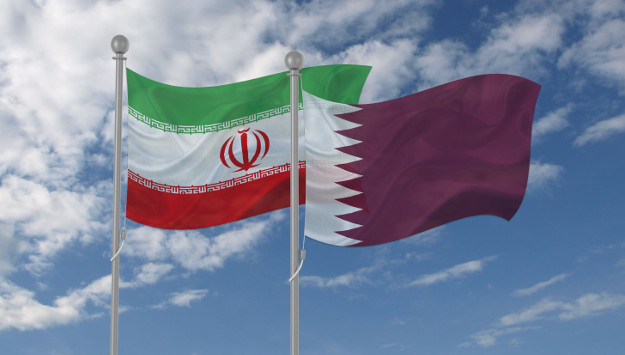
Iran opposes “unjust” sanctions against Qatar and is ready to expand its relations with the Arab country in all fields, President Hassan Rouhani said in a phone conversation with Qatari Emir Sheikh Tamim bin Hamad al-Thani on Thursday. “The Islamic Republic of Iran believes what was imposed on Qatar was unfair and that it fuels tension between regional countries. Iran will do all in its power to cooperate with and assist the Qatari people and government as well as to [promote] regional stability,” Rouhani added.
Iran-Backed Iraqi Paramilitary Forces Will Participate in Hawija Offensive
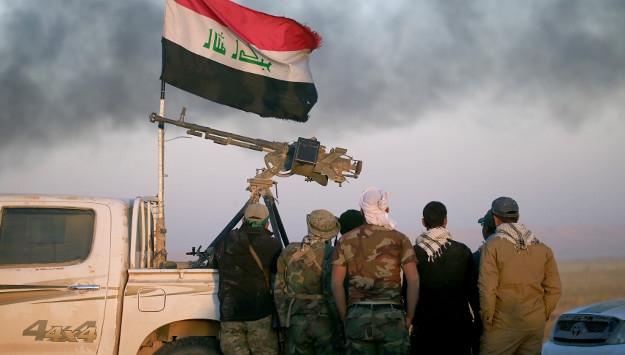
The spokesman of the Iraqi Popular Mobilization Forces (P.M.F.) has announced that the paramilitary forces will participate in the next major offensive against the Islamic State in Hawija city of Iraq’s Kirkuk Province. Ali al-Husseini said on Friday that the military operation will begin within a few days. There are about 2,000 Islamic State fighters in Hawija, Fars News Agency quotes a local official as saying. The P.M.F.
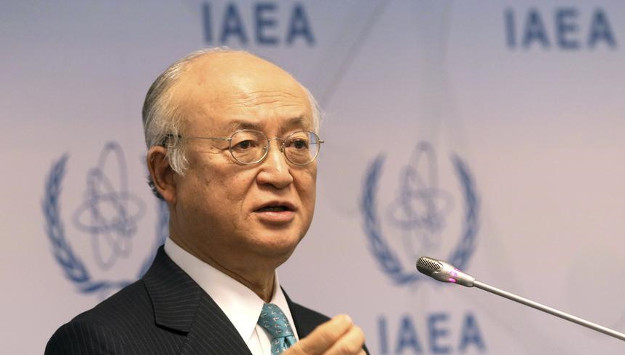
Iran praised the latest report by the International Atomic energy Agency (I.A.E.A.) on the country’s compliance with the nuclear agreement as “Iran’s victory and Washington’s defeat.” The state-run Islamic Republic News Agency said that the nuclear watchdog’s report was the latest sign that the White House has failed in its efforts to derail the
The oldest peer-reviewed publication dedicated to the study of the modern Middle East, MEI’s flagship journal covers politics, society, and culture in the region.