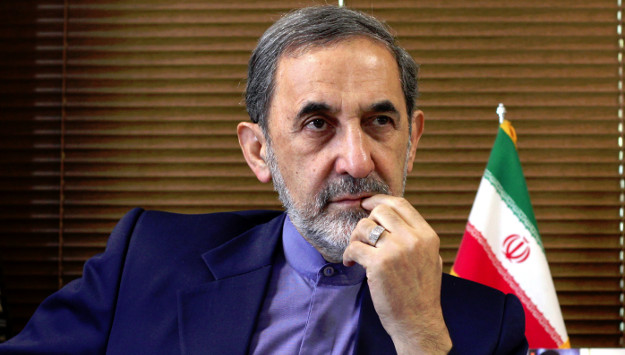
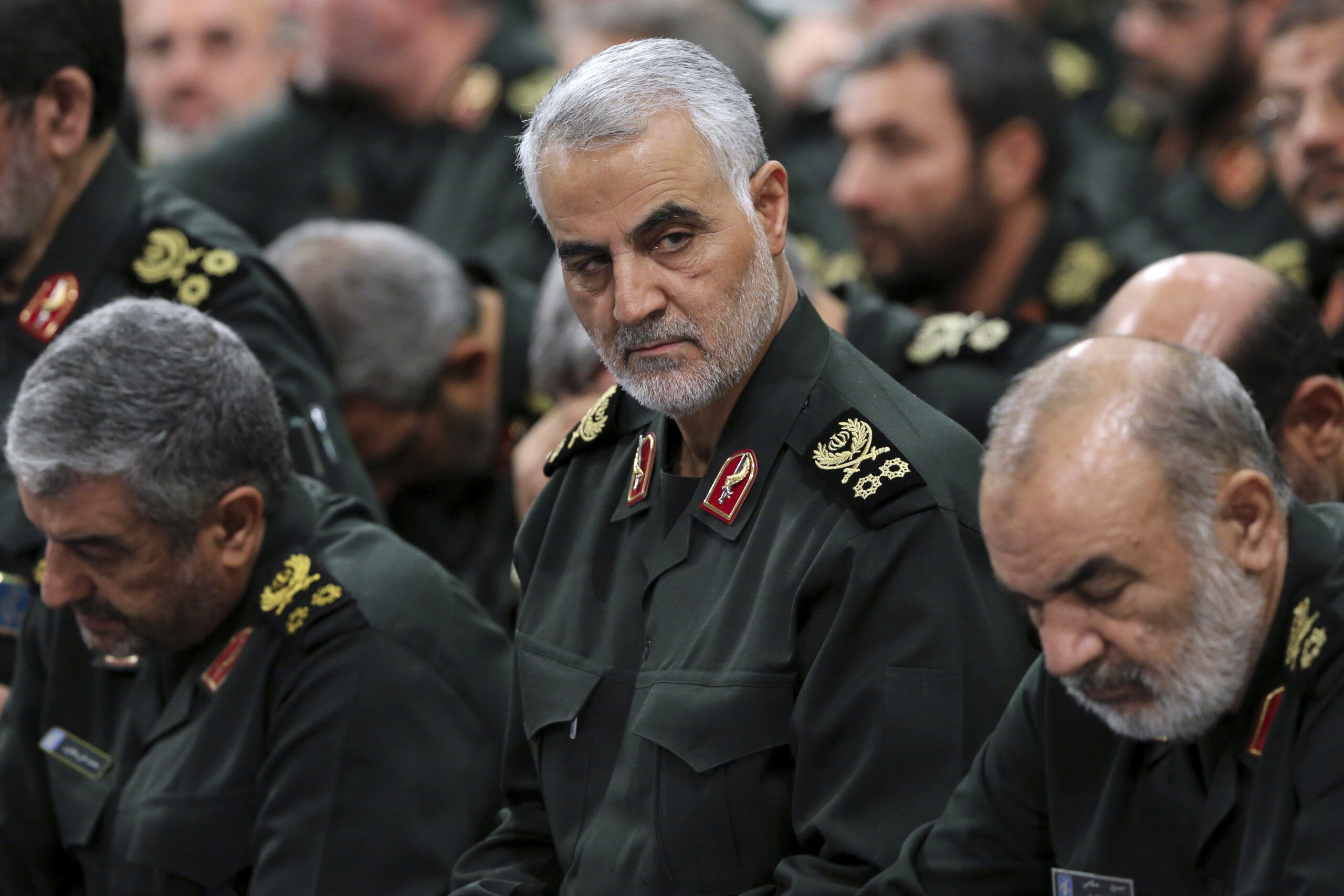
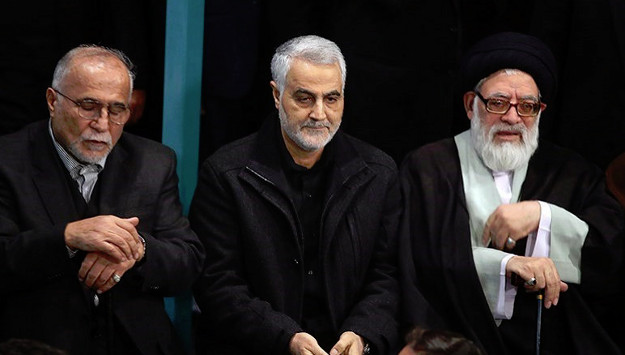
After decades of political setbacks, Iran’s former Revolutionary Guards commander has returned to the center of power. Is he an incidental beneficiary of war, or have observers underestimated him all along?
The Unavoidable Neighbor: Managing Iran Beyond the War
Gulf states and their partners are increasingly looking beyond their most immediate interests of containing the war with Iran. While recent talks between Saudi Arabia, Turkey, Pakistan, and Iran have kept de-escalation on the agenda, a broader regional security framework and non-aggression pact has also emerged, envisioning a longer-lasting solution to regional conflicts. The talks have yet to produce a settlement, but they reflect a growing recognition that Gulf security cannot depend entirely on Washington. Iran will still be there, and its neighbors will have to find ways of living with it.
Recent Elections and What They May Mean for the Middle East
Recent elections for the Israeli Knesset and American Congress may make less of a difference in the Middle East than some people think. Elections are significant indicators of national political trends, but do not always translate into changes in national security strategies. That is likely the case now in both nations.
Iran-Backed Iraqi Group Seizes “Large” Areas in Southeastern Syria
The leadership of Harakat al-Nujaba, an Iranian-supported militia group fighting in Syria and Iraq, has announced that its forces have launched an operation to seize territory from the the Islamic State in southeast Syria near the shared border point with Iraq and Jordan. The statement released by the group said the paramilitary forces had captured “large parts” of southeastern desert in Syria, including “important” villages of Um al-Raheel, Abu Khashaba, and Berket al-Miyah.
With the Islamic State ousted from Mosul, several Iraqi parliamentarians and media outlets affiliated with the Islamic Revolution Guards Corps (I.R.G.C.) have called on the Rouhani government to “prepare the ground” for Iranian companies to play a larger role in the Iraqi city’s reconstruction process. “Iran must make efforts to actively participate in the rebuilding of Mosul and other war-ravaged cities of Iraq and export Iran’s technological and engineering services and other goods needed in Iraq.
Art has long been both an instrument for openly engaging in dialogue as well as an agent to force an overdue conversation. The installations of international artists, such as Dawn Weleski, Jon Rubin, Ai Weiwei, and Theaster Gates, all engage with social issues and help introduce new perspectives or dialogue. The fusion of art and socio-political commentary thrives especially in the Middle East, where unrestricted criticism of both government and cultural norms can be seen as heresy.
Iran’s Islamic Azad University Plans to Open New Branches in Lebanon and Iraq
Iran’s Islamic Azad University (IAU) plans to open new branches in Lebanon and Iraq, according to Ali Akbar Velayati, the head of the university’s board of founders and an influential political figure in the Islamic Republic.
I.R.G.C. Asks Rouhani for Larger Role in Iran’s Economy
The chief commander of the Islamic Revolution Guards Corps (I.R.G.C.) has said that his forces are actively involved in economic and developmental projects across the country and stressed that the I.R.G.C. is keen to further expand its role in the Iranian economy to create jobs and fight poverty.
Iran Vows to Respond to Trump Administration’s Regime Change Remarks
The deputy chief of Iran’s armed forces has warned that the Islamic Republic will take action against U.S. interests in the Middle Eastern region in retaliation to the Trump administration’s regime change remarks.
Rouhani Takes Credit for Enhancing Iran’s Military Capabilities, Aiding Iraq and Syria
Iran’s President Hassan Rouhani has said that upgrading the country’s missiles and accelerating the production of “strategic weapons” have been among the greatest achievements of his government in the past four years.
Soleimani Details Iran’s Military Role in Iraq, Hails Iraqi Paramilitary Forces and Hezbollah
On Monday, the head of Iran’s Quds Force revealed that the country’s defense ministry worked over time in recent years to manufacture weapons to equip Iraq’s Army and the Hashd al-Shaabi – the Iraqi paramilitary forces also known as the Popular Mobilization Forces [P.M.F.] – in their fight against the Islam
Iran’s Defense Minister Reacts Angrily to Mattis’ Regime Change Remarks
U.S. Secretary of Defense James Mattis’ latest remarks about the need for regime change in Iran have triggered angry reactions in Tehran. The Iranian defense minister described the Mattis’ comments as “interventionist” and claimed they violated all principles of international law.
The oldest peer-reviewed publication dedicated to the study of the modern Middle East, MEI’s flagship journal covers politics, society, and culture in the region.