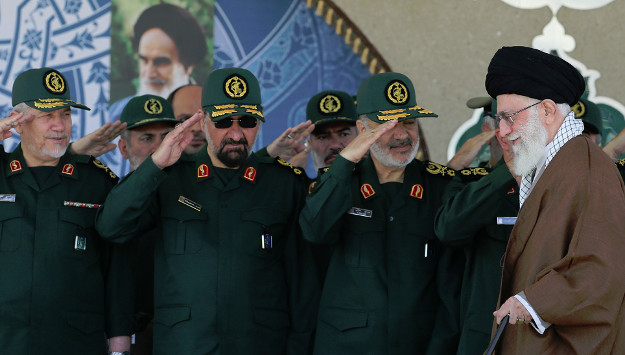
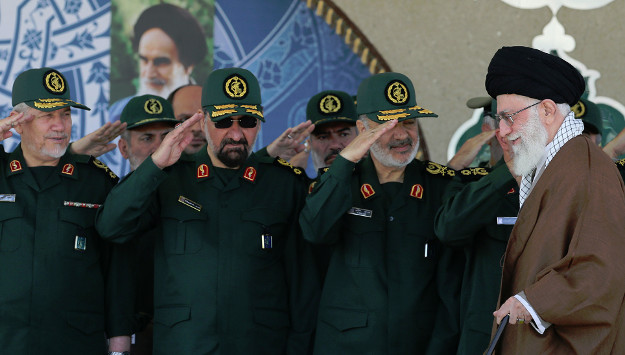
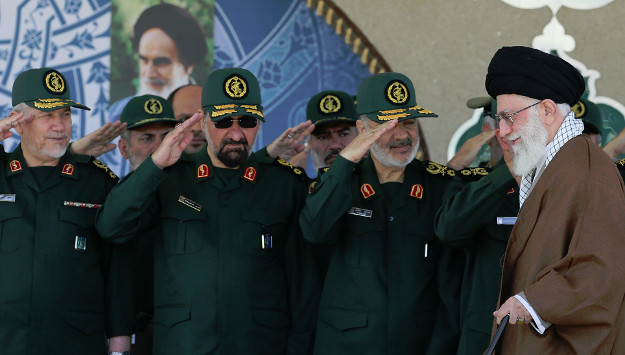
After decades of political setbacks, Iran’s former Revolutionary Guards commander has returned to the center of power. Is he an incidental beneficiary of war, or have observers underestimated him all along?
The Unavoidable Neighbor: Managing Iran Beyond the War
Gulf states and their partners are increasingly looking beyond their most immediate interests of containing the war with Iran. While recent talks between Saudi Arabia, Turkey, Pakistan, and Iran have kept de-escalation on the agenda, a broader regional security framework and non-aggression pact has also emerged, envisioning a longer-lasting solution to regional conflicts. The talks have yet to produce a settlement, but they reflect a growing recognition that Gulf security cannot depend entirely on Washington. Iran will still be there, and its neighbors will have to find ways of living with it.
Recent Elections and What They May Mean for the Middle East
Recent elections for the Israeli Knesset and American Congress may make less of a difference in the Middle East than some people think. Elections are significant indicators of national political trends, but do not always translate into changes in national security strategies. That is likely the case now in both nations.
Senior Iranian Military Official: Liberation of Mosul Sounded “Death Knell” for U.S. Plots
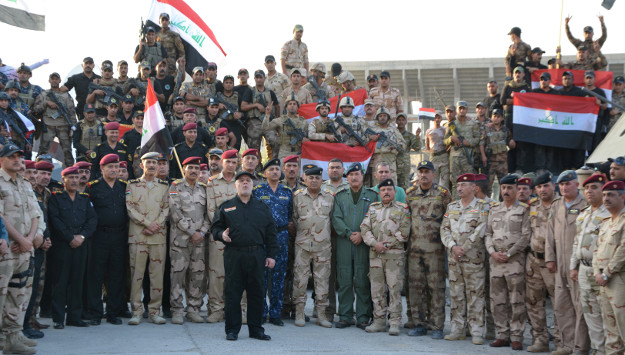
A senior Iranian military official said on Tuesday that the liberation of the Iraqi city of Mosul from the Islamic State sounded “the death knell for the divisive plots” of the United States and its regional allies, the Iranian media reported.
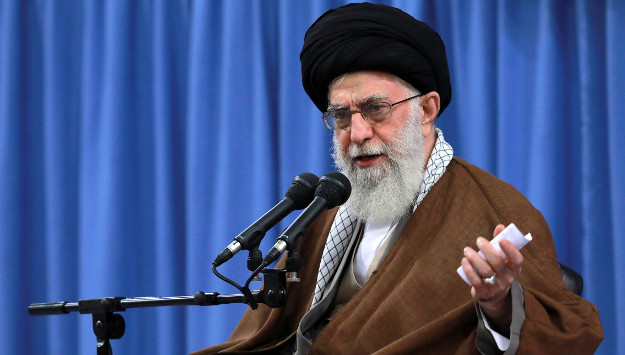
Top Iranian Cleric Says Iran Strongest Power in Region, Hurdle to America’s Ambitions
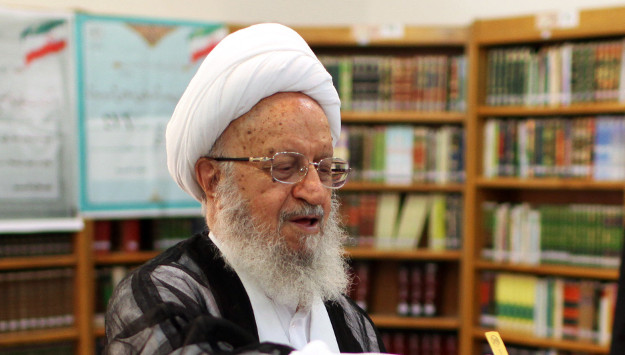
Senior Iranian cleric Ayatollah Nasser Makarem Shirazi has said that Iran’s military presence in Iraq and Syria prevents the United States from dominating the Middle Eastern region,
With Islamic State Crumbling, Iran and Its Proxies in Iraq Intensify Anti-U.S. Propaganda
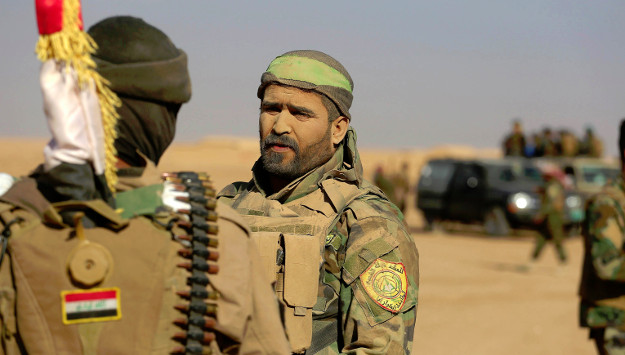
A commander of the Iraqi Popular Mobilization Forces (P.M.F.) – also known as Hashd al-Shaabi – has said that the paramilitary forces will not agree to the presence of American forces or foreign private security firms in post-Islamic State Iraq, particularly in regions near the Syrian border. “The central government has almost agreed to Blackwater controlling the borders. But Blackwater doesn’t have the authority and resources to control the borders or fight Daesh [Islamic State].
Iran and North Korea Call for Expansion of Ties to Confront America
The head of the Iranian parliament’s National Security and Foreign Policy Committee has called for further expansion of bilateral ties between Iran and North Korea.
Iran Says U.S.-Russia Ceasefire Could Be Successful Only If Expanded to All Syria
The Iranian Foreign Ministry has said that the latest agreement between the United States and Russia on a ceasefire mechanism in southern Syria could be successful only if it is expanded to all of Syria, the Iranian media reported today. Foreign Ministry Spokesman Bahram Ghassemi told a press conference in Tehran that the agreement should complement four other de-escalation zones that had already been decided upon at the Astana summit by Russia, Iran, Turkey and Syria.
Amid all the accusations being traded recently against each other by Gulf Arab states some truths are getting lost in the smoke.
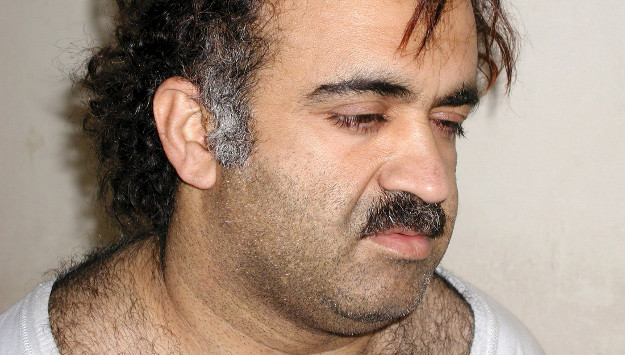
It has been true that Qatar has served as a sanctuary for leaders of groups that the U.S. or other countries deem to be terrorist organizations. That, however, is nothing new. It has been going on for at least 20 years — and one of those who had sanctuary was the mastermind of the 9-11 attacks.
Head of I.R.G.C.’s Khatam al-Anbia Blasts Rouhani’s Economic Policies, Deal with Total
The commander of Khatam al-Anbia Construction Headquarters, a conglomerate of the Islamic Revolution Guards Corps (I.R.G.C.), blasted President Hassan Rouhani’s economic policies and said he “harbors a serious grievance against the Rouhani government.” In an interview with Iran’s state-run television, Gene
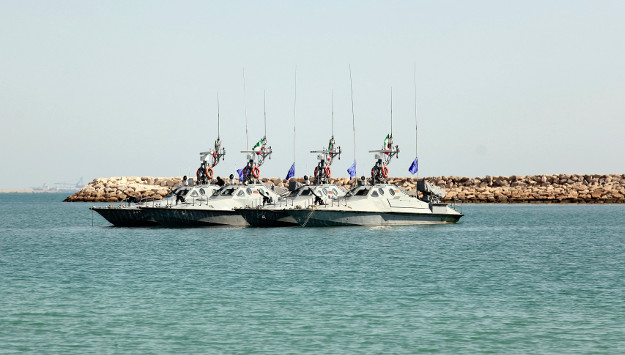
I.R.G.C. Seizes Saudi Boat, Detains Four Crew Members
The naval forces of the Islamic Revolution Guards Crops (I.R.G.C.) have seized a Saudi vessel for allegedly trespassing on Iranian territorial waters, the Iranian media reported today. Majid Agha-Babaei, the director-general of border affairs at Iran’s Interior Ministry, said I.R.G.C.
Protestors in Southern Afghanistan Chant Anti-Iran Slogans after Rouhani’s Water Remarks
Earlier today, hundreds of people marched the streets of Lashkargah, the capital of Afghanistan’s volatile Helmand Province, to protest Iranian President Hassan Rouhani’s latest remarks on water dispute with Afghanistan, the Afghan media reported. Speaking at an international conference on tackling dust storm, Rouhani had criticized the Afghan government and its international allies for constructing dams and preventing the flow of sufficient water into Iran.
Yemen War and Qatar Crisis Challenge Oman’s Neutrality
Living on the periphery of the tumultuous Middle East, Omanis do not take their security for granted. Oman has been free of violent unrest since the Sultanate crushed the Dhofar Rebellion in 1976. Yet Oman is situated in a dangerous neighborhood, and the Arab Gulf country is not immune to transregional threats.
Top Iraqi Politician Says Baghdad Will Limit U.S. Military Role in Iraq after Mosul Battle
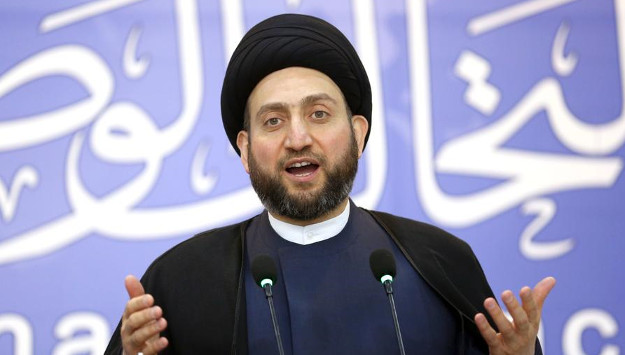
Ammar al-Hakim, the head of Iraq’s Shiite ruling coalition, has said during his visit to Tehran that the Baghdad government will reduce the number of American military advisors and their role after the liberation of Mosul. “We emphasize that we oppose the presence of their military forces the same way we opposed foreign military bases on the Iraqi soil,” Hakim said in an interview with Fars News Agency, which is affiliated with the Islamic Revolution Guards Corps (I.R.G.C.).
The oldest peer-reviewed publication dedicated to the study of the modern Middle East, MEI’s flagship journal covers politics, society, and culture in the region.