After decades of political setbacks, Iran’s former Revolutionary Guards commander has returned to the center of power. Is he an incidental beneficiary of war, or have observers underestimated him all along?
The Unavoidable Neighbor: Managing Iran Beyond the War
Gulf states and their partners are increasingly looking beyond their most immediate interests of containing the war with Iran. While recent talks between Saudi Arabia, Turkey, Pakistan, and Iran have kept de-escalation on the agenda, a broader regional security framework and non-aggression pact has also emerged, envisioning a longer-lasting solution to regional conflicts. The talks have yet to produce a settlement, but they reflect a growing recognition that Gulf security cannot depend entirely on Washington. Iran will still be there, and its neighbors will have to find ways of living with it.
Recent Elections and What They May Mean for the Middle East
Recent elections for the Israeli Knesset and American Congress may make less of a difference in the Middle East than some people think. Elections are significant indicators of national political trends, but do not always translate into changes in national security strategies. That is likely the case now in both nations.
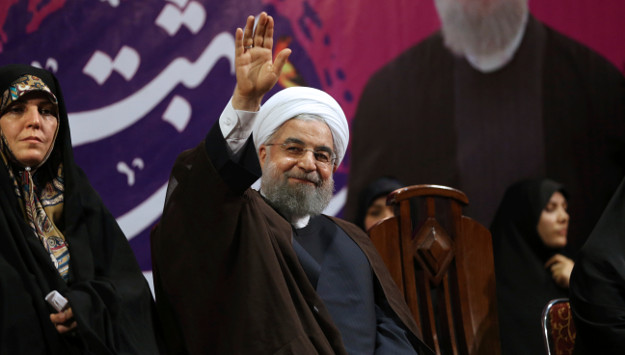
Iran’s presidential vote is now a two-man race. Tehran Mayor Mohammad Bagher Qalibaf’s 11th-hour withdrawal means that incumbent Hassan Rouhani will face the 56-year-old Ebrahim Raisi, a close associate of Supreme Leader Ayatollah Ali Khamenei and a man who was at the heart of the decision to mass execute political dissidents in the late 1980s.
Iran’s Intelligence Minister: Plots to Carry out Attacks and Disrupt Elections Foiled
Iran’s Intelligence Minister Mahmoud Alavi said today that his agency had foiled plots by several groups that wanted to disrupt the country’s security during the presidentia
Iran-Backed Iraqi Militia Groups Seize Strategic Air Base in Western Mosul
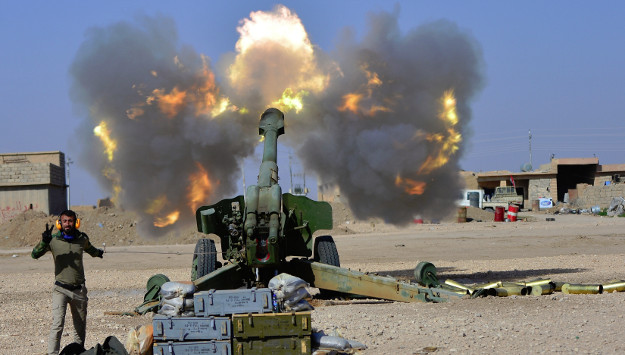
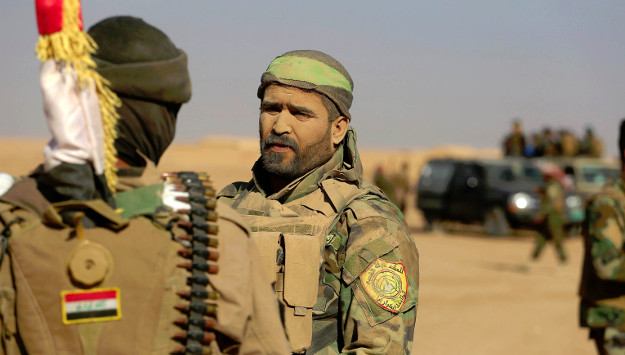
The Hashd al-Shaabi – Iraqi paramilitary forces known as the Popular Mobilization Forces – captured an air base from the Islamic State on Thursday, the Iranian media reports.
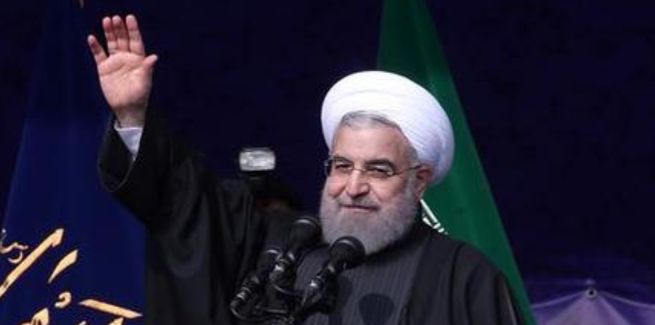
Four years ago, Hassan Rouhani assumed the Iranian presidency on the back of a campaign pledge to alleviate Iran’s economic hardship by striving for the removal of sanctions. With nuclear-related sanctions removed, blame for Iran’s continued economic misery has either been put on remaining U.S. unilateral sanctions that present a hurdle to large-scale European involvement in the country, or Iran’s hardliners blocking the president’s economic reforms. Yet, Rouhani’s own economic doctrine has significantly contributed to his administration’s failure to improve the lives of Iranians.
Heightening Tension between U.S.-led Coalition and Iran-led Forces in Syria
Just hours before the news of U.S. airstrikes in Syria broke out, Iran’s Fars News Agency (F.N.A.) reported that the Lebanese Hezbollah had dispatched 3,000 fighters near the border-crossing al-Tanf passageway along Syria’s borders with Iraq and Jordan to “thwart the U.S. plots” and take the control of the Palmyra-Baghdad road.
I.R.G.C. Outlet: Iran’s “Military Diplomacy” Forced Pakistan to Take Action against Terrorists
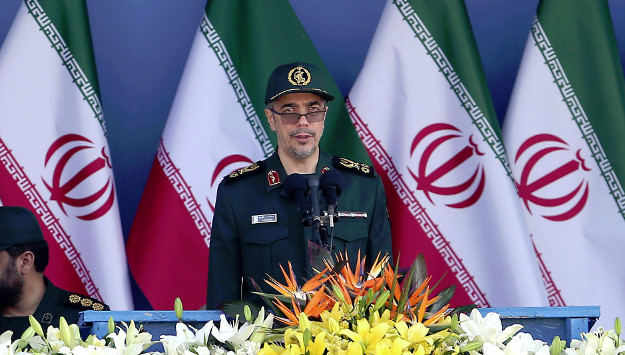
An article in Tasnim News Agency says Iran’s “military diplomacy” was instrumental in compelling Pakistan to take concrete actions against terrorist groups. “After the attack by terrorist groups that martyred 10 Iranian border guards, it was the powerful words of Major General [Mohammad] Bagheri that made Pakistani political leaders to take practical actions to control the borders,” wrote the outlet, which is affiliated with the Islamic Revolution Guards Corps (I.R.G.C.).
Accusations are mounting that Iran is ramping up its engagement with the Taliban in Afghanistan. Like a lot of Iran’s murky foreign policy, it is difficult to separate the wheat from the chaff. The three questions that need to be answered to clear up the murky relationship between Iran and the Taliban are: why the change in Iran’s policy; when did this policy change occur; and what is the level of support afforded to the Taliban?
The India-U.A.E. Strategic Partnership in Regional Context: A Zero-Sum Game?
Since the government of Narendra Modi took office in 2014, India and the U.A.E. have moved relatively quickly to consolidate their existing ties and to explore new areas of cooperation. During this time, they have elevated the relationship to a comprehensive strategic partnership, with the expressed intention of extending their cooperation to the security and defense spheres. This essay discusses these recent developments, with particular attention to the role of Pakistan as a constraining factor in India-U.A.E. relations going forward.
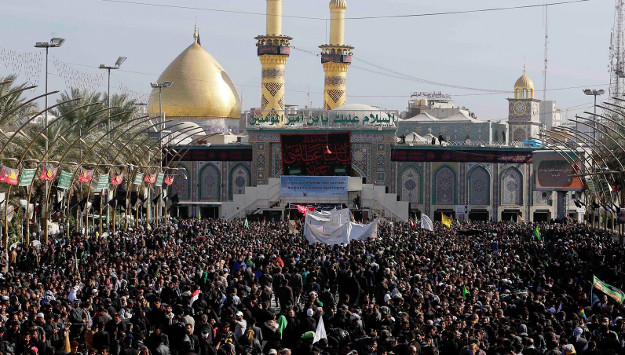
Iran’s Envoy to Iraq Meets with Senior Religious and Political Leaders in Karbala
On Monday, Iranian Ambassador to Baghdad Iraj Masjedi traveled to the holy city of Karbala and held meetings with senior Iraqi government officials and religious leaders, the
The oldest peer-reviewed publication dedicated to the study of the modern Middle East, MEI’s flagship journal covers politics, society, and culture in the region.