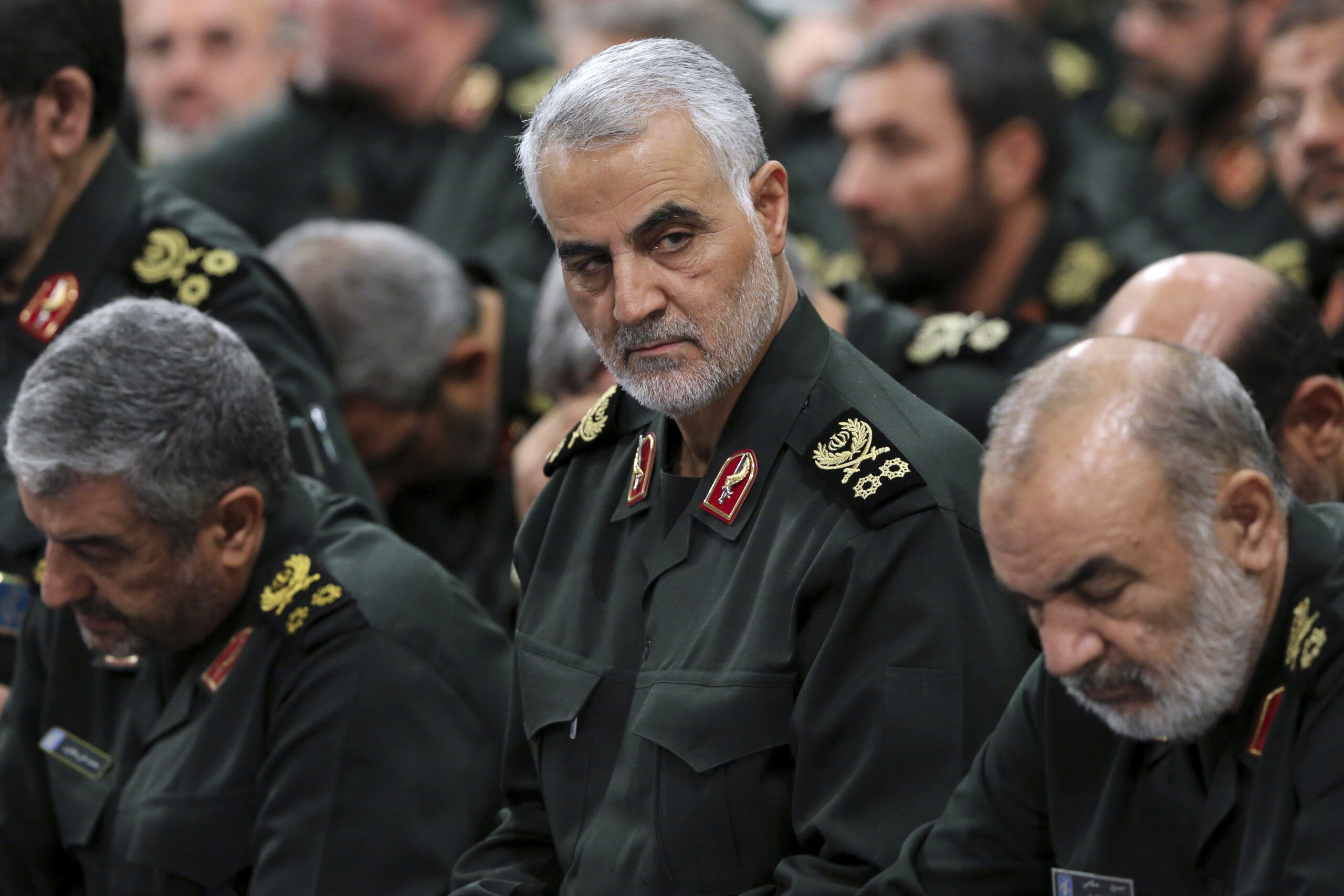
After decades of political setbacks, Iran’s former Revolutionary Guards commander has returned to the center of power. Is he an incidental beneficiary of war, or have observers underestimated him all along?
The Unavoidable Neighbor: Managing Iran Beyond the War
Gulf states and their partners are increasingly looking beyond their most immediate interests of containing the war with Iran. While recent talks between Saudi Arabia, Turkey, Pakistan, and Iran have kept de-escalation on the agenda, a broader regional security framework and non-aggression pact has also emerged, envisioning a longer-lasting solution to regional conflicts. The talks have yet to produce a settlement, but they reflect a growing recognition that Gulf security cannot depend entirely on Washington. Iran will still be there, and its neighbors will have to find ways of living with it.
Recent Elections and What They May Mean for the Middle East
Recent elections for the Israeli Knesset and American Congress may make less of a difference in the Middle East than some people think. Elections are significant indicators of national political trends, but do not always translate into changes in national security strategies. That is likely the case now in both nations.
Influential Iraqi Cleric Muqtada al-Sadr’s Saudi Visit Triggers Worries in Tehran
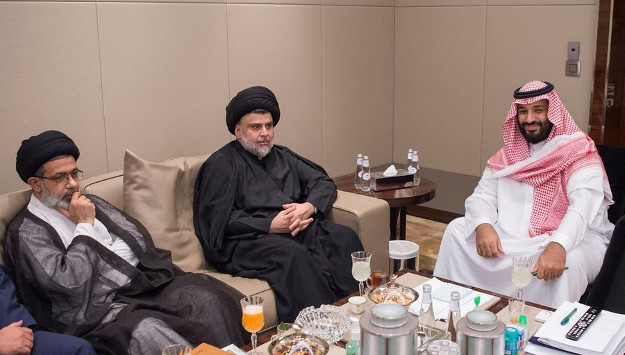
Prominent Iraqi Shiite cleric Muqtada al-Sadr’s weekend visit to Saudi Arabia has raised concerns in Tehran. While the Iranian government and media outlets affiliated with the Islamic Revolution Guards Corps (I.R.G.C.) largely refrained from commenting on Sadr’s trip and his meeting with Saudi Arabia’s Crown Prince Mohammad bin Salman, some conservative newspapers and Iranian analysts cautioned that the Saudi government is attempting to court Iraqi Shiite leaders to influence Iraqi politics at the expense of Iran’s interests.
U.S. Absent as Israel-Palestine Violence Escalates | Monday Briefing
In this week’s Monday Briefing, MEI experts Eran Etzion, W. Robert Pearson, Charles Lister, Alex Vatanka, and Randa Slim weigh in on the implications of Israel-Palestinian violence for U.S. foreign policy, Turkish involvement in the Gulf crisis, al-Qaeda’s response to the U.S. decision to terminate support for a program arming anti-Assad Syrian rebels, confrontational U.S. policy towards the Iran nuclear deal, and a former Iraqi Prime Minister’s power play.
Mosul Turning Ugly, Raqqa Front Slows | Monday Briefing
In this week’s Monday Briefing, MEI experts Charles Lister, Marvin G. Weinbaum, Yousef Munayyer, and Alex Vatanka provide analysis on recent events including the battle for Mosul, corruption in Pakistan, Mahmoud Abbas’s trip to China, and Rouhani’s difficult second presidential term.
Senior Cleric: No American Place in World Will Remain Safe If U.S. Commits Mistake
A senior Iranian cleric warned today that “no American place in the world will remain safe if the United States commits a mistake against Iran.” Ayatollah Mohammad Ali Movahedi Kermani, an interim Friday prayer leader of Tehran, told a large gathering of worshippers today that the United States aims to weaken the will of the Iranian people through economic pressure in order to get them to oppose the regime.
Iran-Backed Iraqi Group Seizes “Large” Areas in Southeastern Syria
The leadership of Harakat al-Nujaba, an Iranian-supported militia group fighting in Syria and Iraq, has announced that its forces have launched an operation to seize territory from the the Islamic State in southeast Syria near the shared border point with Iraq and Jordan. The statement released by the group said the paramilitary forces had captured “large parts” of southeastern desert in Syria, including “important” villages of Um al-Raheel, Abu Khashaba, and Berket al-Miyah.
With the Islamic State ousted from Mosul, several Iraqi parliamentarians and media outlets affiliated with the Islamic Revolution Guards Corps (I.R.G.C.) have called on the Rouhani government to “prepare the ground” for Iranian companies to play a larger role in the Iraqi city’s reconstruction process. “Iran must make efforts to actively participate in the rebuilding of Mosul and other war-ravaged cities of Iraq and export Iran’s technological and engineering services and other goods needed in Iraq.
Iran’s Islamic Azad University Plans to Open New Branches in Lebanon and Iraq
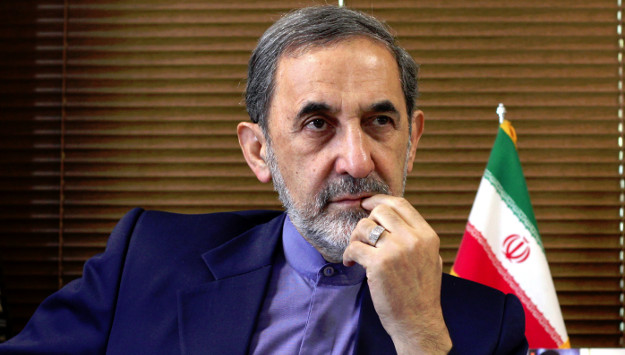
Iran’s Islamic Azad University (IAU) plans to open new branches in Lebanon and Iraq, according to Ali Akbar Velayati, the head of the university’s board of founders and an influential political figure in the Islamic Republic.
I.R.G.C. Asks Rouhani for Larger Role in Iran’s Economy
The chief commander of the Islamic Revolution Guards Corps (I.R.G.C.) has said that his forces are actively involved in economic and developmental projects across the country and stressed that the I.R.G.C. is keen to further expand its role in the Iranian economy to create jobs and fight poverty.
Iran Vows to Respond to Trump Administration’s Regime Change Remarks
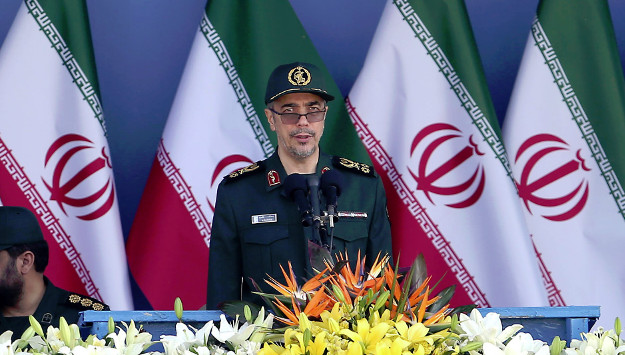
The deputy chief of Iran’s armed forces has warned that the Islamic Republic will take action against U.S. interests in the Middle Eastern region in retaliation to the Trump administration’s regime change remarks.
The oldest peer-reviewed publication dedicated to the study of the modern Middle East, MEI’s flagship journal covers politics, society, and culture in the region.