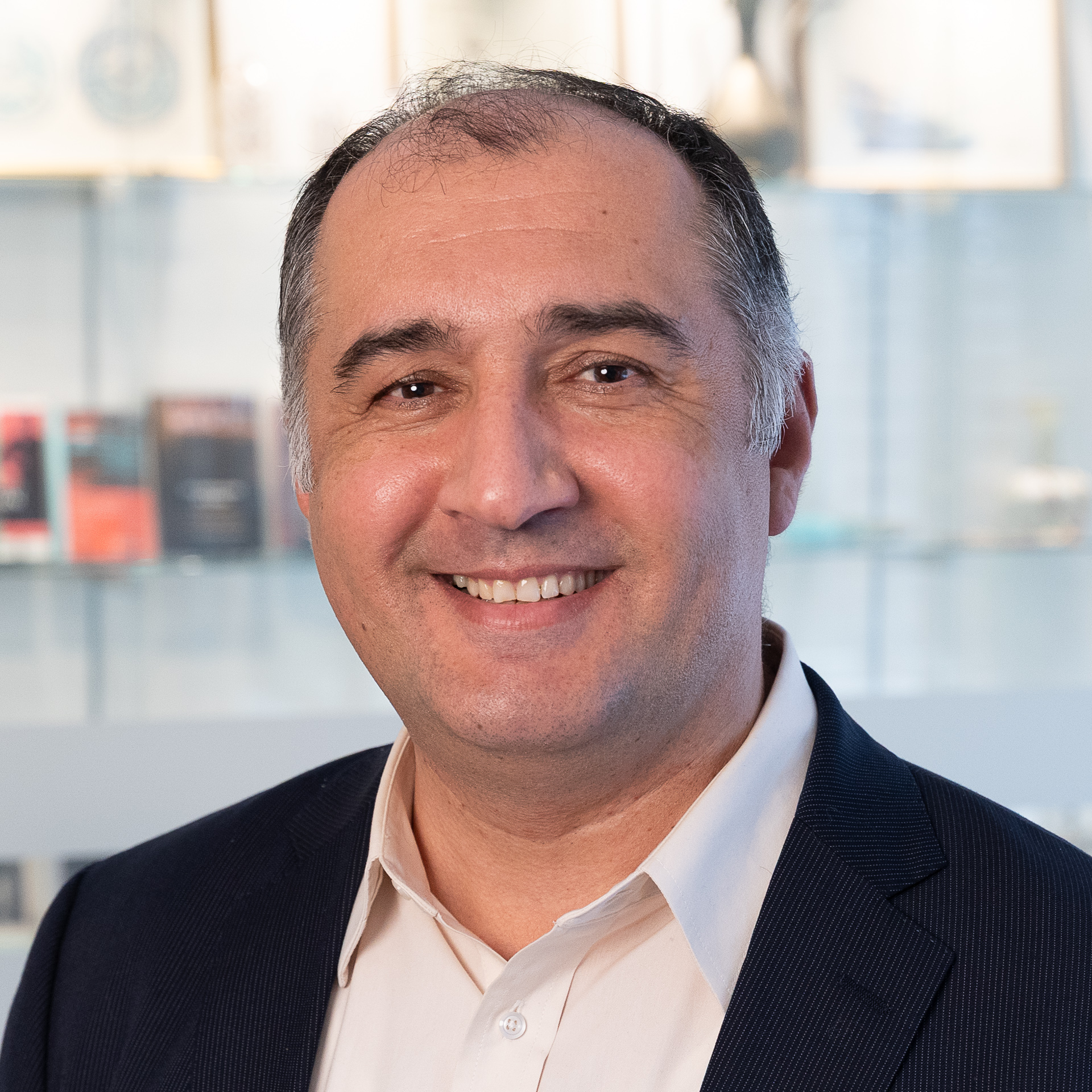
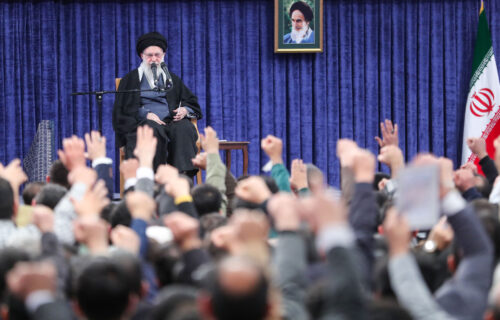
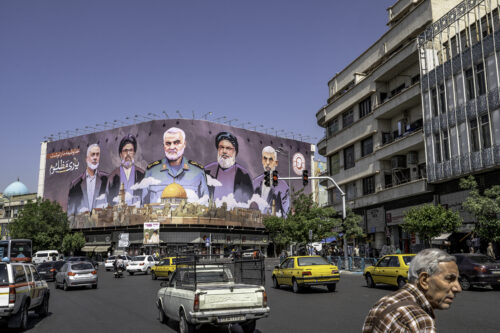
Washington says it doesn’t know who runs Iran. Tehran insists its leadership is united. MEI Senior Fellow Alex Vatanka joins hosts Alistair Taylor and Matthew Czekaj to sort out where the truth lies. They look at the small circle of political and military figures now steering the war effort in Tehran: who they are, how they make decisions, and how unified they really are. They also discuss the current state of US-Iran negotiations, the role of the upcoming midterm elections in the United States, and how the Islamic Republic is preparing for a potential renewal of conflict afterward.
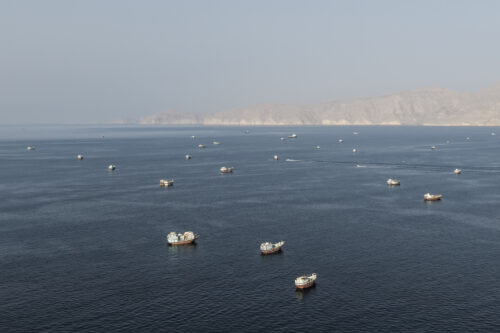
Crude oil is flowing out of the Gulf again, but the market is no better prepared for another disruption in the Strait of Hormuz. It has assembled a temporary system for managing one. Crude exports from the Gulf, excluding Iran, returned to pre-war levels in September, while total Gulf shipments reached 15.5 million barrels a day, more than 80% of the pre-conflict volume.
Many of the immediate consequences of the Israeli-American war with Iran are already clear. The further emergence of drones and missiles as dominant weapons of war; the danger to the global economy from the threats to vital chokepoints such as the Strait of Hormuz and the Bab el-Mandeb; and the inadequacy of US weapons procurement, among other issues, have garnered widespread and entirely merited attention.
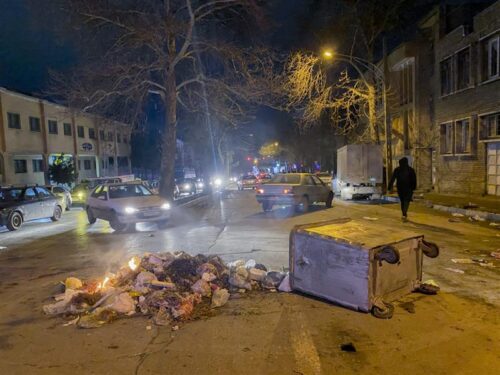
Iran is facing the largest demonstrations since 2022, when the death of Mahsa Amini in police custody ignited a nationwide uprising. This time, the unrest comes as the Islamic Republic is unusually exposed—still reeling from a bruising 12-day war with Israel last summer. What does this moment mean for the regime’s survival? How is this wave of protests different from those that came before? And is there anything the outside world can do to support Iran’s pro-democracy movement without backfiring?
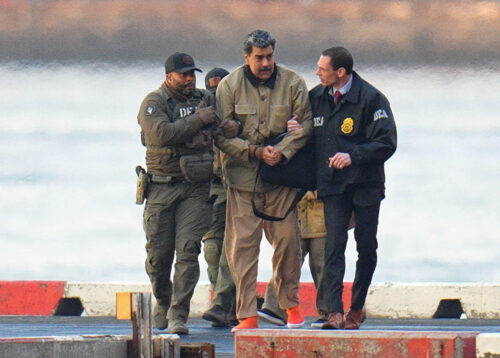
America’s dramatic capture of Venezuelan dictator Nicolas Maduro has set the stage for the conduct of America’s national security strategy in 2026. It has also raised questions.
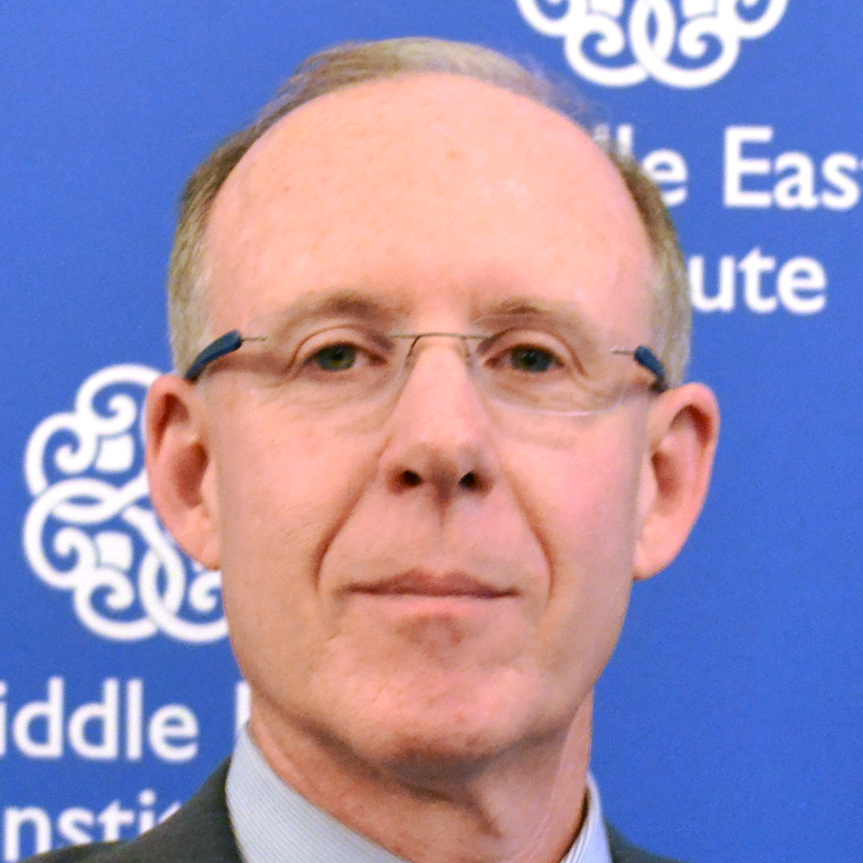
This bonus episode of Middle East Focus features a conversation from MEI’s Virtual Briefing Series. Director of Communications Zeina Al-Shaib is joined by Distinguished Diplomatic Fellow Alan Eyre and Senior Fellow Alex Vatanka to discuss the ongoing protests in Iran. The street demonstrations, sparked by the country’s economic nosedive and at times turning violent, are the largest in three years. As regime arrests and killings of protesters have intensified, US President Donald Trump has threatened to intervene, his remarks potentially taking on a more vivid significance in light of the American military extraction over the weekend of Venezuela’s President Nicolás Maduro, an ally of Tehran. Eyre and Vatanka discuss what these latest developments mean for an Iranian regime already under intense internal and international pressure; the political impact of President Trump’s threats; the limits of Iranian President Masoud Pezeshkian’s power to de-escalate the situation at home; and how the instability inside Iran may affect the wider region.
Iran’s political deadlock — and a way out the regime is unlikely to take
On Sunday, December 28, Iran’s latest wave of unrest began not on a university campus or in a symbolic political square, but in the very heart of the country’s economic sphere: the Grand Bazaar commercial center in downtown Tehran. What distinguishes the current moment is not simply the persistence of unrest but its emotional register. Iranian commentary increasingly describes not just hardship but a collapse of expectations of a better future.
Iran’s Axis of Resistance After the 12-day War: Adaptation, Restructuring, and Reconstitution
Since Israel’s 12-day war against Iran, Tehran and its network of regional proxies and non-state allies, the so-called Axis of Resistance, have entered a phase of strategic dormancy — an outward calm concealing rearmament, financial adaptation, and ideological renewal.
Brian sits down with Robert Malley, a former US official best known for his role as the lead negotiator of the 2015 Joint Comprehensive Plan of Action. Malley discusses the motivations behind his new book, Tomorrow Is Yesterday: Life, Death, and the Pursuit of Peace in Israel/Palestine, and offers his assessment of American perspectives on the war in Gaza. The conversation also explores his personal background as the son of an Egyptian Jewish father and an American Jewish mother—both outspoken on the political left—and how that upbringing shaped his worldview, alongside a career spanning the Clinton, Obama, and Biden administrations.
This backgrounder provides an overview of the Axis of Resistance, a loosely aligned network of armed groups and state actors led and supported by Iran to project its influence and military strength across the Middle East.
How Iraq’s vote will shape the next phase of US-Iran competition
For Iran, Iraq is strategic depth, political sanctuary, and economic lifeline all at once. The results of the November 11 Iraqi elections will decide who in Baghdad controls the budgetary levers, internal security appointments, and committees that could codify, or constrain, Iraq’s Iran-backed militias.
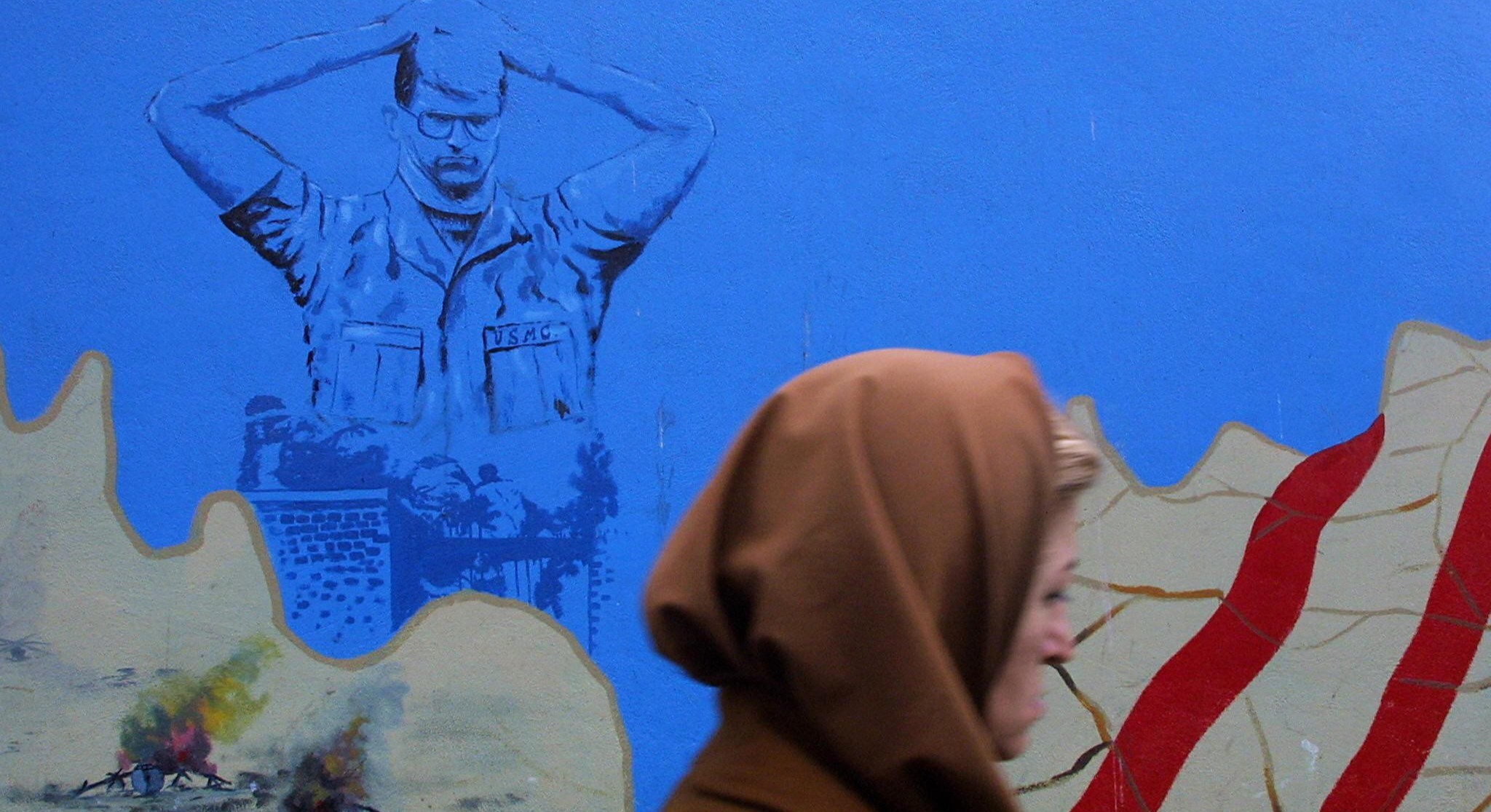
The taboo of regret: Iranian reflections on the seizure of the US embassy in 1979
For decades, the 1979 takeover of the US Embassy in Tehran has symbolized the righteousness of the Islamic Republic of Iran’s revolutionary defiance and the legitimacy of “resistance” as state ideology. To question it is to pry open the logic of the entire enterprise.
The oldest peer-reviewed publication dedicated to the study of the modern Middle East, MEI’s flagship journal covers politics, society, and culture in the region.