Washington says it doesn’t know who runs Iran. Tehran insists its leadership is united. MEI Senior Fellow Alex Vatanka joins hosts Alistair Taylor and Matthew Czekaj to sort out where the truth lies. They look at the small circle of political and military figures now steering the war effort in Tehran: who they are, how they make decisions, and how unified they really are. They also discuss the current state of US-Iran negotiations, the role of the upcoming midterm elections in the United States, and how the Islamic Republic is preparing for a potential renewal of conflict afterward.
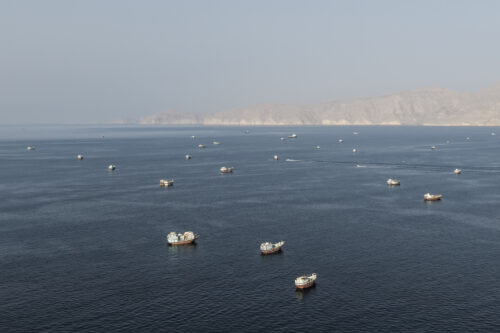
Crude oil is flowing out of the Gulf again, but the market is no better prepared for another disruption in the Strait of Hormuz. It has assembled a temporary system for managing one. Crude exports from the Gulf, excluding Iran, returned to pre-war levels in September, while total Gulf shipments reached 15.5 million barrels a day, more than 80% of the pre-conflict volume.
Many of the immediate consequences of the Israeli-American war with Iran are already clear. The further emergence of drones and missiles as dominant weapons of war; the danger to the global economy from the threats to vital chokepoints such as the Strait of Hormuz and the Bab el-Mandeb; and the inadequacy of US weapons procurement, among other issues, have garnered widespread and entirely merited attention.
Looking to the archives: What history tells us about Iran-Saudi relations
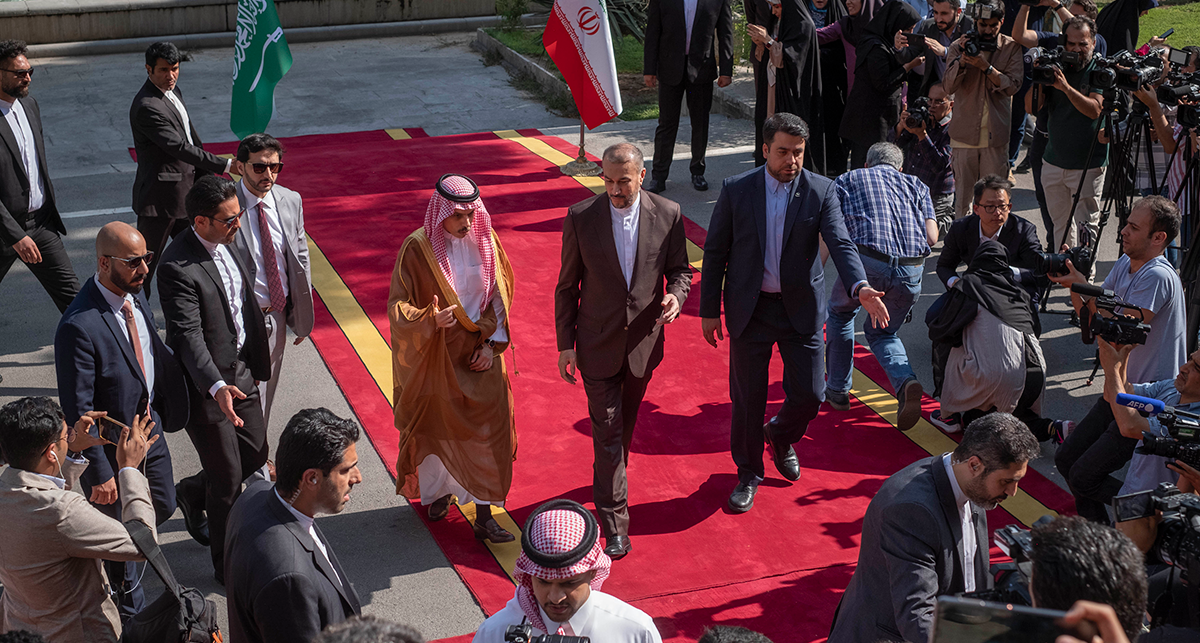
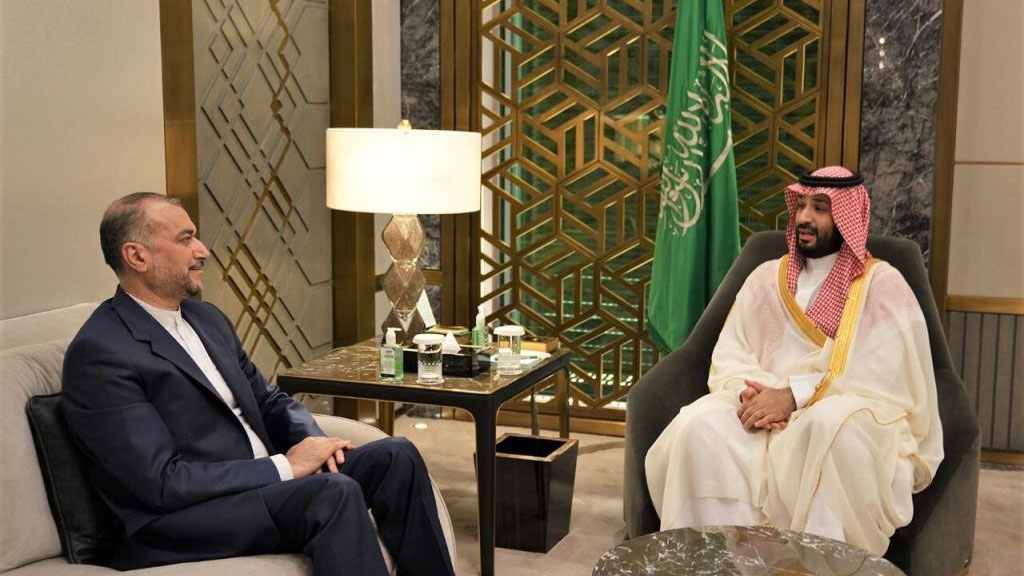
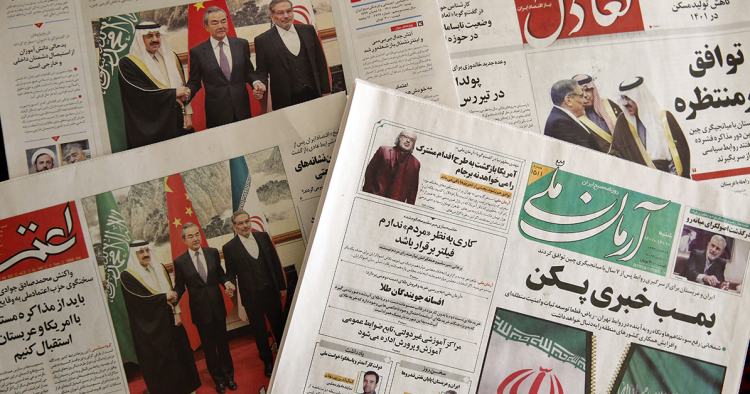
Relations between Iran and Saudi Arabia have been in the spotlight over the past six months, following the March 2023 China-brokered agreement to normalize ties seven years after they were cut off. The connections go back much farther, however. Indeed, as a new archival report on Iranian-Saudi diplomatic history makes clear, they even predate the founding of the current Saudi kingdom in 1932. Below are a series of excerpts from the report, highlighting key themes that emerge from the archives, many of which continue to resonate today.
Iran, Russia, and the Caspian environmental crisis: A need for collaboration
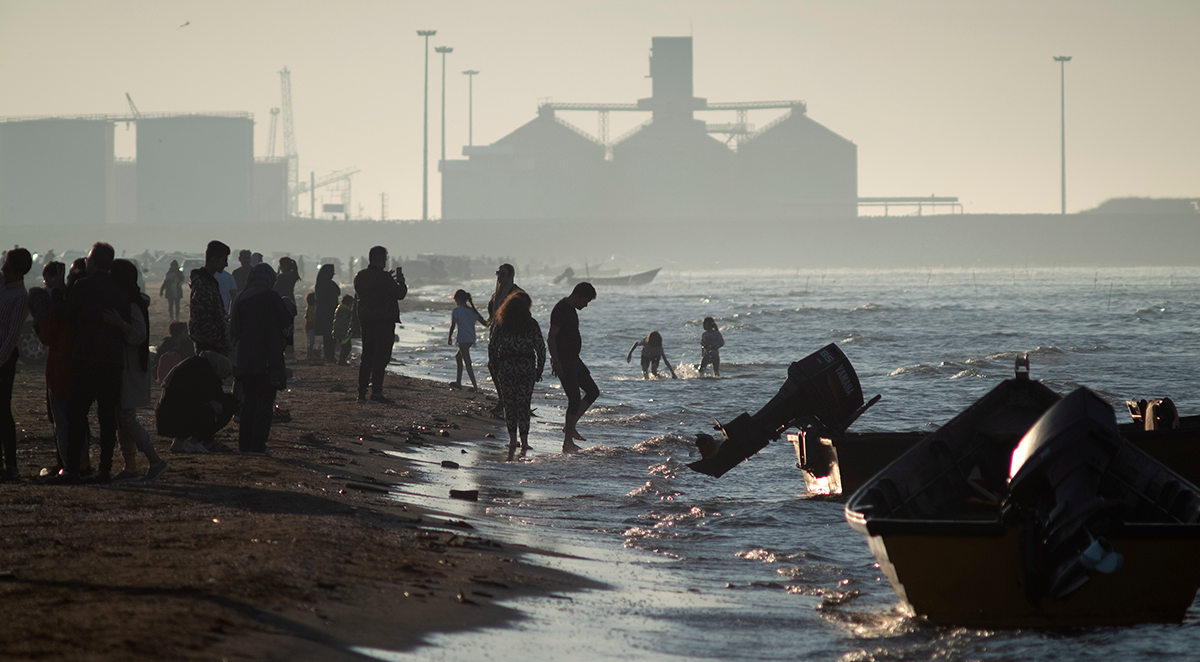
The Caspian Sea, the world’s largest inland body of water, is steadily shrinking. The lack of a solid legal framework surrounding the management of the sea among the littoral states, and particularly by Iran and Russia, has created a degree of ambivalence about where and how to limit ambitions related to oil, gas, fishing, and other environmentally harmful economic activities. If the impacts are not appropriately addressed, the consequences could be irreversible. But efforts to deal with shared environmental problems and maintain the Caspian Sea could also serve as an area for mutually beneficial cooperation between Moscow and Tehran, with a positive impact for other littoral states.
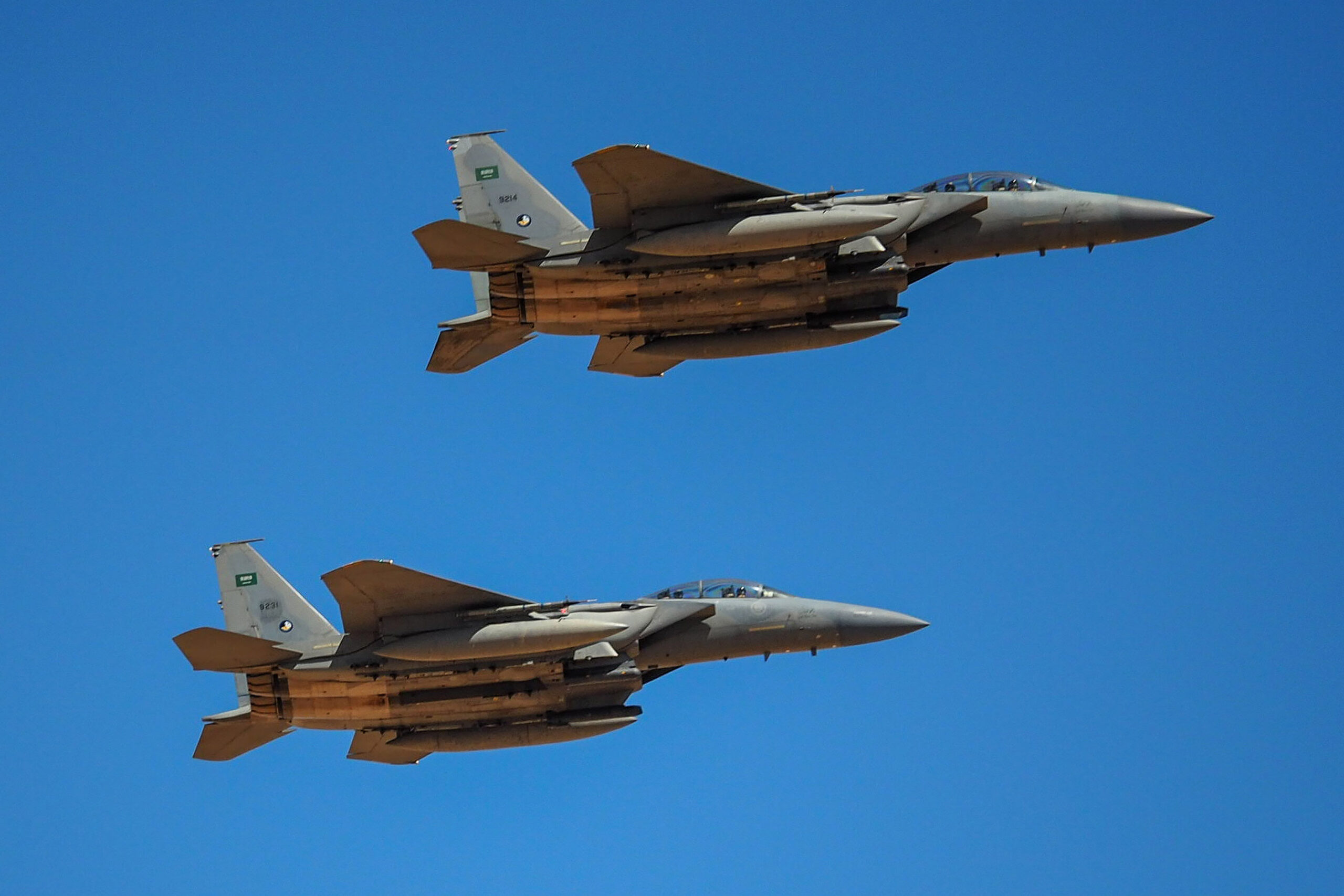
Of all the challenges to Saudi Vision 2030, arguably none is greater than Iran’s threat to Saudi national security. To succeed, Crown Prince Mohammed bin Salman must protect the kingdom, which will require not only fortifying its defenses against further Iranian and Houthi attacks but also establishing a level of deterrence against Tehran.
The dangerous precedent set by Tehran's recent international deals
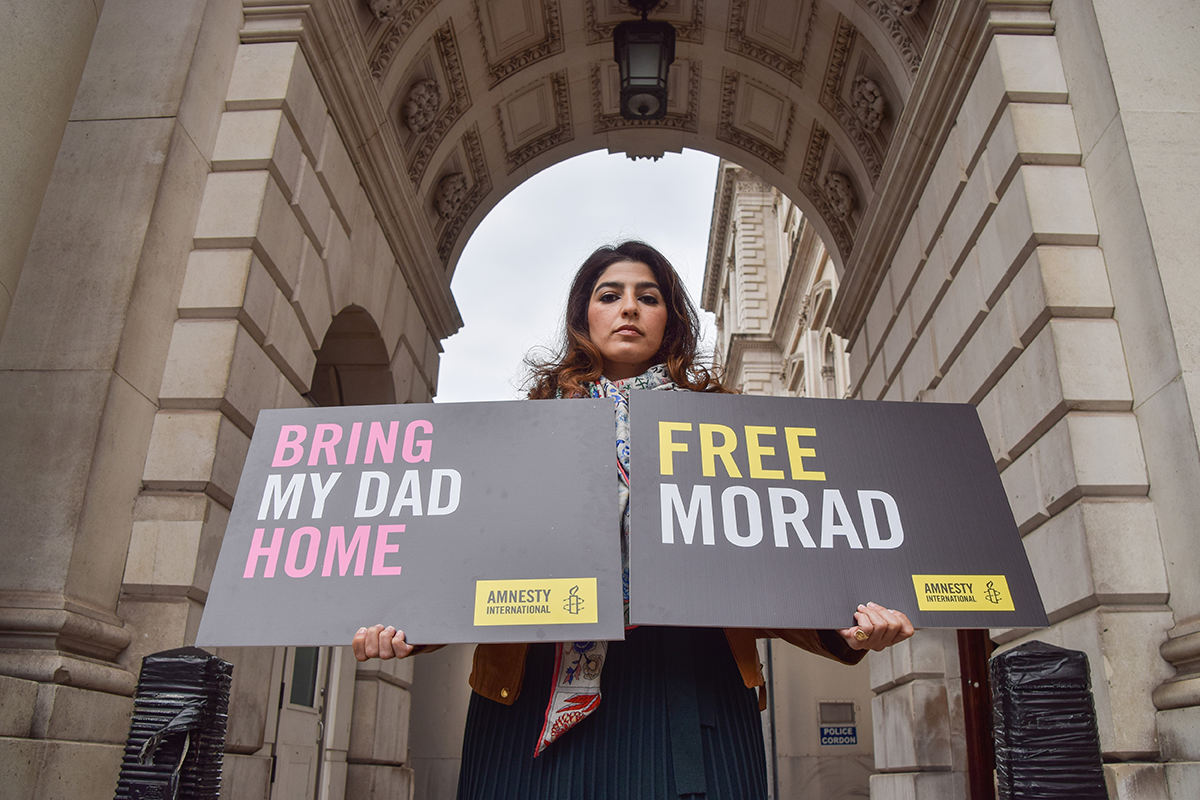
When discussing the recent deal between Tehran and Washington to release five American prisoners in exchange for Iran gaining access to $6 billion in seized assets in South Korea, Iranian officials use a specific key phrase: “honorable diplomacy.” According to Iranian officials, “honorable diplomacy” means dealing with America and Europe from a position of strength. They claim that, even after the brutal suppression of the 2022 protests, they have successfully used their leverage with foreign adversaries to win unexpected concessions — a claim that, while potentially exaggerated, points to an unprecedented series of developments in recent months.
Making sense of the Taliban’s counterterrorism assurances
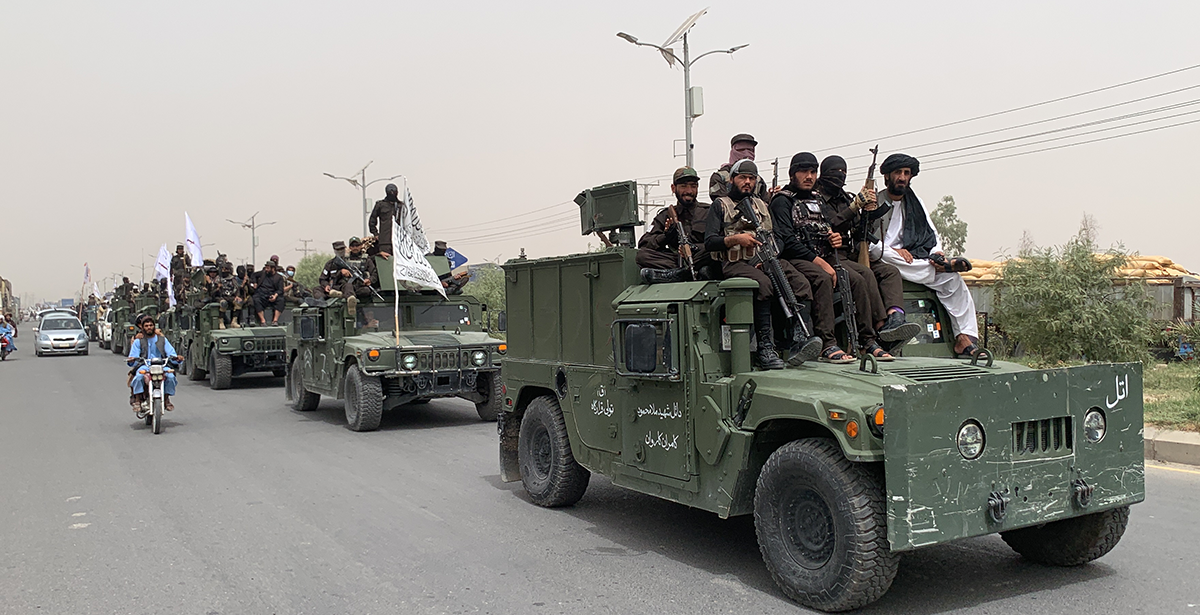
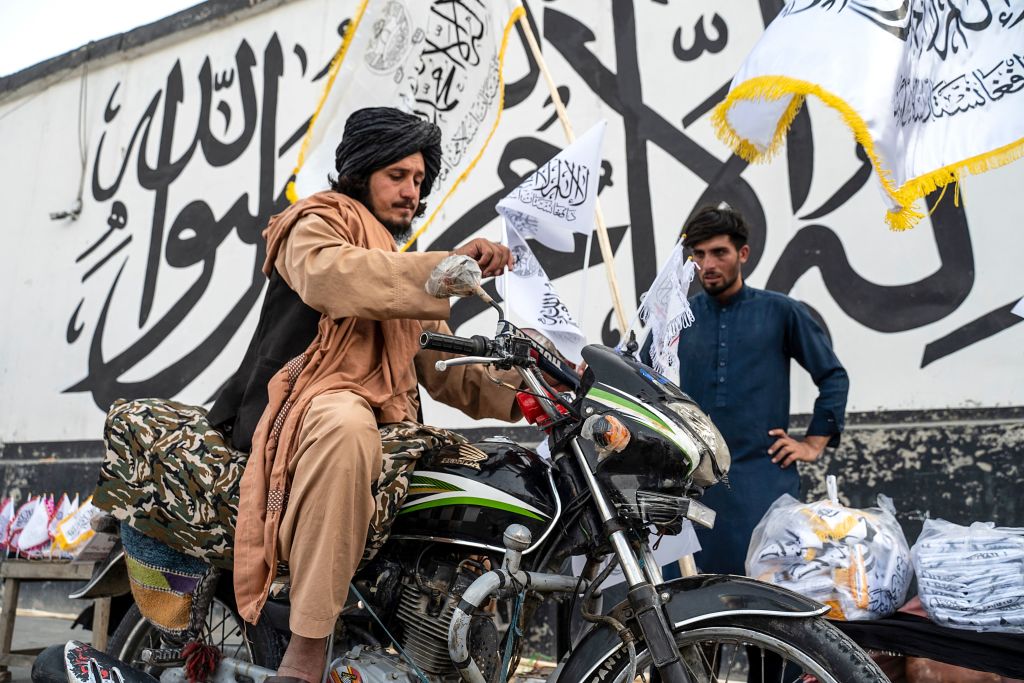
Two years on from the Taliban’s takeover of Kabul, Afghanistan’s neighbors are increasingly concerned that their return to power has emboldened terrorist groups and networks, which are using the hospitable environment to regroup, rearm, and recruit substantially. The main question now for Afghanistan’s neighbors in the region, and the international community more broadly, is just how reliable the Taliban’s counterterrorism assurances to other states really are.
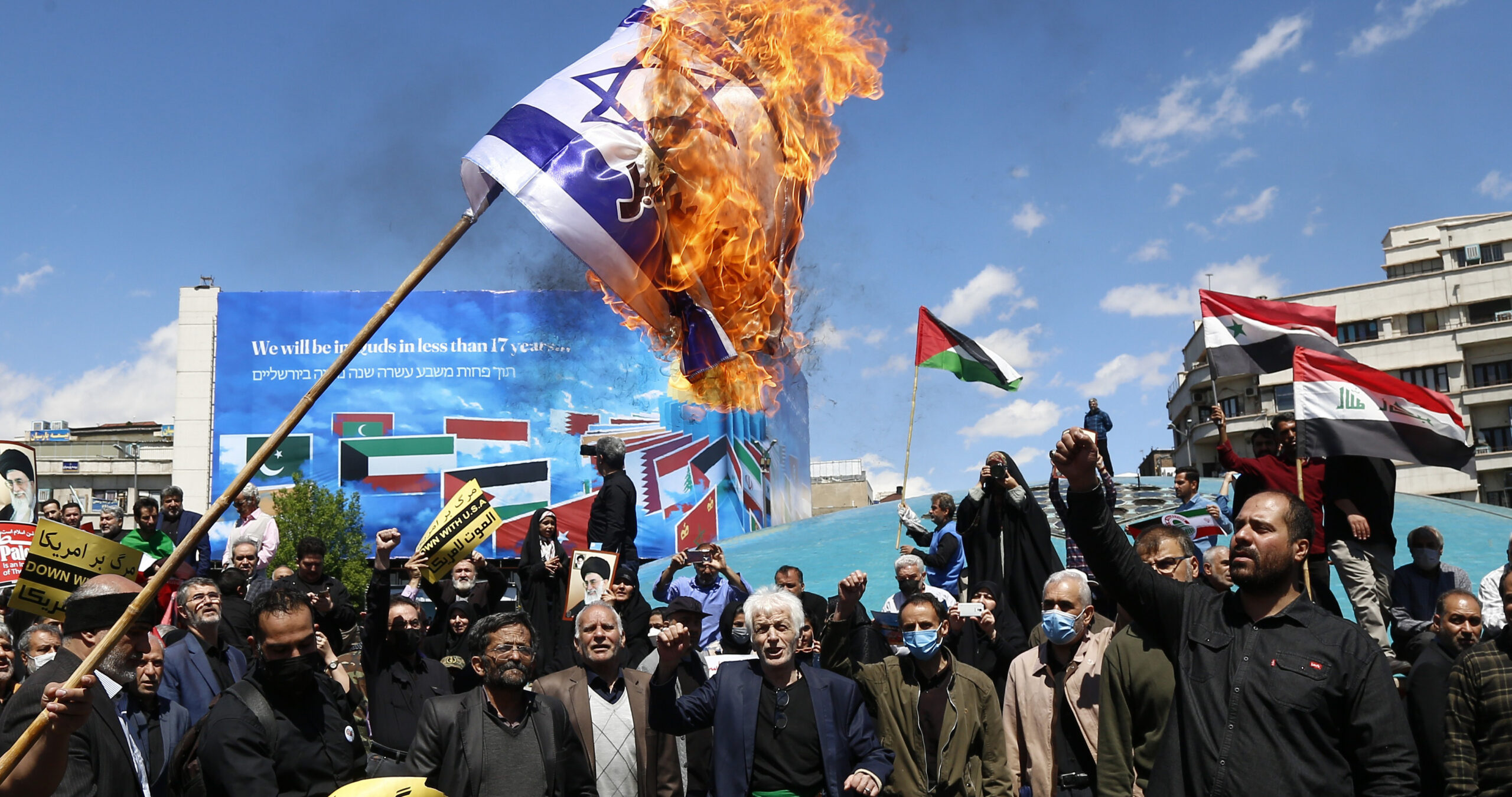
Iran gleefully eyes the protests in Israel, looking for weaknesses to exploit
As Israel grapples with fundamental questions of identity and societal fissures years in the making, Iran and its Axis of Resistance continue to employ their escalation-ready approach of pushing the envelope in multiple geographic theaters, launching cyber operations to foment disunity in Israeli society, and attempting to neutralize the regional gains Israel has made after signing the Abraham Accords with several Arab neighbors in 2020.
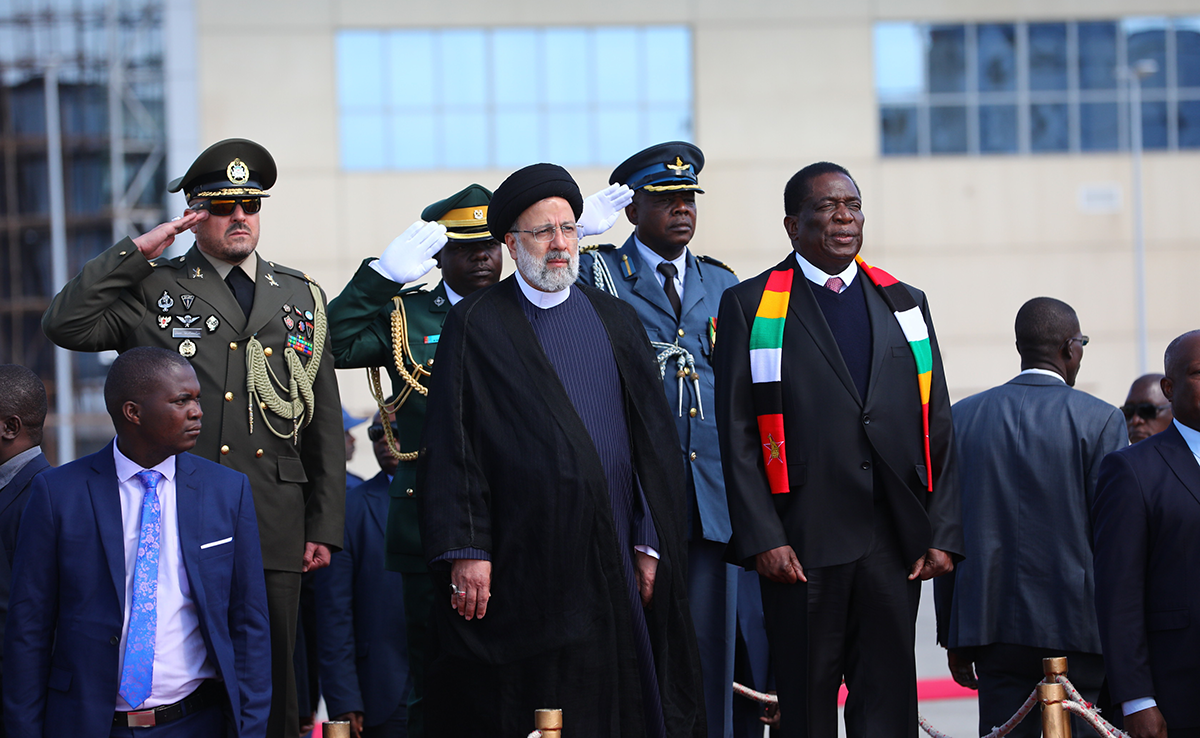
Iran’s renewed Africa policy: Raisi’s ambition and the perception of Western decline
Amin Naeni discusses the revival of Iranian foreign policy with non-Western states, particularly African nations, in light of President Raisi’s recent visit to the continent. Additionally, the piece touches upon how this process has differed between Raisi versus Ahmadinejad, and whether Raisi’s Africa policy will prove any more successful than his predecessor’s.
Realigning priorities: Egypt's strategic shift toward Qatar, Turkey, and Iran
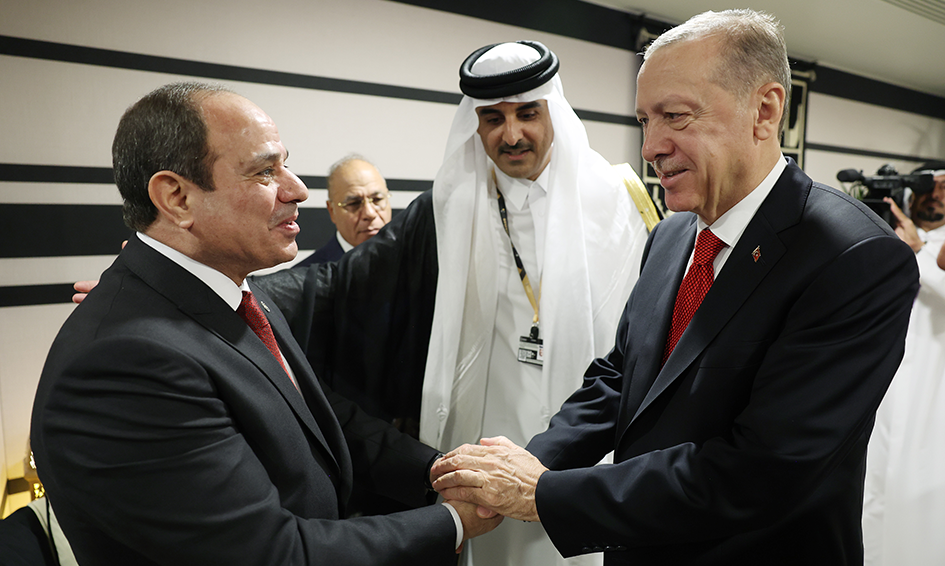
While some analysts attribute Egypt’s realignment toward Turkey, Qatar, and Iran to a change in the foreign policies of its influential allies, the UAE and Saudi Arabia, it can be argued that Egypt’s shift is primarily motivated by its domestic dynamics and its unfulfilled foreign policy objectives between 2014 and 2018. Egypt’s realignment, in that sense, seeks to achieve multiple unmet domestic and regional aims.
Several foreign ministers gathered in an Asian capital to negotiate an end to regional turmoil. One of the countries represented at the meeting brokered an agreement to end hostilities between the others.
How the rumble in Russia reverberates around the Middle East
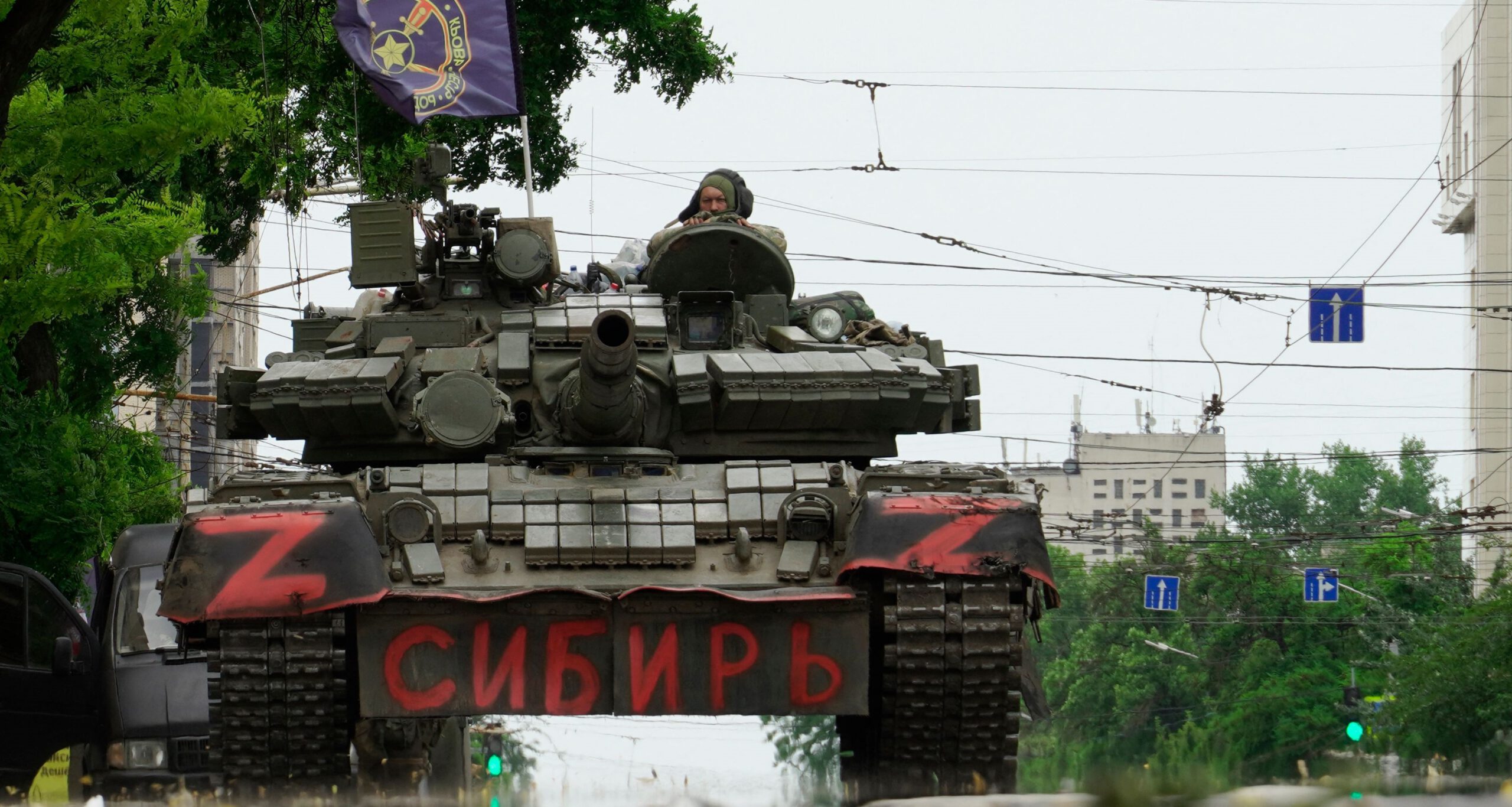
It is too early to tell whether the Wagner “uprising” is a one-off or foreshadows further cracks and the eventual collapse of Putin’s presidency, but the latter outcome would have lasting consequences in the MENA region.
The oldest peer-reviewed publication dedicated to the study of the modern Middle East, MEI’s flagship journal covers politics, society, and culture in the region.