Skip to Content
Blue Wave, Regional Ripples: Turkey and Lebanon React to the Midterms
  • Podcast
  • Blue Wave, Regional Ripples: Turkey and Lebanon React to the Midterms

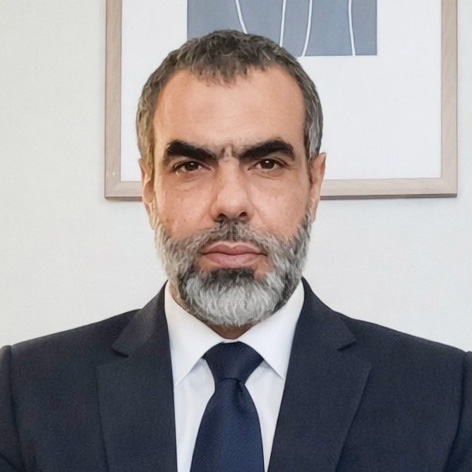
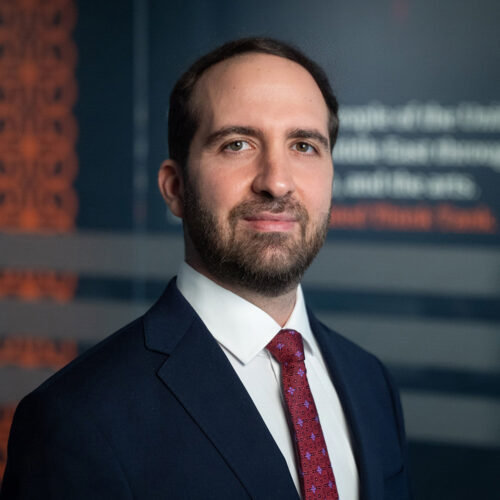
    The November 3 US midterms handed Democrats control of both chambers of Congress, a result many abroad read as a rebuke of President Donald Trump’s policies. How does the “blue wave” resonate among electorates and governments in Turkey and Lebanon, two key American partners in the Middle East? Ankara is weighing an early vote that could let President Recep Tayyip Erdoğan run again while his chief rival stands trial. Beirut, its elections postponed by war, is trying to restore state authority, including over Hizballah’s weapons. MEI Senior Fellows Gönül Tol and Fadi Nicholas Nassar join host Alistair Taylor to discuss how both countries read the results, how issues like corruption struck a chord in each, and what Ankara and Beirut expect from a Democratic Congress.

    November 12, 2026

    Syria’s SDF Integration: Progress, Obstacles, and Security Risks
  • Analysis
  • Syria’s SDF Integration: Progress, Obstacles, and Security Risks

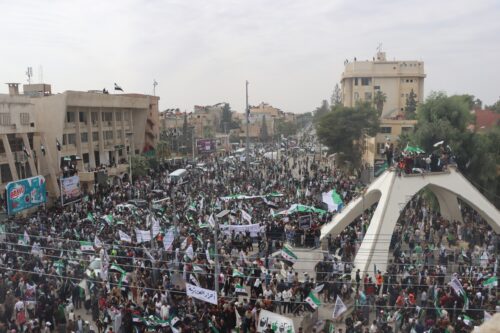
    On October 9, protesters in the northeastern city of Hasakah raised the Syrian flag and called for the extension of state authority, roughly six weeks after the Syrian Democratic Forces (SDF) announced their dissolution as an independent force. The protesters, who came from Ghwayran, al-Nashwa, al-Aziziyah, and the surrounding countryside, carried photographs of detainees. Alongside a stronger state presence, they demanded a say in how it would be exercised, from who is appointed to run local government to who is recruited into the security services.

    November 12, 2026

    The Human Story Behind Gaza: Jaser AbuMousa on the Costs of Survival for Palestinians
  • Podcast
  • The Human Story Behind Gaza: Jaser AbuMousa on the Costs of Survival for Palestinians

    Brian sits down with MEI Senior Fellow Jaser AbuMousa to assess the situation on the ground in Gaza three years after October 7 and a year into the ceasefire. Drawing on his own personal experience, Jaser explores the toll that the war and continued destruction have taken on Gaza’s residents, the implications of the recent Israeli and US elections, and the difficult path forward.

    Filter by
    3664 Results
    Silent leverage, quiet gains? China and the Saudi-Pakistan defense pact
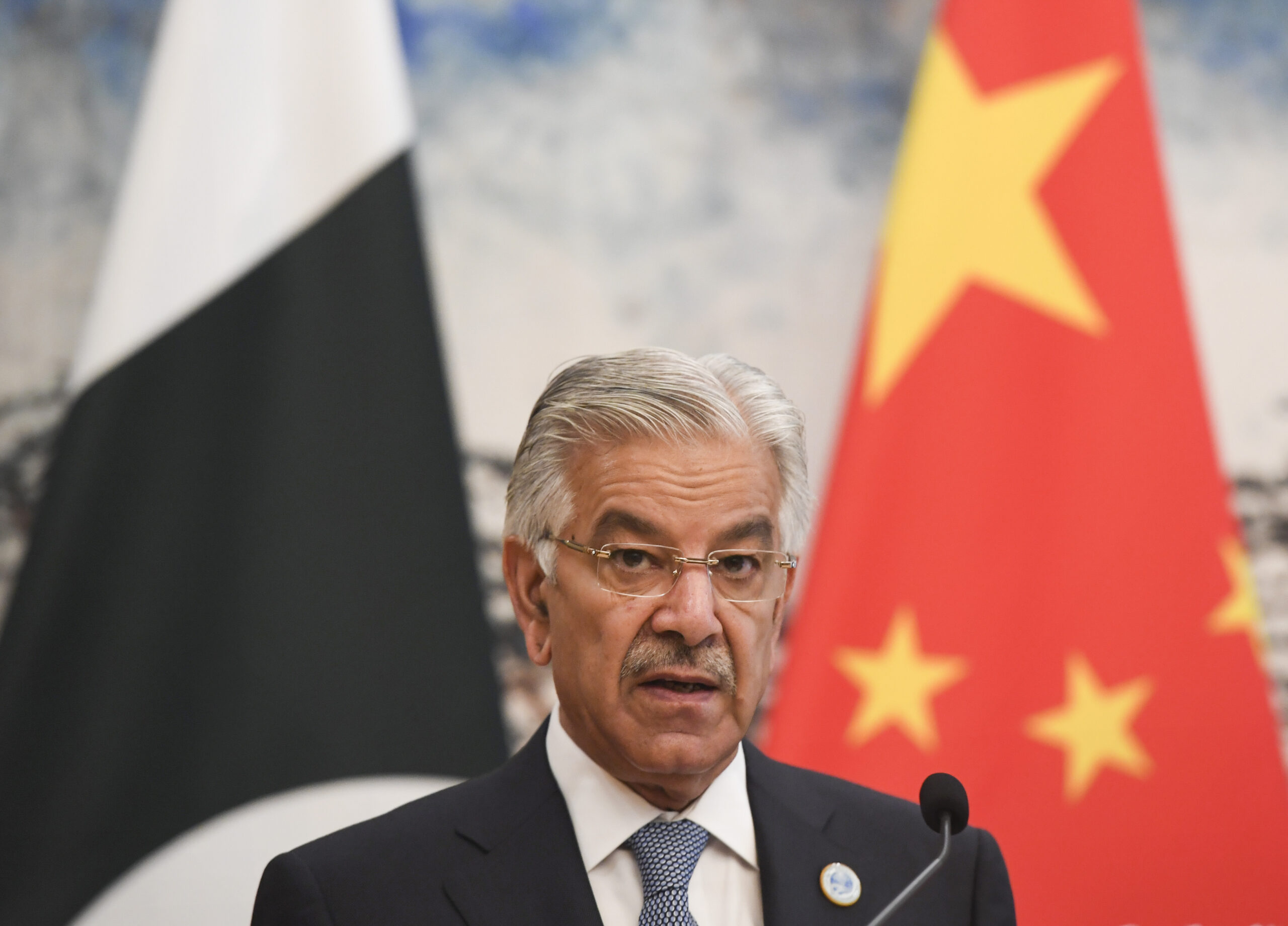
    Photo by Madoka Ikegami-Pool/Getty Images
  • Analysis
  • Silent leverage, quiet gains? China and the Saudi-Pakistan defense pact

    The Strategic Mutual Defense Agreement (SMDA) between Saudi Arabia and Pakistan, signed in Riyadh on September 17, is far more than a bilateral pledge. It represents a profound reordering of alignments in the Gulf and South Asia, reflecting and reinforcing the broader erosion of US preeminence in the Eurasian security architecture. While much of the initial commentary centered on the striking commitment of a wealthy Gulf monarchy to the defense of a nuclear-armed South Asian state, as well as the question of whether Pakistan had in fact extended its nuclear umbrella to Saudi Arabia, the deeper story is arguably China’s potential advance.

    Don't believe the hype: The modest reality of the Saudi-Pakistani defense pact
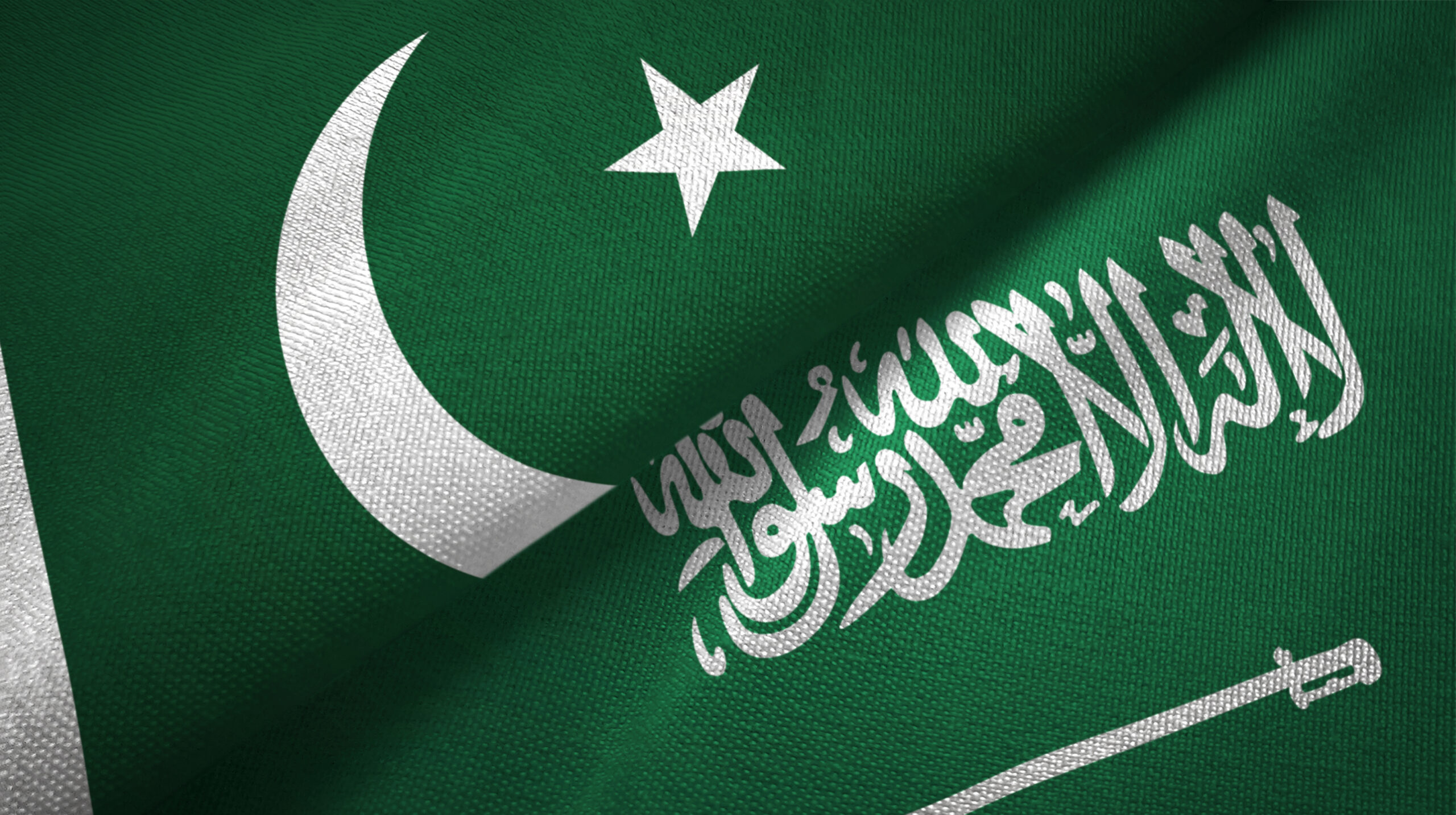
    Image created by Oleksii Liskonih via Getty Images
  • Analysis
  • Don't believe the hype: The modest reality of the Saudi-Pakistani defense pact

    The September 17 Saudi-Pakistani defense agreement generated a wave of overheated commentary about Saudi Arabia now residing under a Pakistani nuclear umbrella and how a new strategic reality was in the offing in the Persian Gulf and South Asian regions. Analysts need to slow their roll. Extended deterrence is an extremely difficult thing to pull off. The devil is in the details, about which we know nothing.

    Peace in the Middle East — or constructive ambiguity in reverse
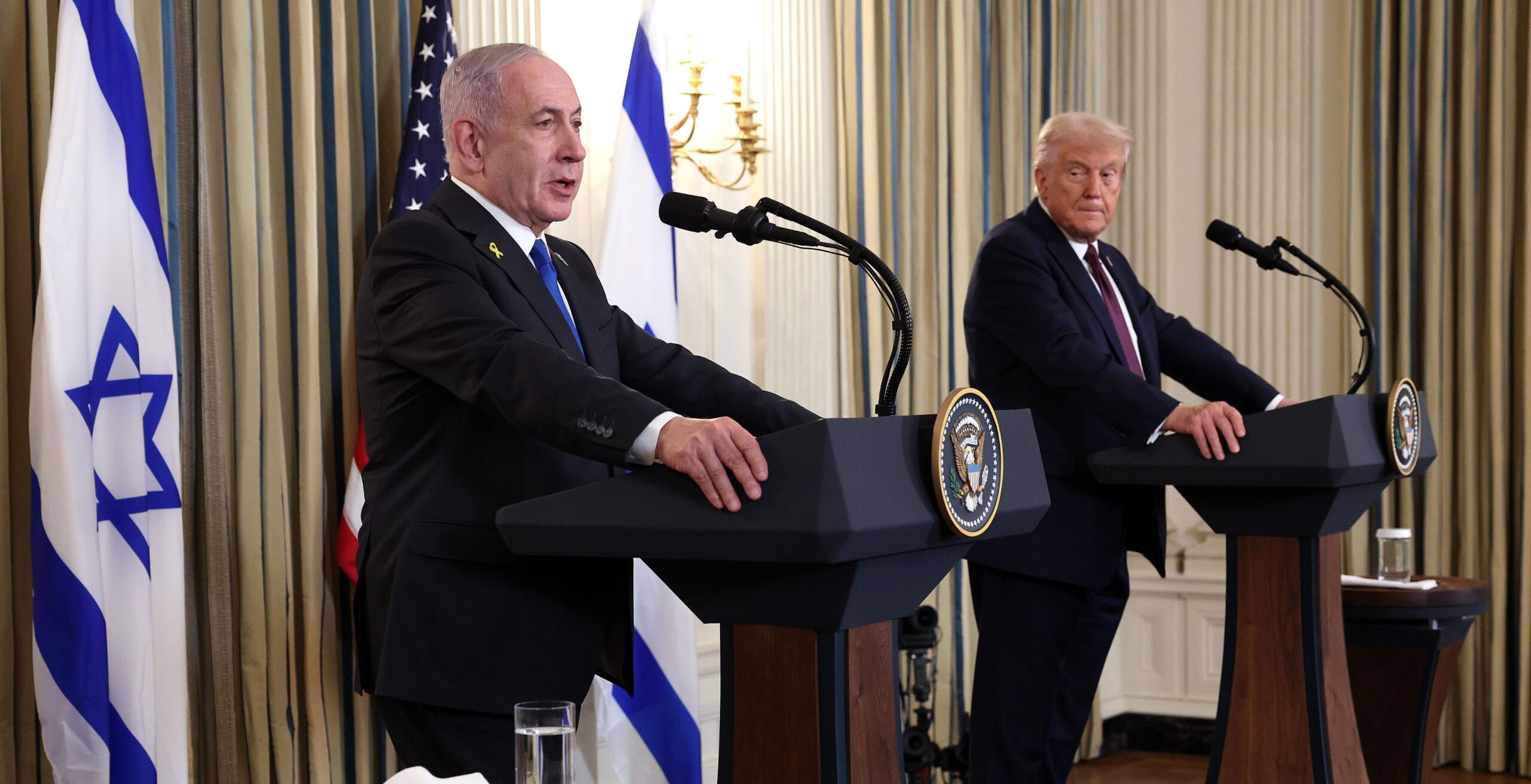
    Photo by Win McNamee/Getty Images
  • Analysis
  • Peace in the Middle East — or constructive ambiguity in reverse

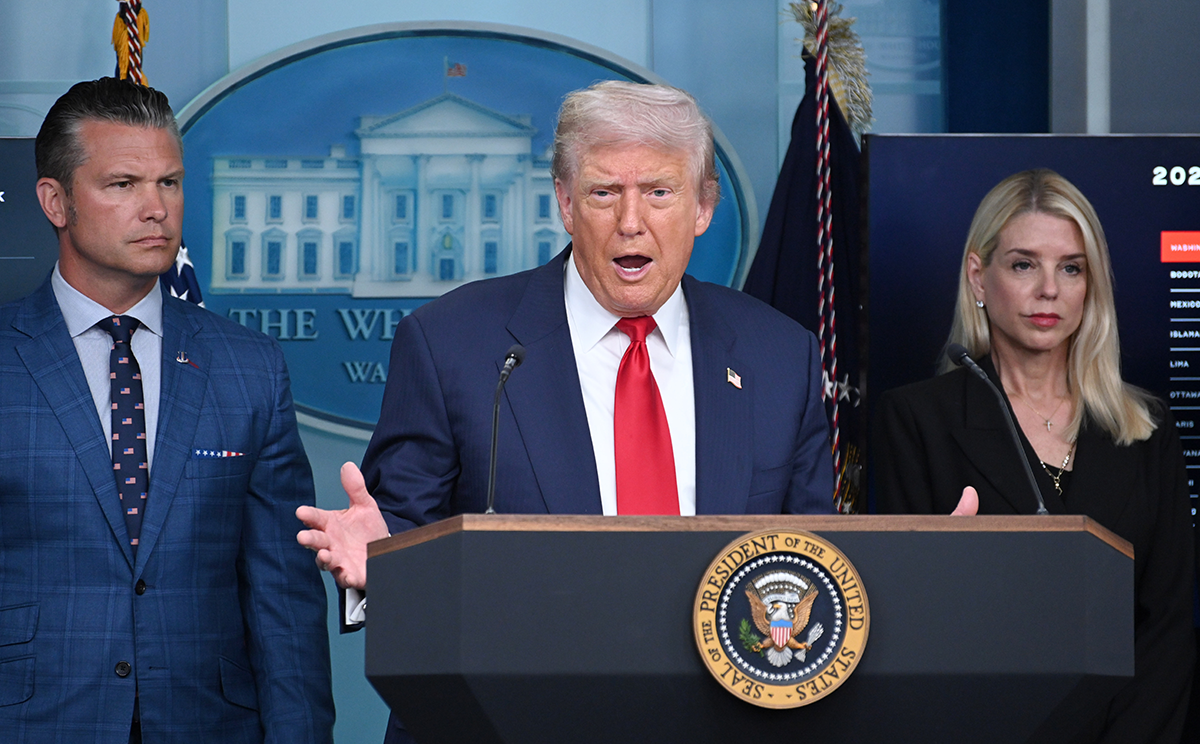
    After two terrible years — beginning on the horrific morning of October 7, 2023 — there is now a chance the Gaza war could end. This chance exists not because the 20-point proposal released by the United States on September 29, 2025, is a model of diplomatic detail or nuance. It exists because its patron, President Donald Trump, appears determined not to take “no” for an answer.

    A Middle East NATO? Regional Security Options After Doha
    Middle East Institute
  • Podcast
  • A Middle East NATO? Regional Security Options After Doha

    Israel’s September 9 strike on Hamas leaders in Doha rattled Gulf capitals and revived a decades-old debate over whether the region needs a NATO-style defensive alliance. MEI Senior Fellow Jason Campbell joins hosts Alistair Taylor and Matthew Czekaj to unpack why past attempts at collective defense have fallen short, whether this moment is different, and what the crisis means for US security strategy in the Middle East.

    September 25, 2025

    Strategic drift in US Middle East policy as Trump speaks on the world stage
    Photo by Alexi J. Rosenfeld/Getty Images
  • Analysis
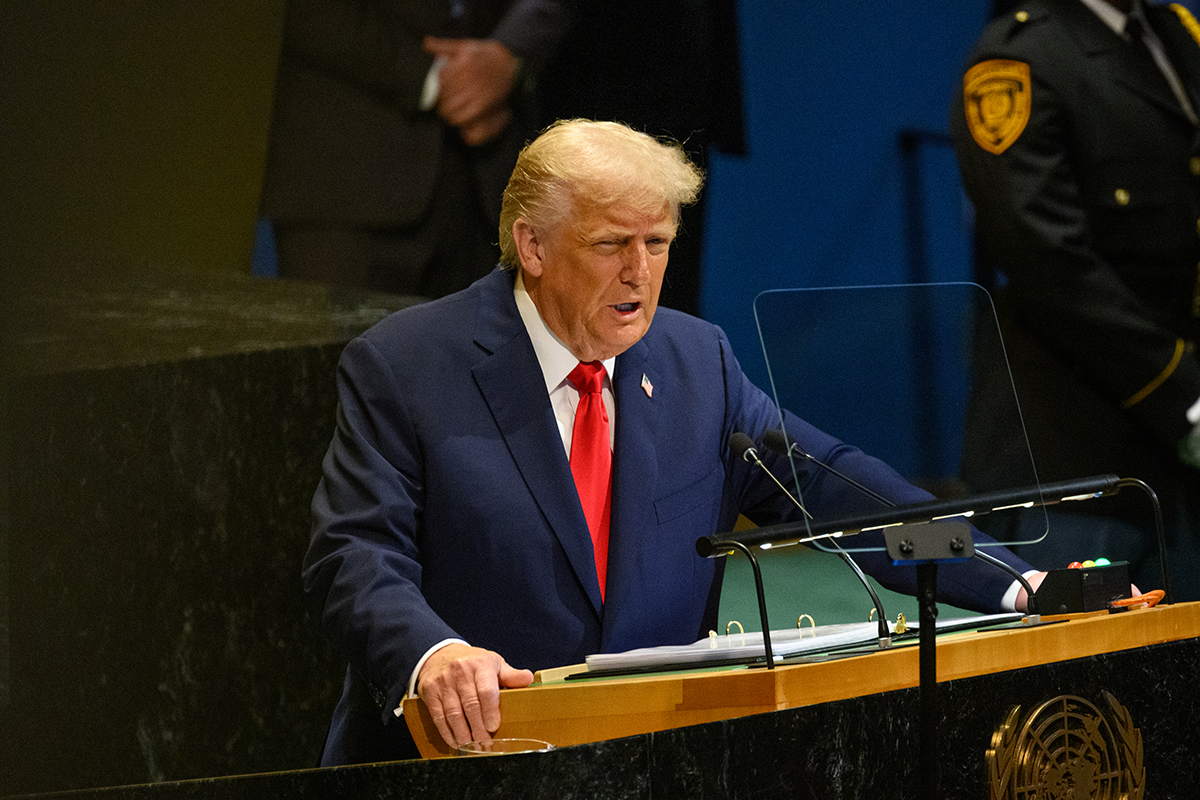
  • Strategic drift in US Middle East policy as Trump speaks on the world stage

    President Donald Trump used his speech this week before the United Nations General Assembly to reinforce his unique style of US foreign policy-making and levy criticisms against others, including the UN itself. But Trump did little to create a framework for crafting solutions to address problems and thorny security challenges.

    Can Lebanese Democracy Be Saved?
  • Podcast
  • Can Lebanese Democracy Be Saved?

    Once hailed as a rare democracy in the Middle East, Lebanon has now slipped into the ranks of closed autocracies. Decades of corruption, sectarian rule, and foreign meddling have left the country reeling — and the past year brought assassinations, mass displacement, and Israel’s full-scale war against Hezbollah in the south. With its economy in free fall and its political system on life support, Lebanon stands at a crossroads: could shifts in regional power, efforts to disarm Hezbollah, and a change in leadership pave the way for recovery, or will instability deepen?

    Why is the European Union Sanctioning Israel?
  • Video
  • Why is the European Union Sanctioning Israel?

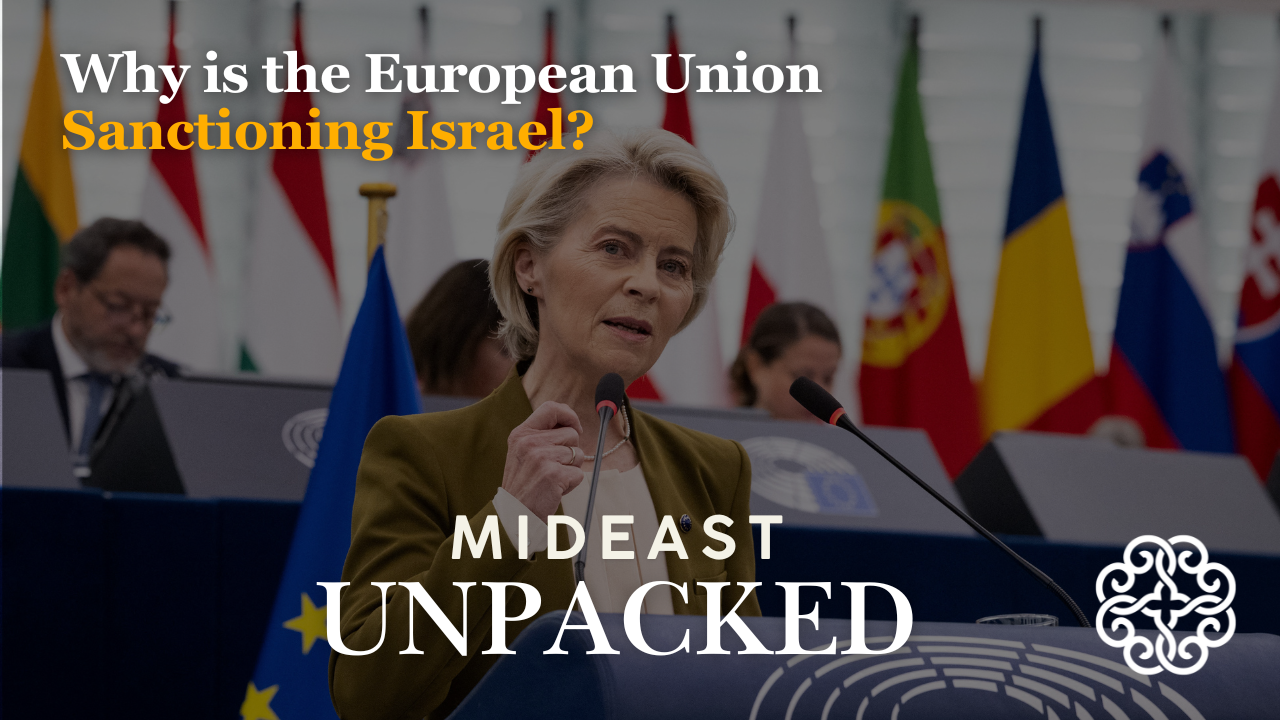
    The European Union has announced plans to sanction Israel over the humanitarian crisis in Gaza. If adopted, the move would mark a historic shift in EU-Israel relations. MEI’s Iulia Joja unpacks the proposal’s background, what the sanctions would entail, and their potential impact on the EU’s position in the Middle East.

    September 20, 2025

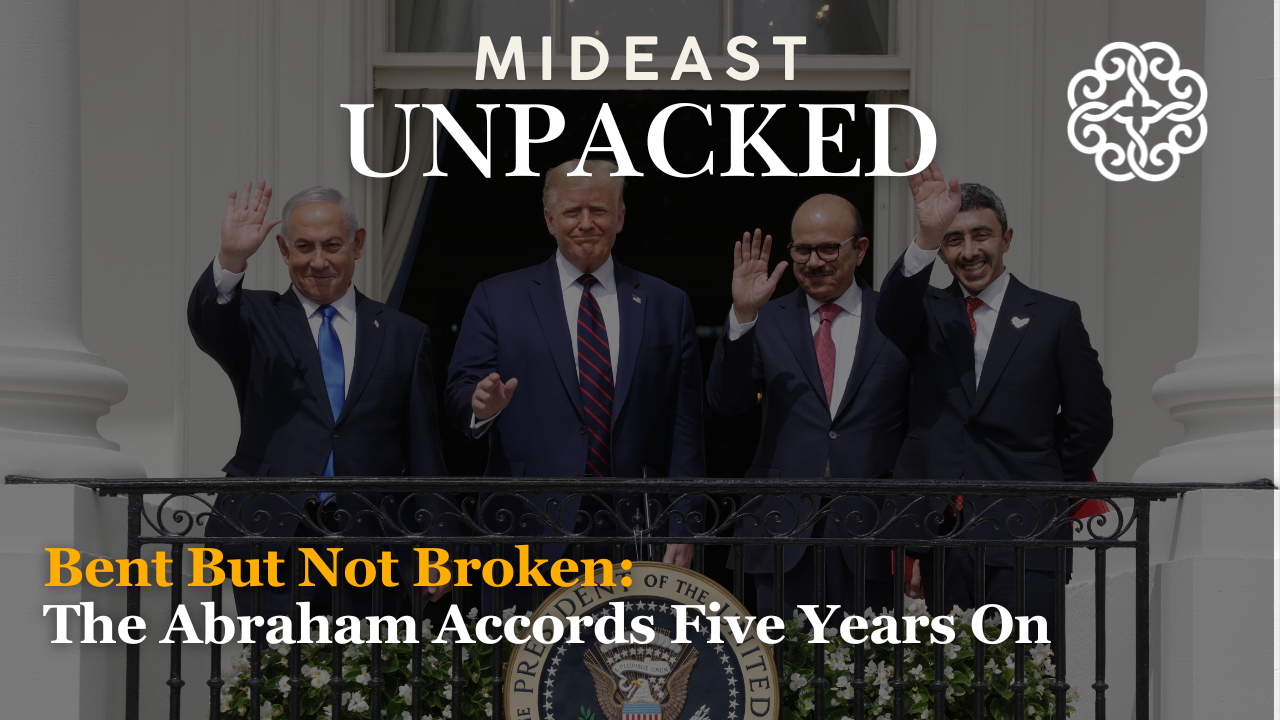
    Bent But Not Broken: The Abraham Accords Five Years On
  • Video
  • Bent But Not Broken: The Abraham Accords Five Years On

    On the fifth anniversary of the Abraham Accords, MEI’s Brian Katulis reflects on their durability and future: “These Abraham Accords will not be broken. They’ll be bent, but I think they’ll stay in place. But they won’t expand in any way until there’s progress on the Palestinian question.” He unpacks the origins of the agreements, their strengths and limitations, and the key challenges that must be addressed for them to grow stronger.

    September 15, 2025

    Markets, Mayors, and Crackdowns: Erdoğan’s High-Stakes Gamble
  • Podcast
  • Markets, Mayors, and Crackdowns: Erdoğan’s High-Stakes Gamble

    Turkey’s main opposition, the CHP, is facing its toughest test yet: mass arrests, sham court rulings, and the ouster of key leaders—including Istanbul’s mayor Ekrem İmamoğlu, Erdoğan’s chief rival. With trials looming that could replace CHP leadership with government loyalists, the party warns of a legal ‘coup.’ What does this crackdown mean for Turkey’s fragile economy, its 2028 elections, and the future of democracy itself?

    Israel’s Doha strike could further destabilize region, undermine US security partnerships
    Photo by JACQUELINE PENNEY/AFPTV/AFP via Getty Images
  • Analysis
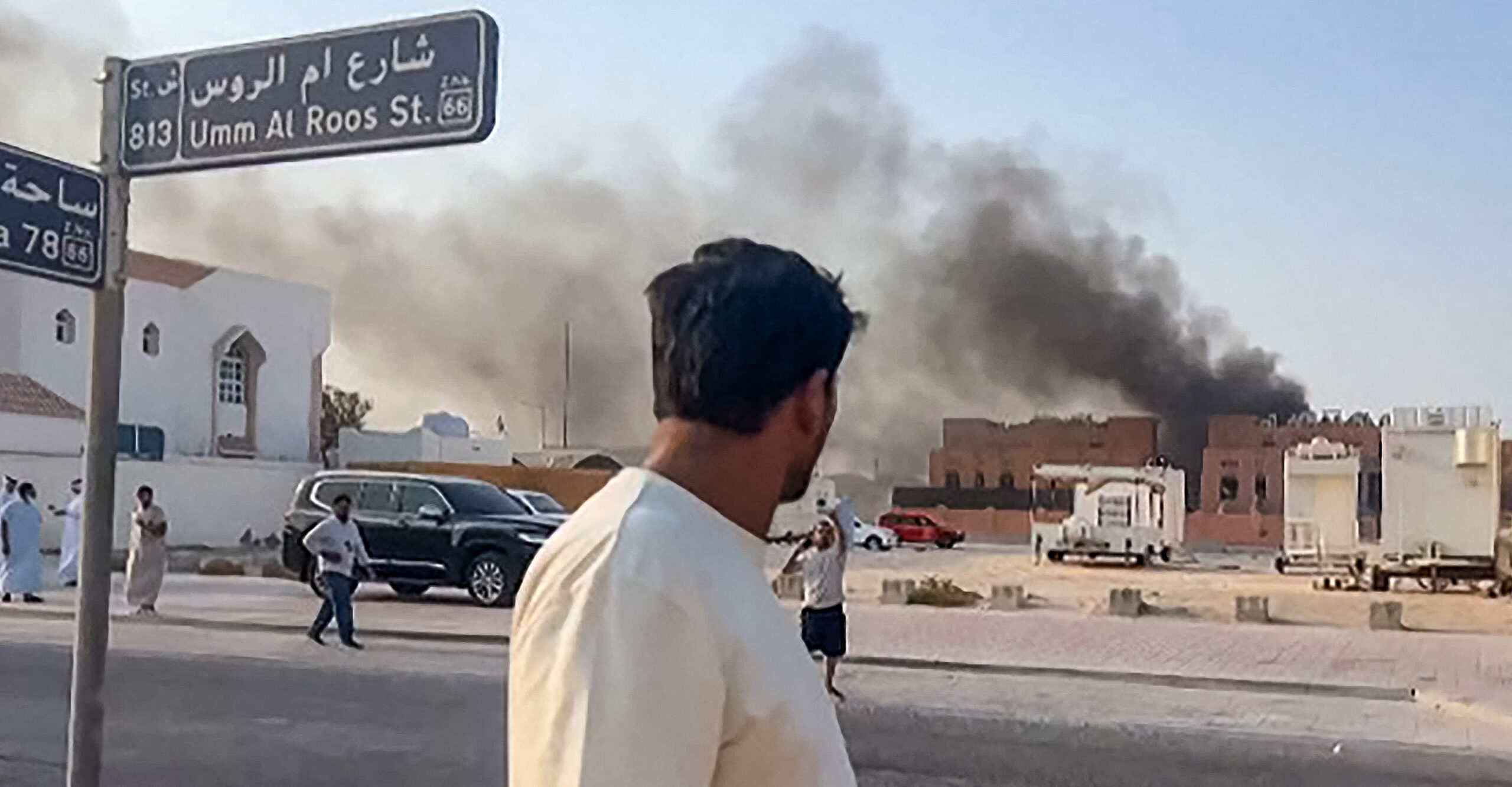
  • Israel’s Doha strike could further destabilize region, undermine US security partnerships

    The reverberations of Israel’s strike on the Hamas negotiating team in Doha yesterday are still rippling across the globe and will continue to for the foreseeable future. Its ramifications are profound and will alter the geopolitical landscape not just in the Middle East but likely on a global scale.

    Trump desperate for progress in his sound and fury foreign policy
    Photo by Chip Somodevilla/Getty Images
  • Analysis
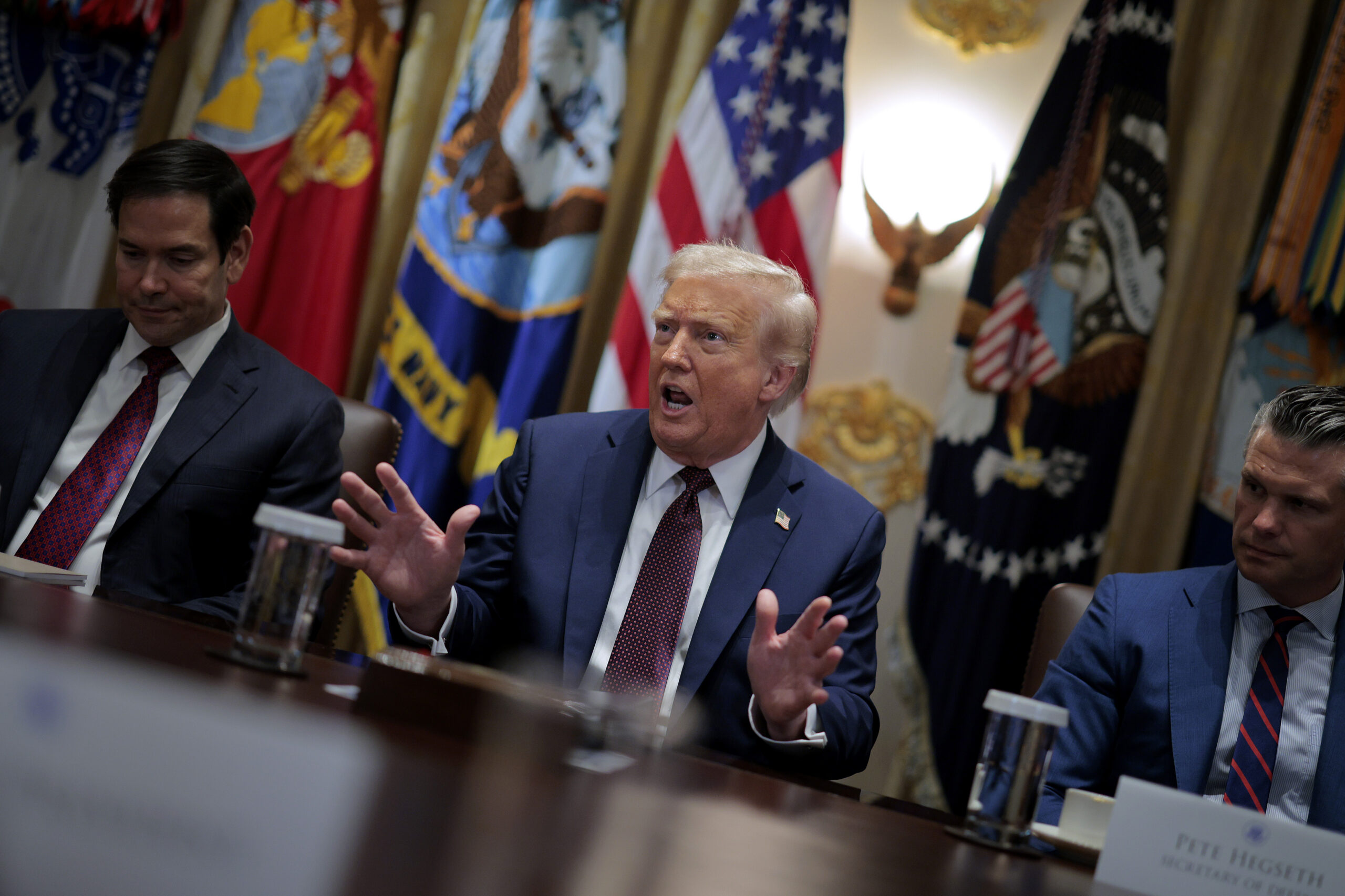
  • Trump desperate for progress in his sound and fury foreign policy

    The most striking thing about Donald Trump’s foreign policy at the seven-month mark of his second administration is how it has failed to improve America’s overall strategic position in the world. It is still early days, but the Trump team’s frenetic flurry of actions, coupled with attention-seeking and often incendiary rhetoric, has served to obscure a poor record of scoring significant international wins for America.

    UNIFIL should reset or go home
    Photo by Niall Carson/PA Images via Getty Images
  • Analysis
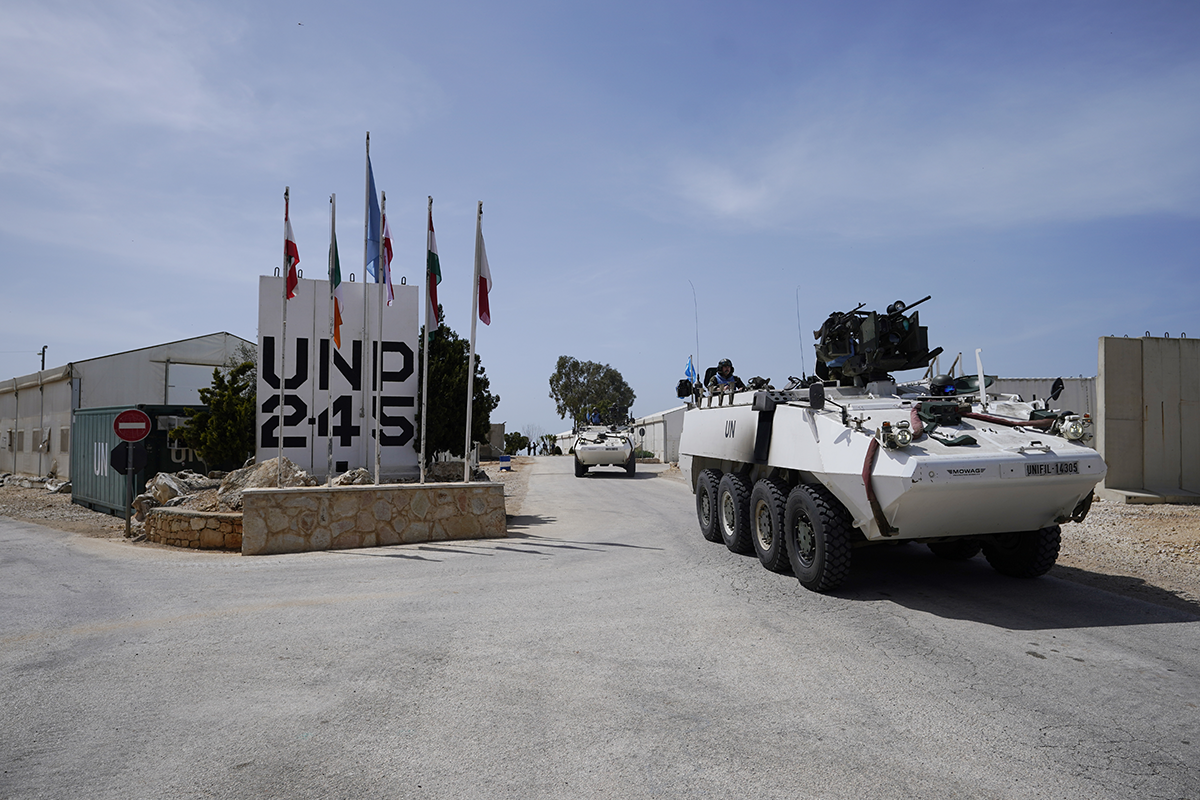
  • UNIFIL should reset or go home

    At the end of August, the future of the United Nations Interim Force in Lebanon (UNIFIL), established nearly 50 years ago, goes on trial in New York, where the Security Council will debate the renewal of its mandate. Nearly two decades after its transformation under UN Security Council Resolution 1701, UNIFIL is now part of the problem it was created to solve. Ten thousand blue helmets from almost 50 countries, including major North Atlantic Treaty Organization (NATO) members, failed to stop the latest conflict between Israel and Hizballah, and, if business continues as usual, will fail to prevent the next.

    Trump’s unpredictable diplomacy of distraction mostly comes up empty
    Photo by Chen Mengtong/China News Service/VCG via Getty Images
  • Analysis
  • Trump’s unpredictable diplomacy of distraction mostly comes up empty

    All eyes this week are on Alaska, where US President Donald Trump will hold a pivotal meeting with Russian President Vladimir Putin to discuss ending the Ukraine war. But the United States remains consumed by several domestic issues, including continued strains over policing, immigration, and checks and balances inside America’s system of government. All of this comes at a time when Trump’s domestic political standing continues to slip lower, including among members of his own party.

    Read the Middle East Journal

    The oldest peer-reviewed publication dedicated to the study of the modern Middle East, MEI’s flagship journal covers politics, society, and culture in the region.