Unlocking the Levant: Why the United States and Syria Must Pursue a Bilateral Trade and Investment Agreement
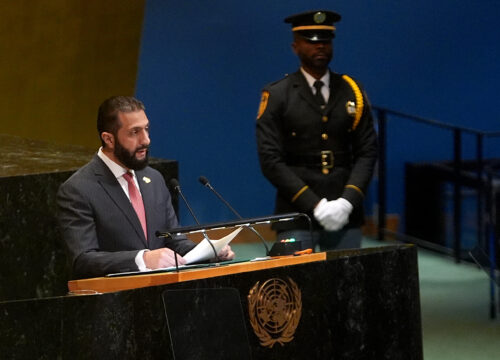
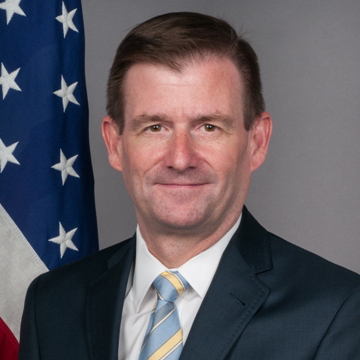
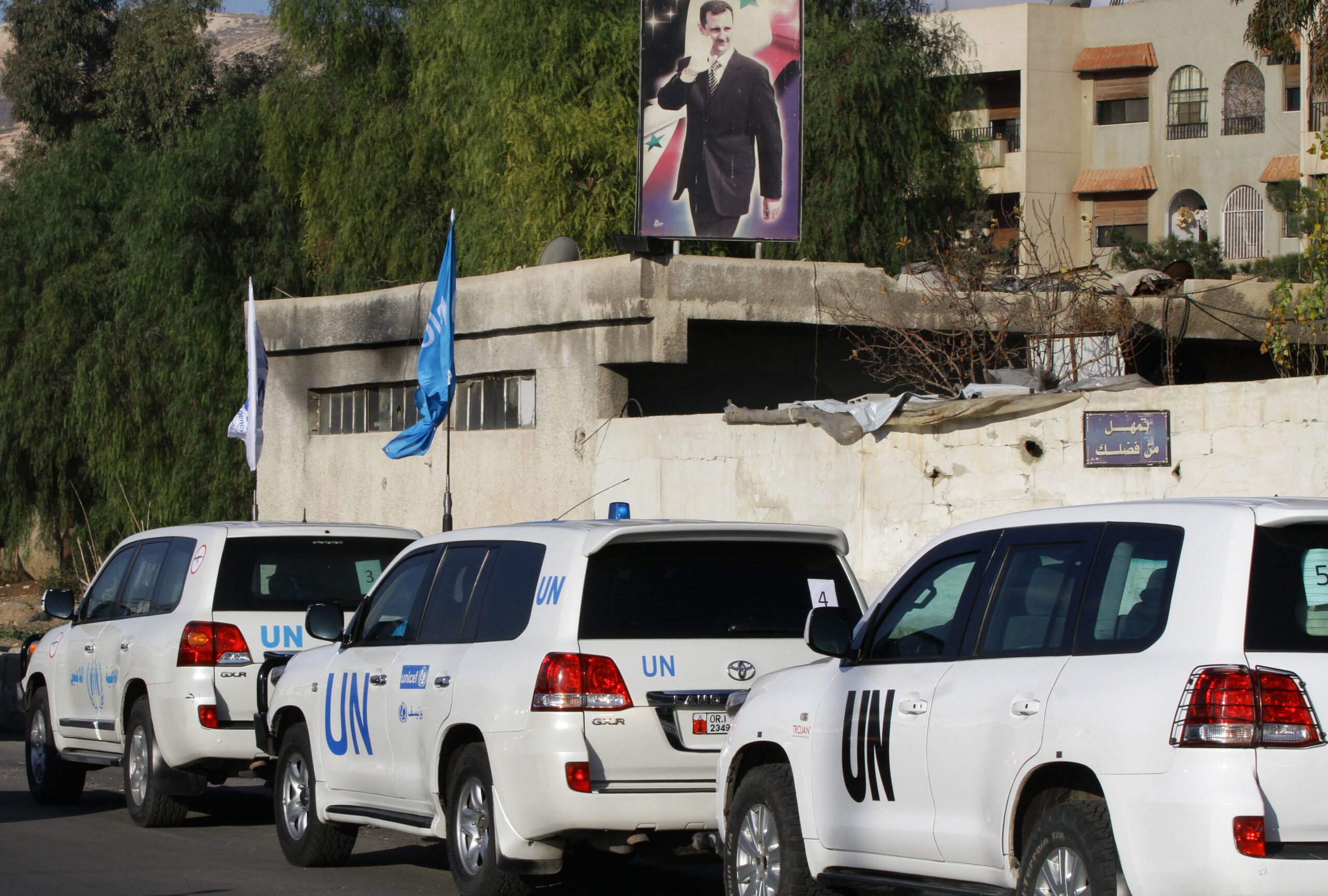
Apart from the brief honeymoon period between 1961 and 1963 under President John F. Kennedy and President Nazim al-Qudsi, US-Syria relations have never held such optimistic potential as they do today. Today, following the fall of Bashar al-Assad regime and the rise of a new government under President Ahmad al-Sharaa at the end of 2024, a new geopolitical window has opened.
Consolidating Sovereignty, Security and Peace: Time to Step up the Game
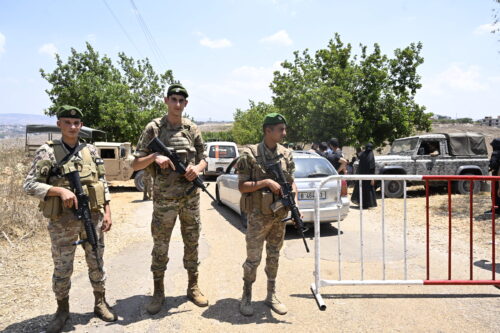
Although it has been a frustrating summer, Lebanon remains on the right track. My observation after a ten-day visit to Beirut and Jerusalem this month is that leaders in both capitals remain strongly committed to a shared objective.
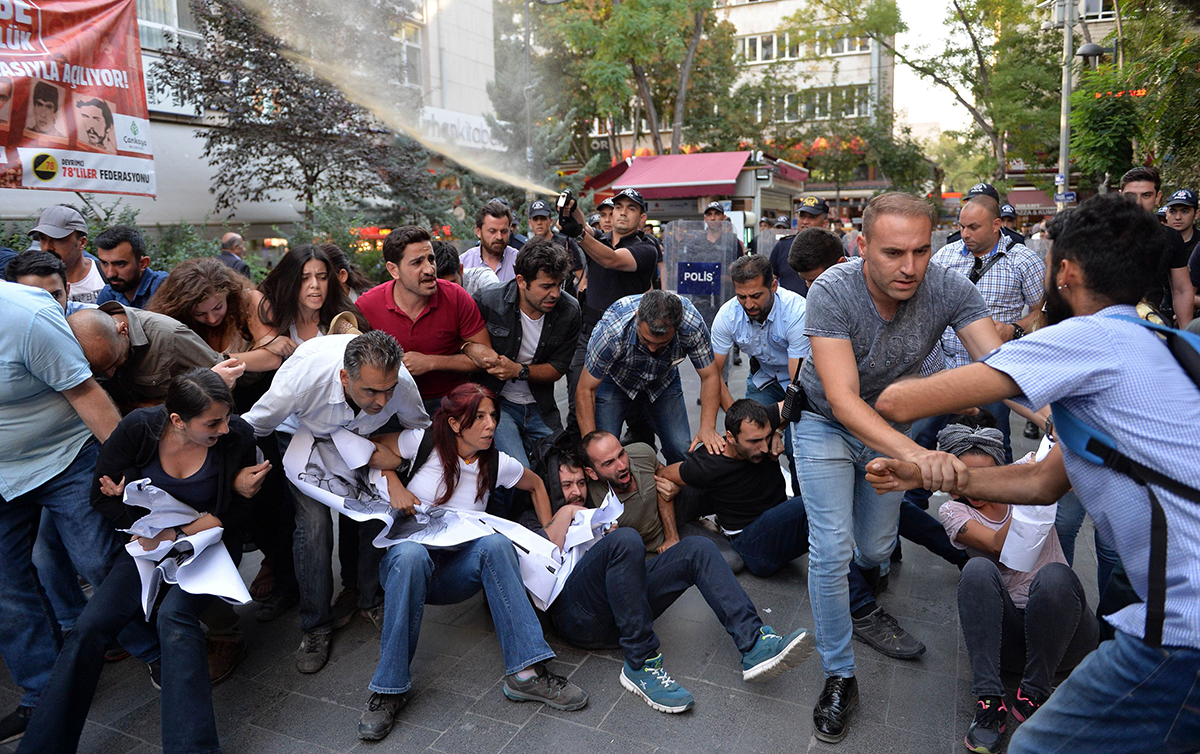
In Turkish-Russian relations, the Ukraine grain deal is not the point
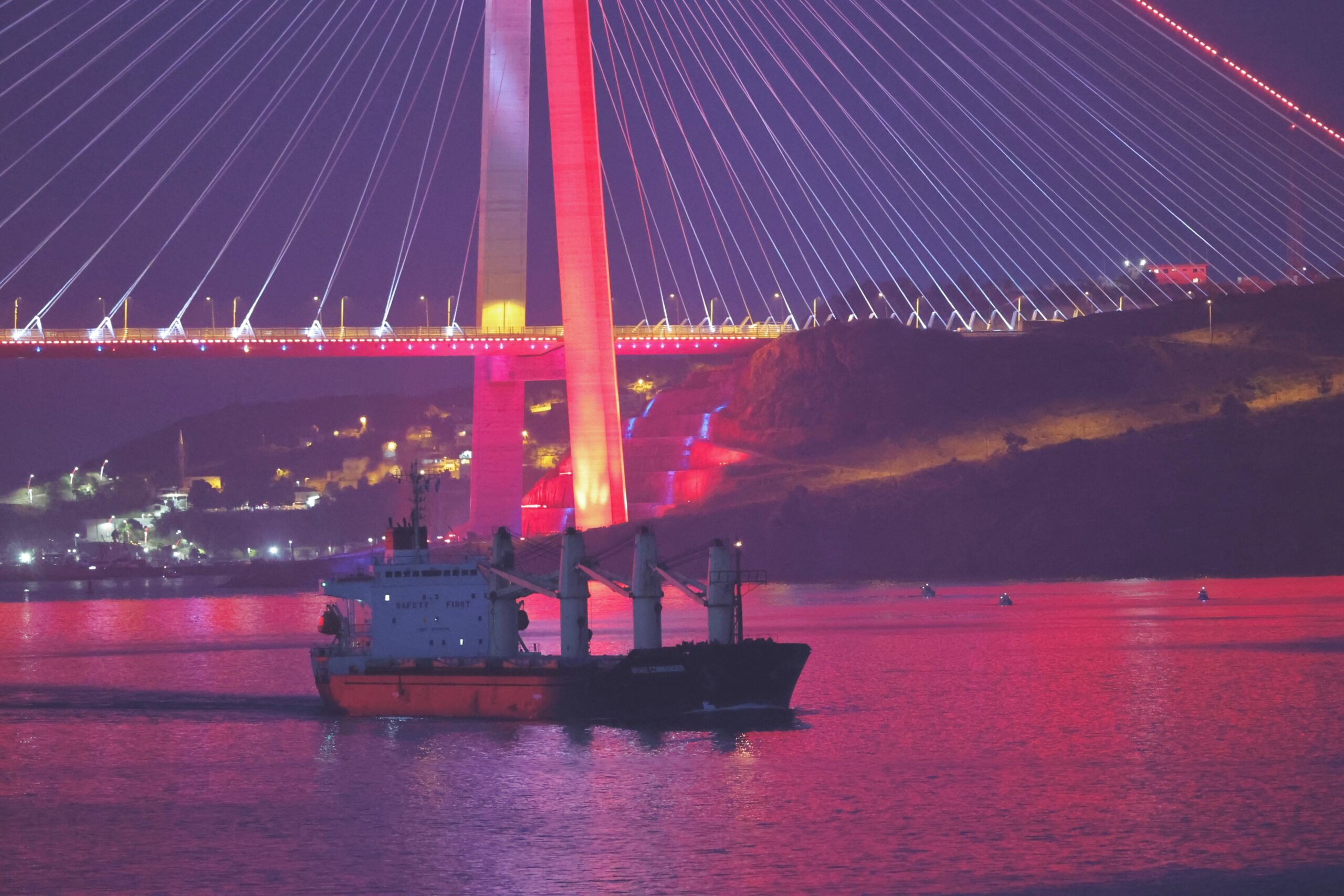
The Ukraine grain export deal, which Turkey helped mediate over the summer, was saved last week to much fanfare; but the central unaddressed issue remains lifting Russia’s illegal blockade of Ukrainian ports, so Ukraine can freely trade with the world.
As liquidity problems worsen, Turkey turns to capital controls and informal FX flows
The Turkish economy’s foreign exchange liquidity problem is getting worse. The current account balance has been in the red this year with a monthly deficit of around $5 billion. The government has so far managed to avoid a repeat of the December 2021 currency shock by restricting capital mobility, further tightening regulations in October 2022.
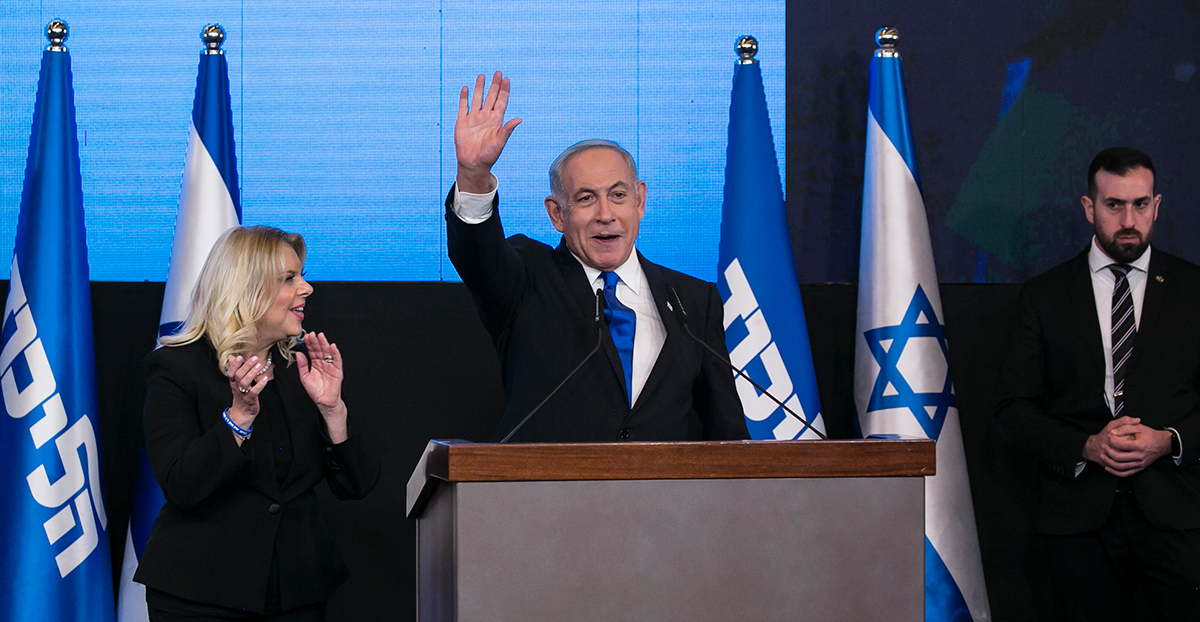
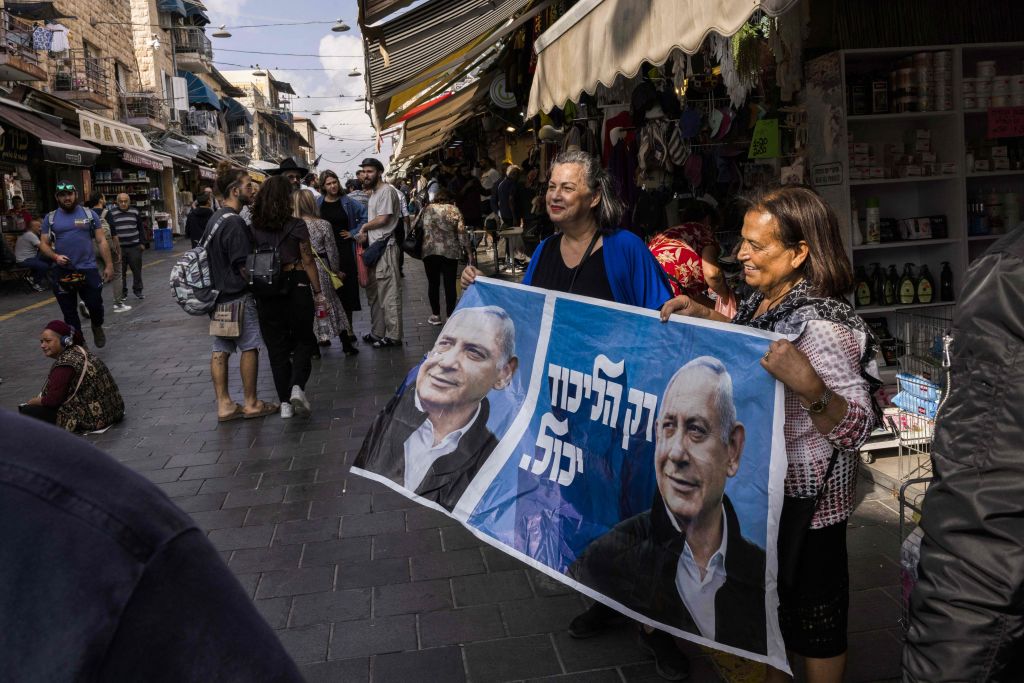
Israel’s election produces a clear winner — and a lurch further to the right
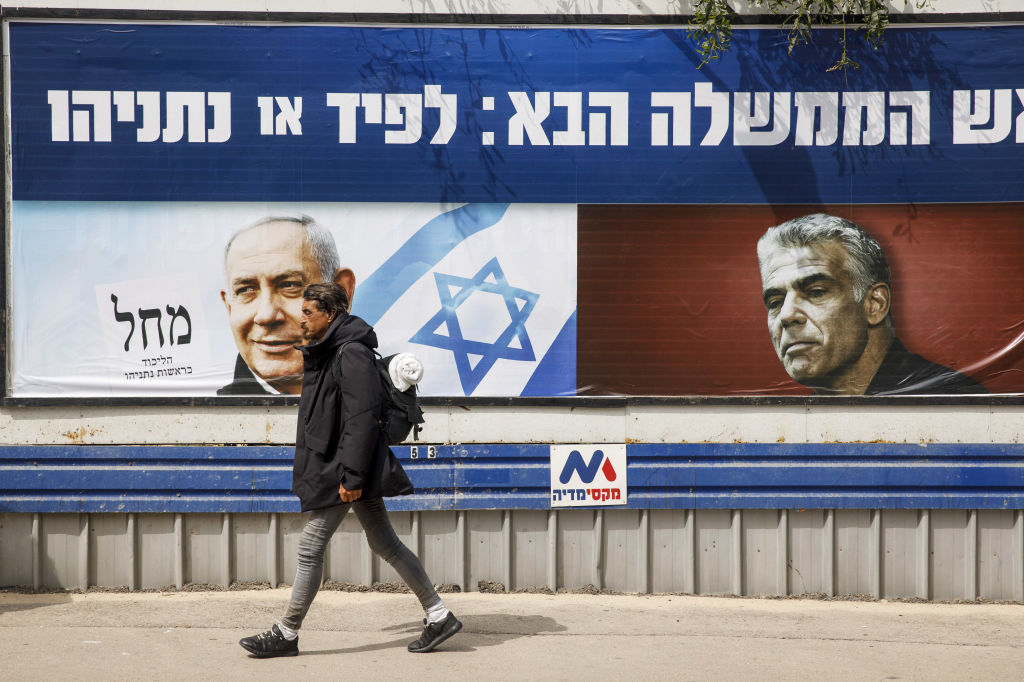
On Nov. 1, Israel’s democracy was shaken, perhaps as never before. It is not so much that former Prime Minister Benjamin Netanyahu has been returned to power, but that if he does become prime minister again, as seems overwhelmingly likely, it will undoubtedly be with crucial support provided by the “Religious Zionism” party, which includes “Jewish Power,” the vehicle of the veteran neo-Kahanist Itamar Ben-Gvir.
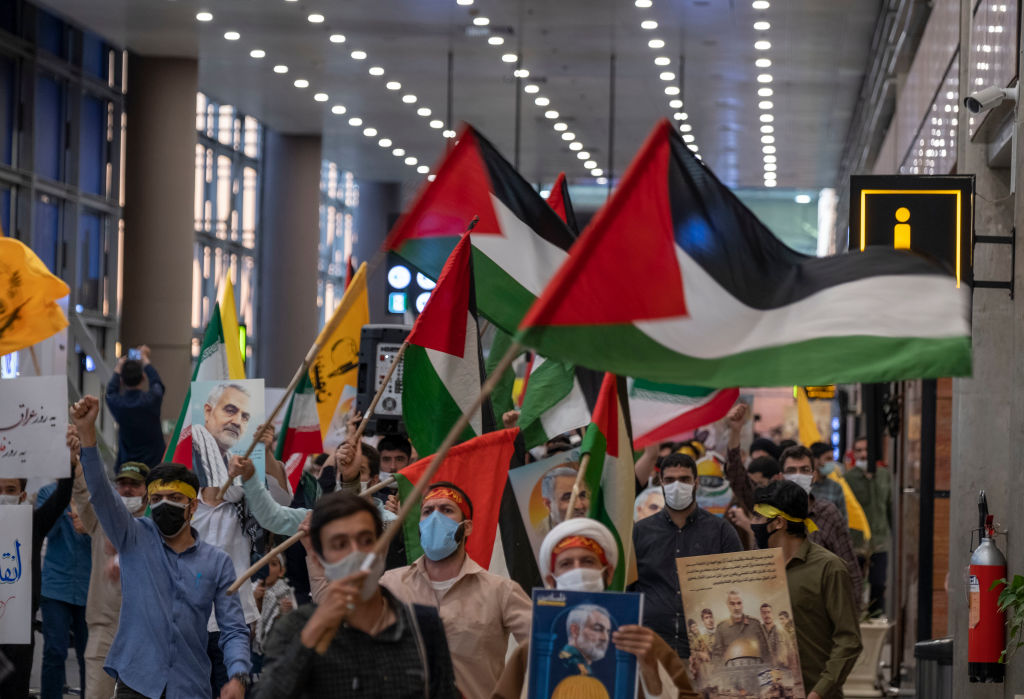
Tehran lashes out at Israelis’ support for Iranian protest movement
The Iranian regime is pointing the finger at Israel and the U.S. for allegedly orchestrating the nationwide protests. But while the U.S. and Israel both might have an interest in shaping and aiding the protest movement once it began, this large-scale mobilization of the Iranian public is a result of the regime’s own policies.
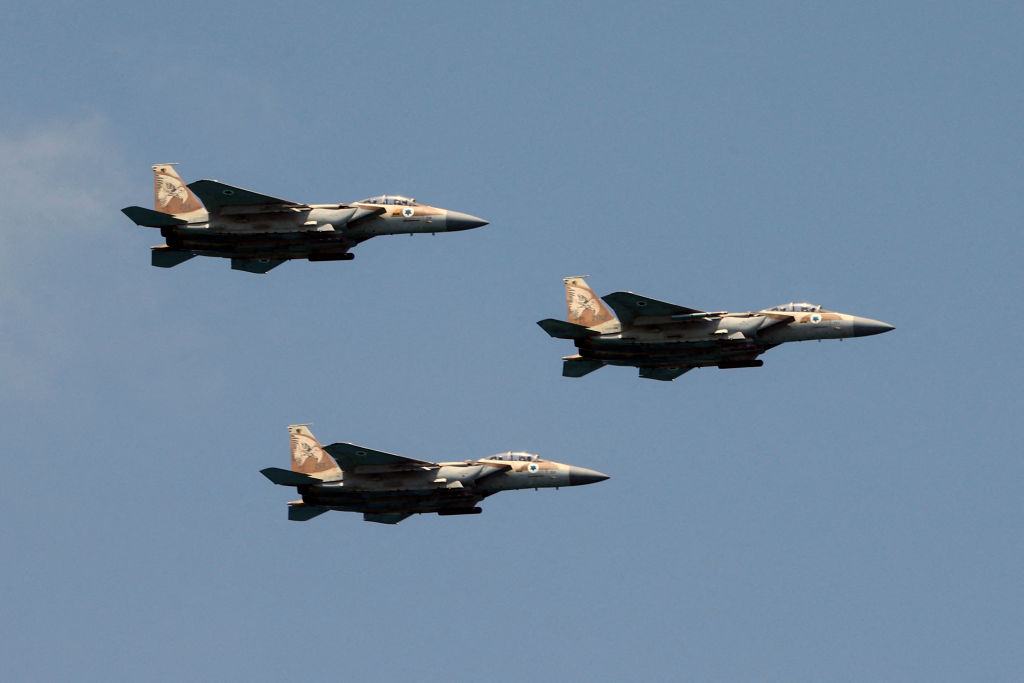
The Arab Peace Initiative returns. Will it supplant the Abraham Accords?
Although the Abraham Accords have been the main focus of Arab-Israeli peace-making since they were signed, the Arab Peace Initiative (API), introduced by the late Saudi King Abdullah 20 years ago, remains relevant and may be the better reflection of a path forward for Middle East peace
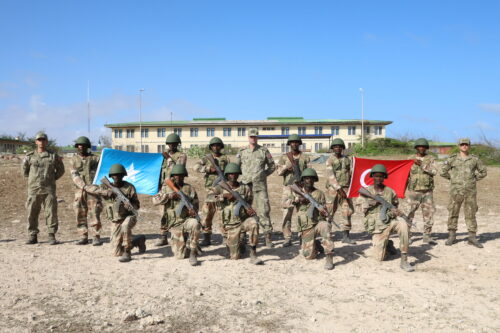
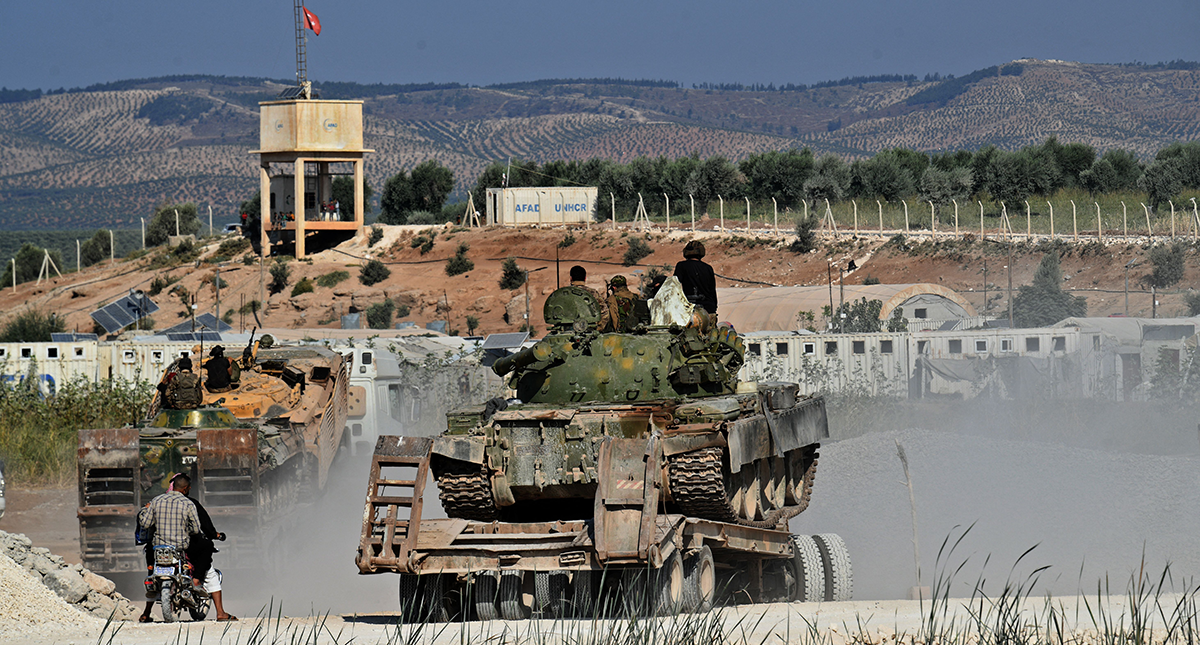
During the second week of October, unprecedented full-fledged military confrontations broke out in northern Syria between factions of the Turkish-backed Syrian National Army (SNA), with Hay’at Tahrir al-Sham (HTS) subsequently intervening in support of some factions over others. Tukey’s weariness about the constantly deteriorating state of security in the north, resulting mainly from infighting among the SNA forces it backs, and its willingness to impose order on them, could explain its silence on HTS’s military aggression. For HTS, however, expanding its rule and settling scores with some SNA factions may be the main drivers behind its recent attacks.
Since June 2015 and especially after the failed coup attempt in July 2016, the AKP has taken an increasingly nationalist and Eurasianist turn, as Erdoğan worked to consolidate power by satisfying various nationalist elements. The transition to the presidential system in mid-2018 has intensified Turkey’s existing foreign policy problems and given rise to new ones. This paper lays out the evolution of the AKP’s foreign policy, the consequences of the transition to the presidential system, the impact of Erdoğan’s coalition with the nationalists and Eurasianists, and potential pathways forward.
A top priority of the regional order envisioned by the Abraham Accords should be building confidence by sharing cybersecurity tools through the Negev Forum.
The Costs of a Presidential System: The Impact of Hyper-Centralization on Turkey’s Educational and Cultural Affairs
Turkey’s transition to a hyper-centralized presidential system has had a devastating impact on its educational and cultural affairs. The erosion of the rule of law and due process and the ensuing arbitrary rule by an all-powerful president have given rise to a growing malaise in the educational and cultural fields. The fragility of academic and media freedoms and the lack of legal and cultural norms guaranteeing freedom of speech compound the problem.
The oldest peer-reviewed publication dedicated to the study of the modern Middle East, MEI’s flagship journal covers politics, society, and culture in the region.