The Far Reach of the Iran War: Food Insecurity from North Africa to the Sahel
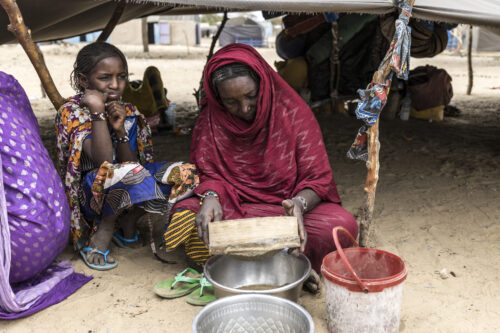
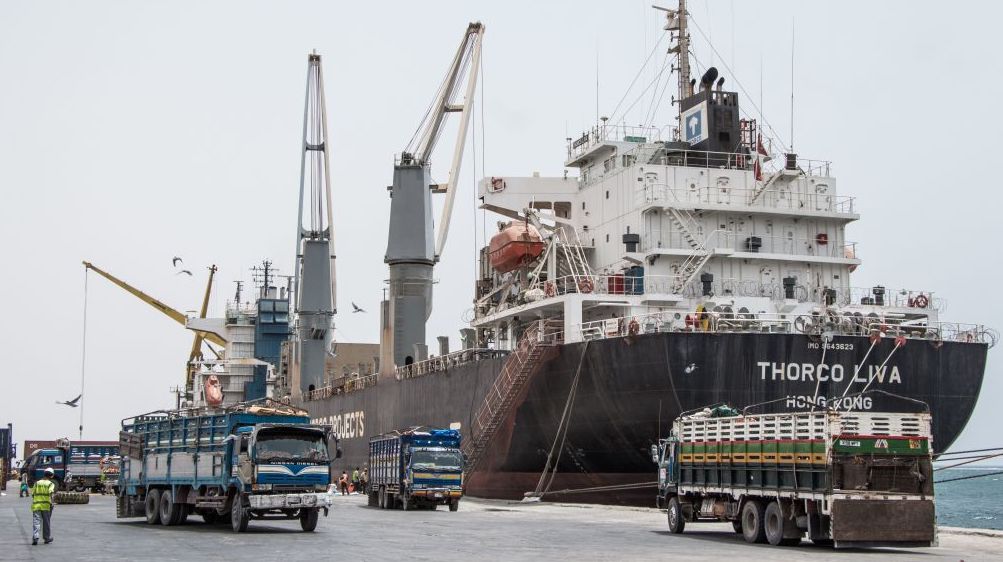
Within weeks of the Strait of Hormuz closure, fertilizer prices began to rise sharply. Tanker traffic through the strait, which handles one-third of the global fertilizer trade, fell by 90%. Across North Africa the impacts are multiplying, and this is having ripple effects for the Sahel in the south, adding to food price inflation, migration pressures, and the erosion of state legitimacy. The situation underscores how food security is a governance issue compounded by geopolitical crisis.
From Hormuz to the Sahel: A Fertilizer Shock, and a Maghreb Solution
The war-time disruptions of international shipping passing through the Strait of Hormuz are spreading through the fertilizer market and affecting supply chains encompassing regions that have no margins to absorb the impact. The Sahel is one such region and now faces a severe threat of widespread hunger.
Violence, Settlements, and Creeping Annexation in the West Bank
As international attention remains fixed on the fallout from the Iran war, conditions in the West Bank continue to deteriorate. Hosts Alistair Taylor and Matthew Czekaj speak with MEI Senior Fellow Lucy Kurtzer-Ellenbogen about the sharp rise in settler violence, expanding settlement activity, and growing Palestinian displacement across the territory. They examine how recent Israeli legal and administrative measures are reshaping realities on the ground, the implications for Israeli-Palestinian relations, and what the United States should do to play a constructive mediator role.
America Cannot Afford to Miss This Opening in Lebanon
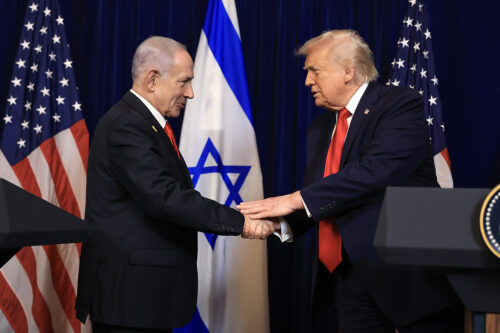
President Donald Trump has an opportunity to do something no American president has managed in nearly half a century: end the war between Israel and Lebanon for good.
The US Has Secured a Cease-Fire in Lebanon. But Its Role Shouldn’t End There
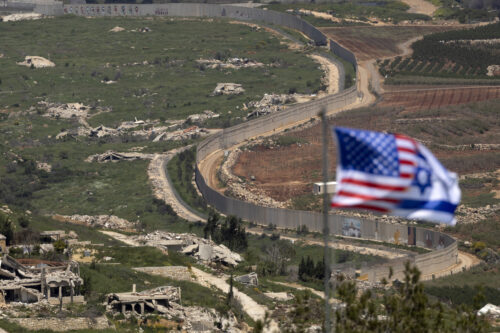
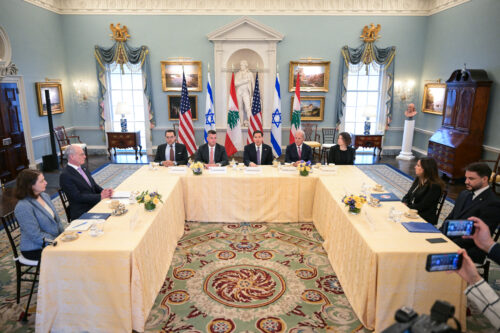
Last Thursday, the US announced a 10-day cease-fire “to enable peace negotiations between Israel and Lebanon”. The State Department statement – reportedly agreed to by both governments – marked a significant diplomatic shift. It included an affirmation that “the two countries are not at war,” a commitment to work toward “full recognition of each other’s sovereignty and territorial integrity,” as well as “achieving a permanent agreement that ensures lasting security, stability, and peace.”
As Lebanese, Israeli, and American teams prepare for their first-ever trilateral leaders summit, it is time to reflect on this opportunity and lessons from the past.
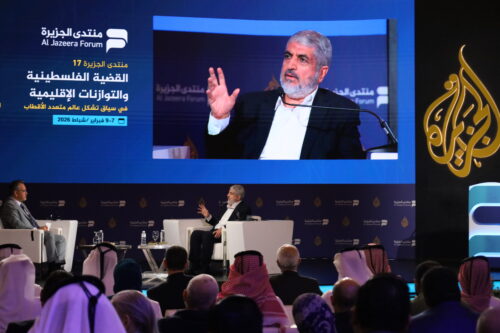
MEI Senior Fellow Jaser AbuMousa joins hosts Alistair Taylor and Matthew Czekaj to unpack how Hamas is navigating the US-Israel conflict with Iran and its impact on Gaza. Nearly two and a half years after the start of the Gaza war, international attention has shifted away from the humanitarian crisis in the devastated coastal strip. Meanwhile, Hamas’ primary state sponsor, Iran, has been severely weakened by US-Israeli military strikes and the death of former Supreme Leader Ayatollah Ali Khamenei. AbuMousa examines how this could affect Hamas’ trajectory moving forward and its place within the Axis of Resistance, as well as what it all means for the Palestinian people.
Hamas at a Crossroads in the Post-Ali Khamenei Era
The results of last month’s elections seemed to crystallize a fundamental divide between two competing visions for Hamas’ future. But the US-Israeli war against Iran has cast a heavy shadow over the group’s leadership selection process, shifting it from a contest between personalities to a wider struggle over Hamas’ strategic identity, ideological orientation, and relationship with the broader Middle Eastern order.
The Ripple Effects of the US-Israel War on Iran for North Africa
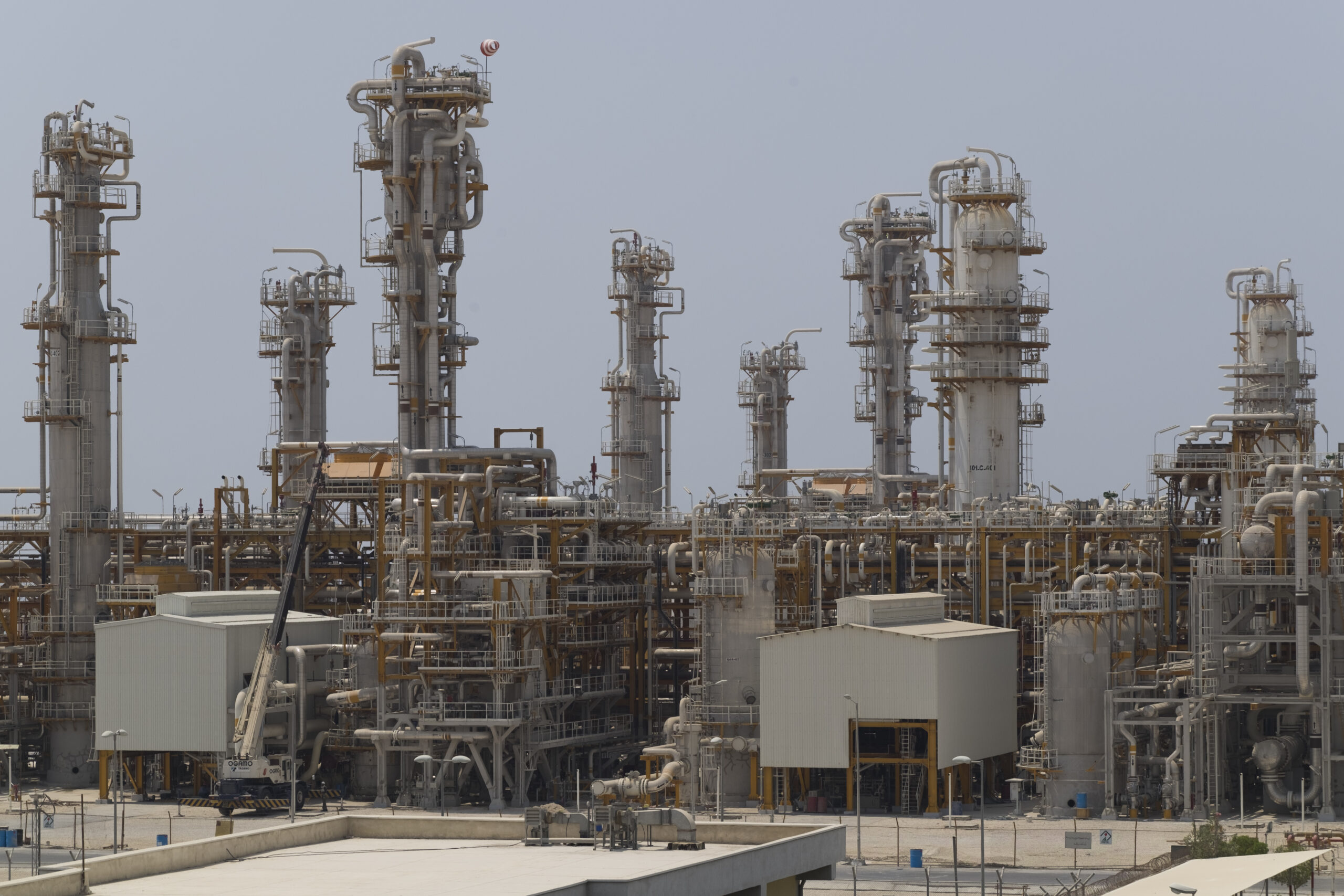
North African states feel the consequences of the US-Israel war with Iran less through direct security risks than through economic shocks that affect long-term stability. The region remains highly exposed to disruptions in global food and energy markets, where price spikes can lead to fiscal pressure, inflation, and social unrest.
Five Fundamental Questions for US Foreign Policy as the Iran War Enters Its Fourth Week
The US and Israeli conflict with Iran is currently just past the halfway mark, according to US President Donald Trump’s initial estimate that it would take four to six weeks to achieve his objectives, but for now there is no end in sight. Here are five fundamental, strategic questions that require more attention as the media and political debates fixate on the day-to-day breaking news and tactics of this war.
If the Regime Survives: Iran War Raises the Ante for US, Israel
The United States and Israel both hope for the grand prize: the emergence of a new regime in Iran to replace the Islamic Republic. For the US, this would close the chapter on a hostile and at times violent relationship that has endured since 1979. For Israel, this would see the end not only of a regime with a deep ideological commitment against it but also the foe that Israel sees as behind all fronts of the war it has fought since October 7, 2023.
How the US and Israel Can Stave off Strategic Failure in Iran
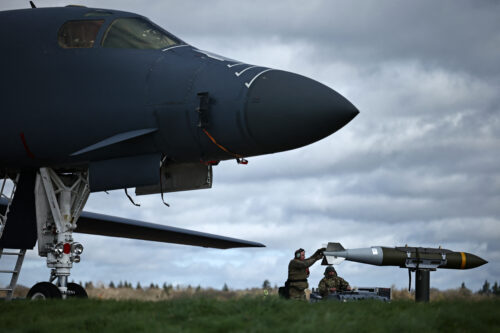
Despite a dazzling military onslaught, an Iranian regime that faces a threat to its very existence is demonstrating an entirely predictable willingness to stay the course at all costs. As things stand now, the joint US-Israeli war risks ending in military victory but becoming a strategic failure.
Surviving October 7th: Amir Tibon on Trauma, War, and Israel’s Future
Brian is joined by Amir Tibon, a journalist for Haaretz and the author of The Gates of Gaza: A Story of Betrayal, Survival, and Hope in Israel’s Borderlands and The Last Palestinian: The Rise and Reign of Mahmoud Abbas. On October 7, 2023, the Tibon family’s lives were changed forever when Hamas militants invaded Nahal Oz kibbutz, destroying their community, brutally killing their neighbors, and taking others hostage. Together, Brian and Amir examine the fallout from the events of October 7th, how public opinion in Israel and the United States has shifted over the past two and a half years, Israeli Prime Minister Benjamin Netanyahu’s political strategy, and what this all means for the future of Israel and its relationship with Palestinians and the broader region.
As the war with Iran consumes regional attention, Gaza is again being pushed aside. That is not just a humanitarian failure. It is a strategic mistake that could squander a rare opening for political transition while allowing Hamas to weaponize abandonment once more.