Skip to Content

Research & Commentary Results

Filter by
300 Results
Europe’s snapback gamble on Iran
Photo by AFP via Getty Images
  • Analysis
  • Europe’s snapback gamble on Iran

    The coming weeks may prove decisive in Europe’s long struggle to manage Iran’s nuclear ambitions. On Aug. 28, the United Kingdom, France, and Germany announced they will trigger the “snapback” sanctions mechanism. Whether Europe’s gamble succeeds will determine both the future of non-proliferation and the credibility of Europe as a strategic actor.

    Lebanon and the UNIFIL Mandate: Disarming Hizballah and Reclaiming Sovereignty
    Middle East Institute
  • Podcast
  • Lebanon and the UNIFIL Mandate: Disarming Hizballah and Reclaiming Sovereignty

    With its new government at the half-year mark and the UNIFIL international peacekeeping force’s mandate due for reauthorization at month’s end, Lebanon stands at a pivotal moment. In this episode of Middle East Focus, hosts Alistair Taylor and Matthew Czekaj are joined by MEI Senior Fellow Fadi Nicholas Nassar to evaluate whether the Lebanese state can reclaim its sovereignty, starting with the disarmament of Hizballah and the enforcement of a cease-fire.

    August 7, 2025

    Inflection point or continuing spiral in the Middle East?
    Photo by Mohammed Huwais/AFP via Getty Images
  • Analysis
  • Inflection point or continuing spiral in the Middle East?

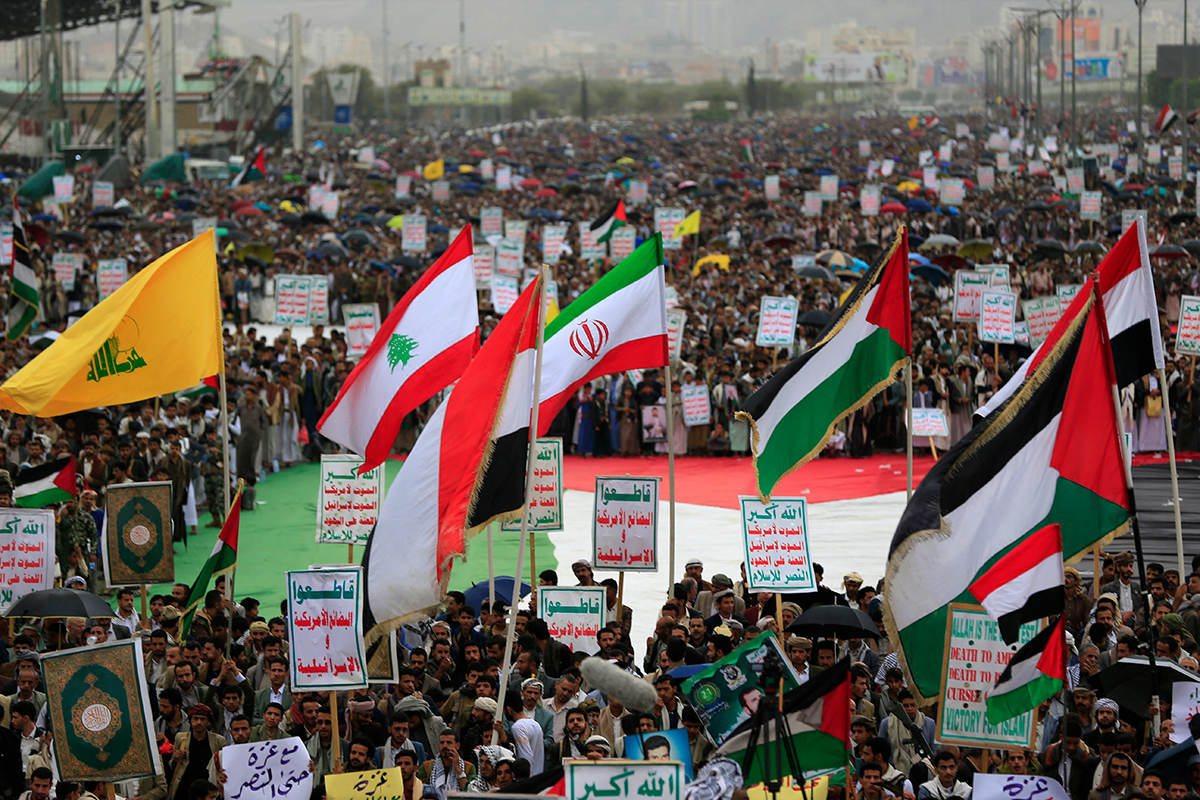
    After almost two years of fighting in Gaza, and after the decimation of Hizballah, the fall of Bashar al-Assad’s regime in Syria, and the 12-day Israeli-American war on Iran, the Middle East is in new strategic and political territory. Two pathways lie ahead: the first is one in which the gains and changes brought about by war are turned, through intense diplomacy and negotiation, into new international and political arrangements that bring about a period of security and stability in the region; the second is one in which that corner is not turned, and the wars in Gaza, Iran, and potentially Yemen, Syria, and Lebanon, continue indefinitely. The trajectory will depend on the choices of key actors — above all Iran, Israel, and the United States.

    July 28, 2025

    Unfinished business in the Middle East
    Photo by Anna Moneymaker/Getty Images
  • Analysis
  • Unfinished business in the Middle East

    Probably few if any Middle East analysts had Israeli airstrikes targeting key government installations of the Syrian state on their summer 2025 bingo cards. And yet that is precisely what happened on Wednesday, as Israeli jets hit Syria’s military headquarters and an area near the presidential palace in Damascus.

    The 12-day Israel-Iran war: China’s response and its implications
    Photo by Lintao Zhang/Pool/AFP via Getty Images
  • Analysis
  • The 12-day Israel-Iran war: China’s response and its implications

    Last June’s Israel-Iran conflict became a revealing stress test for Beijing’s Middle East strategy, its role in global diplomacy, and the coherence of what some have described as an emergent “Axis of Upheaval” between China, Russia, and Iran.

    Trump’s Middle East policy arrives at a temporary and fragile limbo
    Photo by Joe Raedle/Getty Images
  • Analysis
  • Trump’s Middle East policy arrives at a temporary and fragile limbo

    Domestic politics has taken center stage in the United States as Congress struggles to pass President Donald Trump’s proposed budget plan. But July is also shaping up as a pivotal month for Trump’s foreign policy in the Middle East and beyond.

    US-Iran Nuclear Talks: A Fragile Opening for Diplomacy
  • Podcast
  • US-Iran Nuclear Talks: A Fragile Opening for Diplomacy

    Following seven years of diplomatic deadlock, Washington and Tehran have resumed nuclear negotiations — and for the first time in years, there are signs of real momentum.

    Alex Vatanka, MEI Senior Fellow and author of The Battle of the Ayatollahs in Iran, joins hosts Alistair Taylor and Matthew Czekaj to analyze the current round of talks, the technical issues under discussion, and the political stakes on both sides. He explores Iran’s economic and domestic pressures, US red lines, and the role of key players like Israel, China, and Oman in shaping the negotiations.

    April 24, 2025

    Thinking the unthinkable: Improved US-Iran relations under Trump?
    Photo by Morteza Nikoubazl/NurPhoto via Getty Images
  • Analysis
  • Thinking the unthinkable: Improved US-Iran relations under Trump?

    It is no surprise that both Iran and the United States have approached their first diplomatic engagement in four years with wariness. There are plenty of reasons to be skeptical about the probability of the negotiations culminating in a deal. But it would be a mistake to assume that the conditions in 2025 are the same as existed in 2015. Time is not on the Iranians’ side now and changes afoot in the Middle East and the broader global community give Iran an incentive to move toward an agreement, assuming that Washington is sincere and realistic in its negotiations with Tehran.

    ISIS is on the ropes in Syria. A successful transition in Damascus could deliver a knockout blow
    Photo by HUNAR AHMAD/Middle East Images/AFP via Getty Images
  • Analysis
  • ISIS is on the ropes in Syria. A successful transition in Damascus could deliver a knockout blow

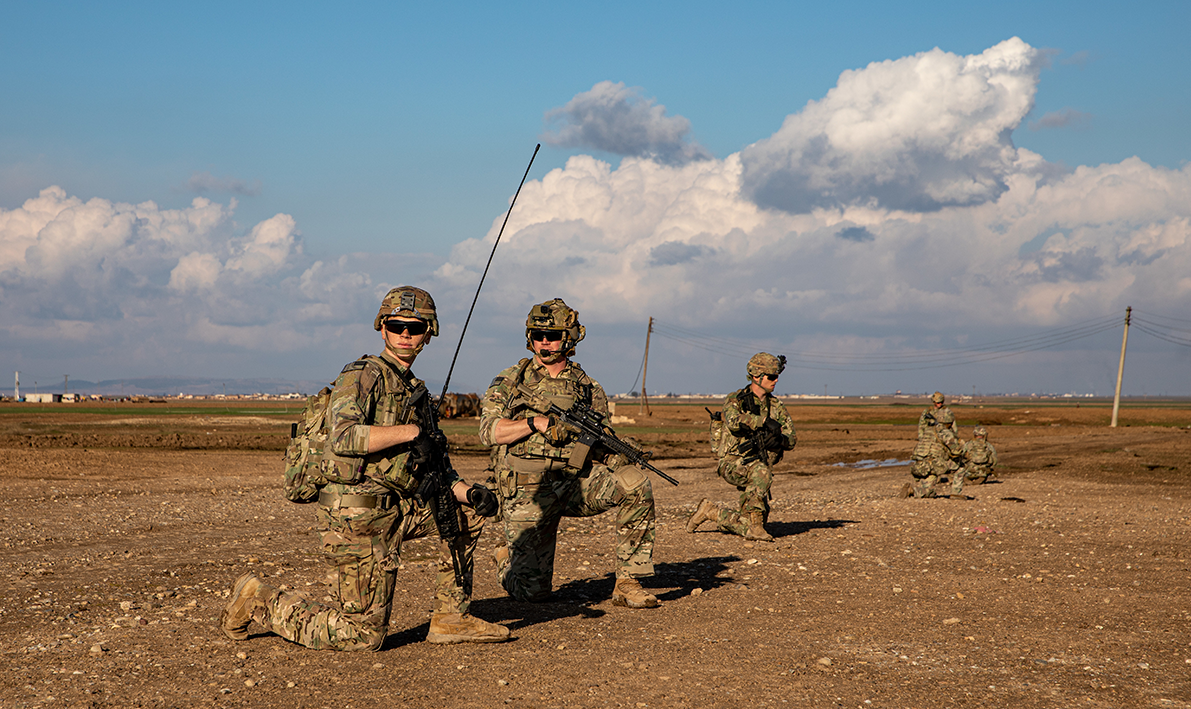
    For much of the past two decades, ISIS has enjoyed favorable conditions in Syria, but since the fall of Bashar al-Assad’s regime in December 2024, dynamics have changed. With Assad’s departure, ISIS lost its long-standing and vitally important safe haven in Syria’s central desert and its most significant driver for recruitment. The results — so far — have been dramatic.

    The first two months of Trump 2.0 in the Middle East: Hard push for elusive breakthroughs
    Photographer: Chris Kleponis/CNP/Bloomberg via Getty Images
  • Analysis
  • The first two months of Trump 2.0 in the Middle East: Hard push for elusive breakthroughs

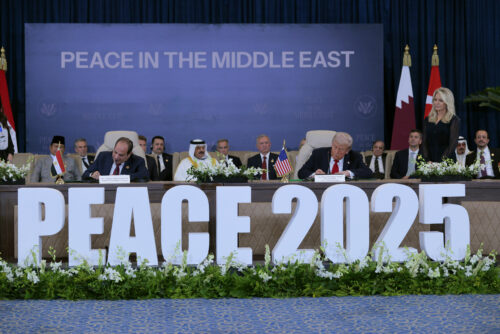
    President Donald Trump is focused on realizing two transformative breakthroughs that his predecessors failed to accomplish: an end to the Arab-Israeli conflict, centered on a tripartite US-Saudi-Israeli deal, and an agreement between the US and Iran. Both would be historic achievements. So far, however, progress in each case has proven difficult and plodding.

    April 1, 2025

    A nuclear Middle East is not a secure Middle East
    Photo by Morteza Nikoubazl/NurPhoto via Getty Images
  • Commentary
  • A nuclear Middle East is not a secure Middle East

    Iran is accumulating enough near-weapons-grade enriched uranium to build a nuclear weapon within weeks or months, not years. President Donald Trump, having withdrawn the United States in 2018 from the nuclear deal that would have postponed that possibility, is now appealing for negotiations with Tehran. But in the Middle East, the nuclear question does not concern only Iran.

    March 25, 2025

    US disengagement and new regional security dynamics in Afghanistan’s neighborhood
    Photo by Afghan Ministry of Foreign Affairs/AFP via Getty Images
  • Analysis
  • US disengagement and new regional security dynamics in Afghanistan’s neighborhood

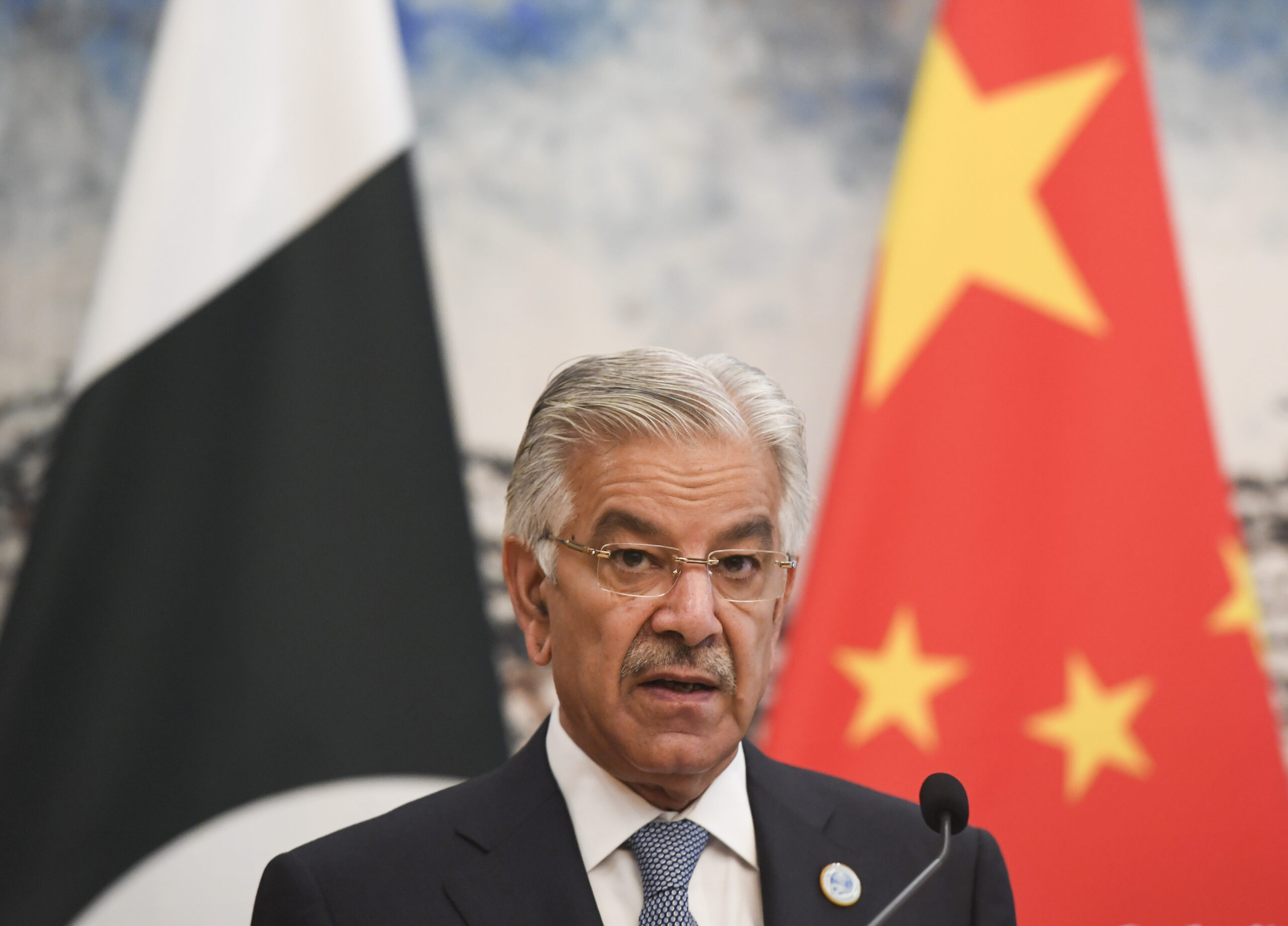
    Afghanistan’s neighborhood is in the midst of a consequential restructuring of its security architecture. Key regional actors Pakistan, Afghanistan, Iran, and China have been continuing to adjust their defense plans and security partnerships to meet the growing threats posed by domestic and cross-border terrorism. At the same time, these four countries have also been looking for new ways to fill the vacuum in southern Asia left by the United States military’s departure from Afghanistan.