Lebanon-Israel Border Disputes: A Guide for American Mediation
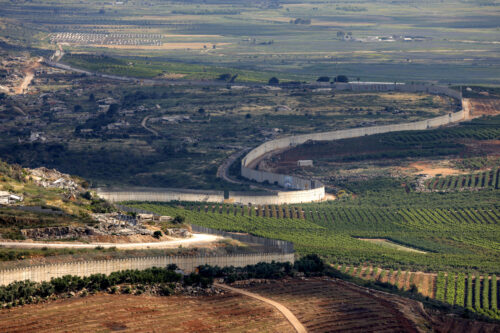
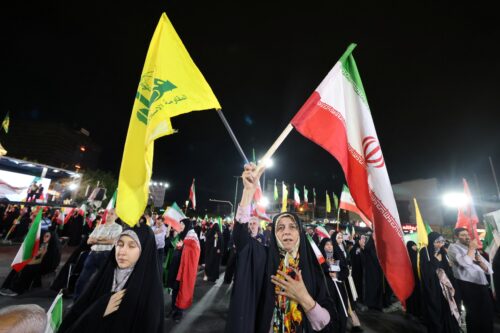
As part of a report outlining an actionable US roadmap to win in Lebanon, this paper examines how the United States might mediate the settlement of Israel-Lebanon differences over the line that divides them into separate jurisdictions.
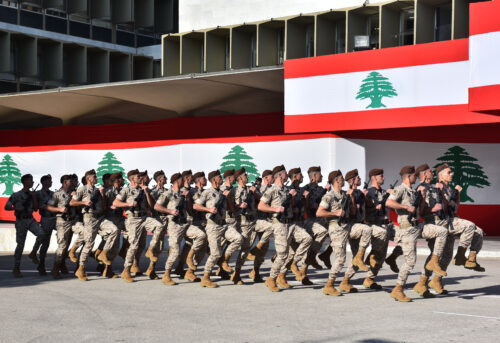
As part of a report outlining an actionable US roadmap to win in Lebanon, the author discusses options for American military assistance to the Lebanese Army in the effort to disarm Hizballah and regain Lebanese sovereignty.
Operationalizing the Trilateral Framework Agreement
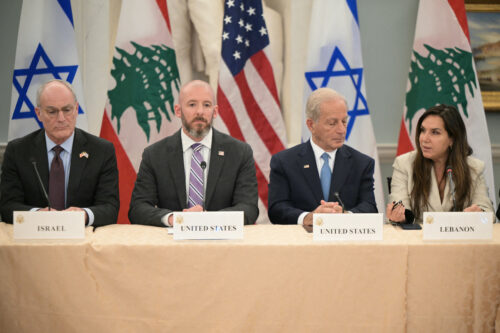
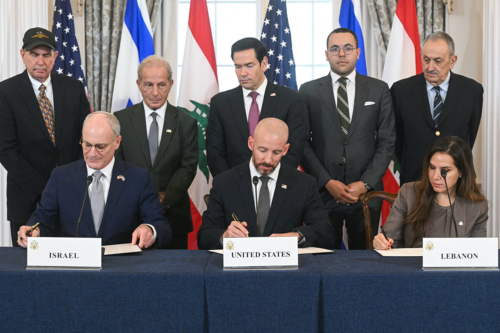
As part of a report outlining an actionable US roadmap to win in Lebanon, this article analyzes the Tripartite Framework Agreement signed by representatives of the United States, Israel, and Lebanon, and compares previous US-led peacekeeping mechanisms.
Hizballah’s Deep State: The Real Challenge of Disarmament in Lebanon
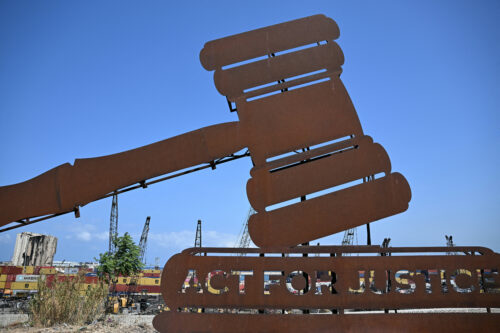
As part of a report outlining an actionable US roadmap to win in Lebanon, this article argues that to strengthen the Lebanese state, accelerate economic recovery, and permanently reduce Iran’s influence, the United States should support efforts to dismantle Hizballah’s financial networks, political influence, and parallel institutions as well as reform the judicial system.
What the Gulf (and America) Can Learn from Ukraine
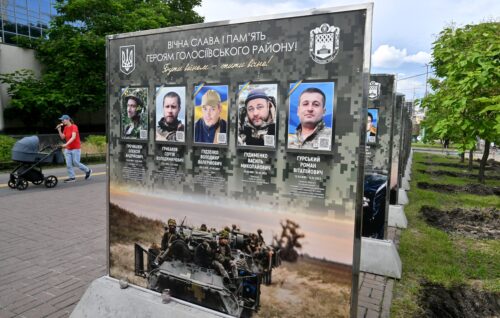
This past June, I had the opportunity to visit Ukraine and see a bit of a war I heretofore had only read about. The contrasts with the Middle Eastern wars I had experienced were stunning, as was, in particular, the juxtaposition with the current Iran conflict and the ongoing threat to our Gulf allies. There are lessons to be learned about commitment, intensity, self-reliance, and the importance of alliances. They could serve our allies and ourselves well in both theaters.
After the US-Israel-Iran war — and the strikes that followed the cease-fire — the Gulf states find themselves dangerously exposed. Host Alistair Taylor is joined by MEI Associate Fellow Gregory Gause to discuss the war’s impact on the Gulf, their partnership with the United States, and whether the turmoil of recent months will push Gulf leaders to reassess their alliances and international engagement.
The Other MoU: Launching a Europe-Gulf Resilience Initiative After the US-Iran Deal
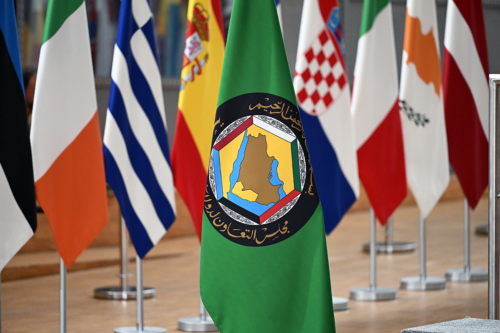
The Islamabad Memorandum of Understanding (MoU) between the United States and Iran may have ended one of the most consequential Middle Eastern crises in decades, but it has not resolved the strategic problem it exposed. Whether the 60-day talks it set in motion will produce a final agreement remains far from certain.Yet the central lessons are already clear: Iran has preserved significant leverage, Washington has had to scale back its ambitions, and Europe and the Gulf face the prospect of protracted regional tension. Europe and the Gulf should therefore use the aftermath of the US-Iran deal to articulate their own “other MoU”: a Europe-Gulf Resilience initiative.
After nearly four months of war, the US and Iran have signed a 14-point memorandum of understanding declaring the conflict over, reopening the Strait of Hormuz, and beginning talks toward a final deal. Alan Eyre, MEI Distinguished Diplomatic Fellow and a core member of the 2015 JCPOA negotiating team, joins host Alistair Taylor to unpack the deal’s implications for both countries, its ripple effects across the region, and what a lasting settlement would take.
China’s Private Security Companies in the Middle East: Commercial Actors, Strategic Tools
Chinese PSCs are state-adjacent actors embedded in China’s overseas economic expansion, particularly under the Belt and Road Initiative (BRI), generating new arenas of US–China security competition in fragile environments.
The Gulf’s Strategic Paradox: Lost Confidence in the US Security Umbrella, Enduring Trust in the Dollar
This essay argues that the current debate about the future of the international monetary system is not really about Gulf currencies, oil pricing, or de-dollarization in the narrow technical sense. It is about something deeper and more important: whether institutional trust can survive when geopolitical certainty is eroding.
Attacked by All Sides Iraq’s New Government Faces Old Problems
After months of deadlock following the November 2025 elections, Iraq’s parliament approved a new government under Prime Minister Ali al-Zaidi on May 14, 2026 — just as the country has become a battleground in the US-Israel-Iran war. Zaidi inherits a daunting brief: reviving a struggling economy, reining in armed factions, and steering Iraq through a perilous regional landscape. Dr. Renad Mansour, deputy director of the Middle East and North Africa Programme and director of the Iraq Initiative at Chatham House, joins host Alistair Taylor to discuss the war’s impact on Iraq — from Iran’s militia networks to the surge of attacks on the Kurdistan region — and how it’s reshaping Baghdad’s ties with Tehran and Washington.
A Turkish court has taken a dramatic step that could reshape the country’s political landscape. It annulled the results of the CHP’s 2023 party congress, effectively overturning the election of Özgür Özel as leader of Turkey’s main opposition party and potentially paving the way for former chairman Kemal Kılıçdaroğlu to return.
ISIS appears to have collapsed in Syria in the wake of the SDF’s military defeat and subsequent integration, followed by the withdrawal of US troops. To the extent that the US prioritizes the group’s enduring defeat in the country, a relationship centered in Damascus is the best way to achieve it.