After over a decade of division between rival factions in eastern and western Libya, the Trump administration has put forward a plan to unite the two sides through a power-sharing agreement. Hosts Alistair Taylor and Matthew Czekaj are joined by MEI Distinguished Diplomatic Fellow Jonathan M. Winer to unpack the details of this proposal and its potential consequences for the Libyan people. Winer, who served as United States Special Envoy for Libya, offers analysis of the plan’s viability, the response of various actors on the ground, and whether it can stabilize the country and help resolve its deep-seated challenges.
A tentative U.S.–Iran memorandum of understanding appeared close to completion in late May, but Iran’s decision to suspend indirect talks over Israel’s expanding operations in Lebanon has thrown the process into uncertainty. What had looked like an emerging framework now appears less a pathway to settlement than a reminder of how fragile the ceasefire remains.
Although Russia has not directly intervened in the US-Israeli war with Iran, the conflict has underscored the nature and extent of its strategic partnership with the Islamic Republic. The Russia-Iran axis poses a real threat to the US and its allies; it demands a coherent and resolute response.
As the world’s attention shifts to the Iran war, Gaza is increasingly disappearing from the international spotlight. But more than six months after the United Nations endorsed a peace plan for Gaza, the humanitarian catastrophe continues. Israeli strikes remain relentless, while major international NGOs and aid groups say critical supplies are still not entering Gaza at anywhere near the scale needed.
The Impact of the Iran War on the Gulf’s Grand AI Plans
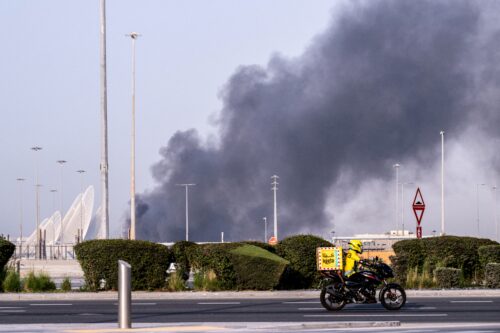
When Iranian drone strikes hit two of Amazon’s data centers in the United Arab Emirates and Bahrain in early March, amid the ongoing US-Israeli war with Iran, much of the media’s reflex was to declare it the end of the Gulf’s artificial intelligence (AI) ambitions. That read is misguided, and it misses why what Iran was trying to accomplish failed.
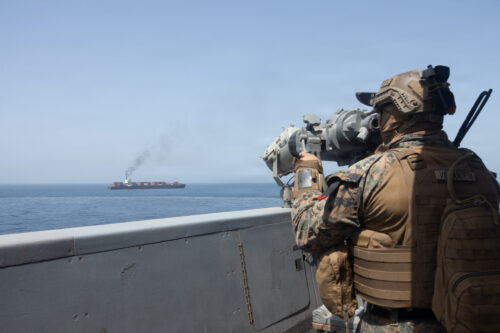
Beyond the Strait of Hormuz: How War Is Redrawing Trade Routes—and Elevating Pakistan
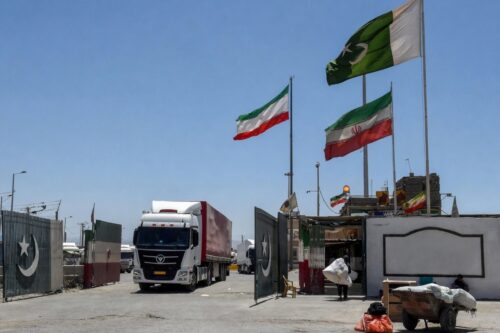
Pakistan is not merely reacting to the current phase of the 2026 Iran war; it is functioning as a system-adjusting intermediary within a rapidly reordering regional landscape. As established channels of diplomacy, trade, and financial coordination have fractured under wartime pressure, Islamabad has emerged as a critical node through which regional and extra-regional actors are progressively rerouting engagement, commerce, and influence.
How Israel-Backed Sweida Became Syria’s Narcotics Capital
In the early hours of Sunday, May 3, Jordanian F-16 fighter jets crossed into Syrian airspace and launched strikes on at least six locations in the southern province of Sweida. In a statement issued hours later, Jordan’s military said that “Operation Jordanian Deterrence” had targeted “factories, facilities and warehouses used by trafficking groups as launch points for smuggling operations into Jordan.”
The Houthis are a political-military faction and Zaydi religious movement founded in northwestern Yemen in the 1980s. A key member of Iran’s Axis of Resistance with links to other militant organizations in the Arabian Peninsula and the Horn of Africa, the group has continued to pose a threat to Western interests on a global scale.
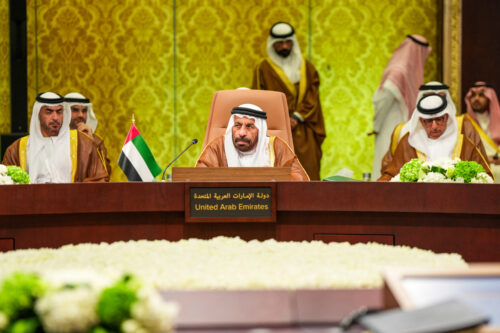
Agile Power: The UAE’s External Policy in an Era of Fragmentation
The external policy of the United Arab Emirates (UAE) is increasingly shaped by systemic fragmentation, regional insecurity, and shifting patterns of great-power engagement. In response, Abu Dhabi has moved away from reliance on fixed alignments toward a strategy of strategic diversification across security, economic, and technological domains.
Fixing America’s Failed Strategies in the Middle East
The Middle East is both central to key United States interests and prone to instability. Yet US national security and defense strategic guidance has struggled to account for the unique demands of the region. Calls for strategic divestiture from the region have grown in prominence among analysts and policymakers alike in recent years.
Despite efforts to extend the cease-fire in Lebanon and disarm Iranian proxy Hizballah, fighting continues between the militant group and Israeli forces. Hosts Alistair Taylor and Matthew Czekaj are joined by MEI Senior Fellow Fadi Nicholas Nassar to examine what the renewed fighting means for attempts to counter Iranian influence in Lebanon and what could lie ahead. They discuss the prospects for a lasting agreement, Iran’s broader proxy strategy, and how Washington can help strengthen the sovereignty of the Lebanese state.
America Cannot Afford to Miss This Opening in Lebanon
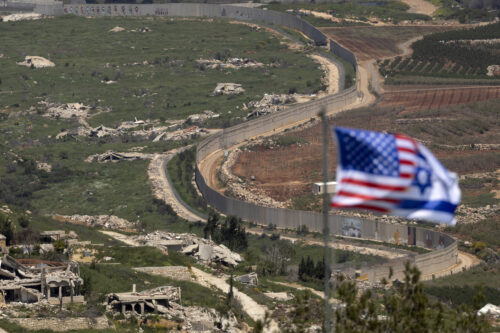
President Donald Trump has an opportunity to do something no American president has managed in nearly half a century: end the war between Israel and Lebanon for good.
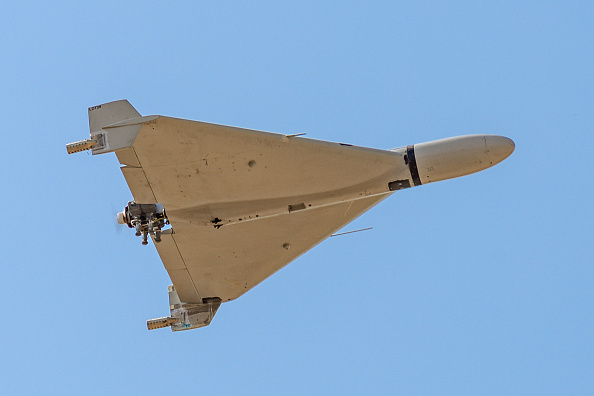
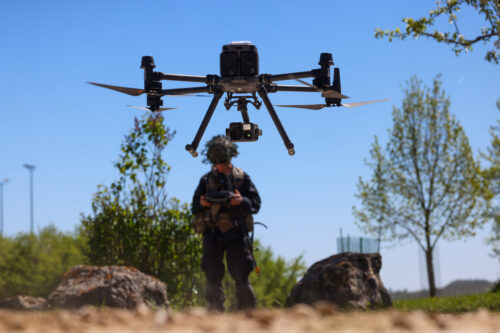
For two decades, US drones hunting terrorists across the mountains of South Asia were the symbol of American military power: precise, lethal, and unmatched. That era is now over. Drones are no longer exquisite tools of counterterrorism and have evolved into something far more common and destabilizing: cheap, expendable, and mass-produced tools of attrition.