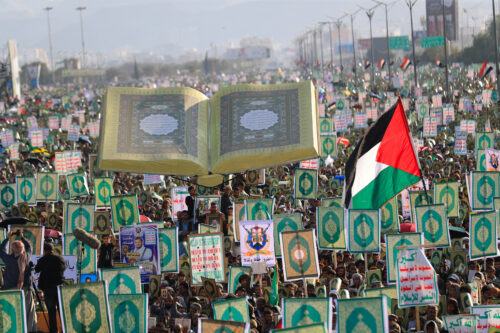
The Houthis are a political-military faction and Zaydi religious movement founded in northwestern Yemen in the 1980s. A key member of Iran’s Axis of Resistance with links to other militant organizations in the Arabian Peninsula and the Horn of Africa, the group has continued to pose a threat to Western interests on a global scale.
Agile Power: The UAE’s External Policy in an Era of Fragmentation
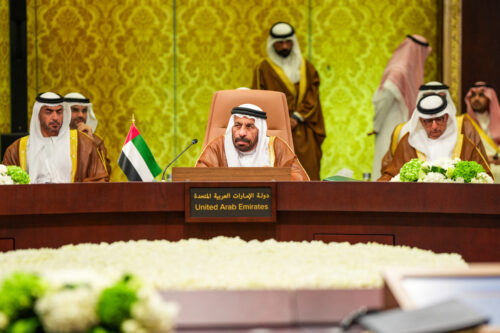
The external policy of the United Arab Emirates (UAE) is increasingly shaped by systemic fragmentation, regional insecurity, and shifting patterns of great-power engagement. In response, Abu Dhabi has moved away from reliance on fixed alignments toward a strategy of strategic diversification across security, economic, and technological domains.
The Pakistani General Running Washington’s Backchannel to Tehran
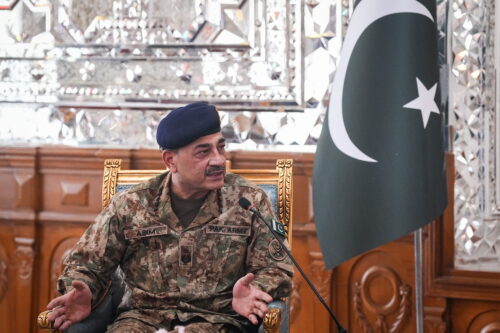
As Washington and Tehran edge closer to escalation, the most critical line of communication keeping the crisis from spiraling is being run not by polished diplomats, but by an unlikely figure: a Pakistani general. Field Marshal Asim Munir, Pakistan’s powerful army chief, has quietly become the key intermediary in the U.S.-Iran standoff, managing what may be the most important backchannel between the two sides. The mediation has thrust Pakistan to the center of the crisis while exposing it to enormous risk.
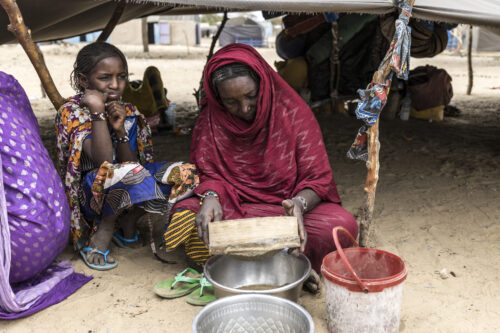
The Far Reach of the Iran War: Food Insecurity from North Africa to the Sahel
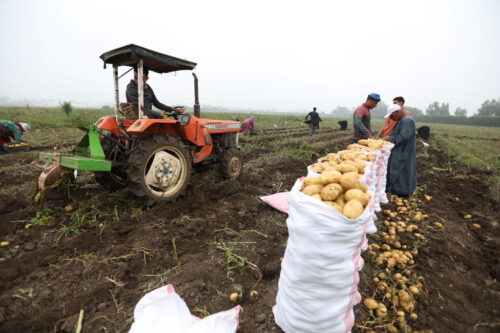
Within weeks of the Strait of Hormuz closure, fertilizer prices began to rise sharply. Tanker traffic through the strait, which handles one-third of the global fertilizer trade, fell by 90%. Across North Africa the impacts are multiplying, and this is having ripple effects for the Sahel in the south, adding to food price inflation, migration pressures, and the erosion of state legitimacy. The situation underscores how food security is a governance issue compounded by geopolitical crisis.
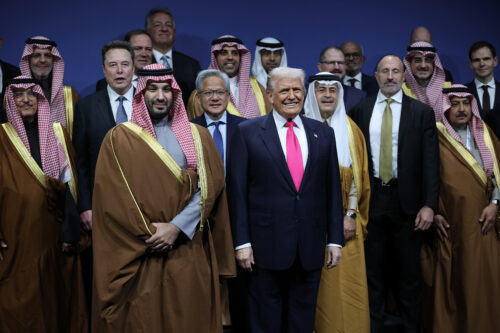
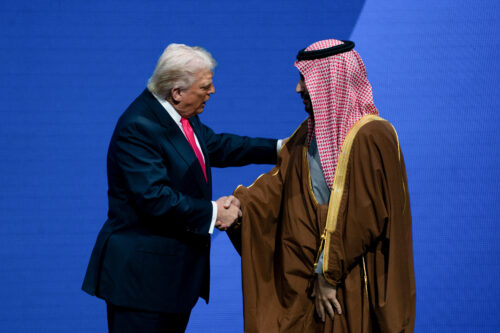
Last May, U.S. President Donald Trump paid a triumphant visit to Saudi Arabia, Qatar, and the United Arab Emirates. Over the course of a four-day tour, he admired the Gulf capitals’ “gleaming marvels,” cheered on their ambitious modernization plans, and showcased over $3 trillion in pledged Gulf investment and “mega-deals” between U.S. and Gulf businesses.
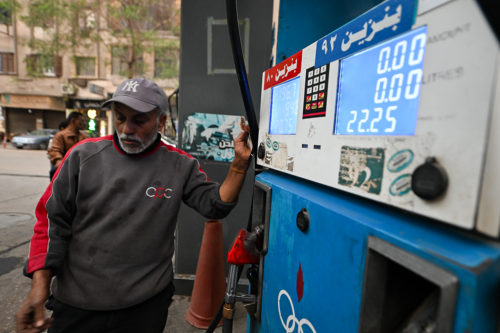
Battered but Still Standing, Egypt Tries to Weather the Economic Ravages of the Iran War
While Egypt is not in the direct line of fire in the US-Israeli war with Iran, its economy is acutely vulnerable to the conflict. In addition to the rising energy prices and shortages that have affected much of the world, it also struggled with issues that reflected its economy’s own underlying structural vulnerabilities.
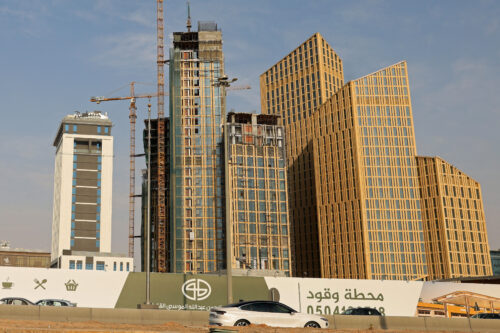
Rebalancing Ambition: Saudi Arabia’s Megaproject Pivot
Saudi Arabia’s Vision 2030 has entered a sobering phase. The kingdom’s most ambitious megaprojects, conceived a decade ago during an era of oil-fueled confidence, are colliding with fiscal reality and a far more volatile external environment shaped by regional conflict and energy market disruption. What is unfolding is not the collapse of Crown Prince Mohammed bin Salman’s (MBS) diversification agenda, but a forced recalibration: a shift away from architectural spectacle toward economic pragmatism, reinforced by tightening fiscal space, institutional reprioritization under the Public Investment Fund’s (PIF) new strategy, and growing exposure to regional security risks.
From Hormuz to the Sahel: A Fertilizer Shock, and a Maghreb Solution
The war-time disruptions of international shipping passing through the Strait of Hormuz are spreading through the fertilizer market and affecting supply chains encompassing regions that have no margins to absorb the impact. The Sahel is one such region and now faces a severe threat of widespread hunger.
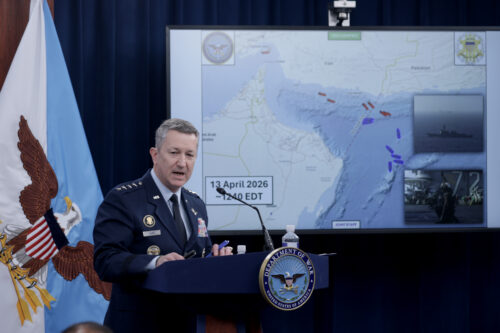
Operation Epic Fury has delivered tactical gains without a viable strategic end state. The Strait of Hormuz remains effectively closed, Iran’s leadership has reorganized, and the diplomatic track has fractured.
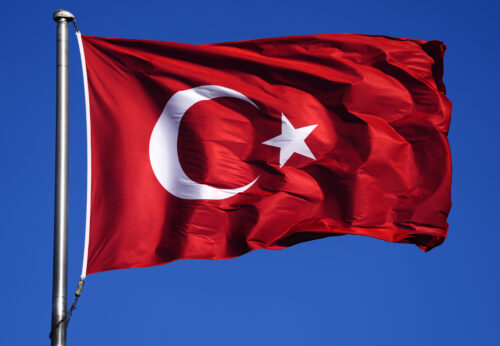
After a decade of post-Arab Spring isolation, Turkey’s leaders have recognized that their ambition to position the country as an agenda-setter on the world stage requires active engagement in all directions. President Recep Tayyip Erdoğan’s consolidation of executive authority has centralized foreign policy decision-making and tied it to his domestic political priorities, transforming the country’s revisionist approach to one shaped primarily by personal and pragmatic interests.
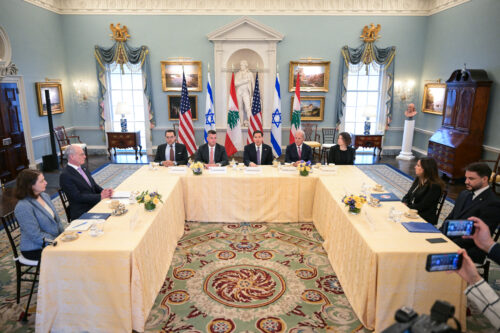
As Lebanese, Israeli, and American teams prepare for their first-ever trilateral leaders summit, it is time to reflect on this opportunity and lessons from the past.
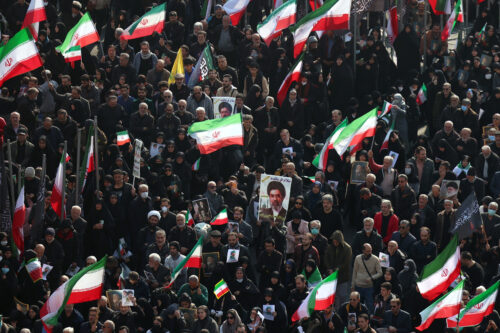
The war with the US and Israel has intensified pressure on the Iranian economy, but it has not represented a fundamentally new shock. The key question is not whether pressure exists, but whether it can be made decisive.
In the midst of a fragile cease-fire to the US-Israeli war on Iran, European leaders remain reluctant to get involved in another Middle Eastern war and are bristling under threats and insults from the US. As the NATO alliance frays and Russian attacks on Ukraine continue, the moment for Europe to take action has arrived, and is fleeting.
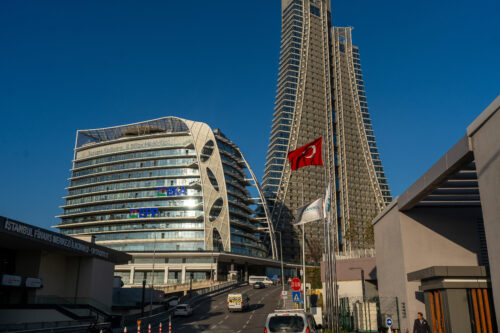
Turkey Sees Short-Term Pain, Long-Term Gain in the Iran War
The Iran war has posed significant immediate challenges for Turkey, including rising energy prices. But Turkish officials think that Ankara could reap benefits from the war in the long term.