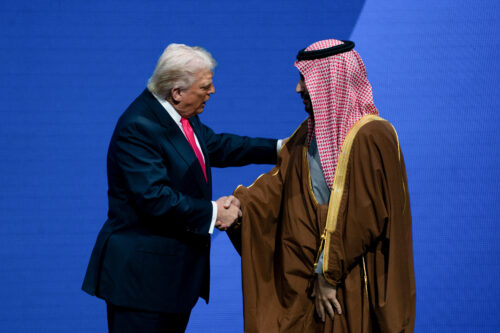
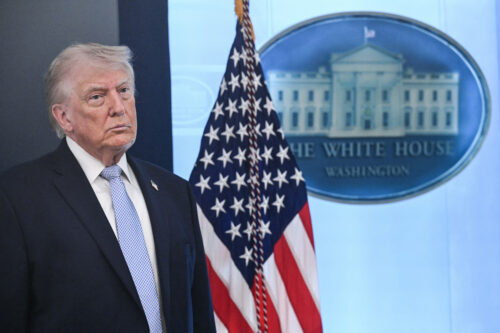
Last May, U.S. President Donald Trump paid a triumphant visit to Saudi Arabia, Qatar, and the United Arab Emirates. Over the course of a four-day tour, he admired the Gulf capitals’ “gleaming marvels,” cheered on their ambitious modernization plans, and showcased over $3 trillion in pledged Gulf investment and “mega-deals” between U.S. and Gulf businesses.
Why Iran’s Oil Pain Does Not Guarantee Capitulation
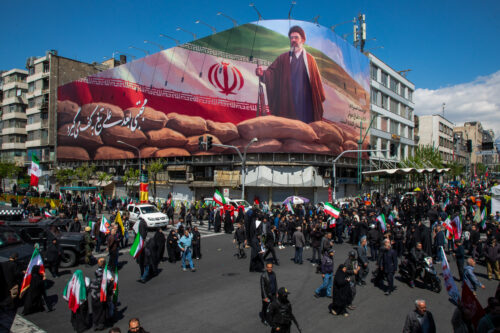
President Donald Trump now appears to share a view gaining traction in some policy circles: that sustained pressure on Iran’s oil sector could inflict lasting damage on its production and eventually force Tehran to compromise. The thesis is appealingly simple, yet dangerously incomplete.
Operation Epic Fury has delivered tactical gains without a viable strategic end state. The Strait of Hormuz remains effectively closed, Iran’s leadership has reorganized, and the diplomatic track has fractured.
After a decade of post-Arab Spring isolation, Turkey’s leaders have recognized that their ambition to position the country as an agenda-setter on the world stage requires active engagement in all directions. President Recep Tayyip Erdoğan’s consolidation of executive authority has centralized foreign policy decision-making and tied it to his domestic political priorities, transforming the country’s revisionist approach to one shaped primarily by personal and pragmatic interests.
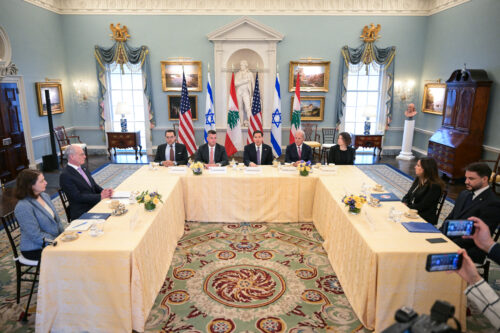
As Lebanese, Israeli, and American teams prepare for their first-ever trilateral leaders summit, it is time to reflect on this opportunity and lessons from the past.
In the midst of a fragile cease-fire to the US-Israeli war on Iran, European leaders remain reluctant to get involved in another Middle Eastern war and are bristling under threats and insults from the US. As the NATO alliance frays and Russian attacks on Ukraine continue, the moment for Europe to take action has arrived, and is fleeting.
Turkey Sees Short-Term Pain, Long-Term Gain in the Iran War
The Iran war has posed significant immediate challenges for Turkey, including rising energy prices. But Turkish officials think that Ankara could reap benefits from the war in the long term.
The Long Tail of Operation Epic Fury: Structural Disorder After the Guns Fall Silent
The central failure of Operation Epic Fury is strategic. Five weeks in, neither of its declared objectives – regime change as framed by U.S. President Donald Trump, nor the elimination of an existential threat as framed by Israeli Prime Minister Benjamin Netanyahu – is within reach. The Strait of Hormuz remains effectively closed. Iran’s leadership has reconstituted under Mojtaba Khamenei. The diplomatic track that might have constrained escalation has been shattered.
Hosts Alistair Taylor and Matthew Czekaj are joined by MEI Distinguished Diplomatic Fellow Amb. (ret.) Robert S. Ford to examine what is at stake for Iraq in the Iran war. The only country to have been hit by both sides, Iraq is caught in the middle of a regional conflict, with the local Iranian-backed Popular Mobilization Forces (PMF) carrying out attacks on American interests and personnel — and the US responding. This escalation comes at a period of internal political transition in Iraq, which has been locked in negotiations to form a new government since the November 2025 elections. Ford, who served as Deputy and later Acting Ambassador in Baghdad from 2008 until 2010, unpacks how Iraq is navigating the current moment, how the Kurdistan region fits into this equation, and what this all means for the future of US-Iraqi relations.
US foreign policy in the Middle East: Short-termism and the erosion of influence
Trump’s active Middle East policy reflects a striking paradox. The United States is more visibly engaged in the region than the “America first” rhetoric suggests, yet its influence over regional outcomes continues to erode.
Libya’s Fragile Equilibrium: Succession Risk and Energy Stability
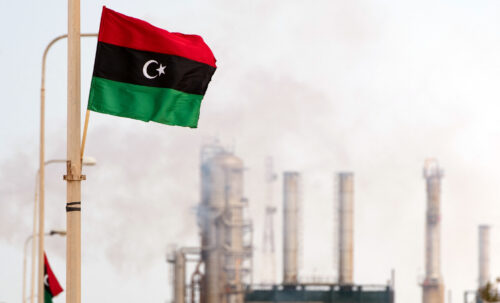
Libya’s stability has taken on renewed strategic importance as the impact of the US and Israeli war with Iran reverberates through global energy markets. Sustaining existing Libyan oil production depends on a governing arrangement capable of keeping ports open, pipelines flowing, and revenues distributed without triggering conflict.
How the War Is Redefining Gulf Economic Power and Energy Strategy
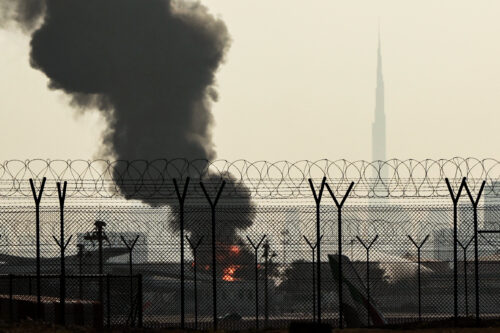
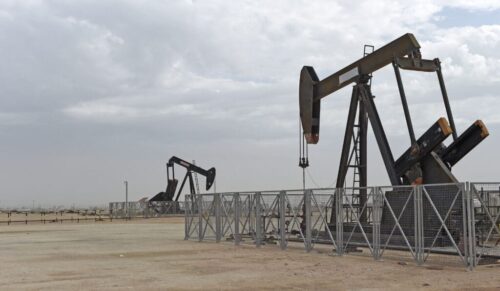
The Gulf Cooperation Council (GCC) states are confronting the greatest threat to their economic security and energy strategy since their formation. The economic fallout of the US-Israeli war with Iran is severe, but uneven across the Gulf. So too is each state’s ability to sustain energy exports and protect critical infrastructure—both of which have been targeted unequally by Iran.
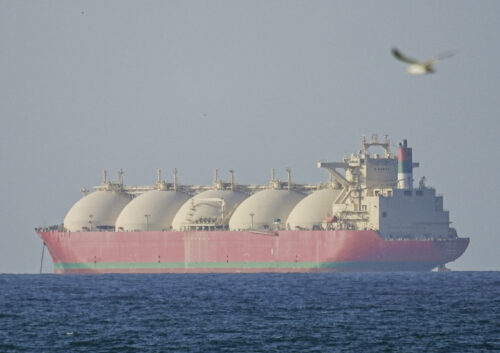
The US-Israeli war against Iran has created the largest disruption to global oil and liquefied natural gas supplies in modern history. There is a tremendous amount of economic uncertainty for Gulf states to navigate, and it will reshape the way they engage with one another and with Iran, Israel, and the United States for years to come. But this war has also laid bare how urgently the United States needs to update its own approach toward the Gulf states when it comes to energy.