MEI Senior Fellow Jaser AbuMousa joins hosts Alistair Taylor and Matthew Czekaj to unpack how Hamas is navigating the US-Israel conflict with Iran and its impact on Gaza. Nearly two and a half years after the start of the Gaza war, international attention has shifted away from the humanitarian crisis in the devastated coastal strip. Meanwhile, Hamas’ primary state sponsor, Iran, has been severely weakened by US-Israeli military strikes and the death of former Supreme Leader Ayatollah Ali Khamenei. AbuMousa examines how this could affect Hamas’ trajectory moving forward and its place within the Axis of Resistance, as well as what it all means for the Palestinian people.
The Ripple Effects of the US-Israel War on Iran for North Africa
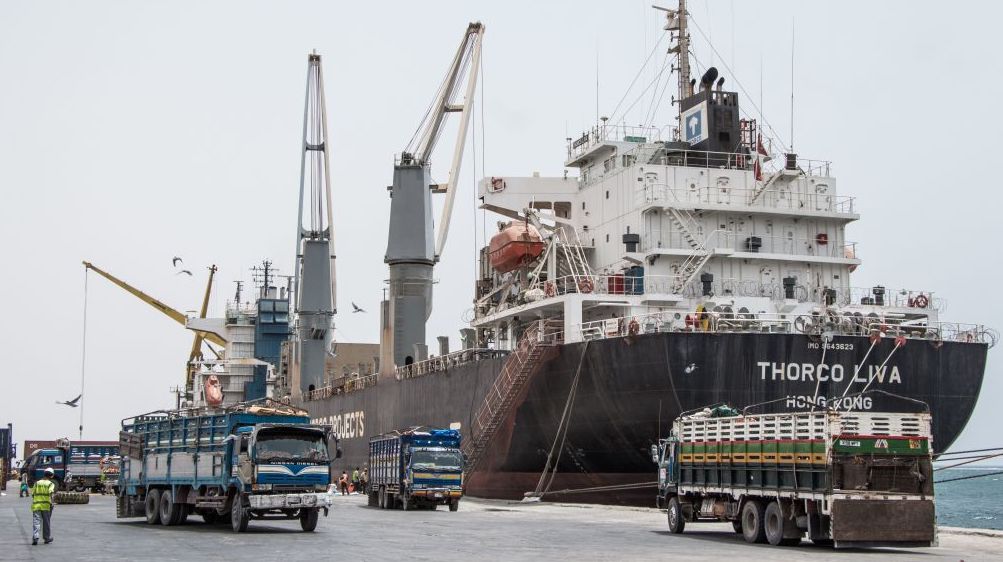
North African states feel the consequences of the US-Israel war with Iran less through direct security risks than through economic shocks that affect long-term stability. The region remains highly exposed to disruptions in global food and energy markets, where price spikes can lead to fiscal pressure, inflation, and social unrest.
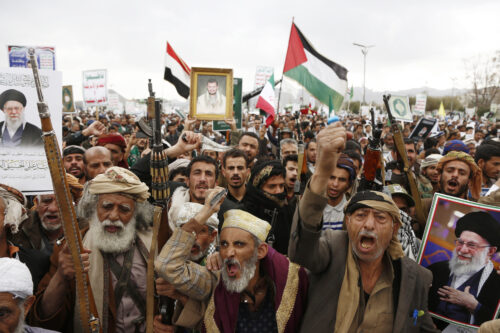
Despite claiming they are poised to attack, the Yemeni Houthis have yet to join Iran and its other proxies in their fight against the United States and Israel. Hosts Alistair Taylor and Matthew Czekaj speak to MEI Associate Fellow Nadwa Al-Dawsari to unpack why the Houthis continue to stay on the sidelines of the Iran war and what might prompt them to join the fray. They also discuss the Houthis’ evolving role within the Axis of Resistance, what the Yemeni group has learned from its earlier rounds of direct conflict with Israel and the US, as well as whether its actions could precipitate a renewed flareup in Yemen’s civil war.
Iraq’s oil paralysis: A self-inflicted wound and a gift to Tehran
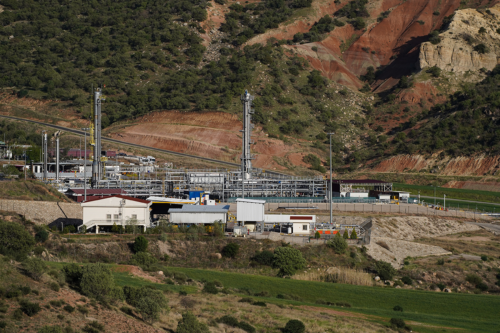
With the Strait of Hormuz closed and oil production from Iraq’s south in free fall, Baghdad’s failure to maximize the Iraq-Turkey Pipeline is no longer a policy dispute. It is a national emergency.
Tripartite Gulf Power: The Diverging Geoeconomics of Saudi Arabia, the UAE, and Qatar, and the Implications for MENA and the Global Order
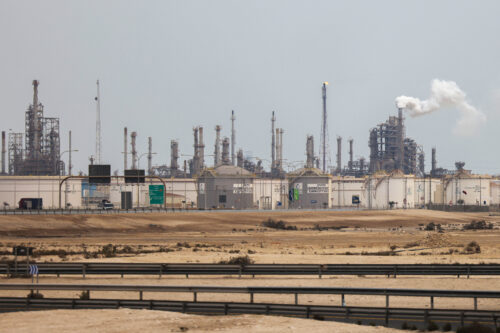
While acknowledging the centrality of security tensions and potential conflict in the Gulf, this essay intentionally sets aside a detailed treatment of military and hard-power dynamics, concentrating instead on the geoeconomic logics of capital, infrastructure, energy, and connectivity, through which Gulf states now articulate power in a fragmented world order.
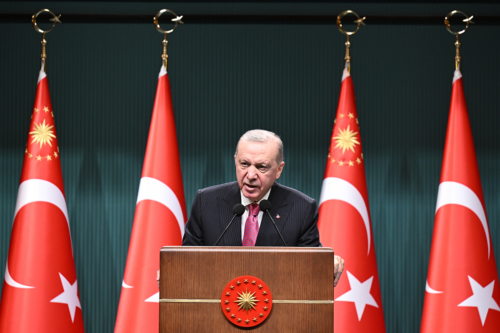
Nearly two weeks into the US and Israel’s war with Iran, MEI Senior Fellow Gönül Tol joins hosts Alistair Taylor and Matthew Czekaj to explore the impact of the widening regional conflict on Turkey. On March 9, Ankara announced that NATO air defenses shot down a second Iranian ballistic missile that had entered Turkish airspace since the start of the war and stated it would take all necessary defensive measures. Turkey is now caught in the middle of an escalating conflict that could pose risks to the country’s security, economy, and foreign policy. Tol, Taylor, and Czekaj discuss what a prolonged regional conflict could mean for Turkish President Recep Tayyip Erdoğan, his regional political objectives, and Turkey’s relationship with key Middle Eastern neighbors.
Iran’s Insurance Policy: Why the Houthis Have Stayed out of the Fight
Nearly two weeks into the Iran war, one of Tehran’s most capable and disruptive regional allies, Yemen’s Houthi movement, has not entered the fight. The Houthis’ restraint reflects a strategic calculation by Iran’s Islamic Revolutionary Guard Corps.
Turkey caught in the vortex of a widening Iran war
After months of trying to head off a US-Israeli war with Iran, Turkey now finds itself caught in the middle of it — and deeply concerned that a prolonged, regionalized conflict could pose serious security, economic, and political risks.
Lebanon on the Brink: Hizballah, Iran, and the War’s Spillover
Hosts Alistair Taylor and Matthew Czekaj are joined by MEI Senior Fellow Fadi Nicholas Nassar to discuss Hizballah’s role in the escalating conflict in the Middle East and the implications for Lebanon. A day after the United States and Israel launched a joint military campaign against Iran, Tehran’s Lebanese proxy fired missiles at northern Israeli territory. Israel responded swiftly and forcefully, and Lebanon’s government and population now fear the Iranian-backed militia is dragging the country back into war. The conversation explores the broader repercussions of Hizballah’s actions against the backdrop of a widening war in Iran and Lebanon’s quickly evolving political climate. Nassar also outlines recommendations for how Lebanon can move forward as a sovereign and effective state.
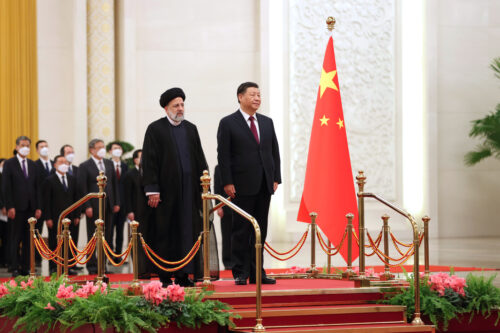
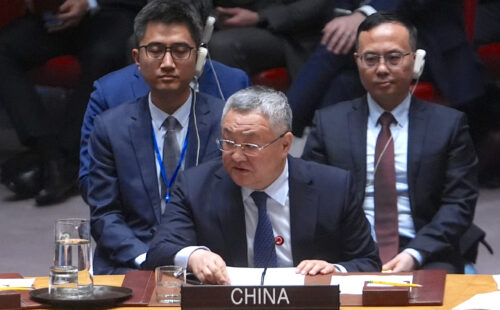
China in the crossfire: Calculated moves amid the US-Iran showdown
The launch of large-scale US and Israeli strikes against Iran places Beijing in a strategically uncomfortable position. This campaign is the most significant US military operation since the Iraq War, unfolding across a region central to China’s energy security and commercial ambitions.
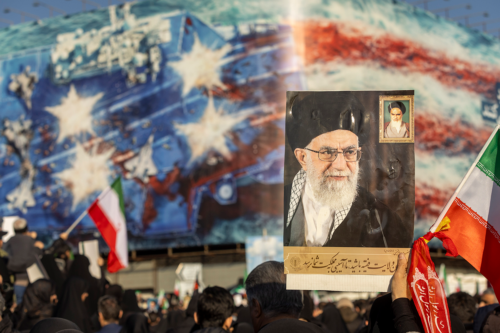
After Khamenei: Iran enters its most uncertain transition since 1979
For nearly four decades, Ayatollah Ali Khamenei embodied the Islamic Republic’s certainty: a singular authority who shaped every major decision on war and peace, repression and reform, economics and ideology. His death, in a coordinated US-Israeli strike on his Tehran command compound on February 28, has ripped that certainty away in the most violent fashion imaginable.
As the third and seemingly decisive round of talks in Geneva concluded, the Trump administration had avoided diplomatic deadlock — but only by narrowing negotiations to the nuclear file.
Tehran Has Discovered Moscow Is a Fair-Weather Friend
The latest cycle of U.S.-Iran escalation has followed a familiar script: sharpened rhetoric from the United States, calibrated military signaling by Iran in the Persian Gulf, indirect diplomacy through Oman, and Israeli warnings that remain deliberately ambiguous but unmistakably real. Yet beneath this choreography lies a more consequential development inside Tehran. The current crisis is forcing Iran’s political class to reassess its central foreign-policy wager of the past decade: that deepening alignment with Russia and China would provide strategic insulation against Western coercion.
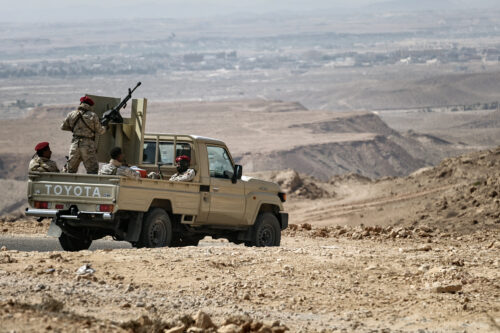
Saudi Arabia has stepped up its efforts to unify and restructure Yemen’s anti-Houthi forces after the rapid expansion and sudden implosion of the United Arab Emirates-backed secessionist Southern Transitional Council following Abu Dhabi’s military withdrawal from the country.