Skip to Content

Research & Commentary Results

Filter by
1780 Results
What Trump’s 2026 Mideast approach could look like
  • Analysis
  • What Trump’s 2026 Mideast approach could look like

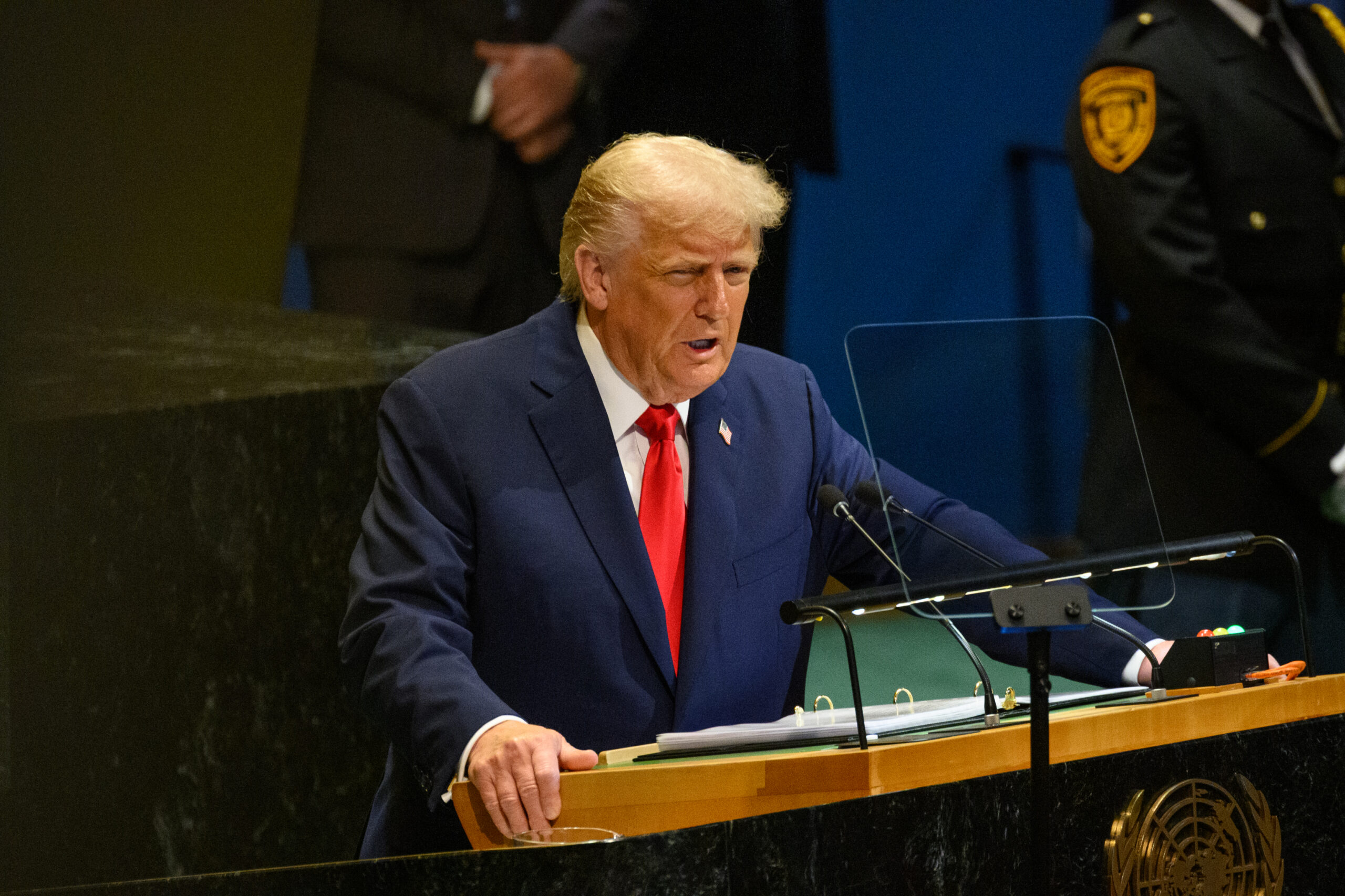
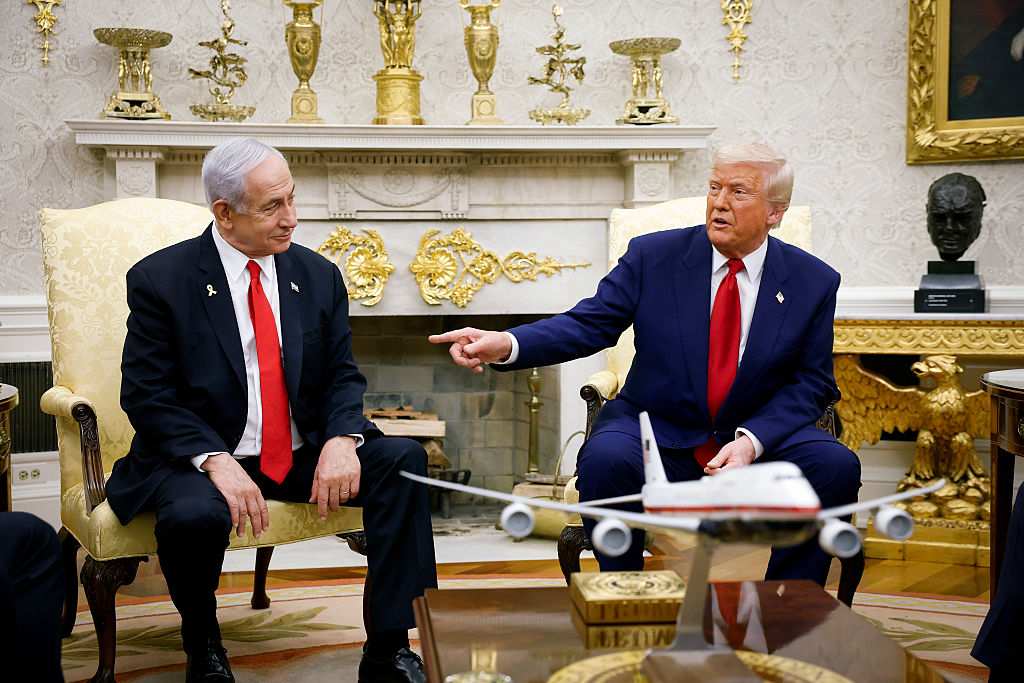
    Donald Trump’s first year of his second presidential term has been a roller coaster of twists and turns both at home and abroad—particularly in the Middle East. His regional focus was driven by two main factors: first, Trump’s own ego and sense of possible place in history; and second, the volatile, dynamic events driven by actors in the region.

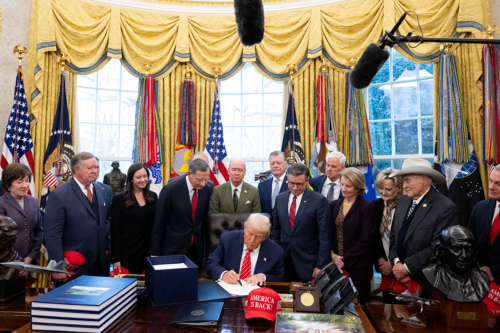
    US Policy in the Middle East in the First Year of Trump 2.0: A Report Card
    Photo by SAUL LOEB/AFP via Getty Images
  • Report
  • US Policy in the Middle East in the First Year of Trump 2.0: A Report Card

    In the first year of his second term in office, US President Donald Trump focused considerable time and energy on the Middle East, but the results so far have been uneven. This report assesses the US government’s actions in the region over the past 12 months, from January 2025 through January 2026.

    With the US and Iran on a knife-edge, can Oman once again step in to mediate?
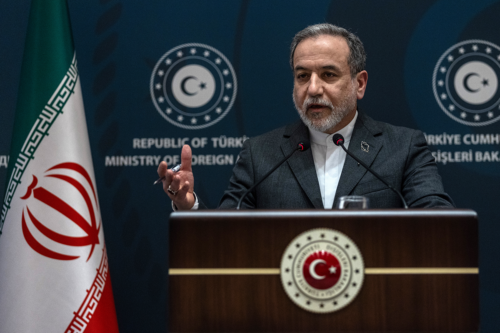
    Photo by Burak Kara/Getty Image
  • Analysis
  • With the US and Iran on a knife-edge, can Oman once again step in to mediate?

    The decision by Washington and Tehran to shift their long-anticipated meeting, set for February 6, from Istanbul to Muscat is not merely a logistical detail. It is the latest reminder that when US-Iran diplomacy is on the verge of breaking down completely, Oman is the regional player the Iranian regime trusts the most to step in and mediate.

    Israel-Palestine: Is the Two-State Solution Dead?
  • Podcast
  • Israel-Palestine: Is the Two-State Solution Dead?

    Long before the Gaza war erupted in 2023, a broad consensus had already taken hold across policymakers, activists, and foreign-policy circles: the Israeli-Palestinian conflict was at a political dead end. The Oslo framework—and the promise of a two-state solution—had steadily lost credibility as a realistic path forward. Since Hamas’s October 7 attacks, the devastation in Gaza and the accelerating realities on the ground have made a two-state outcome even harder to imagine. And yet, it remains the default language of Middle East diplomacy. Most recently, UN Secretary-General António Guterres reaffirmed his determination to oppose Israeli actions undermining the two-state solution and called for renewed momentum toward Palestinian statehood.
    Normalization is slipping away
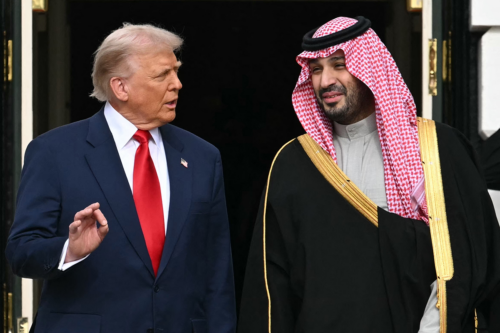
    Photo by SAUL LOEB/AFP via Getty Image
  • Commentary
  • Normalization is slipping away

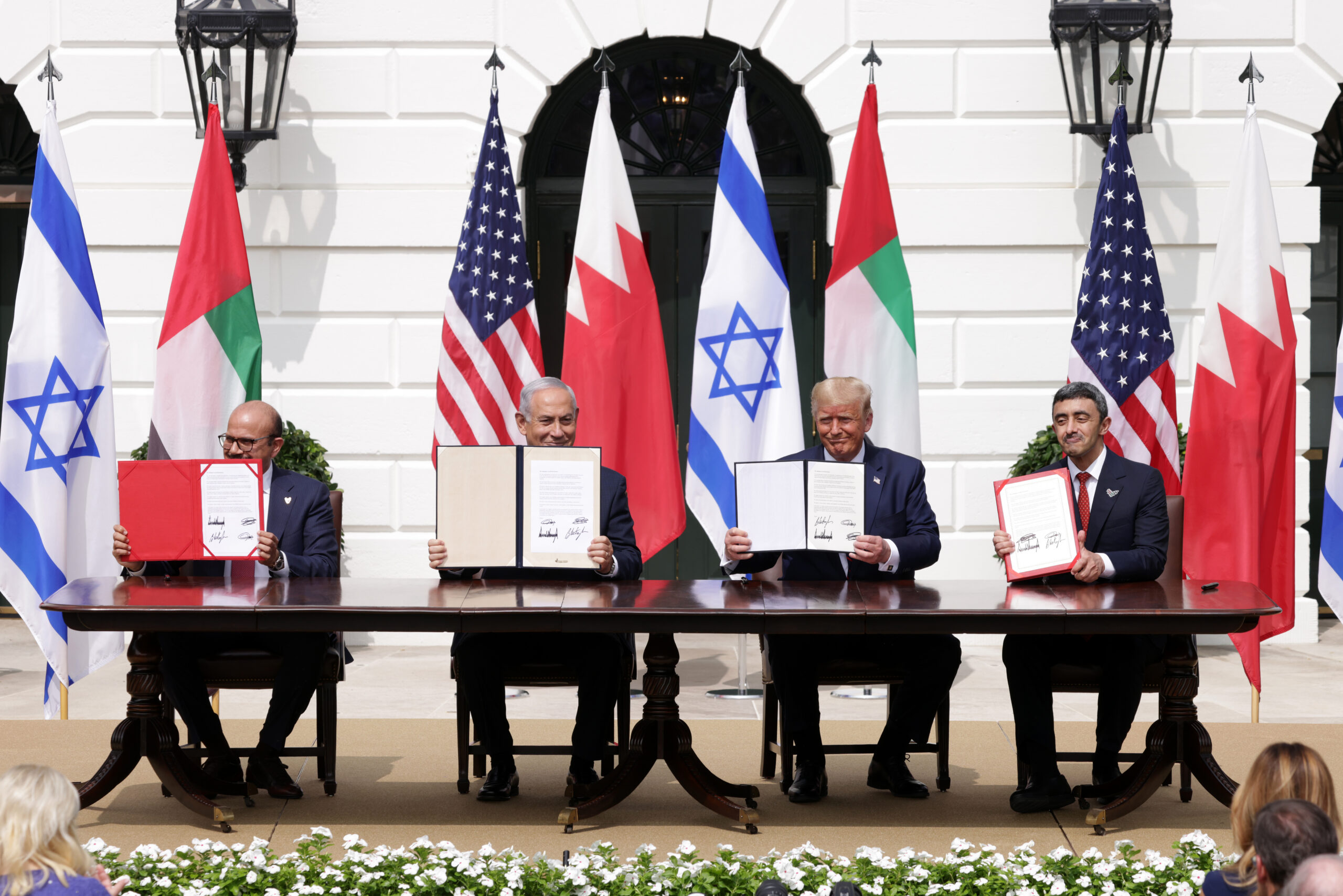
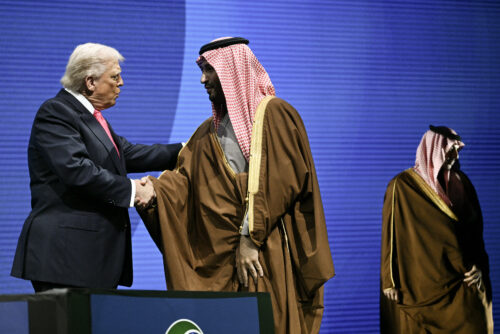
    Saudi-Israel normalization is drifting away — not collapsing outright but steadily receding into, at best, a long in-between.
    Ambiguous Uncertainties: Phase Two of Trump’s Plan for Gaza
  • Podcast
  • Ambiguous Uncertainties: Phase Two of Trump’s Plan for Gaza

    MEI Senior Fellow Lucy Kurtzer-Ellenbogen joins hosts Alistair Taylor and Matthew Czekaj to discuss the latest developments in Gaza. Nearly four months after the Israeli government and Hamas agreed to President Donald Trump’s 20-point plan, Washington has announced that phase two of the process is now underway. Kurtzer-Ellenbogen, Taylor, and Czekaj examine the humanitarian situation in the devastated coastal strip, assess what phase two could entail, break down how international actors are responding, and explore what would need to happen to realize the plan’s aspirations.

    January 29, 2026

    US Authorizes Chips for the UAE, Saudi Arabia
  • Policy Memo
  • US Authorizes Chips for the UAE, Saudi Arabia

    The US Commerce Department announced on November 19, 2025, that it had authorized the export of advanced American semiconductor chips to HUMAIN of Saudi Arabia and G42 of the United Arab Emirates. The approval enables both companies to purchase up to 35,000 Blackwell chips (GB300s). This sale is a core component of a broader “Compute Diplomacy” approach under the second administration of President Donald J. Trump, which was solidified following his May 2025 visit to the Gulf, where a series of multibillion-dollar artificial intelligence (AI) infrastructure agreements were signed.

    Ankara’s double win: Kurds, Israel, and the new Syria
  • Analysis
  • Ankara’s double win: Kurds, Israel, and the new Syria

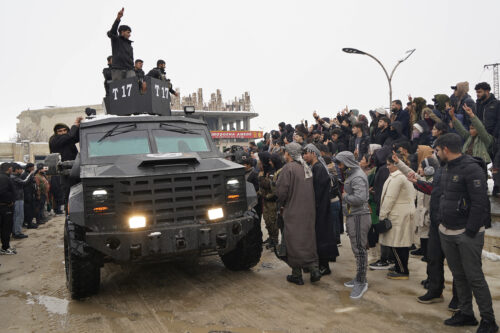
    Whether the truce between Damascus and the Kurdish-led Syrian Democratic Forces holds or collapses will have major implications for neighboring Turkey, which has long-standing interests in Syria, but recent developments already point to a win for Ankara.

    What Ankara sees in Riyadh — and why it still needs Abu Dhabi
    Photo by Mustafa Kaya/Xinhua via Getty Images
  • Analysis
  • What Ankara sees in Riyadh — and why it still needs Abu Dhabi

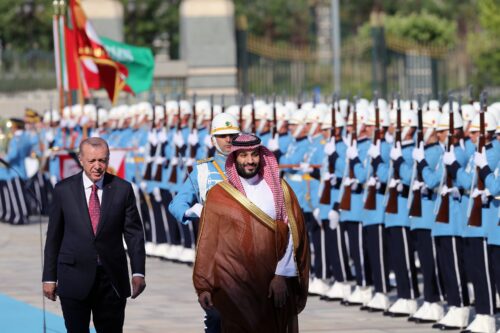
    As the rivalry between Riyadh and Abu Dhabi sharpens in Yemen and beyond, Turkey has begun edging closer to Saudi Arabia, sparking claims that a new regional order is taking shape: a Turkey-Saudi axis backed by a NATO-like defense architecture, implicitly aligned against Israel and the United Arab Emirates. This reading overstates the case.

    Potential US military strikes on Iran: This won’t be another 12-Day War
    Photo by Zachary Pearson- U.S. Navy via Getty Images
  • Analysis
  • Potential US military strikes on Iran: This won’t be another 12-Day War

    President Donald Trump has sharply warned the Iranian regime to halt its brutal crackdown on protesters. Amid speculation that the US is preparing for military action in Iran, Washington should take the lessons and fundamentally different context of its successful June 2025 operation against the Islamic Republic into account as it plans for how to respond.

    From coalition to confrontation: Saudi-UAE rivalry in Yemen and its regional implications
  • Analysis
  • From coalition to confrontation: Saudi-UAE rivalry in Yemen and its regional implications

    The final days of 2025 marked a turning point in the Middle East, as competition between Saudi Arabia and the United Arab Emirates in Yemen spilled out into the open. Tensions between the two coalition partners, which jointly launched a military intervention in Yemen in 2015, have simmered for years and are now rapidly escalating, with far-reaching implications for both Yemen and regional security more broadly.

    Iran’s Axis of Resistance after the 12-day war: Adaptation, restructuring, and reconstitution
    Photo by Kaveh Kazemi/Getty Images
  • Analysis
  • Iran’s Axis of Resistance after the 12-day war: Adaptation, restructuring, and reconstitution

    Since Israel’s 12-day war against Iran, Tehran and its network of regional proxies and non-state allies, the so-called Axis of Resistance, have entered a phase of strategic dormancy — an outward calm concealing rearmament, financial adaptation, and ideological renewal.

    December 19, 2025

    Moral compass lost: US foreign policy in 2025
    Photo by Andrew Harnik/Getty Images
  • Analysis
  • Moral compass lost: US foreign policy in 2025

    US President Donald Trump is scheduled to deliver a prime time address to the nation this evening at a moment when public support for his second term has hit new lows. No matter the topic Trump chooses to frame the national conversation as America heads into the holiday season, it is worth taking a step back and reflecting on the bigger story of what has occurred in the United States in 2025 and how these dynamics affect America’s relations with the rest of the world, including the Middle East.