Brian is joined by His Excellency Talal Al Rahbi, the ambassador of the Sultanate of Oman to the United States of America, to discuss what it means to represent the “Switzerland of the Middle East” and the role of Oman’s quiet diplomacy. He also reflects on growing up during Oman’s transformation, his time spent in the United States, and why the two nations’ long-standing partnership matters today.
After decades of political setbacks, Iran’s former Revolutionary Guards commander has returned to the center of power. Is he an incidental beneficiary of war, or have observers underestimated him all along?
The Human Story Behind Gaza: Jaser AbuMousa on the Costs of Survival for Palestinians
Brian sits down with MEI Senior Fellow Jaser AbuMousa to assess the situation on the ground in Gaza three years after October 7 and a year into the ceasefire. Drawing on his own personal experience, Jaser explores the toll that the war and continued destruction have taken on Gaza’s residents, the implications of the recent Israeli and US elections, and the difficult path forward.
The Unavoidable Neighbor: Managing Iran Beyond the War
Gulf states and their partners are increasingly looking beyond their most immediate interests of containing the war with Iran. While recent talks between Saudi Arabia, Turkey, Pakistan, and Iran have kept de-escalation on the agenda, a broader regional security framework and non-aggression pact has also emerged, envisioning a longer-lasting solution to regional conflicts. The talks have yet to produce a settlement, but they reflect a growing recognition that Gulf security cannot depend entirely on Washington. Iran will still be there, and its neighbors will have to find ways of living with it.
Recent Elections and What They May Mean for the Middle East
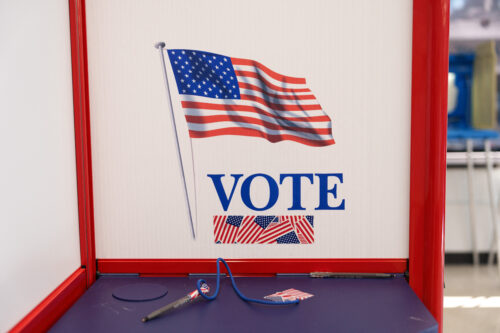
Recent elections for the Israeli Knesset and American Congress may make less of a difference in the Middle East than some people think. Elections are significant indicators of national political trends, but do not always translate into changes in national security strategies. That is likely the case now in both nations.
The Coming Debate Over the US Military Presence in the Gulf
The war with Iran is hardly over, but the debate over the shape and nature of the post-conflict American posture in the Gulf region is just beginning. Undoubtedly, how the war ends will affect how the United States adjusts its role. While this debate is still in its early stages, something of a conventional wisdom is already developing in policy circles that could seriously compromise American influence in the Middle East.
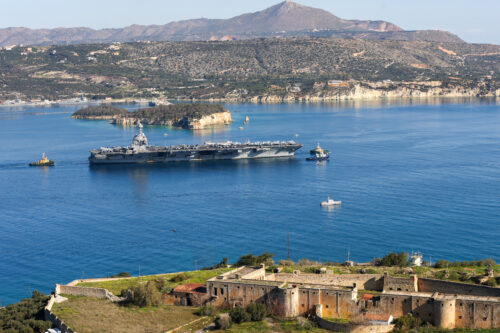
This report explores maritime security conditions in the Mediterranean and the evolving US engagement in the region. As critical infrastructure becomes increasingly vulnerable to sabotage, freedom of navigation is undermined by conflict, and energy disputes generate tension, US policy focus on the region has become fragmented and disengaged. The authors call for a sustained American role to strengthen maritime domain awareness, allied coordination, infrastructure protection, and the capacity to respond when Mediterranean crises affect US and transatlantic interests.
Curb Your Enthusiasm: Why the Midterms Might Not Change Much in US Middle East Policy
With less than a week before the midterm elections in the United States, the spotlight is on the economy and cultural divides. US foreign policy remains mostly on the sidelines, but this year’s inconclusive Iran war and its effect on America’s economy have shaped the broader political environment in this electoral cycle.
The Multiple Costs of the US–Iran War – From Hormuz to Europe and South Asia: The Widening Economic and Political Geography of the Conflict
Wars are decided by those who hold military power, but their costs are increasingly borne by those who have little or no voice in the decisions that start them. The US–Iran war shows this imbalance very clearly. Its economic consequences have gone far beyond the battlefield and have disrupted energy markets, trade routes, food supplies, public finances and investment in the Gulf, Europe, Africa and Asia. The most striking feature of the conflict, however, is not only the size of the damage but its very unequal distribution.
Geopolitical influence over trade increasingly rests on controlling the systems that make them work. The Middle East illustrates the stakes. US ports, cable corridors, cloud facilities, artificial intelligence (AI) investments, and maritime routes connect regional economies to global commerce while exposing them to external decisions and disruptions. For the United States, the challenge is to translate technological advantage into resilient networks rather than rely on centrality that can itself become a source of vulnerability and coercion.
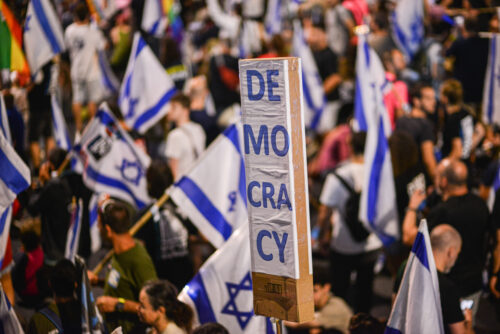
Israel Was Built on Hope. This Election May Be Our Last Chance to Save It
Israel’s national anthem, Hatikva, means “the hope.” Israel is not just another country, but the culmination of a 2,000-year-old dream of national redemption. The rebirth of the Jewish people’s ancestral homeland, just three years after the Holocaust, was a miraculous triumph of hope over all odds.
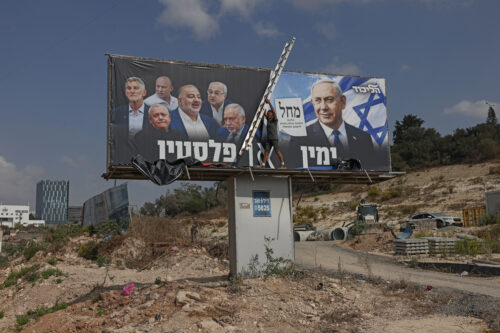
Today, that hope has been shattered and the elections on October 27 have become the most consequential in Israel’s history.
One striking thing about US President Donald Trump’s endorsement of Israeli Prime Minister Benjamin Netanyahu this past week is how isolated he was in making this call. The Israeli Prime Minister has become a widely detested figure worldwide following Israel’s war in Gaza—where Israel committed war crimes. This disdain was clearly on display in New York in September when dozens of diplomats streamed out of the hall during Netanyahu’s speech.
Washington says it doesn’t know who runs Iran. Tehran insists its leadership is united. MEI Senior Fellow Alex Vatanka joins hosts Alistair Taylor and Matthew Czekaj to sort out where the truth lies. They look at the small circle of political and military figures now steering the war effort in Tehran: who they are, how they make decisions, and how unified they really are. They also discuss the current state of US-Iran negotiations, the role of the upcoming midterm elections in the United States, and how the Islamic Republic is preparing for a potential renewal of conflict afterward.
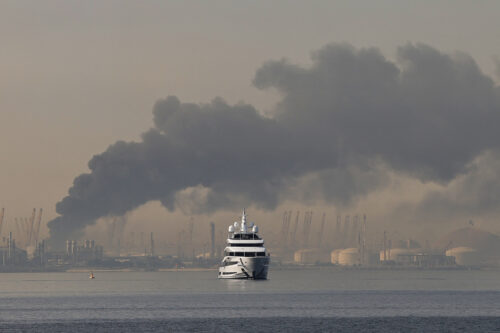
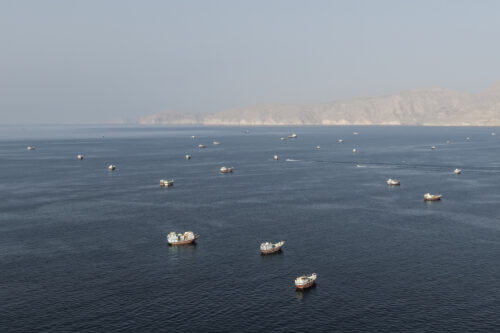
Crude oil is flowing out of the Gulf again, but the market is no better prepared for another disruption in the Strait of Hormuz. It has assembled a temporary system for managing one. Crude exports from the Gulf, excluding Iran, returned to pre-war levels in September, while total Gulf shipments reached 15.5 million barrels a day, more than 80% of the pre-conflict volume.
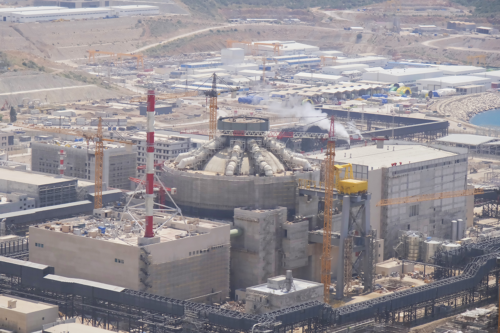
As a result of the Iran war, Turkish thinking about nuclear weapons appears to be shifting. Iran’s emergent ability to threaten regional states (and possible determination to acquire a nuclear weapon itself), growing concern about Israeli aggressiveness, doubts about US security guarantees, and greater Saudi nuclear autonomy are all pushing Ankara to consider a future nuclear option.