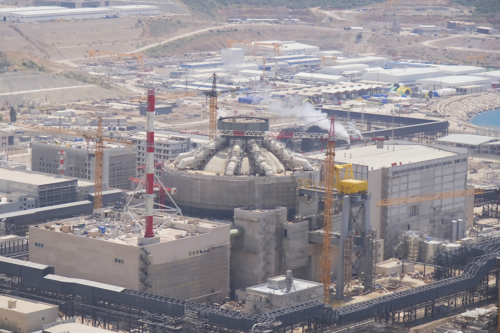
As a result of the Iran war, Turkish thinking about nuclear weapons appears to be shifting. Iran’s emergent ability to threaten regional states (and possible determination to acquire a nuclear weapon itself), growing concern about Israeli aggressiveness, doubts about US security guarantees, and greater Saudi nuclear autonomy are all pushing Ankara to consider a future nuclear option.
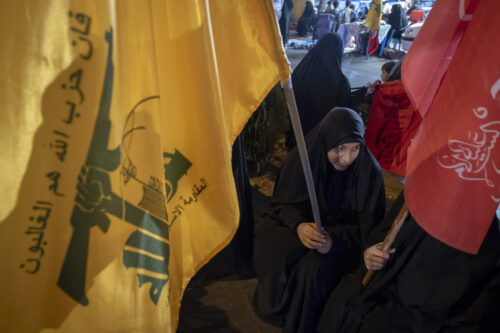
Hizballah: The murderers of elected Lebanese politicians, the killers of peacekeepers, the thugs of the streets they dominated because all other militias had disarmed, the agents of destruction of their own communities on behalf of foreign paymasters reigning 1,000 miles away from Beirut, the brainwashers of children into an ideology of “resistance” that only invited invasion. That’s the Hizballah that today is begging the Lebanese state to return to them the 1,000 pounds of explosives so rudely taken from them by Lebanese soldiers doing their job at a checkpoint in the Bekaa Valley.
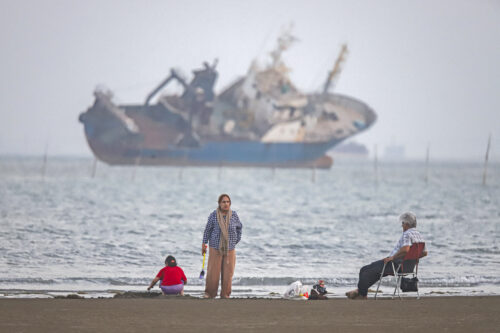
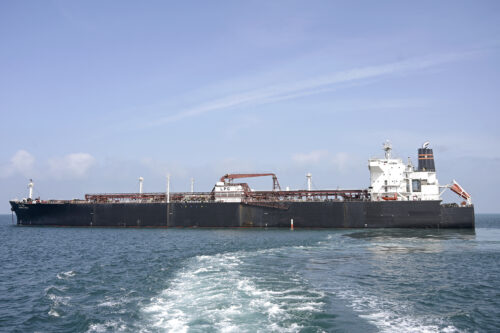
Many of the immediate consequences of the Israeli-American war with Iran are already clear. The further emergence of drones and missiles as dominant weapons of war; the danger to the global economy from the threats to vital chokepoints such as the Strait of Hormuz and the Bab el-Mandeb; and the inadequacy of US weapons procurement, among other issues, have garnered widespread and entirely merited attention.
Since 1967, Israeli settlements in the West Bank have been a contested feature of the Israeli-Palestinian conflict. The ultimate disposition of the settlements and ongoing activity related to their growth have repeatedly defied agreement in negotiations over a resolution to the conflict.
The Houthis are a political-military faction and Zaydi religious movement founded in northwestern Yemen in the 1980s. A key member of Iran’s Axis of Resistance with links to other militant organizations in the Arabian Peninsula and the Horn of Africa, the group has continued to pose a threat to Western interests on a global scale.
The India-Middle East-Europe Economic Corridor (IMEC) is a proposed multinational infrastructure initiative aimed at upgrading connectivity between the three regions through integrated trade, energy, and digital networks. Announced at the G20 summit in New Delhi in September 2023, IMEC is envisioned partially as a counterweight to China’s international infrastructure project, the Belt and Road Initiative.
After a decade of post-Arab Spring isolation, Turkey’s leaders have recognized that their ambition to position the country as an agenda-setter on the world stage requires active engagement in all directions. President Recep Tayyip Erdoğan’s consolidation of executive authority has centralized foreign policy decision-making and tied it to his domestic political priorities, transforming the country’s revisionist approach to one shaped primarily by personal and pragmatic interests.
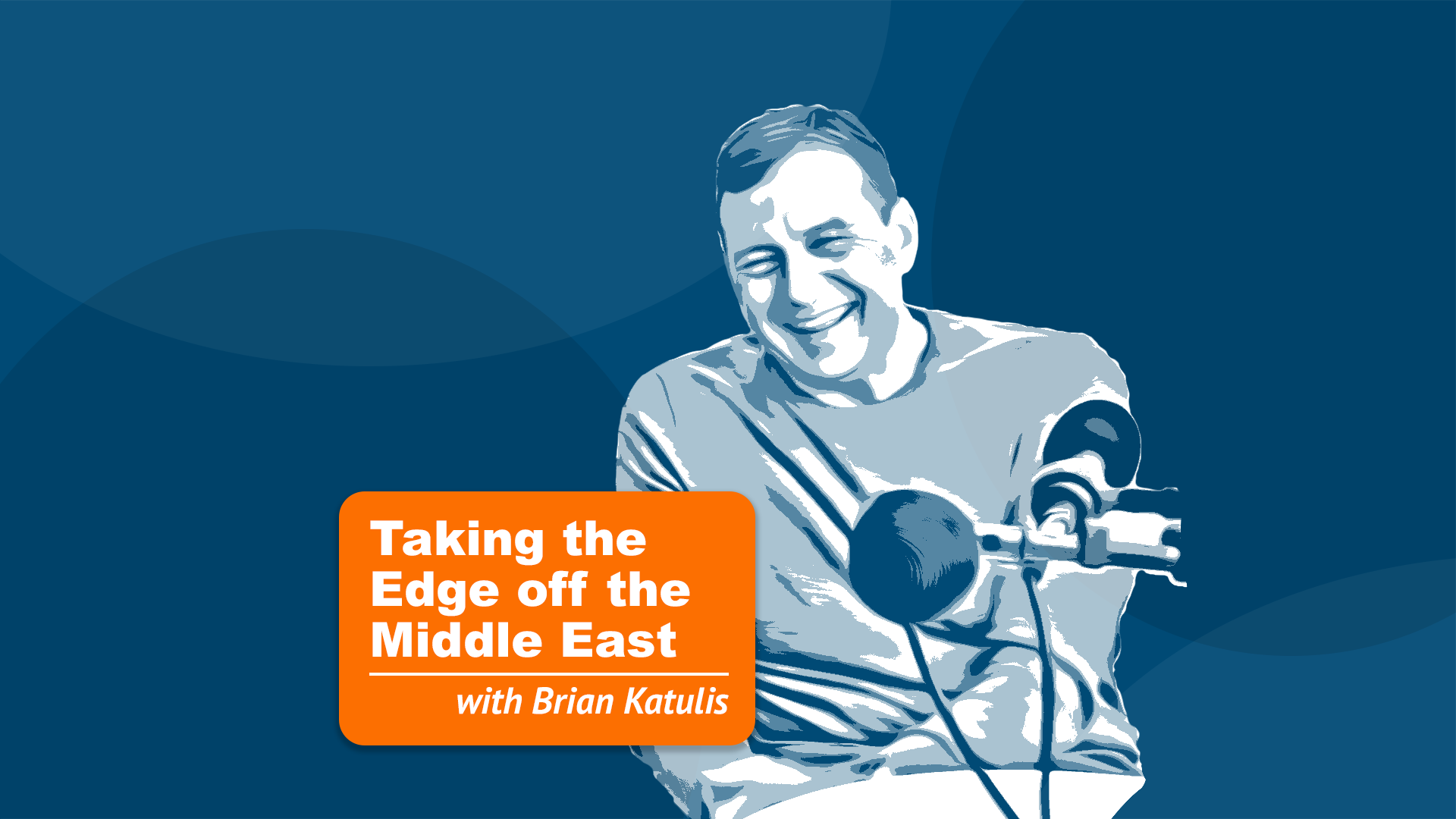
MEI Senior Fellow Brian Katulis engages friends, colleagues, and policy experts in casual conversations on the most important happenings in the Middle East.
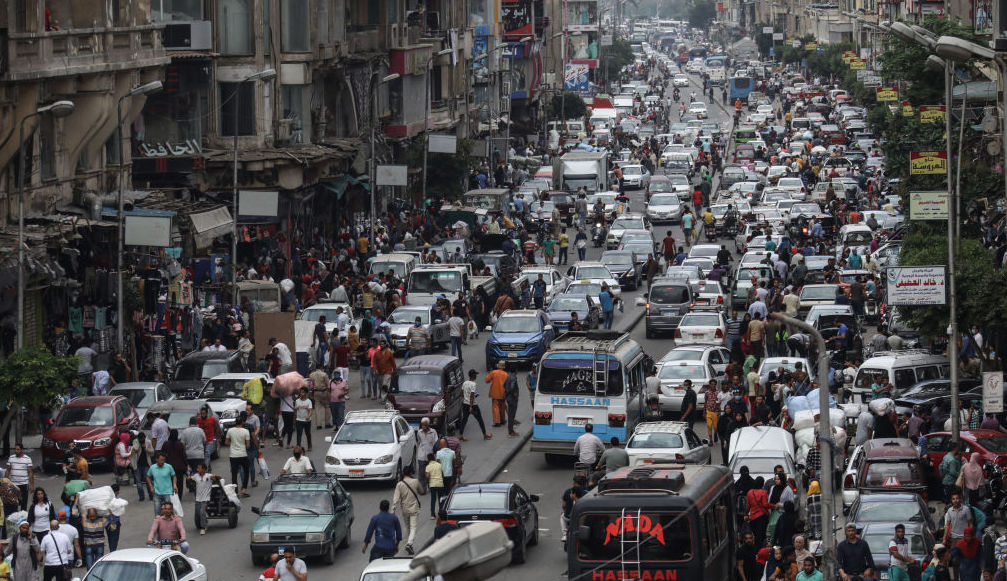
Egypt’s potential perfect storm: Pandemic, recession, returnees, and remittance losses
A possible influx of returnees from the Gulf swelling the ranks of the unemployed is bad enough, but it also comes with a serious complication — the possible loss of remittances.
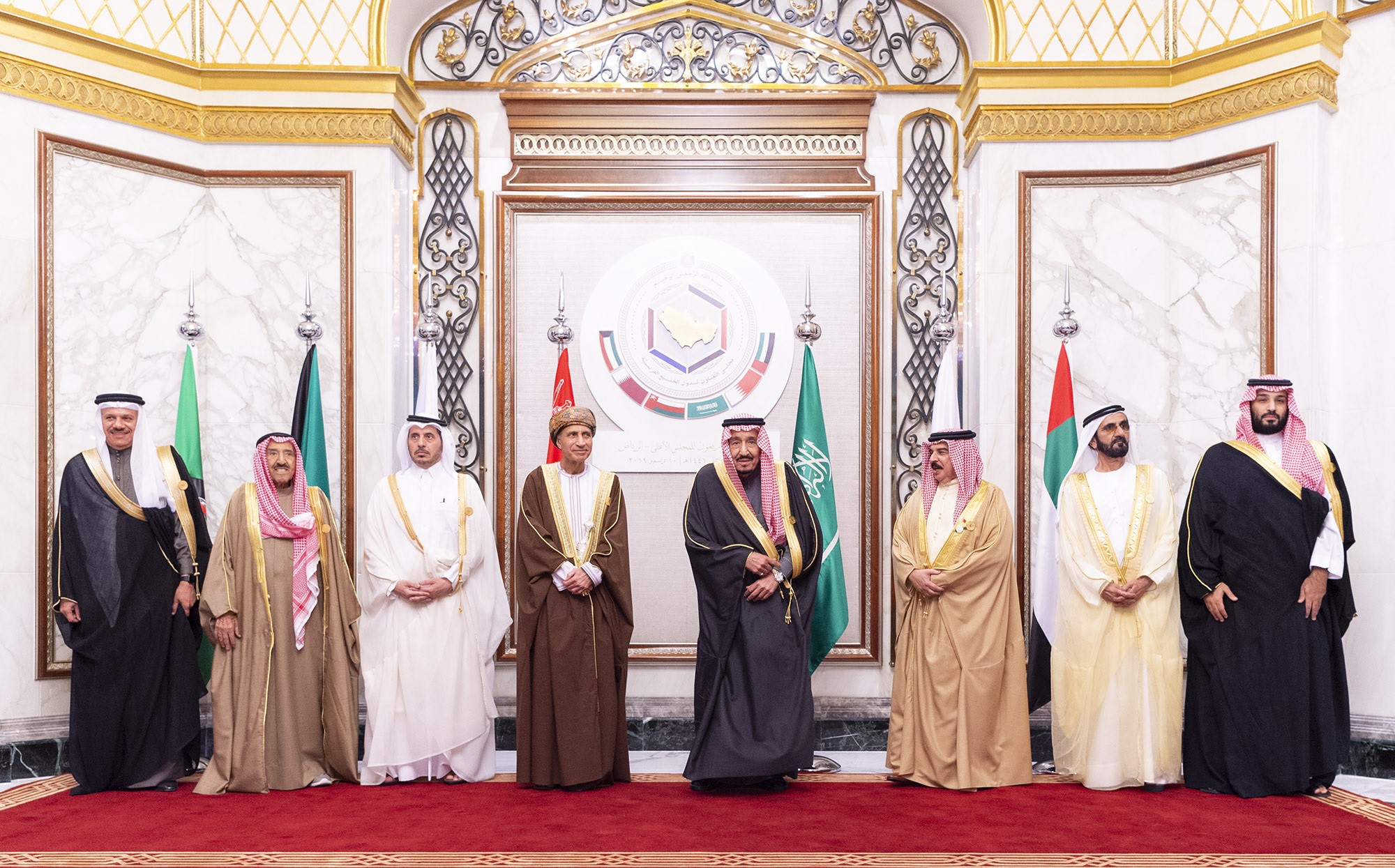
Gulf Partners Can No Longer Afford To Stay The Course With U.S. Iran Policy
To help prevent a U.S.-Iran war in their neighborhood, the countries of the Gulf Cooperation Council have called for diplomacy. They have reached out to Iranian officials to de-escalate. And they have provided Tehran with humanitarian assistance to deal with the coronavirus pandemic.
The Syrian constitution will only be words on paper until power is devolved to the local level
Syria faces long-standing economic problems that have been greatly exacerbated by its nine-year-long war. The cost of rebuilding the country will be enormous. But before there can be any discussion of sanctions relief or economic assistance, key political and economic reforms must be implemented. First and foremost among these is the devolution of power to the most local level of governance.
Hafsa Halawa, Shahla Al-Kli, and Yesar Al-Maleki join host Alistair Taylor to discuss the challenges facing Iraq’s new prime minister, Mustafa al-Kadhimi, from COVID-19 and the fall of oil prices, to long-standing issues in governance and foreign relations.
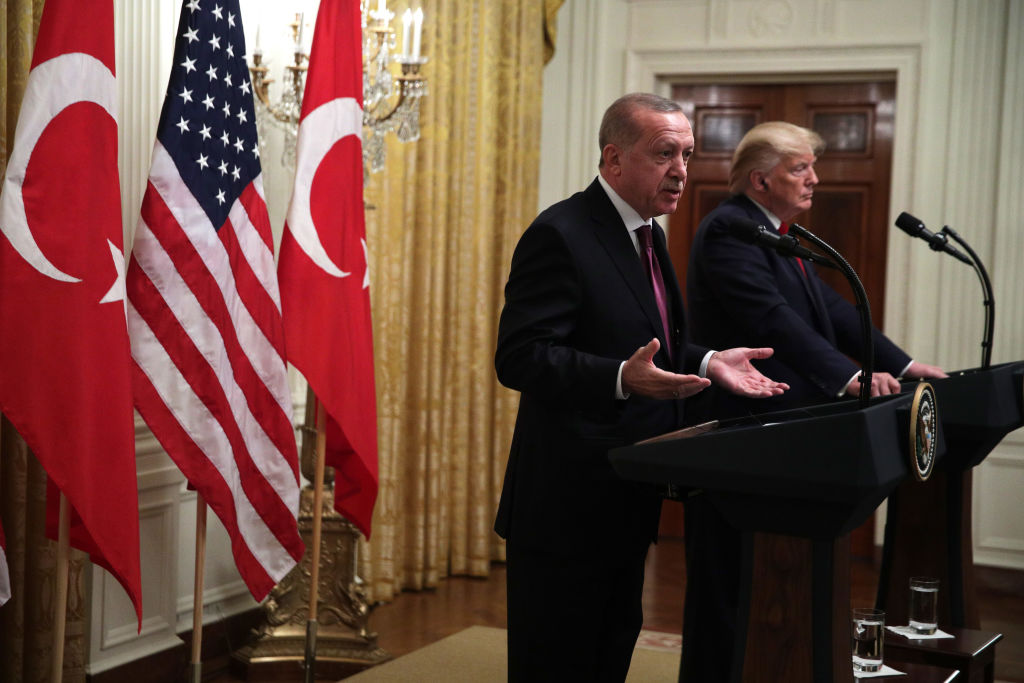
Arguably the time is now ripe to begin accumulating such nuances in regard to Turkey. The difficulties of dealing with Turkey and President Recep Erdogan are incontestable and well-known. Nevertheless, Turkey’s geopolitical significance is equally indisputable and far-reaching. Many of the major issues in European security – migration, Libya’s civil war, confronting Syria’s civil war (the equivalent in our time of the Spanish Civil War in the 1930s), stabilizing the Balkans, defending the Black Sea, European energy security, and in particular accessing the energy in the Eastern Mediterranean – would benefit from the restoration of a true and ongoing strategic dialogue with Turkey. Indeed, neither we nor Turkey can make progress on them without such a dialogue.
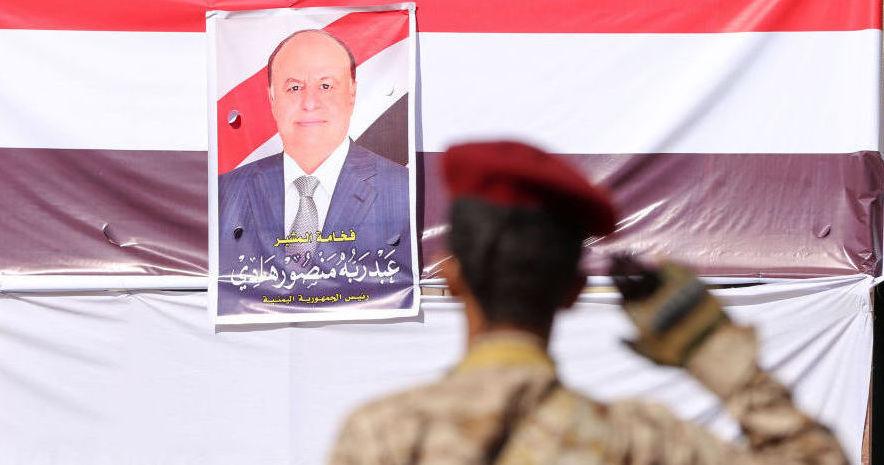
President Hadi and the future of legitimacy in Yemen
What is the future of legitimacy in Yemen? The question of what would happen if President Abed Rabbo Mansour Hadi were to die has been an unspoken concern for the past several years. It is important to address the question of legitimacy after Hadi because the constitutional rules on how to transfer his authority to a successor and how to avoid a presidential vacuum are impractical given the ongoing conflict.
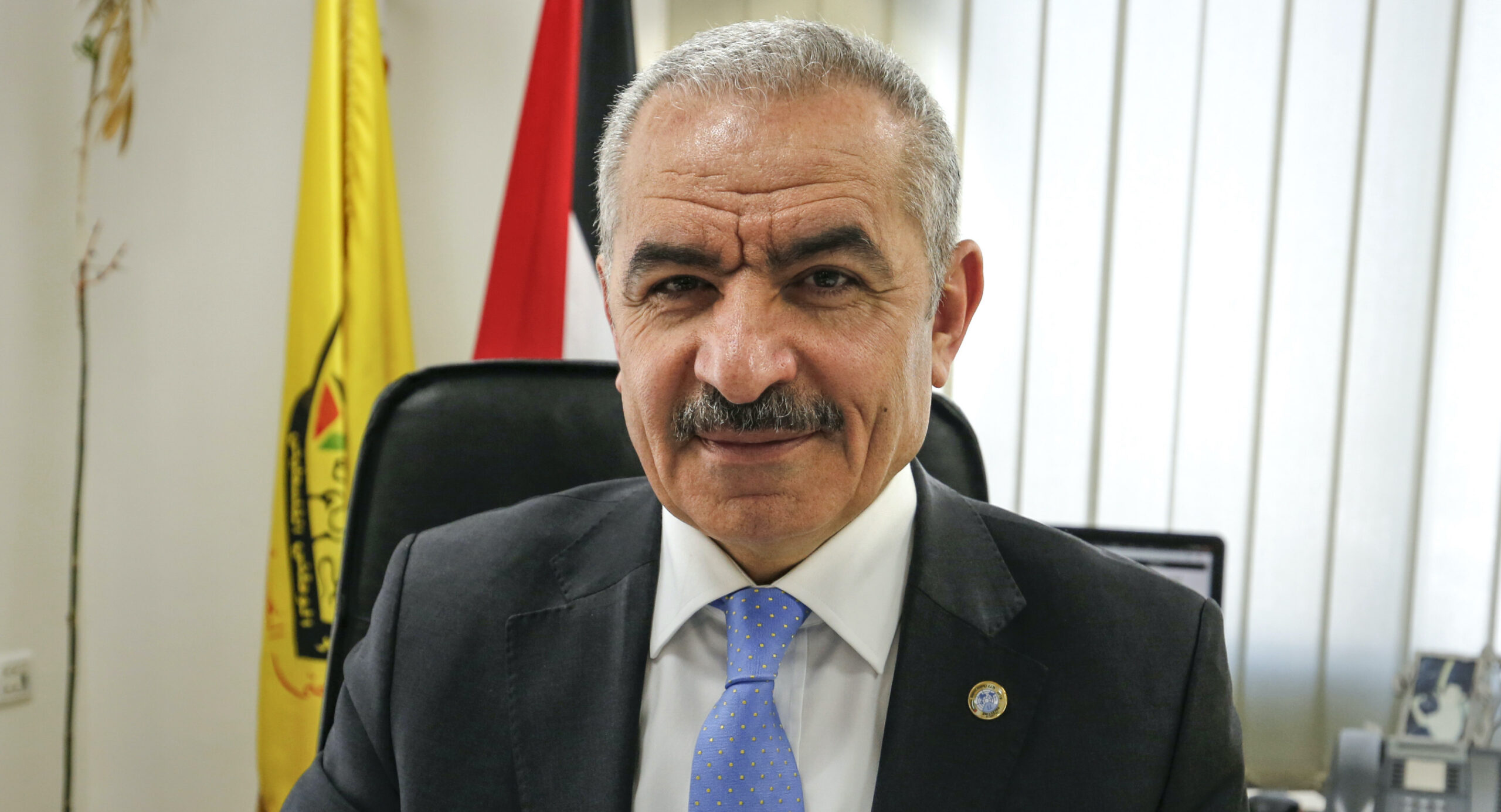
Israeli annexation “is a game-changer for us”: Prime Minister Mohammed Shtayyeh on the annexation threat, economic crisis, and COVID-19 in Palestine
On May 12, 2020, MEI hosted Dr. Mohammed Shtayyeh, Prime Minister of the Palestinian National Authority, for a roundtable discussion on the many crises facing Palestinians and the Palestinian Authority.
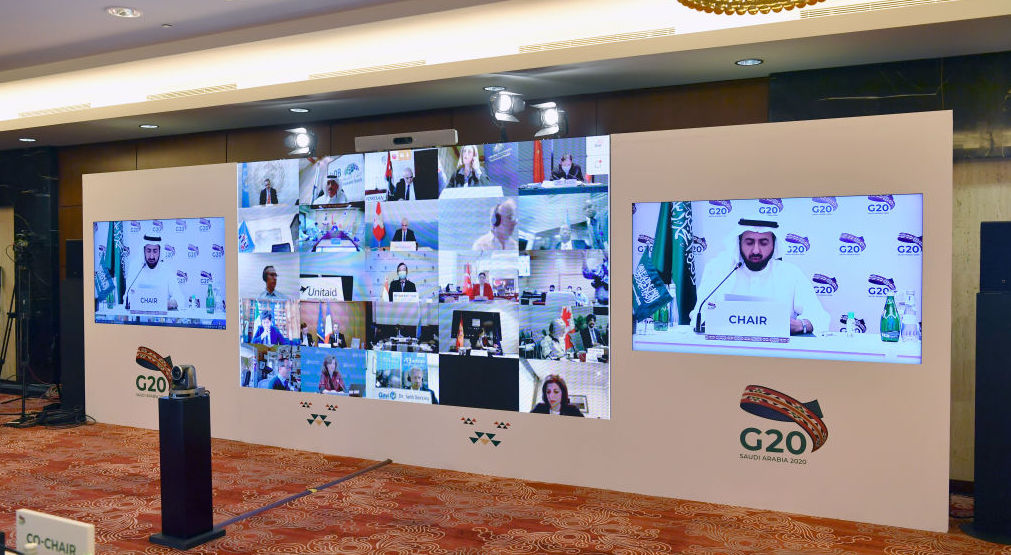
While COVID-19 and historically low oil prices are disrupting the Gulf’s political economy, the pandemic has demonstrated the region’s tech resilience.
Salafism Meets Populism: The Al-Karama Coalition and the Malleability of Political Salafism in Tunisia
The nascent research on political Salafism suggests that it can often be much more pragmatic, flexible, and malleable than both the quietist and the jihadist Salafist strand and can sometimes show a certain openness to other political actors and ideologies. The case of the Tunisian al-Karama Coalition (Dignity Coalition) indicates that the new (tactical) openness of some politicized Salafists can also extend to populism. In this article, the authors locate the rise of al-Karama within the context of Tunisia’s successful but still incomplete and “bumpy democratic transition.”
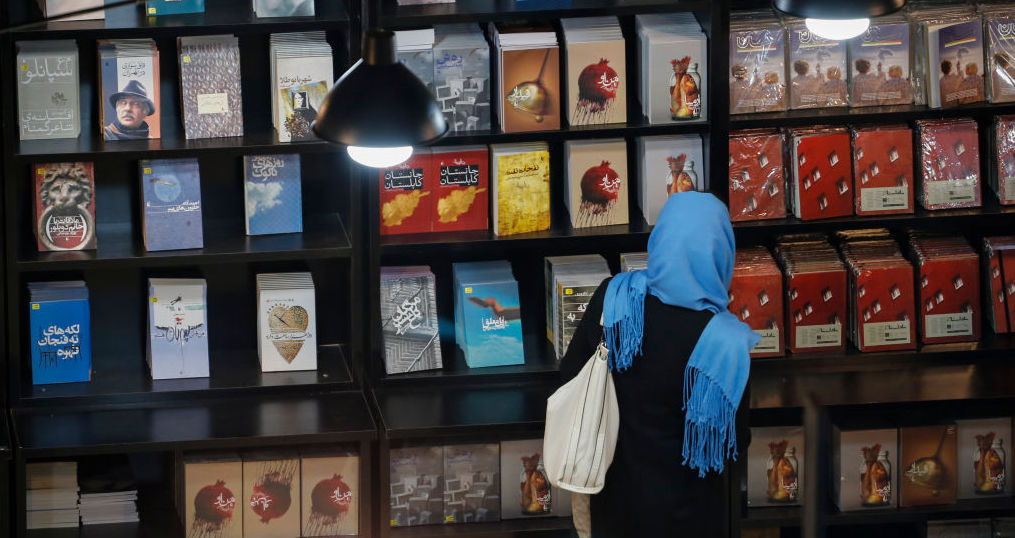
Unfortunately, many distinguished Arab writers are unknown to the majority of Iranian readers and their works are not available in Persian. Arab literature has largely been neglected in the Iranian literary translation market.
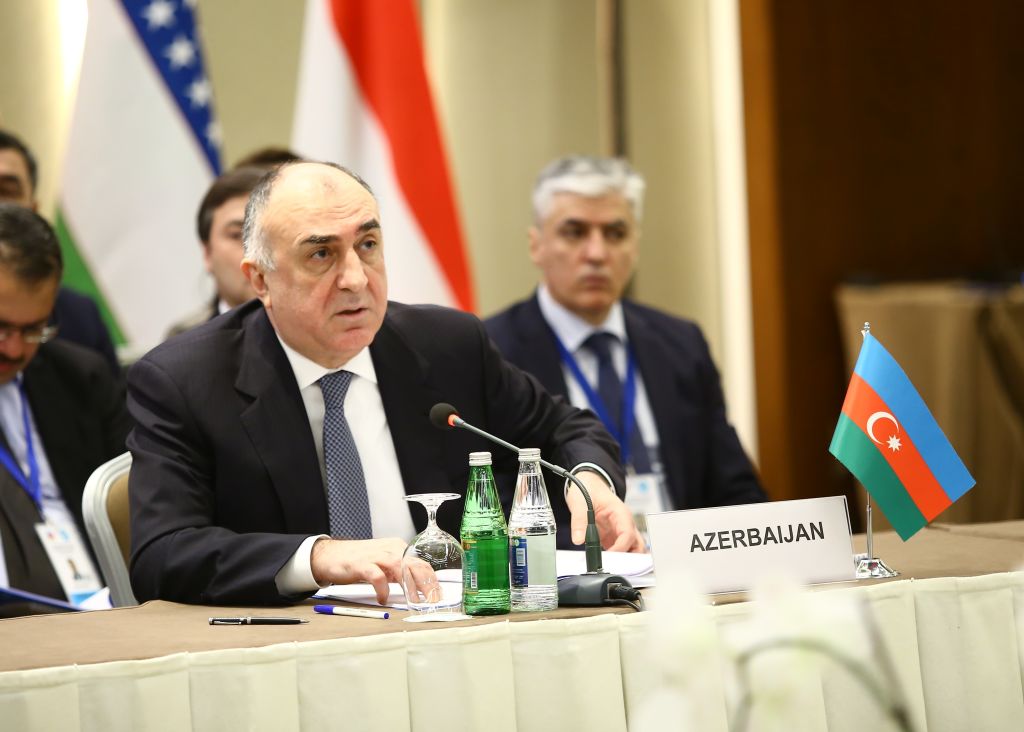
Azerbaijan’s foreign policy priorities and the role of the Middle East
Azerbaijan will soon celebrate 30 years since its independence and sovereignty was restored. However, the country’s foreign policy priorities have stayed largely the same since the early 1990s. That is, the restoration of territorial integrity, strengthening the country’s independence, and the development of strong regional economic partnerships.
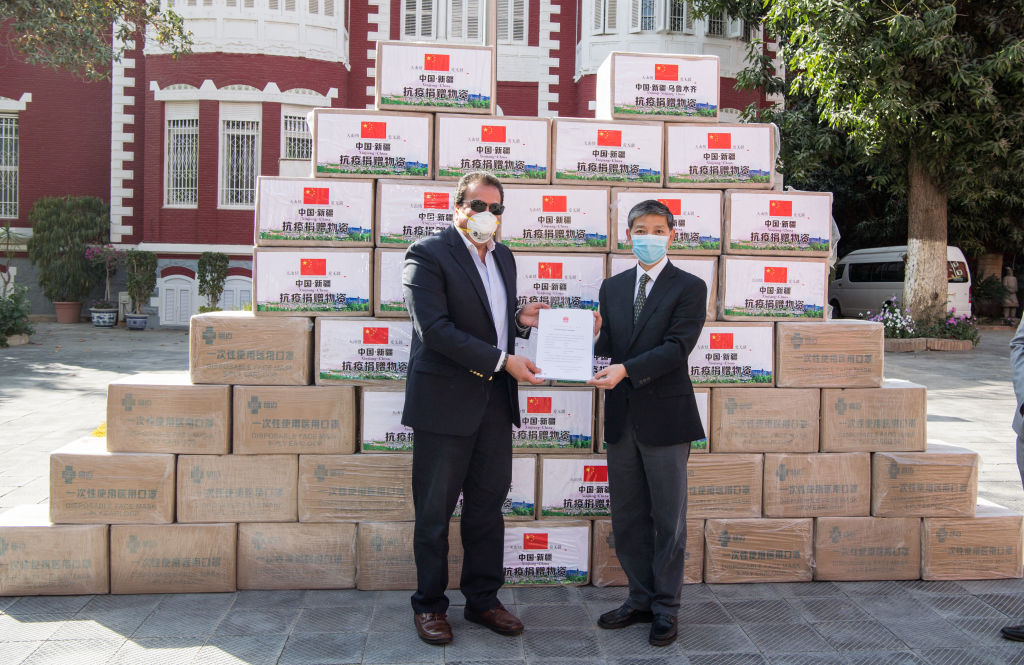
The Middle East and China: Trust in the time of COVID-19
China and the Middle East have long-standing historical ties that have grown significantly closer in recent years, driven by rising levels of trade and investment, as well as a burgeoning political relationship. However, the outbreak of the COVID-19 pandemic, which spread from China to the region and the rest of the world, has ushered in a complex new dynamic in relations between the two sides.
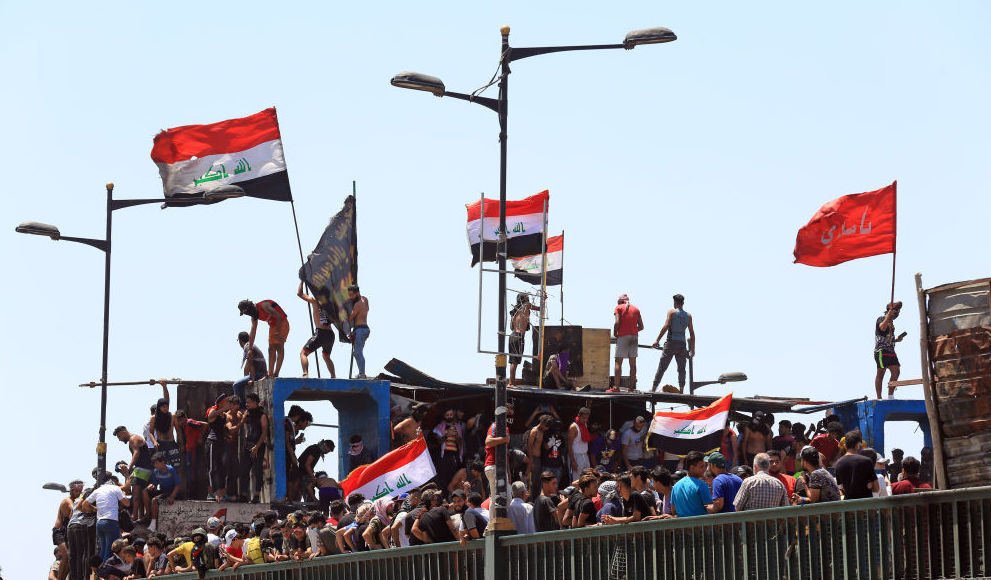
Iraq special briefing: The challenges facing Prime Minister Mustafa al-Kadhimi
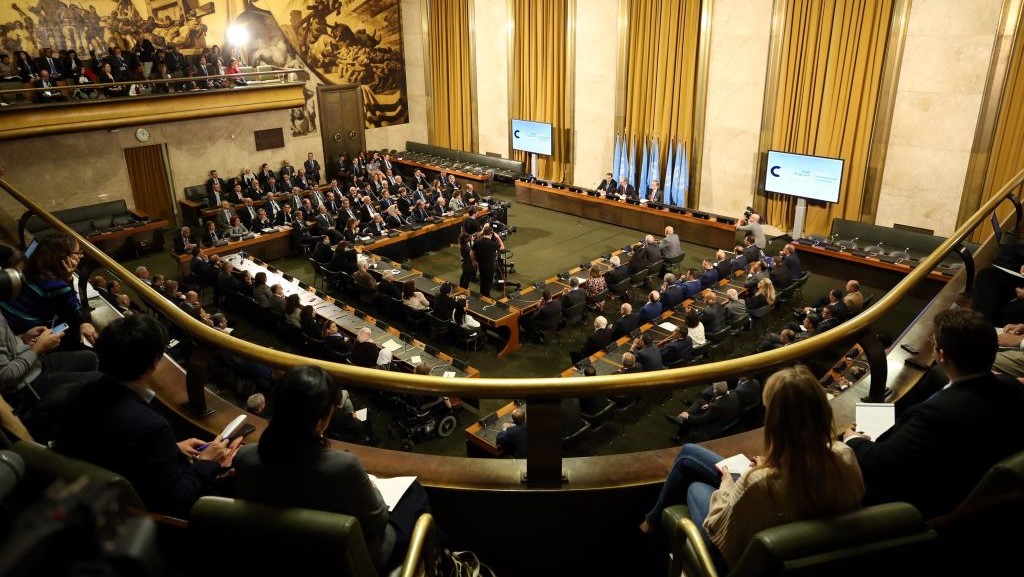
Six scholars from across MEI take a closer look at the challenges facing Iraq’s new prime minister, from the protest movement and Baghdad-Erbil relations to the balancing act between Washington and Tehran.
The oldest peer-reviewed publication dedicated to the study of the modern Middle East, MEI’s flagship journal covers politics, society, and culture in the region.