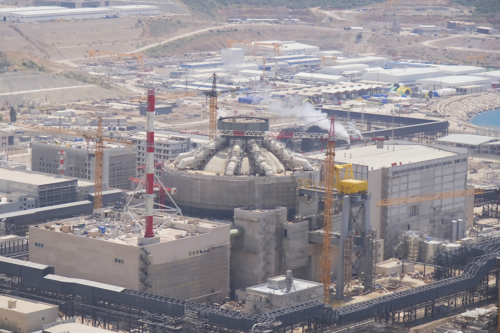
As a result of the Iran war, Turkish thinking about nuclear weapons appears to be shifting. Iran’s emergent ability to threaten regional states (and possible determination to acquire a nuclear weapon itself), growing concern about Israeli aggressiveness, doubts about US security guarantees, and greater Saudi nuclear autonomy are all pushing Ankara to consider a future nuclear option.
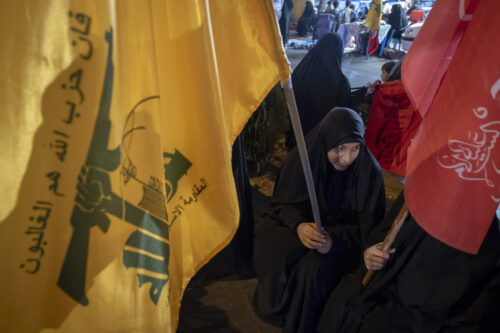
Hizballah: The murderers of elected Lebanese politicians, the killers of peacekeepers, the thugs of the streets they dominated because all other militias had disarmed, the agents of destruction of their own communities on behalf of foreign paymasters reigning 1,000 miles away from Beirut, the brainwashers of children into an ideology of “resistance” that only invited invasion. That’s the Hizballah that today is begging the Lebanese state to return to them the 1,000 pounds of explosives so rudely taken from them by Lebanese soldiers doing their job at a checkpoint in the Bekaa Valley.
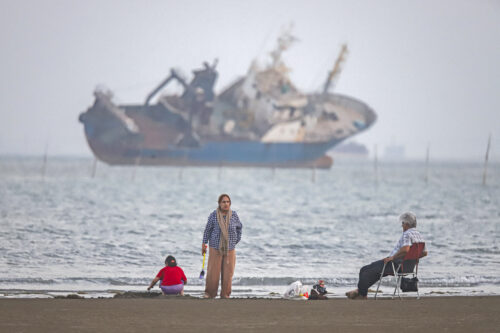
Many of the immediate consequences of the Israeli-American war with Iran are already clear. The further emergence of drones and missiles as dominant weapons of war; the danger to the global economy from the threats to vital chokepoints such as the Strait of Hormuz and the Bab el-Mandeb; and the inadequacy of US weapons procurement, among other issues, have garnered widespread and entirely merited attention.
Since 1967, Israeli settlements in the West Bank have been a contested feature of the Israeli-Palestinian conflict. The ultimate disposition of the settlements and ongoing activity related to their growth have repeatedly defied agreement in negotiations over a resolution to the conflict.
The Houthis are a political-military faction and Zaydi religious movement founded in northwestern Yemen in the 1980s. A key member of Iran’s Axis of Resistance with links to other militant organizations in the Arabian Peninsula and the Horn of Africa, the group has continued to pose a threat to Western interests on a global scale.
The India-Middle East-Europe Economic Corridor (IMEC) is a proposed multinational infrastructure initiative aimed at upgrading connectivity between the three regions through integrated trade, energy, and digital networks. Announced at the G20 summit in New Delhi in September 2023, IMEC is envisioned partially as a counterweight to China’s international infrastructure project, the Belt and Road Initiative.
After a decade of post-Arab Spring isolation, Turkey’s leaders have recognized that their ambition to position the country as an agenda-setter on the world stage requires active engagement in all directions. President Recep Tayyip Erdoğan’s consolidation of executive authority has centralized foreign policy decision-making and tied it to his domestic political priorities, transforming the country’s revisionist approach to one shaped primarily by personal and pragmatic interests.
MEI Senior Fellow Brian Katulis engages friends, colleagues, and policy experts in casual conversations on the most important happenings in the Middle East.
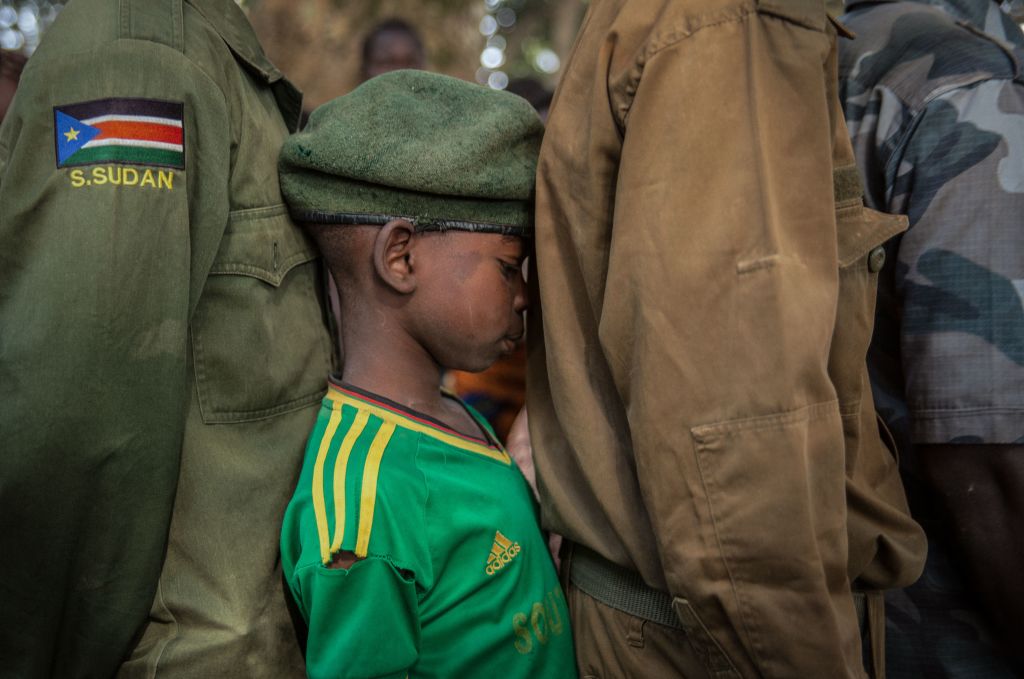
Begin with the children: Child soldier numbers doubled in the Middle East in 2019
In 2017, the advocacy group Child Soldiers International estimated that more than 100,000 children were forced to become soldiers in state and non-state military organizations in at least 18 armed conflicts worldwide. This is a global problem that is getting worse and it must be addressed.
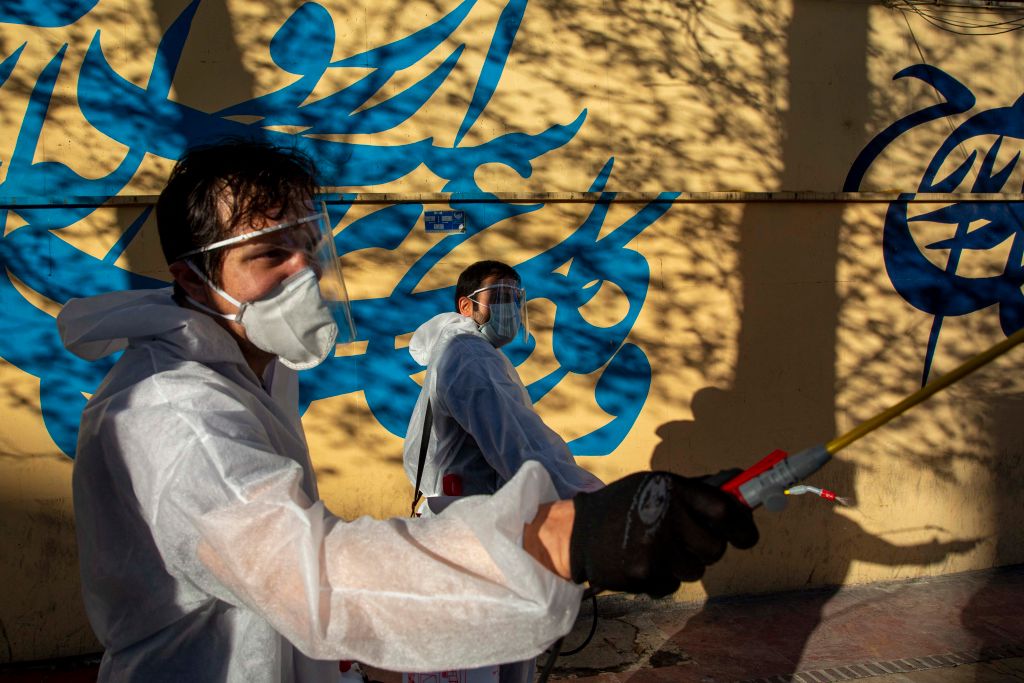
COVID-19 presents a major threat to the global economy and the health of millions of people around the world, but its impact on Iran, one of the early epicenters of the outbreak, has been particularly severe.
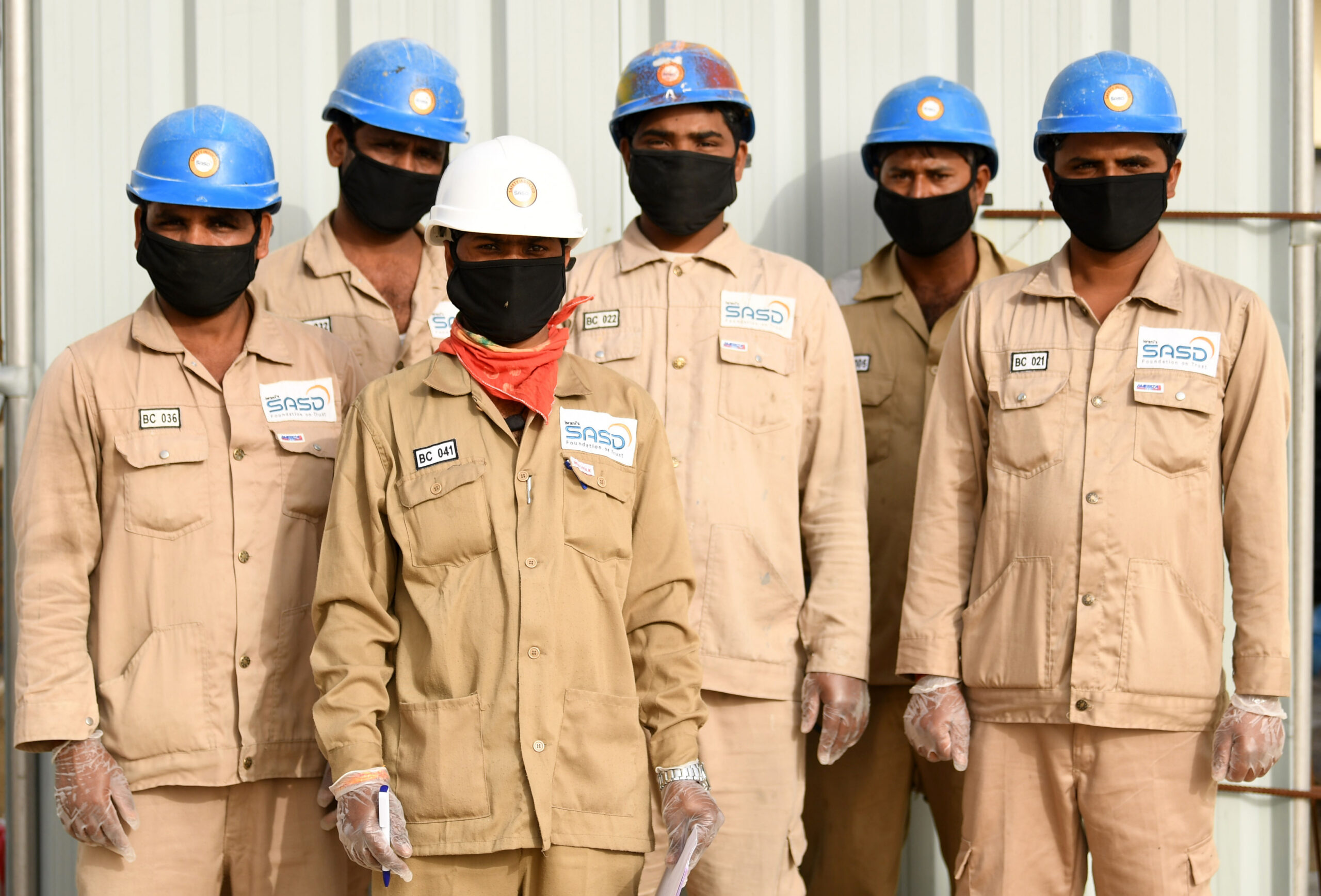
Since the 1970s “oil boom,” Indian migration to the Gulf has served as a valuable source of income for the nation and as the backbone of the economies of high-migration states such as Kerala through the transfer of remittances. However, the outlow of Indian migrants to the region has recently slackened while return migration has increased due to economic slowdowns, fluctuating oil prices, and changes in Gulf labor policies. The future of India-Gulf migration is further clouded by the Coronavirus pandemic, which poses unprecedented health and livelihoods challenges for the millions of Indians working in the Gulf, as well as for the families and communities that depend on them — and presents a daunting test for the Indian government.
Without a Houthi commitment, the cease-fire could make Yemen more vulnerable to COVID-19
The Houthis’ lack of interest in halting their military operations could displace millions of civilians in the midst of a potential COVID-19 outbreak, defeating the very purpose of the cease-fire.
MEI’s Michael Sexton and Eliza Campbell join host Alistair Taylor to discuss the variety of new surveillance technologies deployed by governments in the region to track the spread of COVID-19, and the tension they are setting up between public health and privacy concerns in the long term.
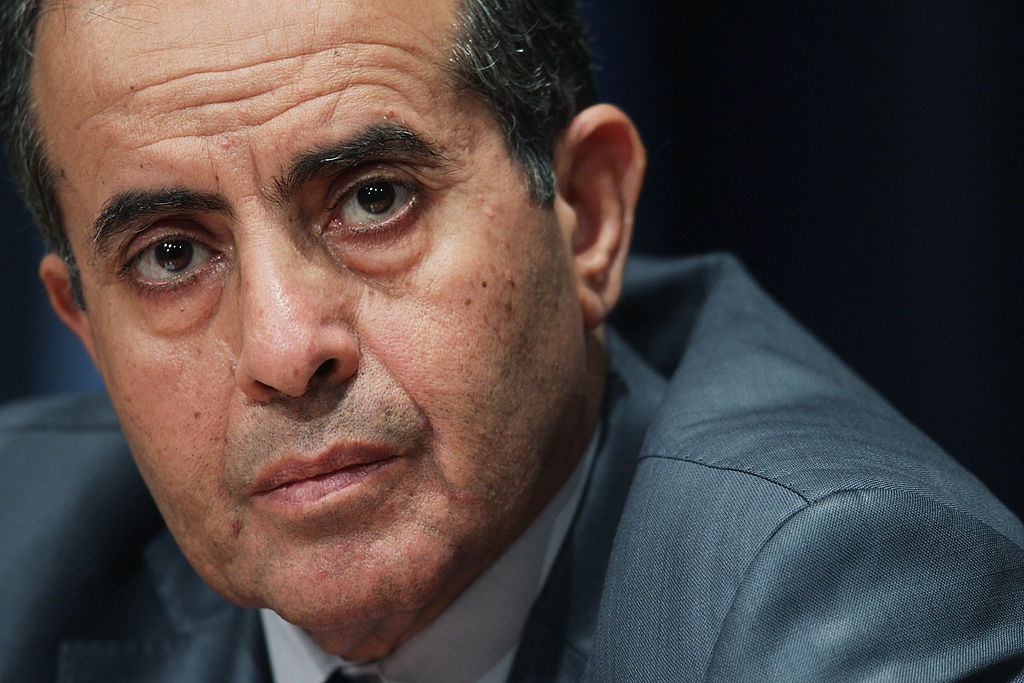
The face of the Libyan Arab Spring, Mahmoud Jibril, felled by COVID-19
Last Sunday, the pandemic claimed the life of the most internationally prominent face of the Arab Spring in Libya. The tragic death of former Libyan Prime Minister Mahmoud Jibril in a Cairo hospital, at just 68 years of age, is in fact a fitting metaphor for the many stillborn aspects of Libya’s attempted political rebirth.
COVID-19, the oil price war, and the remaking of the Middle East
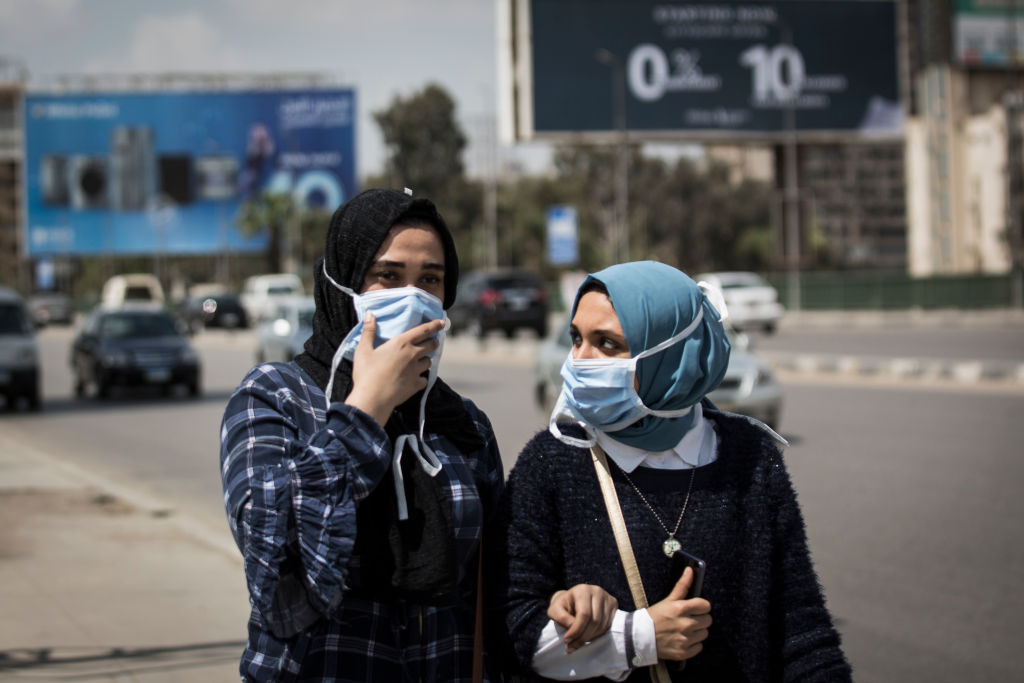
The Middle East is facing an unexpected turning point. The region will not look the same after COVID-19 as it did before it. The geoeconomics and geopolitics of the world are in free fall because of COVID-19, the oil price war, and a severe economic shutdown. For the Middle East and the Gulf monarchies in particular, the oil price war against Russia and U.S. shale and the shutdown of economies around the world have increased the pressure on the Gulf’s already-depleted financial resources, which usually act as a safety valve for the turbulent region.
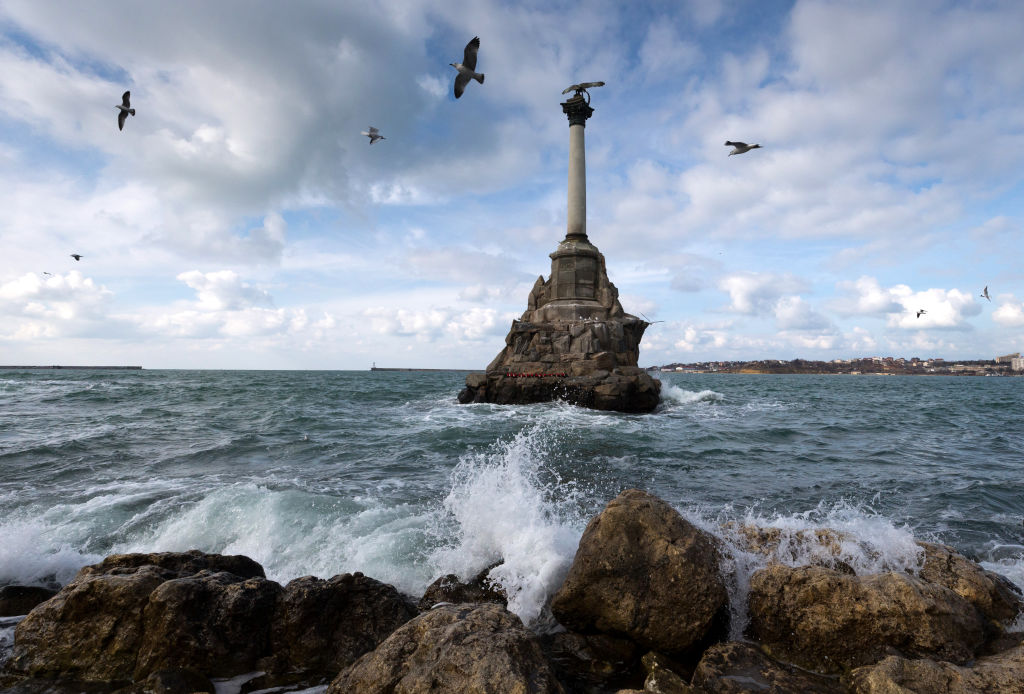
US engagement in the Black Sea and Middle East. What more can be done?
US support for the Black Sea and the Middle East has been through several phases in recent years, with President Donald Trump’s generals having the biggest impact on policy change. While there has been increased engagement in the region, much more is needed from the US – as well as NATO and the EU – to ensure Black Sea security.
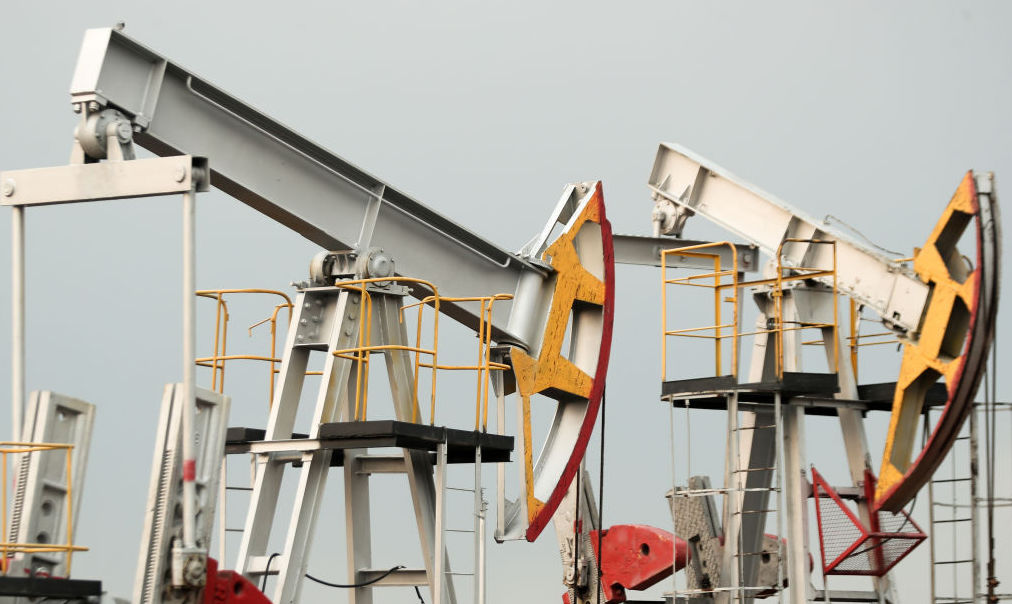
Saudi Arabia’s recent decision to call for an urgent OPEC+ meeting was driven by a simple logic. In spite of its obvious advantages over other oil producers, the kingdom is still taking serious risks as it pursues an oil price war.
The oldest peer-reviewed publication dedicated to the study of the modern Middle East, MEI’s flagship journal covers politics, society, and culture in the region.