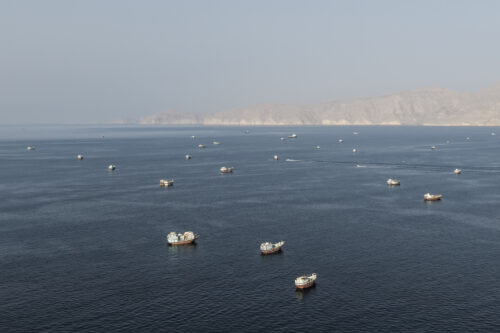
Crude oil is flowing out of the Gulf again, but the market is no better prepared for another disruption in the Strait of Hormuz. It has assembled a temporary system for managing one. Crude exports from the Gulf, excluding Iran, returned to pre-war levels in September, while total Gulf shipments reached 15.5 million barrels a day, more than 80% of the pre-conflict volume.
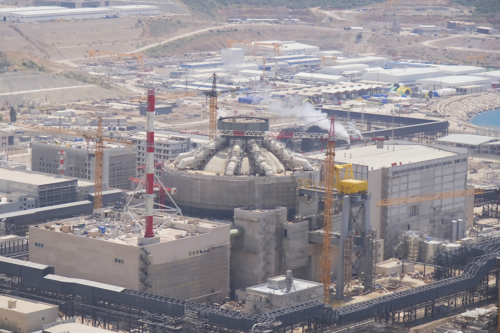
As a result of the Iran war, Turkish thinking about nuclear weapons appears to be shifting. Iran’s emergent ability to threaten regional states (and possible determination to acquire a nuclear weapon itself), growing concern about Israeli aggressiveness, doubts about US security guarantees, and greater Saudi nuclear autonomy are all pushing Ankara to consider a future nuclear option.
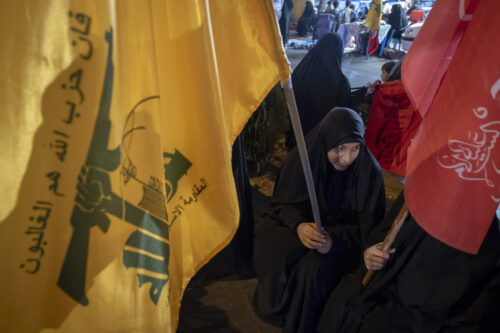
Hizballah: The murderers of elected Lebanese politicians, the killers of peacekeepers, the thugs of the streets they dominated because all other militias had disarmed, the agents of destruction of their own communities on behalf of foreign paymasters reigning 1,000 miles away from Beirut, the brainwashers of children into an ideology of “resistance” that only invited invasion. That’s the Hizballah that today is begging the Lebanese state to return to them the 1,000 pounds of explosives so rudely taken from them by Lebanese soldiers doing their job at a checkpoint in the Bekaa Valley.
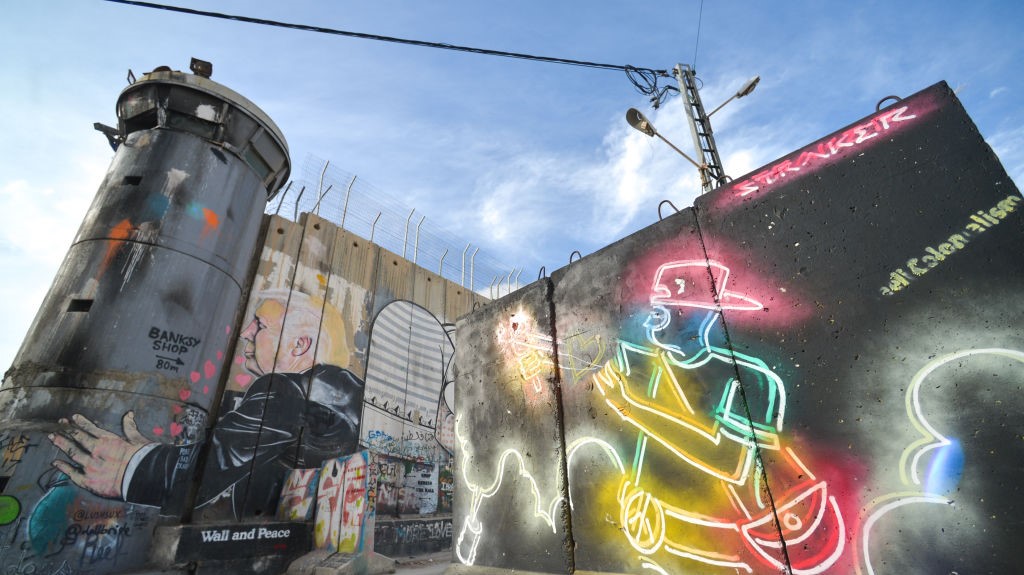
Since 1967, Israeli settlements in the West Bank have been a contested feature of the Israeli-Palestinian conflict. The ultimate disposition of the settlements and ongoing activity related to their growth have repeatedly defied agreement in negotiations over a resolution to the conflict.
The Houthis are a political-military faction and Zaydi religious movement founded in northwestern Yemen in the 1980s. A key member of Iran’s Axis of Resistance with links to other militant organizations in the Arabian Peninsula and the Horn of Africa, the group has continued to pose a threat to Western interests on a global scale.
The India-Middle East-Europe Economic Corridor (IMEC) is a proposed multinational infrastructure initiative aimed at upgrading connectivity between the three regions through integrated trade, energy, and digital networks. Announced at the G20 summit in New Delhi in September 2023, IMEC is envisioned partially as a counterweight to China’s international infrastructure project, the Belt and Road Initiative.
After a decade of post-Arab Spring isolation, Turkey’s leaders have recognized that their ambition to position the country as an agenda-setter on the world stage requires active engagement in all directions. President Recep Tayyip Erdoğan’s consolidation of executive authority has centralized foreign policy decision-making and tied it to his domestic political priorities, transforming the country’s revisionist approach to one shaped primarily by personal and pragmatic interests.
MEI Senior Fellow Brian Katulis engages friends, colleagues, and policy experts in casual conversations on the most important happenings in the Middle East.
Iran targeted Israel’s April 2019 elections. Was it preparing for the US 2020 elections?
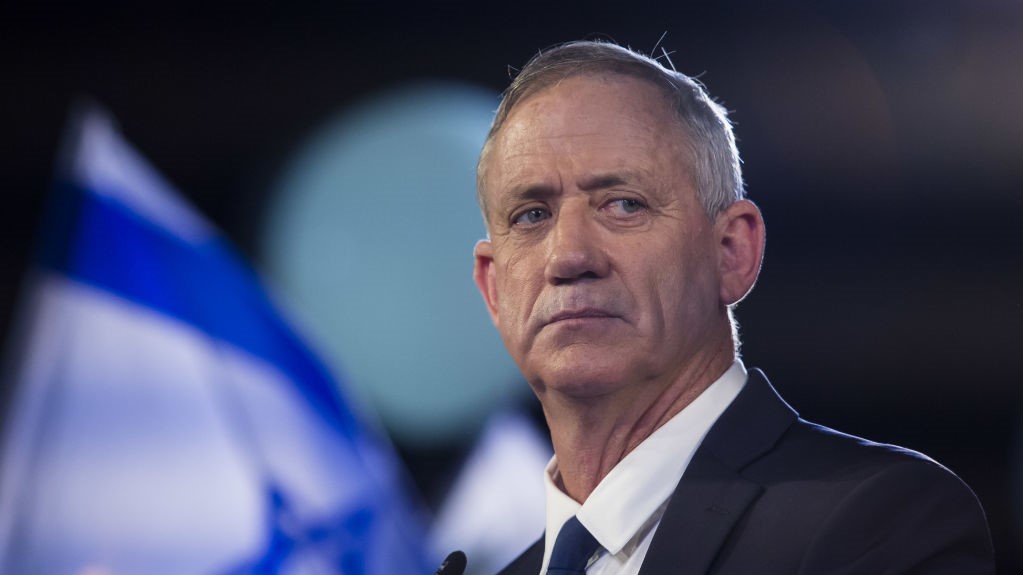
The April 2019 Israeli elections between incumbent Prime Minister Benjamin Netanyahu and his competitor Benny Gantz were fraught with tension even before external entities got involved. But when Israel’s internal security service, Shin Bet, revealed that suspected Iranian cyber actors had accessed Gantz’s mobile phone, there was yet another issue to contend with, albeit one not specific only to Israeli elections: interference.
Turkey faces potential Russian blowback on Syria — and tomatoes are only the beginning
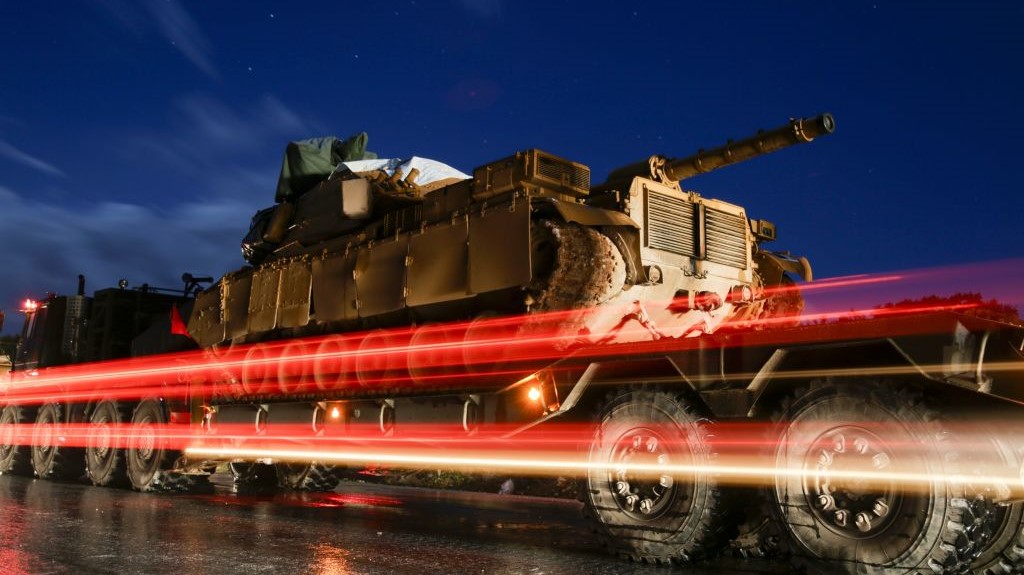
Turkish President Recep Tayyip Erdogan finds himself in a tough spot with Russia as tensions in Syria have escalated dramatically. In a rare direct military confrontation between Turkish and Syrian regime forces, 14 Turkish soldiers and over 100 regime troops were killed in two separate clashes in Idlib over the past 10 days.
Speaking Across Mountains: Sharing Kurdish Culture Through Music
This week’s episode features an interview and Q&A with Lukman Ahmad, a Syrian-Kurdish musician and artist. Last week, Lukman performed Kurdish instrumental music on the saz during an open house at the MEI Art Gallery, and we are pleased to be able to share a recording of a couple of the songs that he performed.
Iran-Russia ties: Never better but maybe not forever?
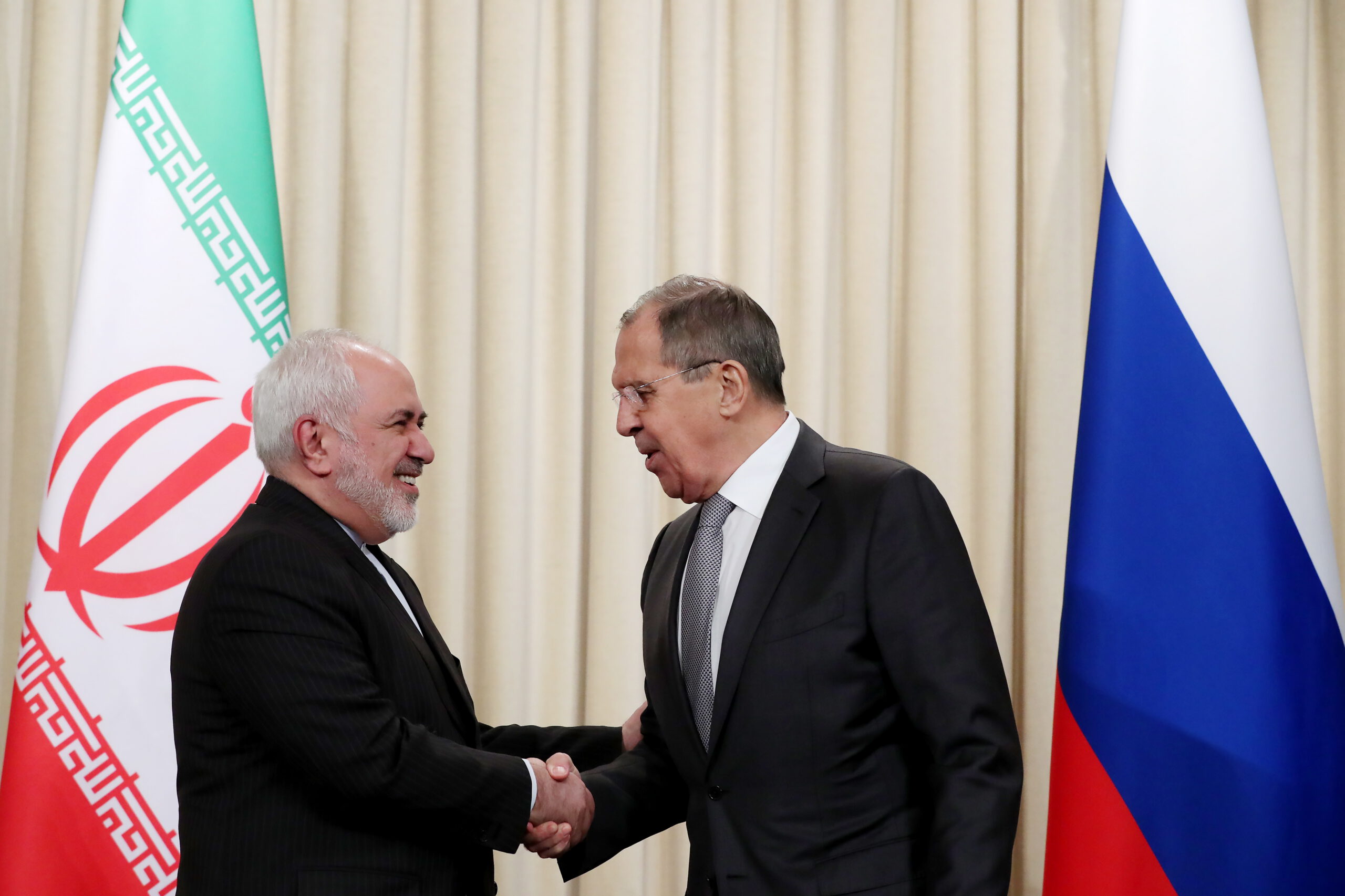
The relationship between Iran and Russia has been strengthened by the rising tensions between Tehran and Washington since Donald Trump took office, and there is no doubt that Iran views Russia as one of its closest allies. The Iranian foreign minister, Mohammad Javad Zarif, has traveled to Moscow some 28 times during his tenure, and has stated that relations between the two countries have never been better.
As Iran heads to the polls, could Rouhani be facing impeachment?
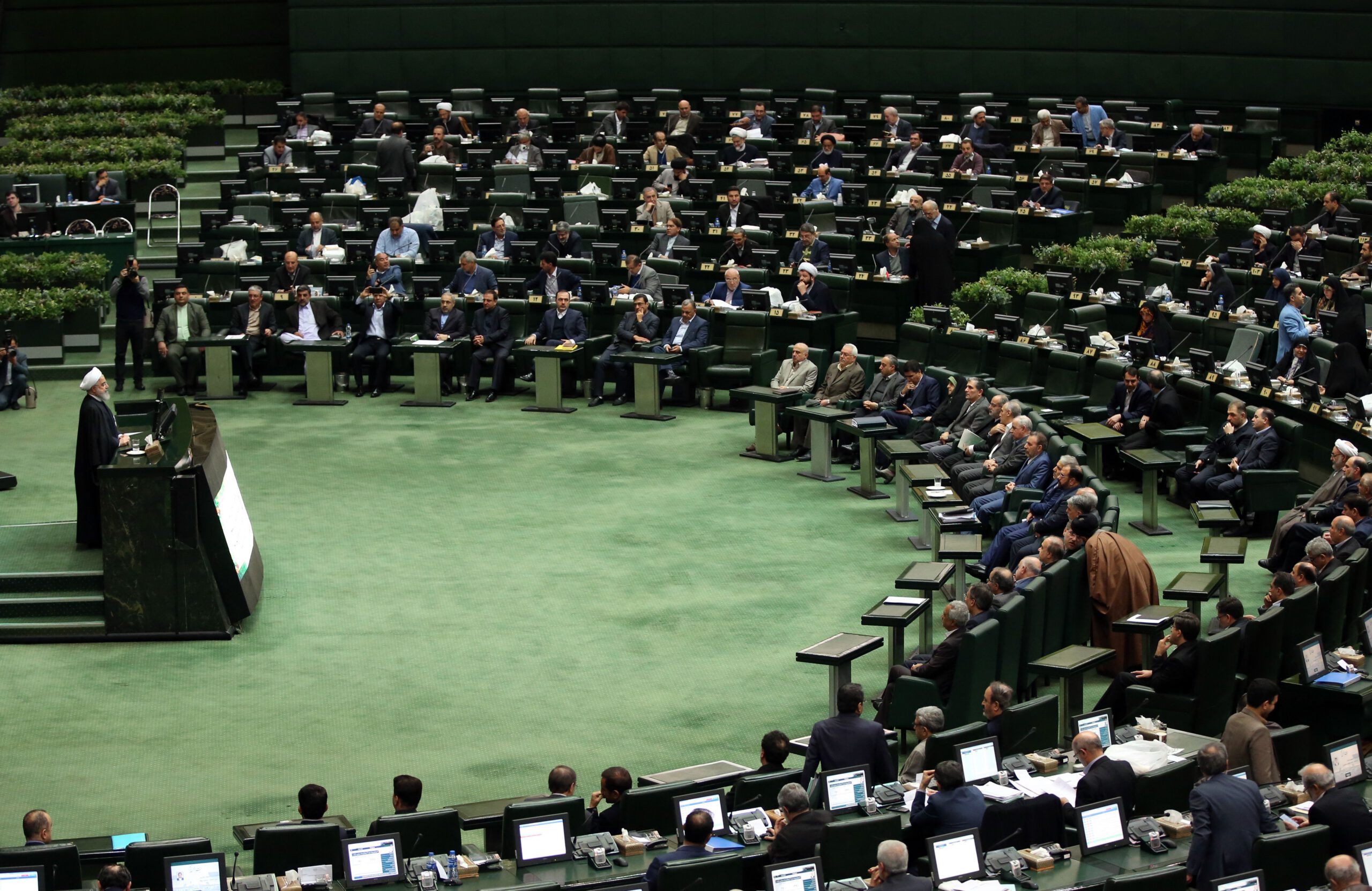
On Feb. 21, Iranians will be voting to elect a new Majlis, the country’s unicameral Parliament. Viewed from the outside, participating in the electoral system might seem futile. While the Iranian constitution recognizes popular will, as represented by an elected president and Parliament, the whole political system operates under the supreme leader, who, although appointed by an elected clerical body (the Assembly of Experts), is, in effect, answerable to no one. The Majlis does, however, have the power to remove the president — a fate that could potentially await President Hassan Rouhani if the conservatives win a majority in the upcoming elections.
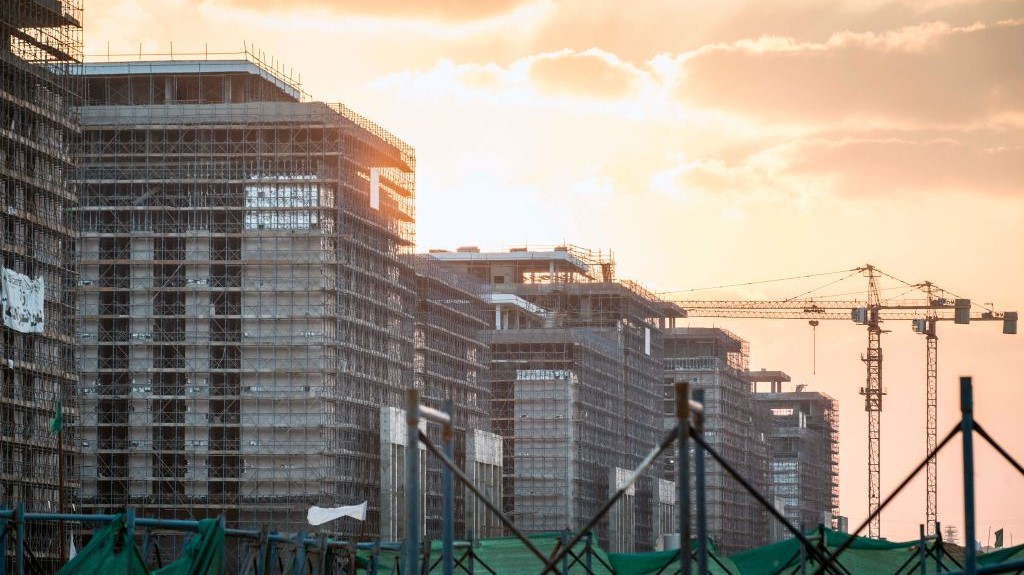
The green movement has been slow to catch on in Egypt, but the January announcement by the Egyptian government that it is finalizing plans to launch the country’s first green bonds could provide the financial incentives to further promote sustainable development. “Sustainability” is one of the fastest growing sectors globally, estimated to reach as much as $12 trillion annually by 2030.
According to the latest poll published by the Pew Research Center, the Israeli public sees China in a favorable way. Only in Russia and Nigeria does China get a more sympathetic audience. This result seems surprising, when compared to China’s low level of favorability in other Western countries. However, the strong favorability rating registered in the Pew survey is less surprising than it seems, and in fact is a clear indication that the wide-ranging Chinese soft power efforts to appeal to the Israeli public opinion have paid off.
Since the beginning of the Syrian civil war in 2011, many analysts have examined the role played by a handful of key outside actors, such as Russia, Iran, Turkey, and the member states of the Gulf Cooperation Council (GCC). Yet China has received comparatively little attention in most discussions about the Syrian crisis. A deeper look at Sino-Syrian relations and Beijing’s policies vis-à-vis Syria is long overdue as this bilateral relationship is set to become increasingly important to both China’s ambitious foreign policy as well as the Syrian government’s vision for reconstruction and redevelopment.
MEI’s Jonathan Winer and Ross Harrison join host Alistair Taylor to discuss the conflict in Libya and how it fits into the broader context of civil wars in the Middle East.
Truth is stranger than science fiction: Palestine +100
As the world increasingly resembles a dystopian film from the 1970s and television news blurs ominously with scenes from Soylent Green, a recent collection of Palestinian science fiction proves both prescient and eerily contemporary.
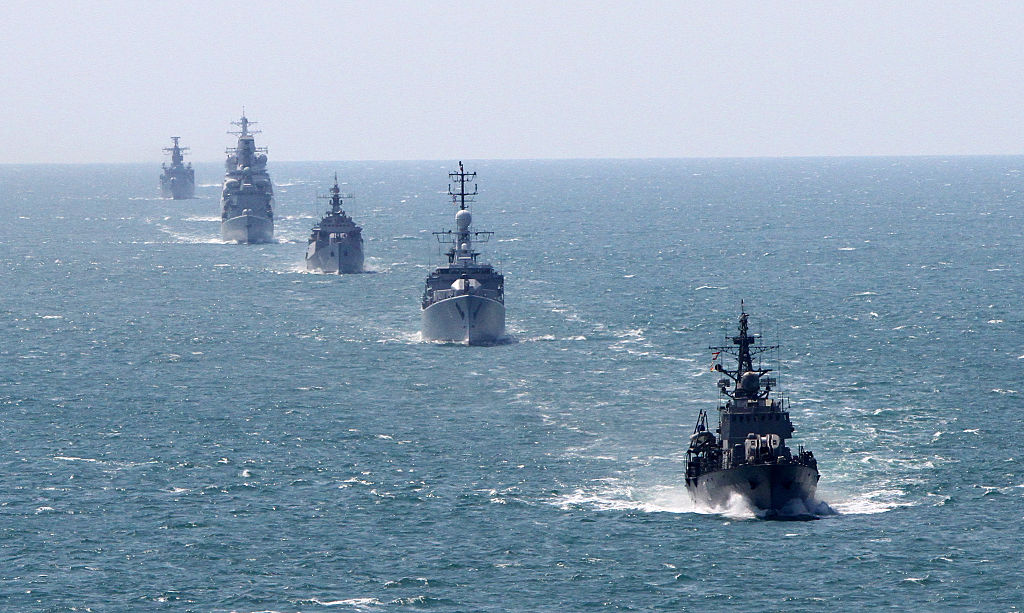
The Black Sea is a very important region for NATO, and has not received the attention it deserves; a separate focused NATO strategy and support for countries in the Black Sea would send a message that the Alliance takes the region seriously.
The oldest peer-reviewed publication dedicated to the study of the modern Middle East, MEI’s flagship journal covers politics, society, and culture in the region.