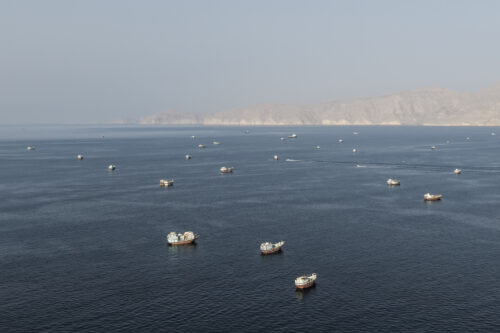
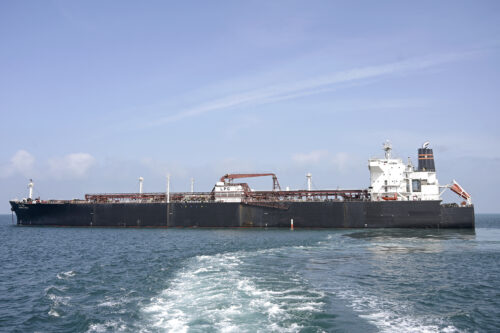
Crude oil is flowing out of the Gulf again, but the market is no better prepared for another disruption in the Strait of Hormuz. It has assembled a temporary system for managing one. Crude exports from the Gulf, excluding Iran, returned to pre-war levels in September, while total Gulf shipments reached 15.5 million barrels a day, more than 80% of the pre-conflict volume.
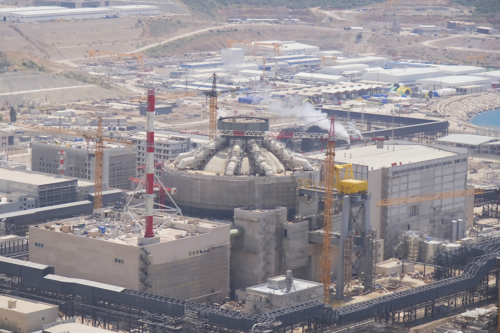
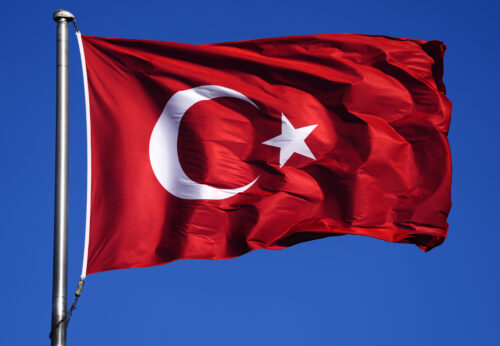
As a result of the Iran war, Turkish thinking about nuclear weapons appears to be shifting. Iran’s emergent ability to threaten regional states (and possible determination to acquire a nuclear weapon itself), growing concern about Israeli aggressiveness, doubts about US security guarantees, and greater Saudi nuclear autonomy are all pushing Ankara to consider a future nuclear option.
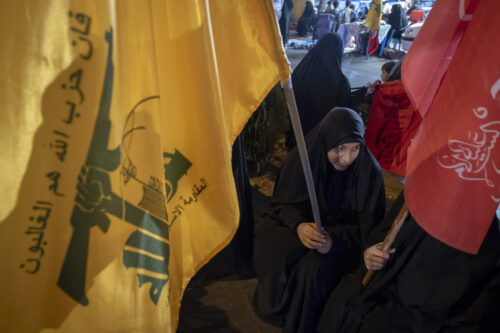
Hizballah: The murderers of elected Lebanese politicians, the killers of peacekeepers, the thugs of the streets they dominated because all other militias had disarmed, the agents of destruction of their own communities on behalf of foreign paymasters reigning 1,000 miles away from Beirut, the brainwashers of children into an ideology of “resistance” that only invited invasion. That’s the Hizballah that today is begging the Lebanese state to return to them the 1,000 pounds of explosives so rudely taken from them by Lebanese soldiers doing their job at a checkpoint in the Bekaa Valley.
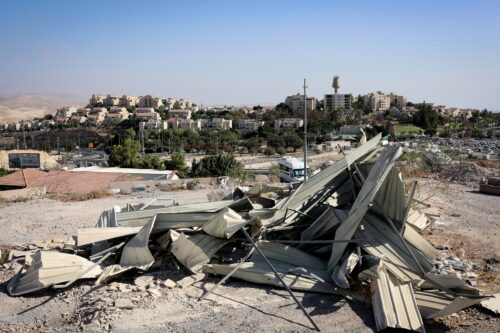
Since 1967, Israeli settlements in the West Bank have been a contested feature of the Israeli-Palestinian conflict. The ultimate disposition of the settlements and ongoing activity related to their growth have repeatedly defied agreement in negotiations over a resolution to the conflict.
The Houthis are a political-military faction and Zaydi religious movement founded in northwestern Yemen in the 1980s. A key member of Iran’s Axis of Resistance with links to other militant organizations in the Arabian Peninsula and the Horn of Africa, the group has continued to pose a threat to Western interests on a global scale.
The India-Middle East-Europe Economic Corridor (IMEC) is a proposed multinational infrastructure initiative aimed at upgrading connectivity between the three regions through integrated trade, energy, and digital networks. Announced at the G20 summit in New Delhi in September 2023, IMEC is envisioned partially as a counterweight to China’s international infrastructure project, the Belt and Road Initiative.
After a decade of post-Arab Spring isolation, Turkey’s leaders have recognized that their ambition to position the country as an agenda-setter on the world stage requires active engagement in all directions. President Recep Tayyip Erdoğan’s consolidation of executive authority has centralized foreign policy decision-making and tied it to his domestic political priorities, transforming the country’s revisionist approach to one shaped primarily by personal and pragmatic interests.
MEI Senior Fellow Brian Katulis engages friends, colleagues, and policy experts in casual conversations on the most important happenings in the Middle East.
Despite the hurdles, an opportunity for de-escalation in Yemen
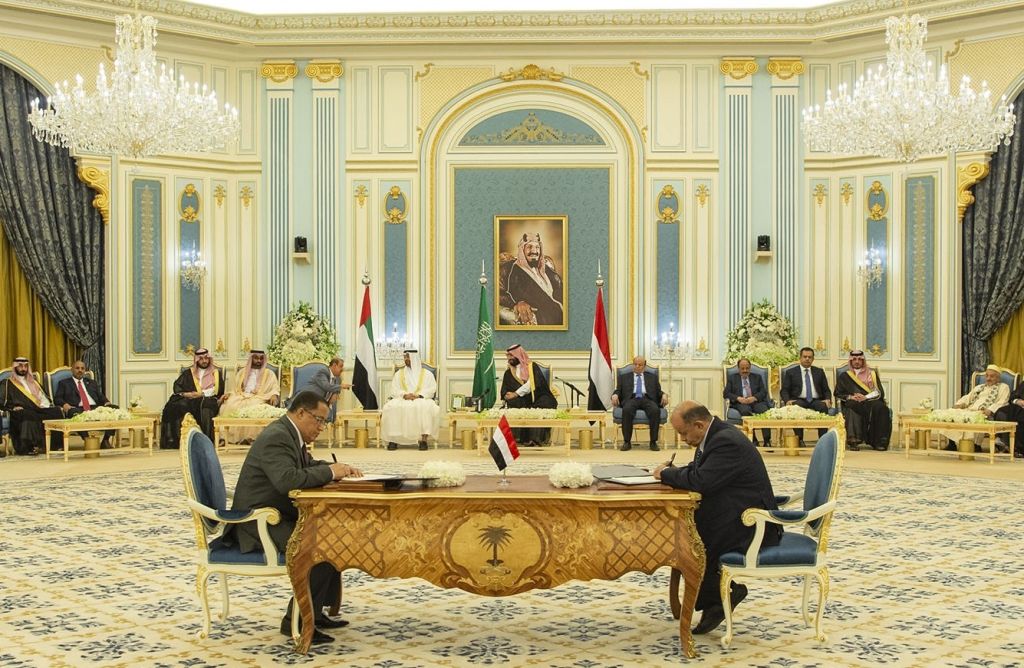
After more than two months of Saudi-mediated indirect talks between the Republic of Yemen Government (ROYG) and the UAE-backed Southern Transitional Council (STC), the two sides finally reached a deal on Nov. 5. The Saudi effort, which culminated in the signing of the Riyadh Agreement, is aimed at resolving the conflict within the Arab coalition-backed front and uniting the two parties in the fight against the Iranian-backed Houthi militias. The agreement, which spans political, economic, security, and military arrangements, involves restructuring the executive, military, and security branches of the ROYG, partial disarmament of STC-loyal forces, and the demilitarization of Aden — all of which will be phased in over the next three months.
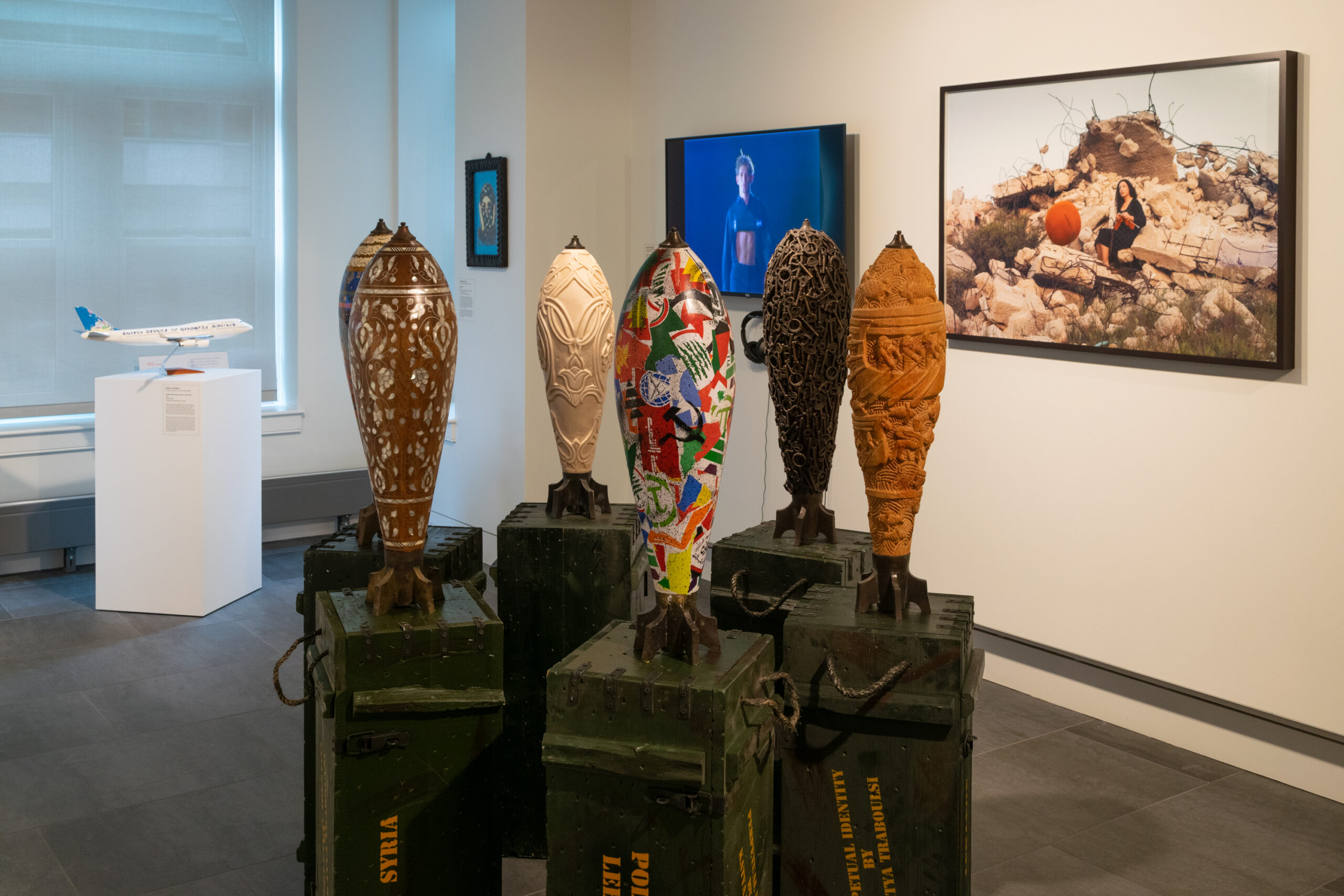
Perpetual Identities: Interview with Katya Traboulsi
Lebanese artist Katya Traboulsi joins guest host Lyne Sneige to discuss her art exhibition, Perpetual Identities, which consists of 22 hand-crafted replicas of bombshells used in the Lebanese civil war, each adorned with designs and iconography associated with the artistic traditions of 22 featured countries.
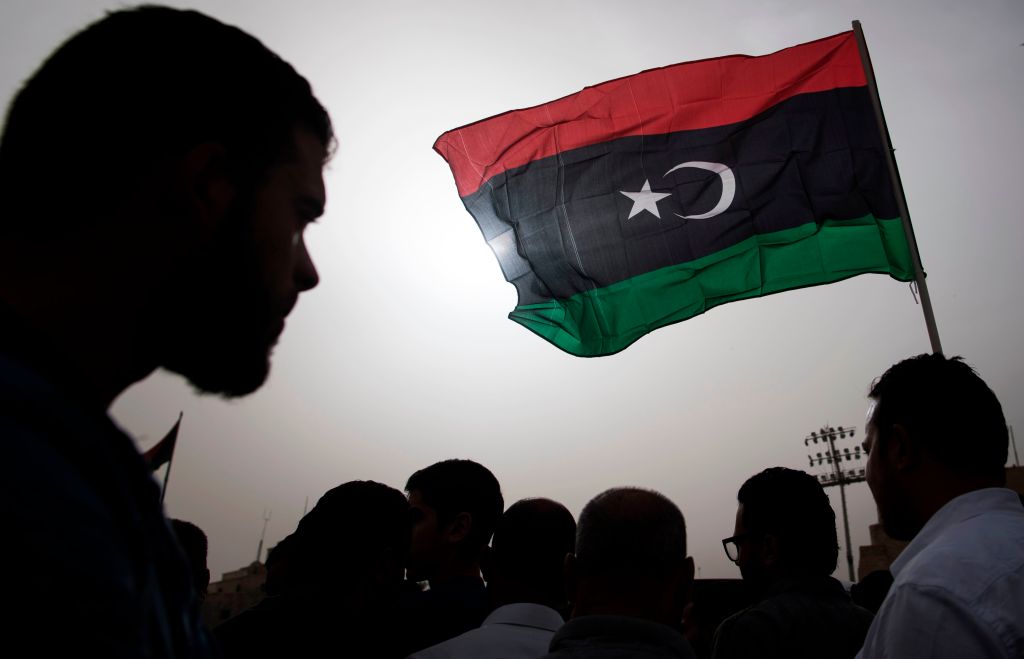
Seized Russian-printed dinars highlight an opportunity to reform Libya’s civil war economy
The Nov. 1 seizure by Malta of two 2000-cubic-foot containers full of Libyan currency printed by the Russian state printer, Goznak, that was intended for delivery to Libya’s non-internationally recognized eastern government, highlights the continuing importance of the economic aspects of Libya’s ongoing civil war.
With the fall of the Berlin Wall 30 years ago, ties between Western and Eastern Europe were renewed. In the same period, another wall crumbled — between the Middle East and the former Soviet states. And yet, to this day, U.S. national security institutions continue to view these two regions through a Cold War lens, separating how they are handled. This approach needs to change; integrating research and policy toward the Middle East and the bordering states of the former Soviet Union would improve analytical understanding and help identify new policy options.
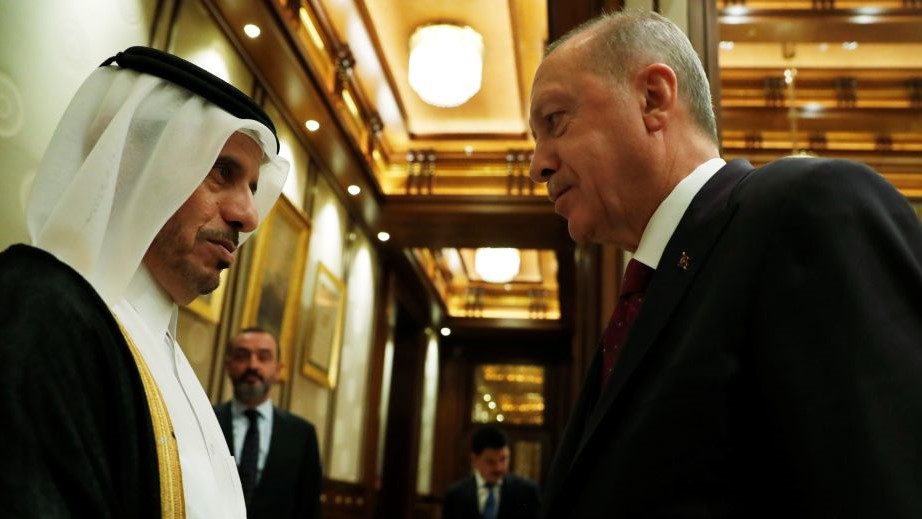
On Nov. 4 Daily Sabah, a strongly pro-government English-language daily in Turkey, published a scathing editorial with a title that says it all: “Al Jazeera English: A threat against the Turkey-Qatar alliance.” According to the editorial, Al Jazeera English slandered Turkey over its recent military incursion into northern Syria, and thus jeopardized the future of the Turkey-Qatar alliance. Given the close relationship between the Turkish government and Daily Sabah — and indeed the broader media environment in Turkey — it is highly unlikely that such a fiery editorial, which directly threatens Qatar, would have been published without a green light from “the palace.”
Transnational Shi’ism in Southern China and the Party-state’s “Hawza” Diplomacy
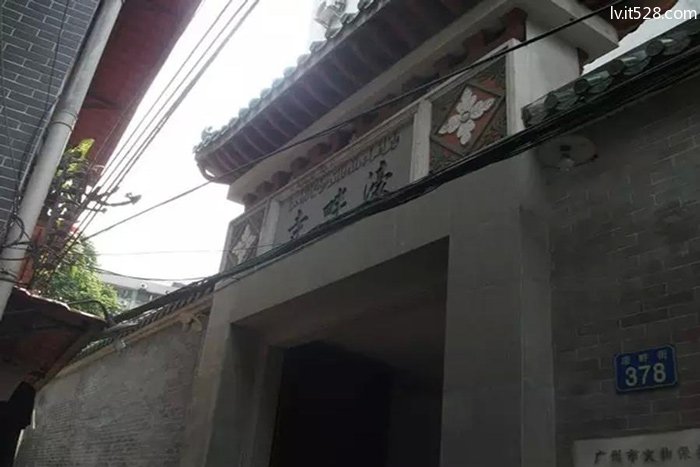
This article seeks to transcend the Sunni-centered narratives that often inform the discussions on Islamicate interactions with China. Following a cursory historical view of Shi’ism’s influences on Chinese expressions of Islam, the article presents a rough sketch of the contemporary transnational Shi’ite communities that have emerged over the past few decades in southern China, most notably those of Guangzhou (Guangdong) and Yiwu (Zhejiang). It then considers the simultaneous and closely-linked phenomenon, dubbed “hawza diplomacy,” of the Chinese party-state’s growing engagement with the custodial authorities of the Shi’ite shrines of Iraq.
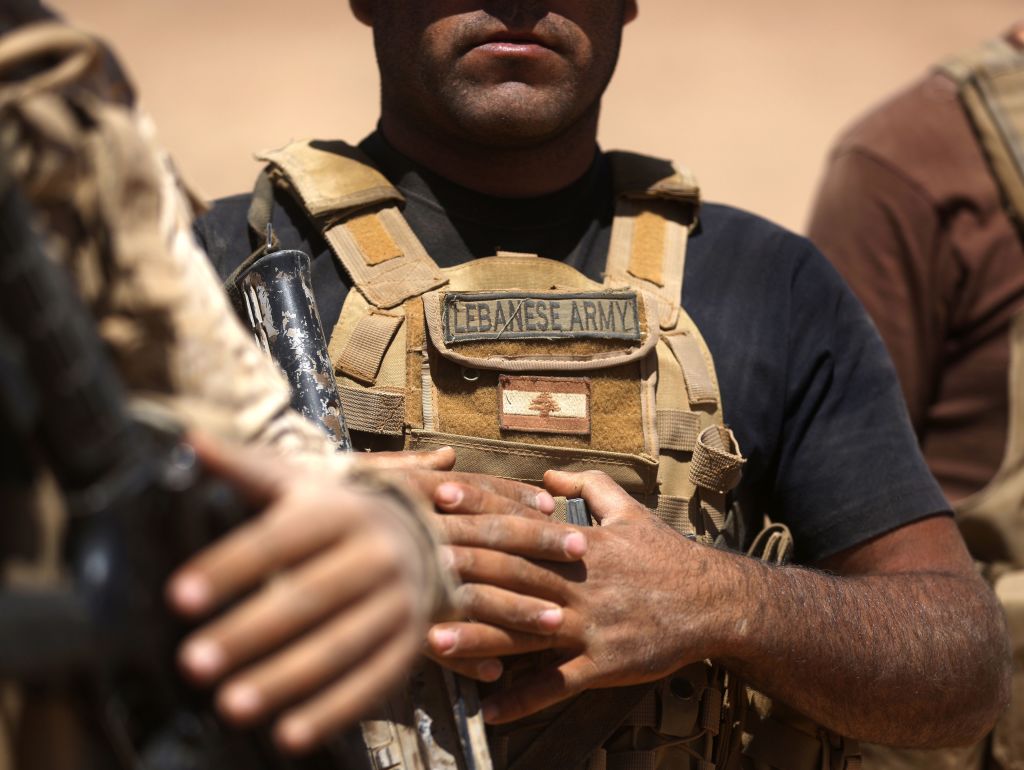
Washington Should Back, Not Punish, the Lebanese Military
With ongoing protests, potential sectarian clashes, and threats of terrorism in the region looming, the country’s armed forces need propping up now more than ever.
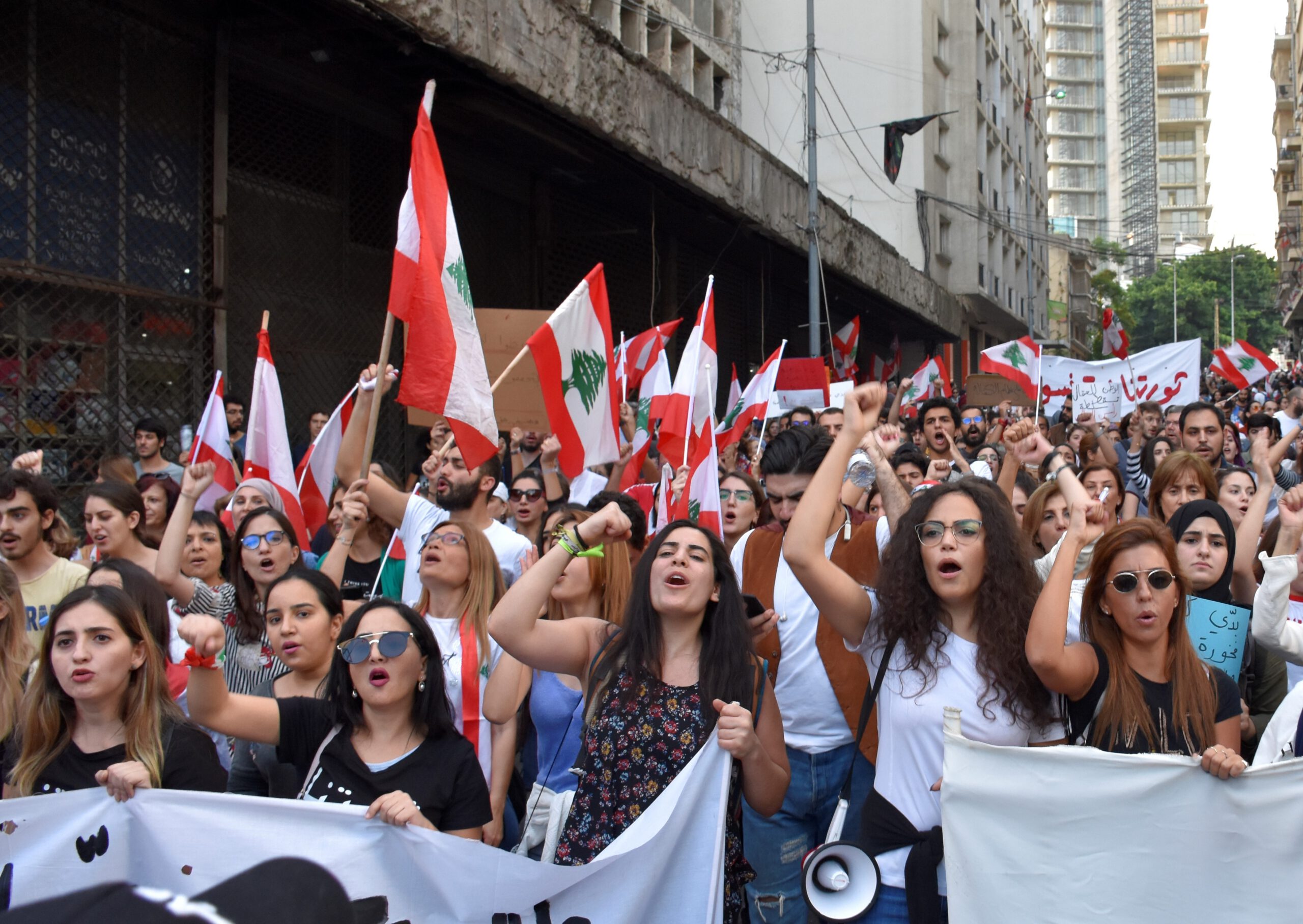
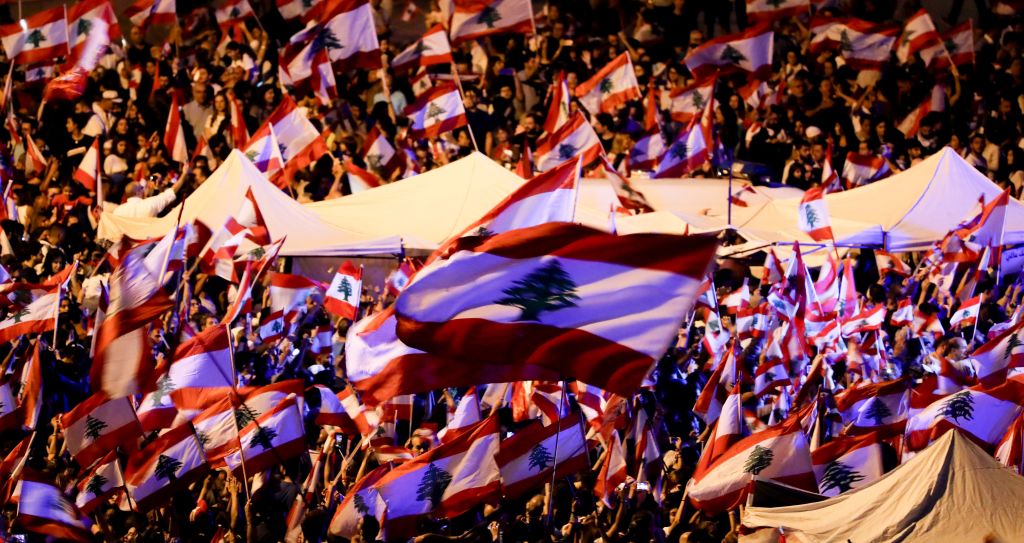
Women and women’s rights are central to Lebanon’s protest movement
On Oct. 29, Prime Minister Saad Hariri submitted his resignation and that of the government, a move that has been hailed as an important victory for the protestors who have taken to the streets across the country for nearly three weeks now. Heralded as al-thawra, or revolution in Arabic, Lebanon is witnessing the rise of an inclusive, decentralized, and grassroots movement that transcends geography, sect, and traditional loyalties to political dynasties and parties.
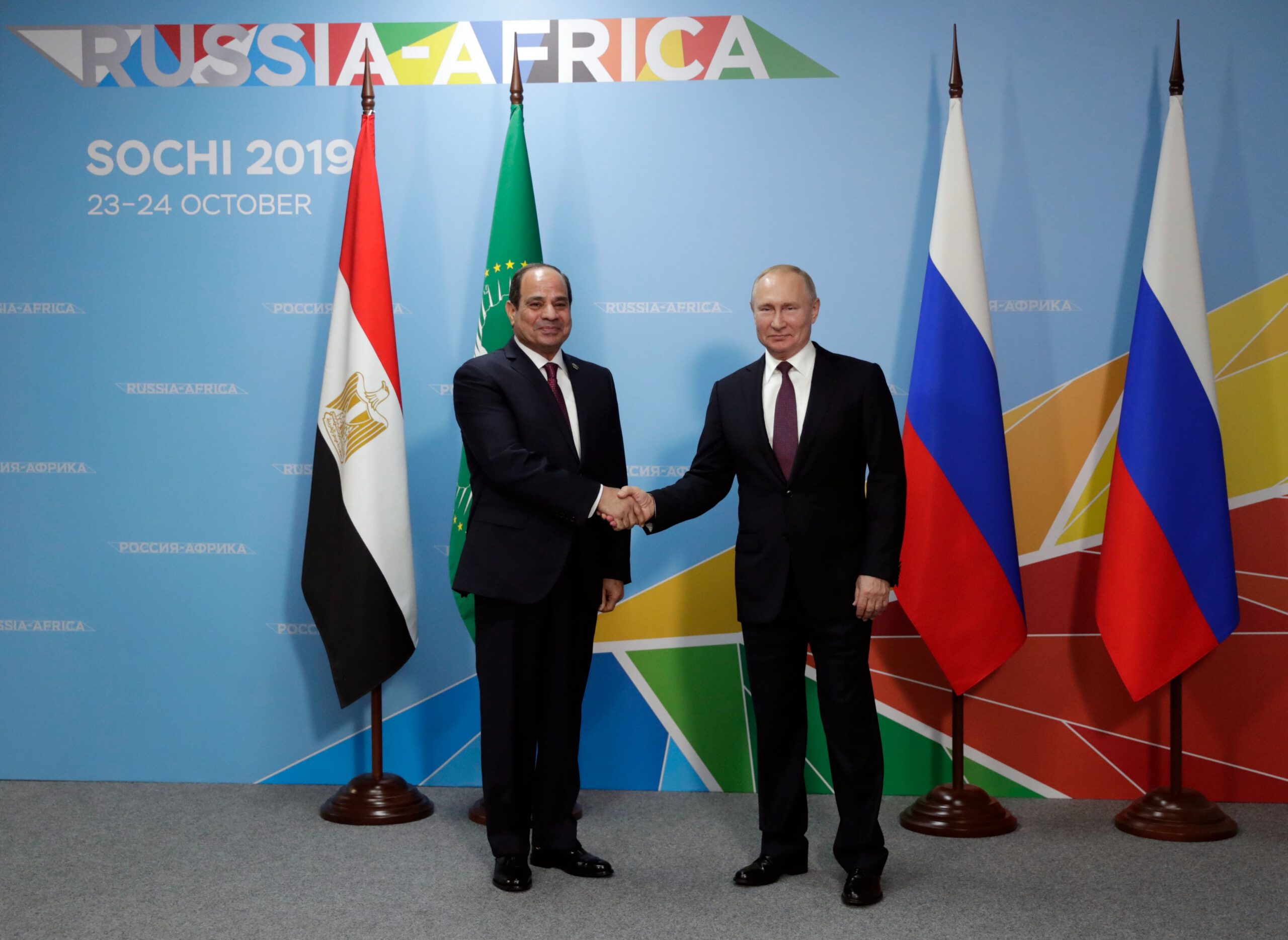
On Oct. 23-24, Russian President Vladimir Putin co-chaired the Russia-Africa Economic Forum in Sochi with his Egyptian counterpart Abdel-Fattah el-Sisi. At the conclusion of the summit, which brought 43 African heads of state to the Black Sea resort town, Sisi emphasized the importance of strengthening Egypt’s partnership with Russia, and Putin described Egypt as a “pillar for security and stability in the Middle East and Africa.”
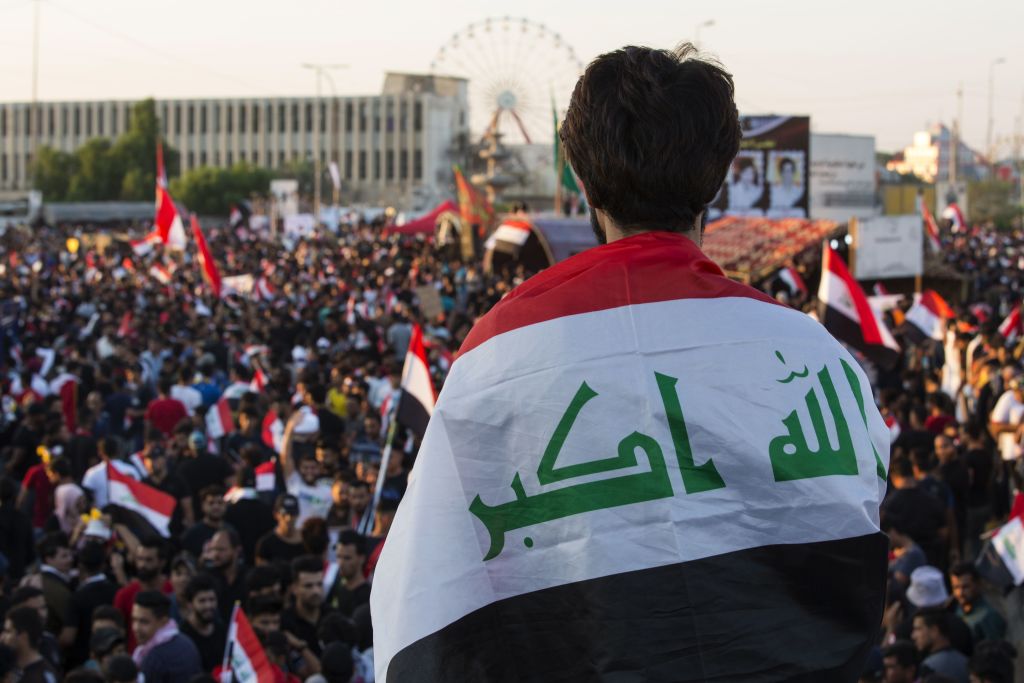
Iraq: Protests and violence continue amid a deepening political crisis
Iranian mediation might bring the two big political blocs to an agreement on a new government, but the protest movement demands only new, clean faces and won’t readily accept another cabinet drawn from discredited political blocs.
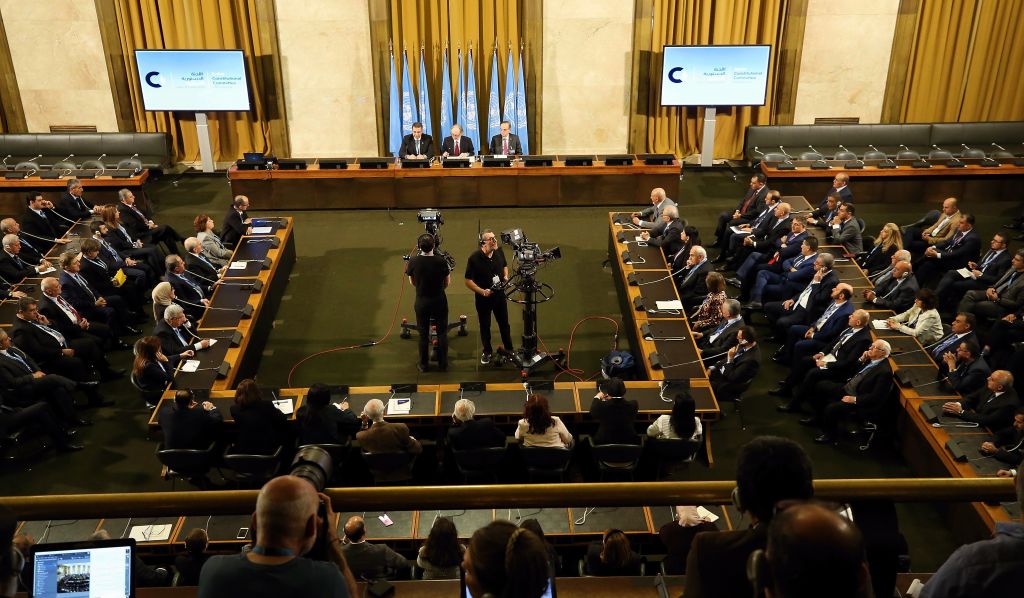
Syria: The most important issues are not yet on the table in Geneva
If the Syrian Constitutional Committee does not address the oppressive security and military apparatus, which are the primary root causes of the Syrian crisis, then its work will not actually effect change in Syria — and so far, reforms of those two sectors are not yet on the table.
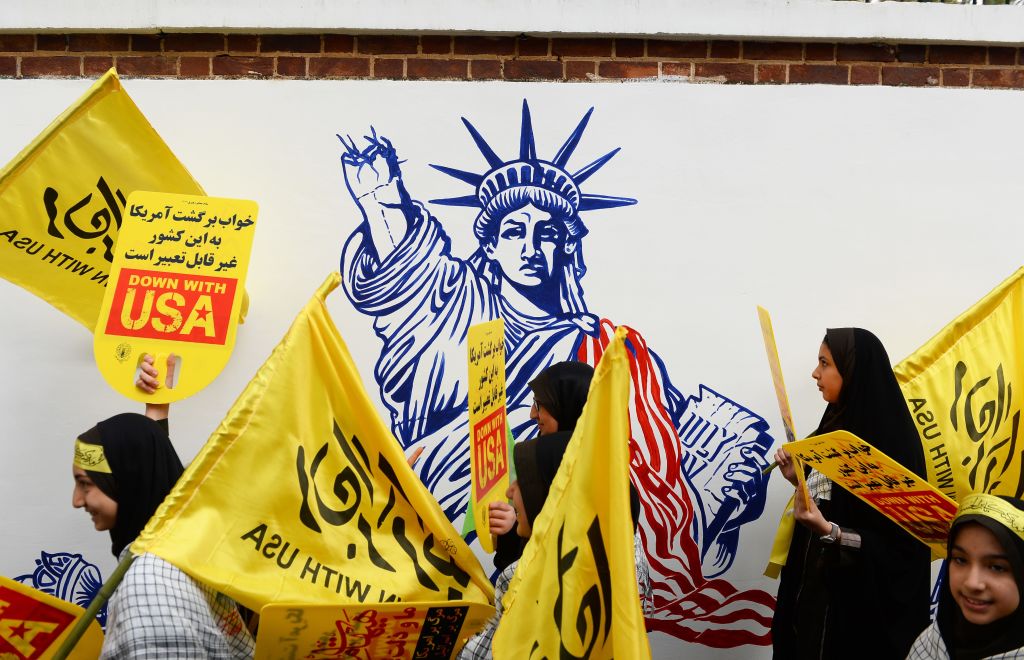
40 years on from the moment that forever changed US-Iranian relations
Taking the American diplomats hostage for 444 days consolidated the Iranian revolution around the Khomeinists, but very few people in Tehran today will deny that it came at the great expense of isolating Iran internationally for the past 40 years.
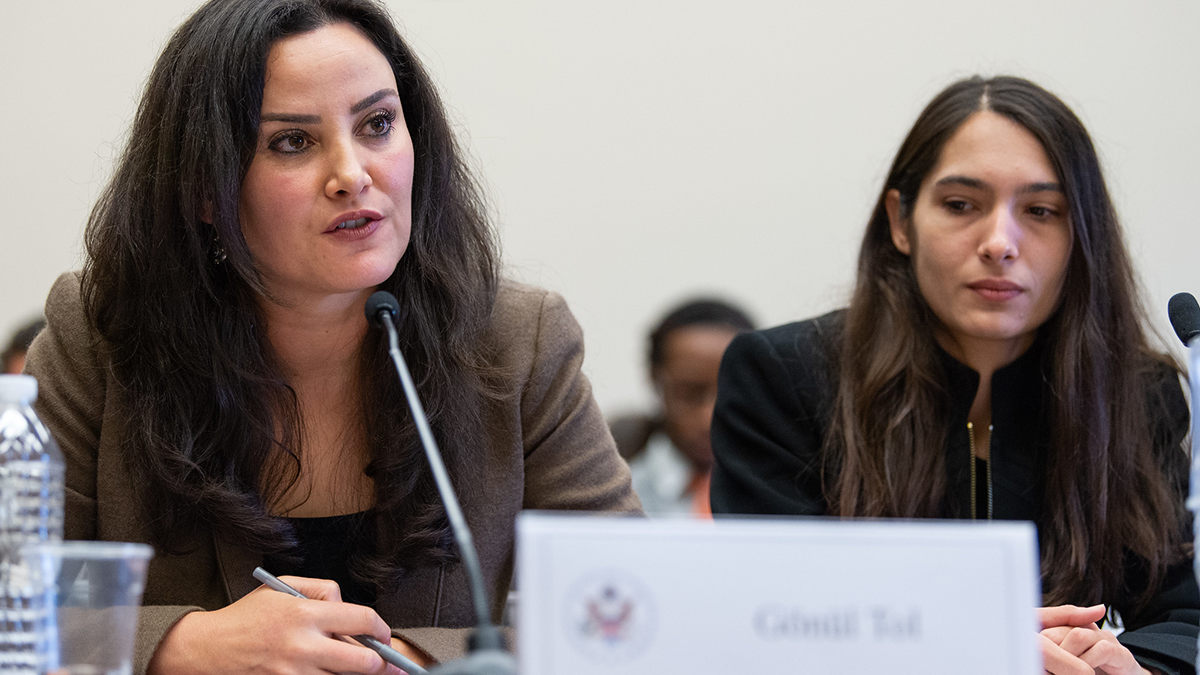
Testimony: The Human Toll of Turkey’s Policy at Home and Abroad
The following testimony was delivered before the U.S. Helsinki Commission at a hearing titled, “At What Cost: The Human Toll of Turkey’s Policy at Home and Abroad,” on October 31, 2019.
Sectarian-based conflicts — or at any rate, spasms of intercommunal violence characterized as such — are certainly not new. Nor is Iraq or, for that matter, the Middle East as a whole, the only locus of conflict depicted as being sectarian in nature, as the disturbing events in Burma/Myanmar, as well as in the Central African Repubic (CAR) and Nigeria clearly illustrate. With increasing frequency, media accounts of the civil war in Syria describe it in sectarian terms and report that the violence there has inflamed “sectarian tension” throughout the Gulf and beyond.
The oldest peer-reviewed publication dedicated to the study of the modern Middle East, MEI’s flagship journal covers politics, society, and culture in the region.