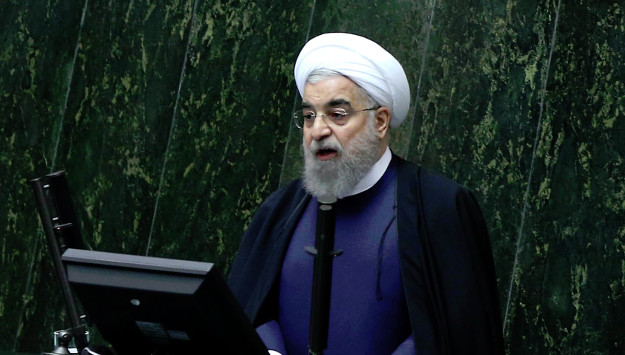
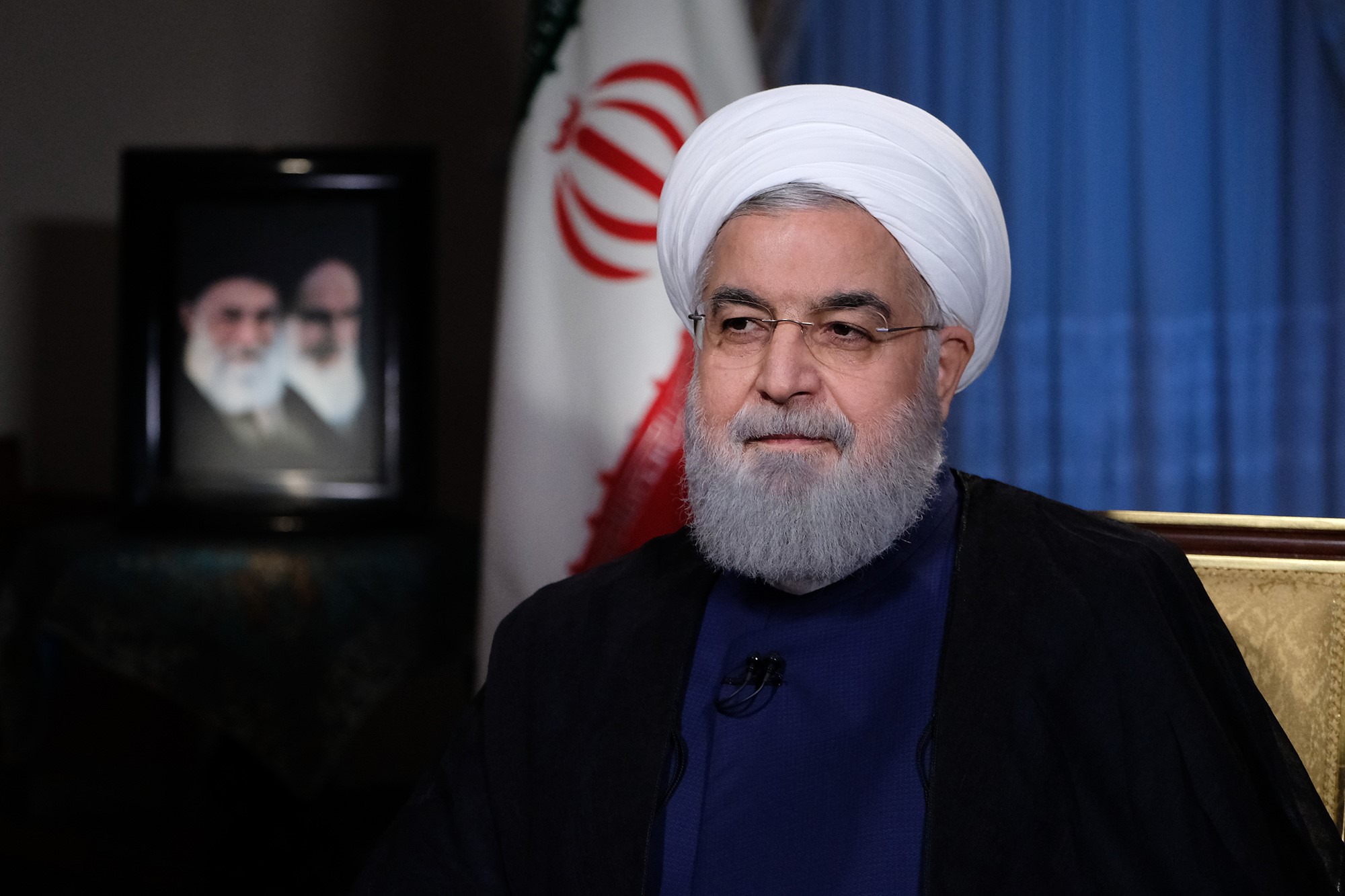
Washington says it doesn’t know who runs Iran. Tehran insists its leadership is united. MEI Senior Fellow Alex Vatanka joins hosts Alistair Taylor and Matthew Czekaj to sort out where the truth lies. They look at the small circle of political and military figures now steering the war effort in Tehran: who they are, how they make decisions, and how unified they really are. They also discuss the current state of US-Iran negotiations, the role of the upcoming midterm elections in the United States, and how the Islamic Republic is preparing for a potential renewal of conflict afterward.
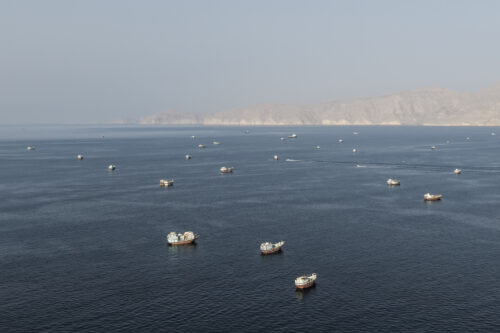
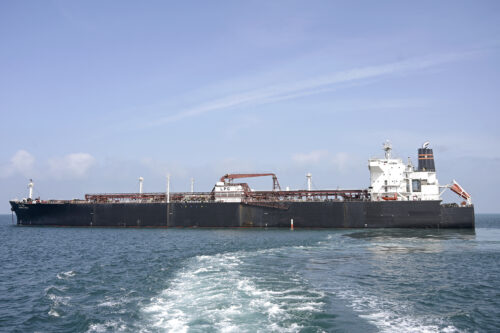
Crude oil is flowing out of the Gulf again, but the market is no better prepared for another disruption in the Strait of Hormuz. It has assembled a temporary system for managing one. Crude exports from the Gulf, excluding Iran, returned to pre-war levels in September, while total Gulf shipments reached 15.5 million barrels a day, more than 80% of the pre-conflict volume.
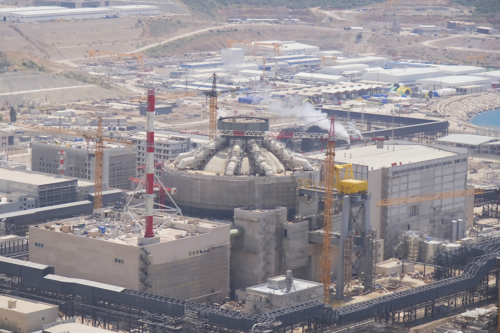
As a result of the Iran war, Turkish thinking about nuclear weapons appears to be shifting. Iran’s emergent ability to threaten regional states (and possible determination to acquire a nuclear weapon itself), growing concern about Israeli aggressiveness, doubts about US security guarantees, and greater Saudi nuclear autonomy are all pushing Ankara to consider a future nuclear option.
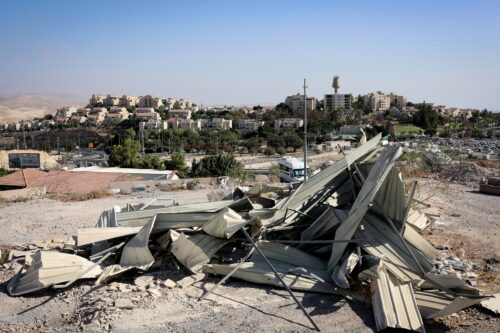
Since 1967, Israeli settlements in the West Bank have been a contested feature of the Israeli-Palestinian conflict. The ultimate disposition of the settlements and ongoing activity related to their growth have repeatedly defied agreement in negotiations over a resolution to the conflict.
The Houthis are a political-military faction and Zaydi religious movement founded in northwestern Yemen in the 1980s. A key member of Iran’s Axis of Resistance with links to other militant organizations in the Arabian Peninsula and the Horn of Africa, the group has continued to pose a threat to Western interests on a global scale.
The India-Middle East-Europe Economic Corridor (IMEC) is a proposed multinational infrastructure initiative aimed at upgrading connectivity between the three regions through integrated trade, energy, and digital networks. Announced at the G20 summit in New Delhi in September 2023, IMEC is envisioned partially as a counterweight to China’s international infrastructure project, the Belt and Road Initiative.
After a decade of post-Arab Spring isolation, Turkey’s leaders have recognized that their ambition to position the country as an agenda-setter on the world stage requires active engagement in all directions. President Recep Tayyip Erdoğan’s consolidation of executive authority has centralized foreign policy decision-making and tied it to his domestic political priorities, transforming the country’s revisionist approach to one shaped primarily by personal and pragmatic interests.
MEI Senior Fellow Brian Katulis engages friends, colleagues, and policy experts in casual conversations on the most important happenings in the Middle East.
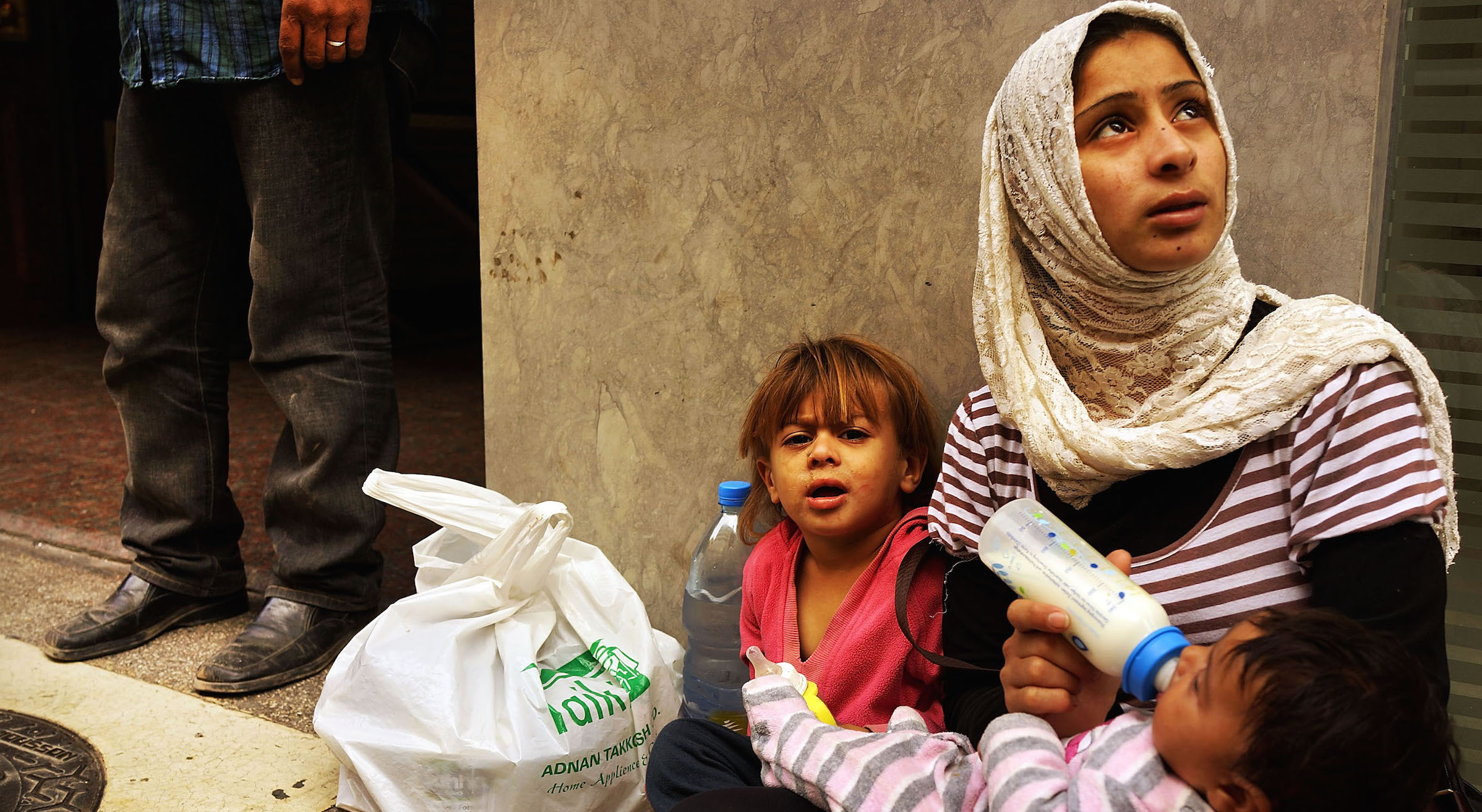
Syria's war economy exacerbates divide between rich and poor
Now that armed conflict has ended in most provinces, the war is no longer an excuse for Syria’s growing wealth divide, and discontent is on the rise in government-controlled areas.
New Iran sanctions: U.S. goals, E.U. countermeasures, and Tehran’s reactions
On November 5, the Trump administration re-imposed the full scope of U.S. sanctions on Iran, nearly six months after it unilaterally withdrew from the 2015 nuclear accord, also known as the Joint Comprehensive Plan of Action (JCPOA). The stringent sanctions target Iran’s energy, shipping and banking sectors and make it difficult, if not impossible, for foreign companies to continue to do business with the Islamic Republic. The Treasury Department reinstated all sanctions removed under the JCPOA, and blacklisted 300 new entities and individuals, in what the Treasury called it the “largest ever single-day action targeting the Iranian regime.”
Who are the “Conservatives”? The Rise of Anti-Pluralist Dissidents in Nahdlatul Ulama (NU)
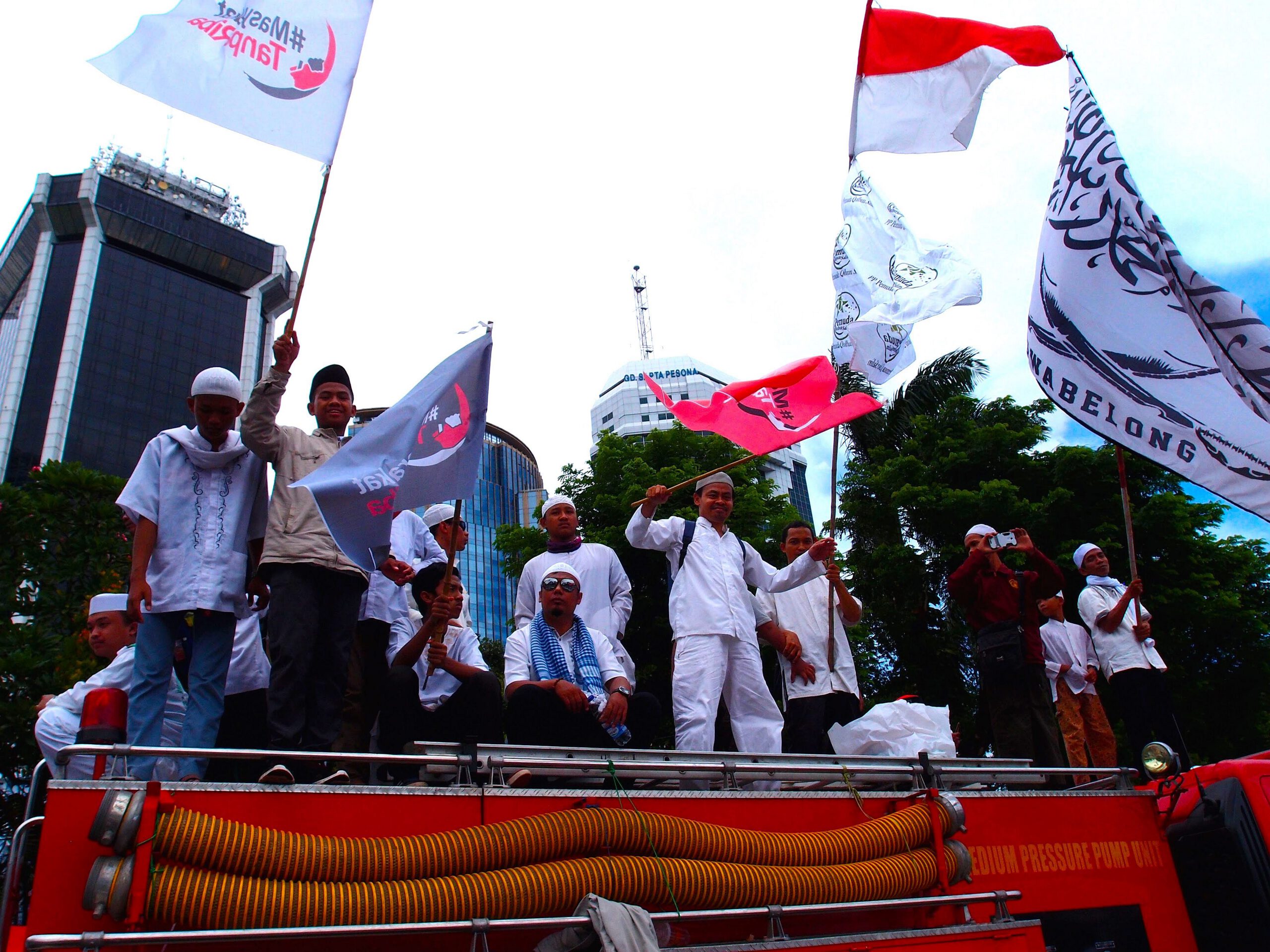
There is a certain established image of Nahdlatul Ulama (NU), Indonesia’s largest Islamic organization, as representing “moderate” Islam. However, recent events in local and national Indonesian politics have severely undermined this image. In fact, NU conservatives are gaining popularity both through traditional propagation activities (dakwah) and via online media. This article explores the trajectories of NU’s anti-pluralist dissidents.
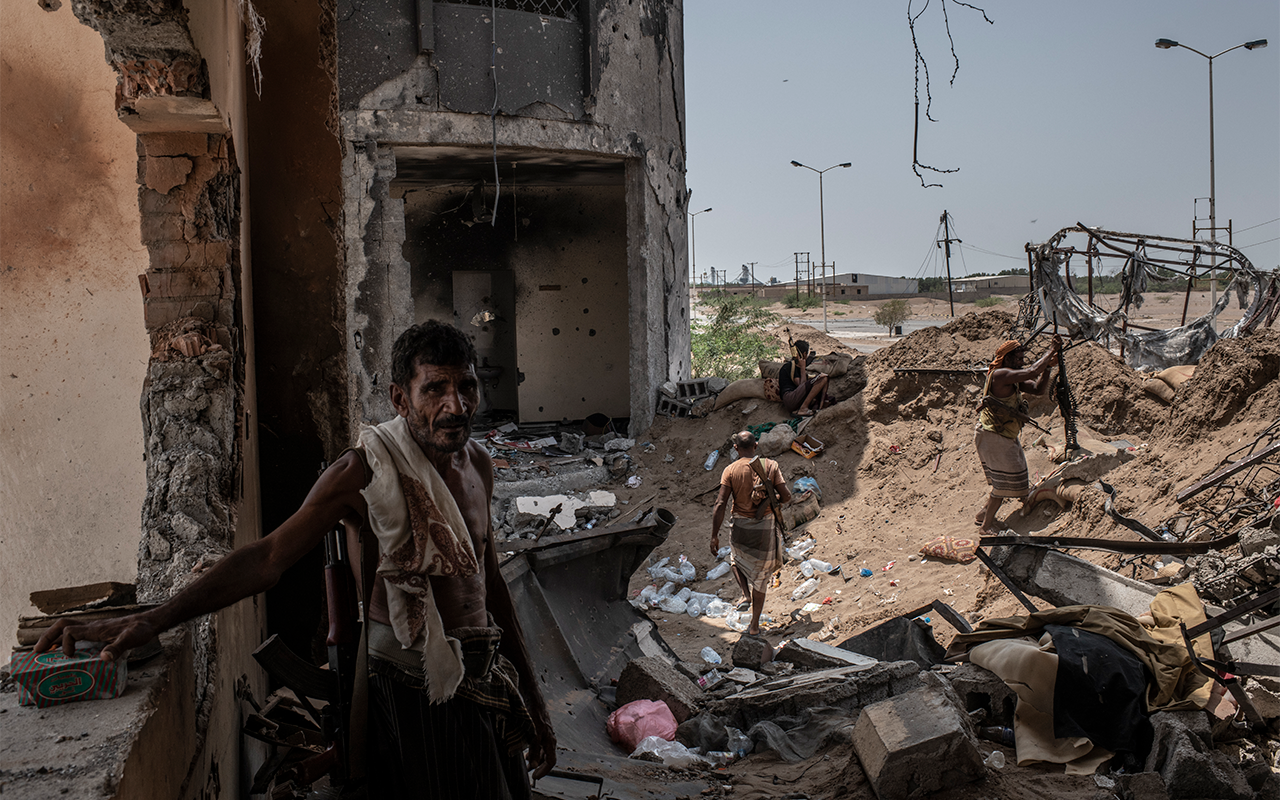
In this week’s Monday Briefing, MEI experts discuss recent and upcoming events including the ongoing conflict in Yemen, the potential impact of the midterm elections on US Middle East policy, U.S.-Turkey rapprochement, escalating tensions in northern Syria, the upcoming Palermo conference on Libya, and the potential for political fallout in Pakistan and peace talks in Afghanistan.
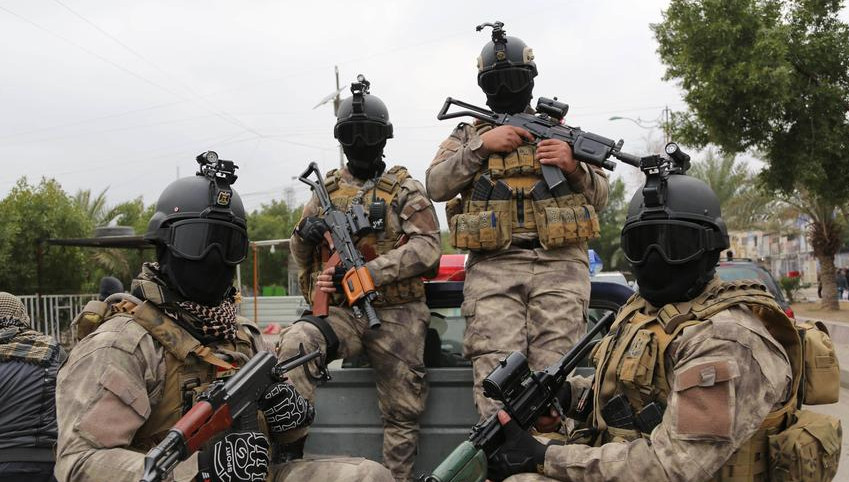
Iraq’s Imam Ali Brigade militiamen vow to fight in Yemen next
In a recent video circulating on Iraqi social media, a man appears to be showing off rows of militiamen in the background as they conduct combat drills. He begins by giving an overhead view of several fighters of the Imam Ali Brigade, an Iranian-supported militia group within Iraq’s Popular Mobilization Force (PMF), marching in formation as they receive training. Before concluding the clip, he declares “Ila al-Yaman Insha’llah” (to Yemen, God willing).
The cross-currents shaping Washington’s Iranian oil policy
Although the Trump administration has said it will issue temporary waivers to some major importers of Iranian oil, further declines in Iran’s exports are likely after sanctions come into effect on Nov. 4.
MEI’s Alex Vatanka and Jean-Francois Seznec join host Paul Salem to discuss the impact of incoming U.S. sanctions on Iranian energy exports on Iran’s economy, the Gulf, and energy markets in general.
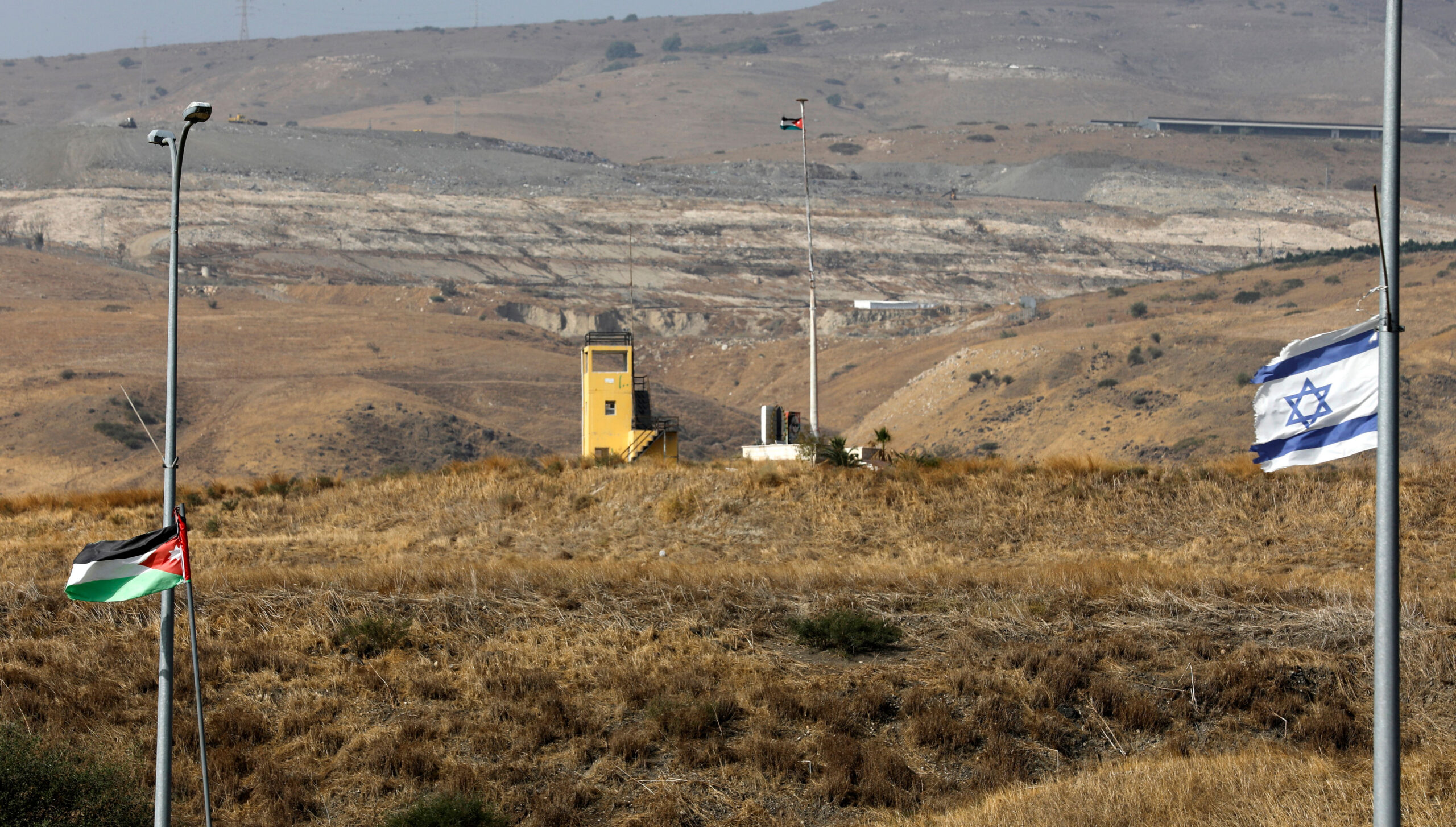
Challenging the cold peace: Jordan’s cancellation of the land lease
King Abdullah’s decision to cancel a 25 year land lease to Israel is likely to exacerbate long-simmering tensions between the two nations and challenge the cold peace that has been in place since 1994.
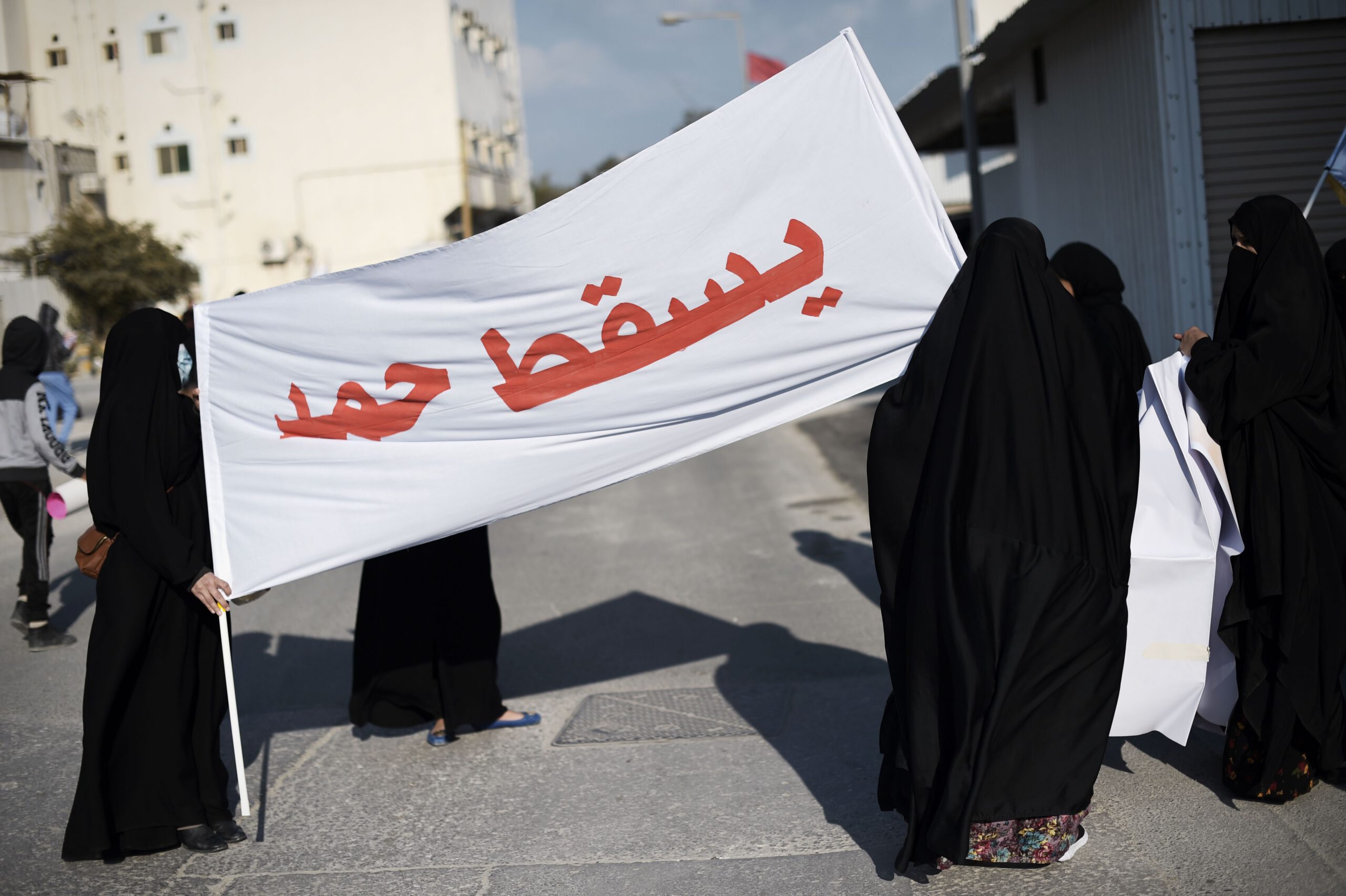
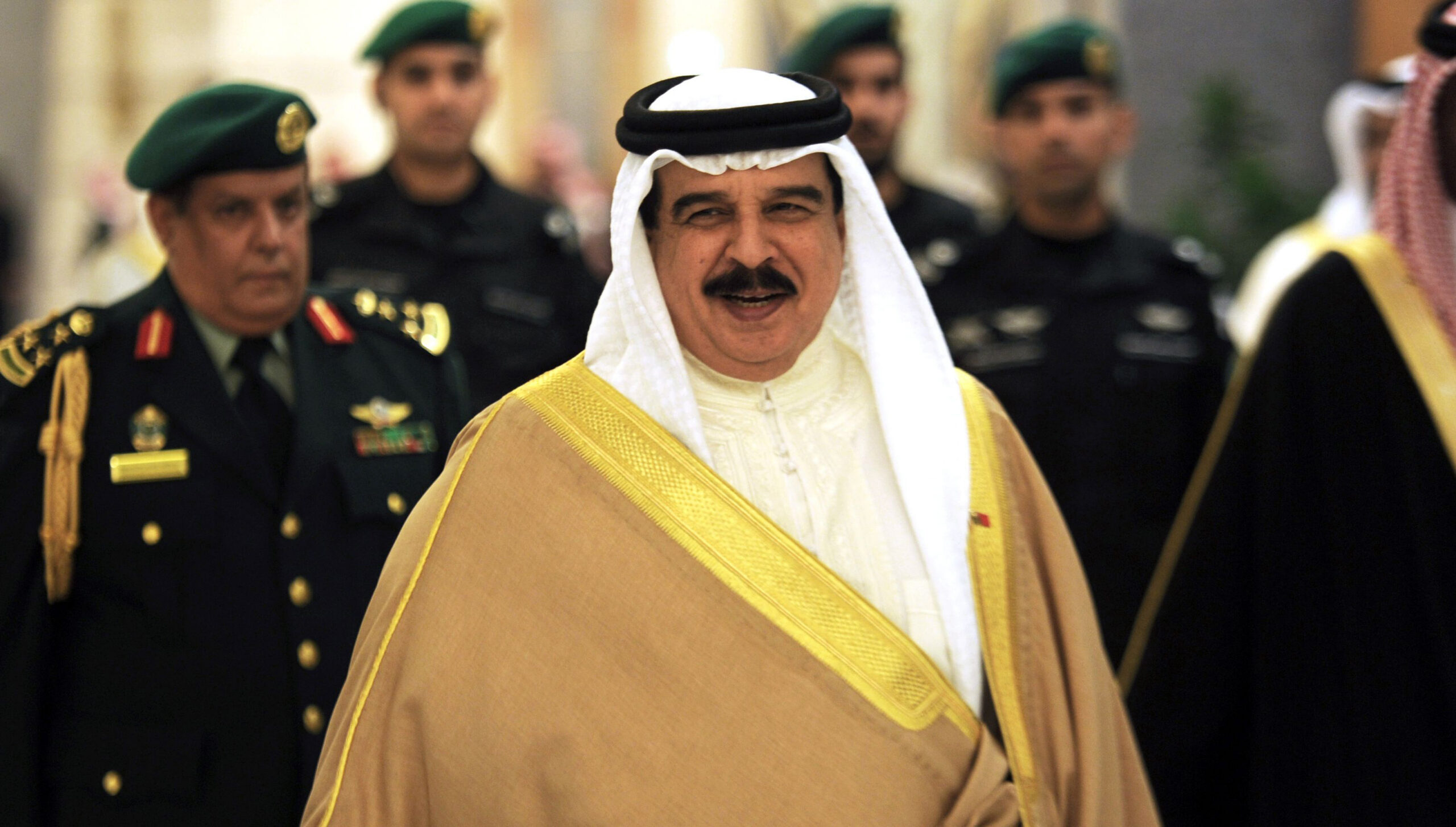
The GCC aid package for Bahrain illustrates how massive capital flows underlie the contentious politics and strategic alliances within the Gulf and broader Middle East.
Trajectories of Political Salafism: Insights from the Ahle Hadith Movement in Pakistan and Bangladesh
The recent research on Salafism has focused almost entirely on the Middle East, while neglecting other world regions, such as Asia. However, the region of former British India, and, especially, the Islamic Republic of Pakistan and the People’s Republic of Bangladesh that emerged from the partition of India in 1947 and 1971, respectively, provide highly interesting insights into the trajectories that the development of political Salafism can take. In this region, the Ahle Hadith school of thought, the South Asian variant of Salafism, has a tradition of political activism that predates the emergence of political Salafism in the Middle East.
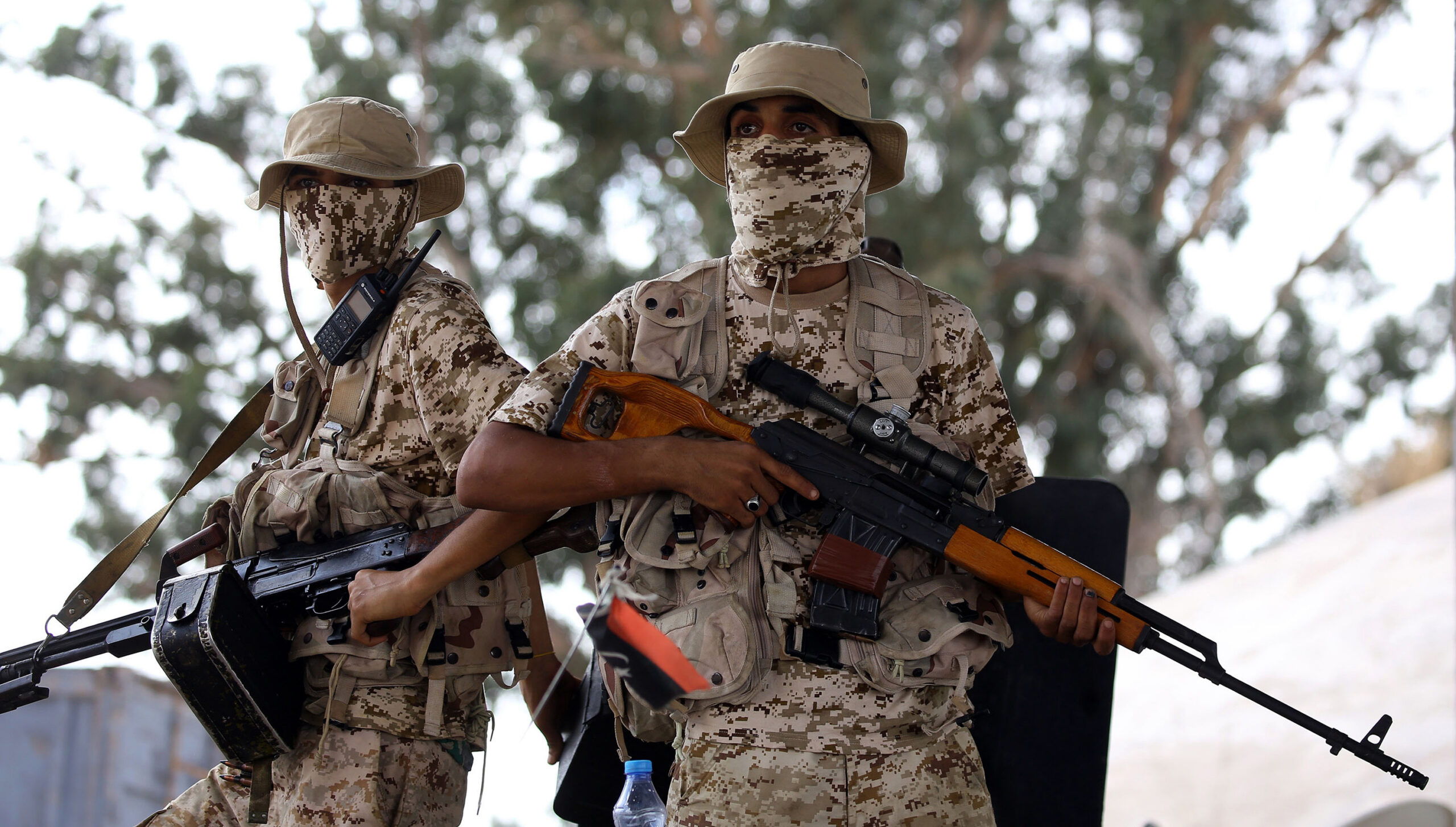
The UN’s “Plan B” for Libya needs a security solution, too
The UN has undertaken a series of steps to push Libya beyond the uneasy stability imposed by the militias. Together with Plan B, an economic-military-political package could provide the means to do so.
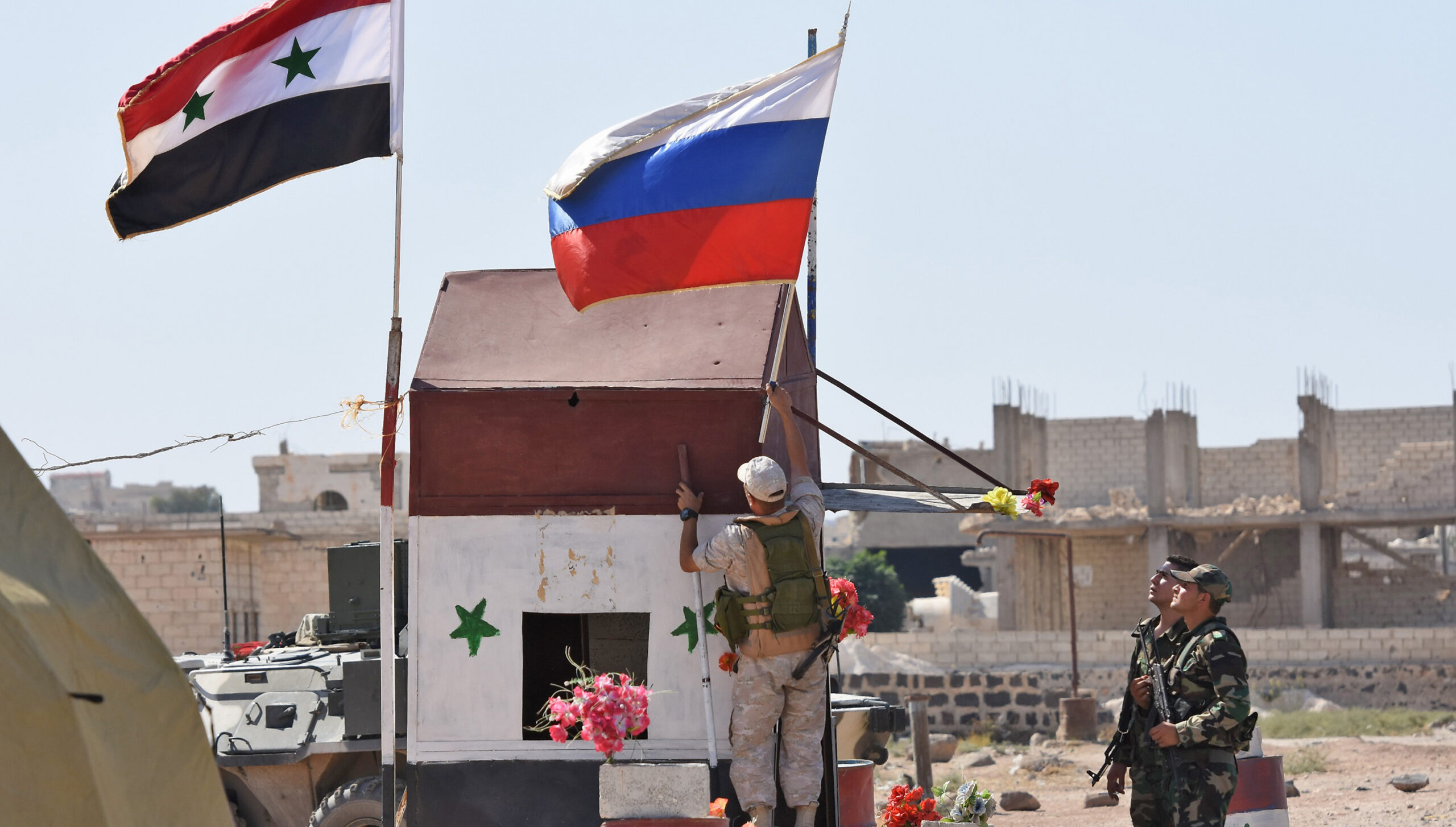
The Tiger Forces: Pro-Assad fighters backed by Russia
The Tiger Forces is a Syrian Air Intelligence-affiliated militia fighting for the Syrian government and backed by Russia. While often described as the Syrian government’s elite fighting force, this research portrays a starkly different picture. The Tiger Forces are the largest single fighting force on the Syrian battlefield, with approximately 24 groups comprised of some 4,000 offensive infantry units as well as a dedicated artillery regiment and armor unit of unknown size. Beyond these fighters are thousands of additional so-called flex units, affiliated militiamen who remain largely garrisoned in their hometowns along the north Hama and Homs borders until called on to join offensives as needed.
In this week’s Monday Briefing, MEI experts Alex Vatanka, Marvin G. Weinbaum, and Charles Lister provide analysis on recent and upcoming events including Iran’s decision to sell its oil in the private sector, the prime minister of Pakistan’s search for foreign aid, and the Syrian summit in Istanbul.
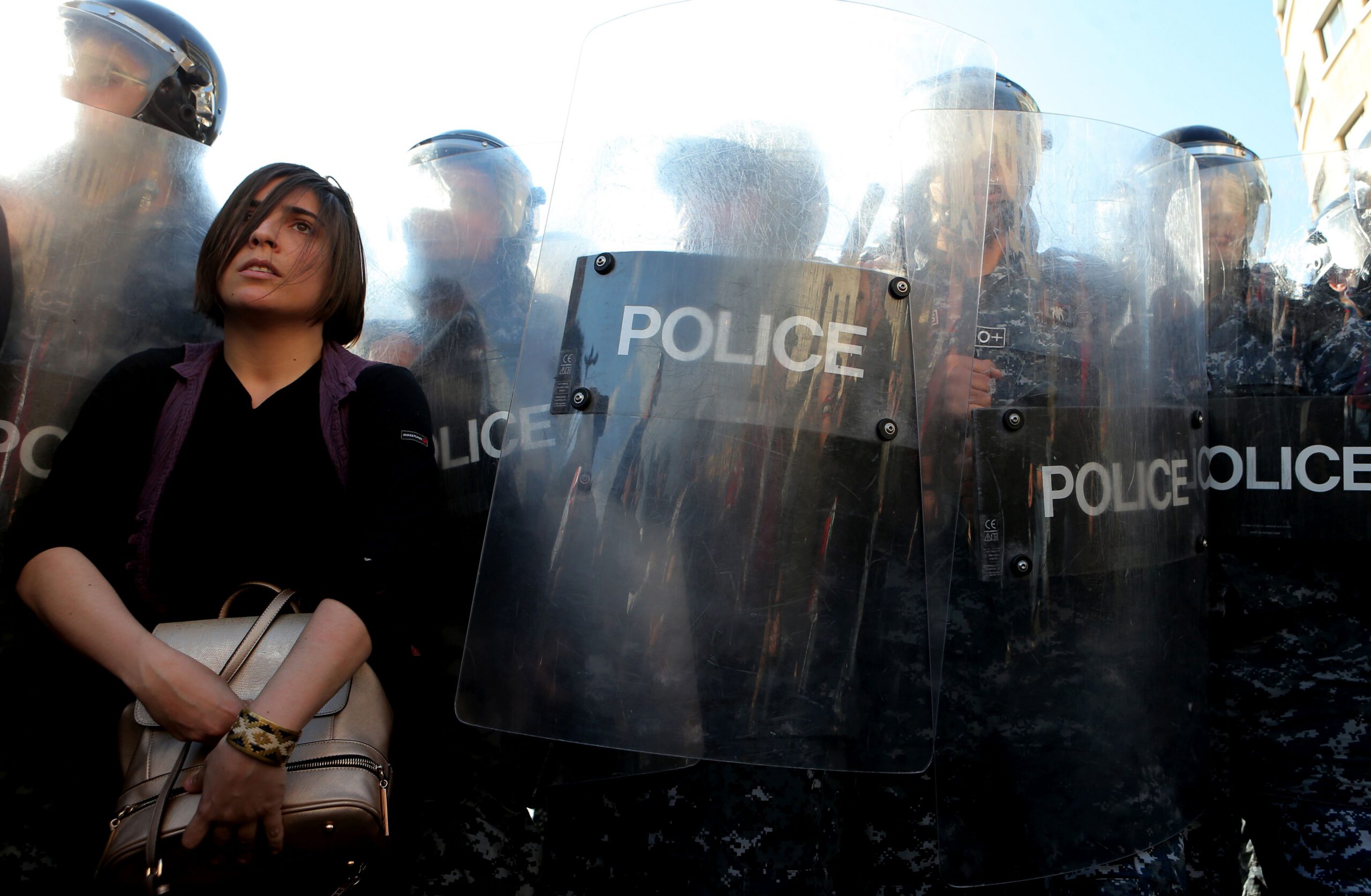
This article discusses the fundamental shortcomings of US and UK-promoted police reform in Lebanon. First, it presents two separate community policing projects implemented in Lebanon supported by the United States and Britain. Then, drawing on recent experiences with community policing in the United States, it argues how, why and to what extent these projects in Lebanon are not contributing to human security, but rather increasing the insecurity of local communities.
The oldest peer-reviewed publication dedicated to the study of the modern Middle East, MEI’s flagship journal covers politics, society, and culture in the region.