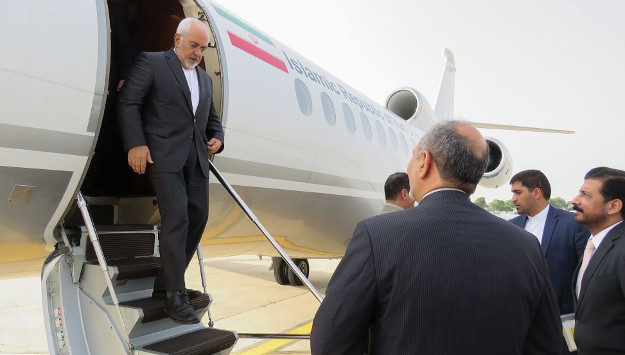
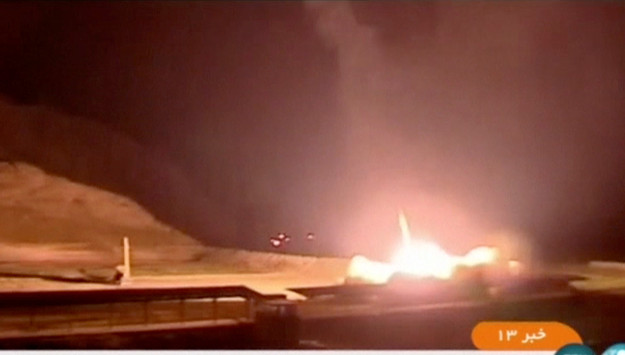
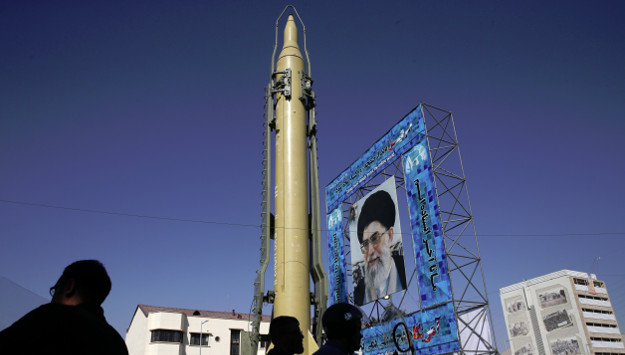
Washington says it doesn’t know who runs Iran. Tehran insists its leadership is united. MEI Senior Fellow Alex Vatanka joins hosts Alistair Taylor and Matthew Czekaj to sort out where the truth lies. They look at the small circle of political and military figures now steering the war effort in Tehran: who they are, how they make decisions, and how unified they really are. They also discuss the current state of US-Iran negotiations, the role of the upcoming midterm elections in the United States, and how the Islamic Republic is preparing for a potential renewal of conflict afterward.
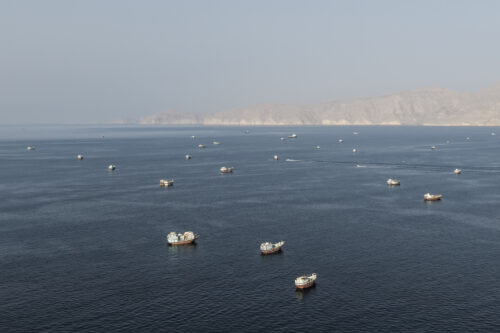
Crude oil is flowing out of the Gulf again, but the market is no better prepared for another disruption in the Strait of Hormuz. It has assembled a temporary system for managing one. Crude exports from the Gulf, excluding Iran, returned to pre-war levels in September, while total Gulf shipments reached 15.5 million barrels a day, more than 80% of the pre-conflict volume.
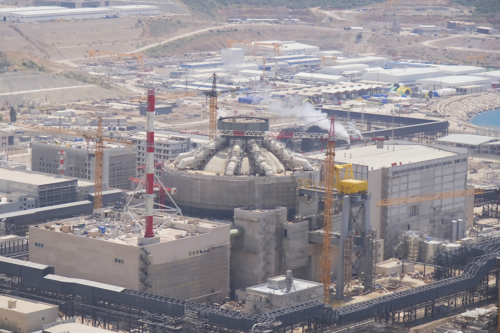
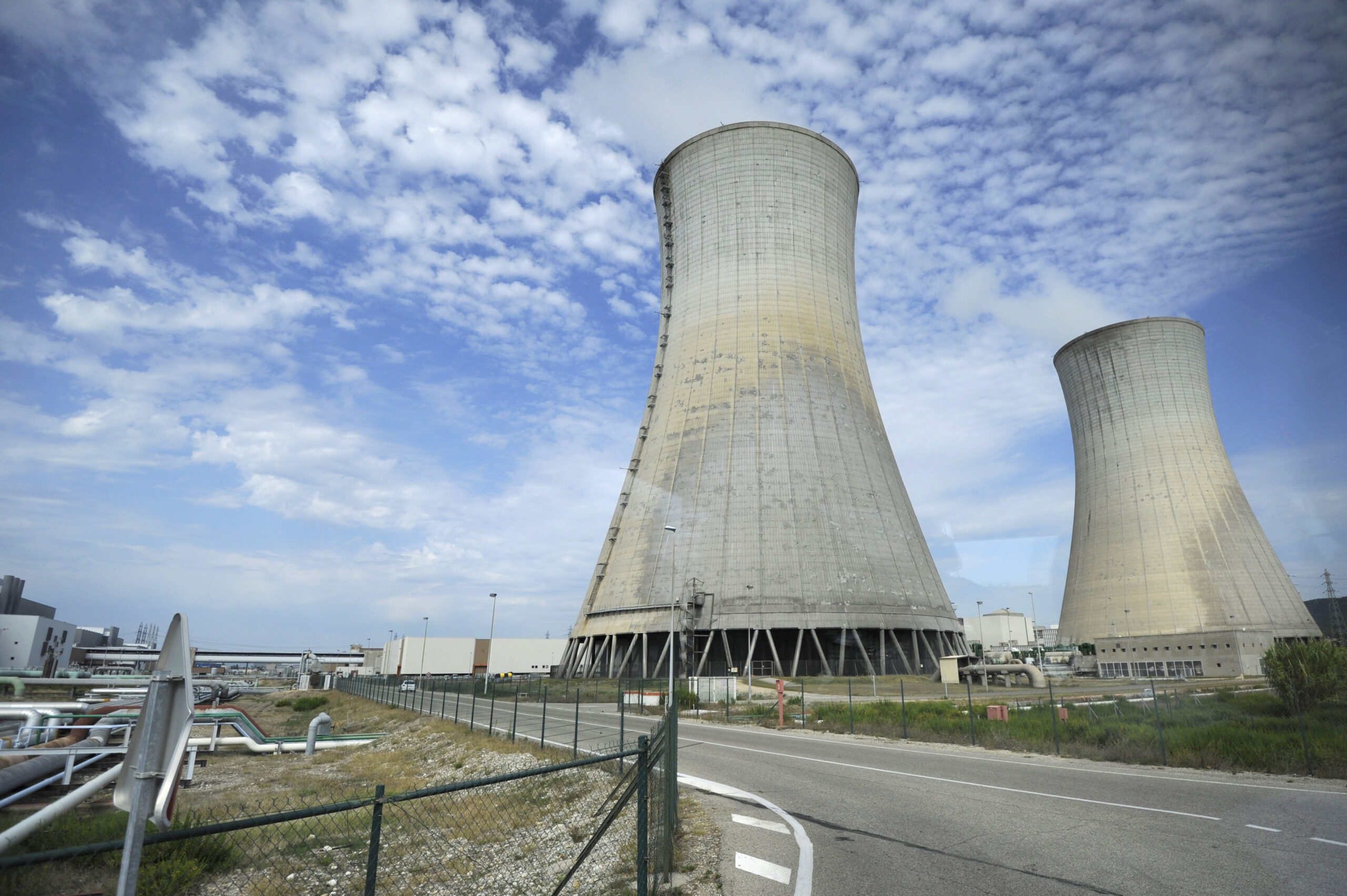
As a result of the Iran war, Turkish thinking about nuclear weapons appears to be shifting. Iran’s emergent ability to threaten regional states (and possible determination to acquire a nuclear weapon itself), growing concern about Israeli aggressiveness, doubts about US security guarantees, and greater Saudi nuclear autonomy are all pushing Ankara to consider a future nuclear option.
Since 1967, Israeli settlements in the West Bank have been a contested feature of the Israeli-Palestinian conflict. The ultimate disposition of the settlements and ongoing activity related to their growth have repeatedly defied agreement in negotiations over a resolution to the conflict.
The Houthis are a political-military faction and Zaydi religious movement founded in northwestern Yemen in the 1980s. A key member of Iran’s Axis of Resistance with links to other militant organizations in the Arabian Peninsula and the Horn of Africa, the group has continued to pose a threat to Western interests on a global scale.
The India-Middle East-Europe Economic Corridor (IMEC) is a proposed multinational infrastructure initiative aimed at upgrading connectivity between the three regions through integrated trade, energy, and digital networks. Announced at the G20 summit in New Delhi in September 2023, IMEC is envisioned partially as a counterweight to China’s international infrastructure project, the Belt and Road Initiative.
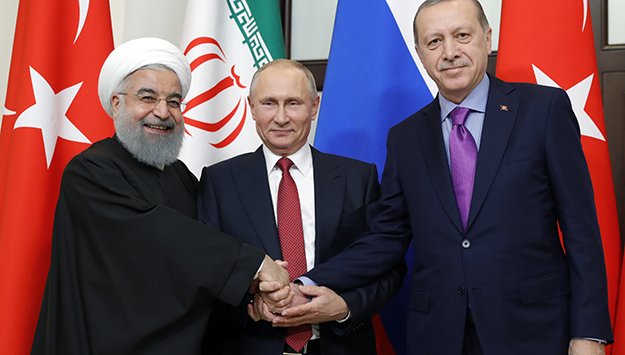
After a decade of post-Arab Spring isolation, Turkey’s leaders have recognized that their ambition to position the country as an agenda-setter on the world stage requires active engagement in all directions. President Recep Tayyip Erdoğan’s consolidation of executive authority has centralized foreign policy decision-making and tied it to his domestic political priorities, transforming the country’s revisionist approach to one shaped primarily by personal and pragmatic interests.
MEI Senior Fellow Brian Katulis engages friends, colleagues, and policy experts in casual conversations on the most important happenings in the Middle East.
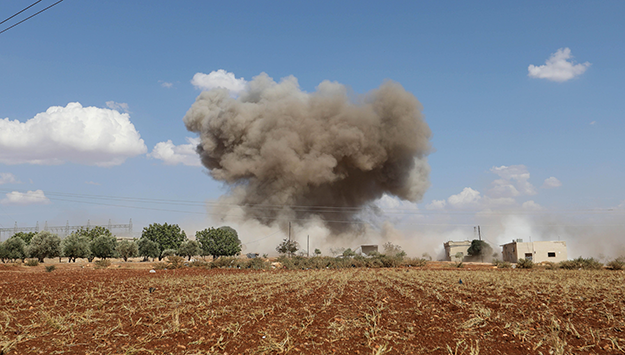
In this week’s Monday Briefing, MEI experts Charles Lister, Randa Slim, Jean-François Seznec, and Mirette F. Mabrouk provide analysis on recent and upcoming events including escalating tensions in Idlib, protests in Basra and their implications for Iraqi politics, a Saudi sovereign wealth fund’s loan to help make up for Aramco IPO revenue, and Egypt’s diplomatic outreach to China.
Saudi Arabia’s nuclear energy program is barely in its infancy but has already spurred much controversy. Amid a regional standoff between Saudi Arabia and Iran and provocative comments from Saudi leaders, some observers worry that the program is little more than a pretext for developing nuclear weapons. Others, however, point to what they see as legitimate peaceful motivations for the program. They note that as a member in good standing of the U.N.
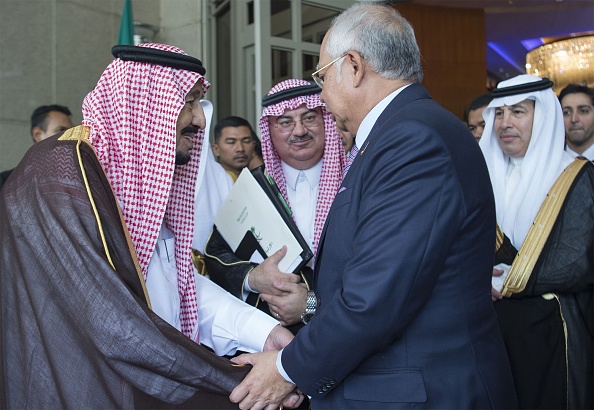
For decades Malaysia’s Islamic identity has strongly factored into the latter’s ties with GCC members. Kuala Lumpur has long engaged the Arab Persian Gulf monarchies closely on issues of major ideological and geopolitical importance to the wider Arab/Islamic world from the Soviet Union’s invasion of Afghanistan to the unresolved question of Palestine. This article discusses the challenges Malaysia faces in preserving and further nurturing its long-standing relations with the GCC countries.
Millions of landmines scattered across the Middle East have remained a persistent threat to civilians long after the wars in which they were deployed came to a close. However the recent conflicts in Iraq, Syria, Libya and Yemen have made the problem much worse. Steve Priestley, global director of operations for mine action at Janus Global Operations, joins Paul Salem to discuss the challenges facing demining operations, and some of the technological innovations that could help.
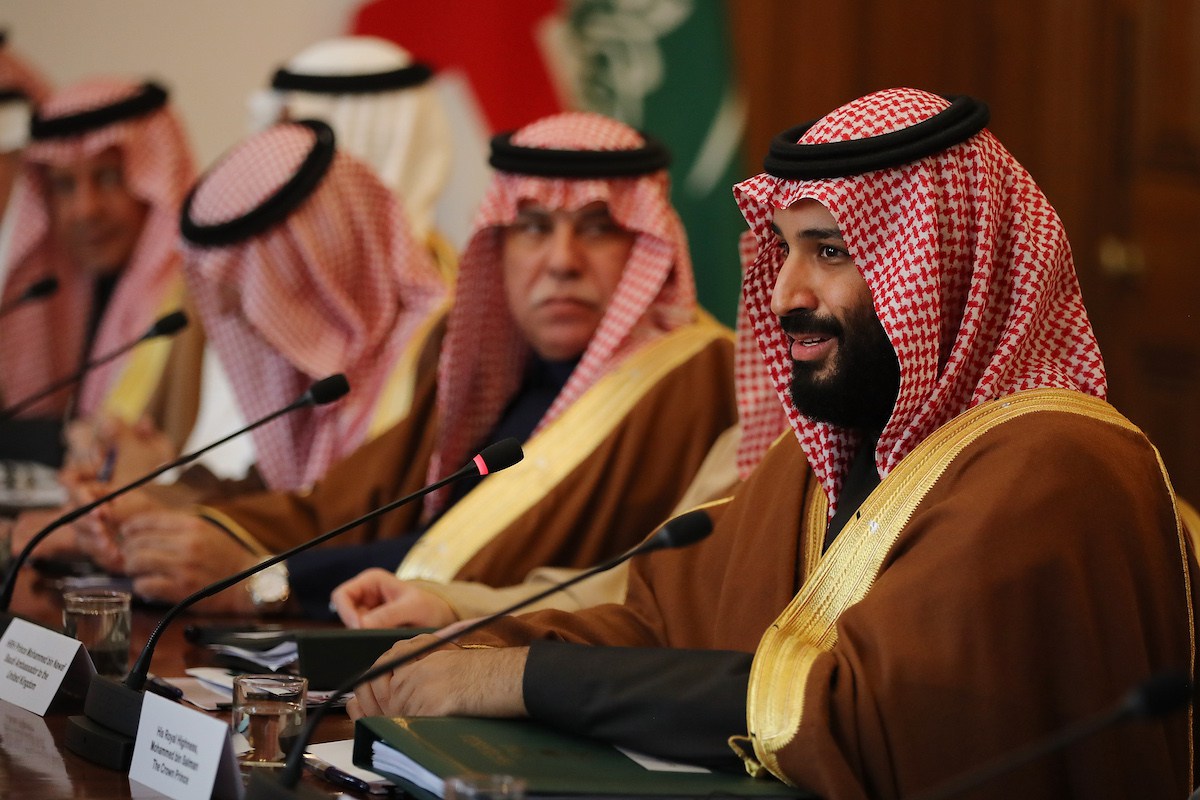
No Saudi official has been more applauded and vilified at the same time than Mohamed bin Salman, the Crown Prince and de facto ruler of Saudi Arabia. That is not surprising, given the transformational nature of the project he’s leading at home, which is bound to create both winners—those who wish to open up the kingdom—and losers—those who wish more or less to preserve the status quo.
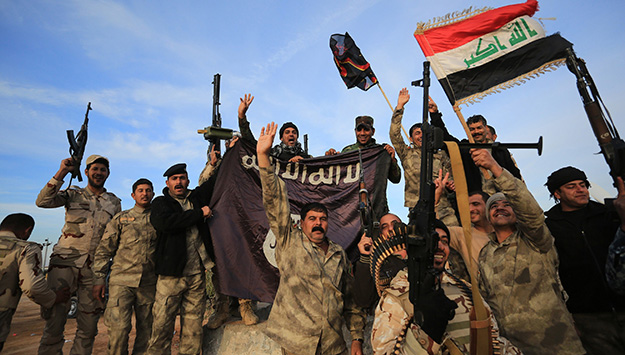
This paper examines ISIS’s actions, publications, and communications to determine its insurgency strategies and long-term organizational outlook, emphasizing sources that have been largely overlooked by forces fighting the group.
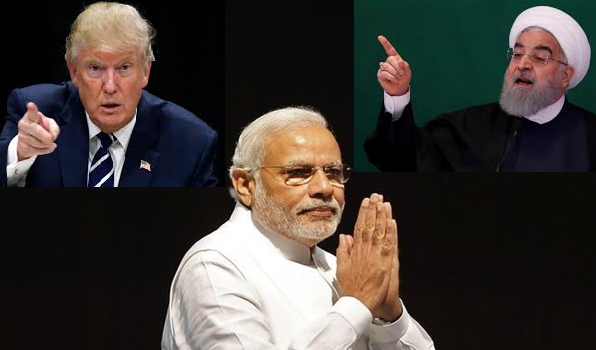
India finds itself in a precarious situation. On one hand, Delhi does not want to antagonize the United States, with which it has developed a strong relationship over the past two decades. On the other hand, India has had a long-standing generally positive relationship with Iran that it is keen to maintain and in fact build upon. This essay examines the economic, domestic political, and international challenges that the Trump administration’s “maximum pressure” approach poses for India.
In 2010, Lebanon had published the National Wind Atlas a report undertaken by the U.N. Development Programme that catalogued Lebanon’s extensive wind resources. This report inspired local policy makers in Lebanon to pursue wind generation projects. The mean potential of wind was estimated to be 6.1 gigawatts, a shocking amount given Lebanon’s size.
The Middle East has undergone several geopolitical transformations over the decades since World War II. While these in part were driven by political and economic realities indigenous to the region, the most profound changes have come about through the actions of outside actors, first by the Europeans and later by the United States and the Soviet Union.
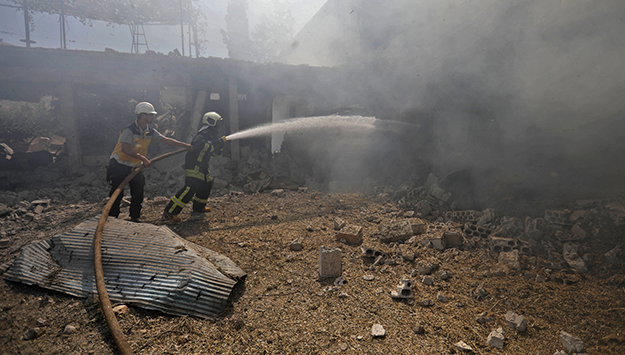
Turkey’s damage-control campaign in Idlib | Weekly Briefing
In this week’s briefing, MEI experts Robert S. Ford, Randa Slim, Gerald Feierstein, and Marvin G. Weinbaum provide analysis on recent and upcoming events including Turkey’s attempts to prevent a major escalation in Syria’s Idlib province, ongoing political turmoil in Iraq, the implications of the Trump administration’s decision to cut off U.S. aid to UNRWA, and Sec. Pompeo’s upcoming trip to Pakistan.
Iran and Pakistan vow to bolster ties in defiance of U.S. pressure
Iranian Foreign Minister Mohammad Javad Zarif today held meetings with Pakistan’s new Prime Minister Imran Khan and his Pakistani counterpart Shah Mehmood Qureshi in Islamabad to discuss ways to boost bilateral relations between the two countries, Iranian and
Is Iran replicating Lebanon model in southern Syria?
Russia announced in early August that it had convinced Iranian forces in Syria to keep away from the Israeli border by about 85 kilometers (53 miles). The Russian mediation came in the backdrop of an escalation in Israeli military strikes against Iranian-led forces in Syria.
UN Special Envoy Martin Griffiths will lead a new round of negotiations next week to attempt to end the long and costly war in Yemen. A new UN report this week that outlines possible war crimes by the parties engaged in the conflict underscores the need to find a resolution. MEI’s Gerald Feierstein, a former U.S. ambassador to Yemen, and Randa Slim, who was a member of the last UN negotiating team on Yemen, join host Paul Salem to assess the prospects for the peace talks.
The oldest peer-reviewed publication dedicated to the study of the modern Middle East, MEI’s flagship journal covers politics, society, and culture in the region.